
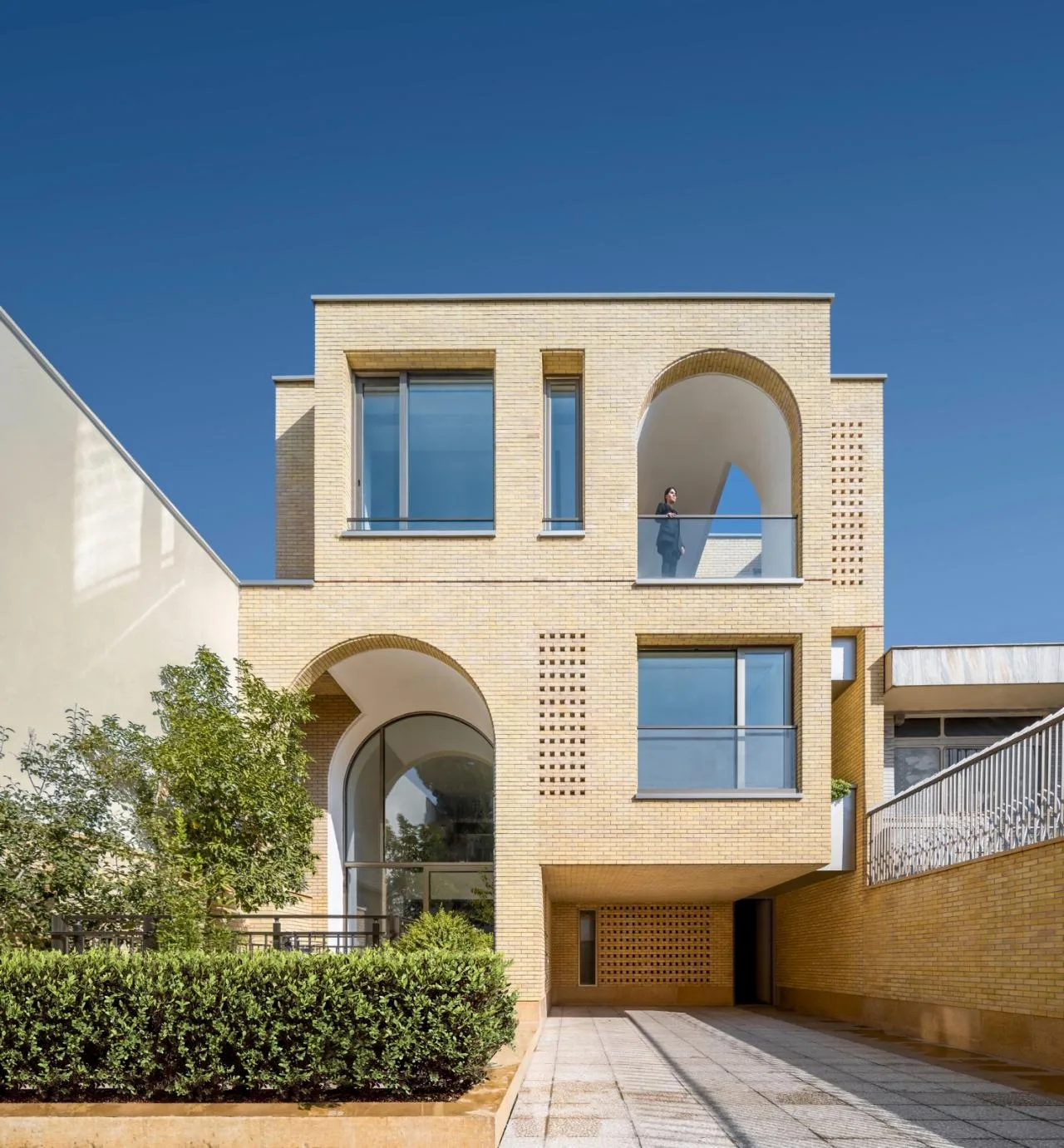
Prototypes can be compared to embryos of various species: while they initially share similarities, each undergoes unique transformations and developments. These changes are driven by distinct relational forces. Thus, when working with prototypes, it is crucial to consider the dynamics related to vitality. Without this, we risk reproducing lifeless objects—entities that exist solely as themselves, trapped in a ‘tradition’ locked in meaningless rhetorical conflicts with other symbols.
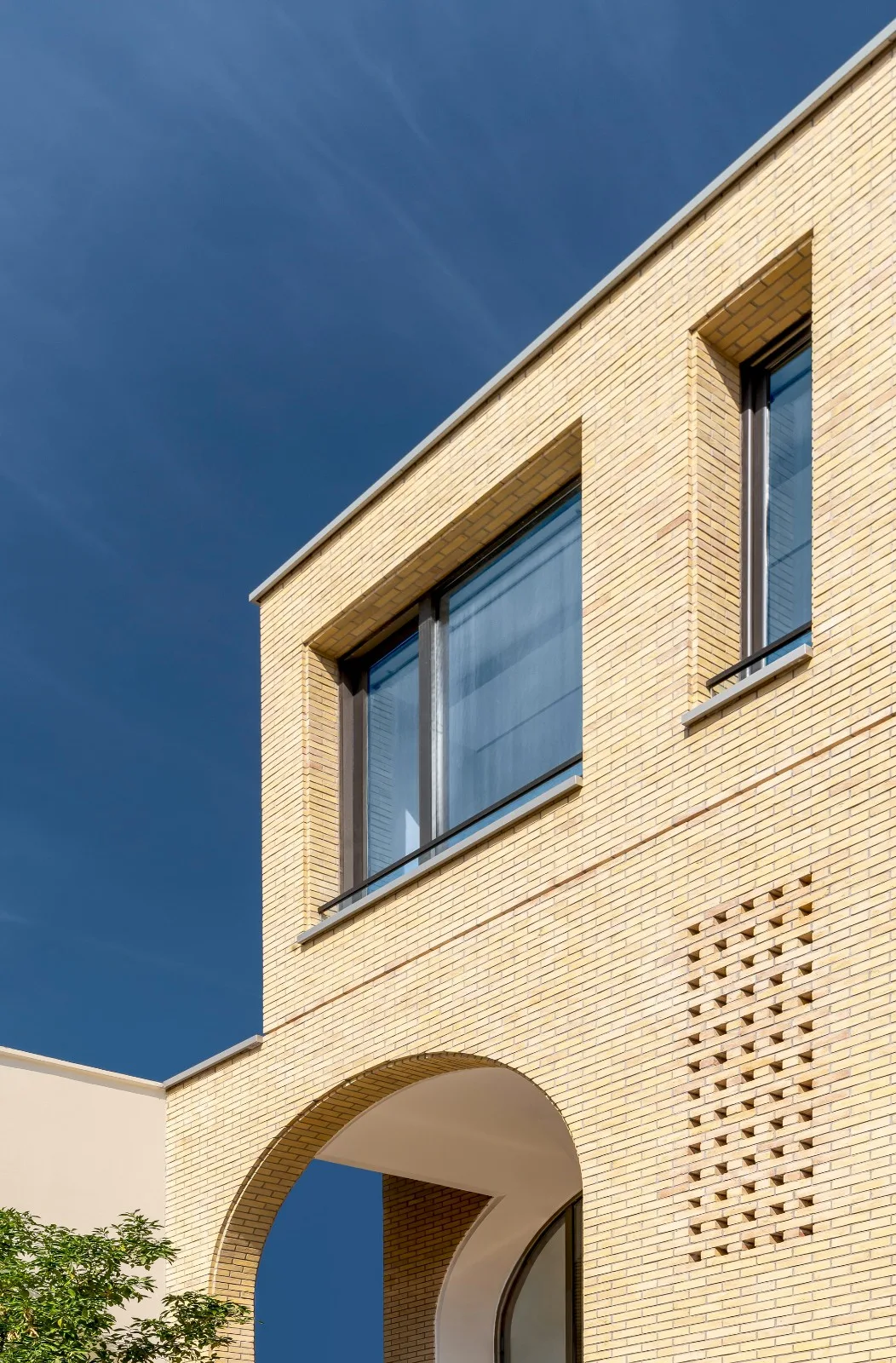
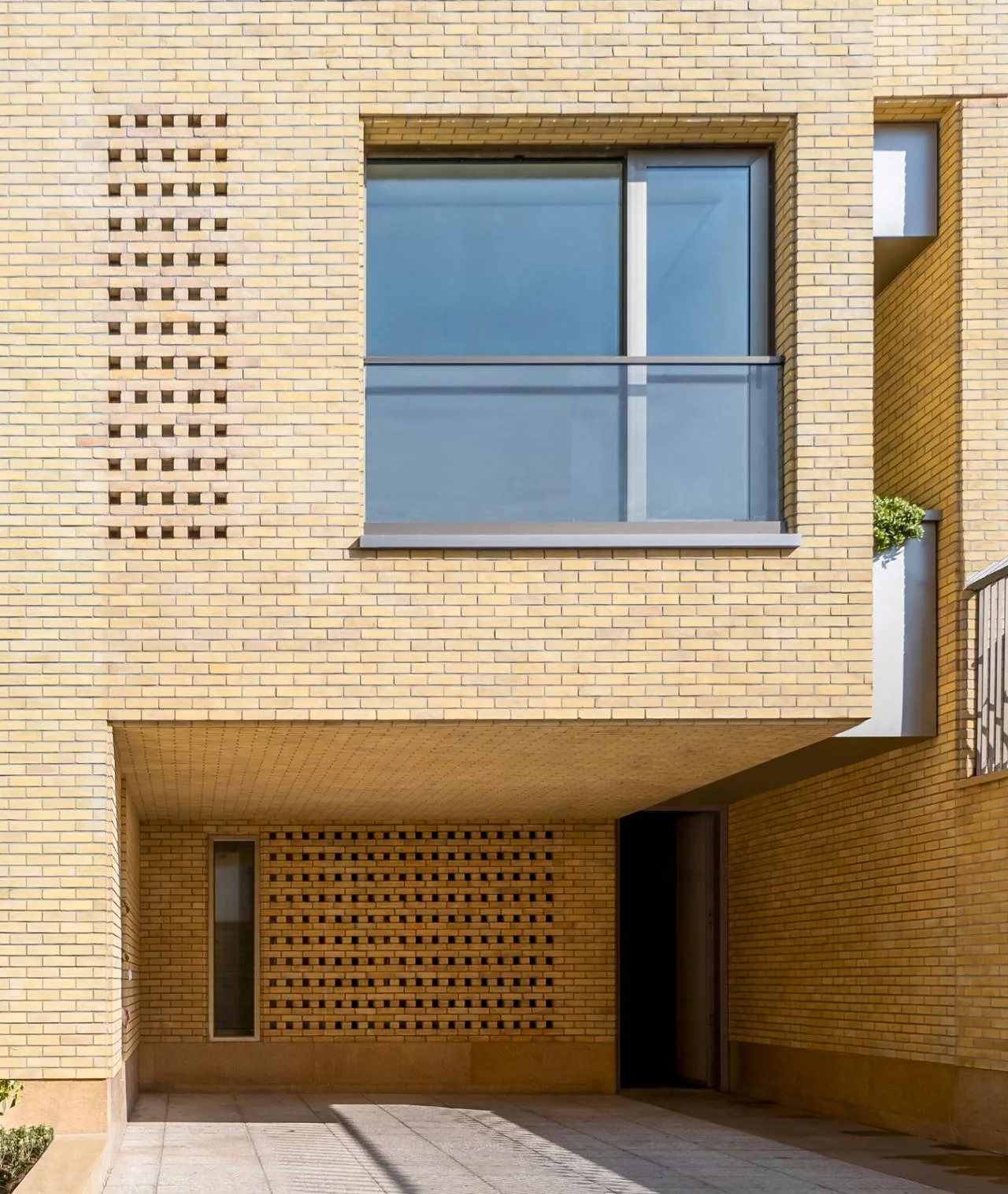
In the “2 Ivans, 2 Houses” project, Ivan serves as a prototype—a reinterpretation of a typical single Ivan house found in Iran’s central plateau. This approach focuses not only on form but also on the potential that form offers. Ivan represents a minimalist and efficient model that addresses the pressing need for spatial diversity in housing.
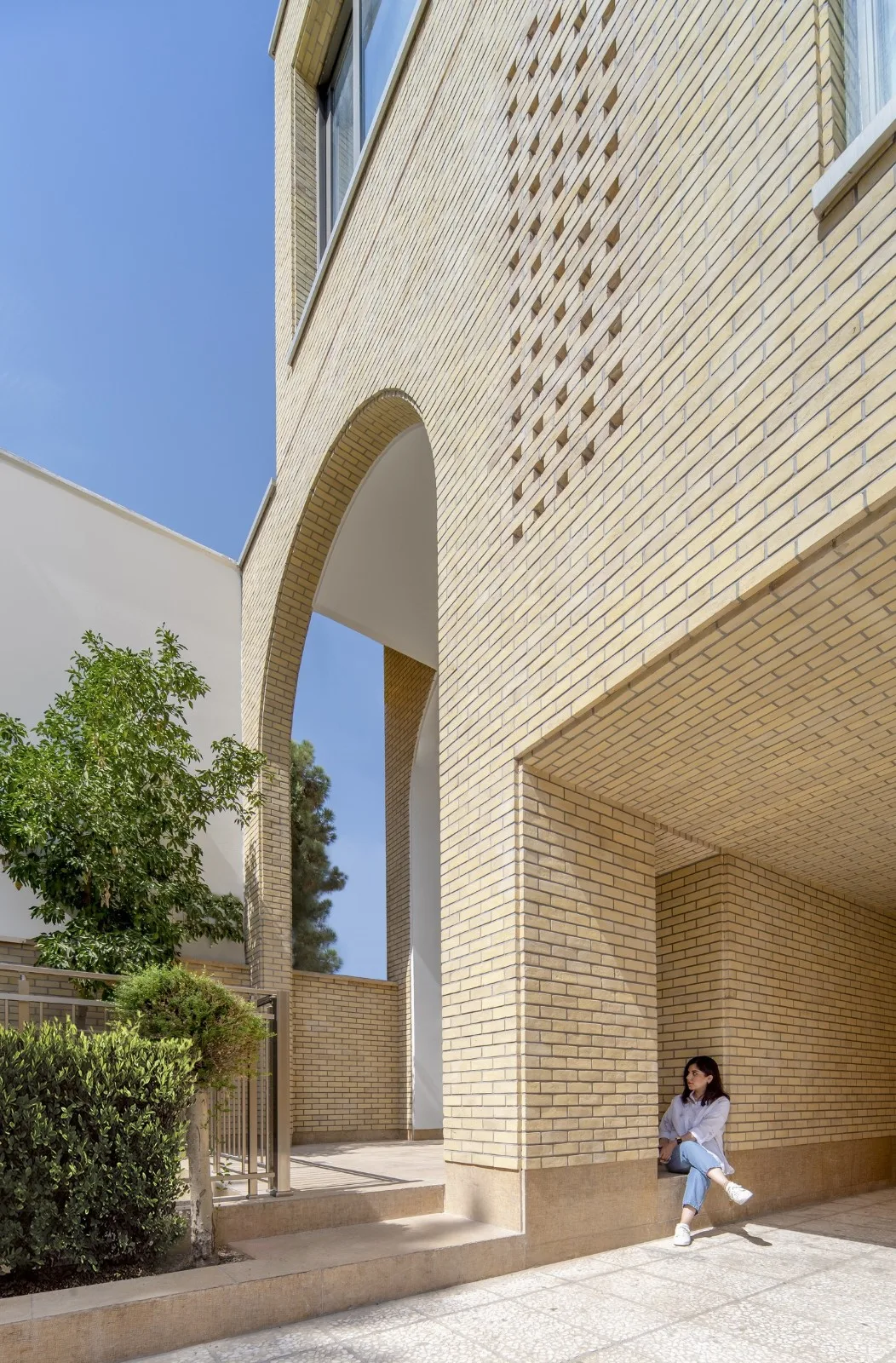
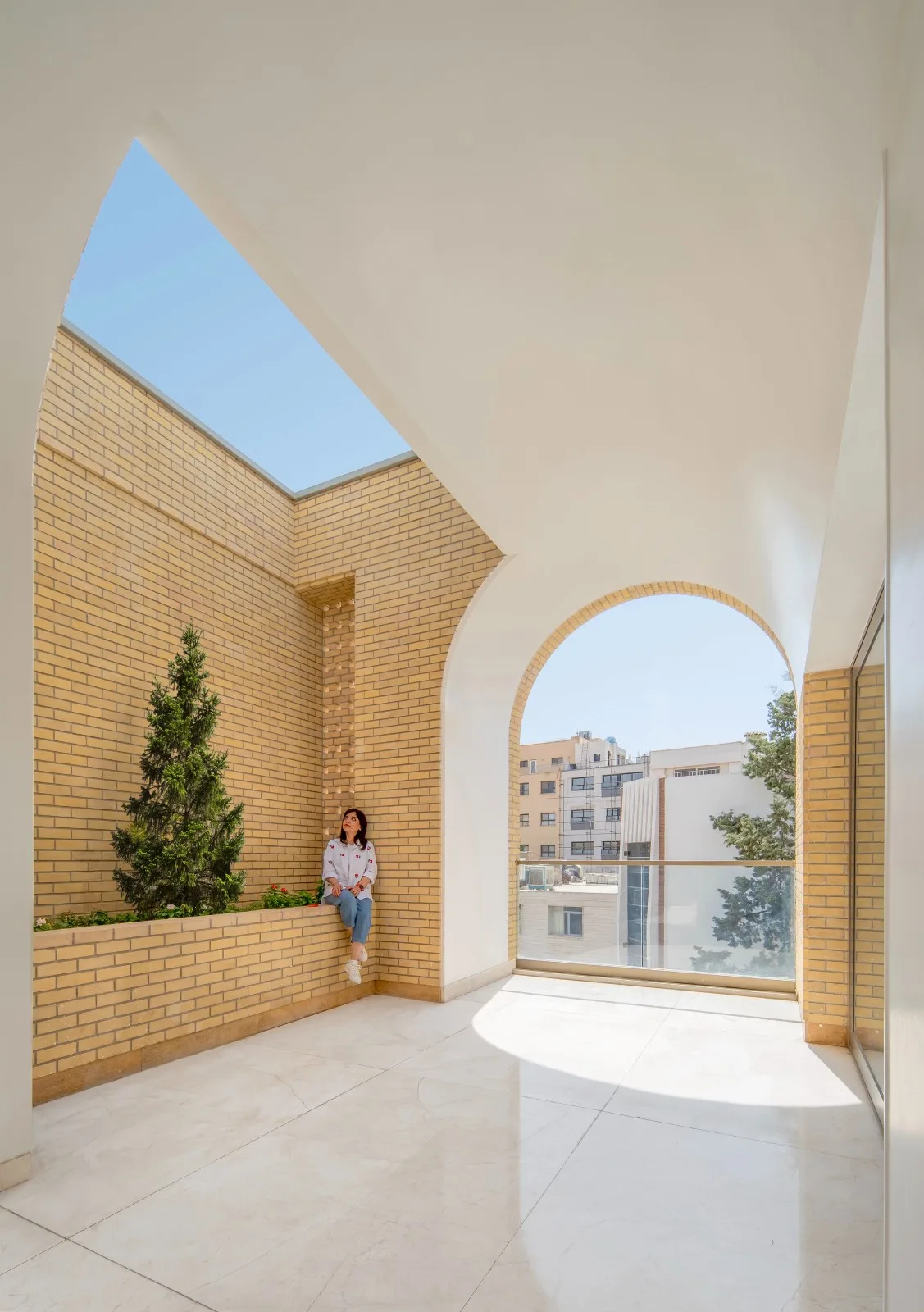
Within today’s real estate and spatial production systems, diversity in spatial design is vital for autonomous housing. This spatial configuration generates a series of interconnected open, semi-open, and enclosed areas that respond to the inherent character of contemporary Iranian homes. It avoids land wastage and breaks free from outdated customs, seamlessly integrating with circulation spaces while offering a living landscape—not just decorative elements. As architects, we continuously seek to discover and evolve these so-called ’embryos’, striving to transform them into living organisms suited to their immediate environments.
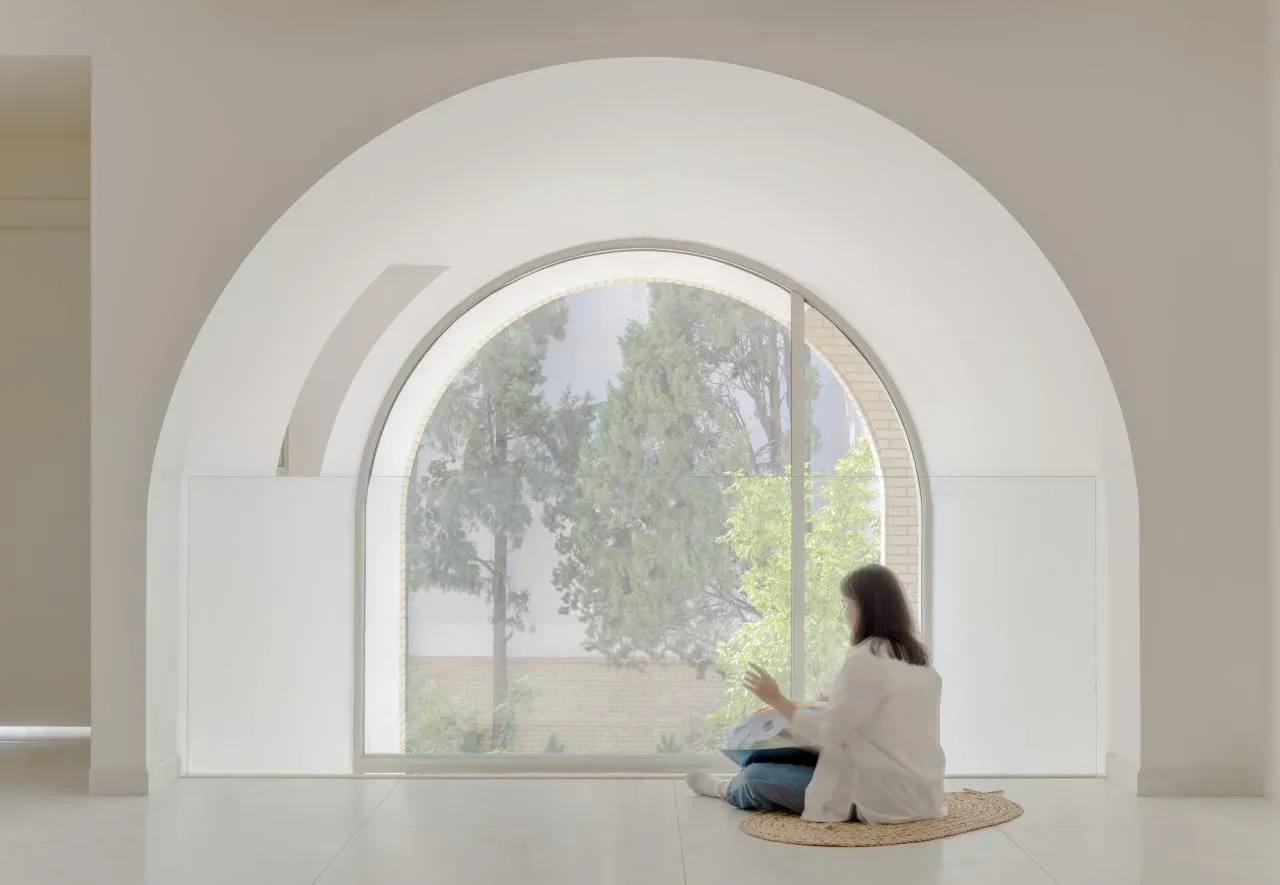
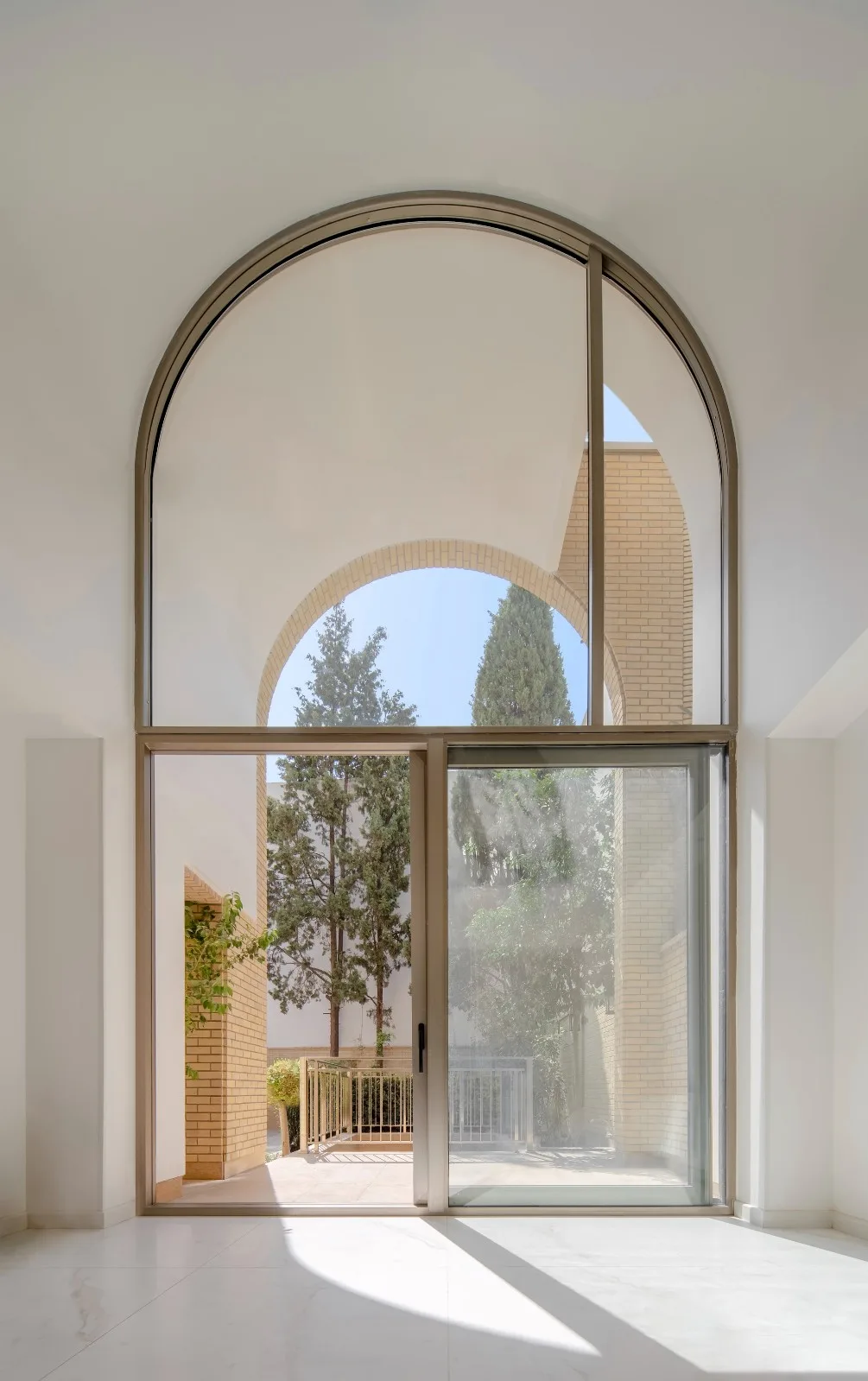
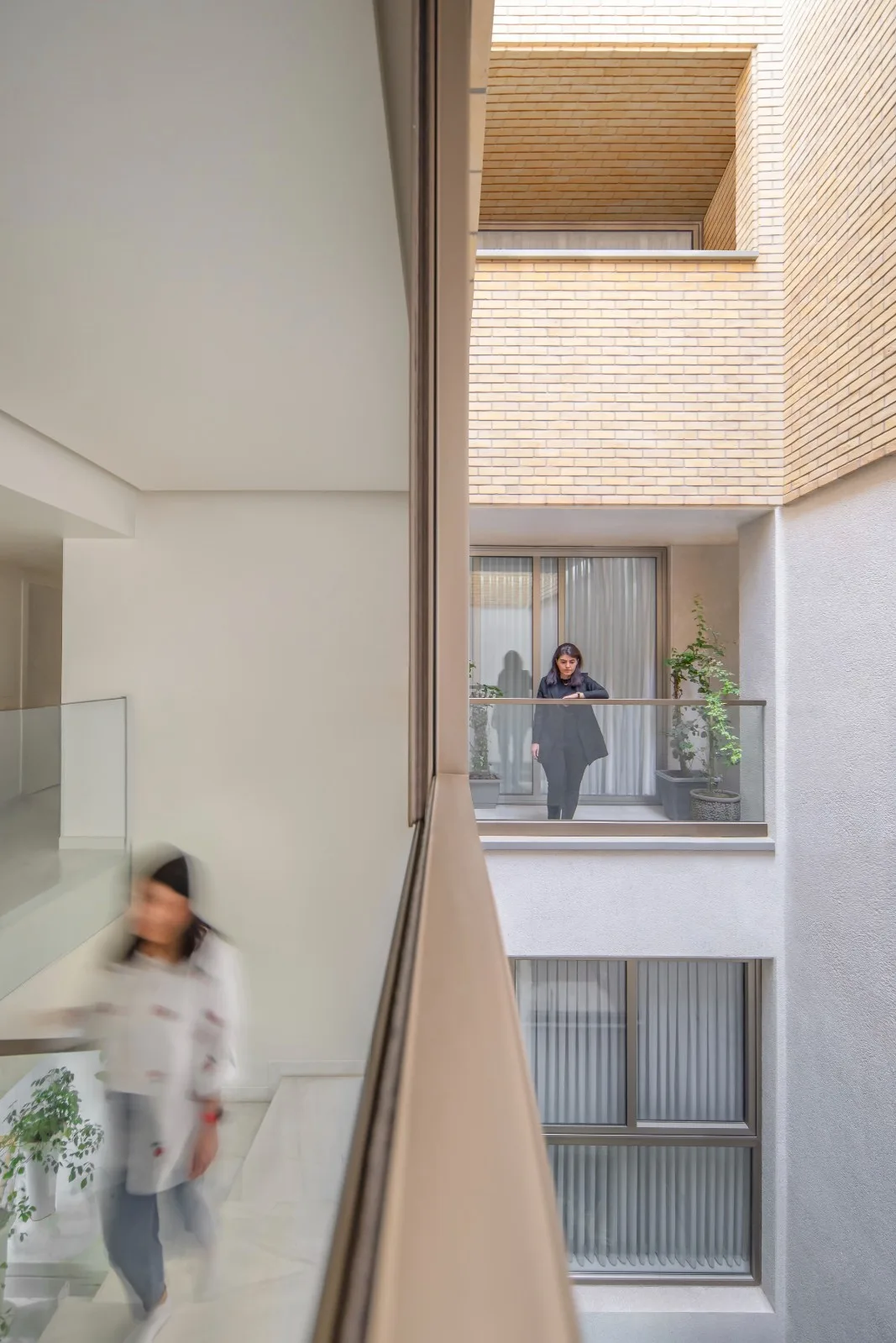
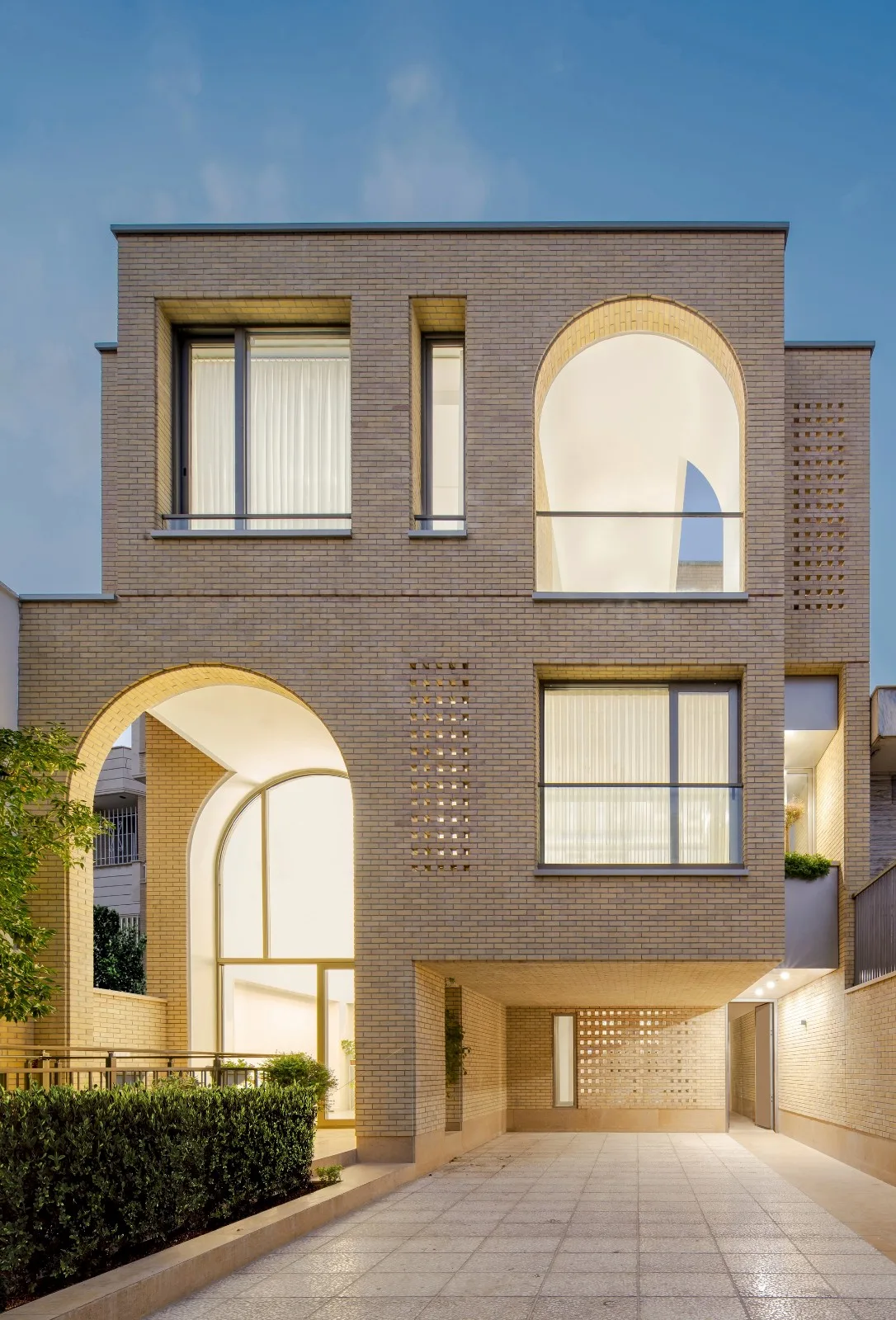
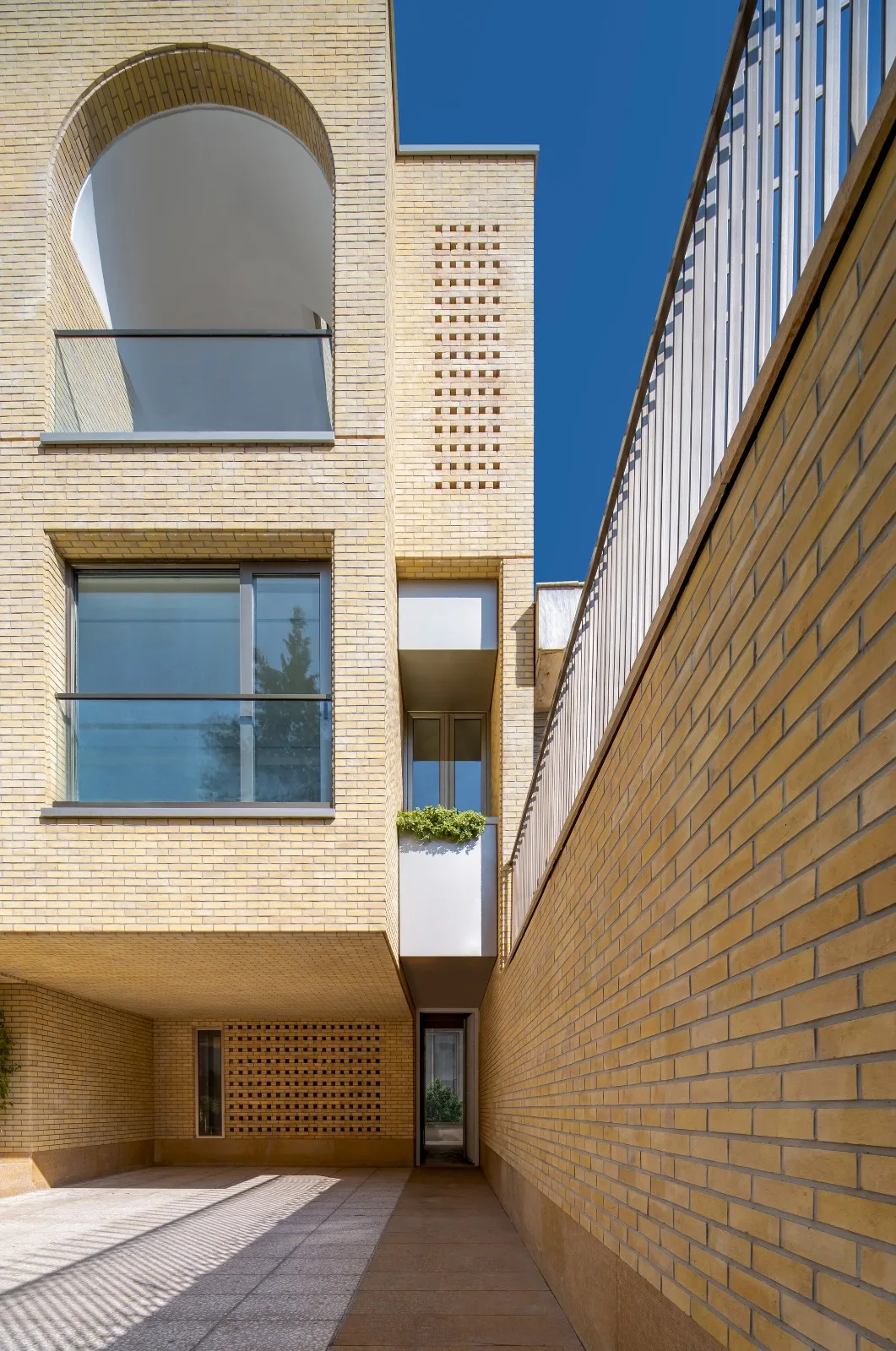
Historically, Ivan has established numerous spatial relationships, making it highly adaptable for contemporary design. In this project, there are two ‘Ivans’ arranged on separate levels. The first, called the ‘Observation Ivan’, is located on the first floor and offers an immediate visual connection between the two-story house, its neighbors, the courtyard, and surrounding trees. The second, the ‘Entrance Ivan’, is situated on the second floor and serves various functions for the adjacent building, facilitating both movement and rest within circulation paths. Though these two Ivans share a common origin, they express distinct forms, creating two unique styles and two separate houses within a single structure.
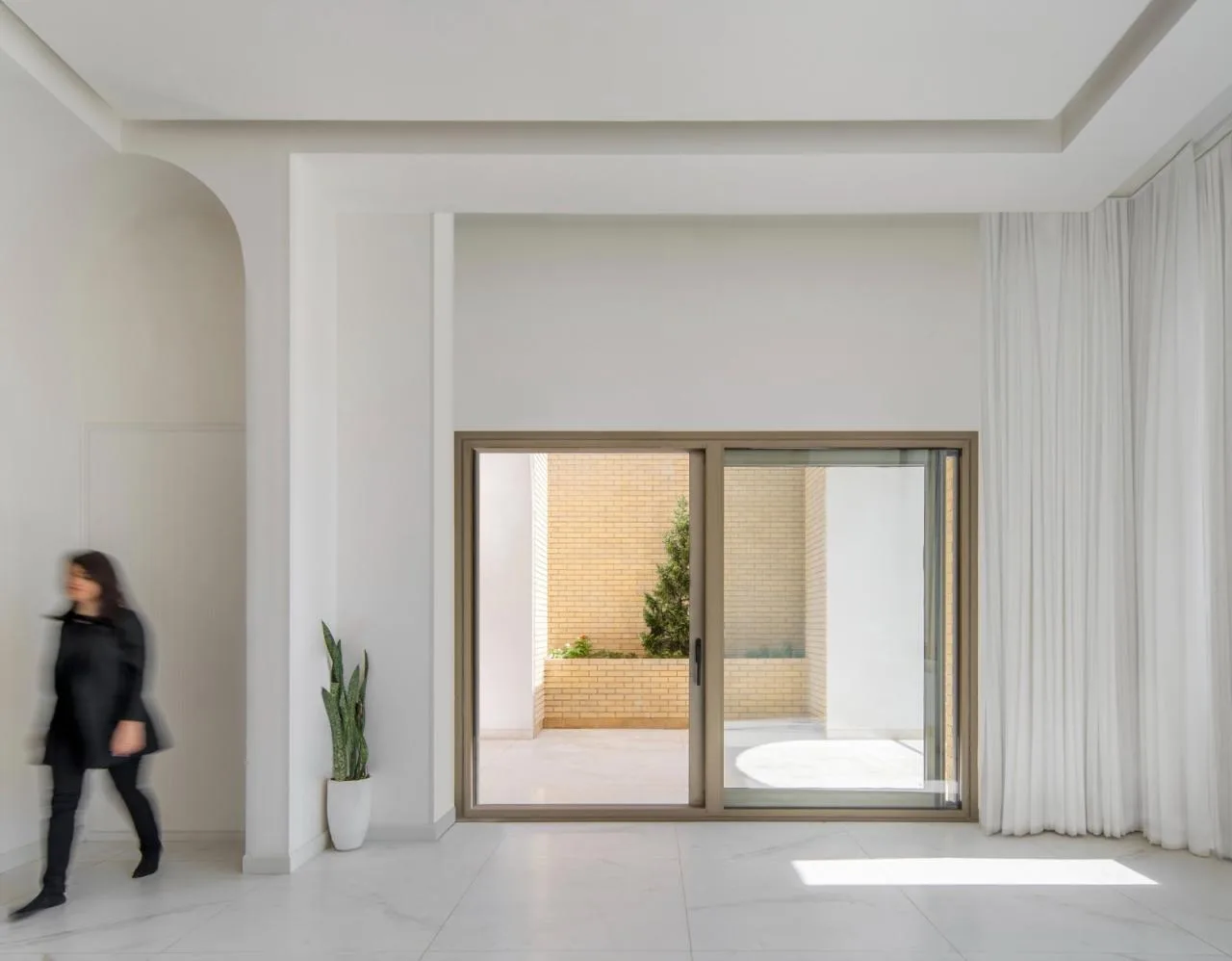
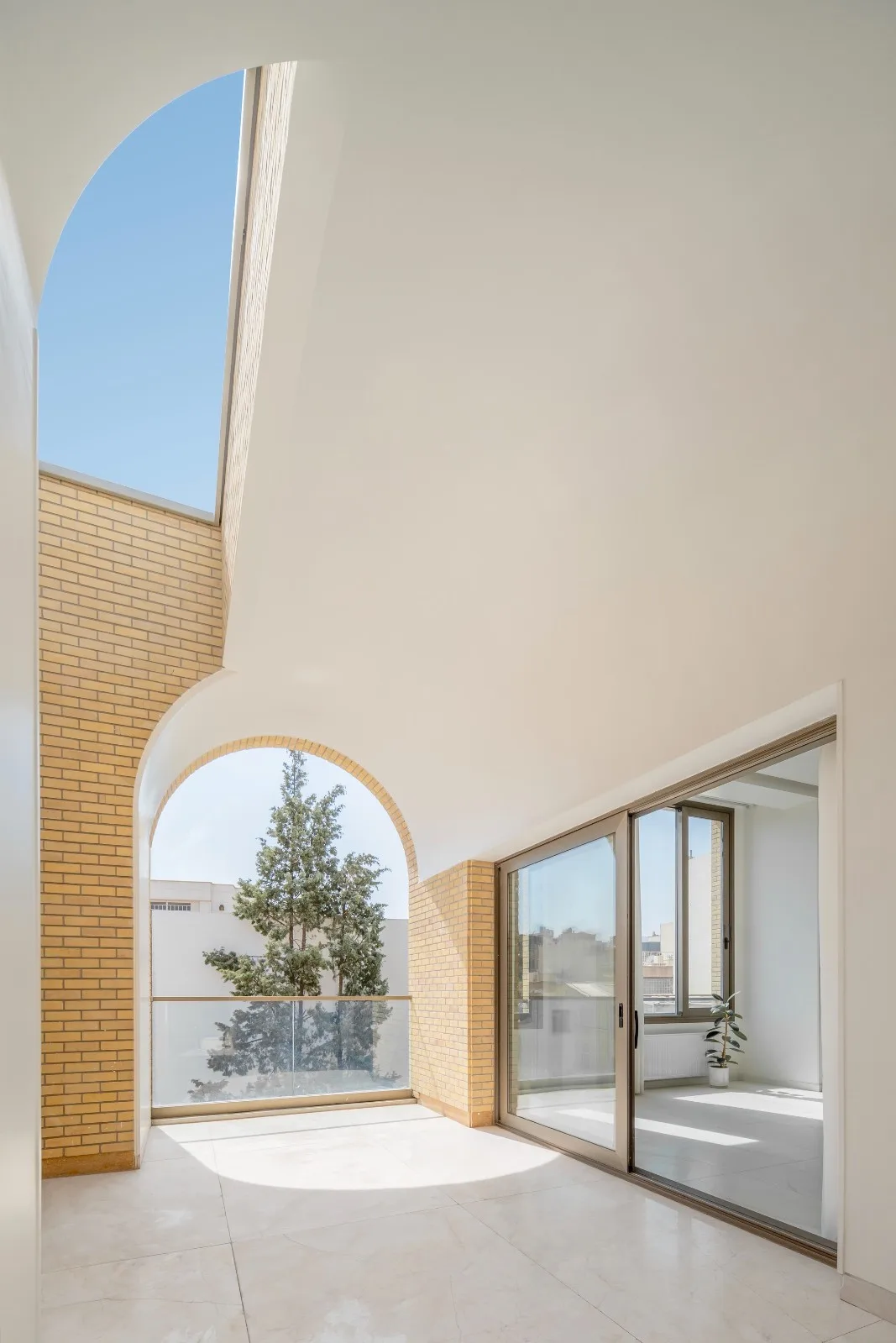
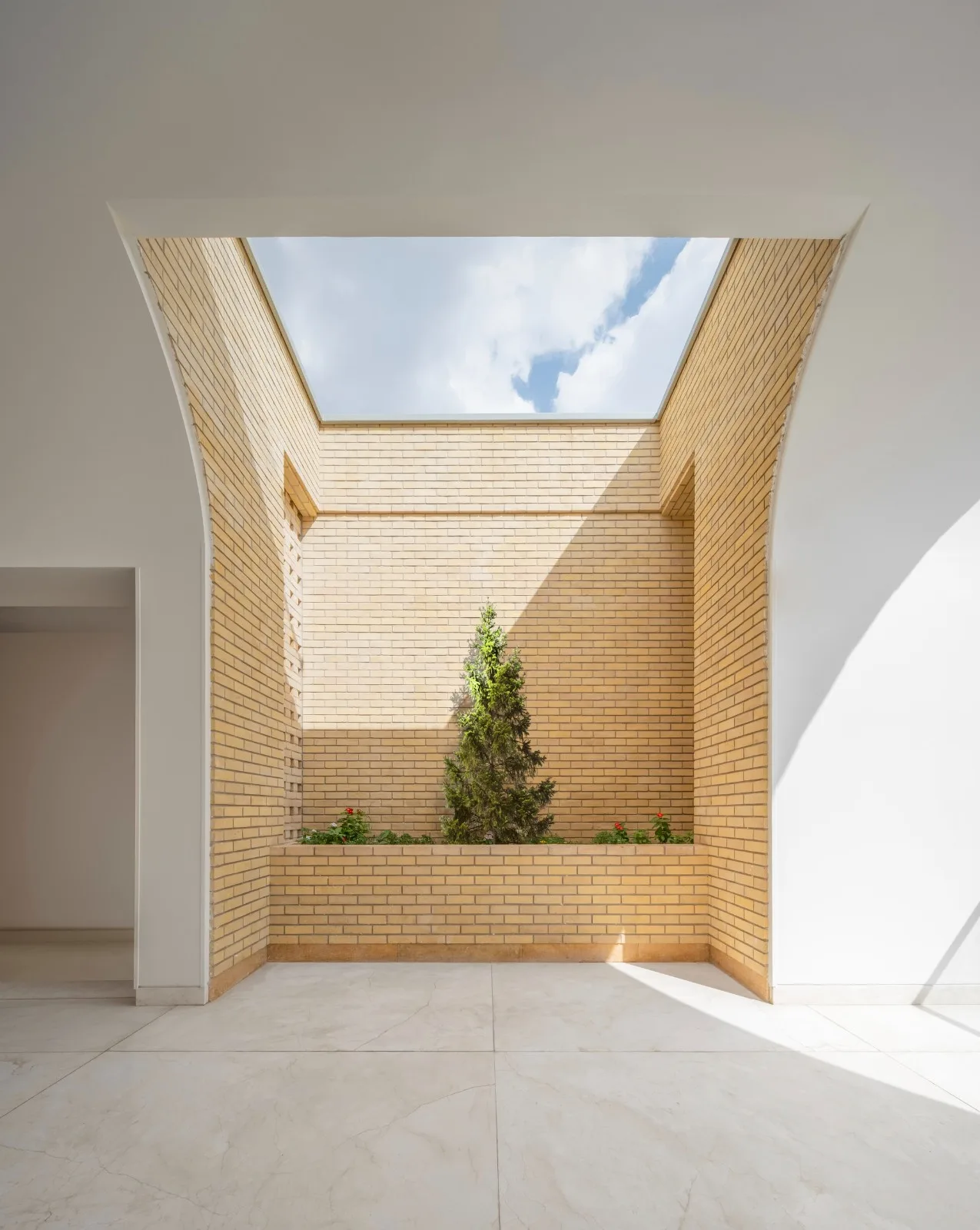
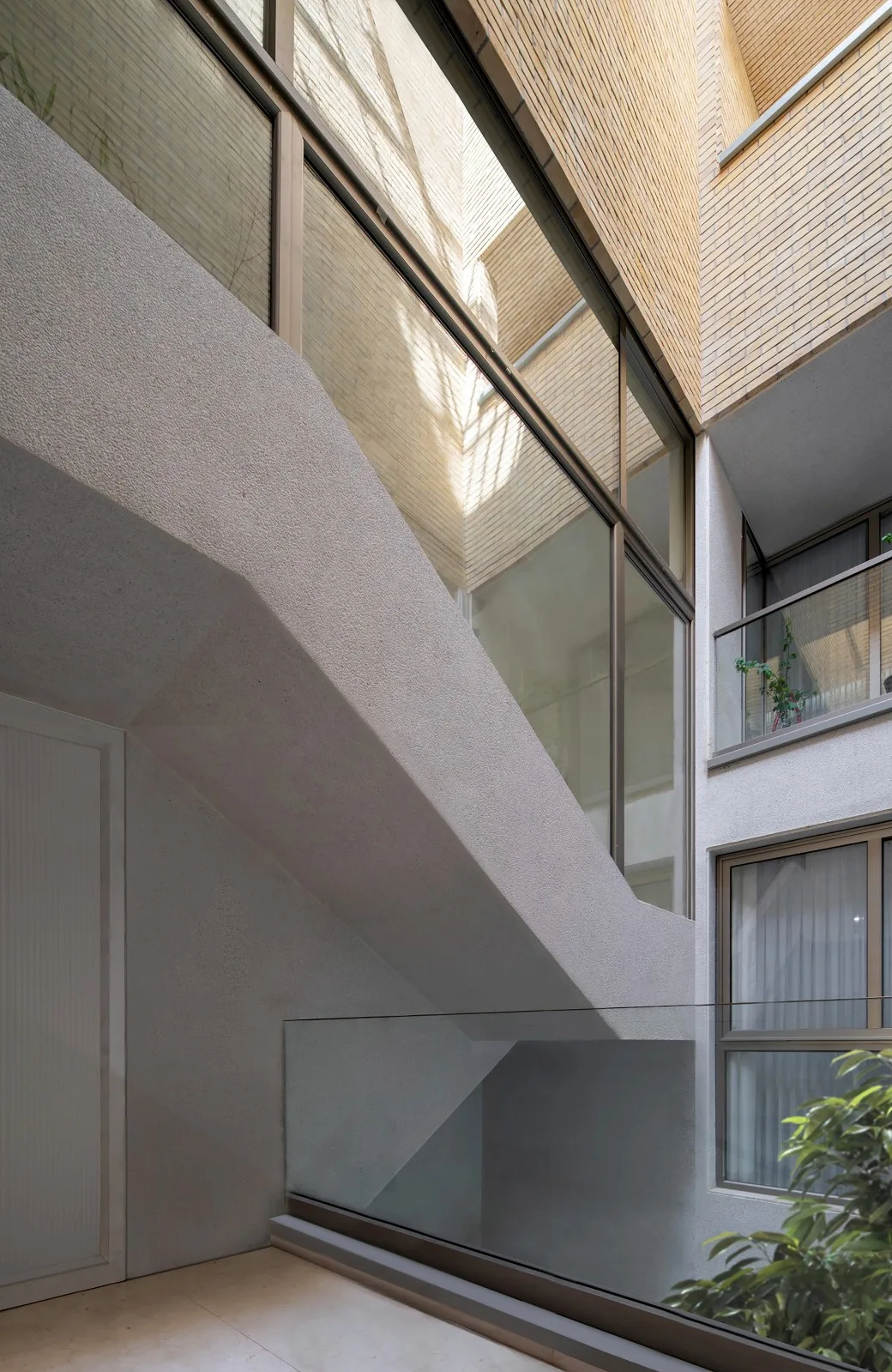
Ivan integrates into a cohesive structure through an ongoing dialogue—one that connects the Earth, sky, neighbors, and the relationship between indoor and outdoor spaces. In this context, Ivan acts as a spatial extension that incorporates the scenery of existing trees into the home’s interior living spaces, while maintaining visual and spatial links with neighbors’ backyards and the front yard. In this project, Ivan is the key element enabling these connections: bridging gardens, reflecting the interaction between inside and outside, linking to the sky, and connecting with neighboring trees.
Project Drawings
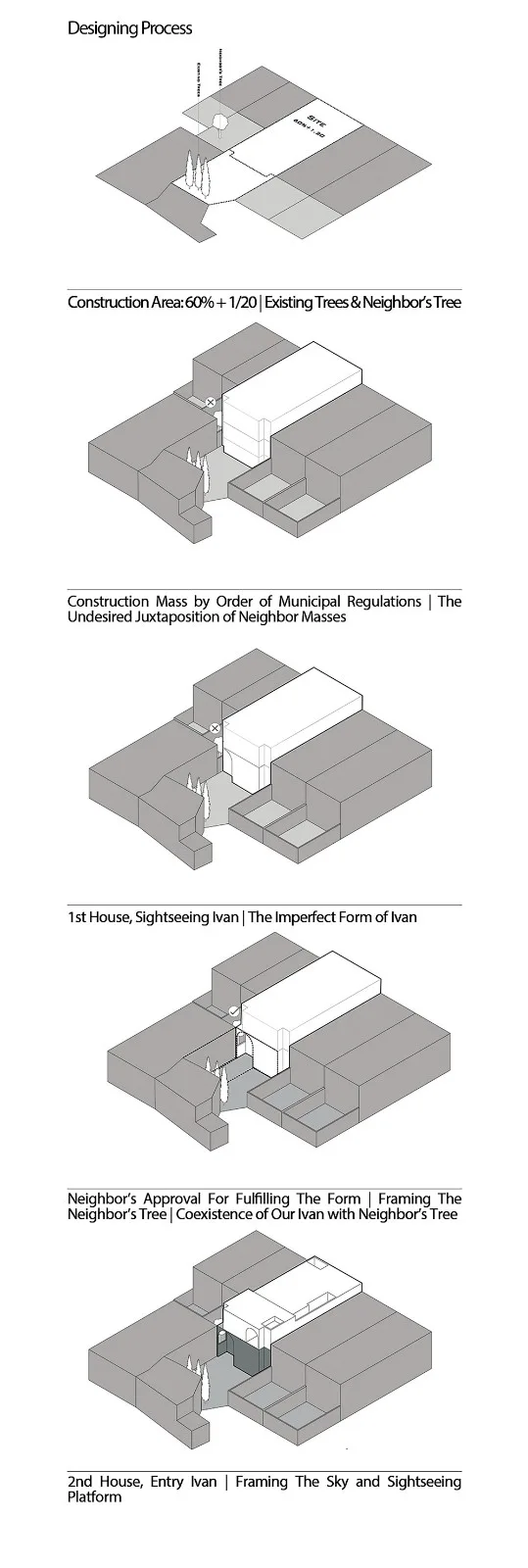
△ Analysis Chart
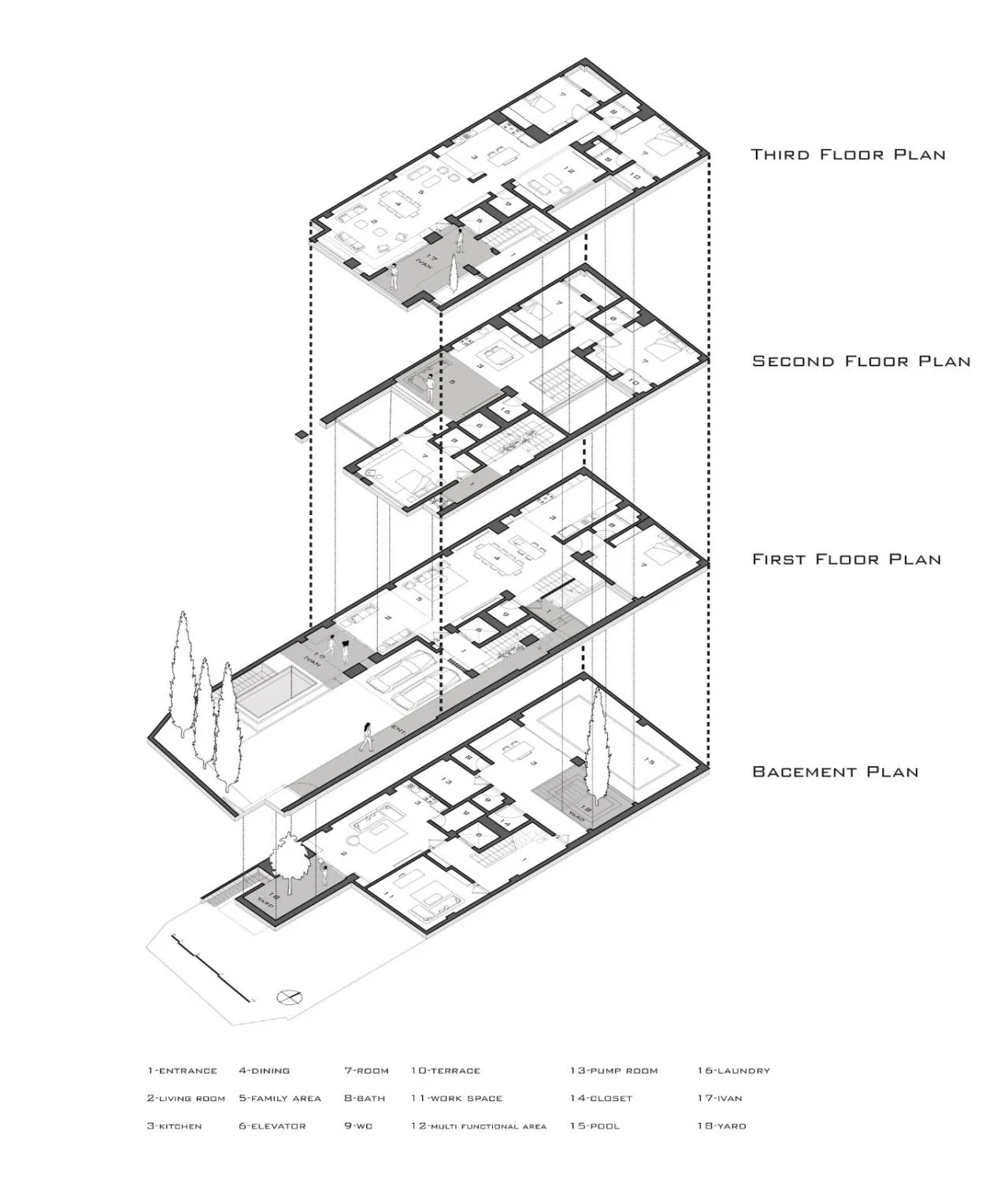
△ Plan View
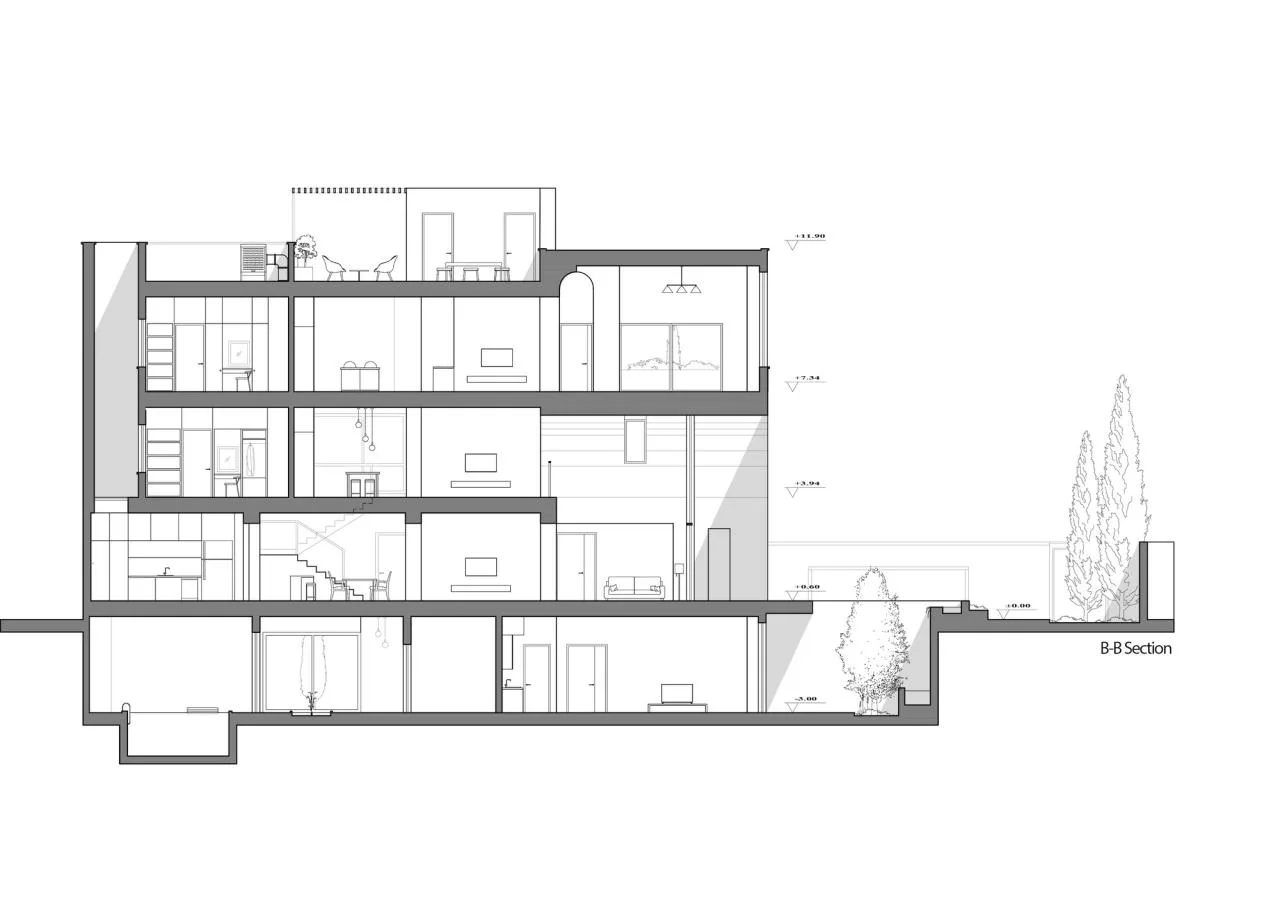
△ Section Diagram
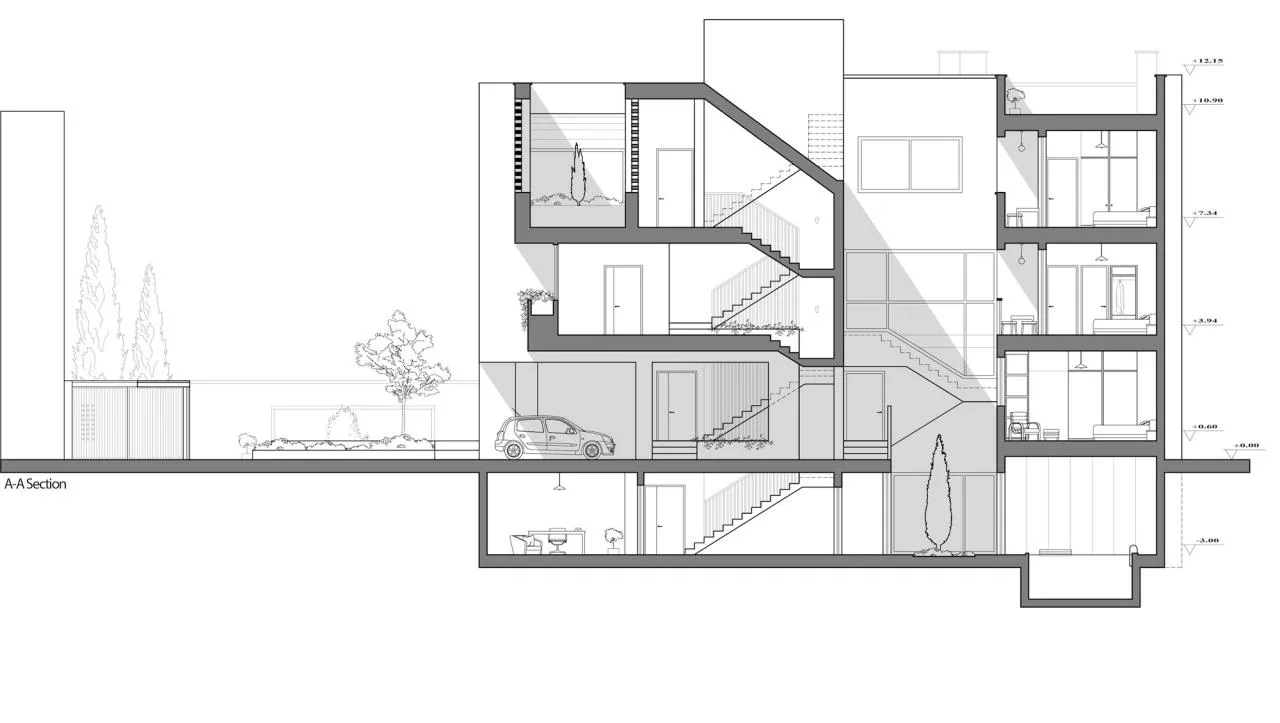
△ Section Diagram
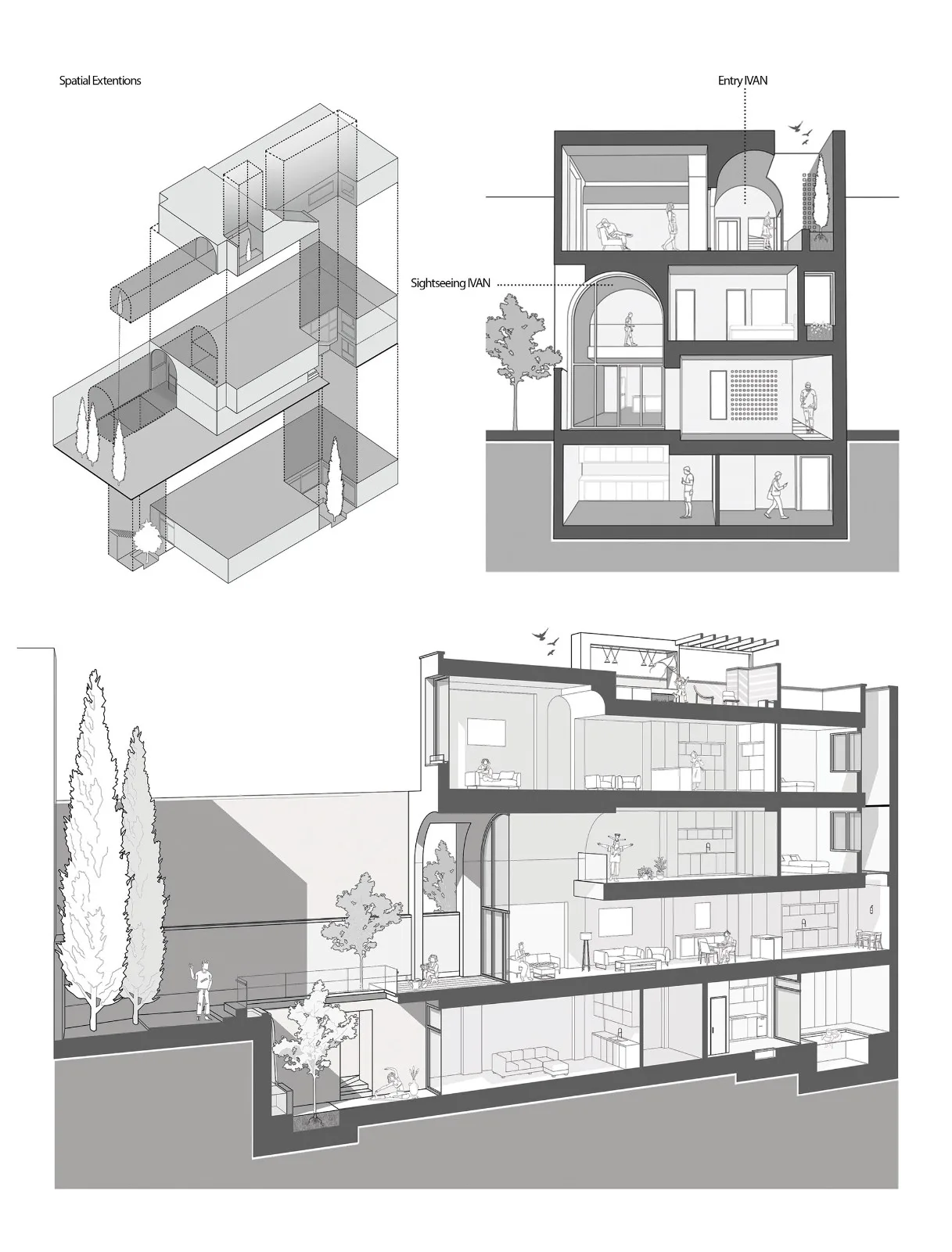
△ Sectional Perspective
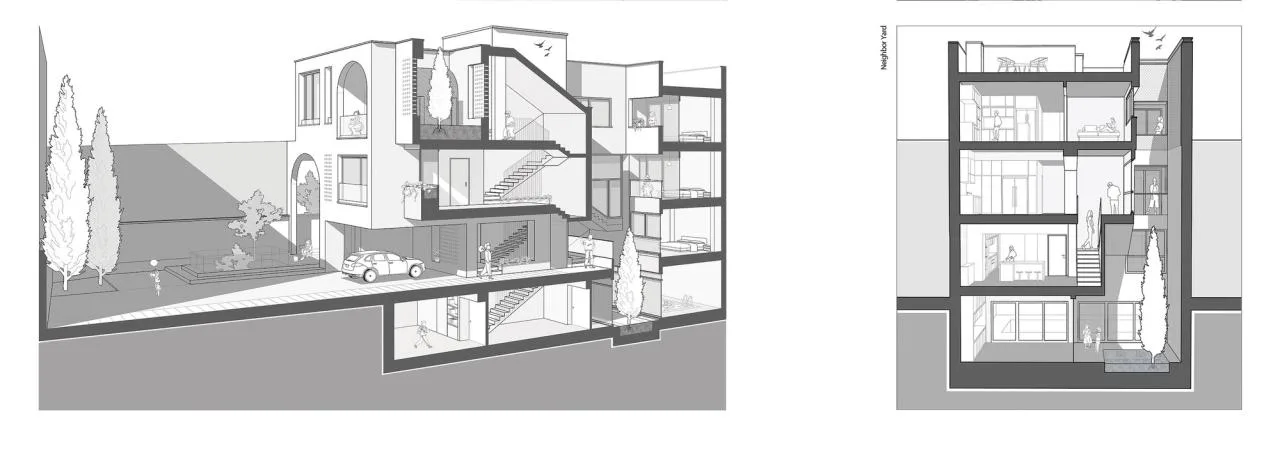
△ Sectional Perspective
Project Information
Architect: HAMAAN Studio
Area: 950 m²
Project Year: 2023
Photographer: Mohammad Soroosh Jooesh
Materials: AGT Highglass, Alfam, Handmade Brick, Hermes, Knauf
Lead Architect: Behrouz Shahbazi
Client: Hamidreza Ziayi
Engineering Management: Kimia Valiani
Design Team: Kimia Mohammadi, Zahra Shokrollahi
Reporting Team: Masih MoshgForoush, Sharareh Pooladsaz, Kimia Mohammadi, Faraz Tahmasbi, Ahmad Mousavian, Fahimeh Mohammadi
Structural Engineering: Eng. Khosravi
Electrical Engineering: Eng. Davoudi
Mechanical Engineering: Eng. Jahangiri
Graphic Design: Ehsan Agharokh, Zahra Amini
Construction Team: Mehdi Abkhofteh & Partners
Engineering Supervision Team: HAMAAN Studio
Location: Isfahan, Iran












Must log in before commenting!
Sign Up