
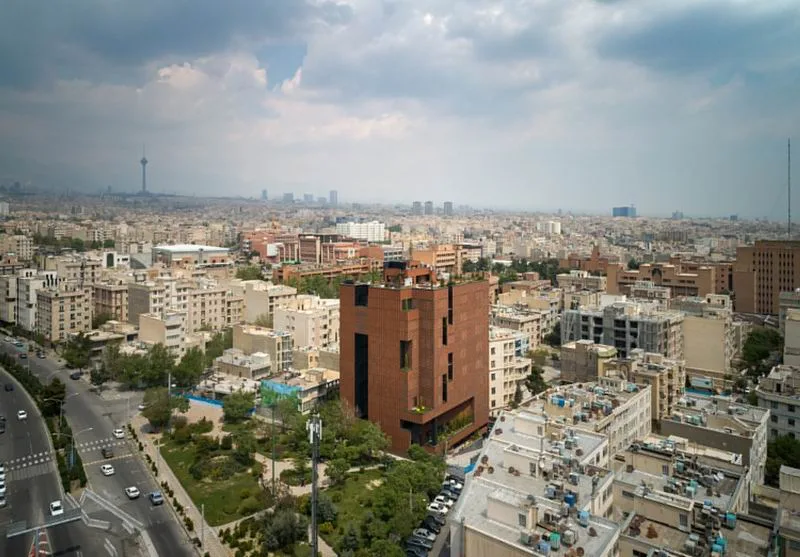
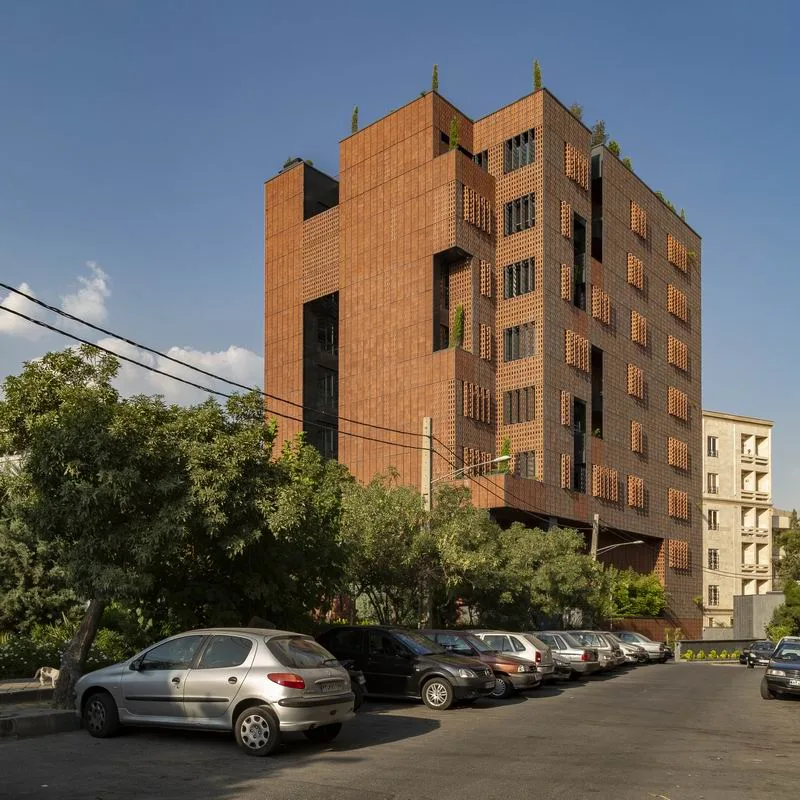
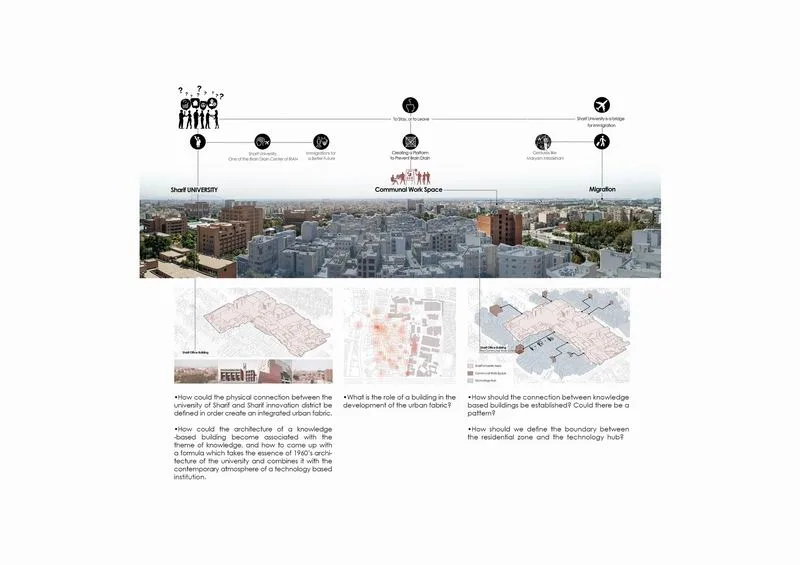
The Peykasa office building, commissioned by the university leadership, serves as a public workspace adjacent to Sharif University of Technology. The design utilizes the existing single-story structure while aligning with the campus’s brick and stone architectural style. Our goal was to capture the essence of the historic campus buildings, blending it with the atmosphere of a modern scientific research institution.
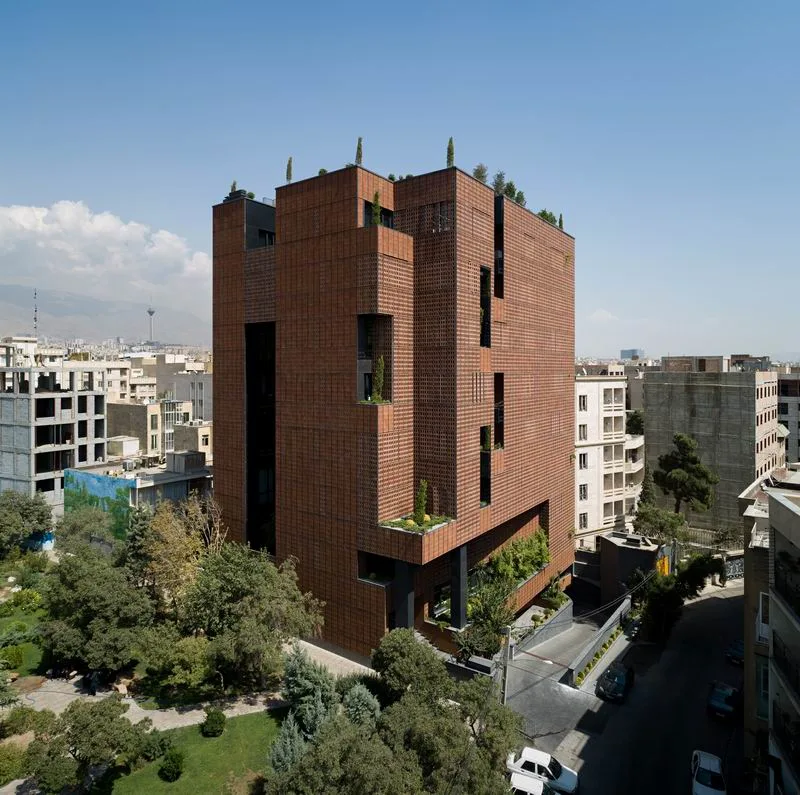
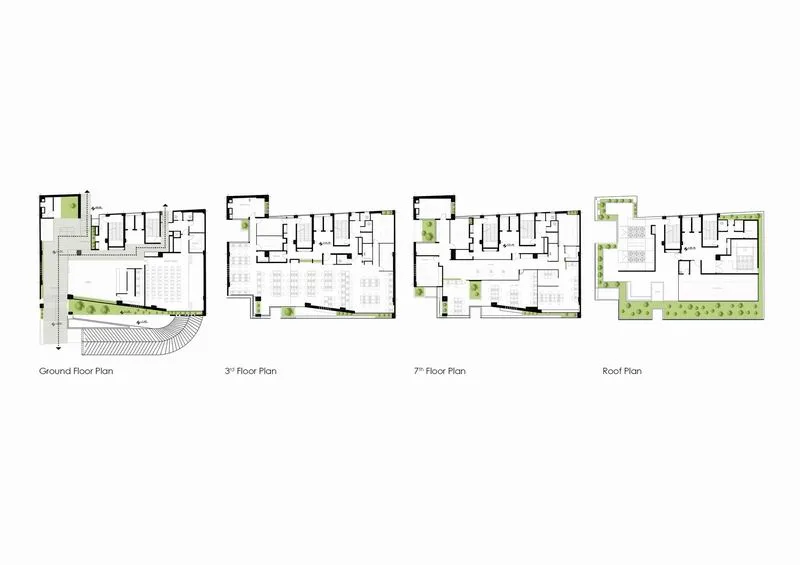
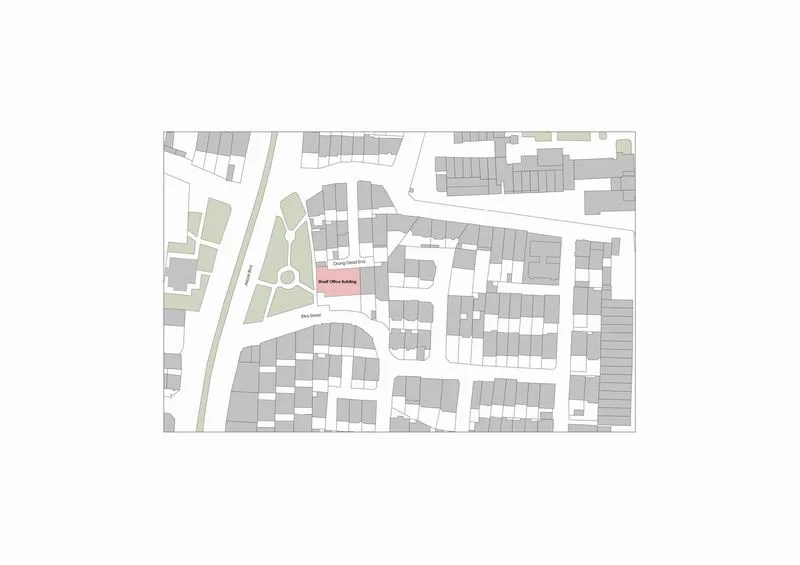
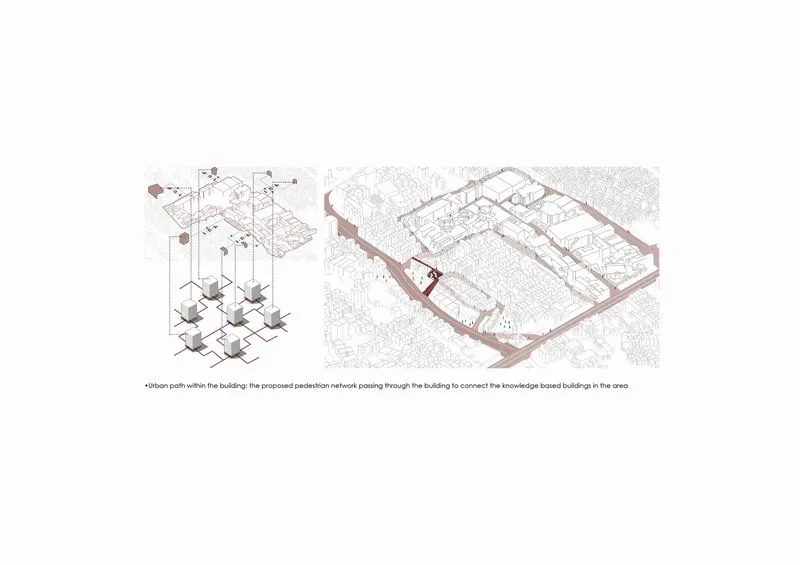
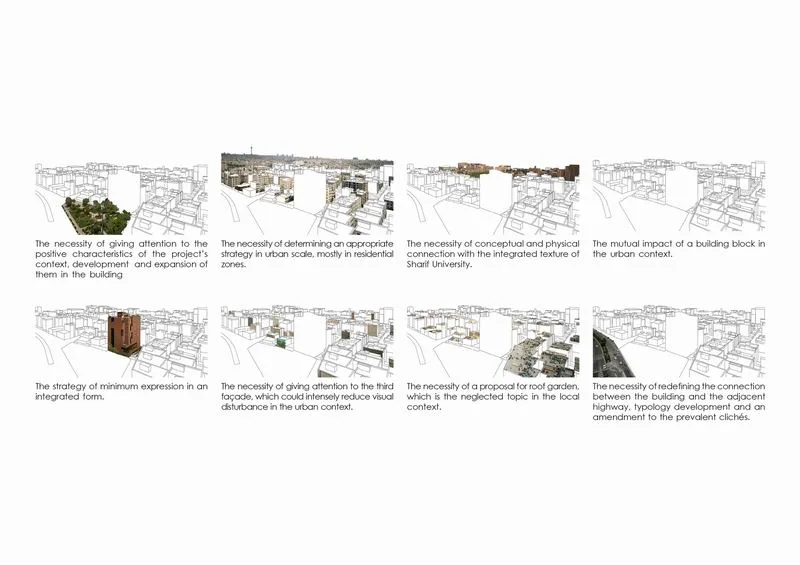
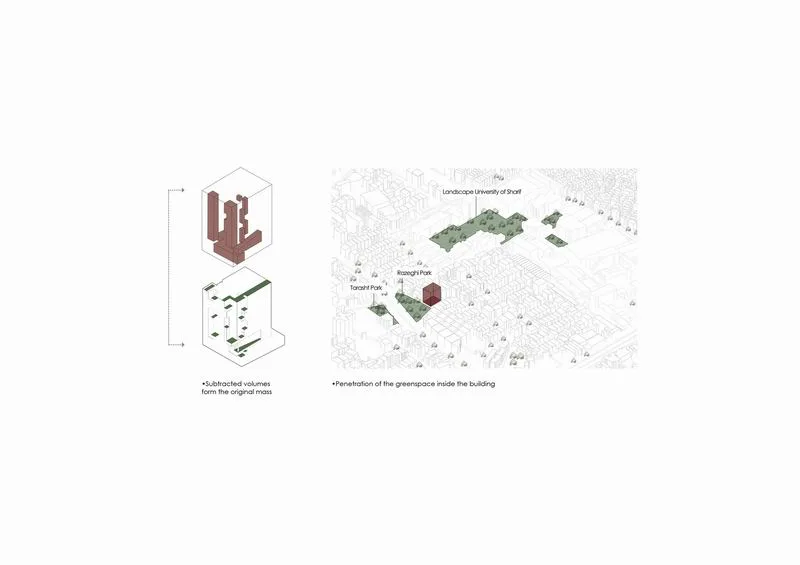
Located next to a local park and near Tarasht Park, the building’s facade extends the surrounding green landscape, allowing it to harmonize naturally within the urban environment. Additionally, the building links roads on both sides and creates an internal city square, effectively blurring the boundary between the structure and the city.
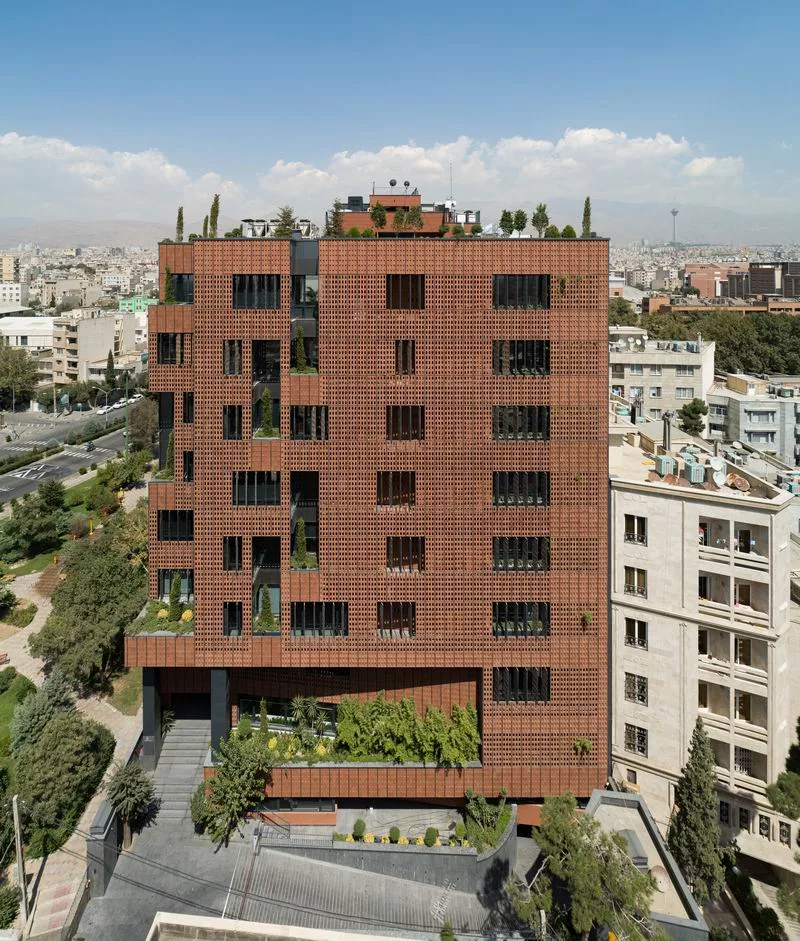
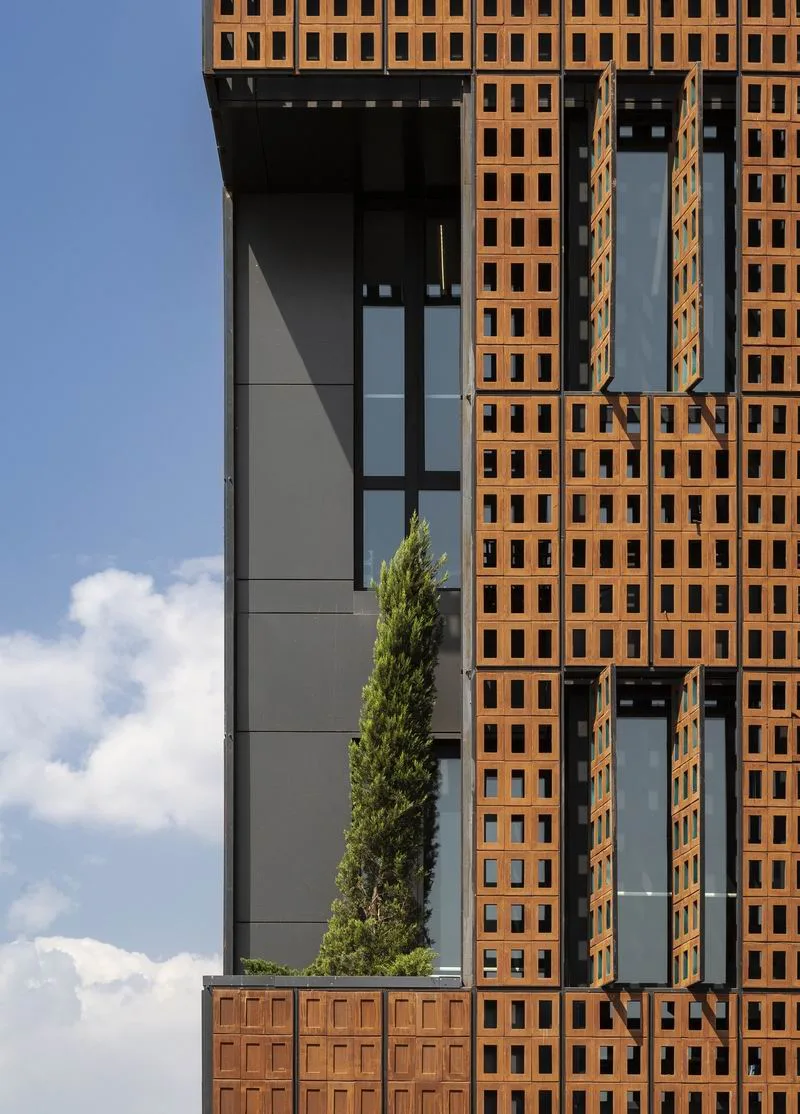
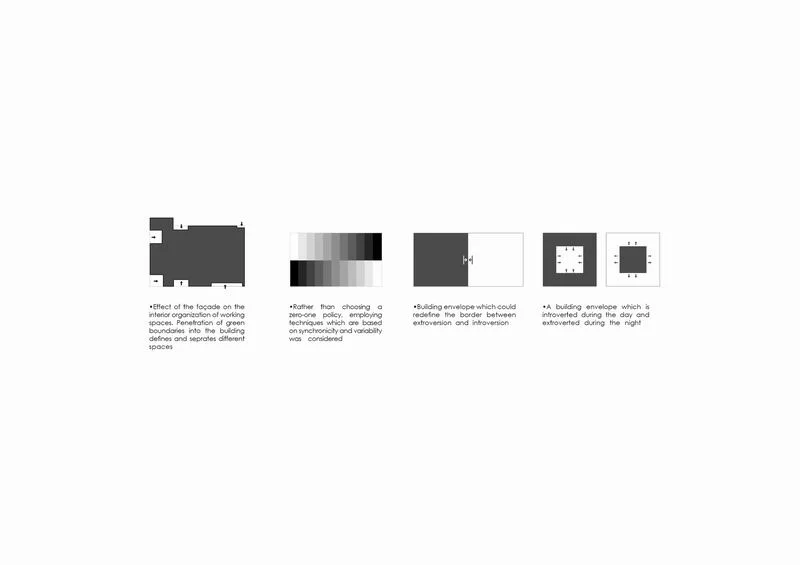
The merging of virtual and physical worlds has sparked various contrasts, such as introversion versus extroversion, presence versus absence, mechanized versus free facades, change versus permanence in urban landscapes, and public versus private spaces. To address this, we chose to use uniform materials and forms to create an ambiguous architectural expression.
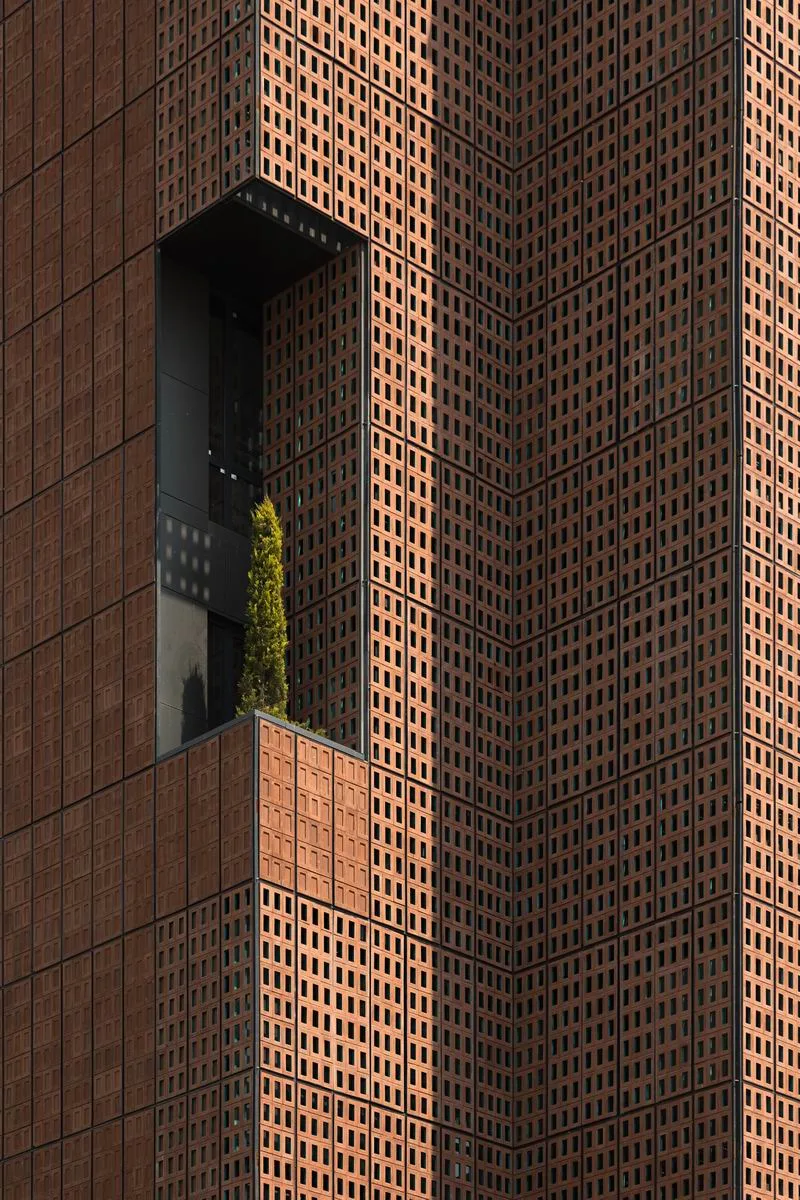
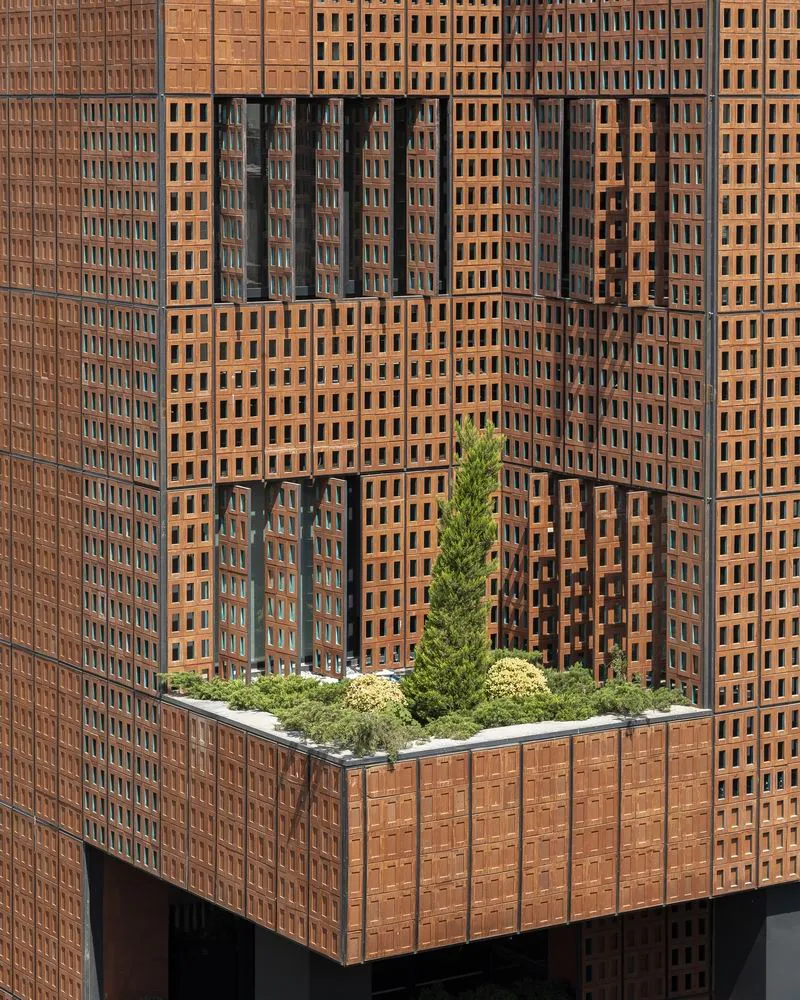
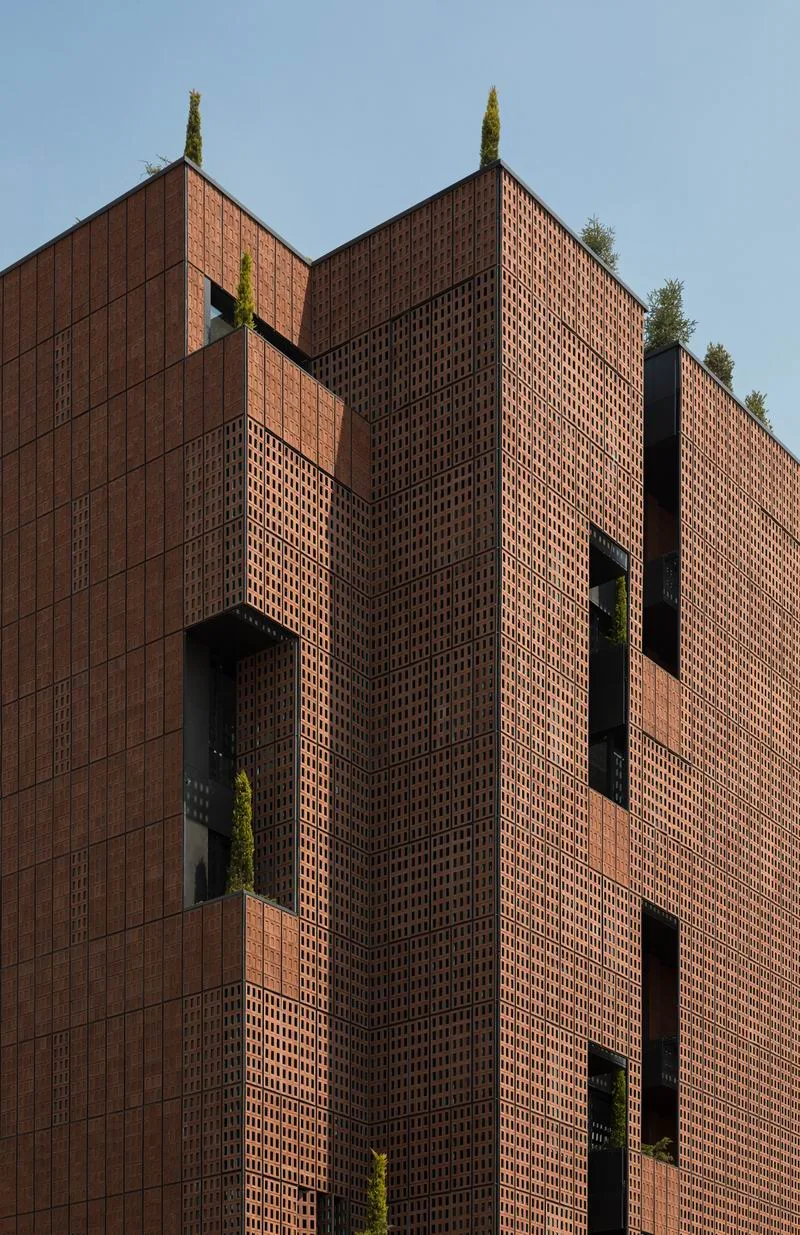
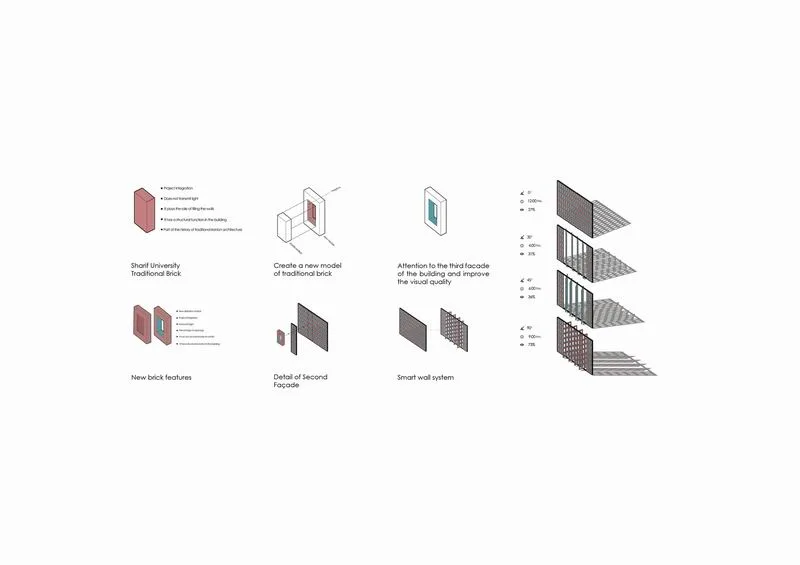
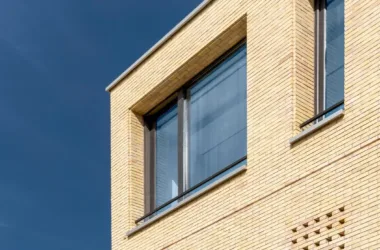
The building’s design incorporates hollow bricks inspired by the historic 10 × 20 cm bricks found on campus. The final brick module measures 19.5 × 32 cm and features a 10 × 20 cm hole filled with specially manufactured glass.
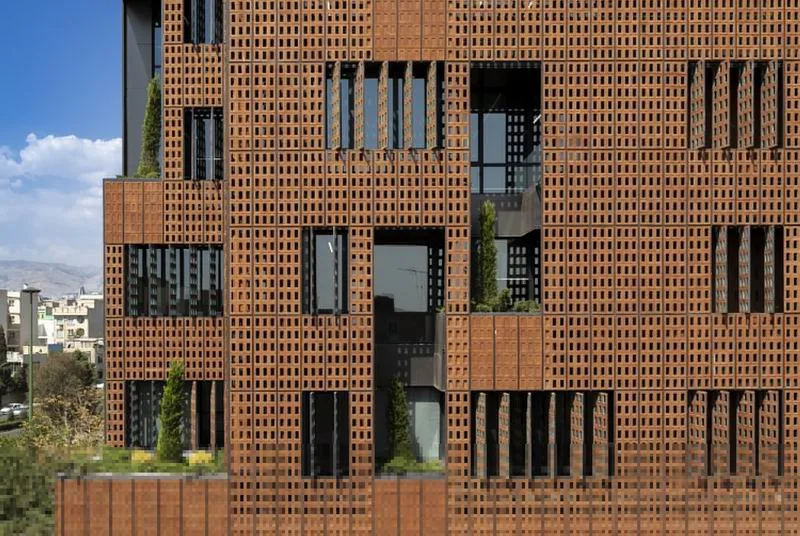
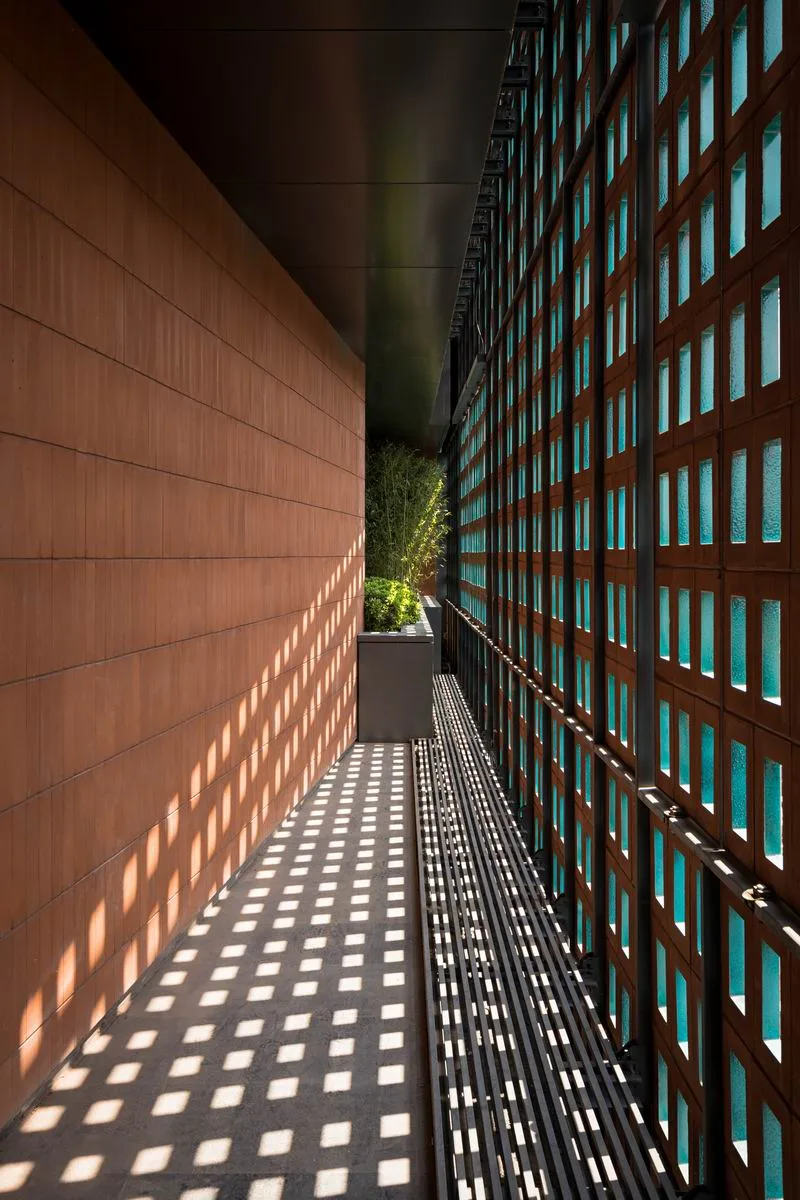
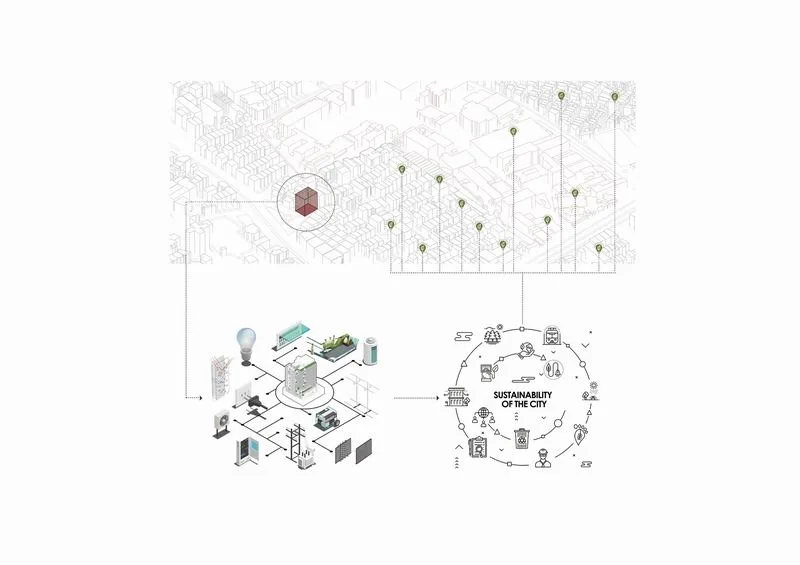
By combining traditional brick modules with advanced software technology, we created intelligent brick panels that compose the building’s facade. These panels automatically adjust indoor lighting based on sunlight conditions, integrating digital technology seamlessly inside and outside the building.
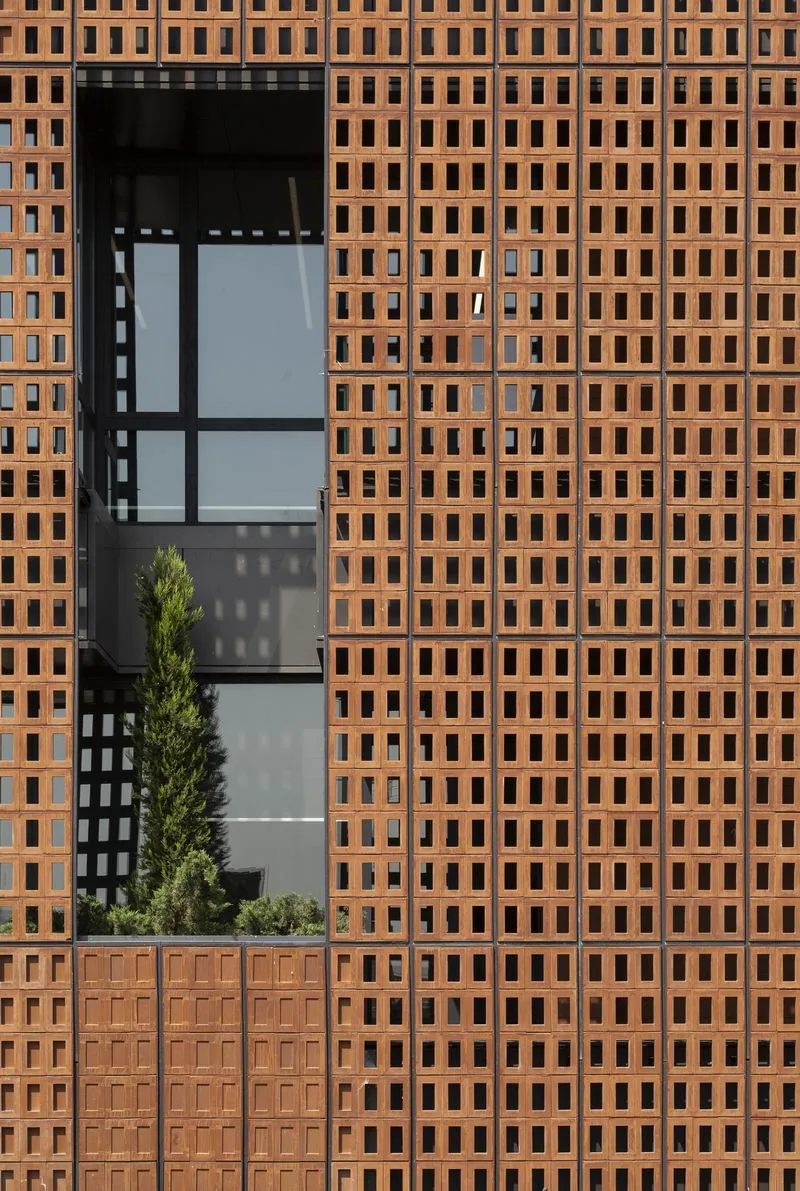
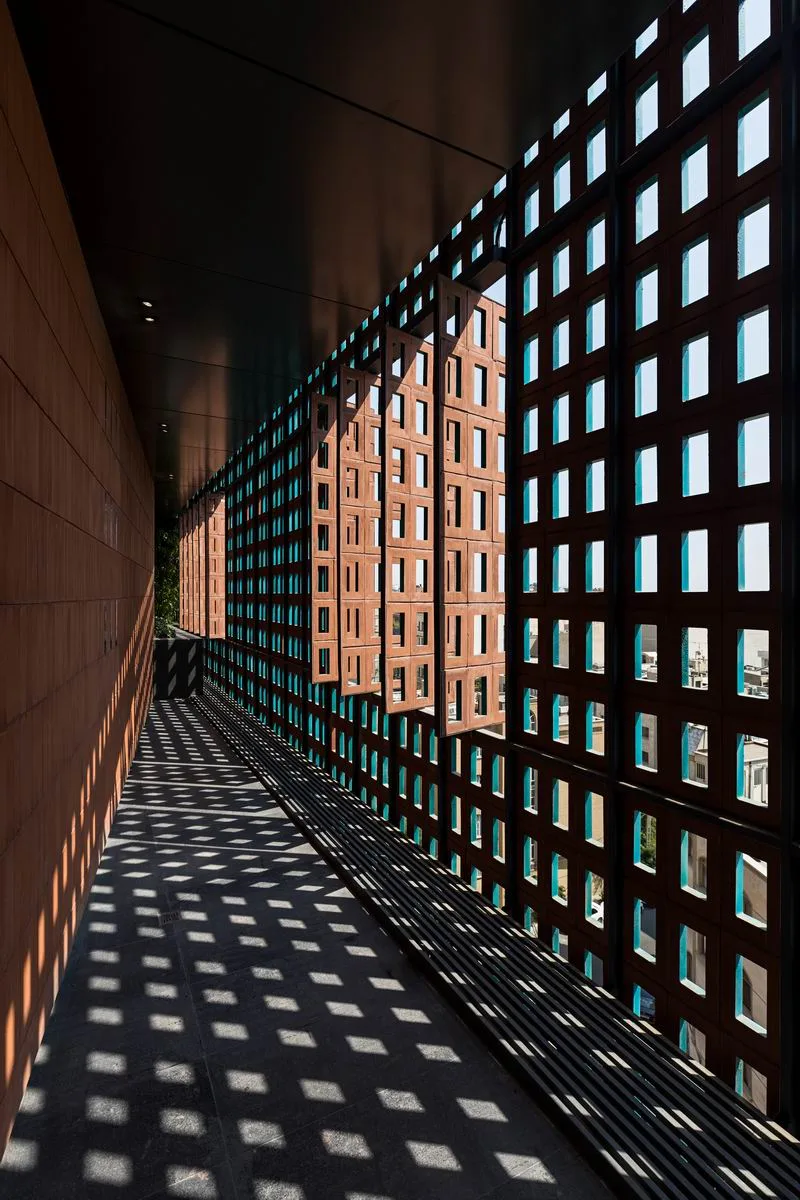
Transparency (immateriality), connectivity (sensibility), and multimedia (data transmission) define the information age. Our design strives to balance these elements, resulting in a forward-thinking architectural statement.
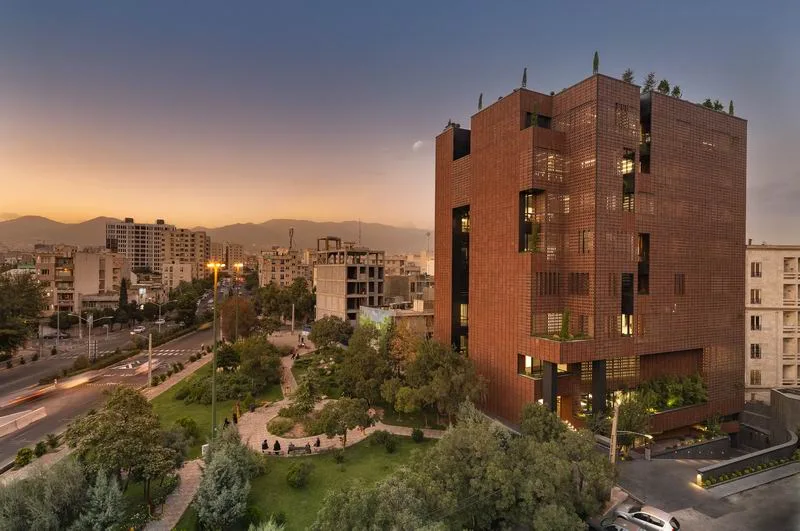
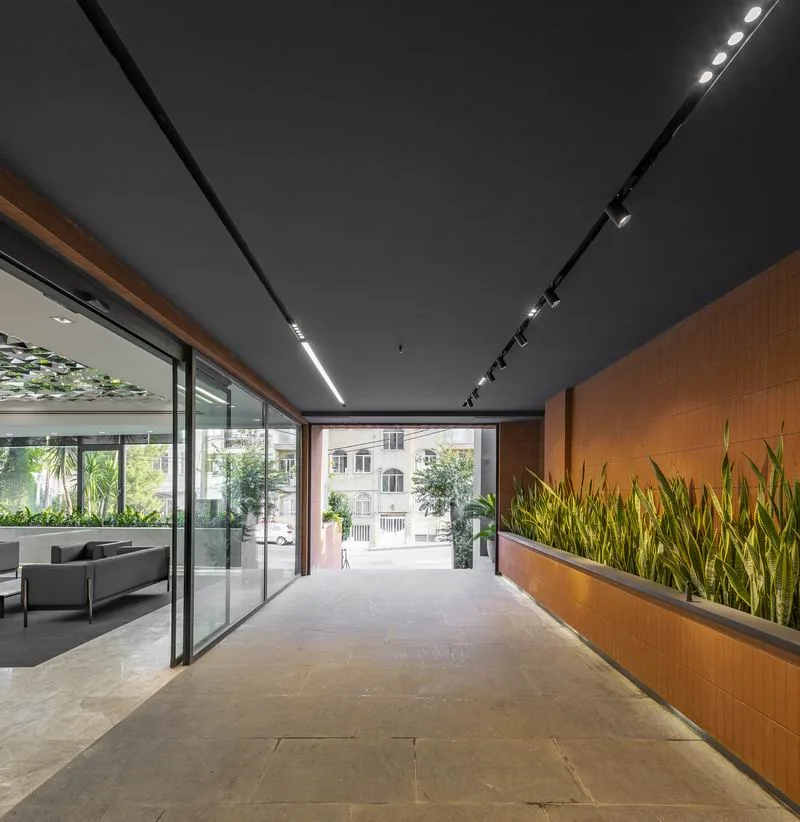
As a traditional building material, brick combined with modern technology requires an intermediary approach. This project achieves that fusion by integrating enclosed and semi-open spaces that blur the boundaries between interior and exterior, offering diverse experiences throughout day and night.
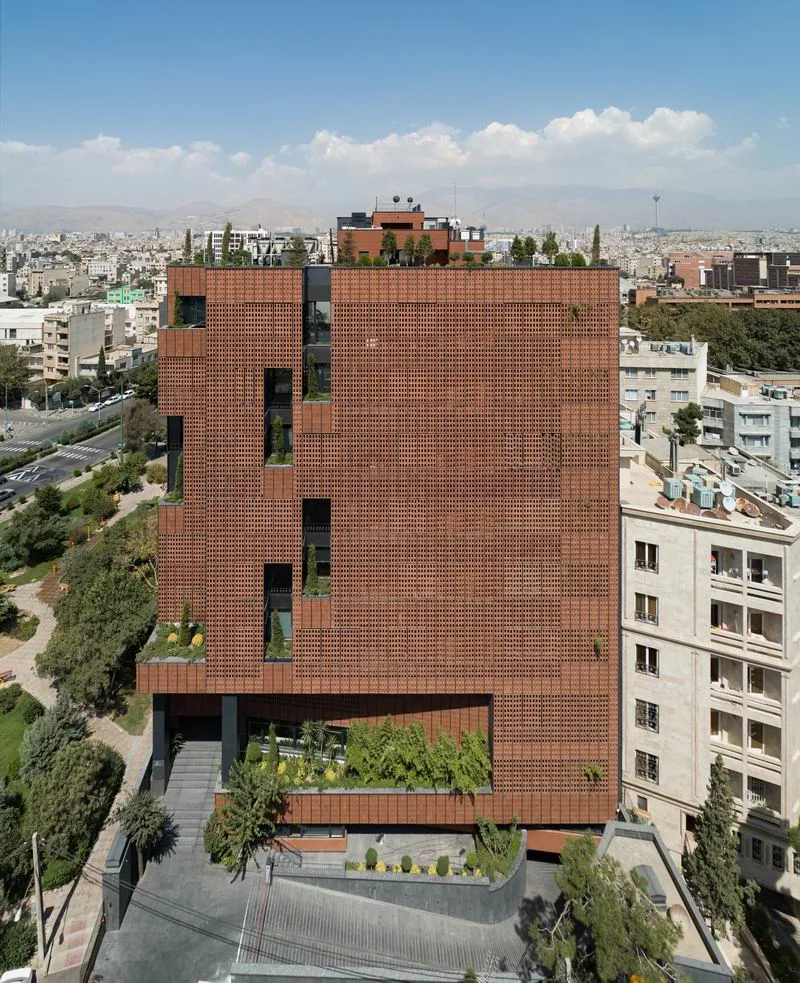
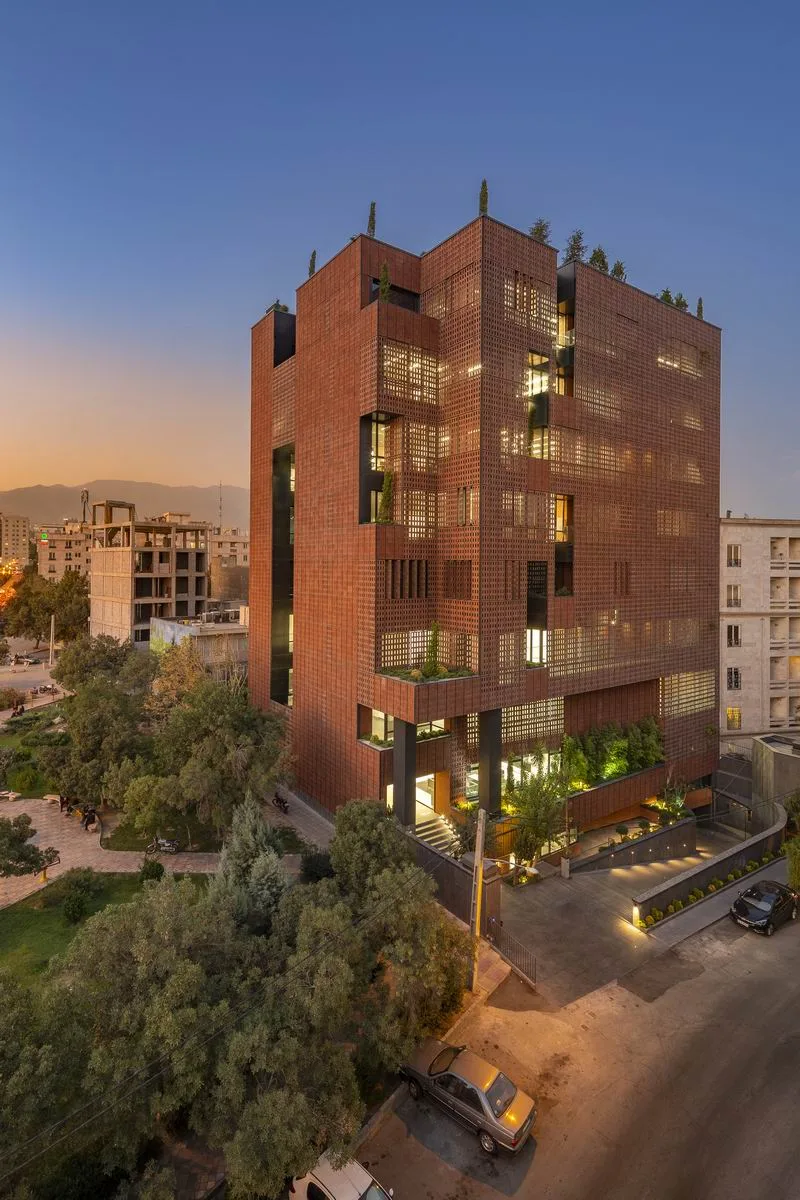
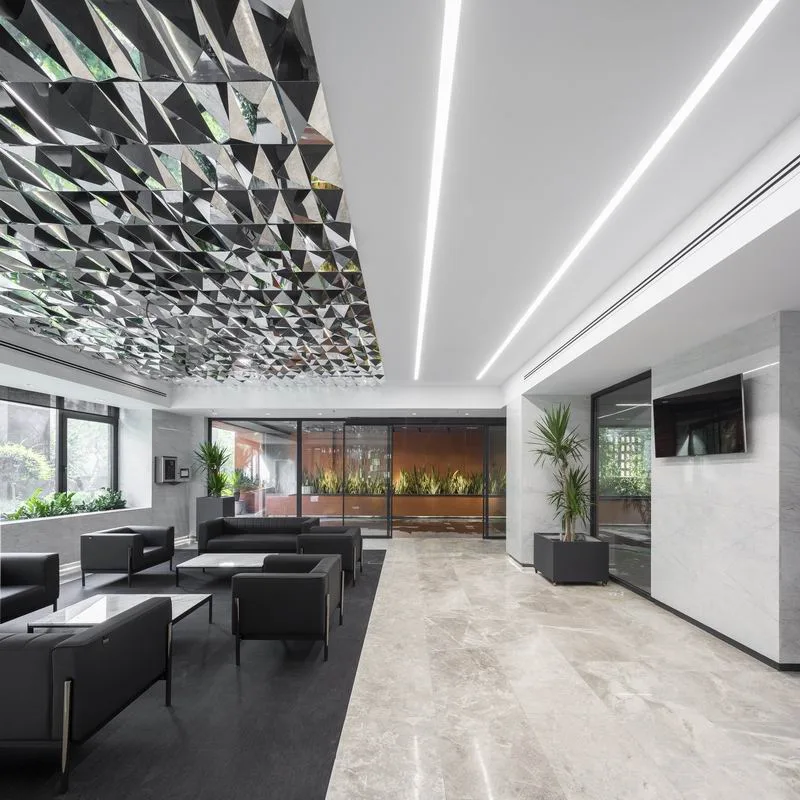
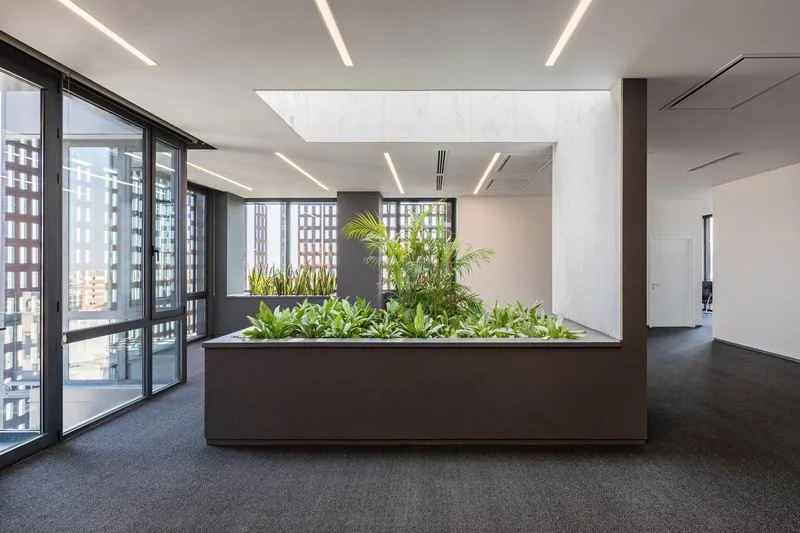
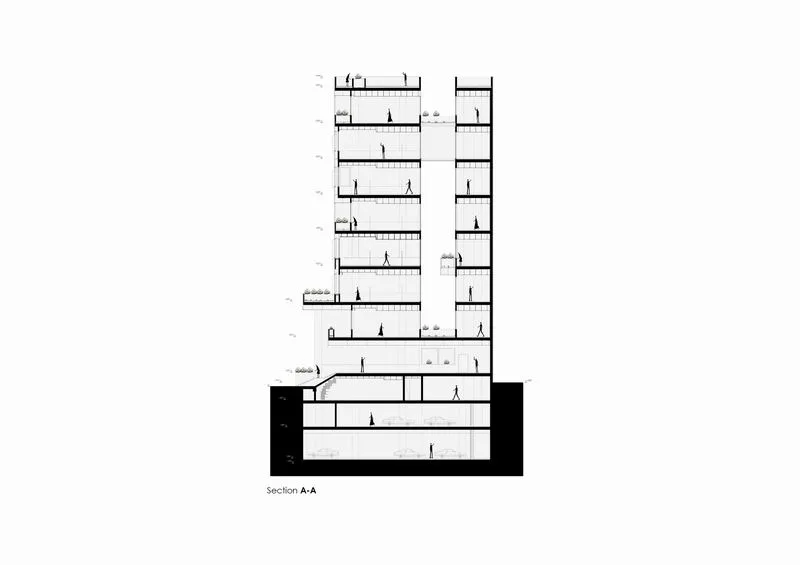
At night, the building reveals its indoor activities, shifting its character from inward-focused to outward-facing. The workspace includes fully open and semi-open offices, with green plants serving as natural partitions.
Project Drawings
Project Information
Architect: Hooba Design
Area: 7,200 m²
Project Year: 2020
Photographers: Mohammad Hassan Ettefagh, Parham Taghioff
Manufacturer: Fad Lighting
Lead Architect: Hooman Balazadeh
Design Team: Elham Seyfiazad, Saman Soleimaniha, Mona Razavi, Saeed Farshbaf, Davood Raeesi
Design Consultant: Hooba Design
Project Manager: Elham Seifi Azad
Client: Danak Group
Detail Design: Dariush Ghorbani
Site Supervisor: Dariush Ghorbani
Construction Manager: Mohsen Agahimand
Mechanical and Electrical Engineer: Bahram Eksiri
Electrical Engineer: Amin Khaniki
Structural Engineer: Majid Naghipour
Lighting Design: Fake Lighting
Entity Model: Mehran Alinezhad
Graphic Design: Ehsan Lessani
Facade Execution: Ivan Façade Idea
User: Bon Tech Company
Floor Area: 900 m²
City: Tehran
Country: Iran












Must log in before commenting!
Sign Up