
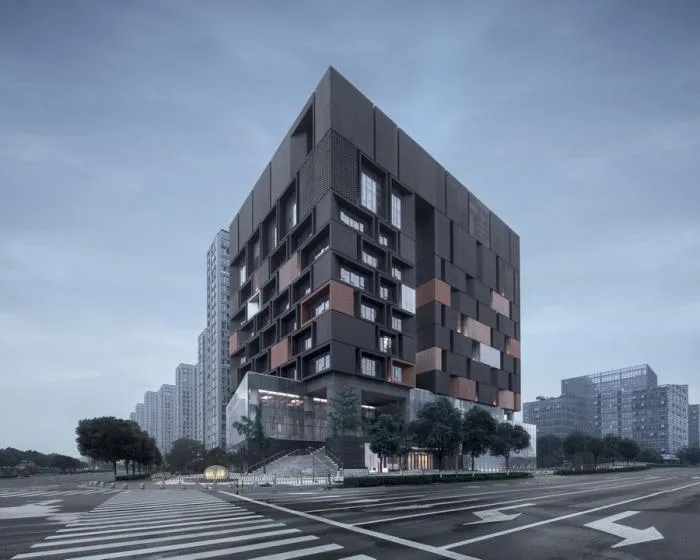
Urban street corner scene © Shanxi Architectural Space Photography
Chinese civilization has a long-standing tradition of recording and preserving history. Archives, as dedicated institutions for collecting and safeguarding historical materials, date back to the Han Dynasty’s Lantai. Through the Tang and Song dynasties’ Jiaku and Jiage libraries, and later the Imperial Historian offices during the Ming and Qing dynasties, archives have evolved and always held significant cultural importance at the national level.
The Urban Construction Archive is a specialized archive that preserves materials related to the development of urban construction and chronicles the history of city building. One of the key challenges at the start of the design process was how to express the cultural significance of urban construction archives through architectural language.
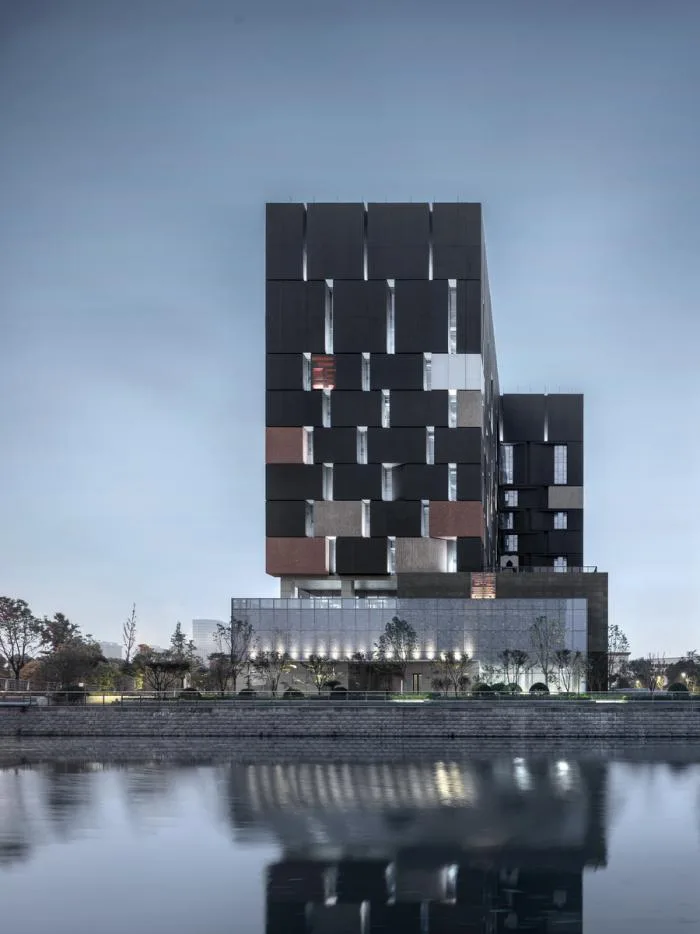
Facing shores across the water © Shanxi Architectural Space Photography
Brick Masonry as a Design Concept
Cities embody the progression of human civilization, yet “building a city” is both a construction activity and a physical process of accumulation. Ancient craftsmen organized settlements with clear spatial orders, such as a square measuring nine li with three gates, and principles detailed in texts like the “Kao Gong Ji” emphasize precise measurements in city construction. These traditions highlight the importance of physical structure and order in urban development.
Reflecting on the entire history of city building, we sought a simple yet representative construction method to symbolize this legacy externally. Masonry, being one of the oldest and most enduring building techniques, perfectly fits this vision. It not only represents the traditional method of construction but also embodies the gradual, physical accumulation that mirrors the story Urban Construction Archives aims to document.
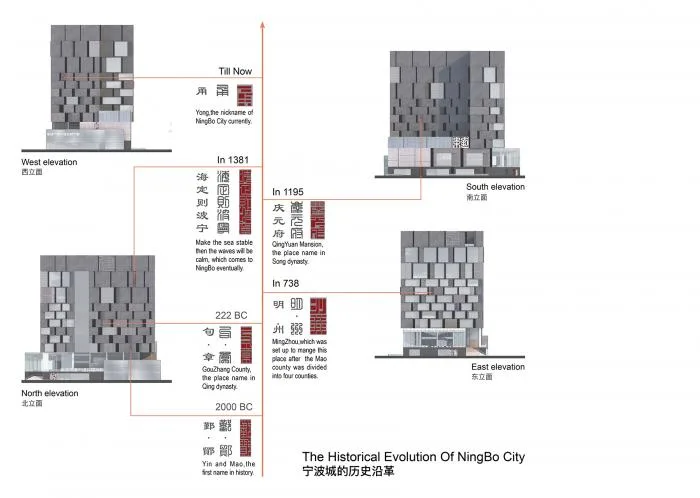
△ Facade Description
In essence, masonry involves stacking uniform units to form a cohesive whole. Traditionally, these units are bricks or stones. In this project, “masonry” metaphorically represents “building a city,” where the primary unit is space itself—treated as a block. This concept required us to deconstruct, classify, and reorganize the archive’s functional spaces, externalizing their attributes such as public versus private, open versus closed, into spatial blocks of varying sizes and characteristics, arranged deliberately within the design.
As Laozi said, “Dig the door into a room,” we aim to “build space to symbolize the city.”
To visually narrate the history of city building, we selected materials emblematic of contemporary urban construction, including concrete, stone, face bricks, glass, and metal panels. These materials are applied in a seemingly random manner on the surfaces of the spatial blocks, creating a sense of disorder that truthfully reflects the current urban condition.
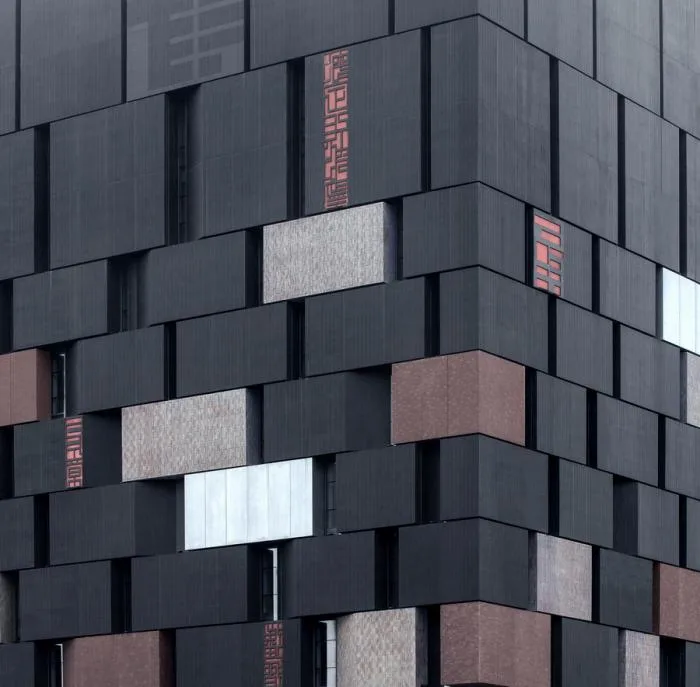
△ Masonry featuring varied materials © Shanxi Architectural Space Photography
Inspired by ancient inscription bricks preserved at Tianyi Pavilion, we incorporated seal script translations of Ningbo’s administrative names spanning different historical periods onto the blocks, forming a subtle yet readable decorative system. Additionally, to enrich the texture of glass blocks and create a diffuse internal play of light and shadow, we printed mirrored text from the earliest urban construction records in “Kao Gong Ji” and gardening principles from “Yuanye” onto two glass curtain walls. These glass surfaces become interpretable textures that highlight the building’s function and cultural significance.
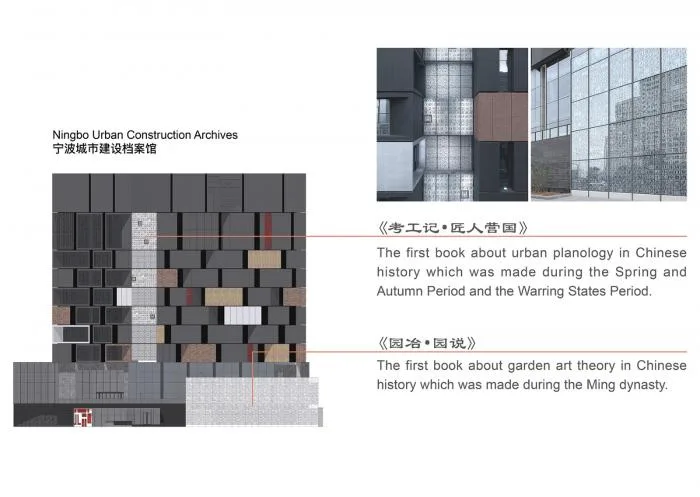
△ Facade Description
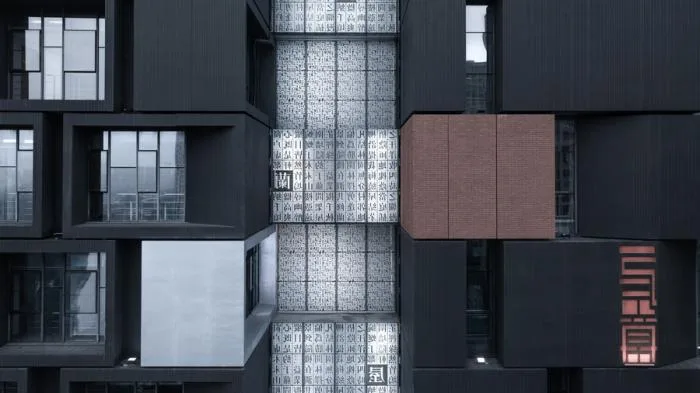
△ Text as Information and Texture © Shanxi Architectural Space Photography
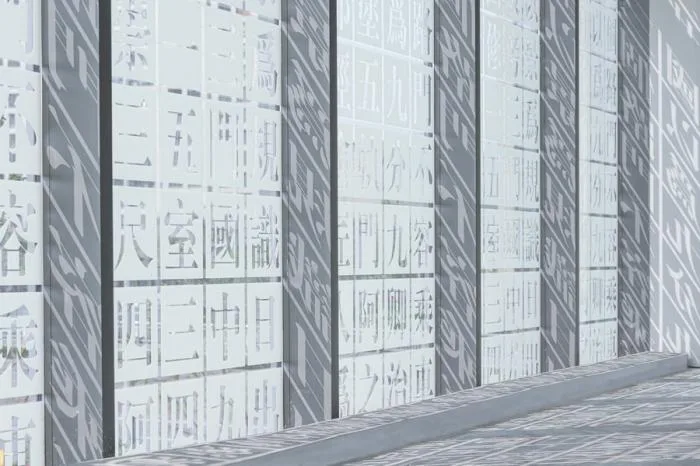
△ Text printed on the facade from “Kao Gong Ji” © Xingzhi Image
“Masonry” as a Construction Principle
Architecturally, space is both used and constructed into tangible entities. Masonry, as a traditional construction method, can be understood as the assembly of modular units following fundamental mechanical principles. When viewed broadly, traditional construction systems, including wooden frameworks, can be seen as variants of masonry. Thus, the history of construction is essentially a history of masonry.
In this project, “masonry” serves not only as a cultural metaphor for “building a city” but also as a guiding principle for design logic. We developed a comprehensive set of “masonry-style” construction rules suited to modern building technologies and applied them in practice. This process also pays homage to traditional construction methods.
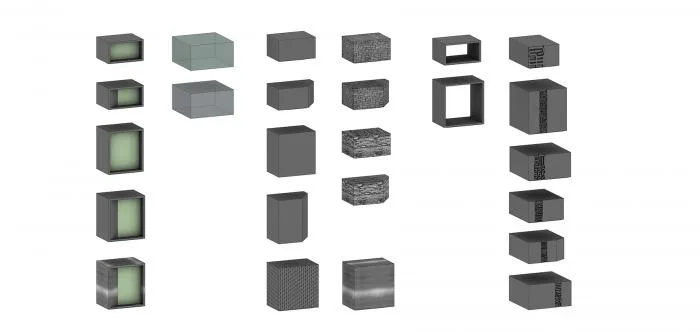
△ Classification of spatial blocks
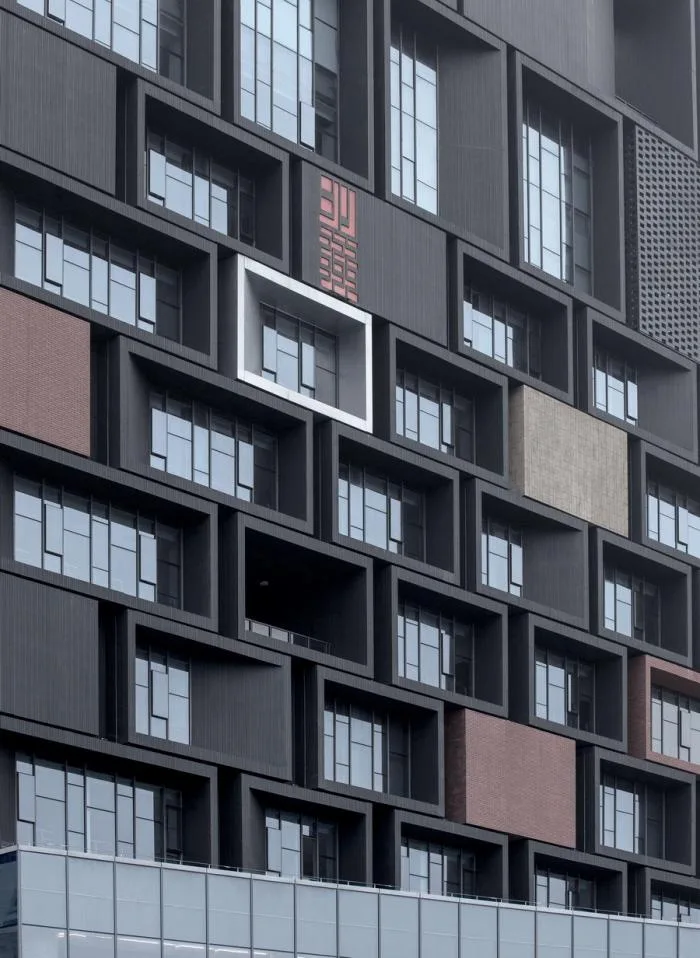
The interplay of virtual and real blocks reflects the spatial qualities © Shanxi Architectural Space Photography
Structural System
The building features a reinforced concrete frame structure. To embody the concept of “masonry,” the concrete structure was modularized and segmented. All structural elements above the third floor—including beams, slabs, columns, and stairs—were prefabricated off-site and assembled on-site, requiring only simple poured connections. This approach improved construction precision and significantly shortened the building schedule, marking a technological milestone in public building construction within the Ningbo region.
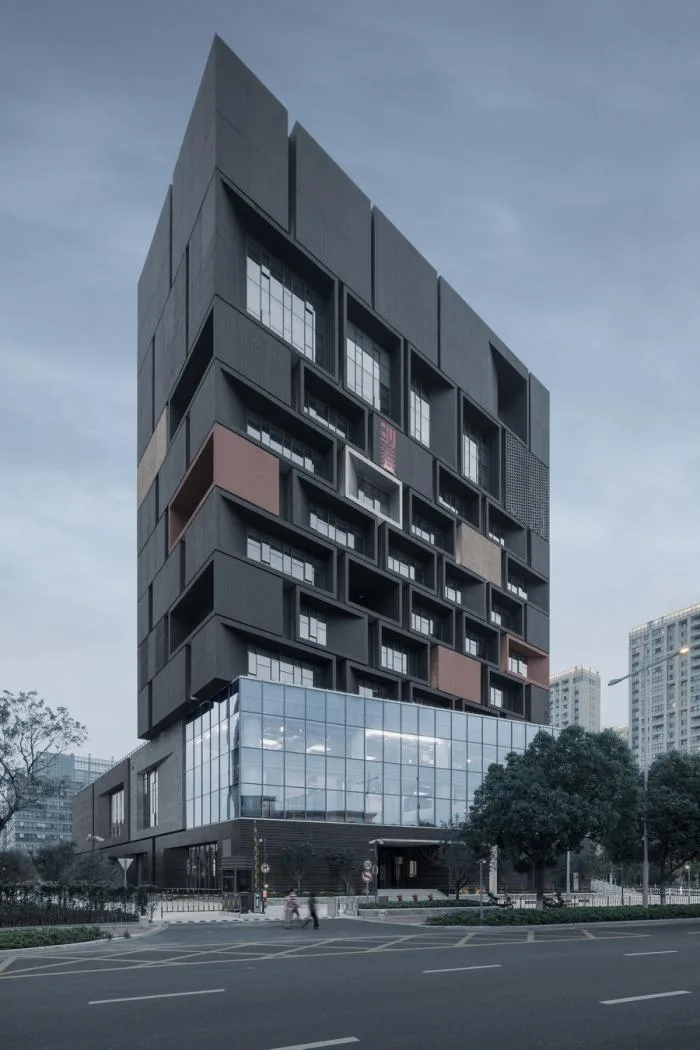
Transparent service hall and upper offices © Shanxi Architectural Space Photography
Exterior Wall Enclosure
Unlike traditional aerated concrete bricks, this building’s exterior walls utilize prefabricated ALC (Autoclaved Lightweight Concrete) panels. These panels span the entire floor height and provide insulation without additional layers, simplifying construction. Prefabricated assembly minimizes wet work and eliminates the need for scaffolding and protective netting over the façade, resulting in a cleaner site and reduced urban disruption. The entire construction process is transparent, allowing for real-time quality control and problem-solving. Thus, the “masonry” process unfolds visibly within the urban environment.
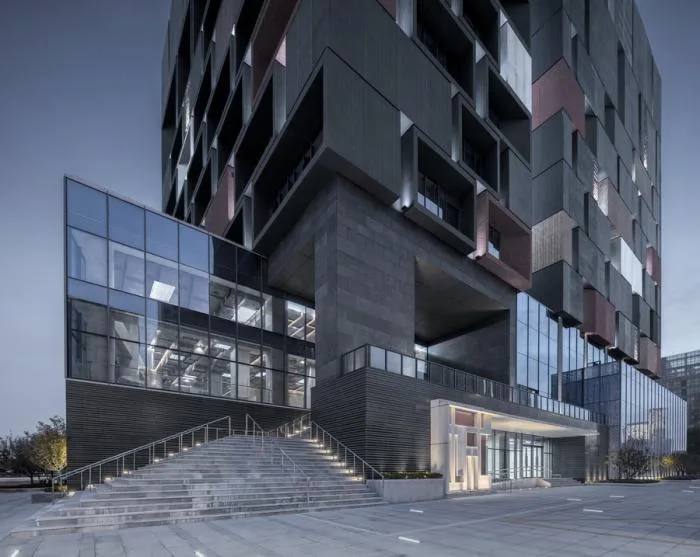
Entrance guide to the service hall © Shanxi Architectural Space Photography
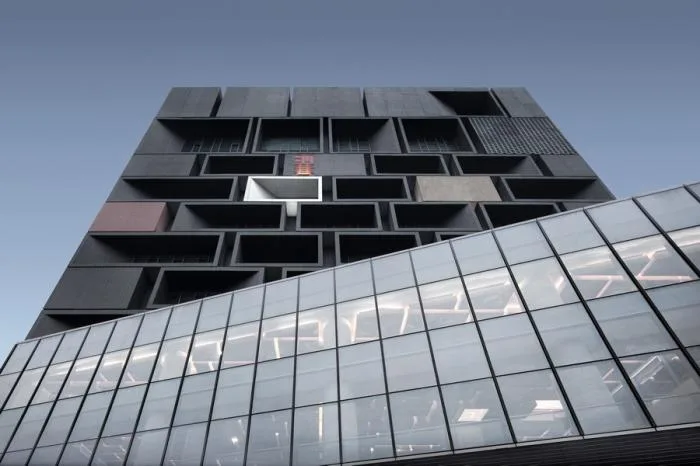
Elevated service hall offering panoramic views © Shanxi Architectural Space Photography
The “blocks” clad in various building materials were fabricated as prefabricated GRC (Glassfiber Reinforced Concrete) modules and assembled on-site using crane hoisting. To ensure the blocks met size and texture expectations, we rigorously refined details through full-scale (1:1) samples, repeatedly adjusting after on-site mock-ups to achieve the desired visual effect. Although initially intended to hoist entire 4m x 8m blocks to emulate true masonry, transportation constraints required cutting blocks into smaller pieces for assembly. Still, the moment the first block was lifted conveyed the powerful simplicity of the masonry process.
From the cultural metaphor of “building a city” to the creation of structural patterns, and from assembling wall panels to hoisting blocks, “masonry” has remained the guiding logic throughout the Urban Construction Archives’ construction.
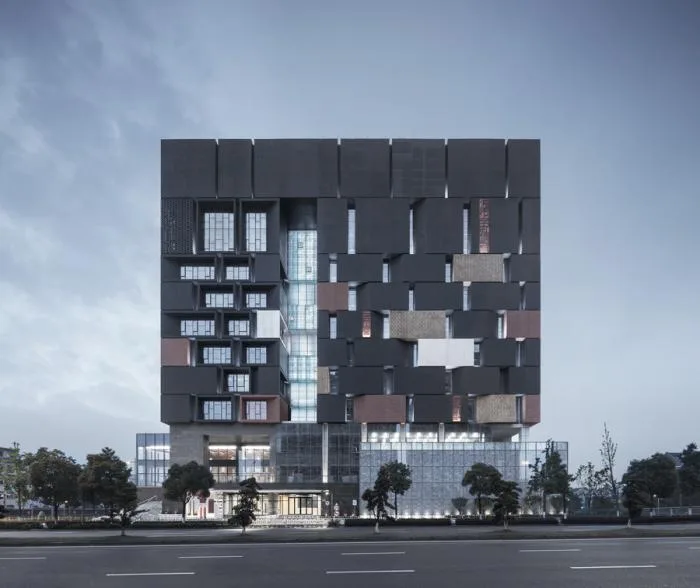
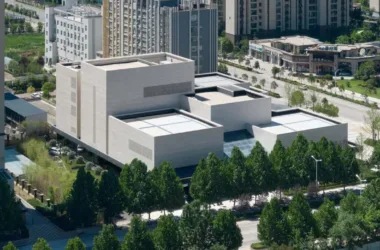
△ Main facade view © Shanxi Architectural Space Photography
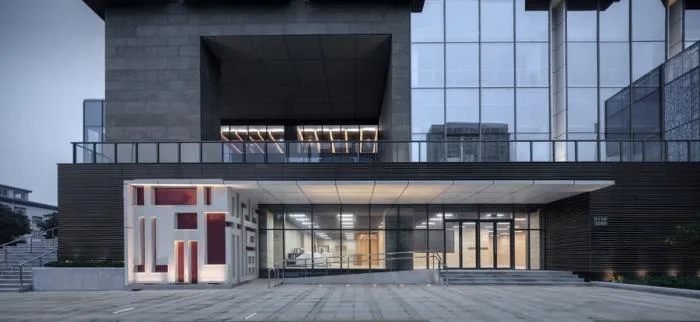
Archive reception entrance © Shanxi Architectural Space Photography
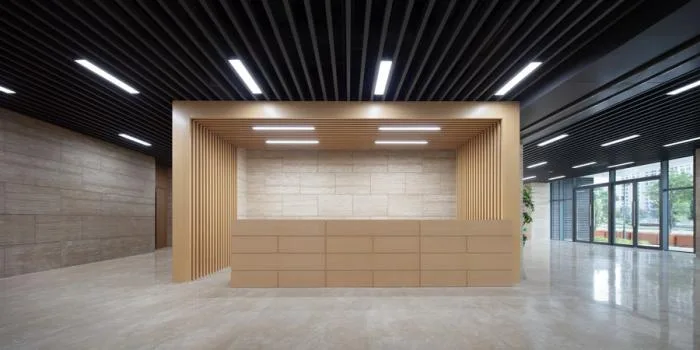
△ Archive Reception Hall © Shanxi Architectural Space Photography
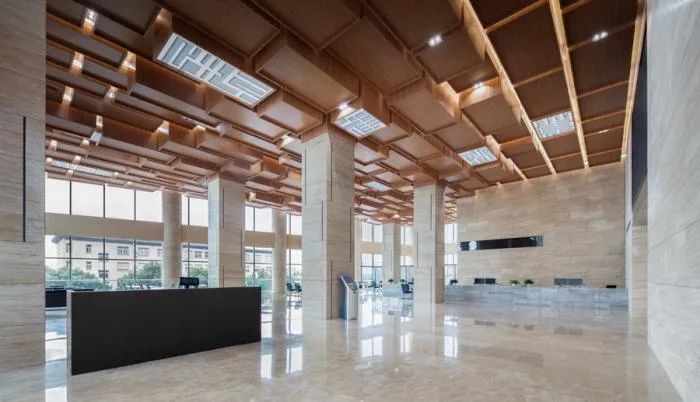
△ Service Hall © Shanxi Architectural Space Photography
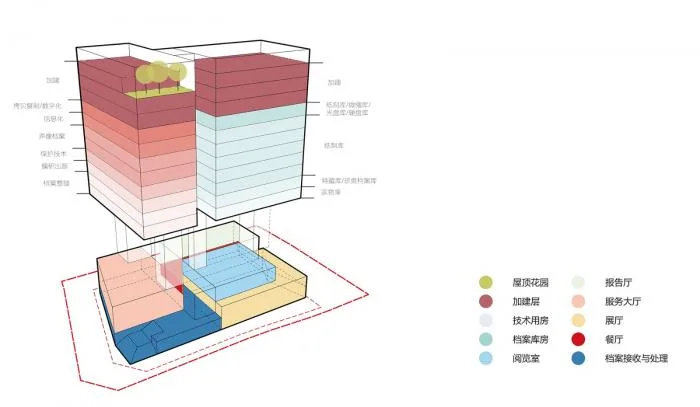
△ Functional layout of the building
Building a city while preserving its history.
Through this approach to “masonry,” we aim to understand architecture not only as space but also as culture—more importantly, as a creative tool and an existential concept.
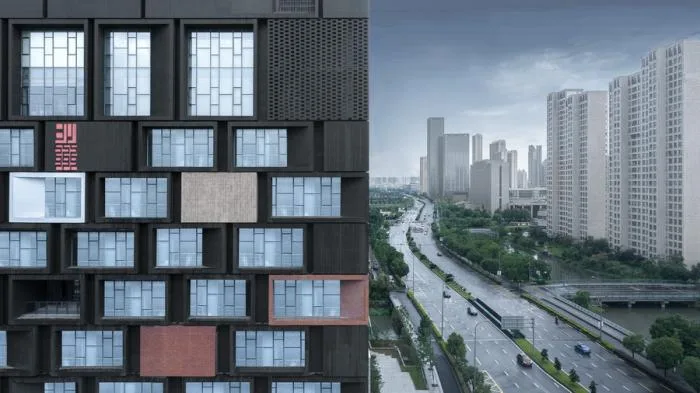
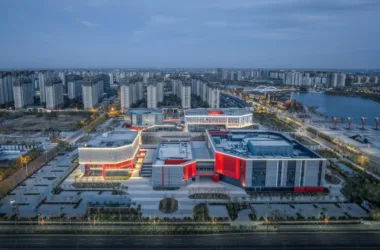
△ View west towards the new city © Shanxi Architectural Space Photography
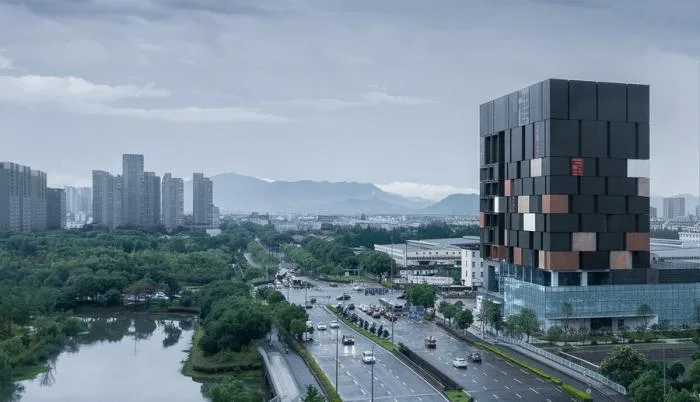
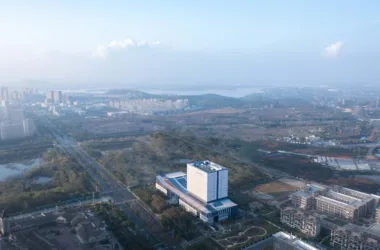
Looking east towards distant mountains © Shanxi Architectural Space Photography
Design Drawings
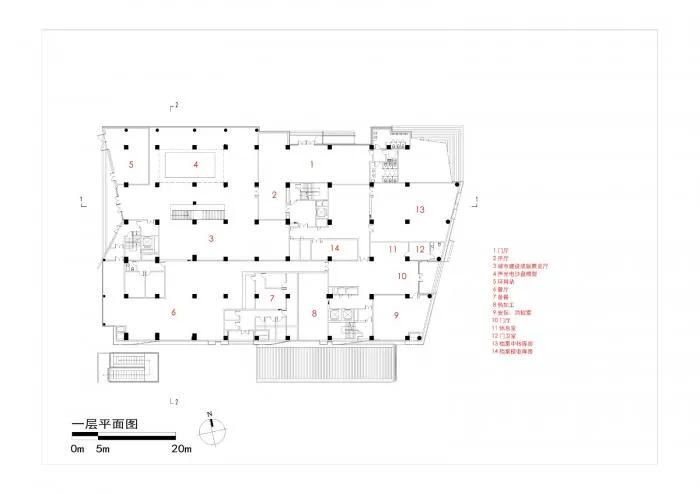
△ First floor plan
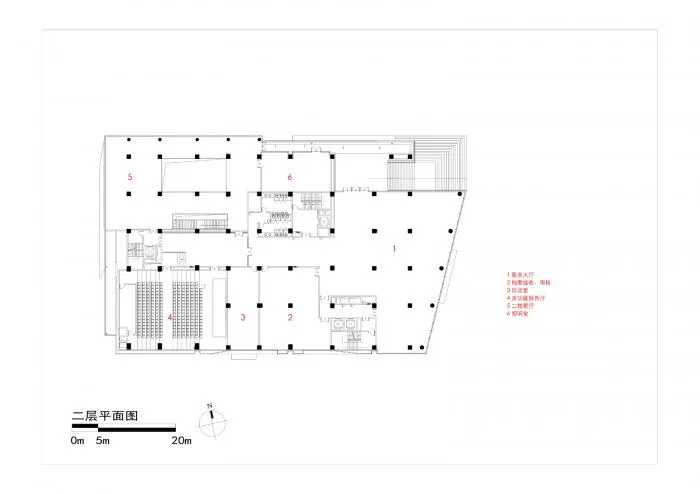
△ Second floor plan
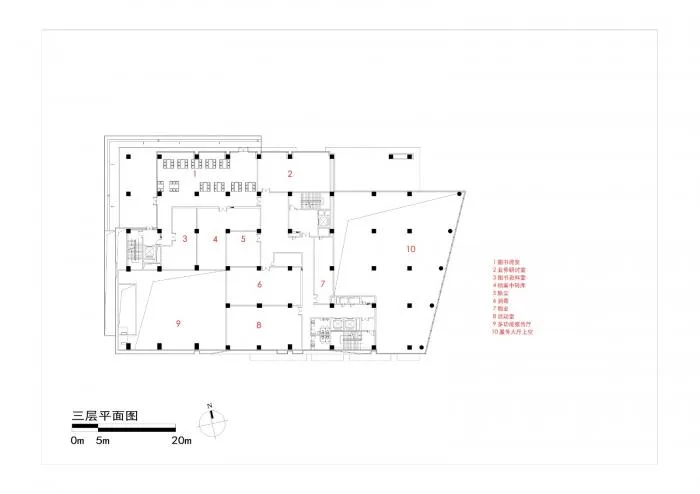
△ Third floor plan
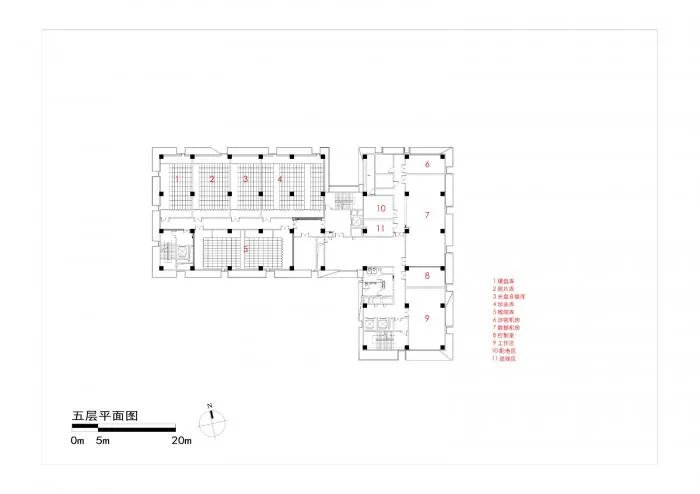
△ Fifth floor plan
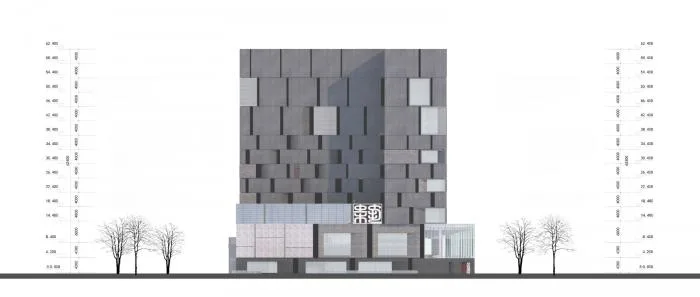
△ Elevation 1
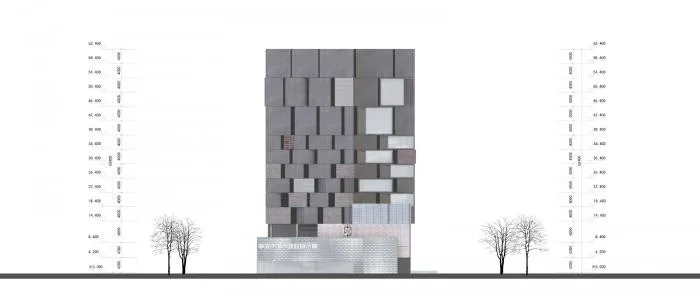
△ Elevation View 2
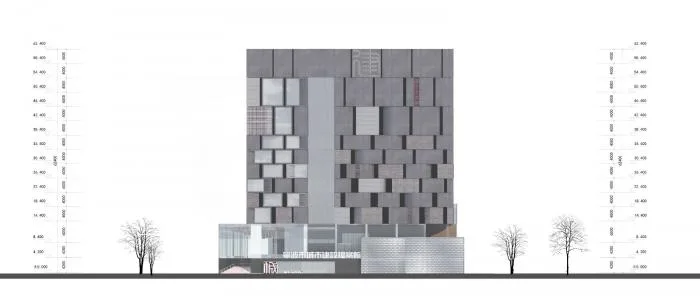
△ Elevation View 3
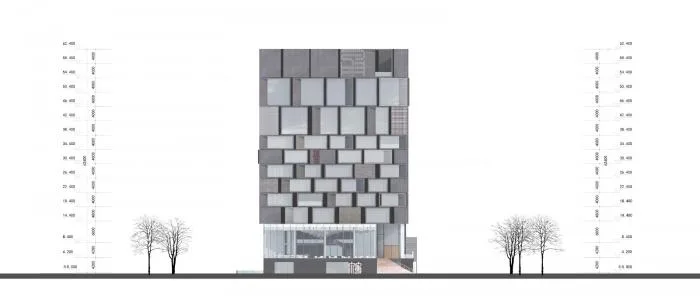
△ Elevation Drawing 4
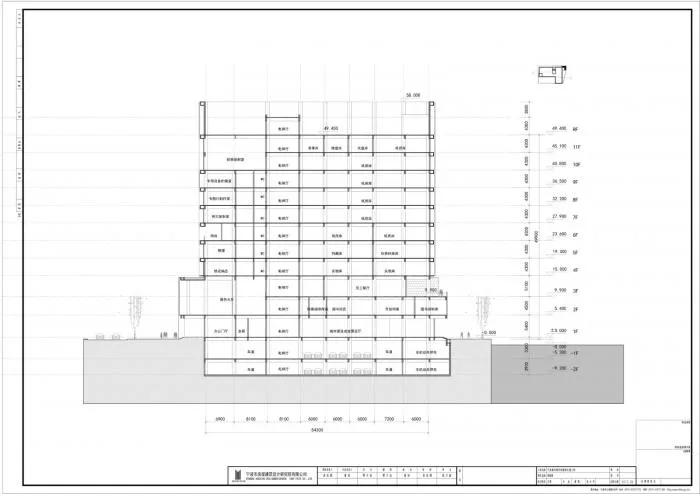
△ Section 1
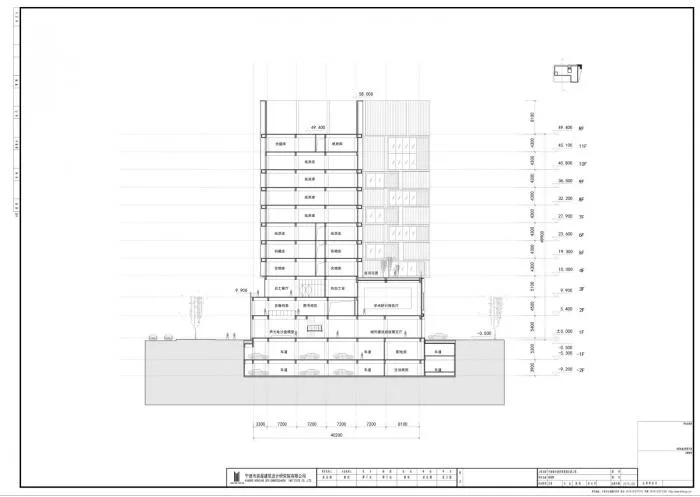
△ Section 2
Project Information
Project Name: Ningbo Urban Construction Archives
Designer: DC International C++ Design Research Center
Company Website: www.dccd.com.cn
Contact Email: __AI_S_SC0__
Project Duration: March 2015 – May 2017
Main Creators and Design Team: Dong Yi, He Weiwei, Zhang Jia, Zhang Chunwei, Tang Jie
Project Location: Core Area of Eastern New City, Ningbo City, Zhejiang Province
Building Area: 23,688 square meters
Photography Credits: Shanxi Architectural Space Photography; Xingzhi Image; Xiaoliu Image
Partner: Ningbo Housing and Architecture Design and Research Institute Co., Ltd.
Client: Ningbo Urban Construction Archives












Must log in before commenting!
Sign Up