
BIM Q&A | Why Does Tekla Calculate a Heavier Weight Than the Theoretical Weight? How to Set It Up Correctly?
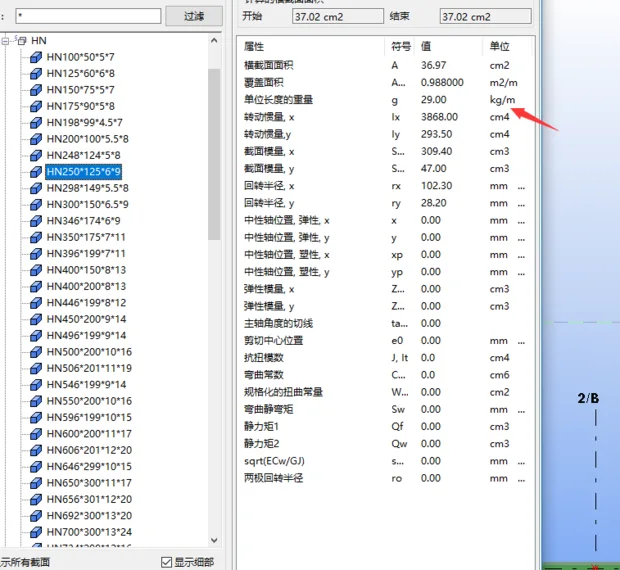
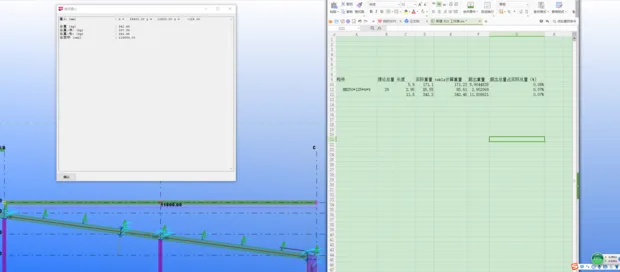
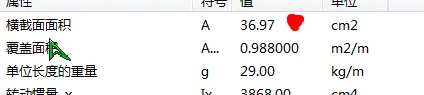

Tekla calculates the weight of steel profiles based on the cross-sectional area multiplied by the length, rather than using the weight per meter parameter. This means the calculation depends entirely on the cross-sectional area.
Because Tekla’s cross-sectional area values are slightly larger than the national standard, the calculated weight ends up being heavier than the theoretical weight.
If you want to align Tekla’s calculation with the theoretical weight, you need to adjust the cross-sectional area parameter to match the standard values.

xuebim
Follow the latest BIM developments in the architecture industry, explore innovative building technologies, and discover cutting-edge industry insights.
← Scan with WeChat















Must log in before commenting!
Sign Up