
△ Project Video
Thanks to Changsha Kangli Craig Public School for presenting a unique challenge: adapting a campus originally designed for 60 traditional high school classes into a 12-year integrated school focused on “holistic education.” This approach aims to nurture children’s cognitive and emotional growth as well as their self-realization. While the overall layout, main structures, and some enclosure elements were already completed, the transformation demanded significant adjustments to the curriculum, teaching methods, and the way children experience campus life across different ages.
In our view, these intangible changes call for more complex functional arrangements, varied and humanized spatial designs, and distinctive, meaningful formal reconstructions. Such an approach fosters tacit understanding and supports each child’s free, full, and comprehensive development of their life potential.
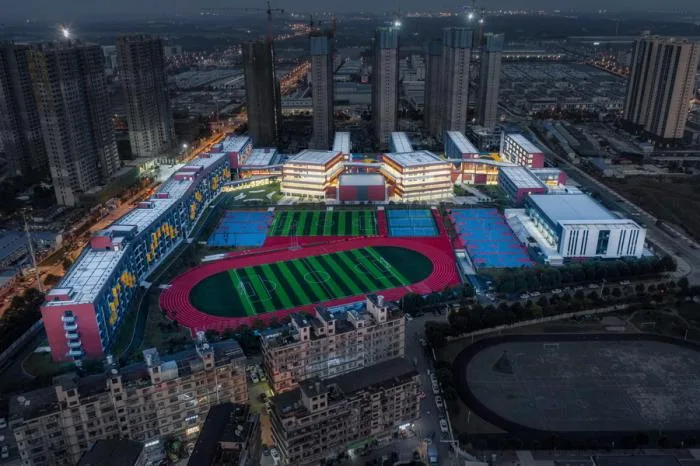
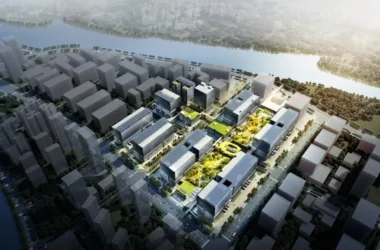
△ Aerial View of the Campus
The campus design begins with a ceremonial square at the entrance, guiding visitors through clearly defined paths framed by vertical and horizontal ginkgo tree groves. The original plan featured an elevated administrative center base to facilitate air circulation. However, such open spaces—composed only of beams, columns, and slabs—lack the capacity to foster meaningful places.
We believe that the events occurring within a space define its value. To honor the school’s history and vision, images, models, and memorabilia are showcased inside a glass structure integrated into the elevated level. This, combined with carefully designed indoor lighting, creates an intuitive display of the school’s identity. Adjacent to the exhibition hall, a coffee shop offers a welcoming environment for formal face-to-face interactions among teachers, parents, and students.
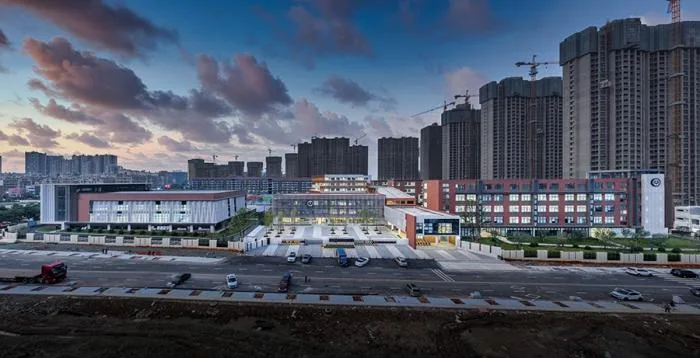
Entrance Ceremonial Square
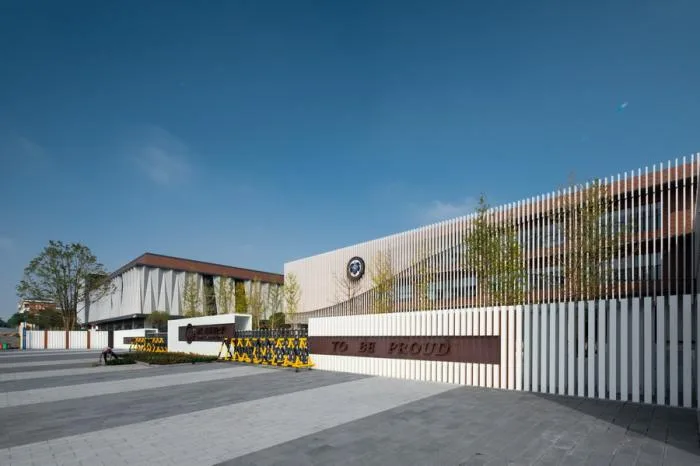
Entrance Ceremonial Square
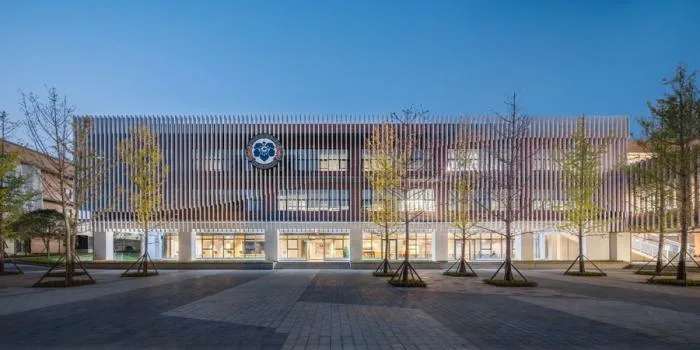
The formerly elevated administrative service center now hosts multiple functions
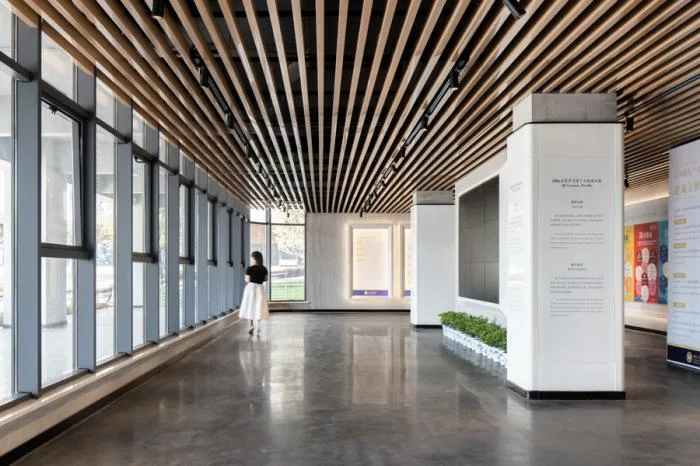
The exhibition hall vividly presents the school’s identity
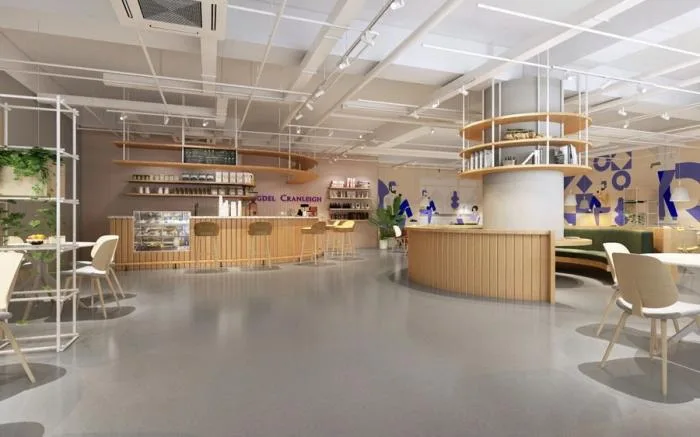
The coffee shop facilitates easy communication
A three-story covered corridor weaves through the entire campus, connecting all buildings except the gymnasium. Originally designed as a mere transit path, this pedestrian walkway now serves as a vital public space extending toward the school gate.
At the southern end, the parent service center directly faces the outside world, creating a convenient hub for family-school collaboration. Along the corridor, a seamless transition between indoor and outdoor spaces is achieved through numerous arches and red brick veneers, reflecting the century-old school’s classic and disciplined heritage.
Rather than merely symbolic, these architectural elements represent a pursuit of understanding the fundamental structure of things, a return to nature, and adherence to core principles.
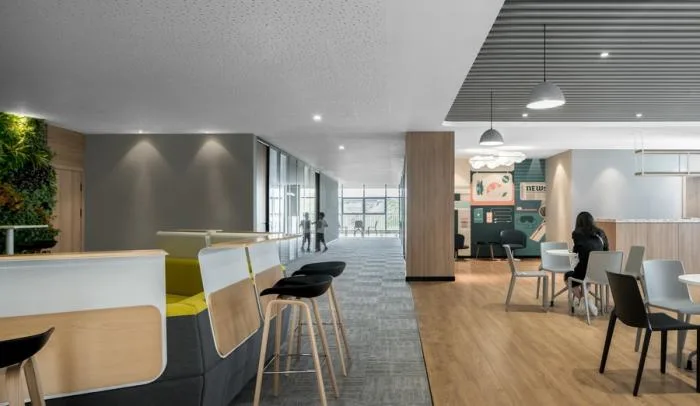
The Parent Service Center serves as a bridge for home-school cooperation
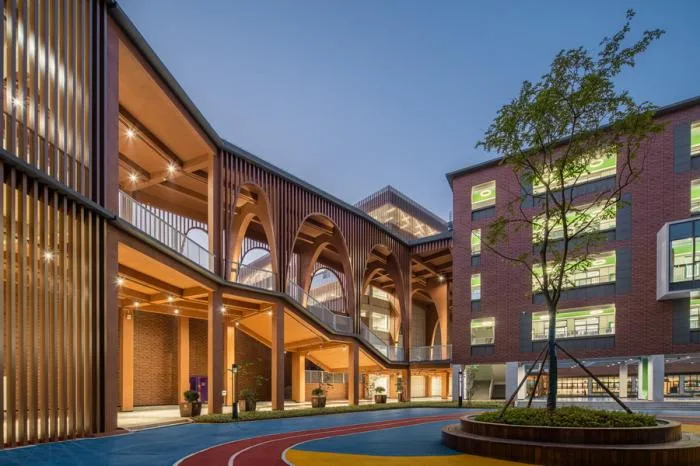
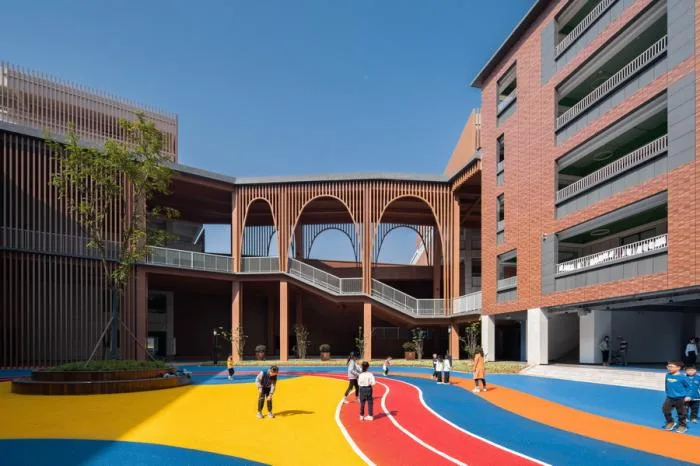
The three-story covered corridor spans the campus from end to end
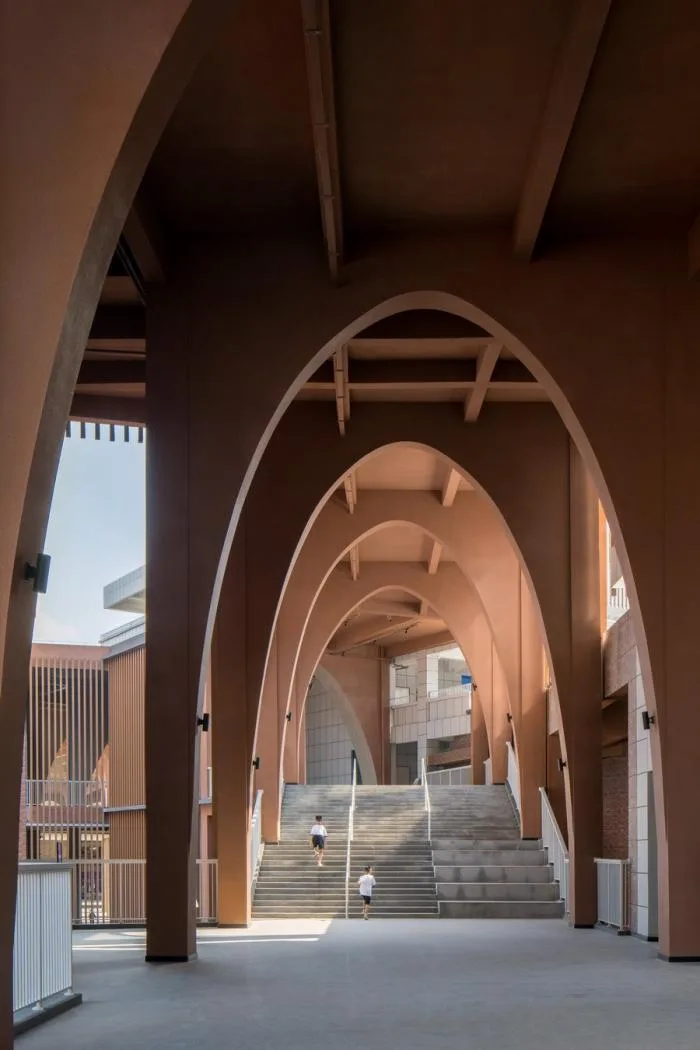
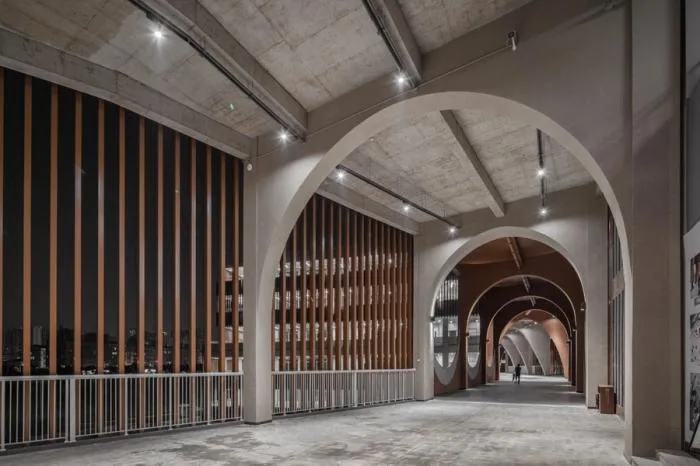
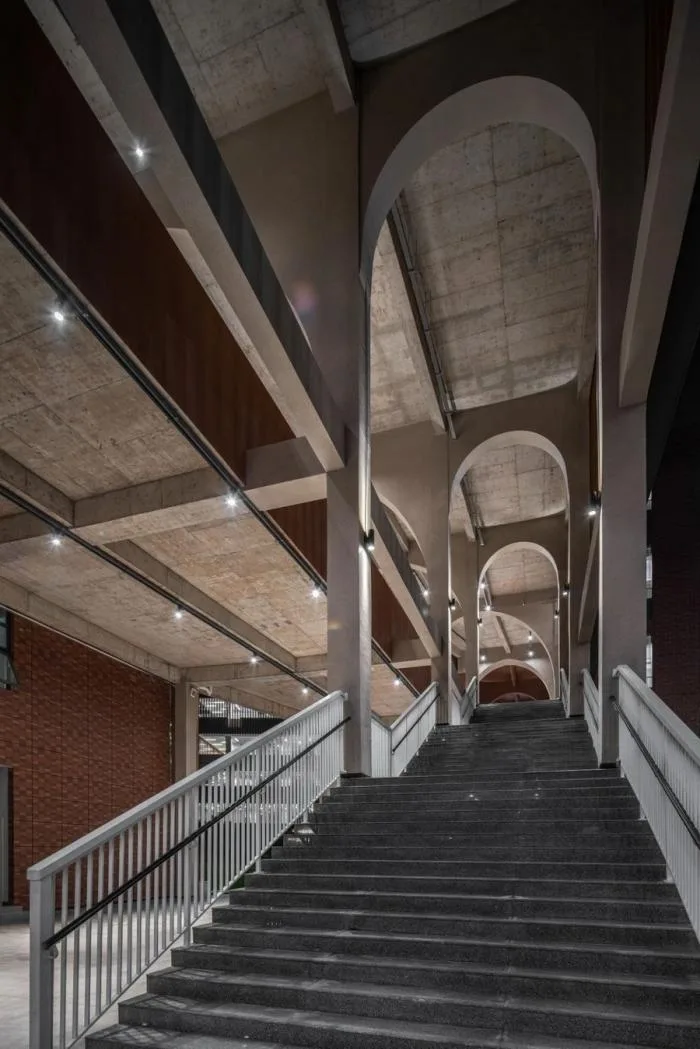
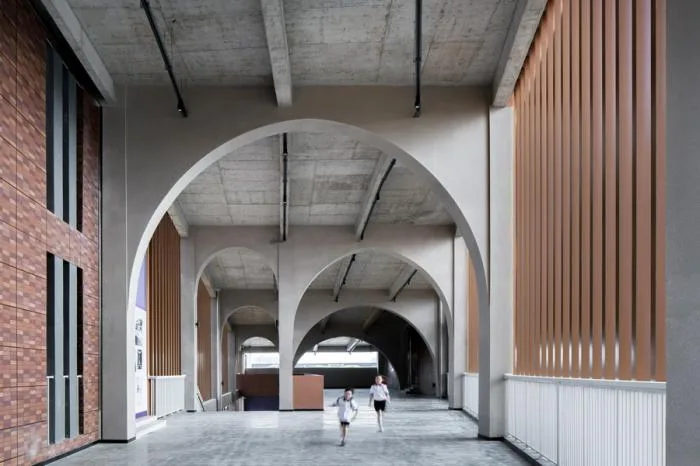
The three-story covered corridor stretches throughout the campus
Learning is a natural process, where interaction among participants extends beyond the classroom and one-way knowledge transmission. Active exploration and diverse communication are equally important.
Therefore, we transformed the traditional row of classrooms on the campus’s east side into locally embedded irregular glass blocks that extend outward, connecting with the real outdoor environment. The primary school section to the north features a free and relaxed layout, while the secondary school section to the south adopts a more rational geometric separation, reflecting the psychological and personality traits of different age groups.
Within the glass structures, a tea bar and library create welcoming public spaces. Along with protruding boxes in the upper corridor, these areas provide diverse venues where children can freely spend their free time. When daily activities like socializing, collaboration, and play are set in colorful, themed environments, children’s behavior naturally becomes more varied and vibrant.
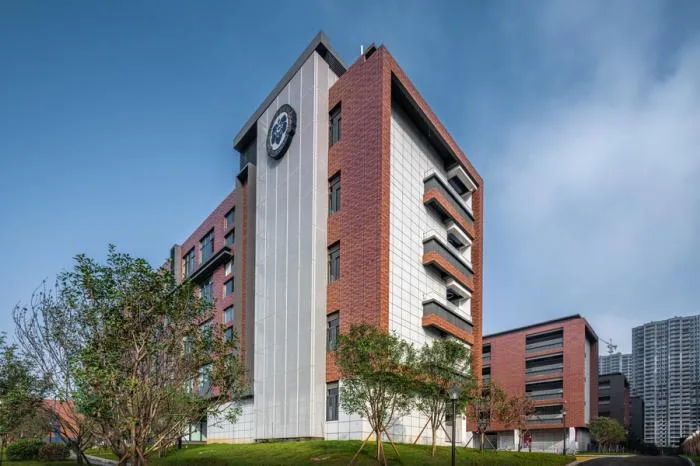
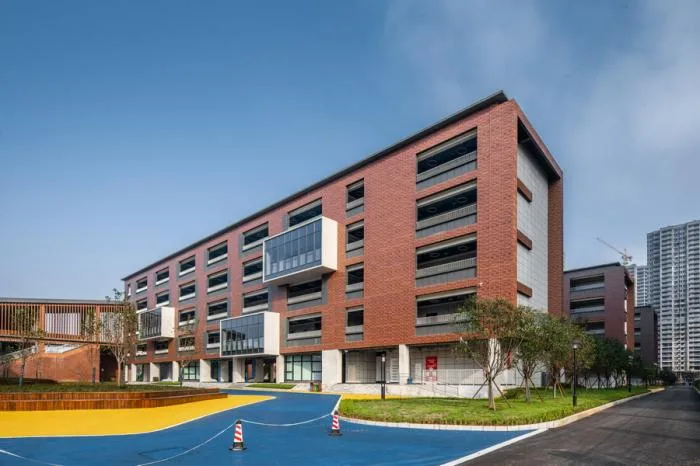
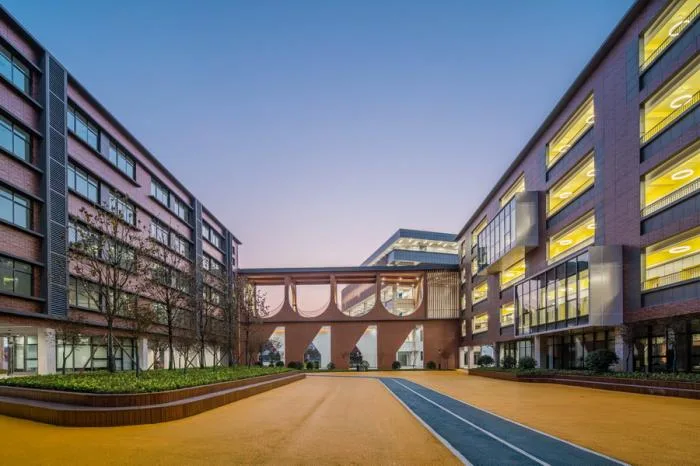
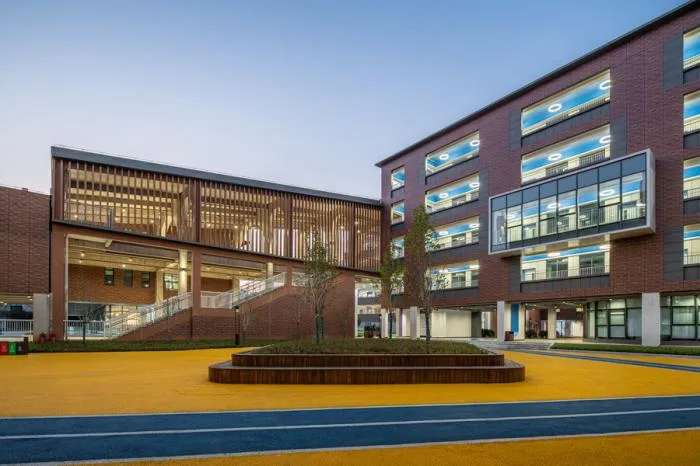
△ Middle School Teaching Area with a Formal, Orderly Courtyard
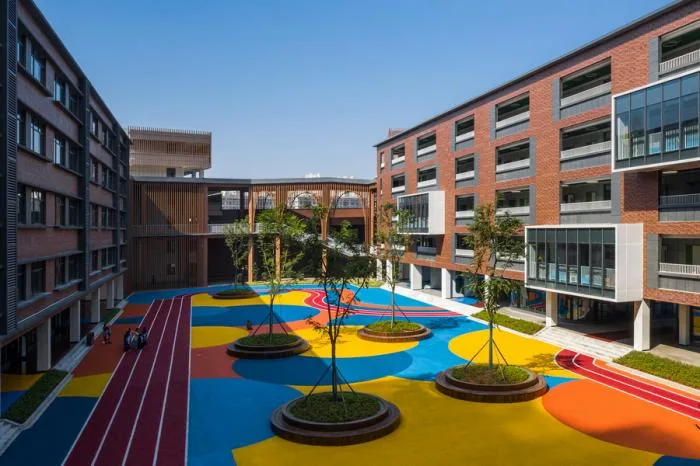
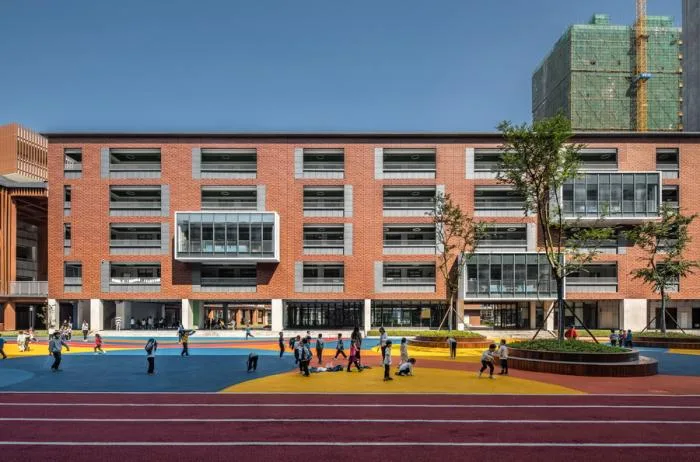
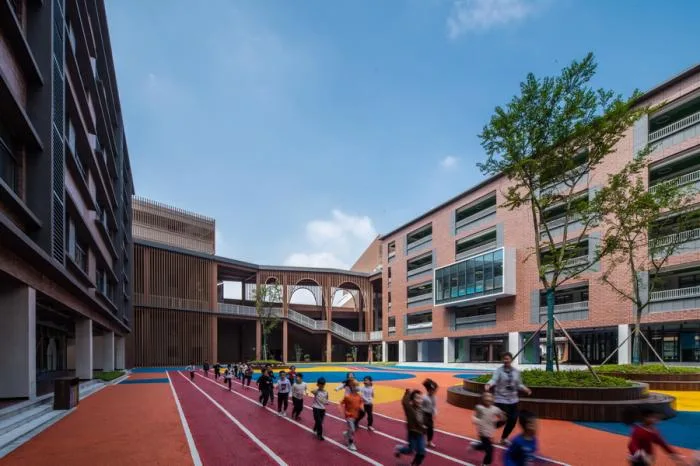
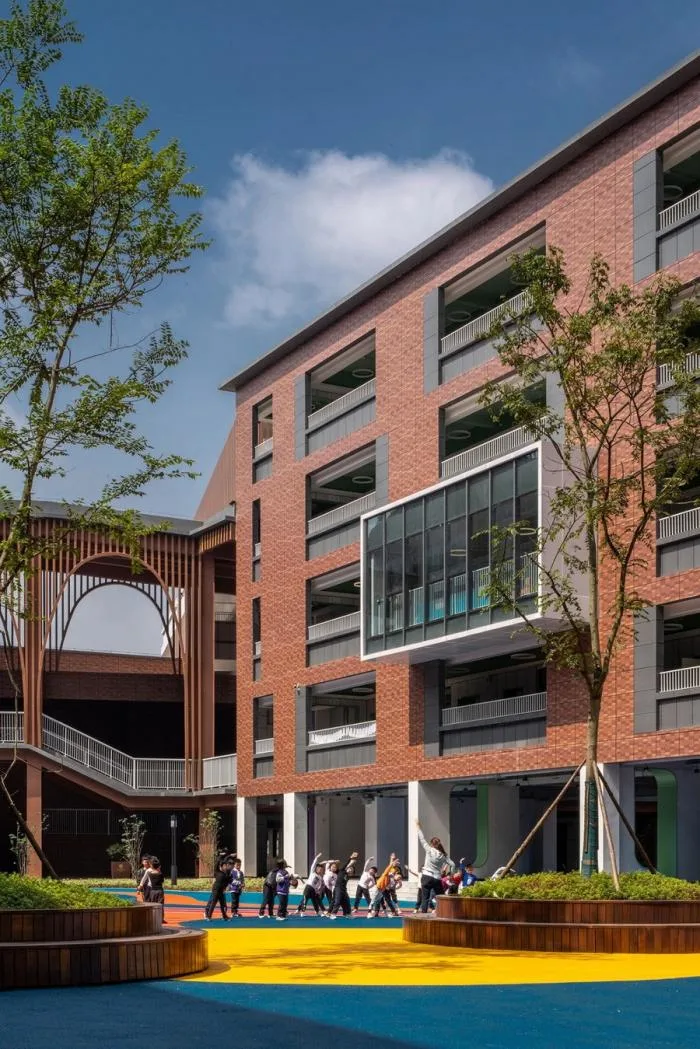
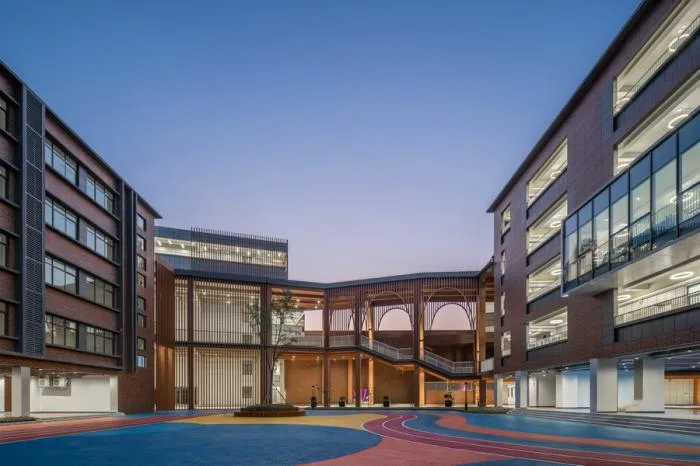
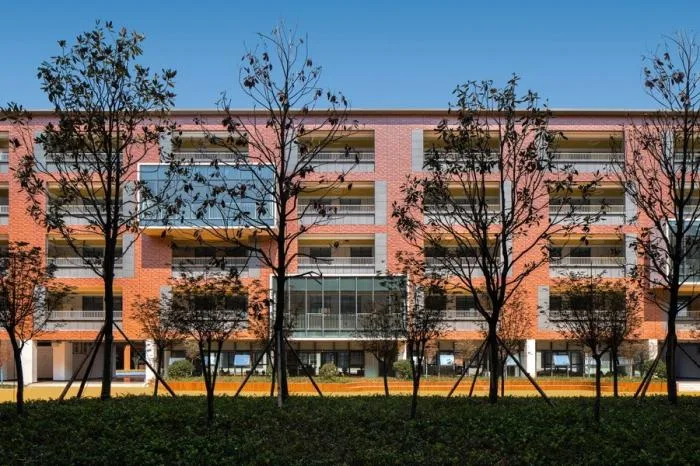
△ Primary School Teaching Area with Open and Relaxed Courtyard
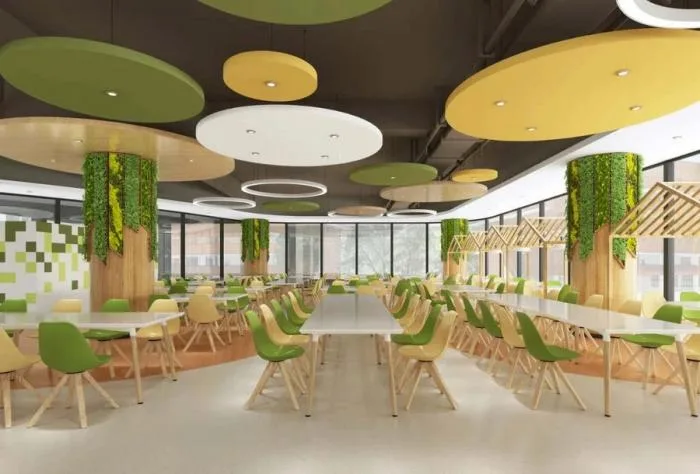
The “Tropical Rainforest” dining area for lower grades is housed in a glass enclosure at ground level
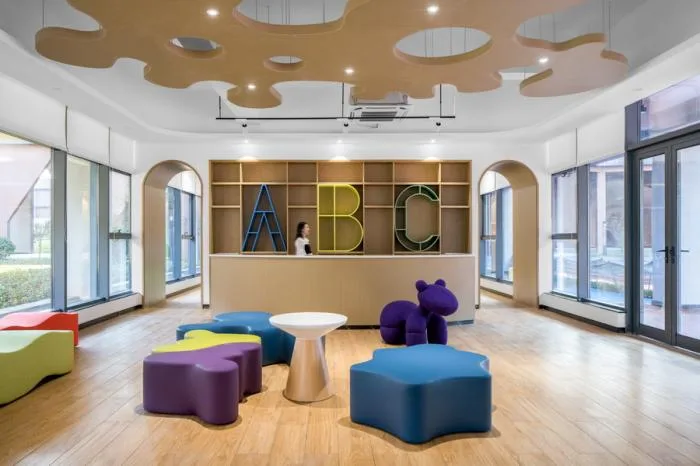
The picture book library at the elementary school enriches the children’s campus experience
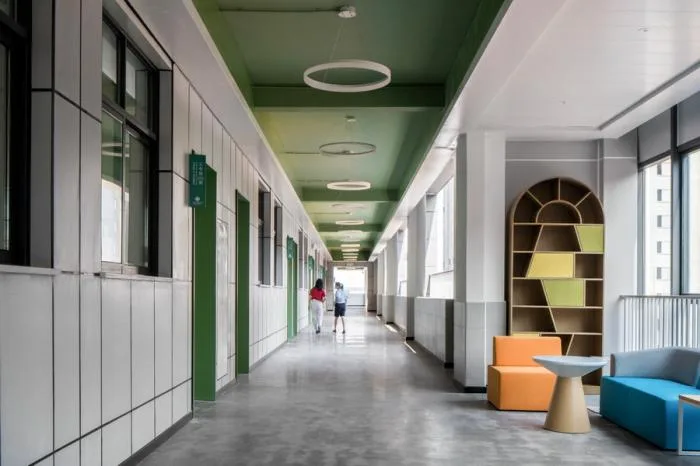
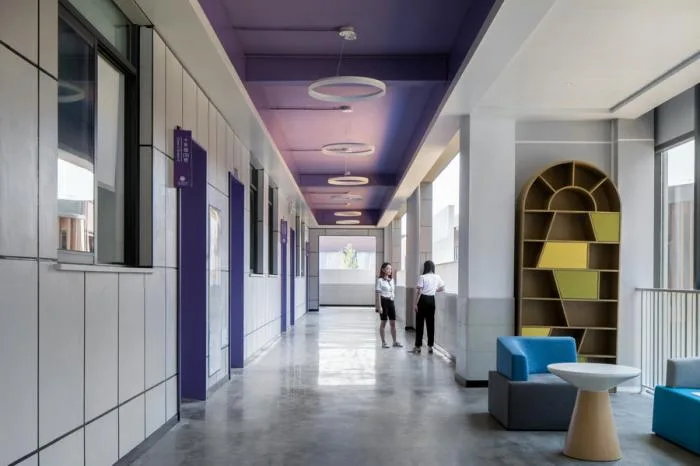
Each department corridor features a distinct color theme
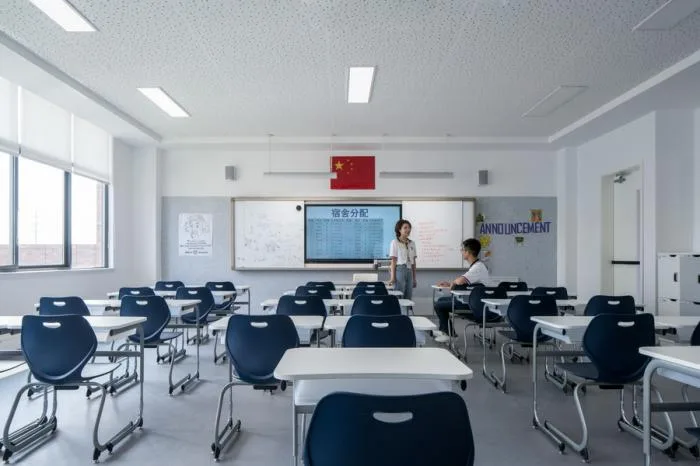
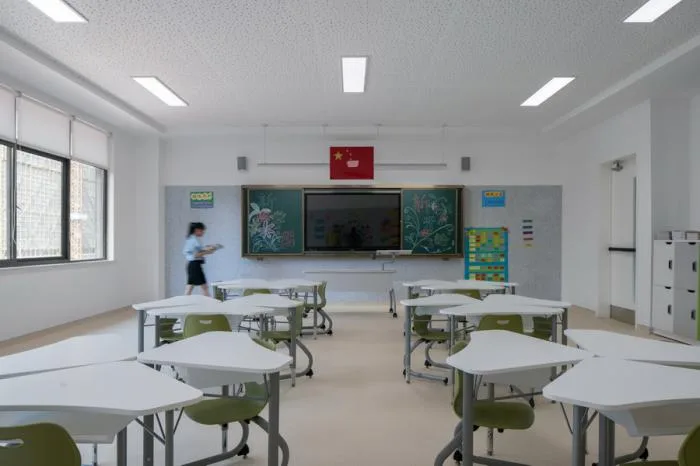
A standard classroom adapted to different grade teaching methods
Teaching goals have shifted from merely delivering subject knowledge to nurturing problem-solving skills. To support this, the three dot-shaped buildings on the campus’s west side, which were originally divided by subject-specific rooms, have been reorganized into interdisciplinary hubs: the “Campus Heart,” “Technology Center,” and “Art Center,” each corresponding to the others.
The “Campus Heart” theater, inspired by amethyst, enhances user experience through careful optimization of scale, appearance, and physical environment by reconfiguring the indoor space and its distinctive stage and seating layout.
The Technology Center consists of open, flexible workshops equipped with advanced tools, along with experimental spaces designed to facilitate discussion—making project-based learning a reality. Children’s cognitive horizons are no longer confined to a single subject or classroom; communication and exploration become essential for understanding the world.
The traditional music classroom has been diversified into specialized spaces, including singing and dance rooms, large and small piano rooms, rehearsal halls for dance and instruments, arrangement studios, and black box theaters. These varied facilities actively foster and nurture children’s diverse talents.
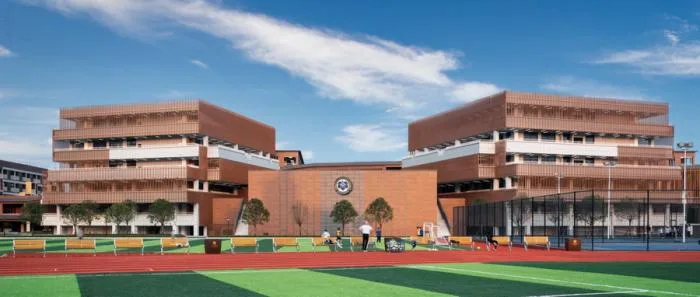
The “Campus Heart,” “Technology Center,” and “Art Center”
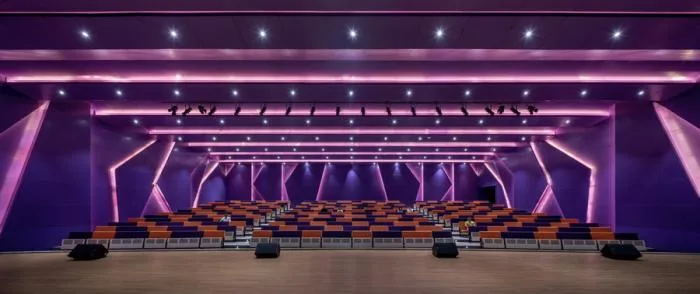
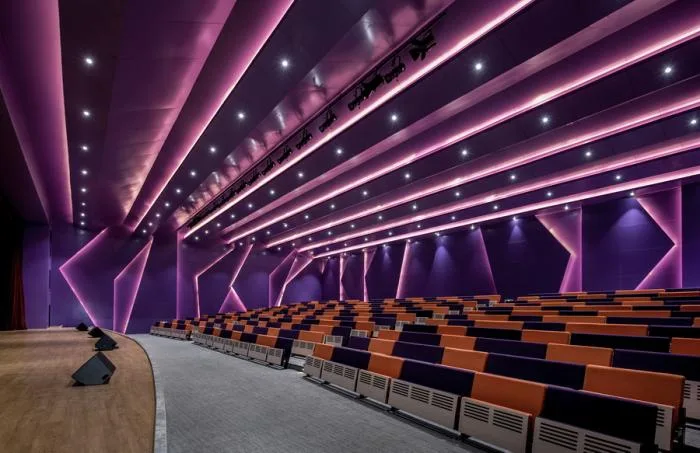
△ Campus Heart – Amethyst Theater
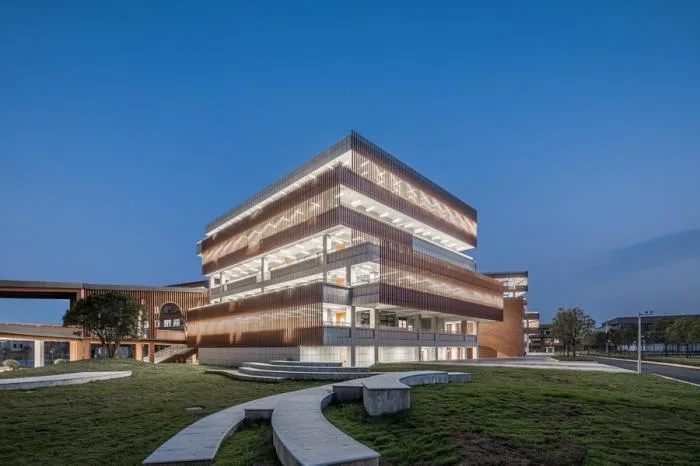
△ Art Center illuminated at night
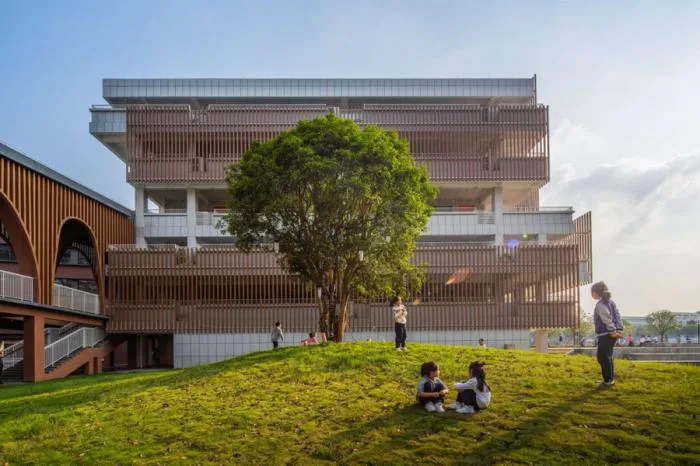
The Art Center integrates seamlessly with the environment, becoming the campus’s most beautiful artwork
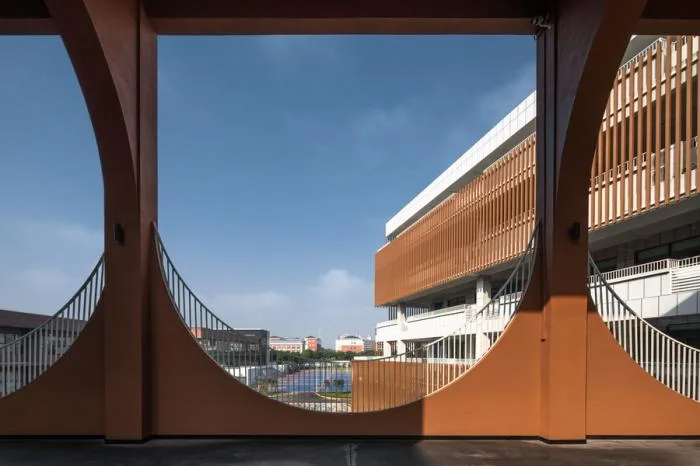
View of the Art Center through the covered corridor
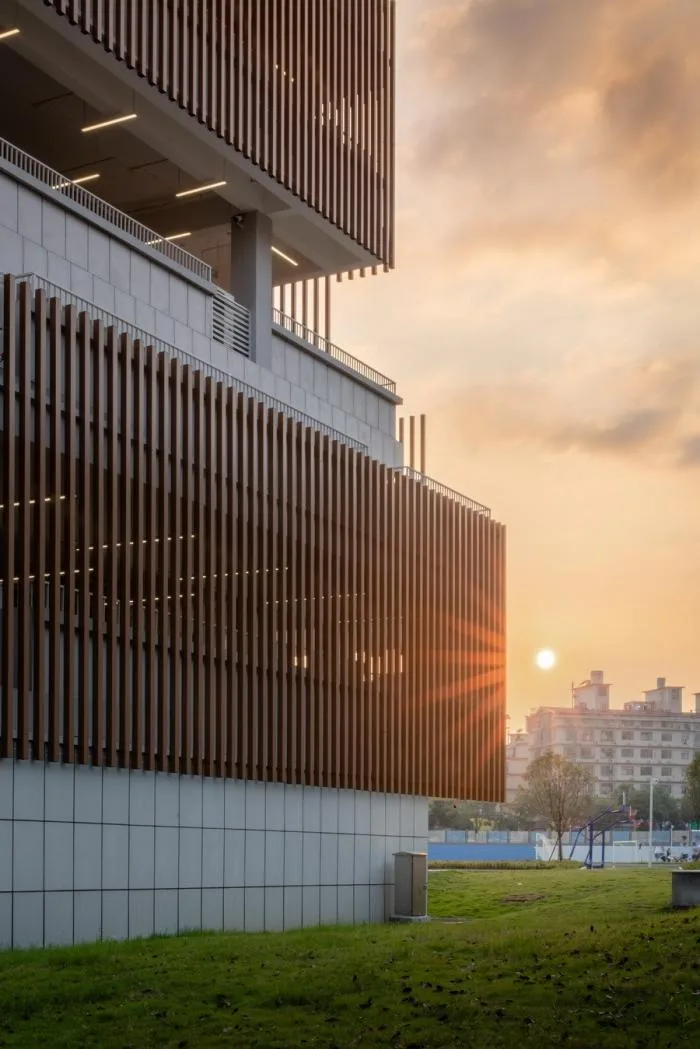
The Technology Center, wrapped in an aluminum grille, glows warmly in the sunset
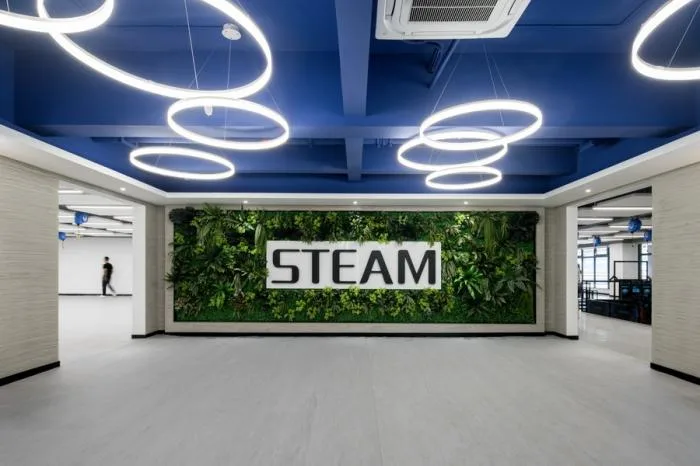
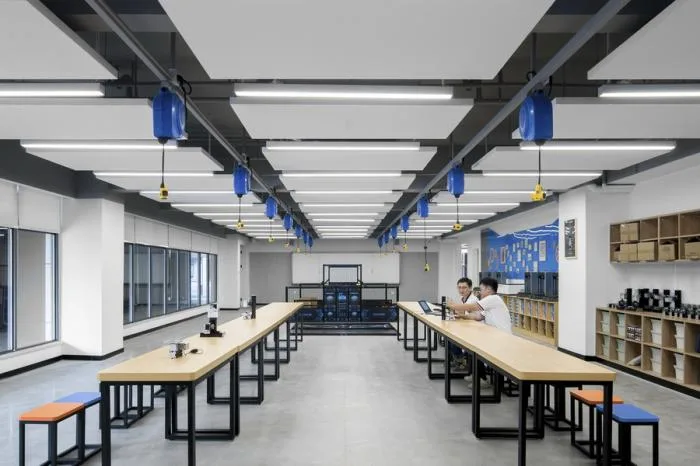
△ Multifunctional, Open STEAM Center
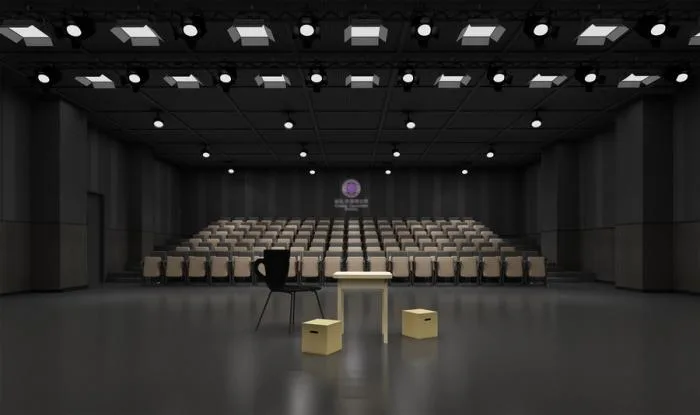
The Black Box Theater inside the Art Center
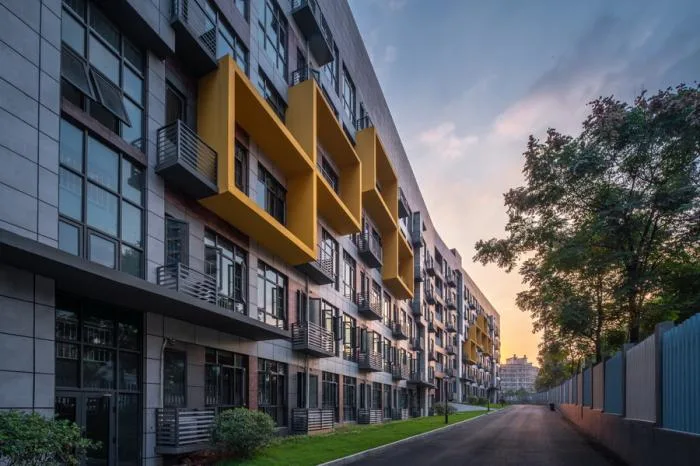
Boarding life forms a vital part of Changsha Kangli Craig Public School. We reimagined the traditional dormitory layout by vertically dividing dormitories according to age groups into “colleges,” resembling the Hogwarts Castle environment from the Harry Potter series. This design fosters both competition and mutual support.
The originally elevated first-floor area has been enclosed into a communal space, encouraging interaction among older and younger students within each “college,” fostering a sense of belonging through shared activities and support.
Dormitories are arranged into eight relatively independent groups on each standard floor, each featuring a living room to create a warm, friendly atmosphere where children can feel like part of a new family.
This sense of happiness, safety, and belonging stems from rich boarding activities and living spaces tailored to the children’s physical and psychological needs. Surrounded by care and warmth across multiple sensory dimensions, children grow up strong and confident.
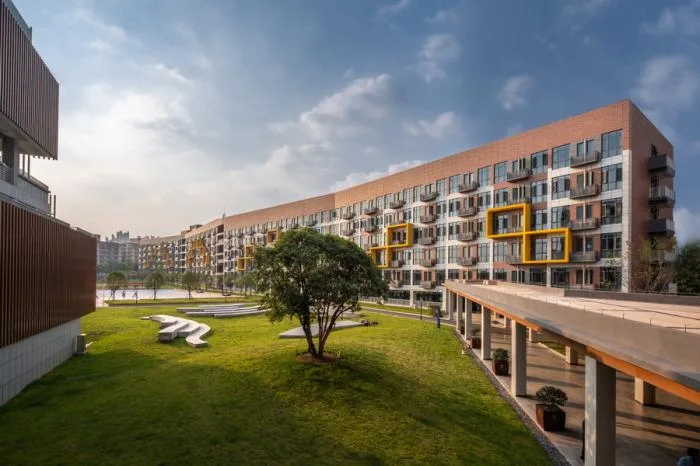
Bright and inviting living area
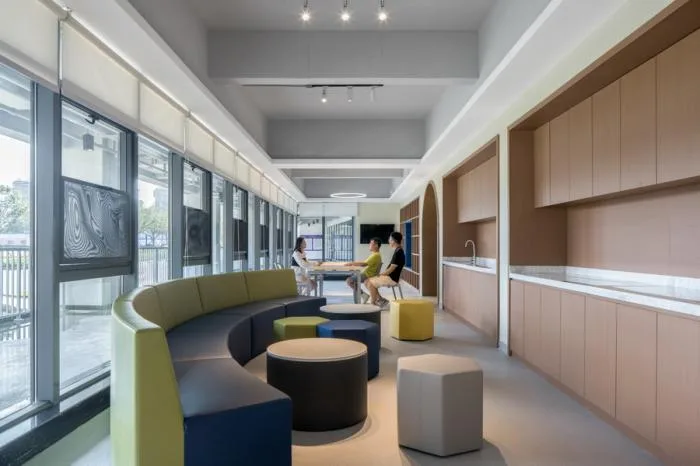
△ Communal space with public function on the dormitory ground floor
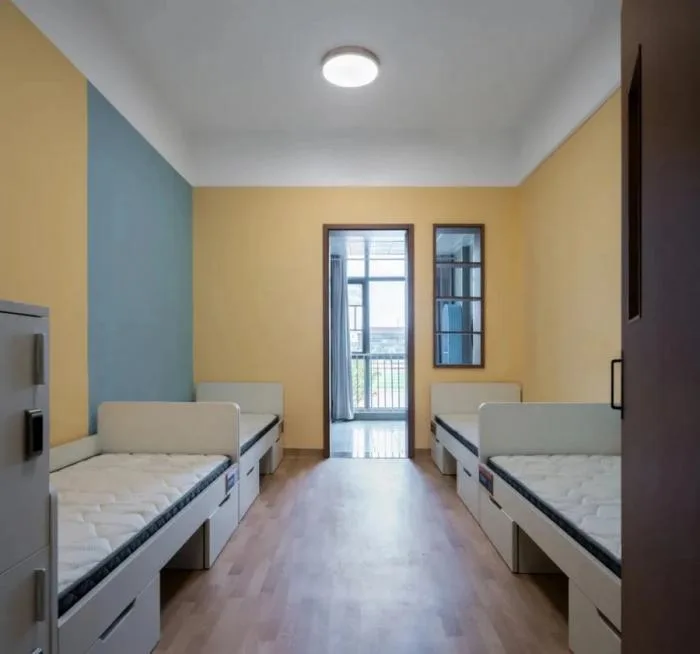
Warm and homely junior dormitory
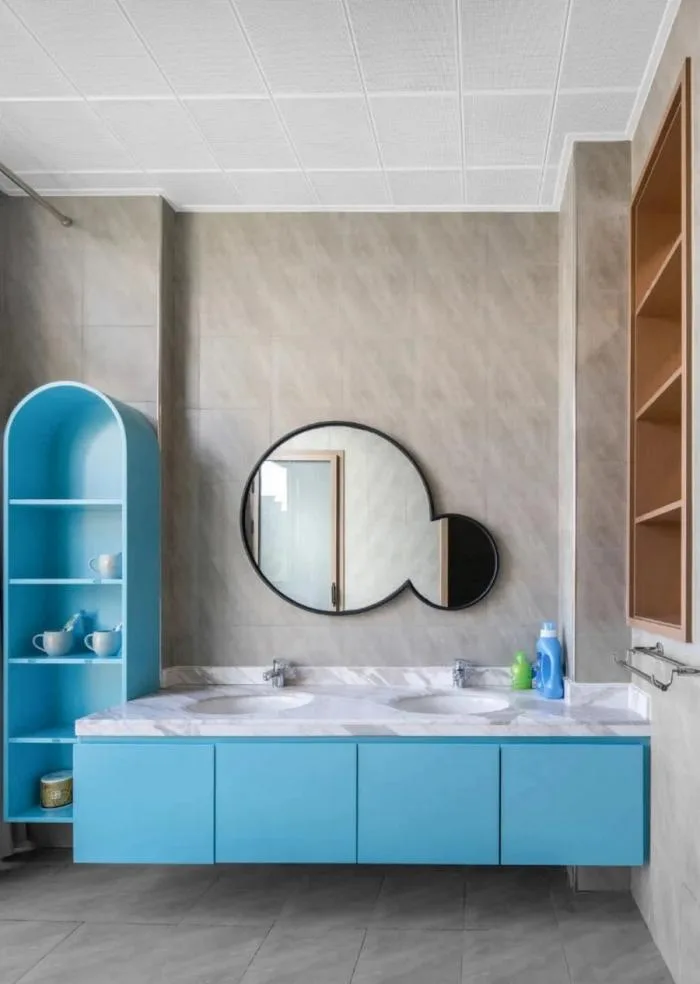
Warm and homely junior dormitory
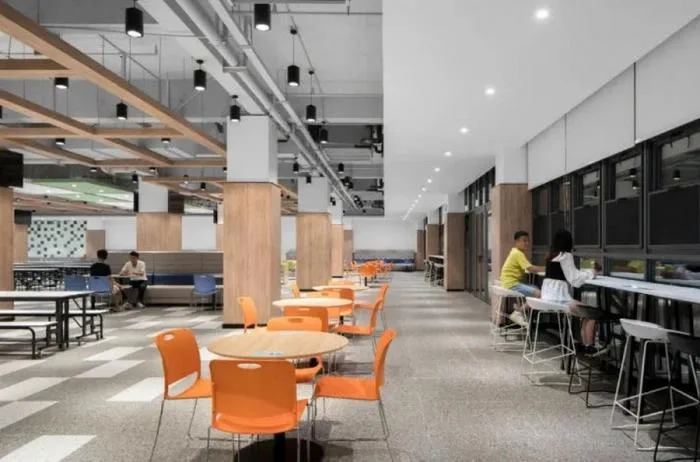
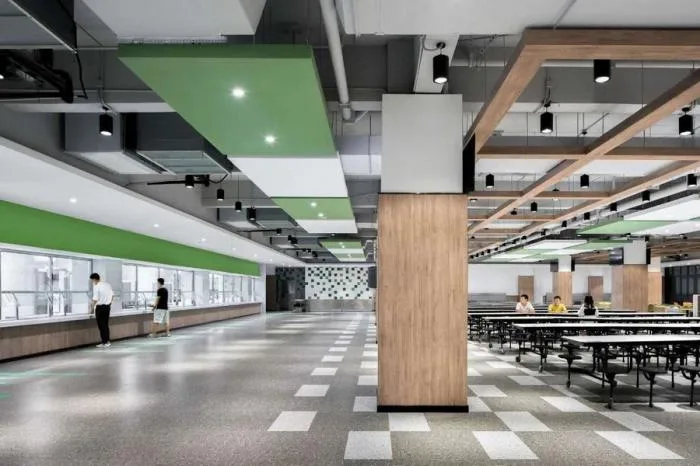
△ Social dining space
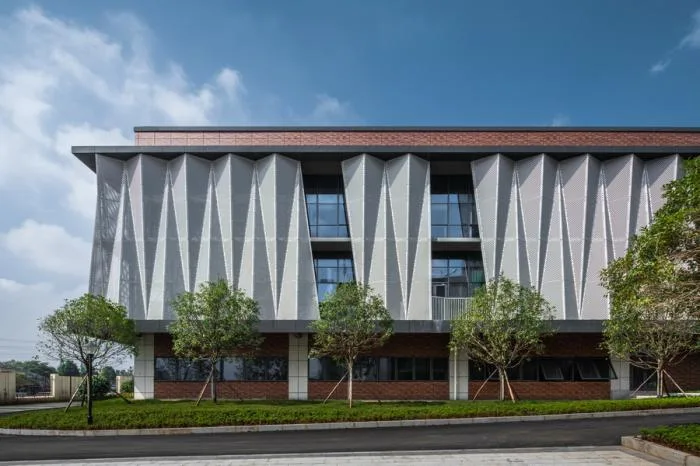
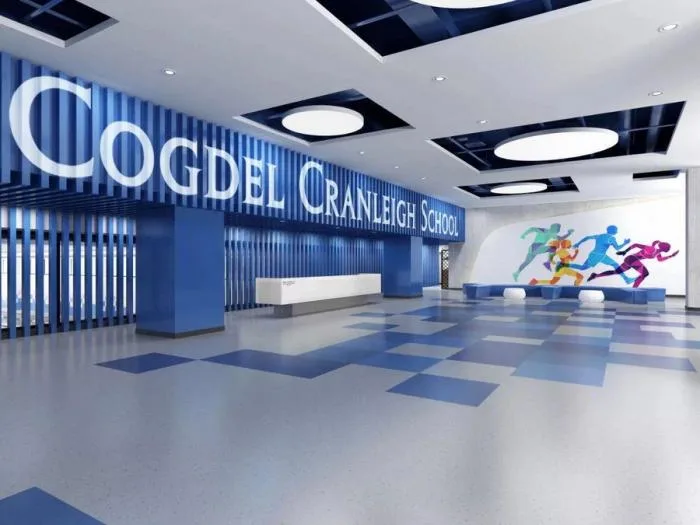
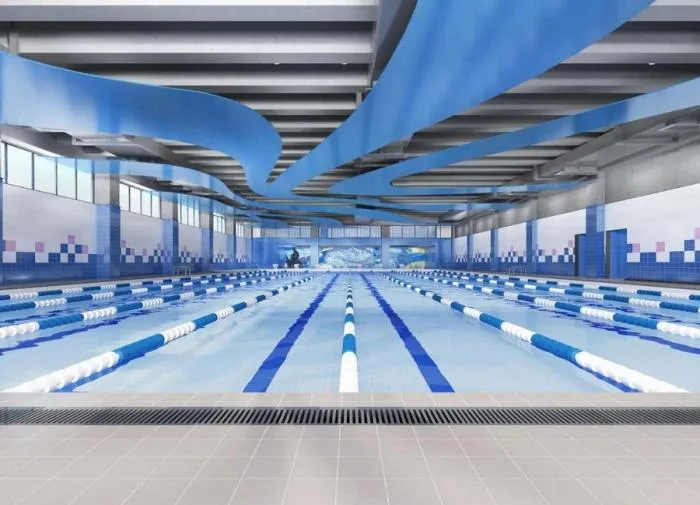
△ Sports arena with competition facilities
In today’s rapidly evolving educational landscape, visionary educators and innovative parents hold high hopes for their children. They strive to provide learning environments that go beyond traditional teaching concepts and spaces focused solely on knowledge transfer, neglecting imagination and practical experience.
Wherever children go in the future, the educational methods and campus environments that nurture their confidence, elegance, and independence are essential. Architects, schools, and parents must collaborate to explore these core elements together.
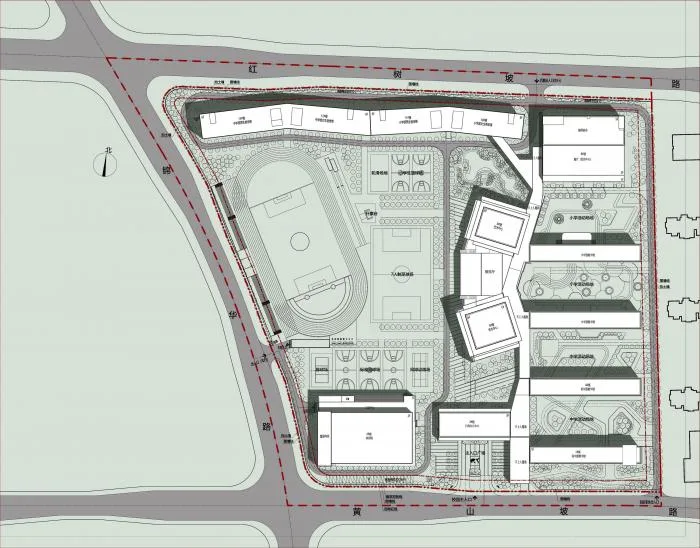
△ Master Plan
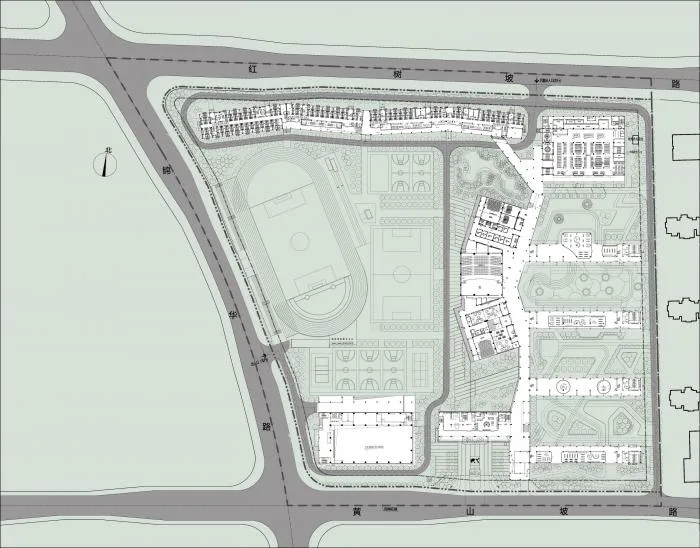
△ First Floor Plan
Project Information
Project Name: Changsha Kangli Craig Public School
Design: Xiangwai Construction Studio, School of Architecture and Urban Planning, Shandong Jianzhu University, and Shenzhen Architectural Design and Research Institute Co., Ltd
Contact Email: __AI_S_SC0__
Design Date: December 2019
Completion Date: September 2020
Location: Changsha City, Hunan Province
Building Area: 84,000 square meters
Lead Architect: Liu Weibo
Project Director: Zhu Guangsen
Architectural Design Team: Jiao Ertong, Yu Wenyuan, Zhang Zengwu, Huang Xiaoyi, Zhou Jing, Zhao Liang, Lv Yiling, Lin Li, Xie Binggui, Tian Huihang
Construction Drawing Team: Liu Huoflame, Zhong Chunlin, Zhou Huimin, Li Dasheng, Chen Hongzhi, Zhang Jianan, Zhang Wenwu, Hou Peng
Interior Design Team: Wang Yiqun, Li Xin, Li Bo (Chuanchen Brand Design), Zhang Lu, Qin Feifei, Shi Dekang, Yan Jinxuan, Xu Junli
Architectural Photography: Cui Xufeng, Time Difference Imaging
Video Production: Time Difference Imaging by Cui Xufeng
Indoor Photography: ENV Architecture Photography
Owner: Hunan Future Investment Group Co., Ltd
Text by: Zhao Liang














Must log in before commenting!
Sign Up