
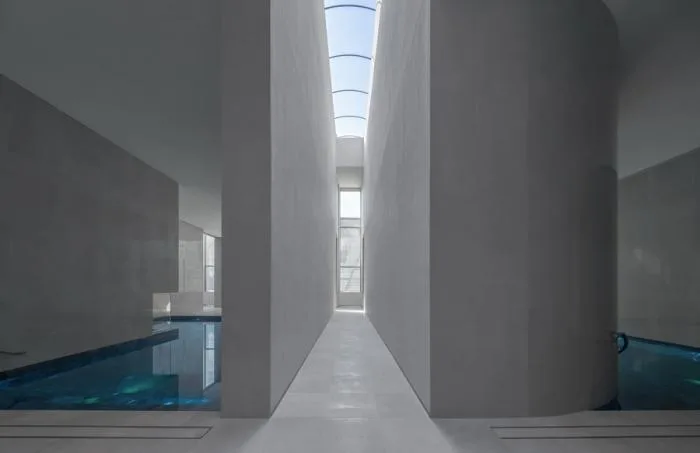
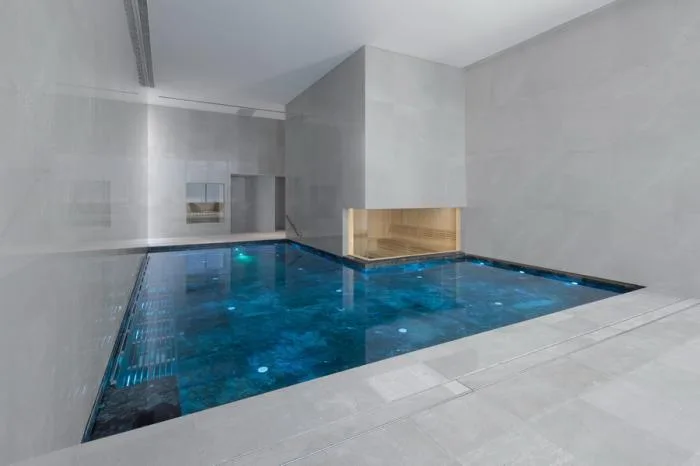
Bathing is more than a physical act—it is a spiritual experience, and thus, a bathhouse must be regarded as a work of art. The bathhouses of ancient Rome were architectural marvels, rivaling churches with their grand arched columns, polished marble, intricate mosaics, and lifelike sculptures. These elements still represent the ideal of a modern bathhouse today. Harmonious spatial proportions, clear geometric forms, and refined material textures transform these spaces into contemporary art sculptures that explore the dynamic relationship between light and water.
01
Longing for Light
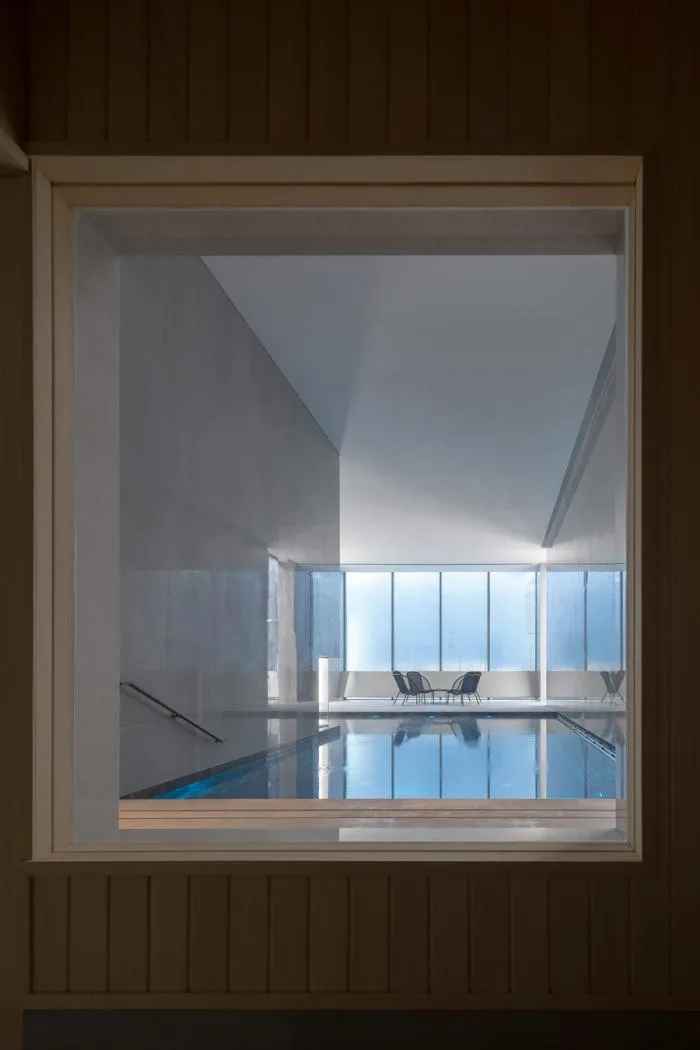
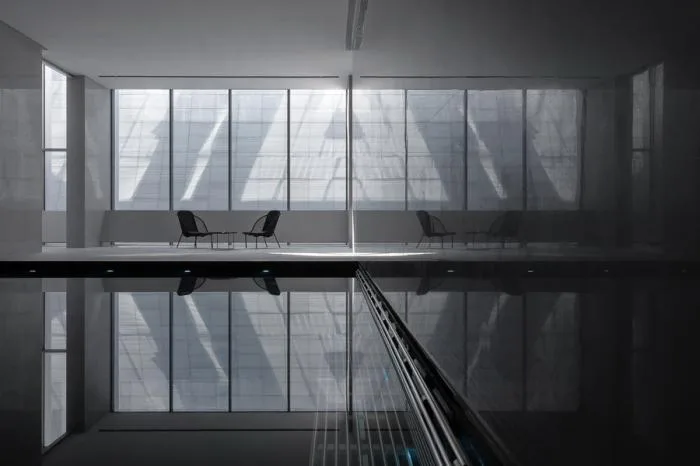
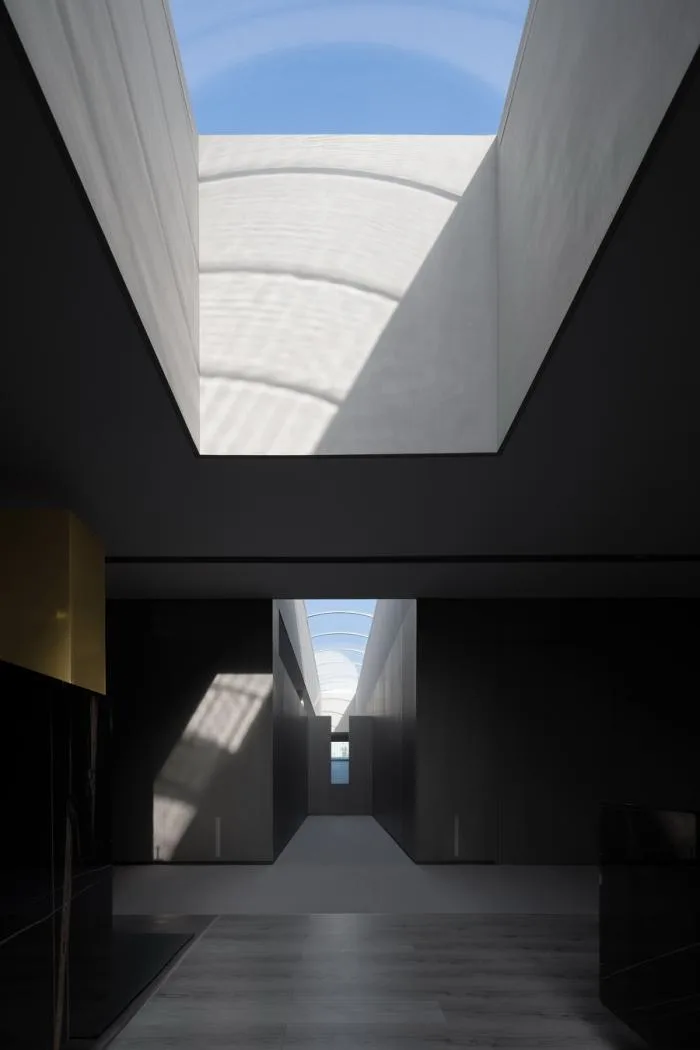
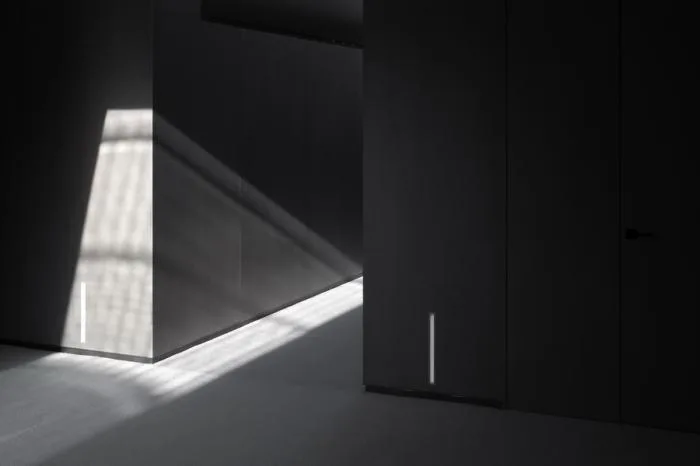
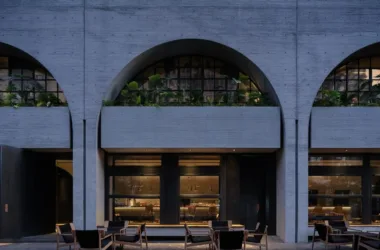
Light shapes our perception of space; it carves contours from the air and can fragment rigid forms into dynamic environments. From Louis Kahn to Tadao Ando, and from the Temple of the Thousand Buddhas to the Church of Light, architects worldwide have expressed a profound yearning for light in their masterpieces. The design of Hangzhou Qushui Lanting places “light” at its core, using skylight gaps to define spaces and bring out the textures of different materials. These openings serve as channels for the sky’s light and function as the architect’s brush and chisel.
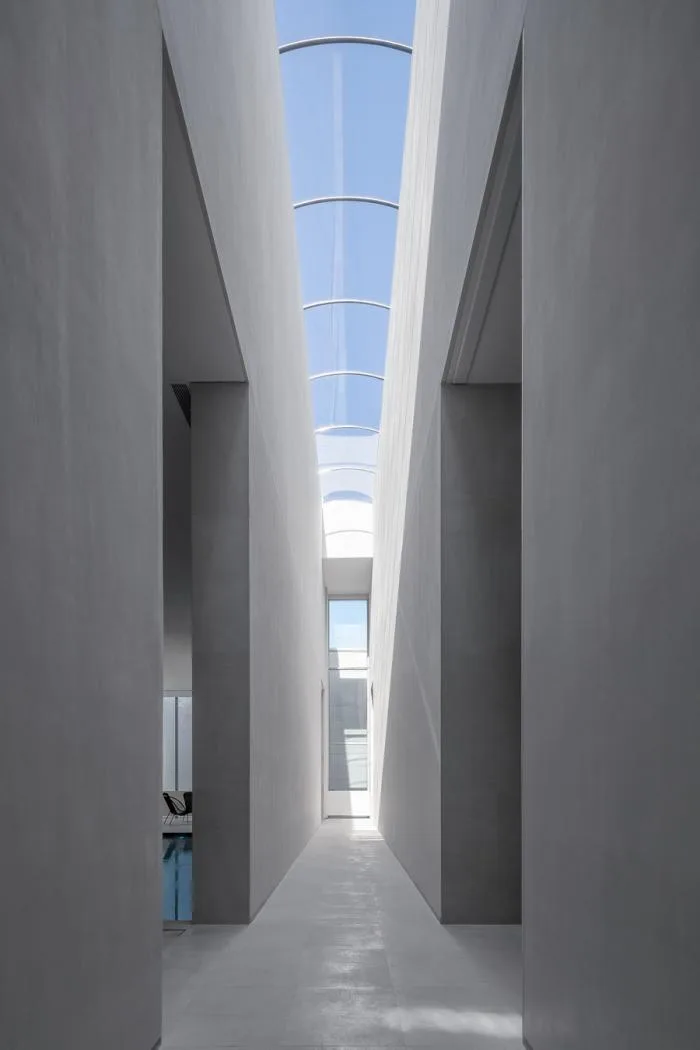
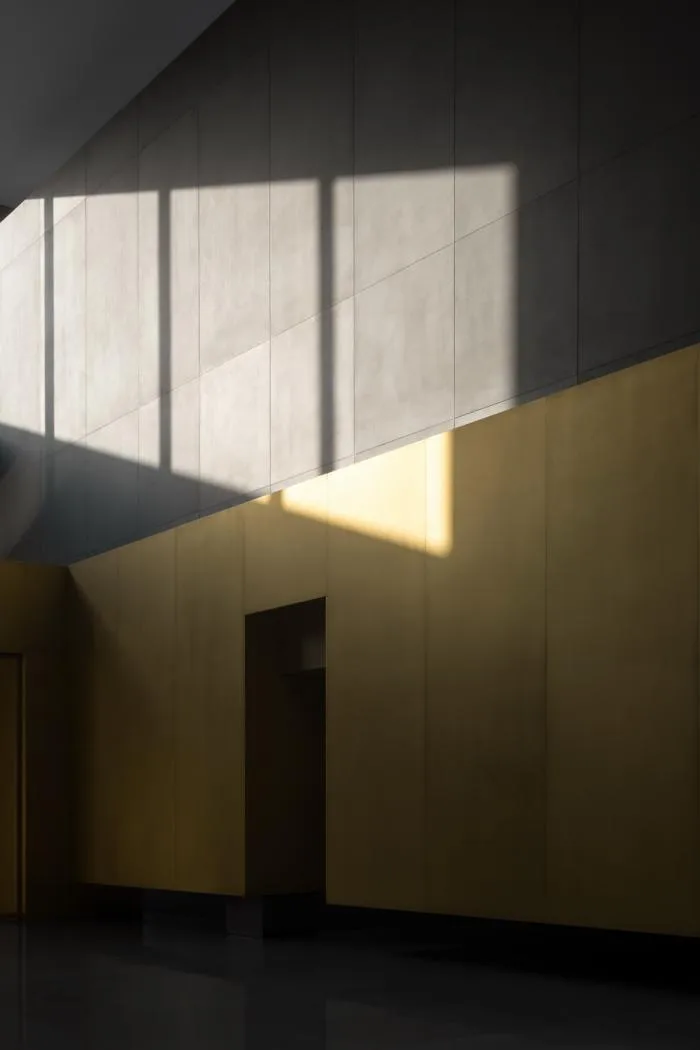
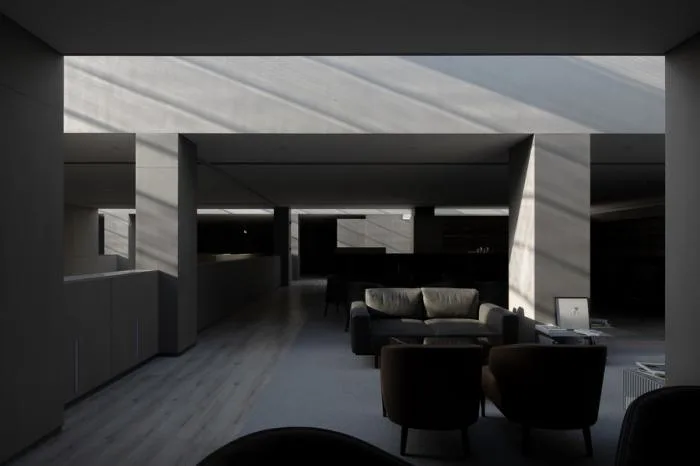
Strong parallel sunlight casts sharp shadows on walls, creating dramatic and exaggerated effects. As time passes, light shifts from flat planes to curved surfaces, with shadows gradually moving across walls and floors, evoking a poetic ambiance. When light streams through narrow slits, it gathers into beams that reshape the space’s form. Between late afternoon and twilight, varying angles and qualities of light leave ever-changing reflections on the rippling water surface. This thoughtful orchestration of light allows bathers to perceive subtle shifts in atmosphere and temperature.
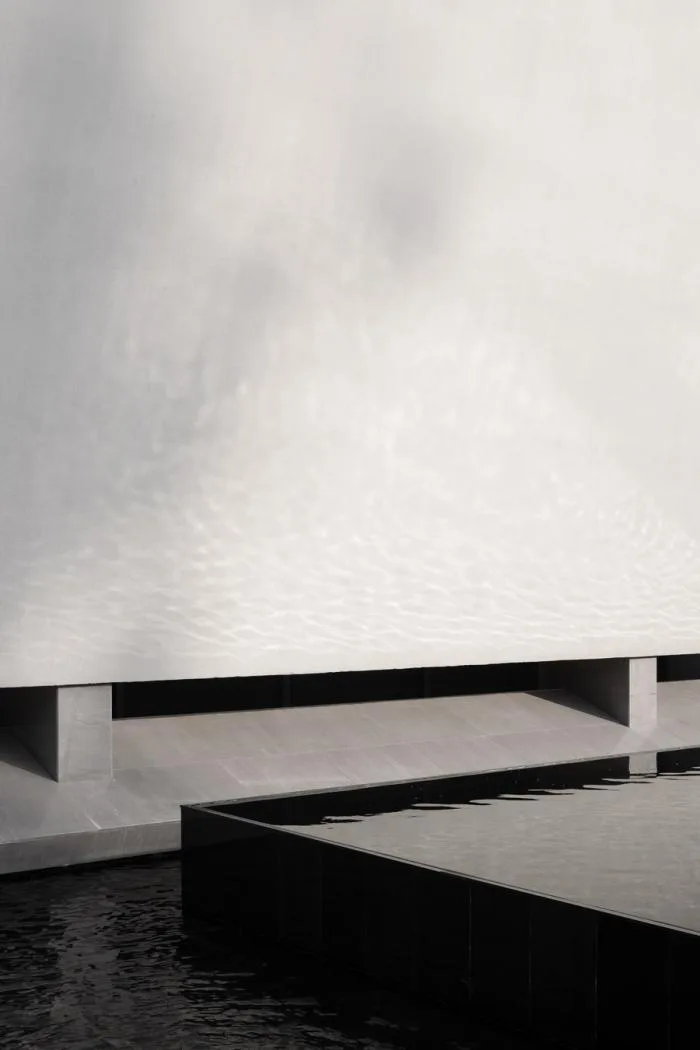
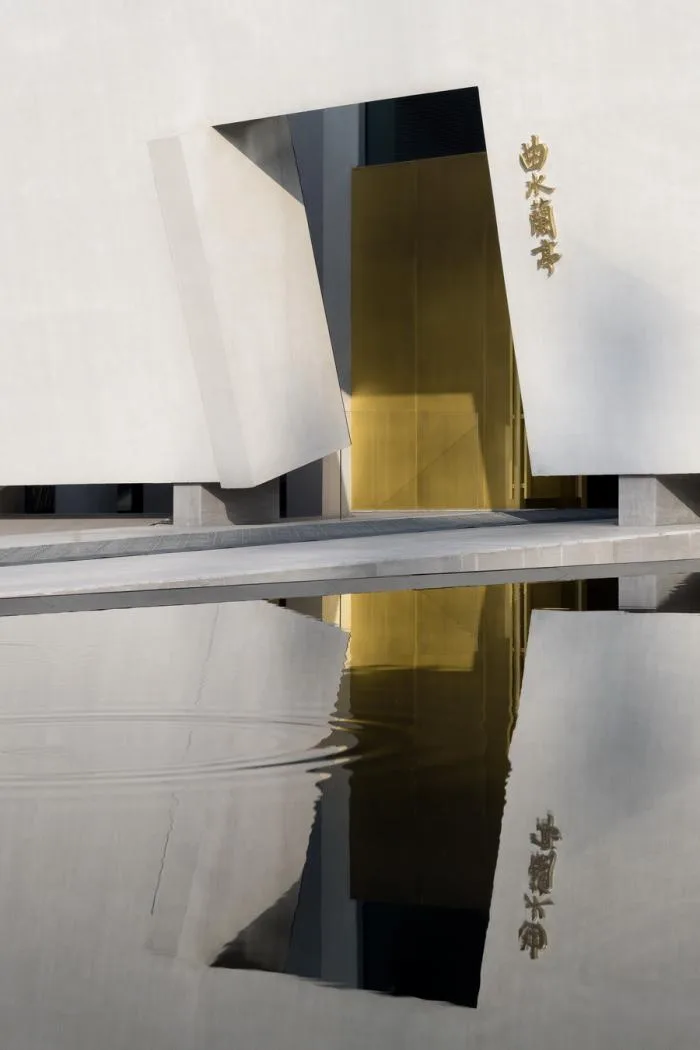
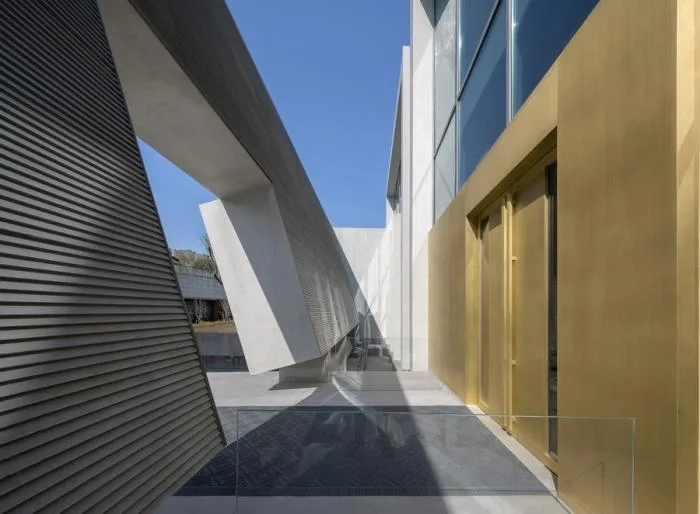
Additionally, the designers have crafted a spatial sequence guided by light. From the open water features visible upon entry, guests move into narrow, tall corridors flanked by walls, then into sunlit courtyards, and finally into more intimate dining areas. Alternating brightness and shadow throughout this journey evoke deep personal emotions that transcend fleeting memories.
02
Spatial “Vertical” and “Horizontal”
While modernism embraced geometry as a design language, geometry itself is an ancient architectural principle—more a method of logic than decoration. At Qushui Lanting, geometry structures the composition, dividing the space into interconnected blocks that influence both interior and furniture design.
The 9,000-square-meter resort features a maximum skylight height of 11 meters, creating a vast spatial volume. The designer segmented this volume into seven parallel blocks using six skylights aligned with long corridors. Treating the entire space as a free-flowing courtyard, each unit preserves the building’s functionality and form.
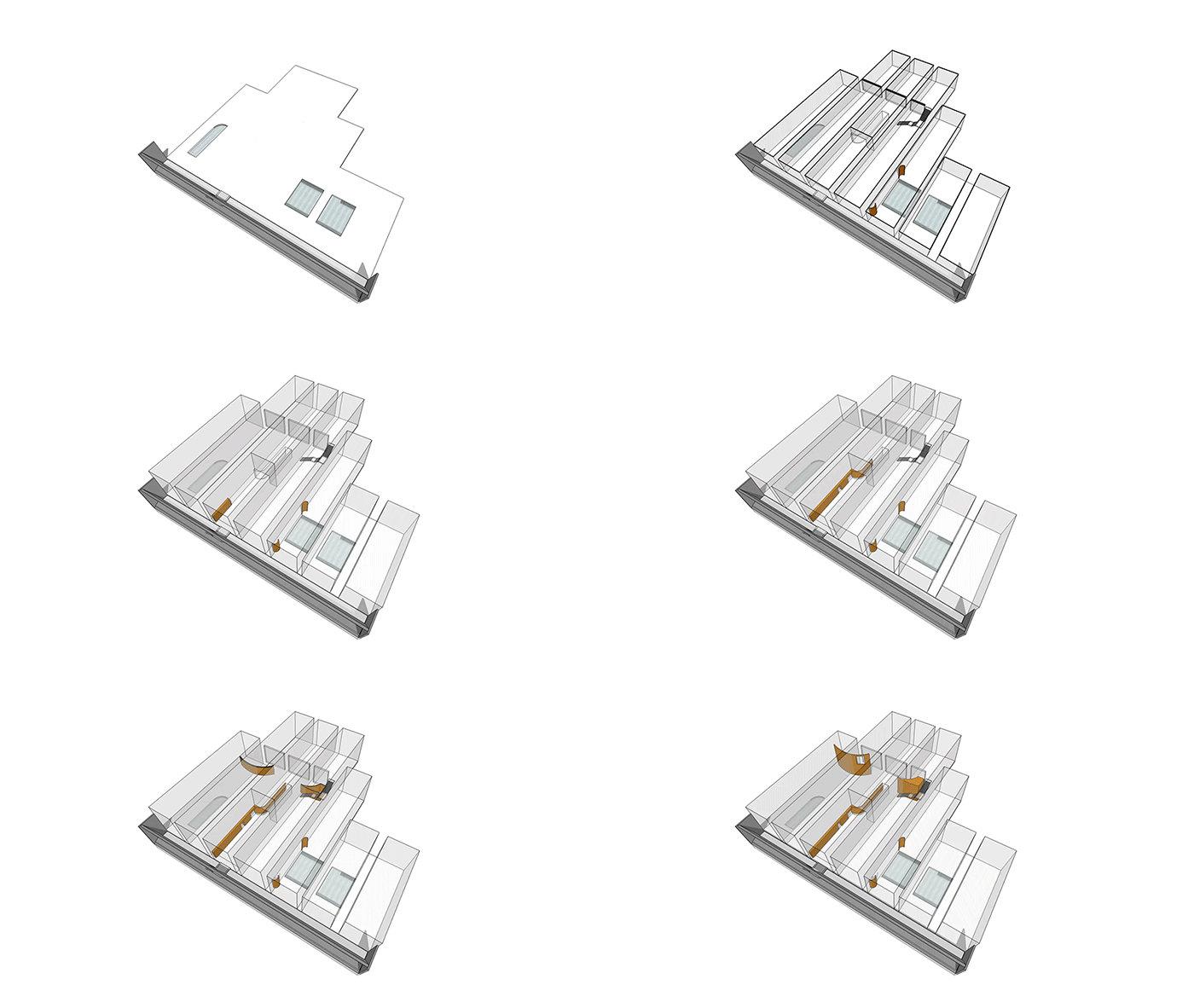
△ Space segmentation
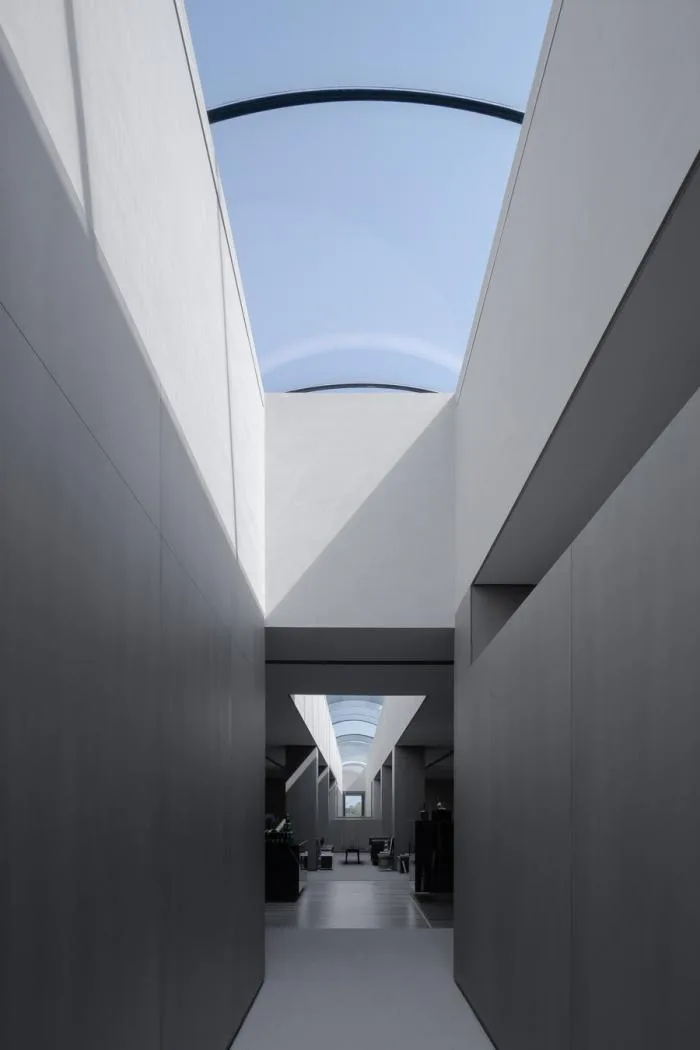
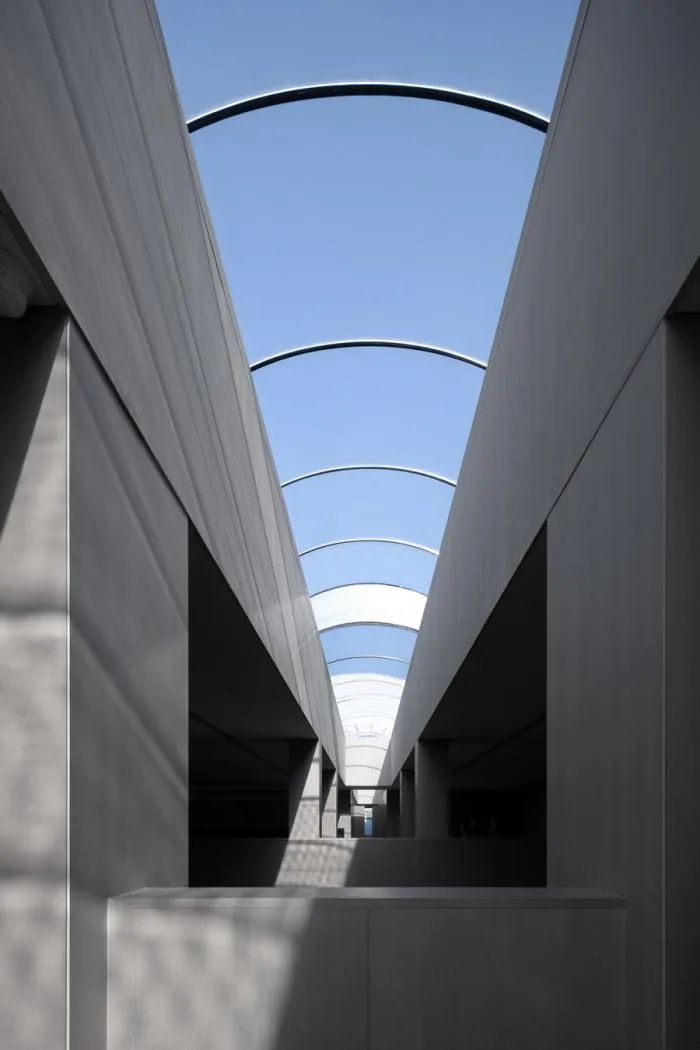
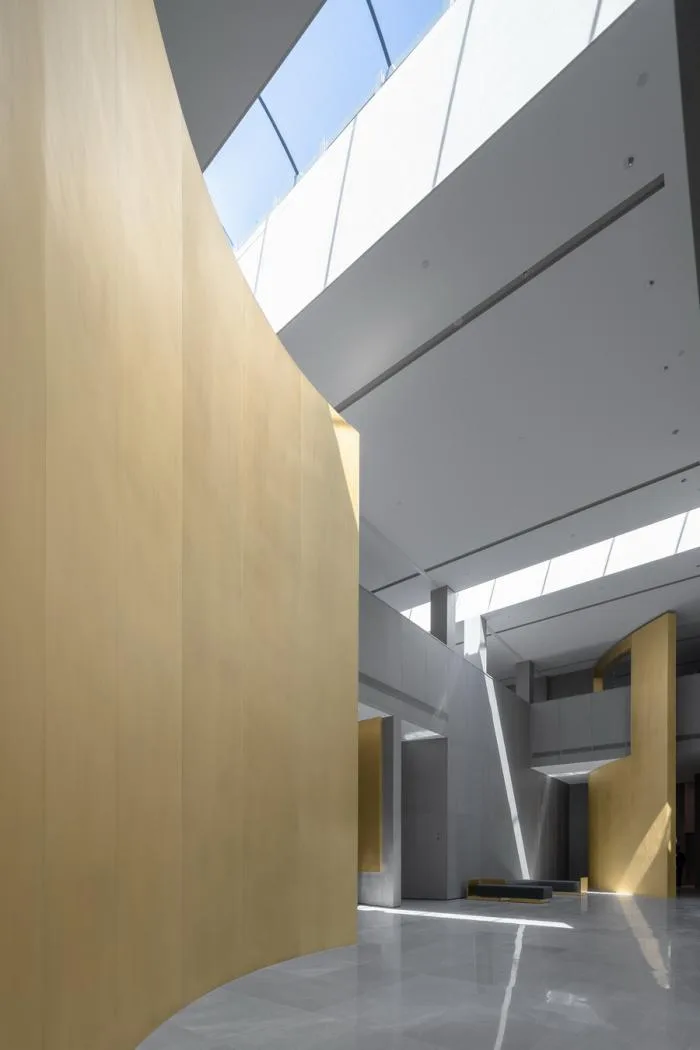
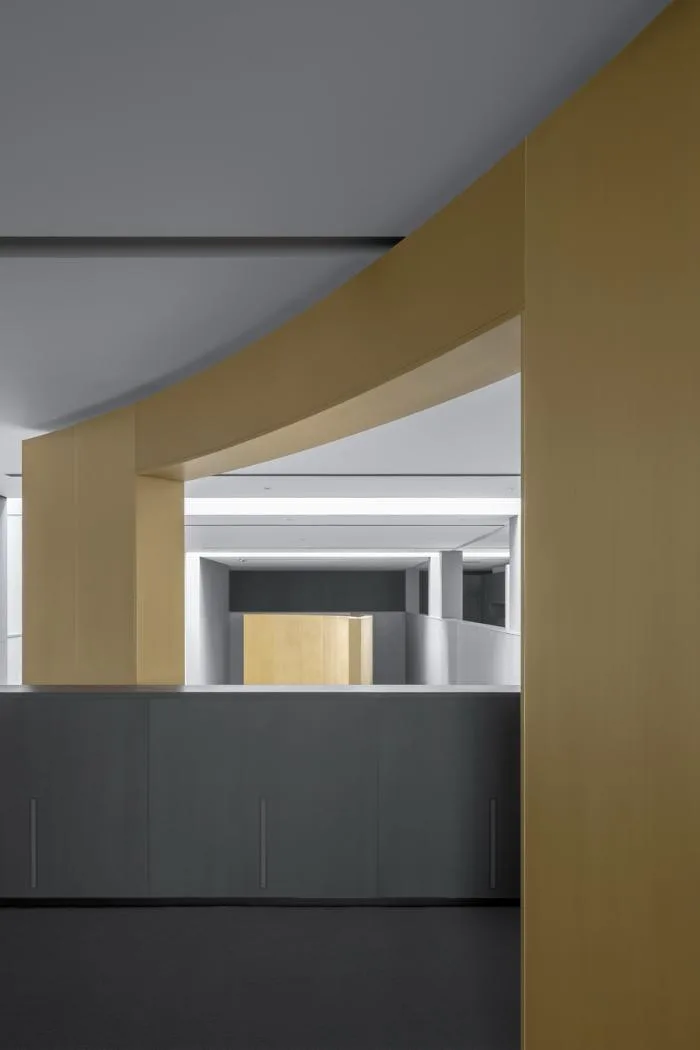
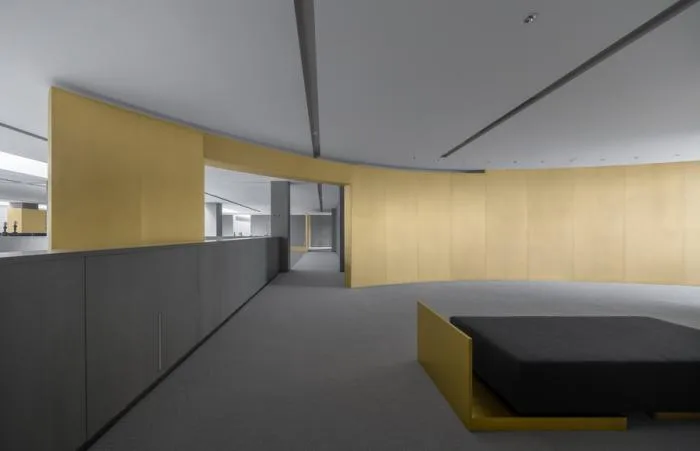
The front half of the building—including the entrance hall, bathhouse, and related amenities—employs a vertical visual language. Repeated tall columns, domino-like doorways emphasizing perspective, flowing brass “ribbons,” and continuous skylights all reinforce this verticality. At the climax—the grand atrium—vertical and horizontal elements converge to create a “spatial symphony.” Hanging volumes between the skylights descend like heavy curtains, abruptly stopping near the floor to visually partition the dining area and define the space’s logic. This atrium combines the solemnity of a continuous square space with soft, curved golden details, forming a multi-angled dialogue within the architecture.
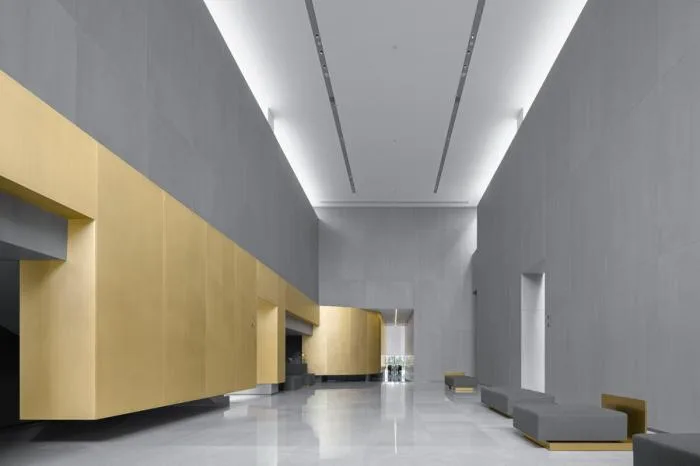
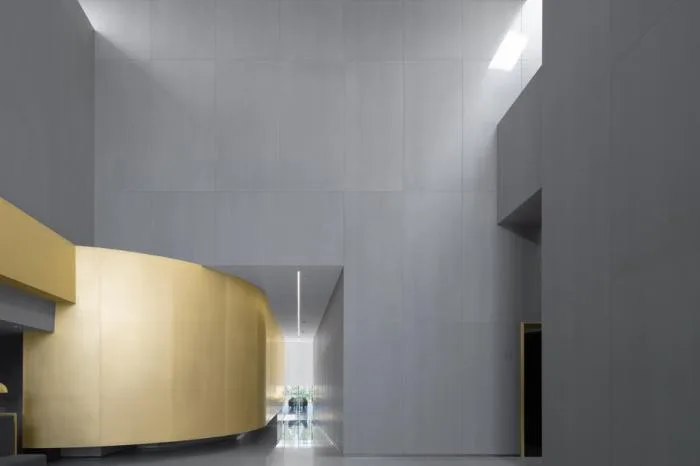
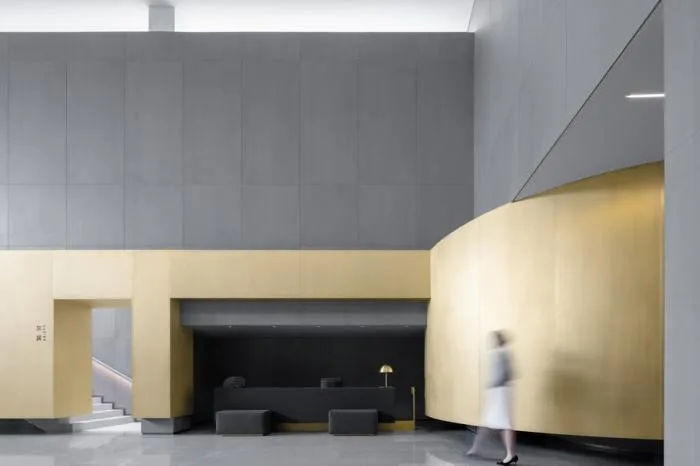
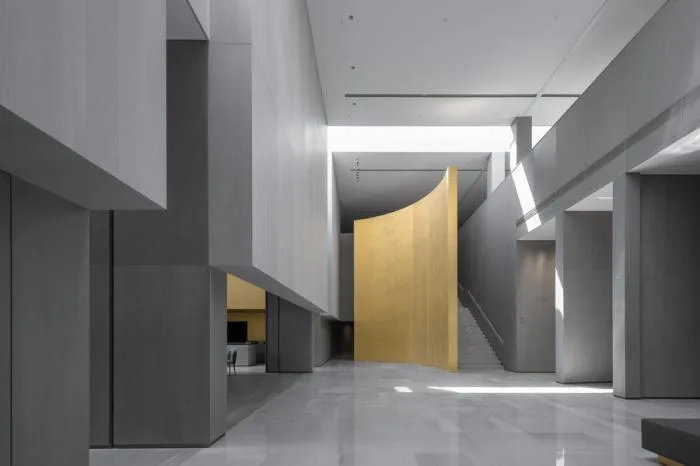
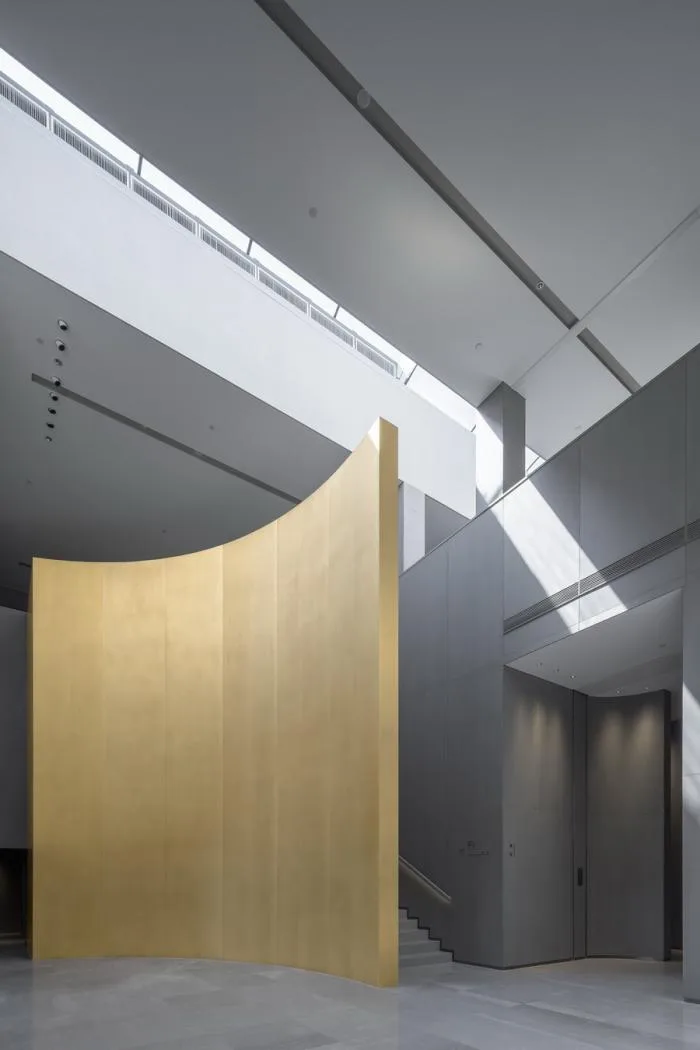
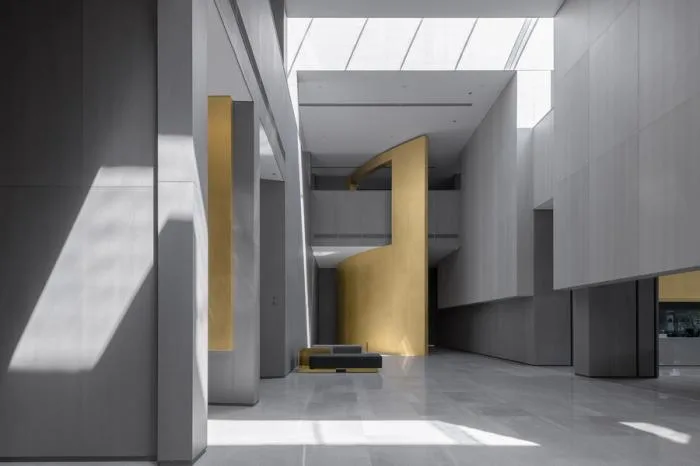
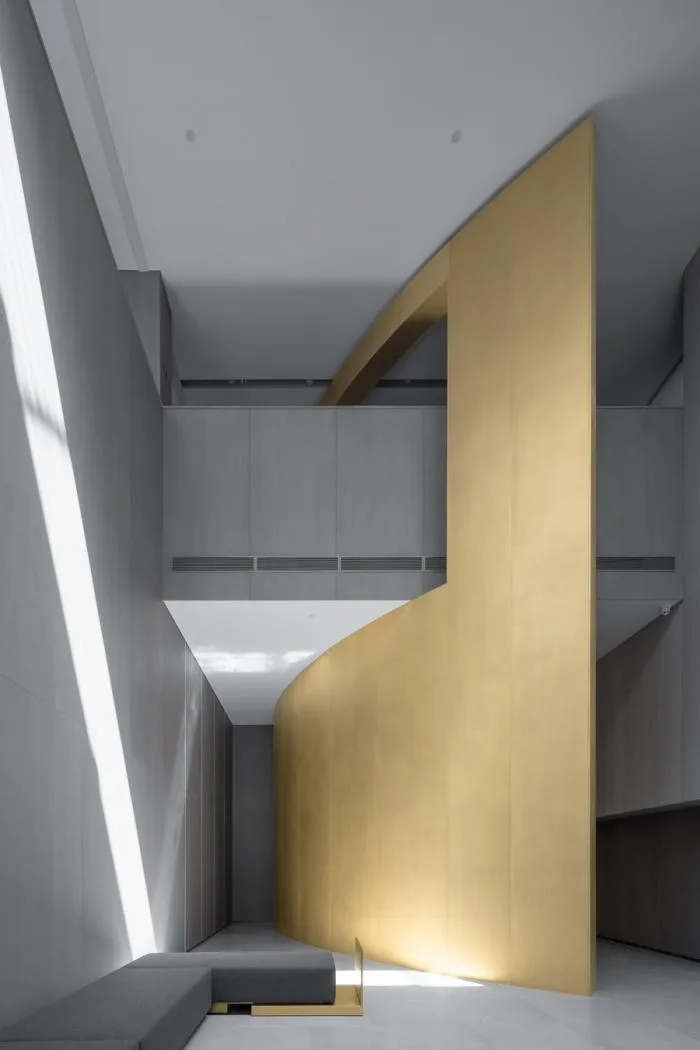
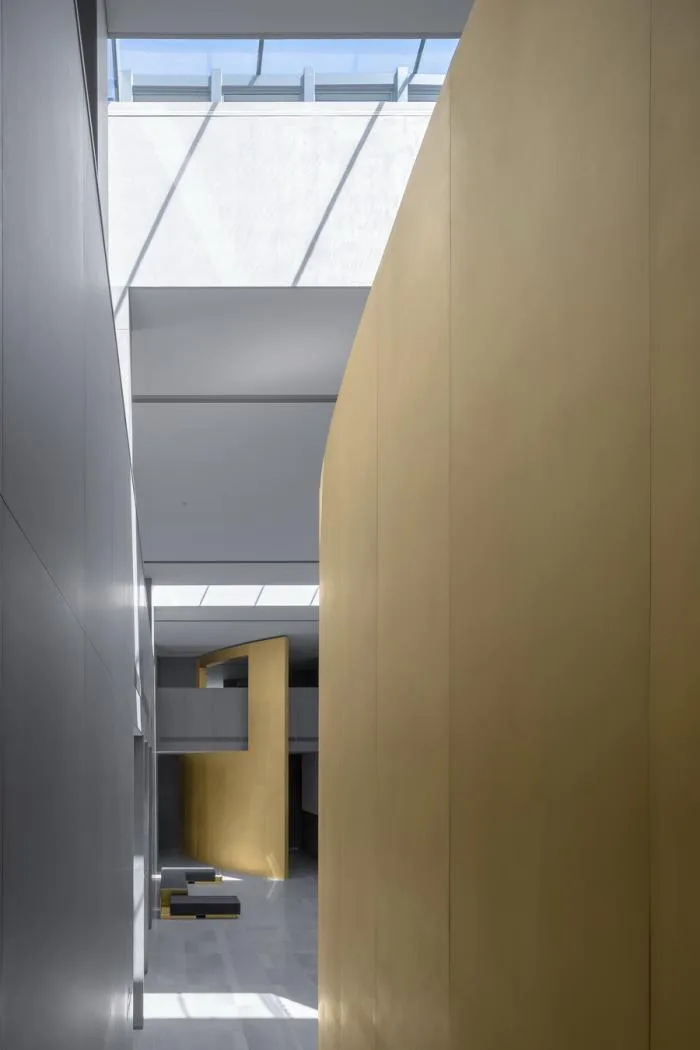
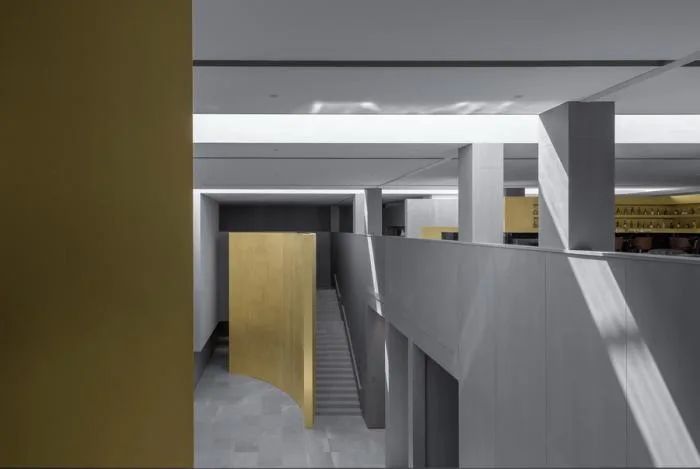
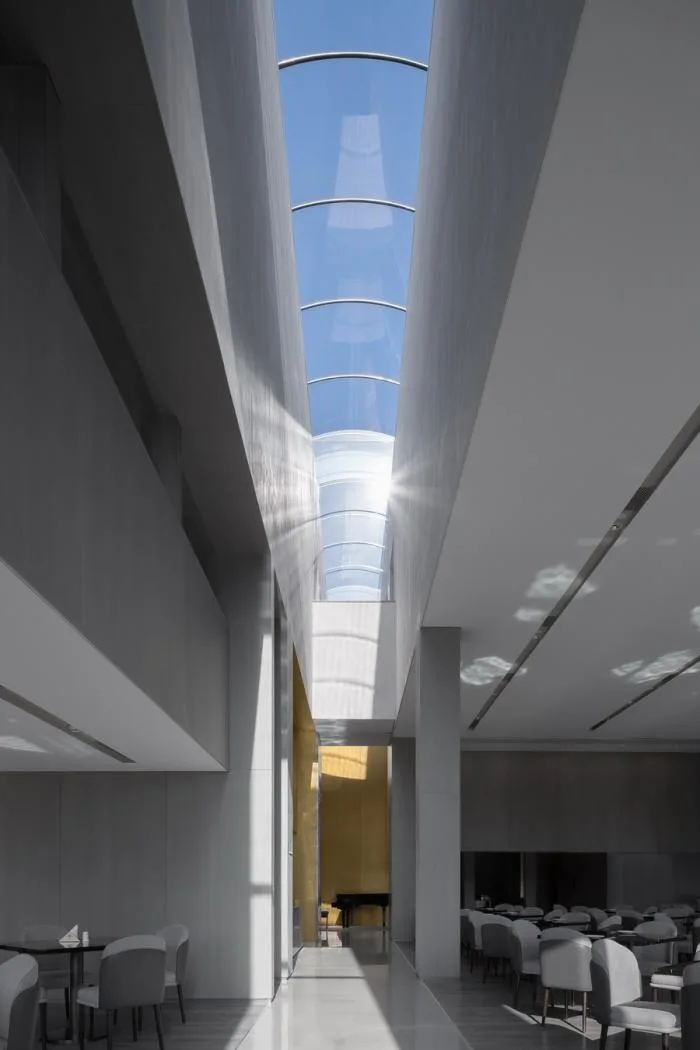
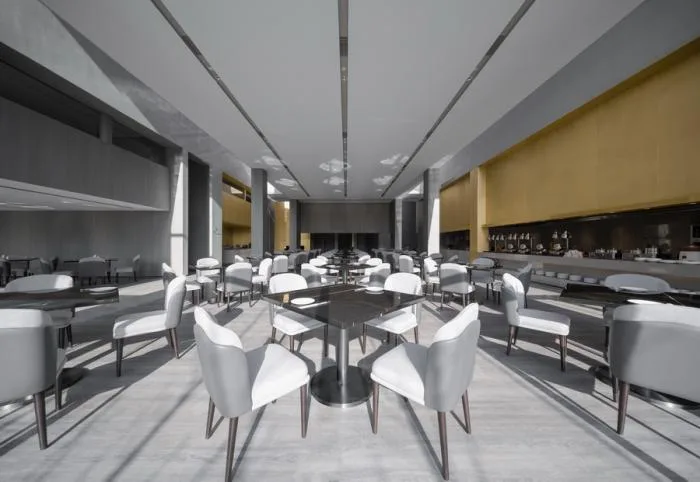
When these blocks of varying sizes and textures are further animated by light and shadow, the entire space becomes a series of artistic installations—reminiscent of the abstract geometric sculptures by French artist Xavier Veilhan. Each unit’s proportions and colors are meticulously crafted, coming alive under shifting light. As the designer explains, “I don’t want to place one or two pieces of art in the space; rather, I want art to be an integral part of the space.” This philosophy extends to the furniture: sofas and side tables in the entrance and atrium resemble miniature architectural models, featuring precise geometric forms, detailed edges, and hollowed elements that echo the building’s design and craftsmanship.
03
Functional Art – The Compass of Space
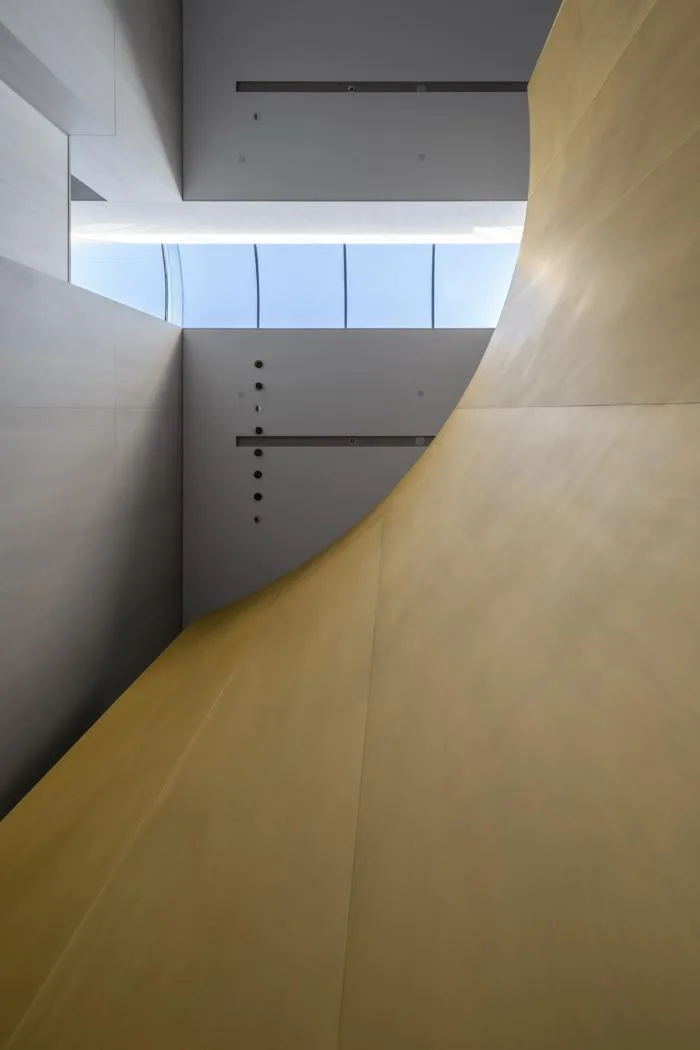
Polished brass blocks serve not only as materials but also as sculptural artworks within the space, blurring the lines between design and sculpture. These elements are simultaneously autonomous and integral, guiding the rhythm and flow of the gray-toned environment, effectively becoming the spatial “compass.”
Brass embodies a fusion of spirit and matter, its warm metallic sheen reflecting light. The interplay of metal, light, and water carries the atmosphere of the entire space, imparting personality and harmony.
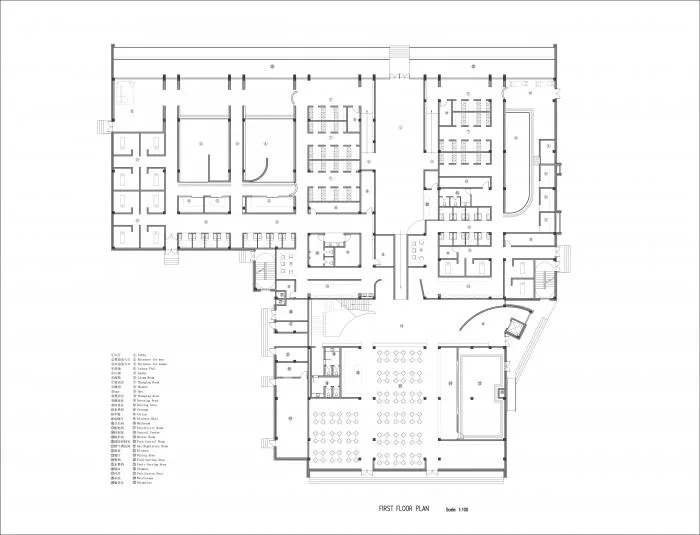
△ First floor plan
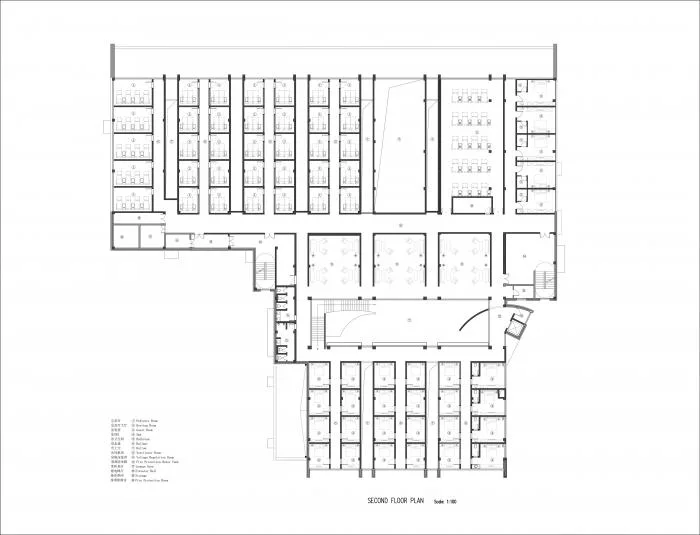
△ Second floor plan
Project Information
Project Name: Qushui Lanting
Location: Hangzhou, China
Design Firm: DJX Design Beijing Diagonal Design
Company Website: www.duijiaoxian.net
Company Email: __AI_S_SC0__
Architectural Design: Wang Bing and Peng Rong
Interior Design: Wang Bing and Lu Tao
Project Photography: Shao Feng












Must log in before commenting!
Sign Up