
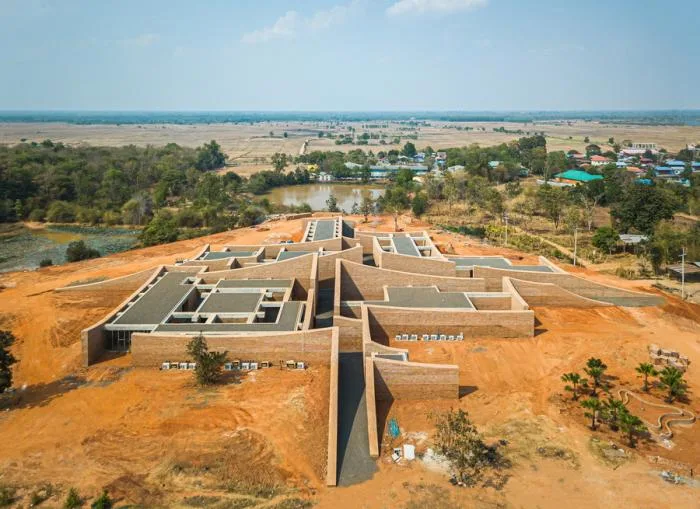
Elephants hold a profound cultural and symbolic significance in Thailand. They have played roles in royal ceremonies and have been steadfast companions to kings in historic battles. Beyond respect, the bond between the Thai people and elephants is deep and multifaceted, often considered akin to family. This emotional connection is especially strong among the ethnic minorities in Surin Province.
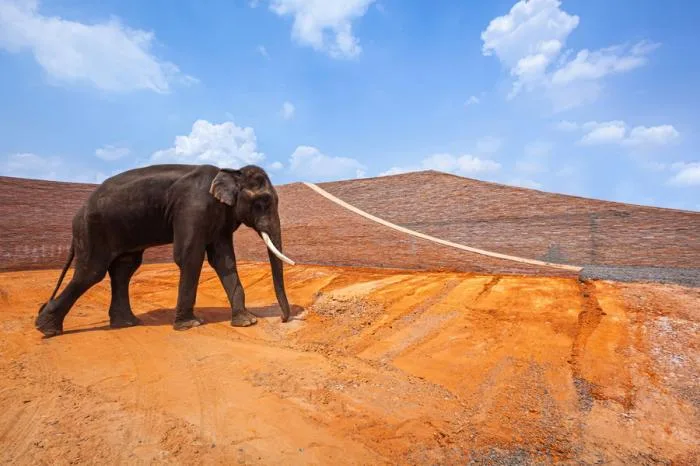
Historically, Surin Province was covered by lush green forests. However, over the last fifty years, the region has experienced extensive environmental degradation. This decline has severely impacted the elephant population, with diminishing food sources and loss of natural rainforests. Consequently, some ethnic groups have resorted to bringing elephants to tourist areas to beg for food, forcing these majestic animals to endure harsh conditions.
To address this, the local government initiated the “Elephant World” project, aiming to restore the traditional lands that both the tribes and elephants depended on for survival. The Elephant Museum was established as part of this effort. The architects’ goal was not only to create a comfortable habitat for the elephants but also to highlight the unique emotional relationship between the local people and these animals, while condemning animal mistreatment.
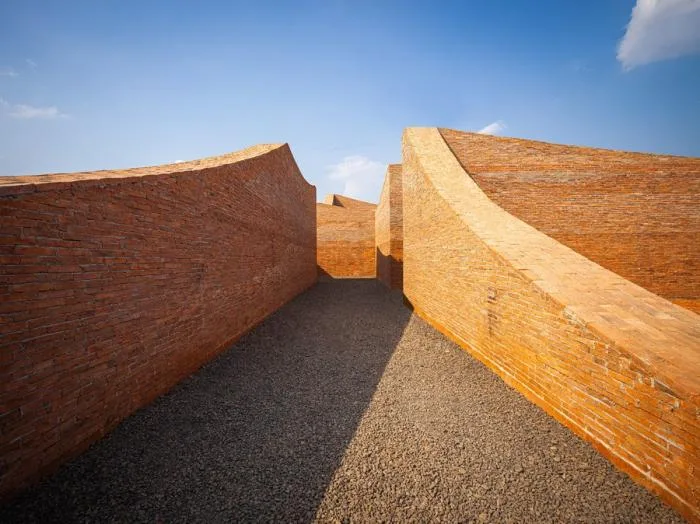
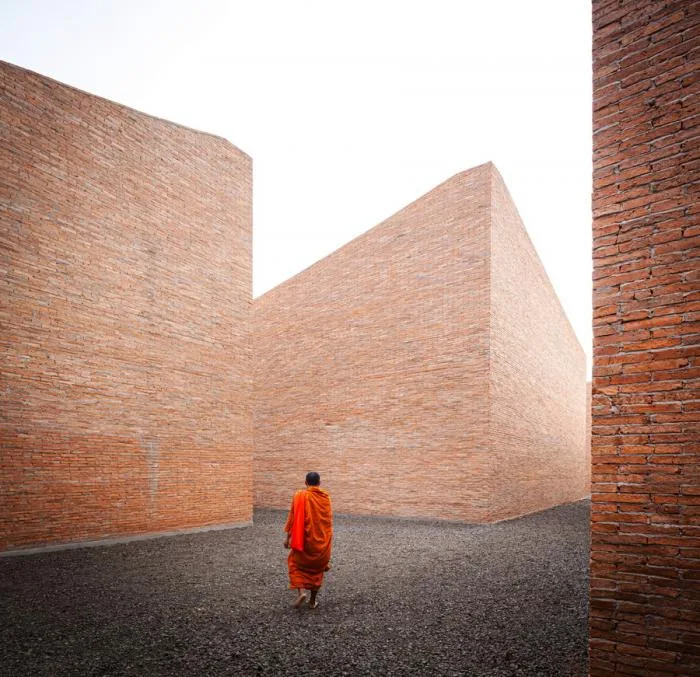
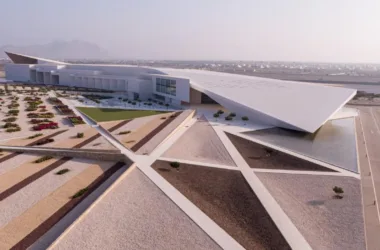
The architect employed curved walls of varying heights across the open landscape to foster a unique connection between elephants and visitors. These gently sloping walls guide visitors gradually into the building’s interior, creating an immersive experience.
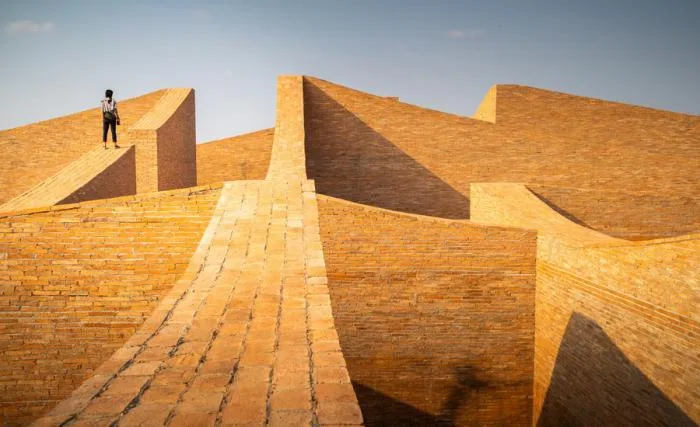
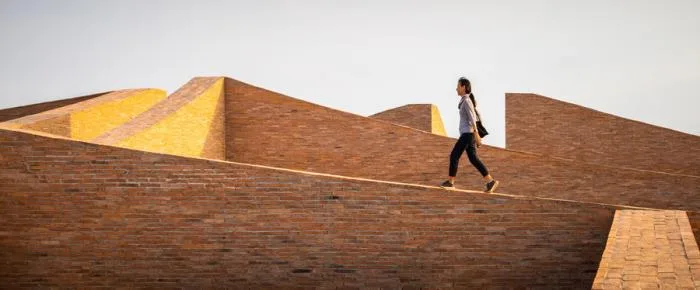
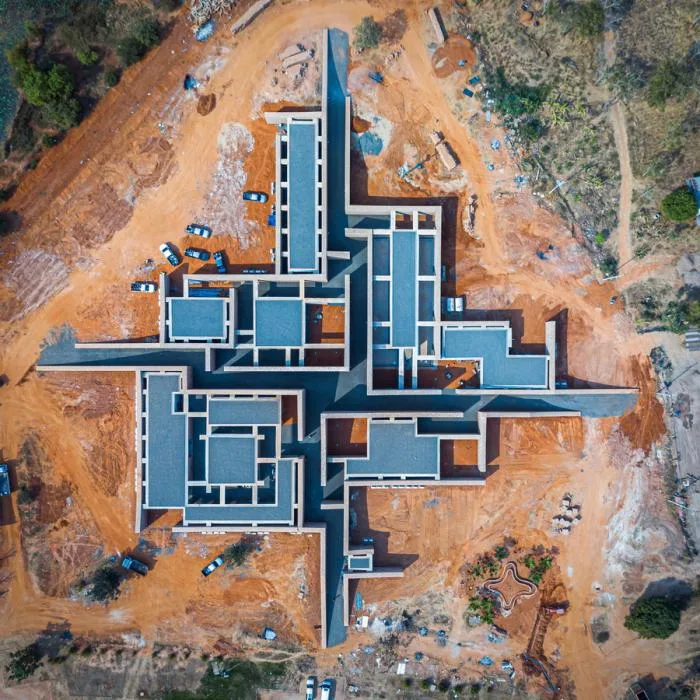
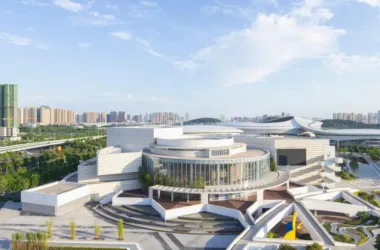
The design includes four exhibition galleries, each accompanied by courtyards of varying sizes. Some courtyards feature small water pools, while others are covered with red soil, simulating the natural environment outside. Through varied outdoor pathways, shaded areas, and open courtyards, the architect aims to rebuild the relationship between humans and elephants. Notably, the elephant bathing pool provides a dedicated space for elephants to enjoy mud baths.
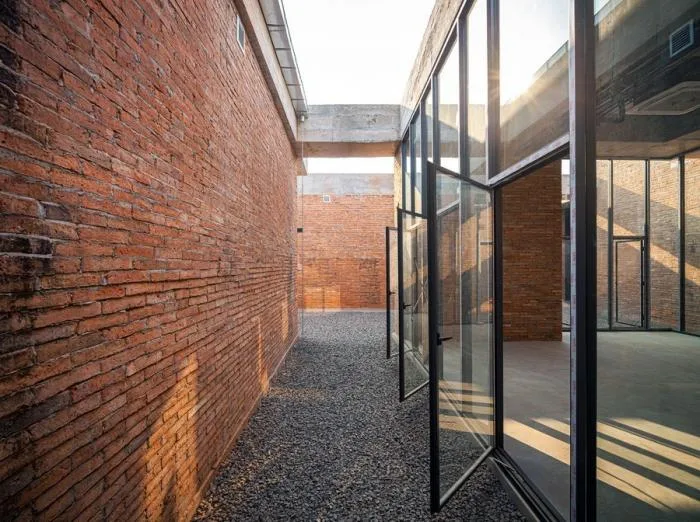
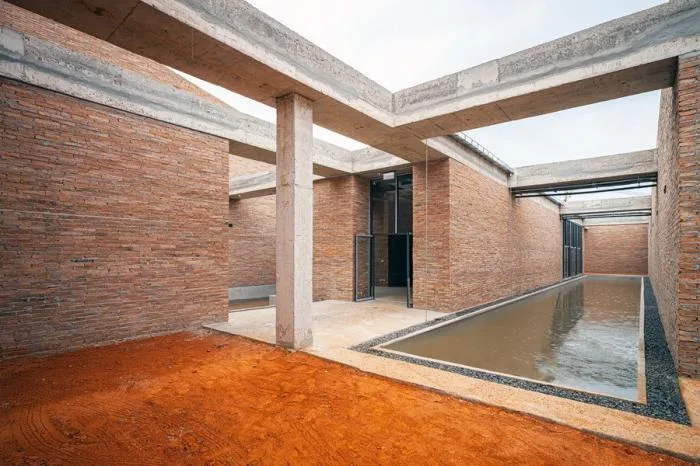
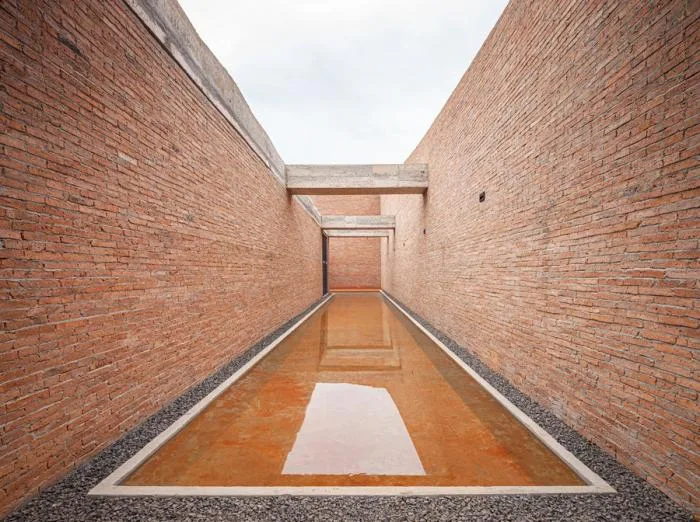
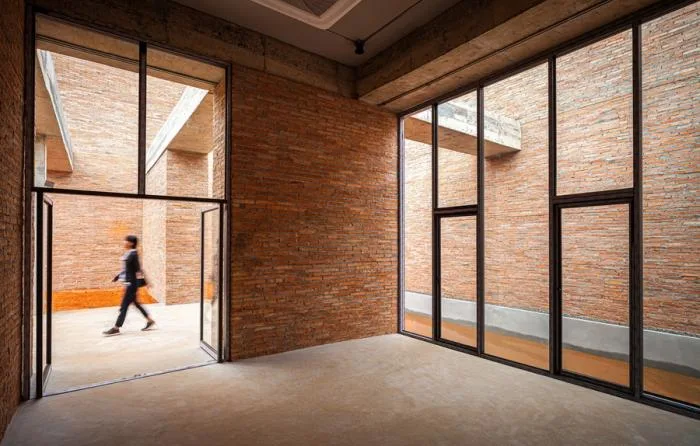
The design also thoughtfully considers the interplay between sunlight and architecture. The indoor environment adapts throughout the day to the changing sun angles. Additionally, the courtyards and exterior walls serve as exhibition spaces, allowing visitors to sit inside while enjoying framed views of the outdoors.
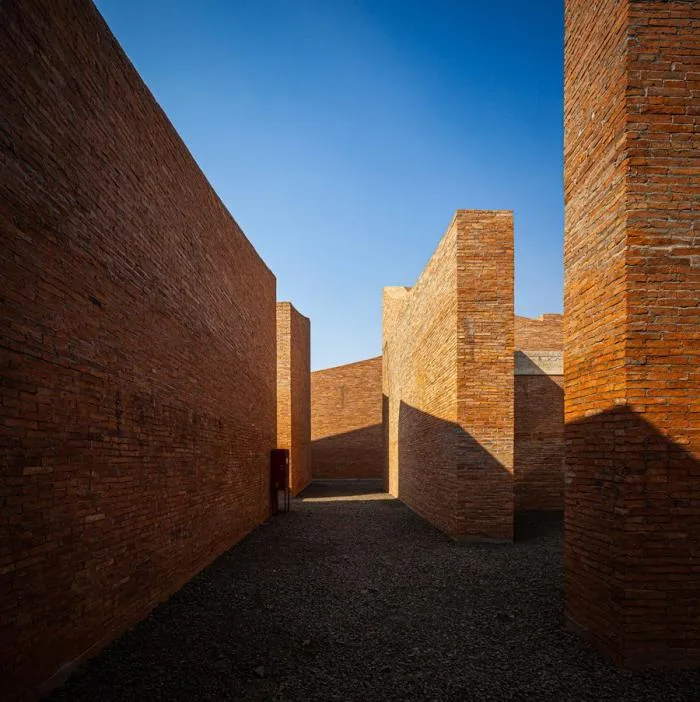
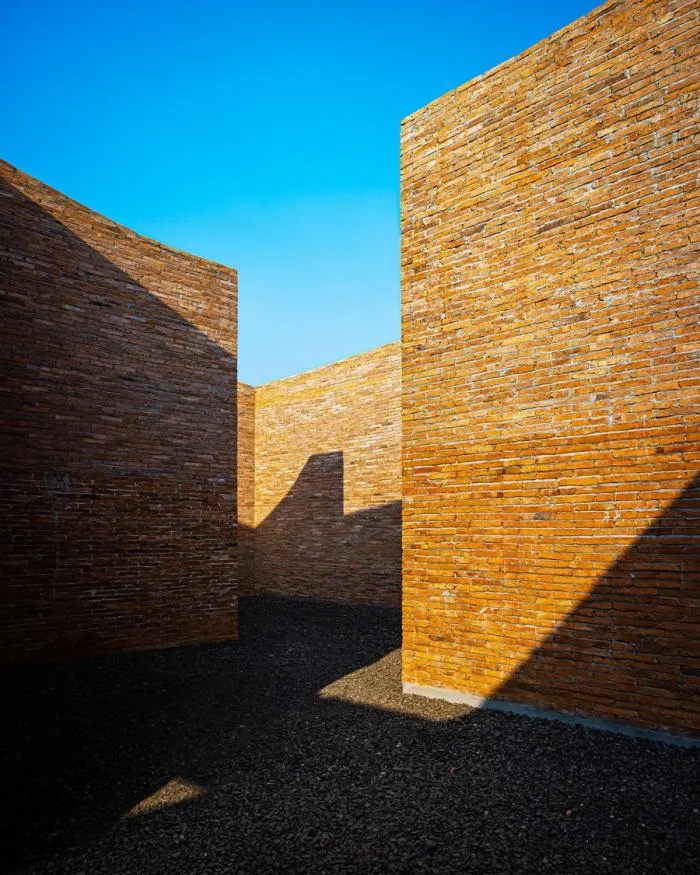
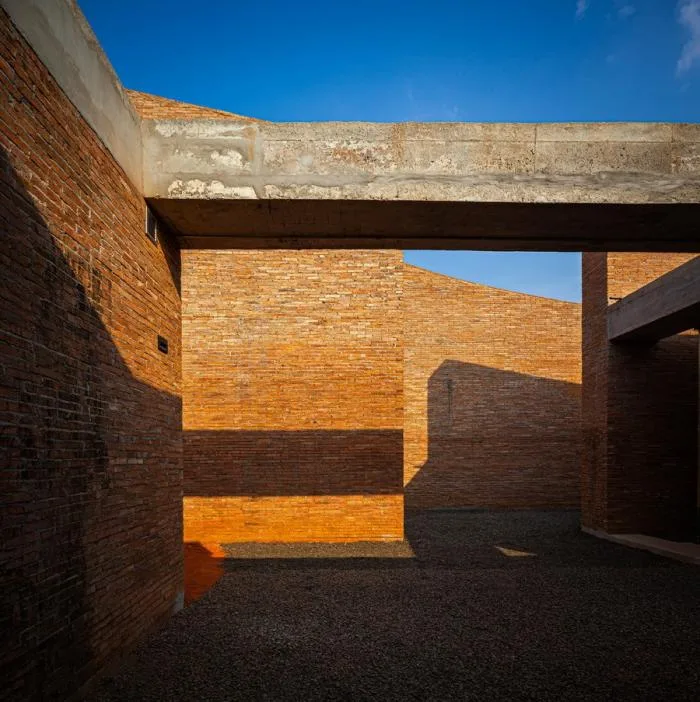
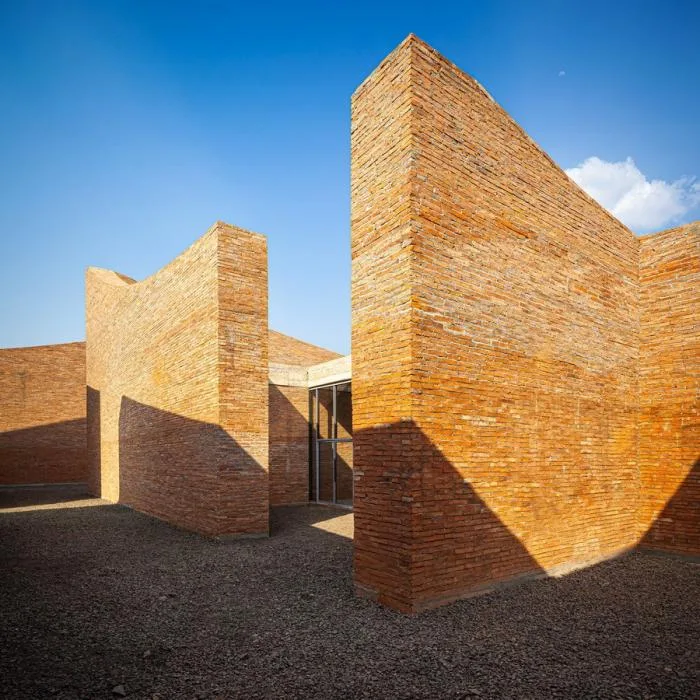
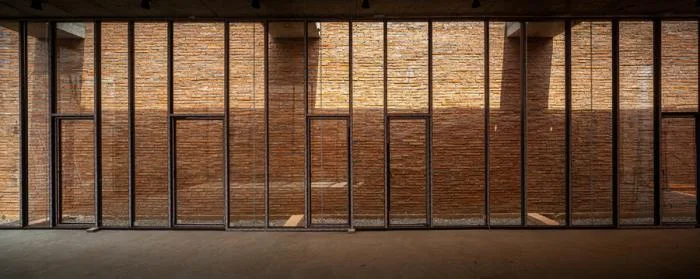
The project utilized approximately 4.8 million traditional handmade clay bricks, generating numerous job opportunities and temporary income for the local community. This choice of material reflects a deep respect and love for local resources. The architect envisions that the completion of the Elephant Museum will help heal the more than fifty years of estrangement between the local people and elephants. It aims to instill pride in their shared history and reinforce ethnic identity.
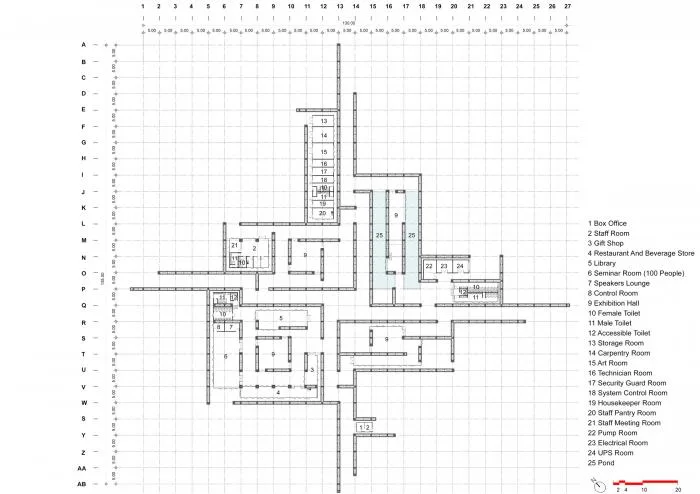
△ Plan view
Project Information
Project Type: Cultural Architecture, Museum
Location: Thailand
Architectural Design: Bangkok Project Studio
Area: 5,400 m²
Year: 2020
Photographer: Spacelift Studio
Lead Architect: Boonserm Premthada
Project Team: Booster Premthada, Nathan Mehl
Engineering Design: Preecha Suvaparpkul
Owner: Surin Provincial Administration Organization
Engineering Consultant: Rattanachart Construction Company Limited
Project Consultant: Surin Provincial Administration Organization












Must log in before commenting!
Sign Up