
What is the current status of kitchens in modern residential buildings?
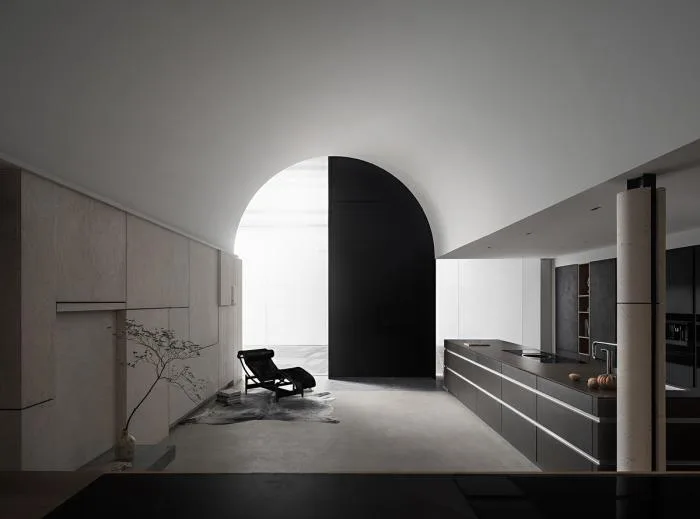
Homeowners see the kitchen not just as a functional space but as a reflection of their unique personality and style. Architects, on the other hand, view the kitchen as an essential architectural language—a key element in spatial flow and a way to transcend mere functionality. The true joy in combining architecture and kitchen design lies in applying architectural thinking to the kitchen. This philosophy is at the heart of LEICHT kitchen design. The recently unveiled German LEICHT Rolls Cabinet, showcased in the flagship exhibition hall at Shenzhen Bay No.1, perfectly embodies this blend of personalization and precision, serving as an exemplary model of “architecture and kitchen.”
The timeless principles of architecture: order, space, and proportion
— Ludwig Mies Van der Rohe (1886–1969)
LEICHT kitchens are crafted with a strict focus on logic and order. Every design adheres to a robust modular system and combination rules inherent to LEICHT, brought to life through German craftsmanship and ergonomic expertise. This approach aligns closely with foundational architectural design philosophy.
Designer Wang Peng carefully traced the logic and order behind every form from the ground up while shaping the spatial design of this exhibition hall.
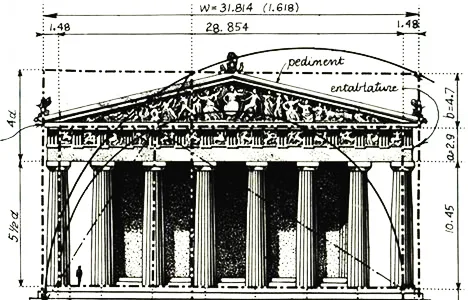
The Parthenon on the Acropolis of Athens, built in 438 BC, marks the starting point of classicism.
In 5th-century BC Greece, Pythagoras believed that numbers were the essence of everything. The laws governing the world are mathematical by nature, and constructed reality is built upon this foundation.
The Italian Renaissance, spanning the early 14th century through three centuries, inherited these ancient Greek architectural achievements. It solidified mathematical laws and geometric principles as the foundation of architecture, gradually establishing the rules and paradigms of classical architectural beauty.
This represents a glorious civilization history spanning over two millennia.
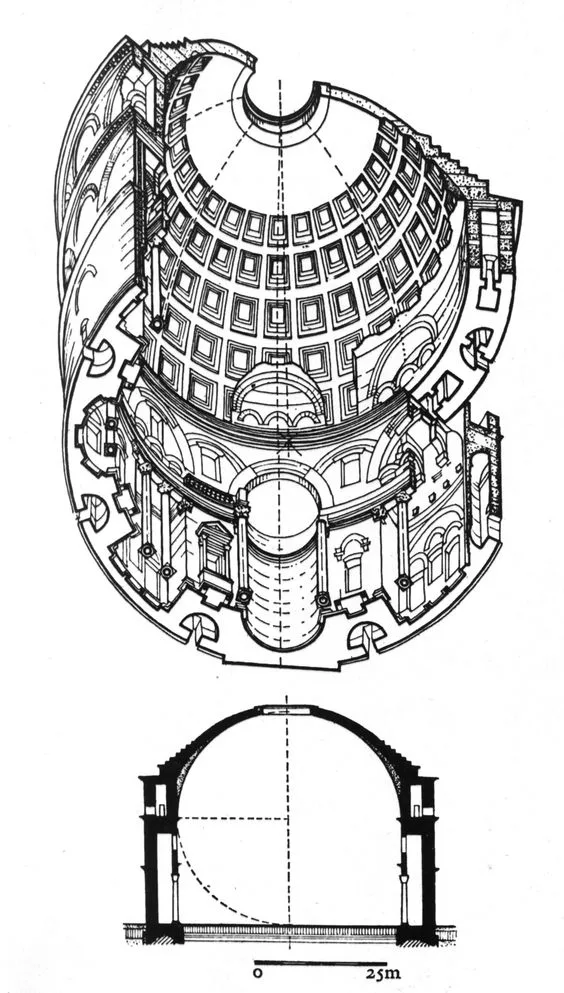
The Pantheon in ancient Rome is a masterpiece centered on proportion. Its dome features a diameter and height of 43.43 meters, creating a perfect circle.
Why then are kitchen spaces often designed without pleasing scale or form?
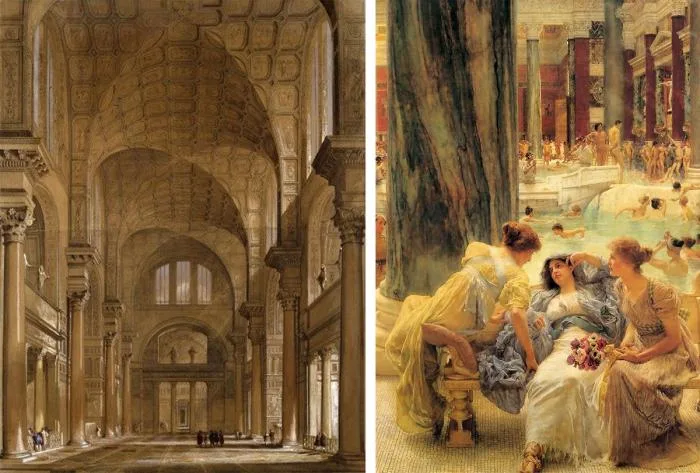
When humans aimed to surpass mere function, the Karakara Baths became a marvel. While 8 feet (2.45 meters) was sufficient for bathing, the goal was to build a dome reaching 100 feet (30.48 meters) high. Even now in ruins, it remains a miracle of architecture.
— Louis Kahn provided the strongest response to this question.
The fusion of grand scale and ancient arch-shaped vaulted roofs gives the kitchen a dignified, ceremonial presence. More than a daily living space, it feels like a palace accessible to ordinary people.
Measuring space by modulus and axis eliminates arbitrariness. Classical aesthetics embrace not only appearance but also rules and proportion.

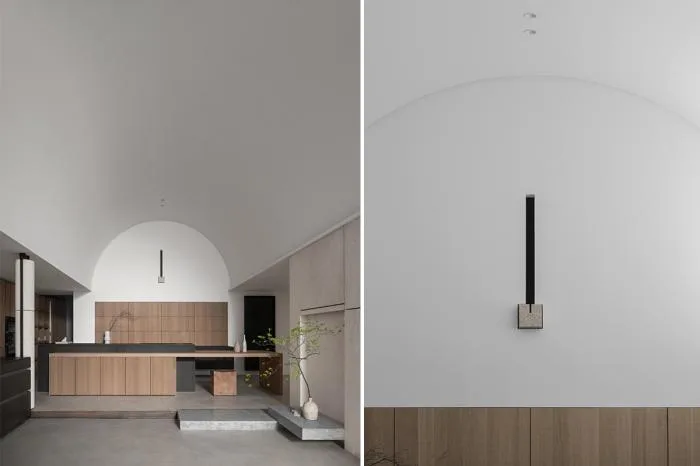
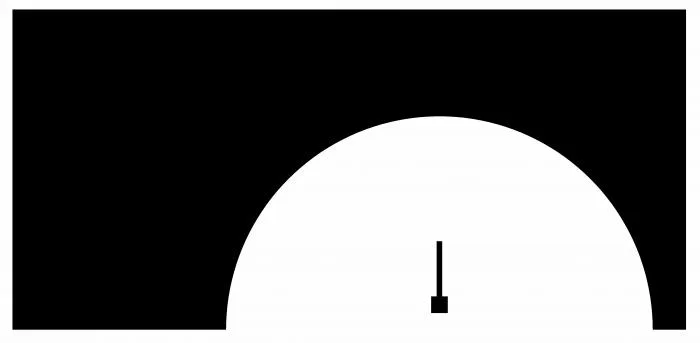
Plato’s Eye is derived from abstract interpretations of nature. The arc, square, and circle are absolute forms representing the pinnacle of classical aesthetics.
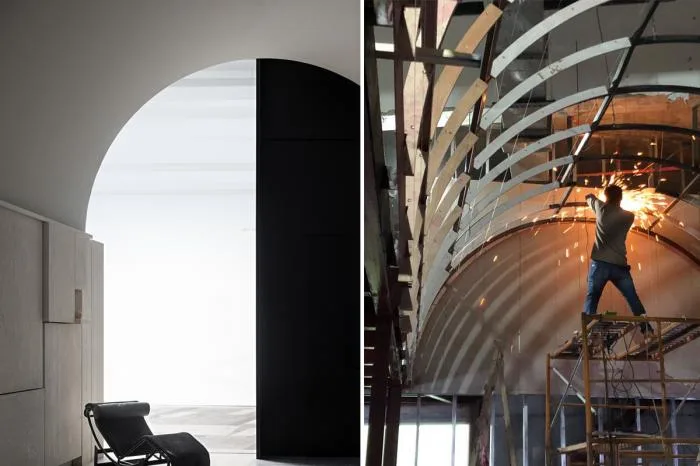
In Carlo Scarpa’s work, “beauty” is the initial instinct, and art is the first language. This is followed by surprise and a profound understanding of form—the intuition of indivisible unity. Design is nature’s teaching to shape elements, while artistic creation reveals the wholeness of form. Selected elements play a symphony, evoking decorative moments at the junctions between components—a celebration. Attention to detail is a reverence for nature.
— Louis Kahn
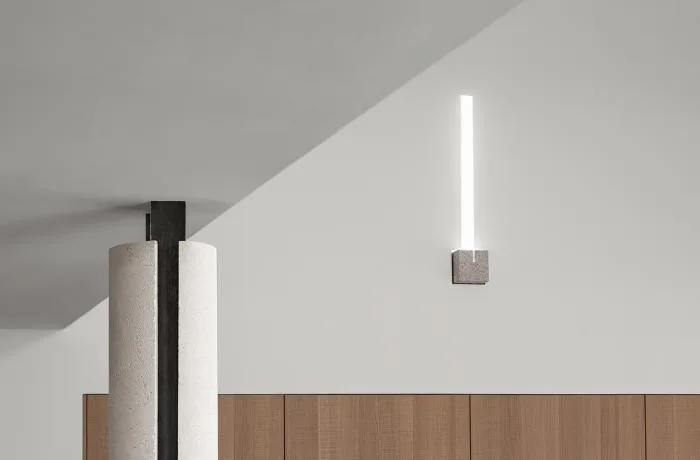
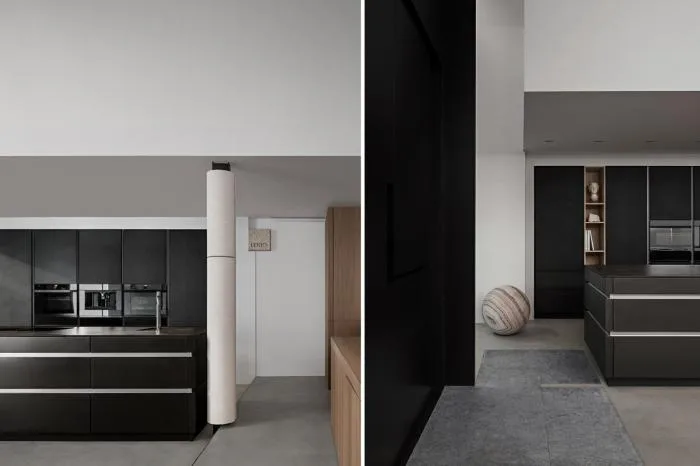
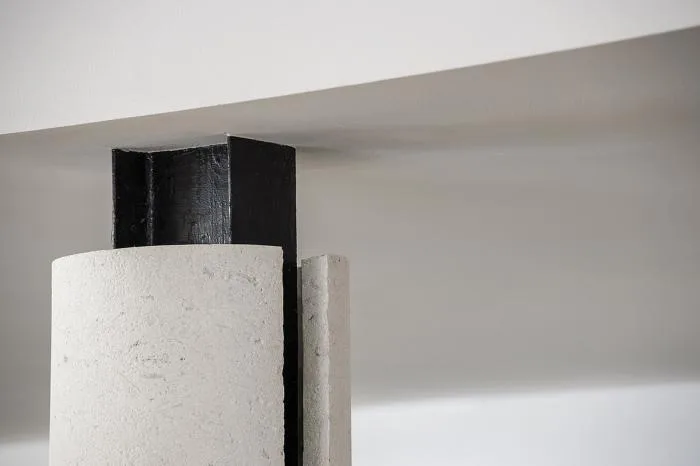
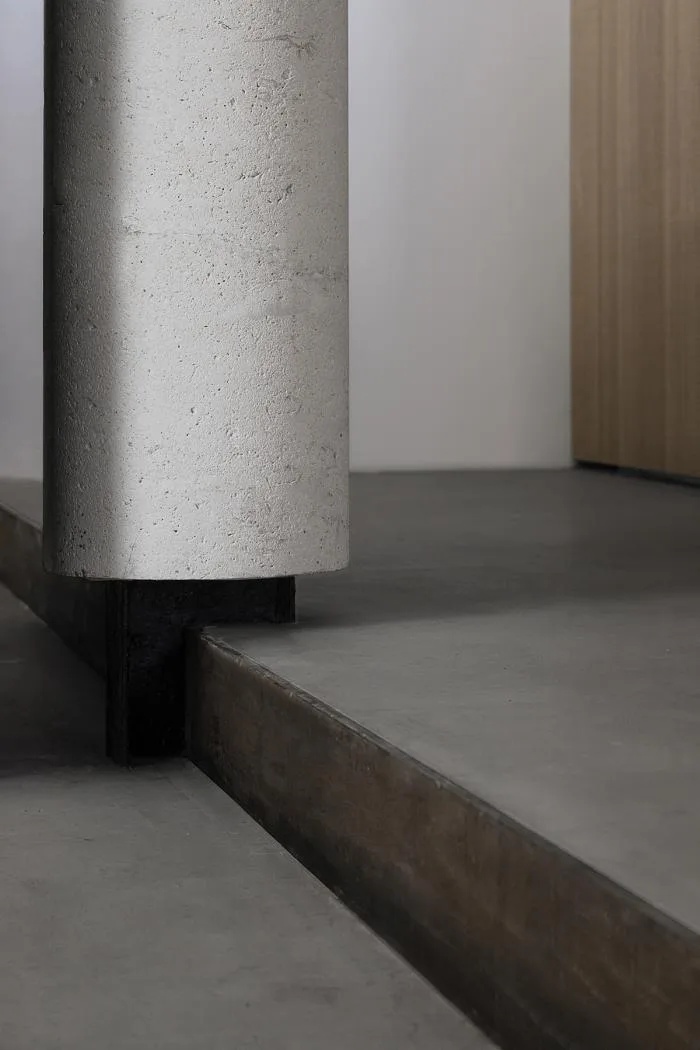
Establishing order through scale and mathematics.
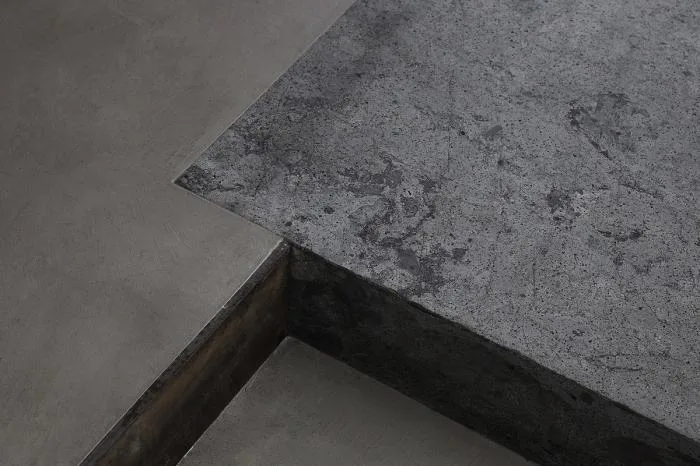
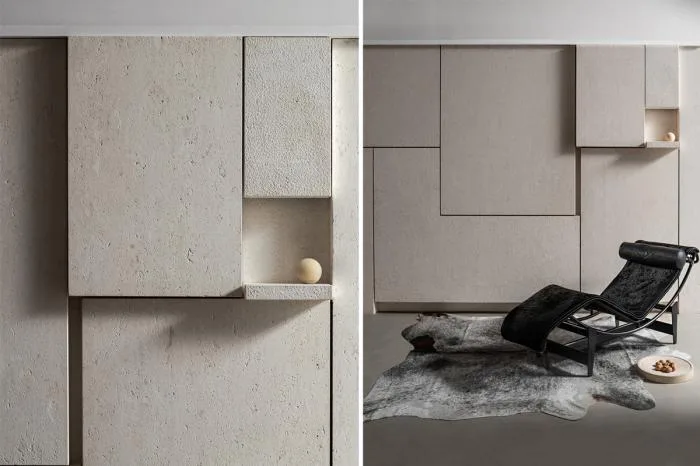
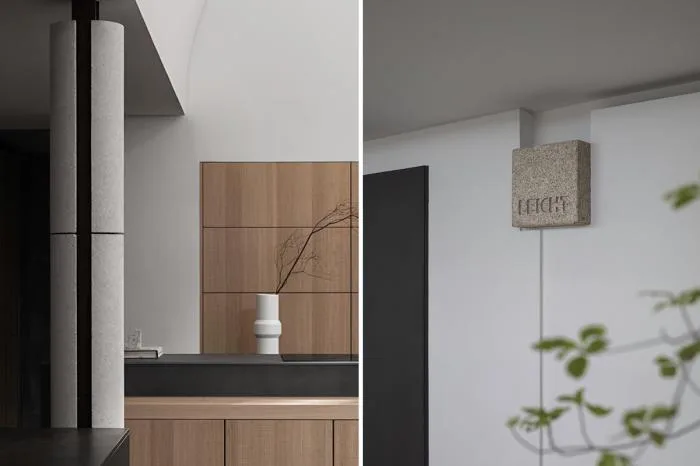
When quantity, scale, and balance depart from the teachings of aesthetics, all that remains is emptiness.
True beauty arises from the harmony between the whole and its parts, the resonance among components, and the unity that binds them together. Architecture becomes a perfect, complete entity when each element coordinates with others, forming an integral whole.
— Renaissance master architect Andrea Palladio (1508–1580)
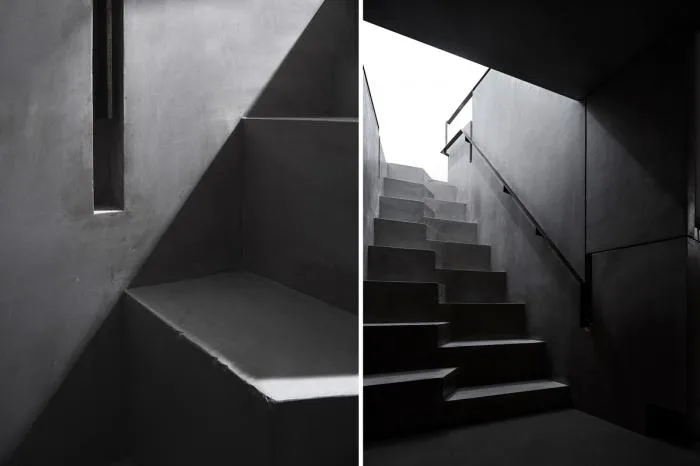
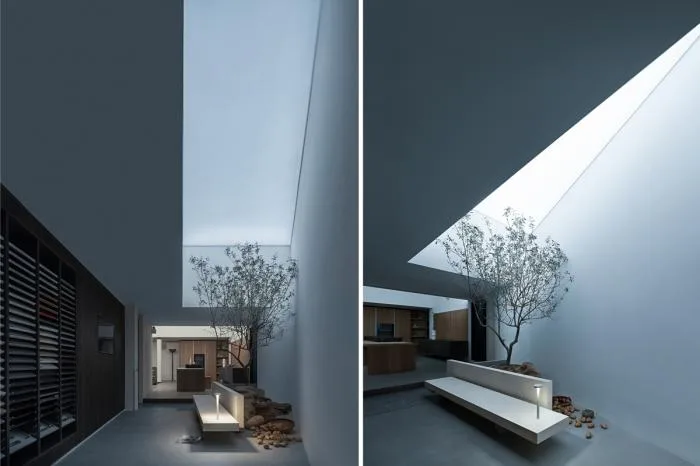
Architectural master Le Corbusier applied his exclusive Les COULEURS color scheme to spaces, creating a subtle yet sophisticated atmosphere with rich dark wood tones.
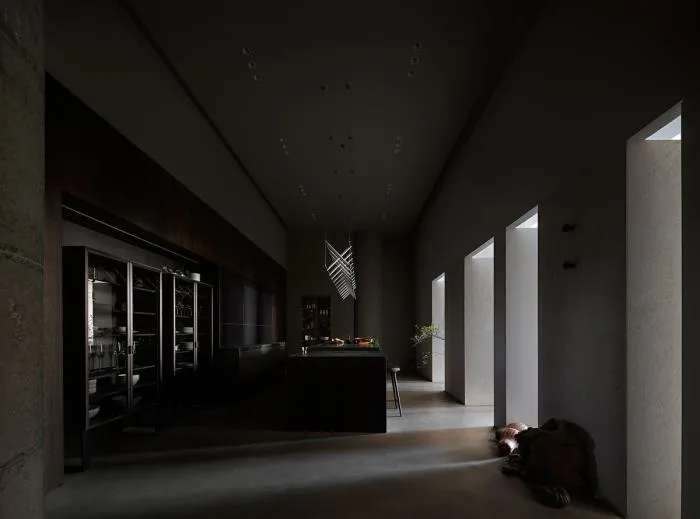
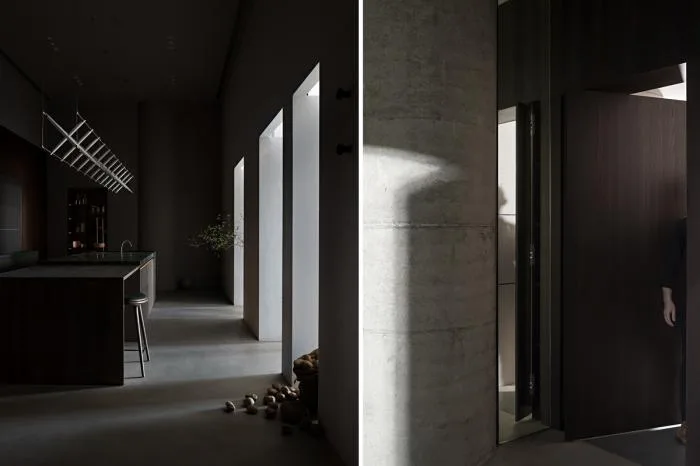
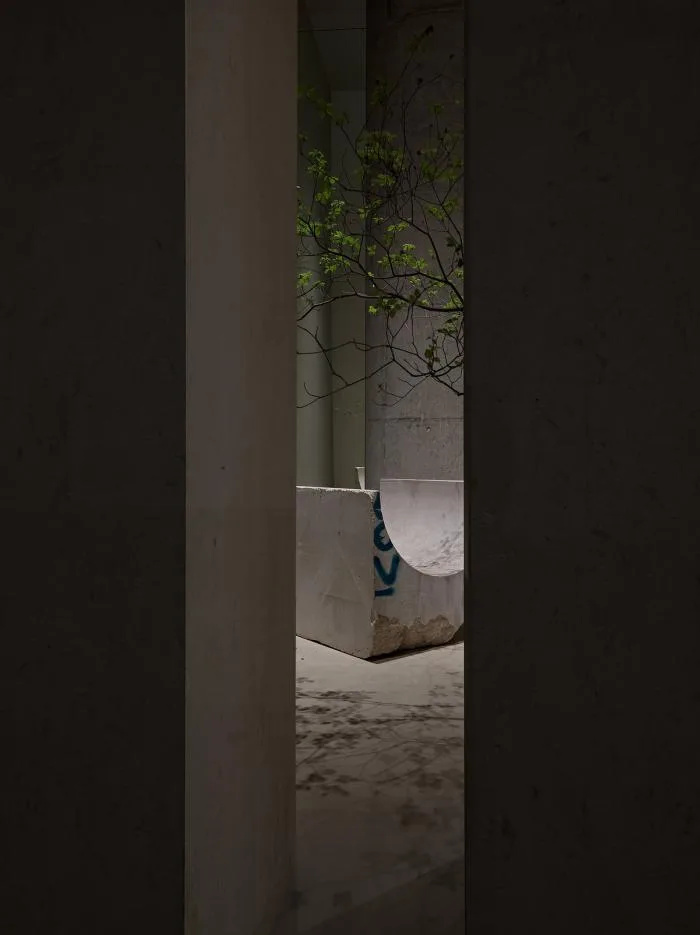
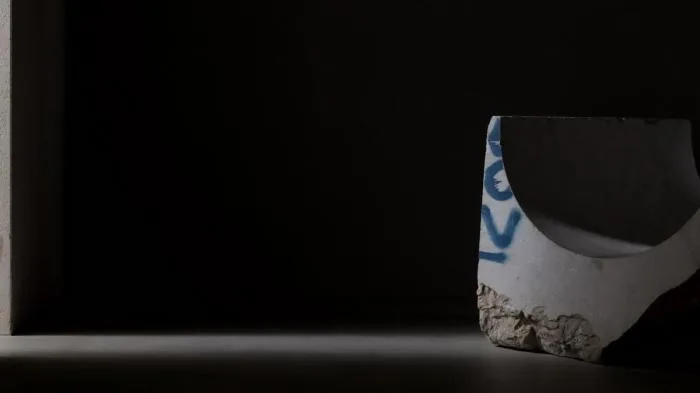
The white marble “sculpture” in the pile of waste rock, with its perfect curves, evokes space imbued with classical spirit. Notably, the Parthenon Temple was also constructed from white marble.
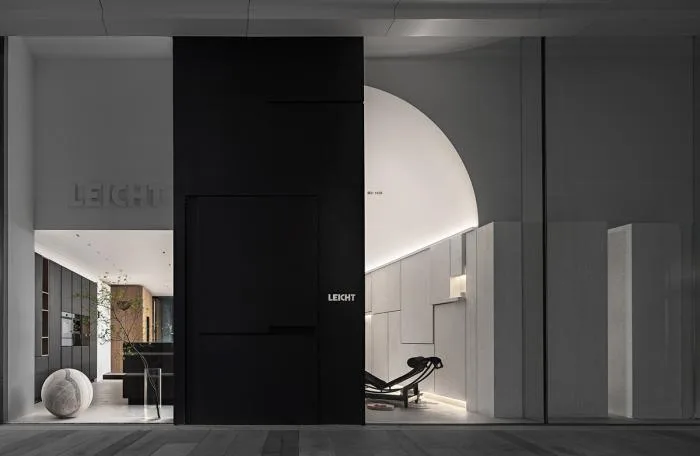
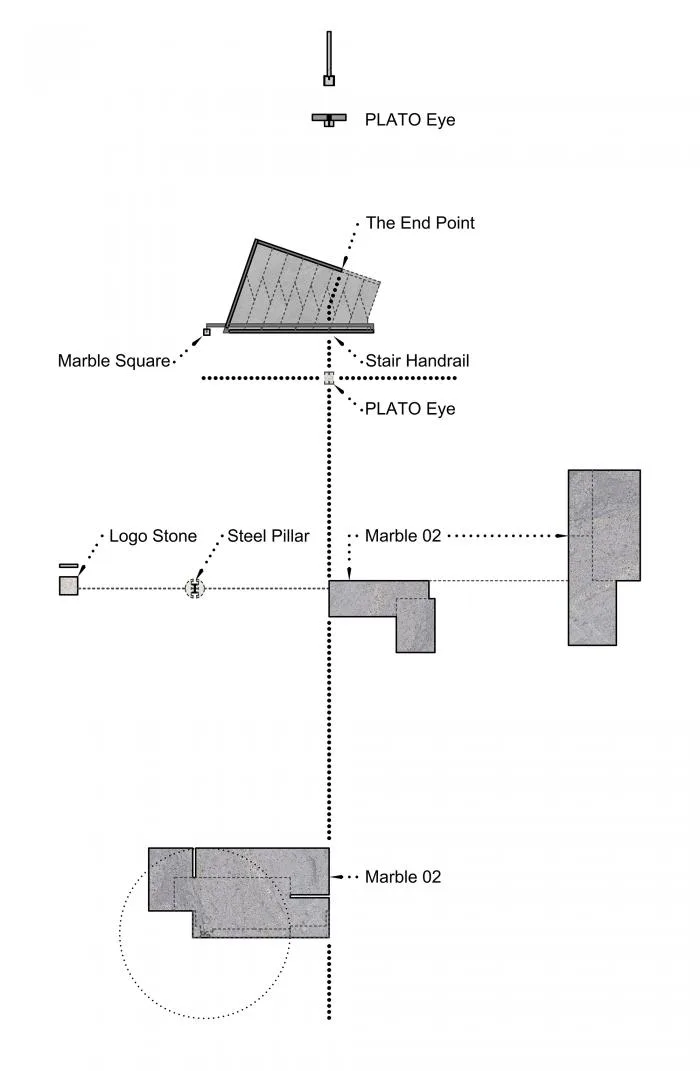
△ Analysis chart
Project Information
Project Name: LEICHT German Rolls Cabinet (Shenzhen) Exhibition Hall
Location: 103, South District, No.1 Shenzhen Bay, Shenzhen, China
Exhibition Hall Phone: 138 0888 0411
Project Area: 150 m²
Completion Date: May 2020
Chief Designer: Wang Peng
Design Firm: Peng& Partners / Peng and Friends Design Company














Must log in before commenting!
Sign Up