
© Tang Xuguo
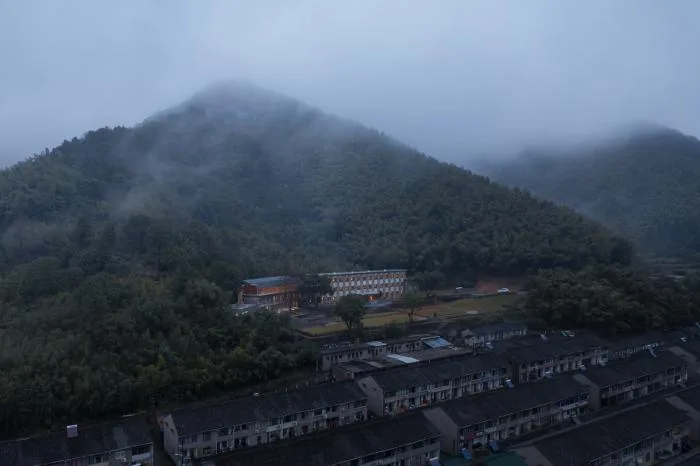
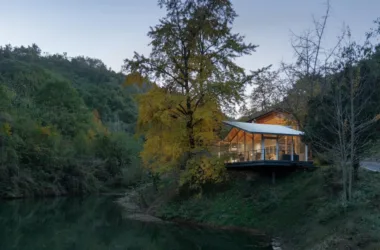
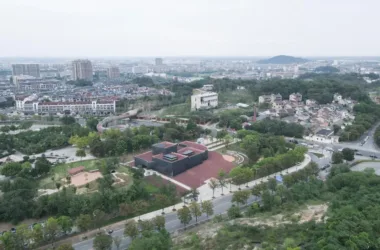
Qinyong Elementary School Homestay is situated in the southeast of Ningbo City, Zhejiang Province, China. Once known as a “rotten village” in the 1960s, Qinyong Village was transformed under specific historical conditions. During the height of the communist movement in the 1970s, the entire village was demolished and rebuilt, becoming the first commune in Zhejiang Province to undergo strict planning and construction.
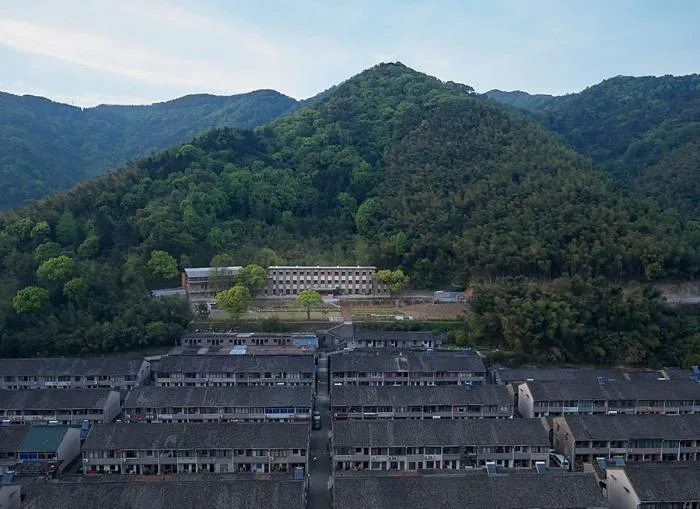
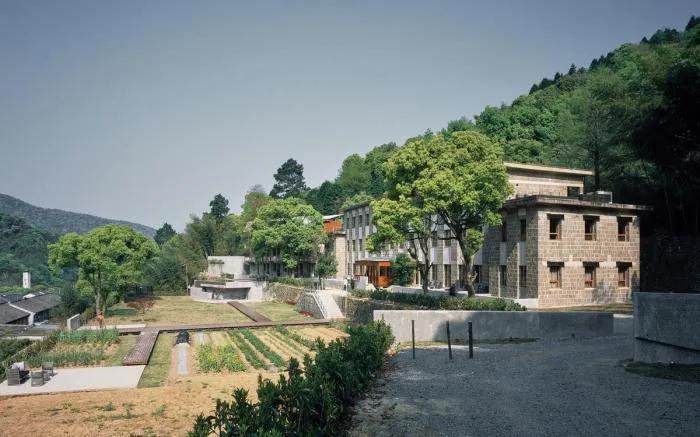
The original natural textures and traces were erased and replaced by a grid of row houses built with local granite. The same materials were used to construct new public infrastructure buildings such as village gates, paths, auditoriums, and primary schools, which have now been renovated into homestays.
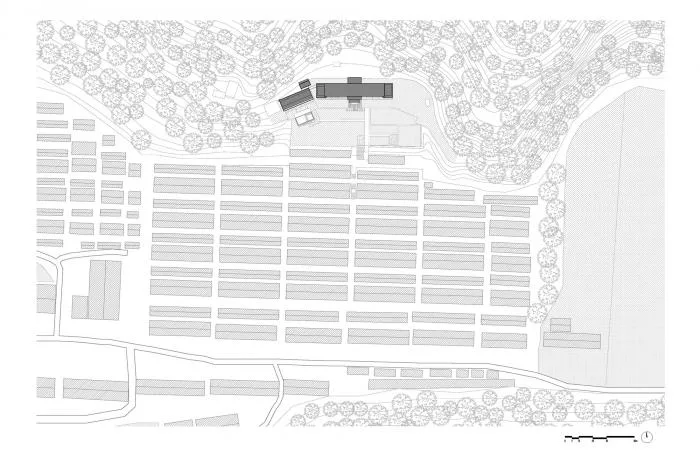
△ General layout plan
© Tang Xuguo
© Chen Hao
© Tang Xuguo
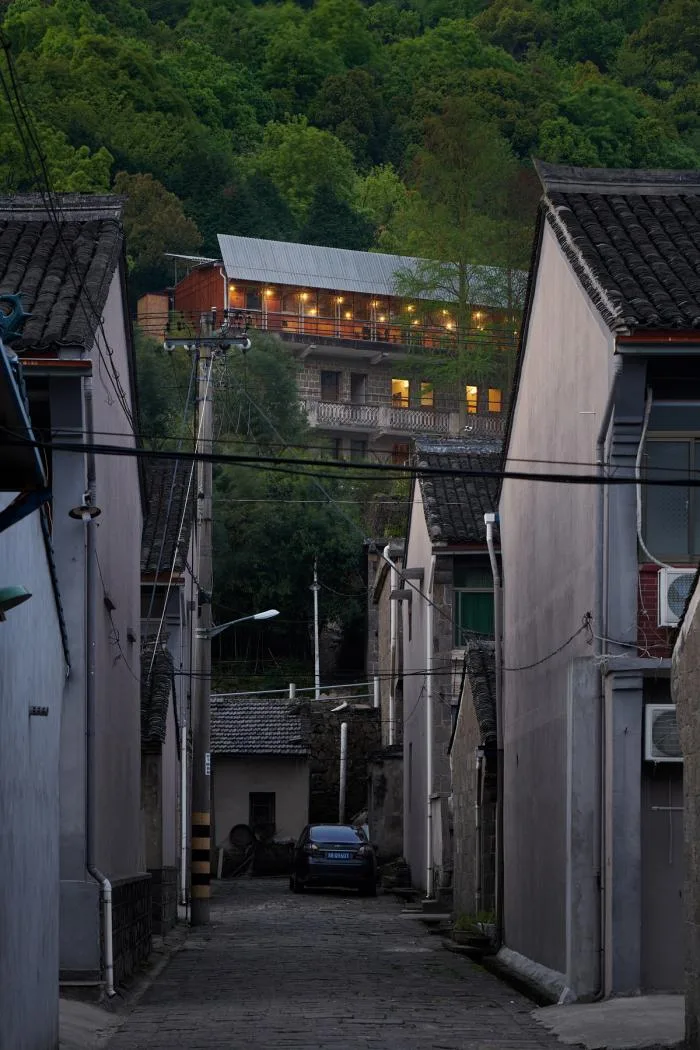
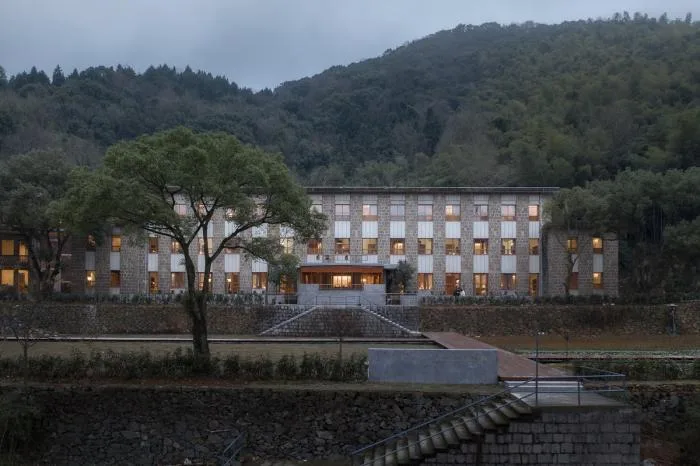
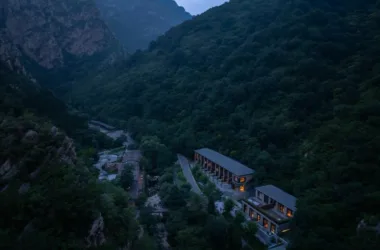
The primary school is positioned on a raised platform at the northernmost edge of the village, consisting mainly of teaching and auxiliary buildings. This large platform originally served as a school playground, offering a bird’s-eye view of the entire village. The strip-shaped blue tile roof resembles a piece of earth art, extending all the way to the base of the neighboring mountain range.
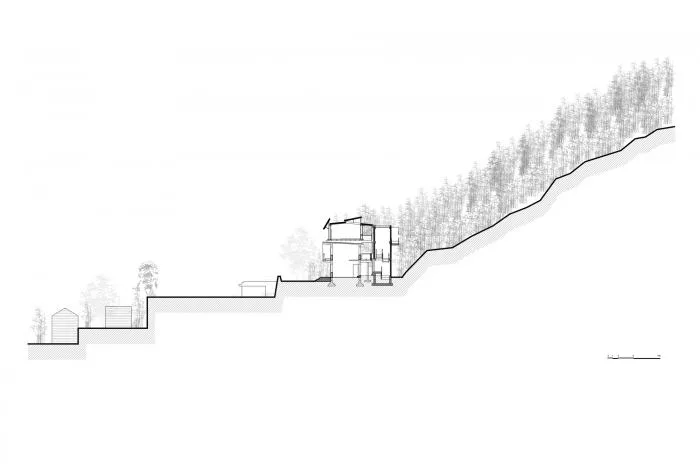
△ Site profile
© Chen Hao
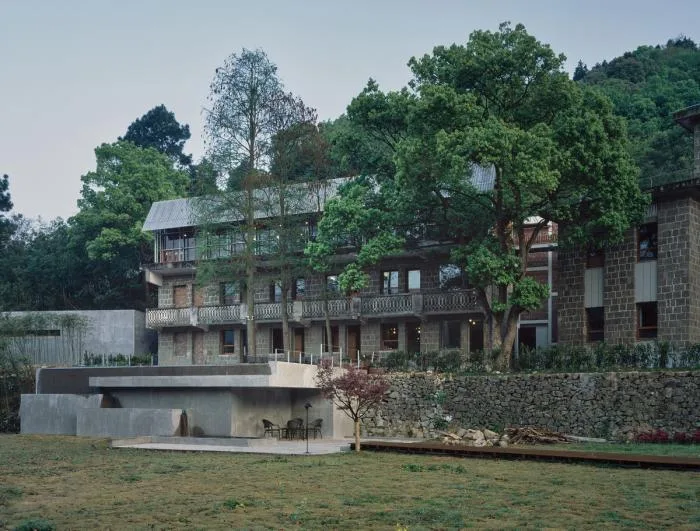
The renovation concept focuses on preserving the existing brick and stone structure. This approach acts as an intervention strategy, where the original load-bearing masonry walls and prefabricated floor slabs define the spatial framework.
Because drilling holes into stone for pipe installation is impractical, and adding new openings to walls that already have doors and windows is challenging, the design had to work within these constraints.
© Chen Hao
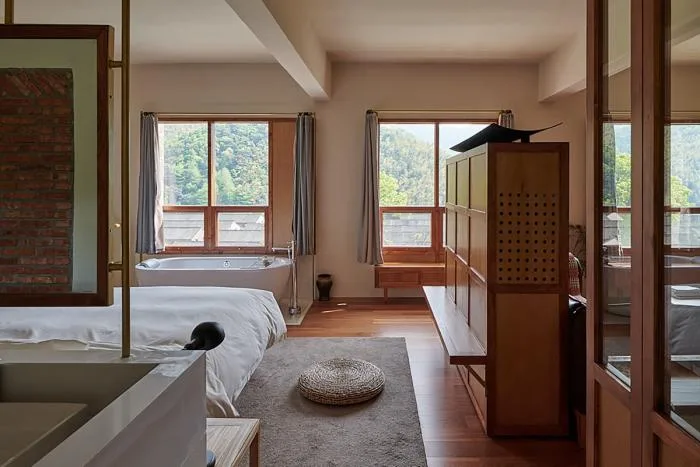
The introduction of a raised wooden platform became the key design driver. This platform runs continuously through all rooms and hallways, acting as an intermediary element. It enables pipeline connections without drilling holes in the walls and allows flexible indoor space arrangements.
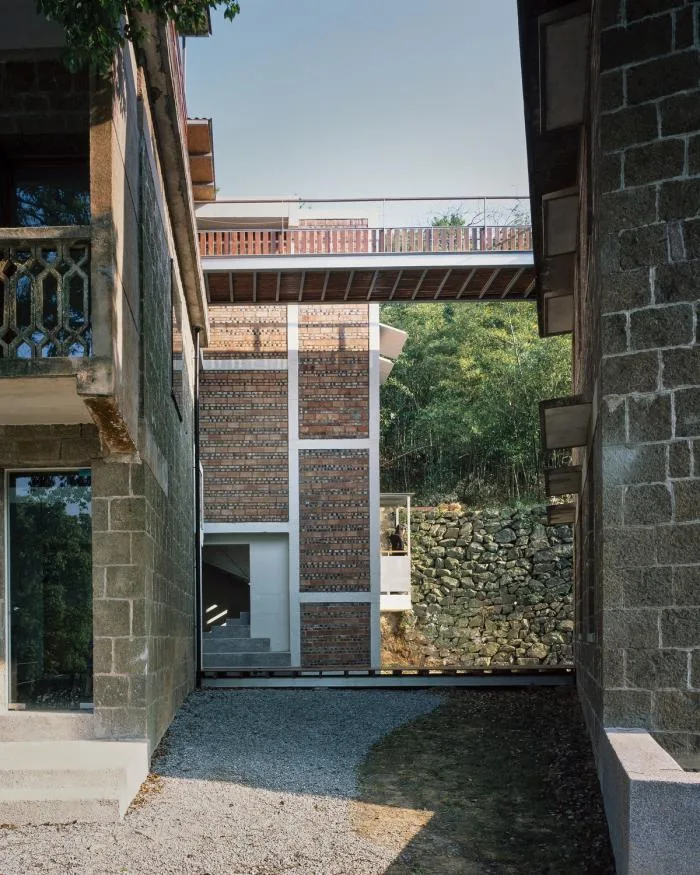
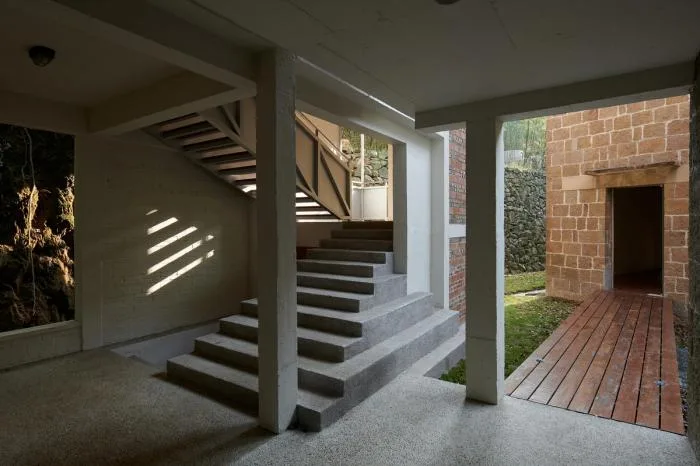
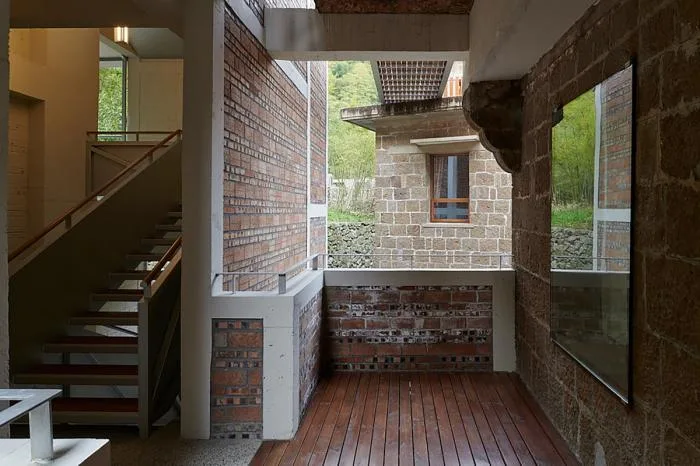
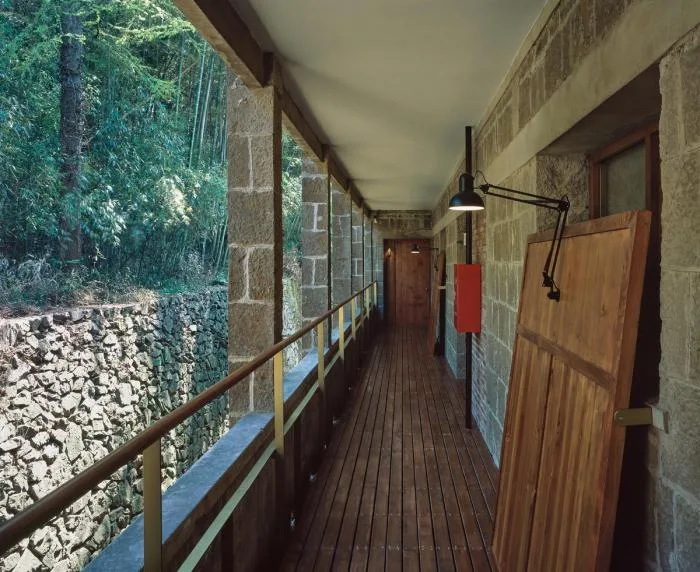
© Chen Hao
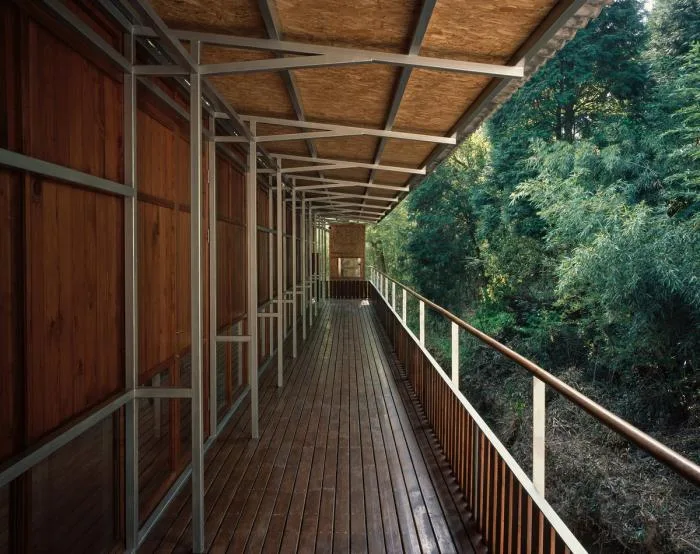
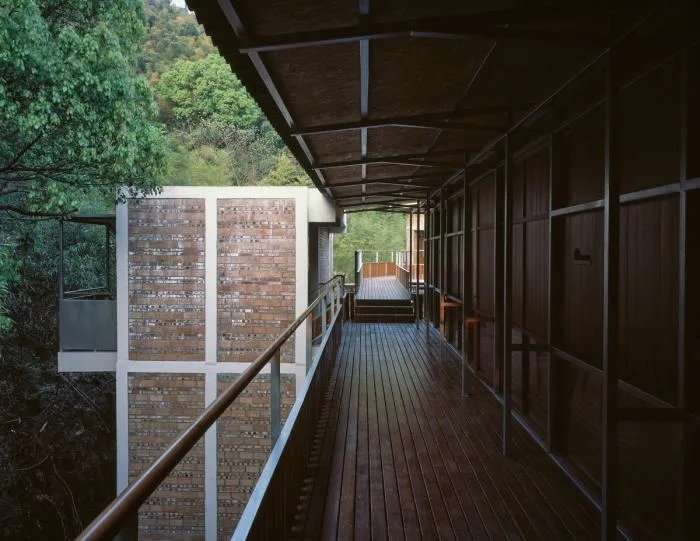
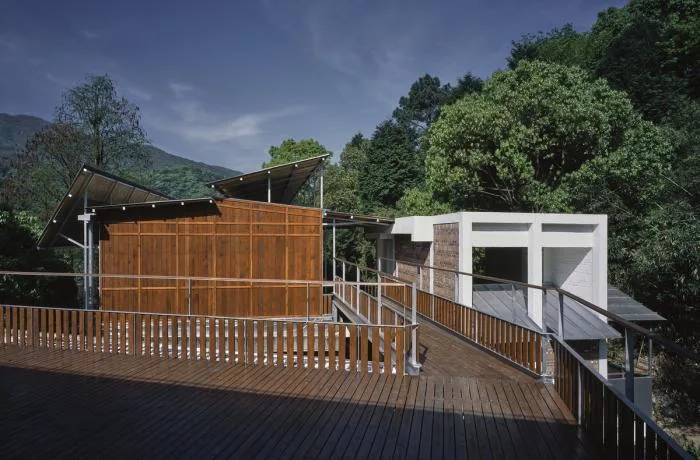
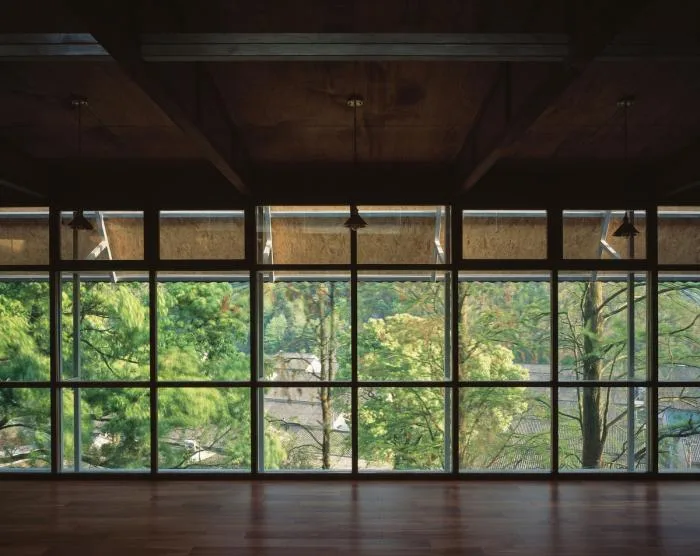
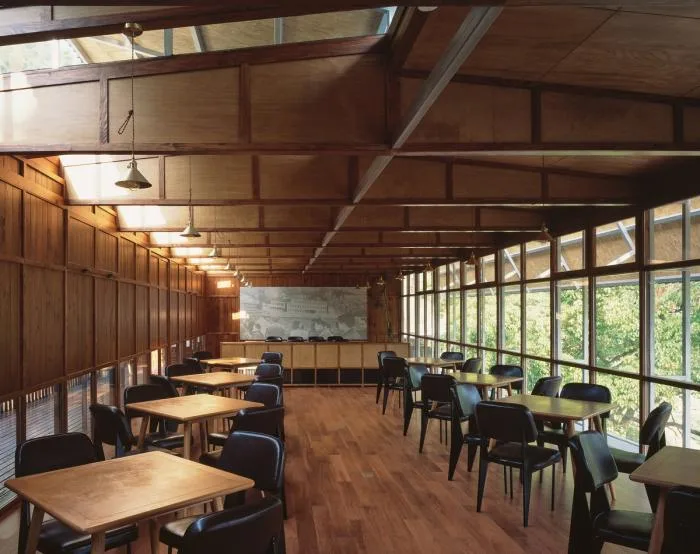
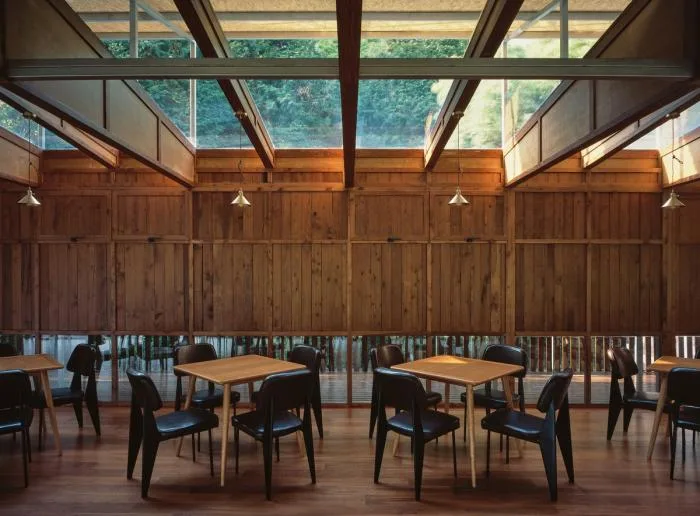
Capitalizing on the structural flexibility of the original building, a banquet-friendly restaurant was added atop the auxiliary building’s roof. The structure is constructed from welded 5-centimeter square pipes. This material choice and sizing optimize the conditions for manual transportation and installation on the roof.
The cross-section of the square pipes is preprocessed and concealed behind a wooden enclosure, ensuring the warm-toned interior ambiance remains uninterrupted. A staircase provides access to the restaurant, featuring openings at varying heights and directions, offering visitors a rich spatial experience as they ascend.
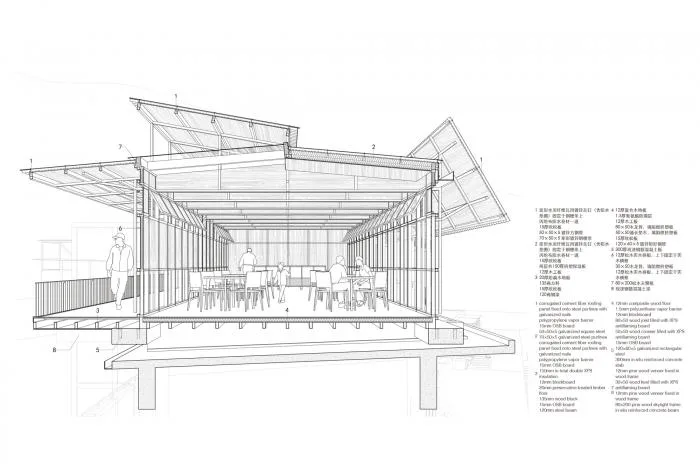
△ Sectional perspective
© Chen Hao
The extensive use of on-site assembled wooden elements—from furniture to room-scale installations—creates a cohesive sense of enclosure indoors. This design fosters a feeling of “compromise” with the local environment, offering visitors a unique experience that disrupts their daily routine and introduces a sense of “strangeness” within the indoor space.
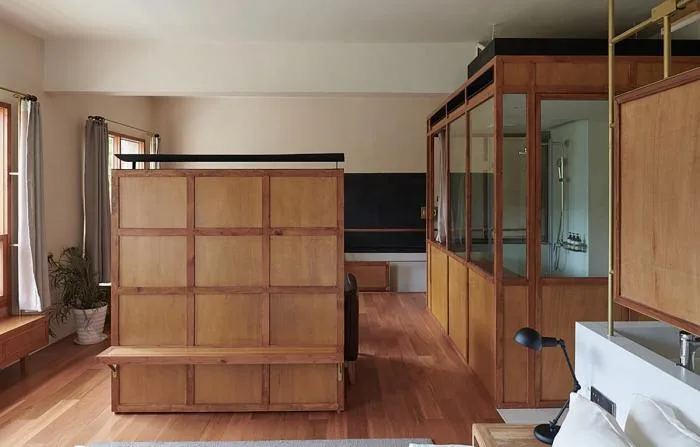
© Chen Hao
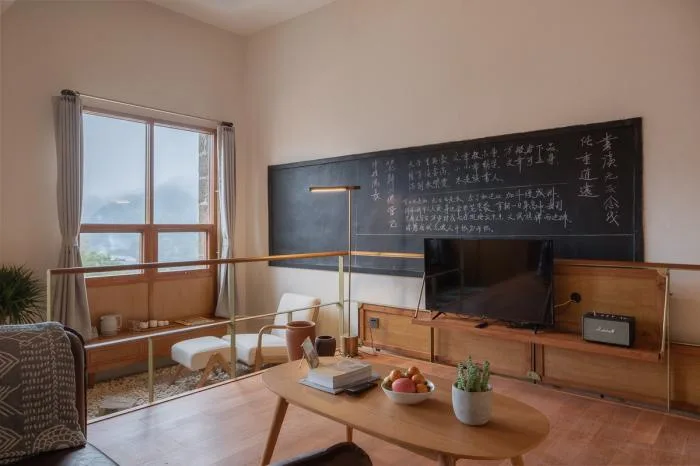
© Tang Xuguo
Design Drawings
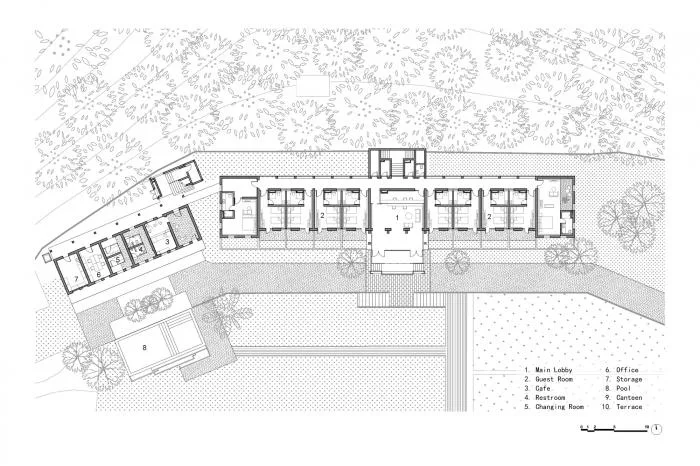
△ First floor plan
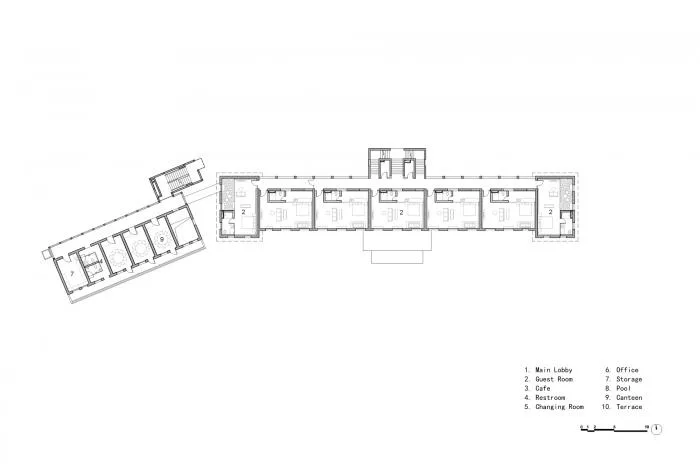
△ Second floor plan
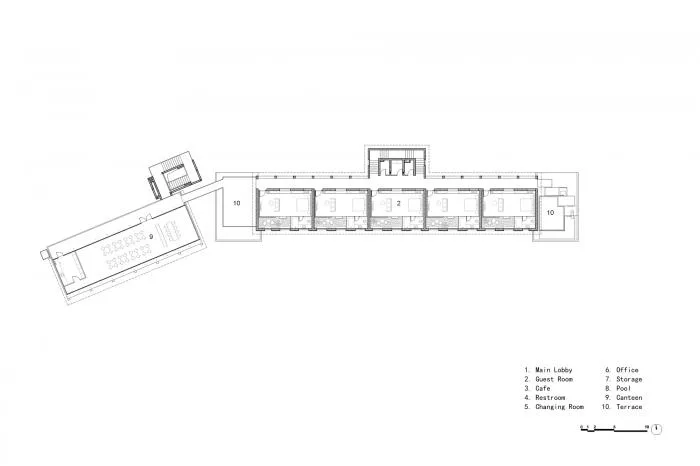
△ Third floor plan
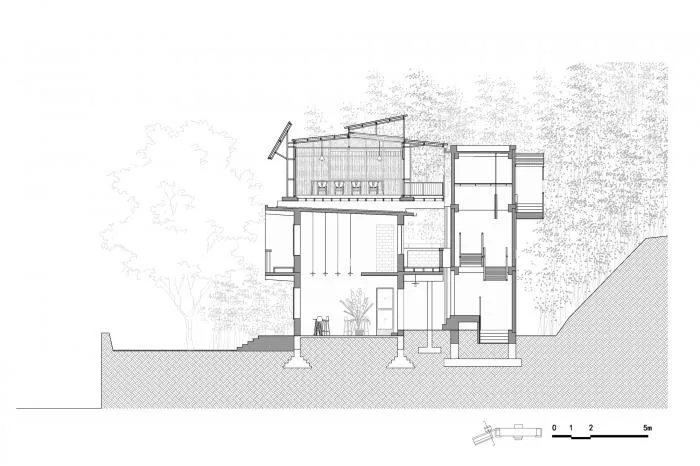
△ Section diagram
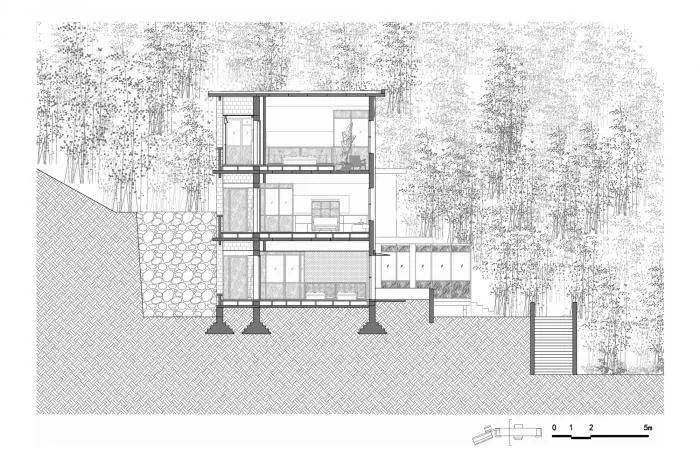
△ Section diagram
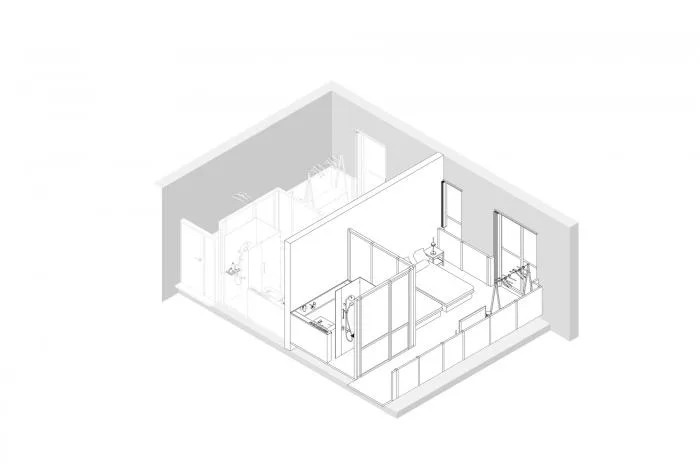
△ Room 1
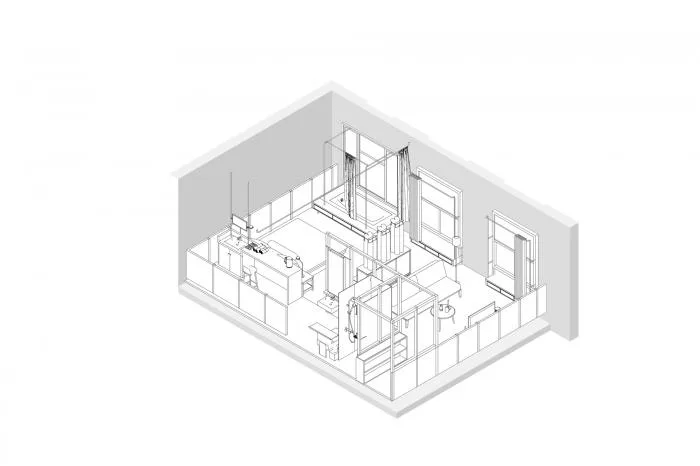
△ Room 2
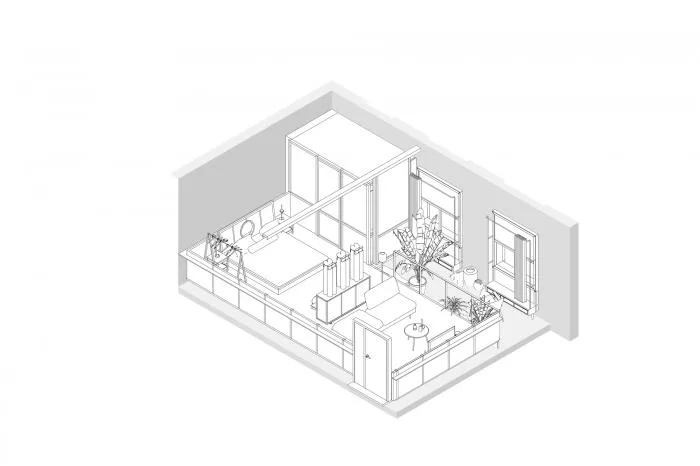
△ Room 3
Project Information
Project Type: Hotel
Location: Ningbo, China
Architect: Xuke Architecture
Area: 2000 m²
Year: 2018
Photographers: Tang Xuguo, Chen Hao
Lead Architects: Liu Kenan, Zhang Xu
Design Team: Yekai Wang, Jin Huang, Wuyi Cai, Zirui Huang, Bolun Liu, Chao Gu, Di He
Owner: Lostvilla
Structural Engineers: Jianbo Miao, Xiaoming Yu, Tong Chen












Must log in before commenting!
Sign Up