
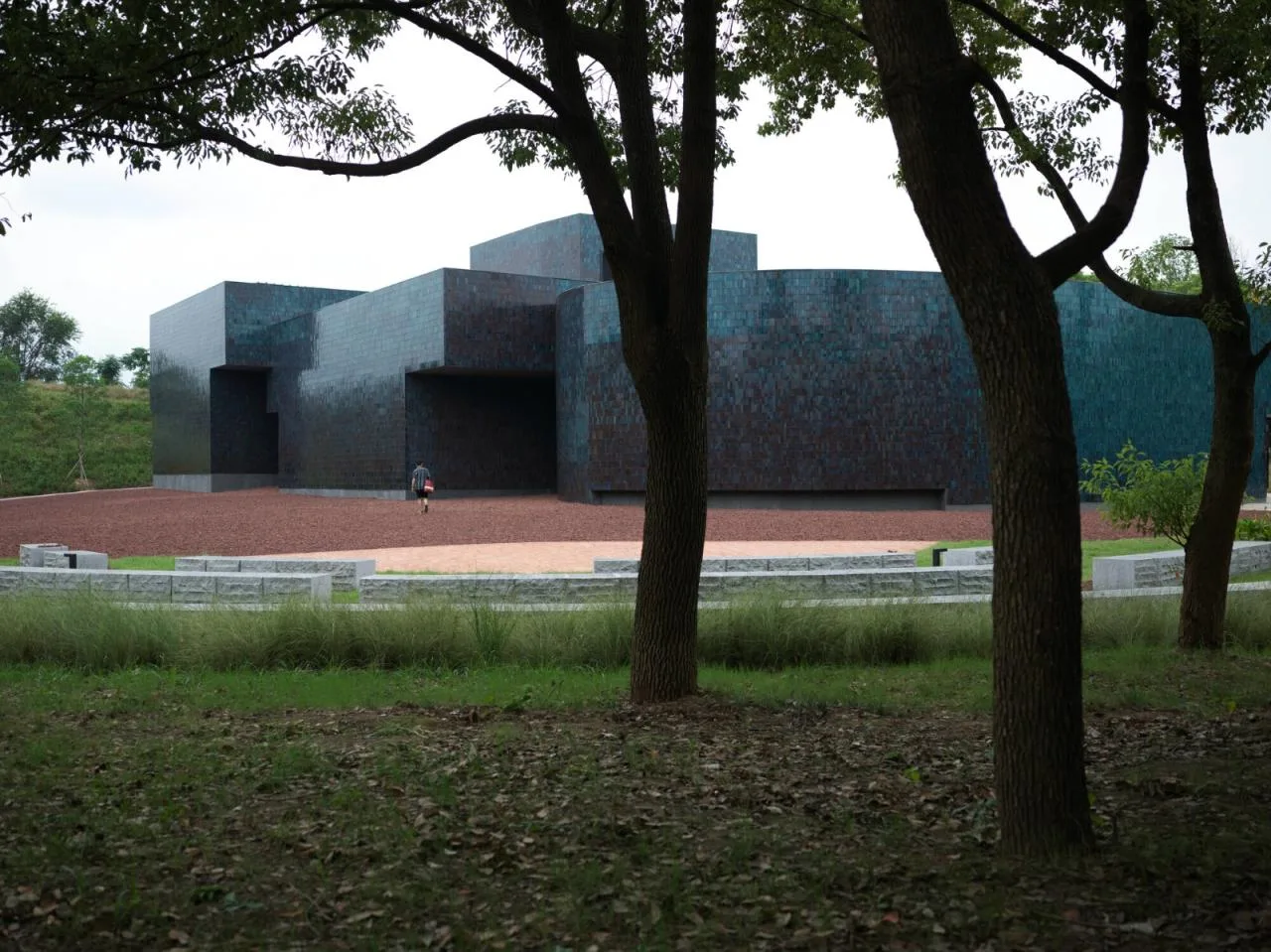
Ink and clay each embody five colors, deeply rooted in Chinese culture. Ink is used for writing, while clay shapes vessels, both nurturing the rich cultural heritage of China. The banks of Taihu Lake and the extension of Tianmu Lake have created a unique local vein and mineral vein of Dingshu in Yixing. This cultural backdrop, combined with the veins of Dingshu and the purple clay mines, served as the inspiration for the Huanglongshan Purple Clay Mine Source Exhibition Hall.
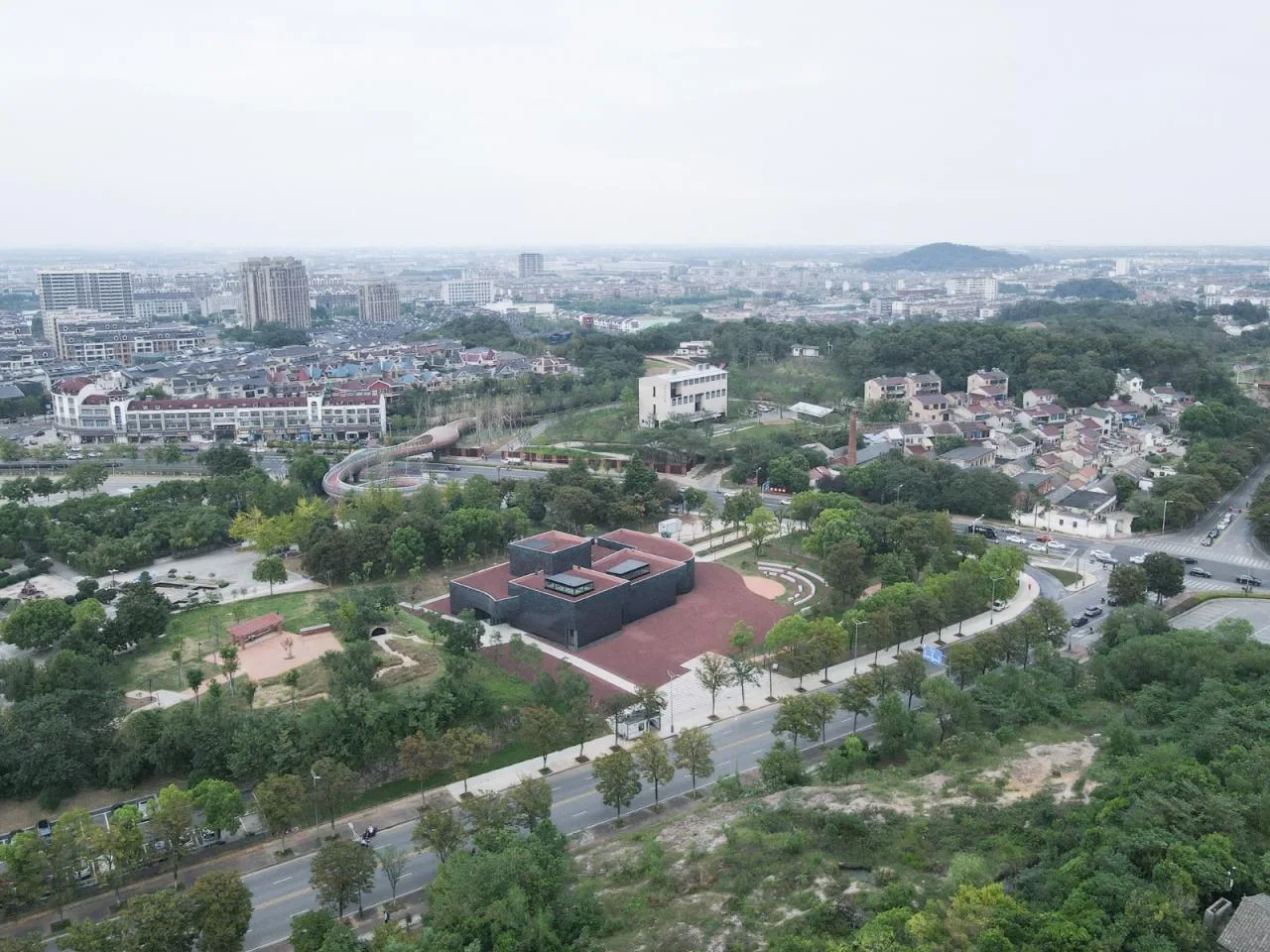
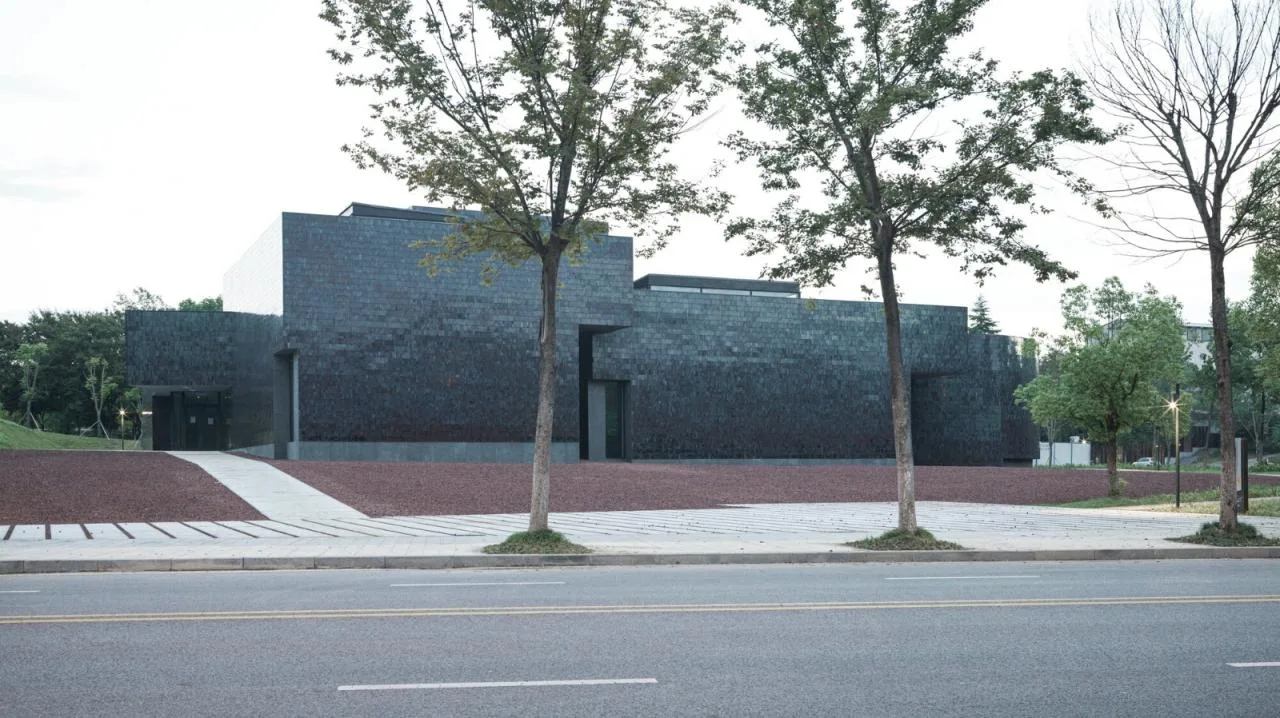
Project Background: Dingshu Town, located in the southeast of Yixing City, is known as the “Tao Capital.” Huanglongshan has historically been a source of high-quality purple clay raw materials, often referred to as the “source of purple clay.” This project focuses on preserving the No. 4 well site and designing an exhibition hall dedicated to the purple clay mine source.
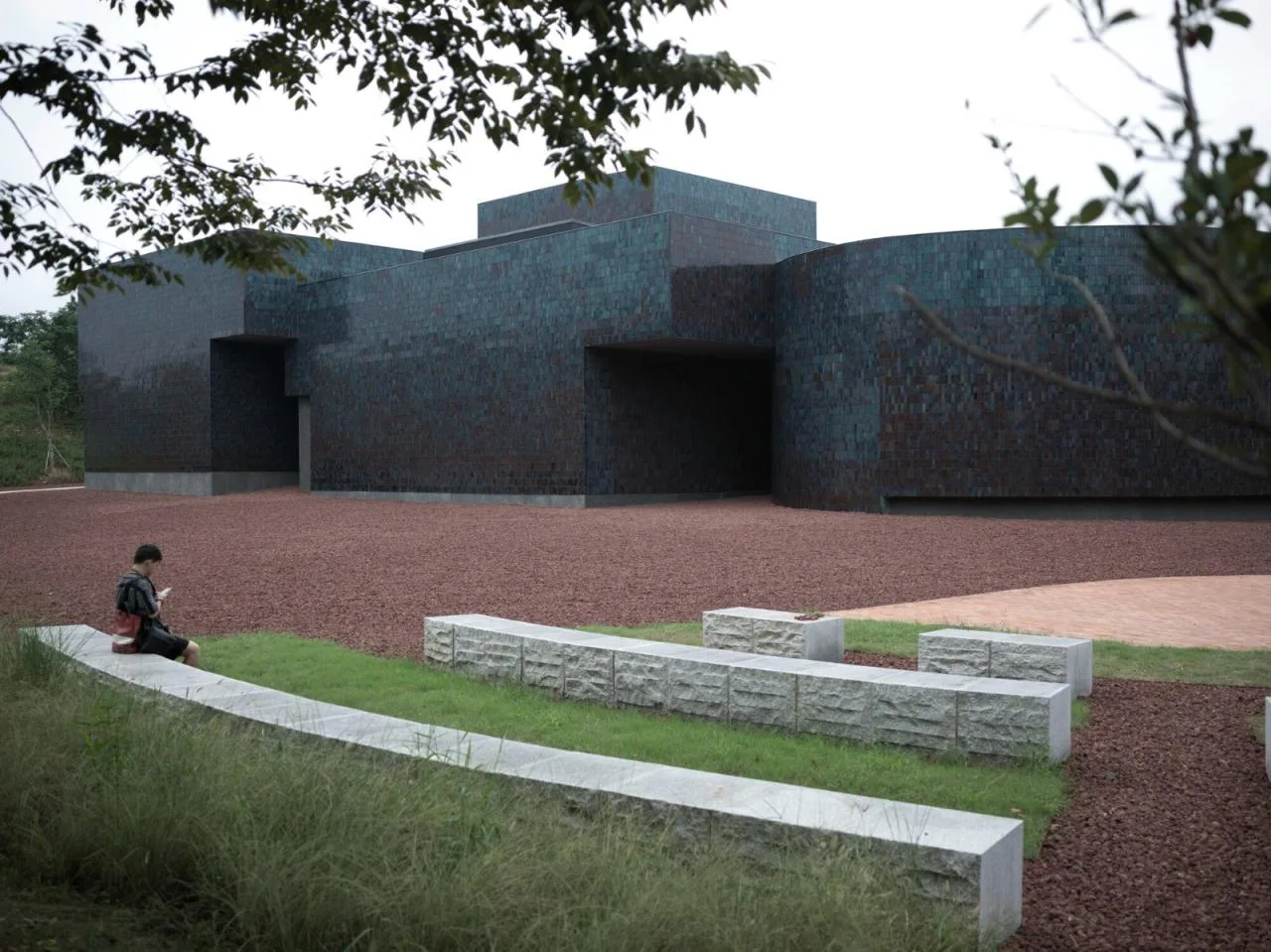
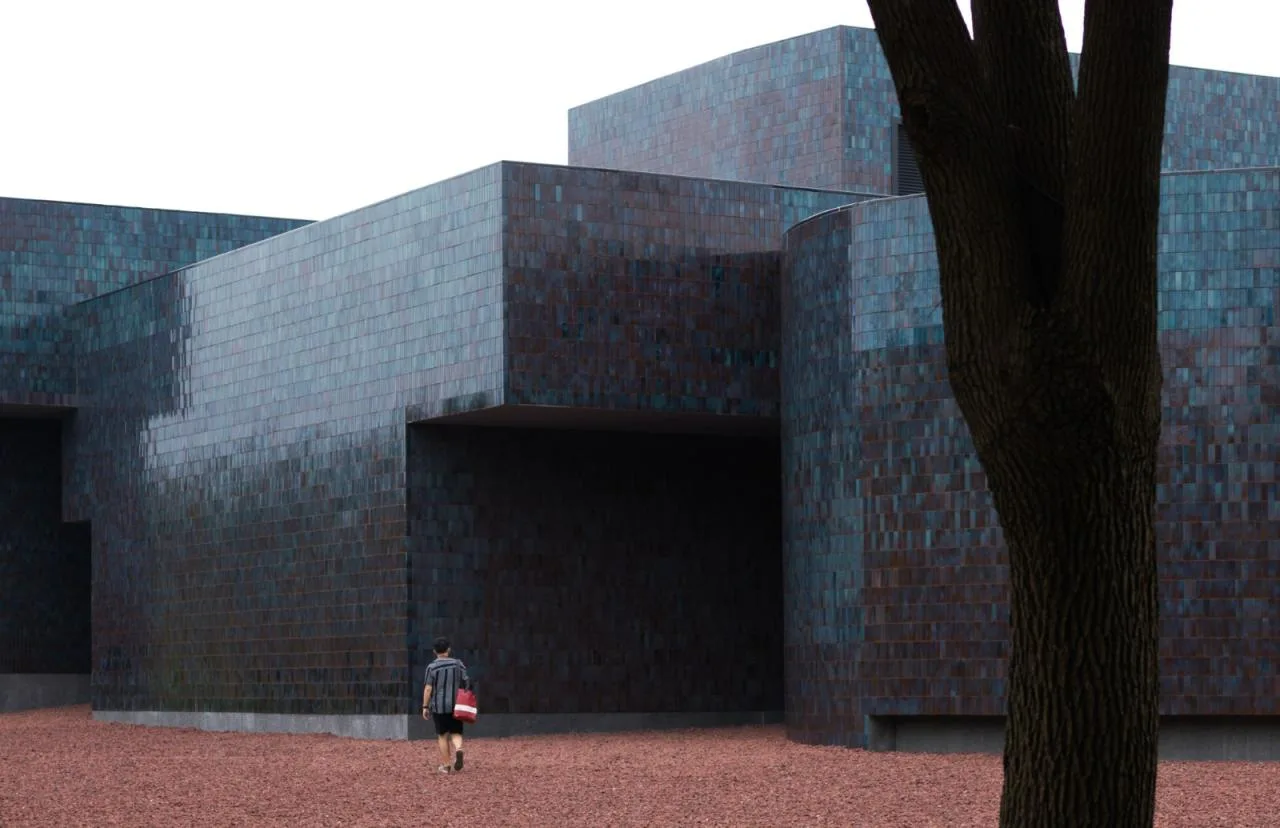
The No. 4 well site at Huanglongshan purple clay mine was established in 1972 and ceased operations in 1997 due to high production costs and other factors. In 2009, the Yixing Municipal Government designated it as a municipal-level cultural heritage site.
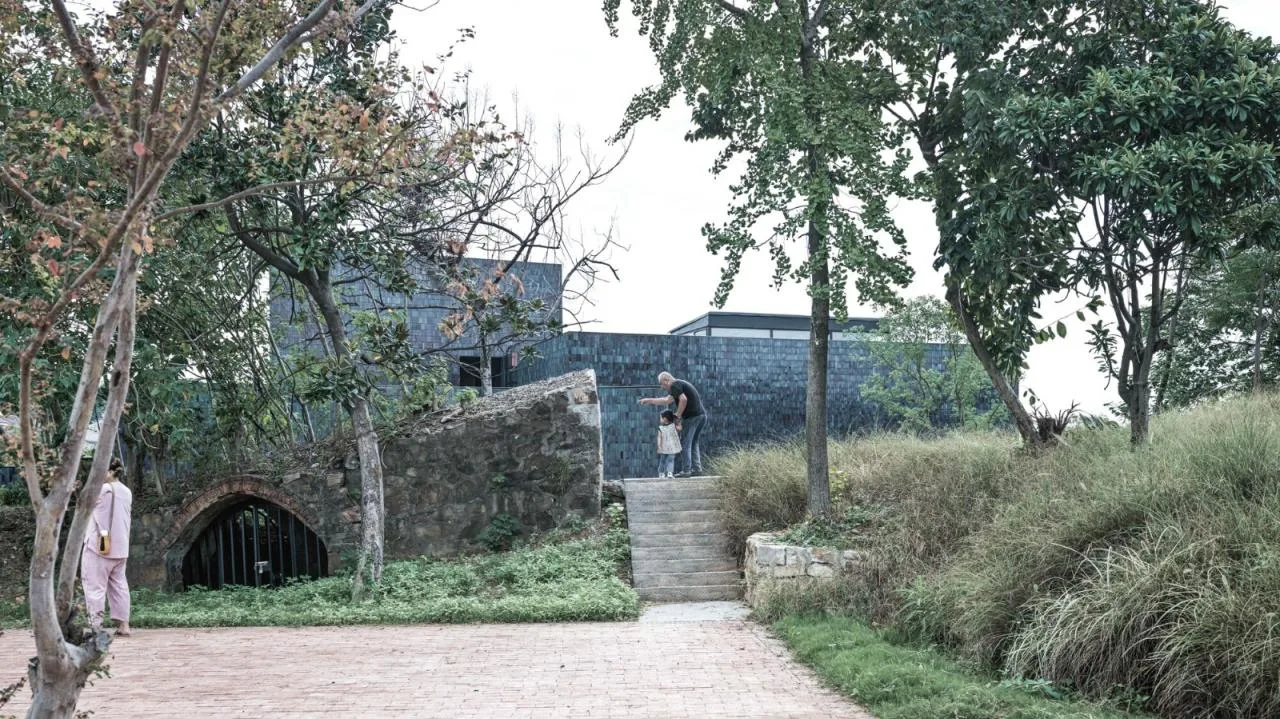
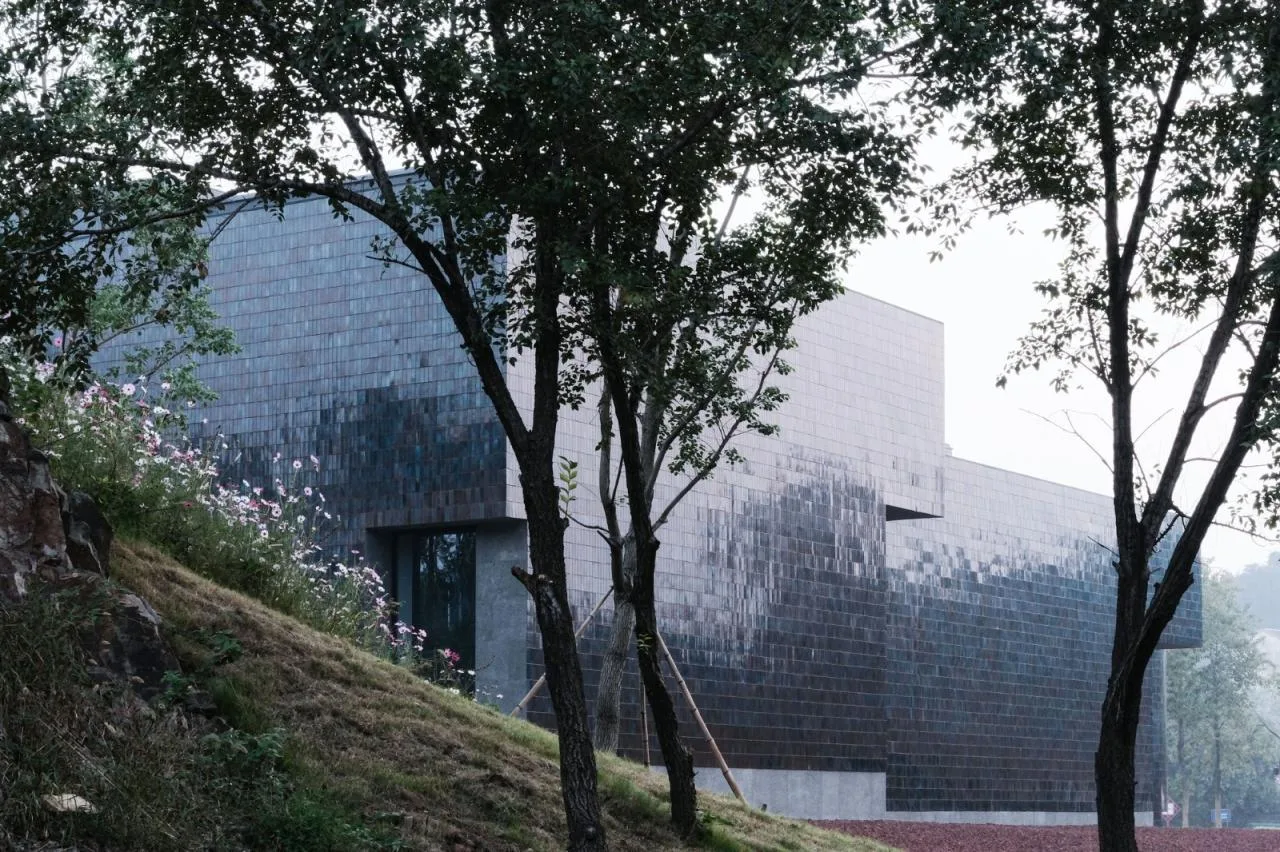
The site has been reinforced, repaired, and preserved through strategic conservation efforts, transforming it into an outdoor exhibition space integrated with the exhibition hall. The renovation follows principles of minimal intervention, historical restoration, and revitalization, serving as a model for architectural heritage protection and renewal.
- Respect for the site: Visitors are guided to explore the No. 4 well site through its original boundaries and entrance orientation.
- Revitalization of damaged areas: The design considers the surrounding landscape, including the damaged mountain and the south side of the building.
- Integration with architecture: The outdoor exhibition space connects smoothly with indoor visitor flow, creating a cohesive experience.
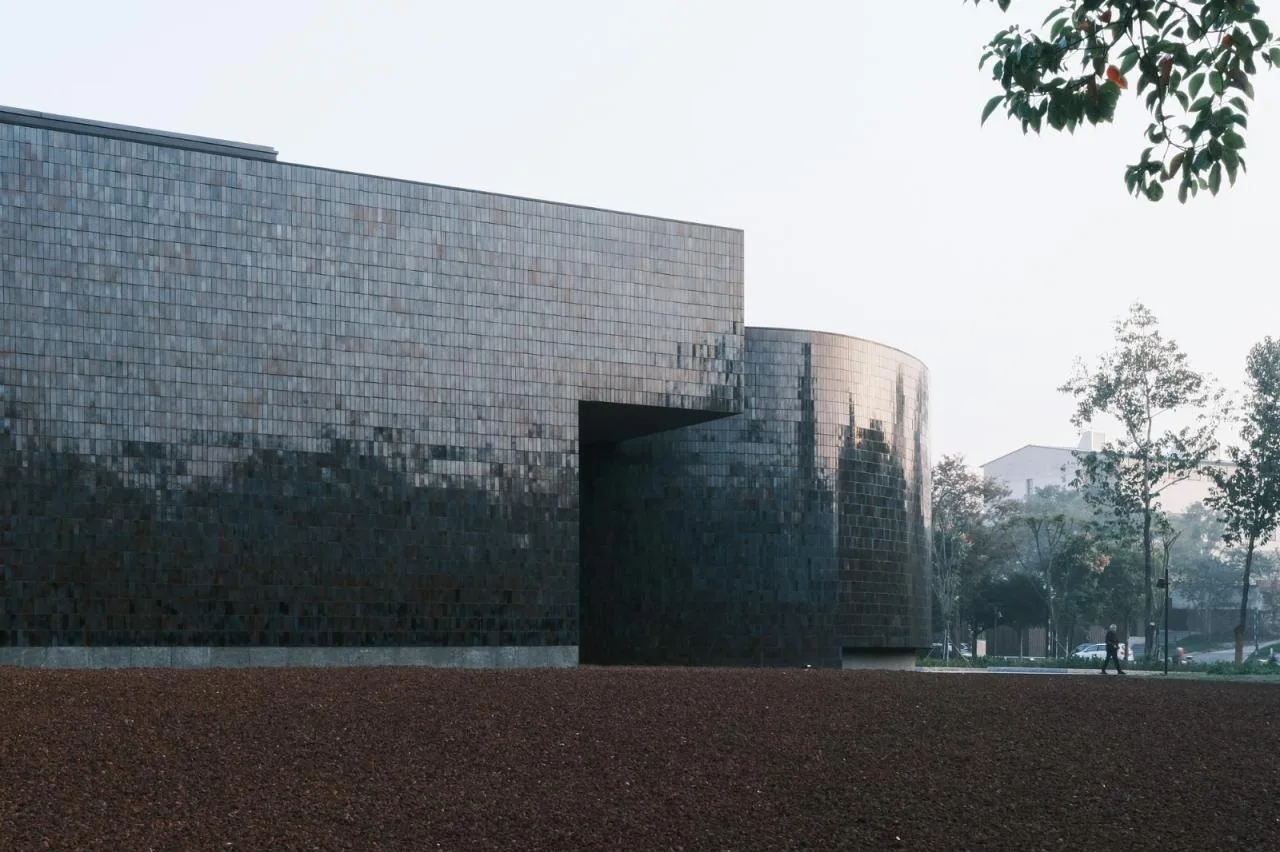
Design Concept:
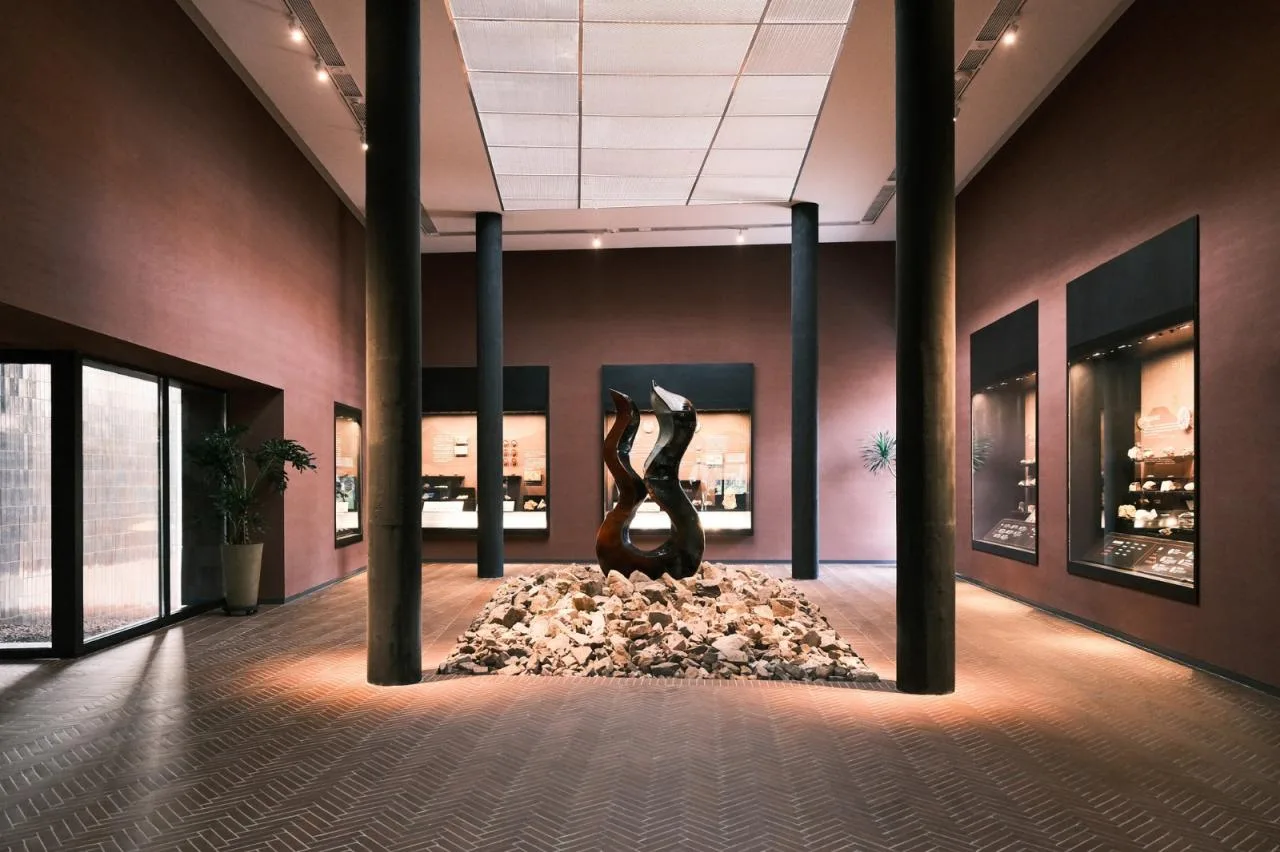
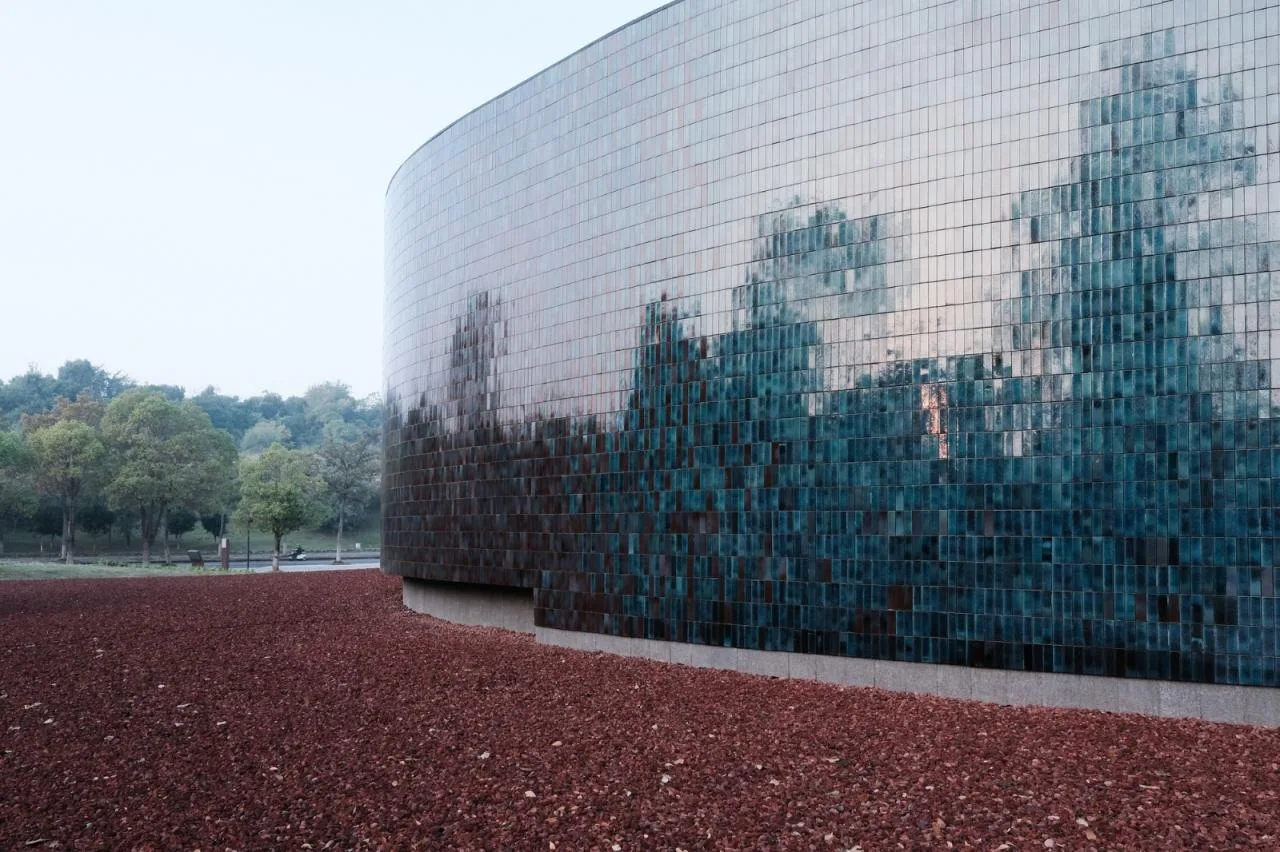
- Integrated design: The project aims to respect the site without overwhelming it, encouraging visitors to explore naturally. Five individual blocks symbolize five golden flowers, while the glazed ceramic curtain wall reflects the five colors of ink. A vortex-shaped viewing path connects the three ground-level exhibition halls with the underground mine tunnel.
- Multimedia exhibition: Multimedia technology simulates the real mining experience, breathing new life into the history through a modern presentation.
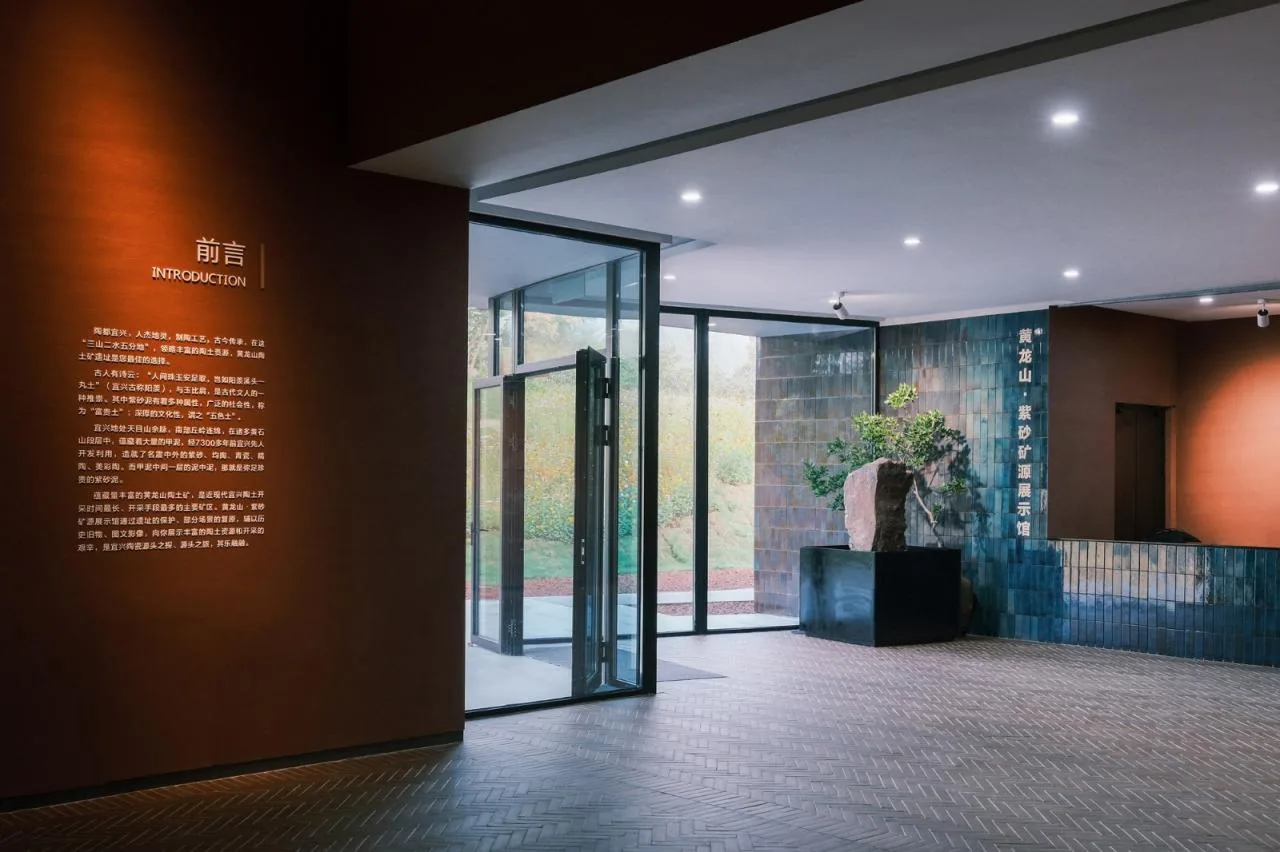
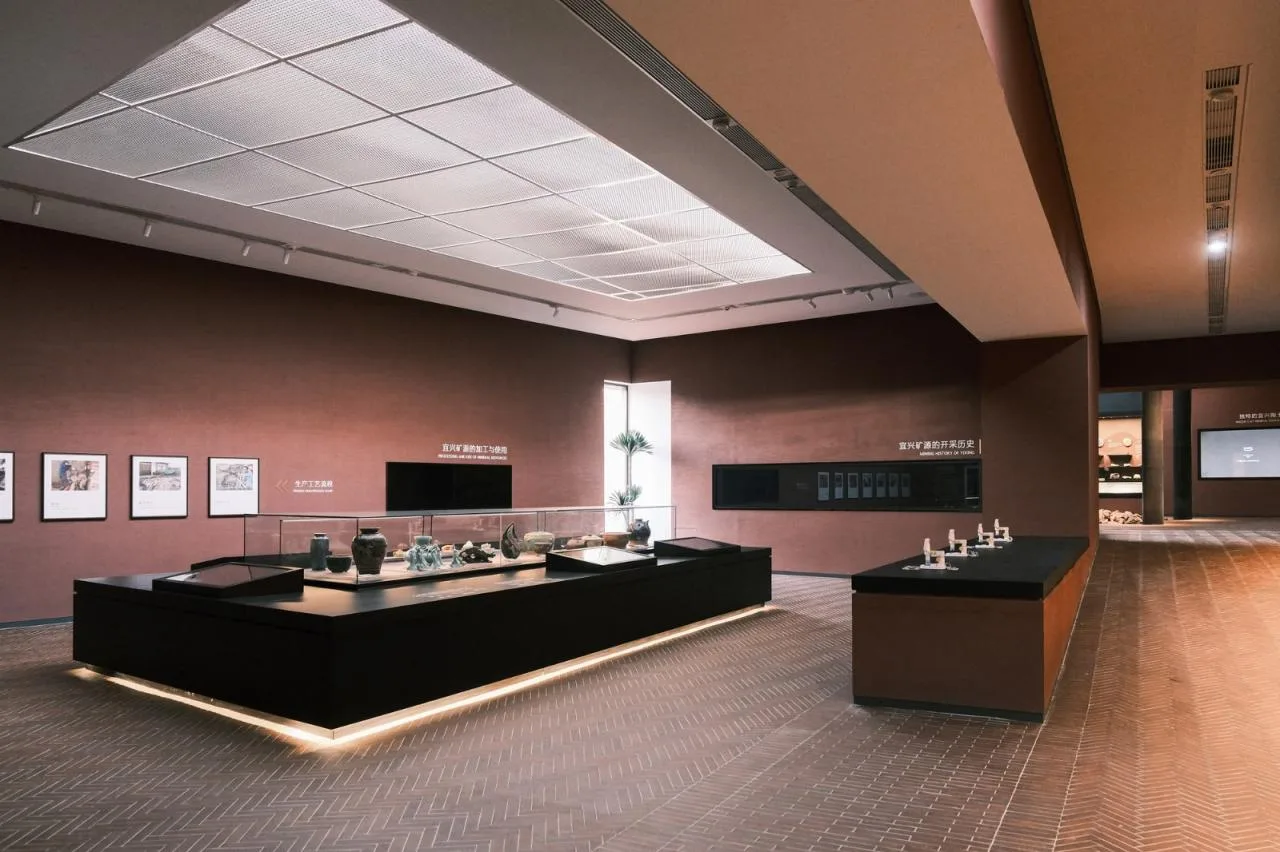
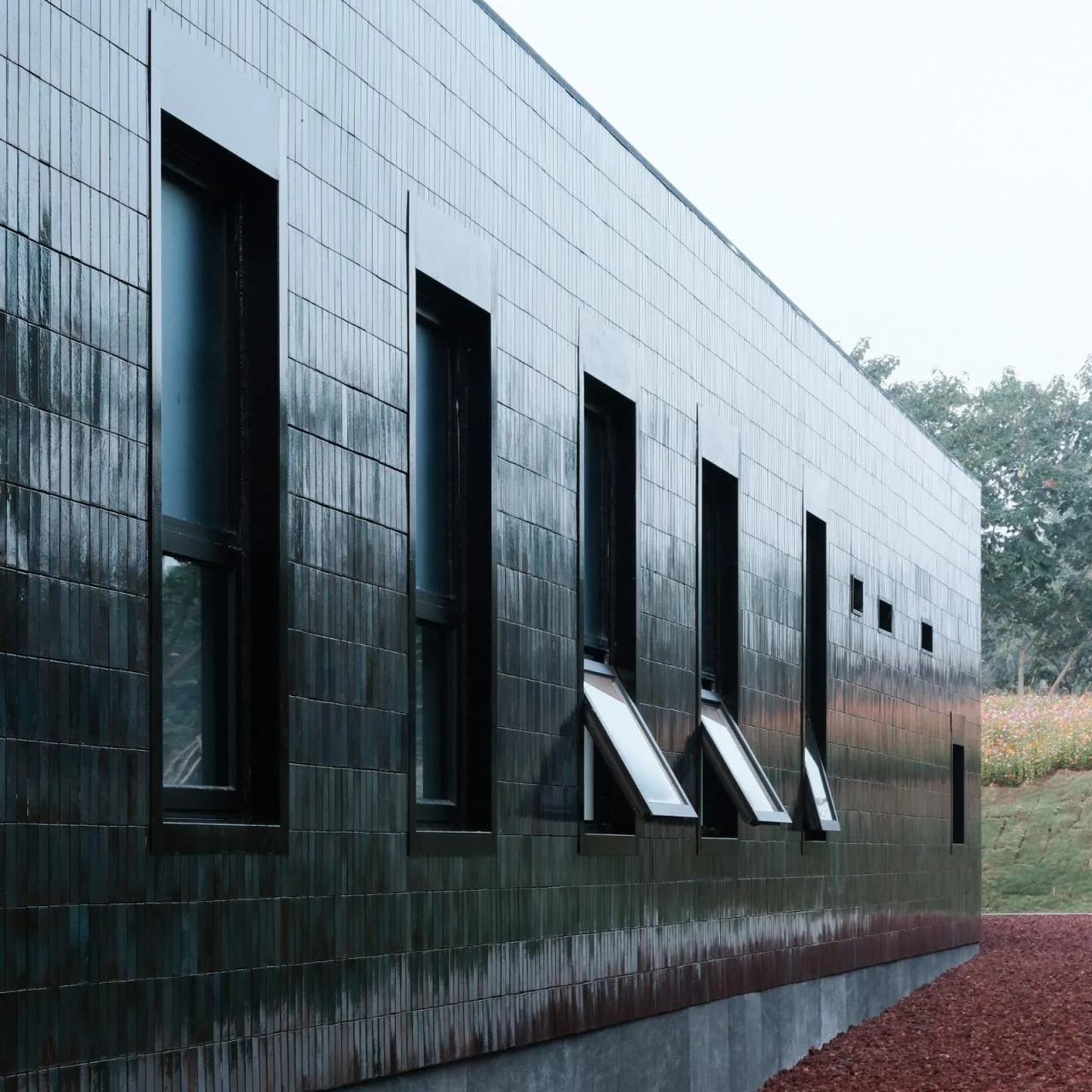
The glazed ceramic tiles on the facade reference the pottery glazing process, which enhances aesthetics, creates airtightness, prevents seepage, and strengthens the surface. The uniform ceramic glaze technique produces dynamic light and shadow effects. As visitors approach and touch the facade, they experience varying tactile sensations.
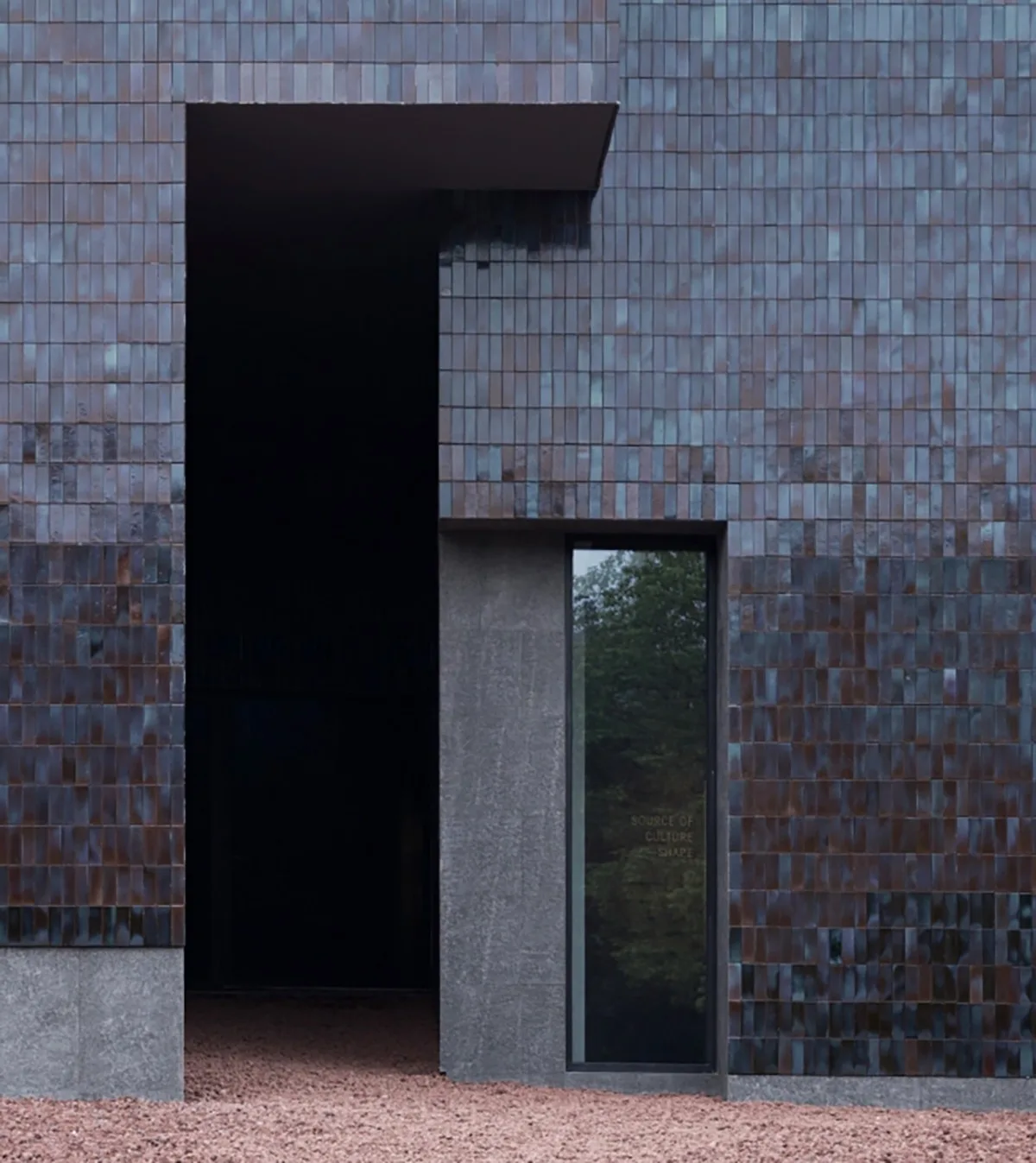
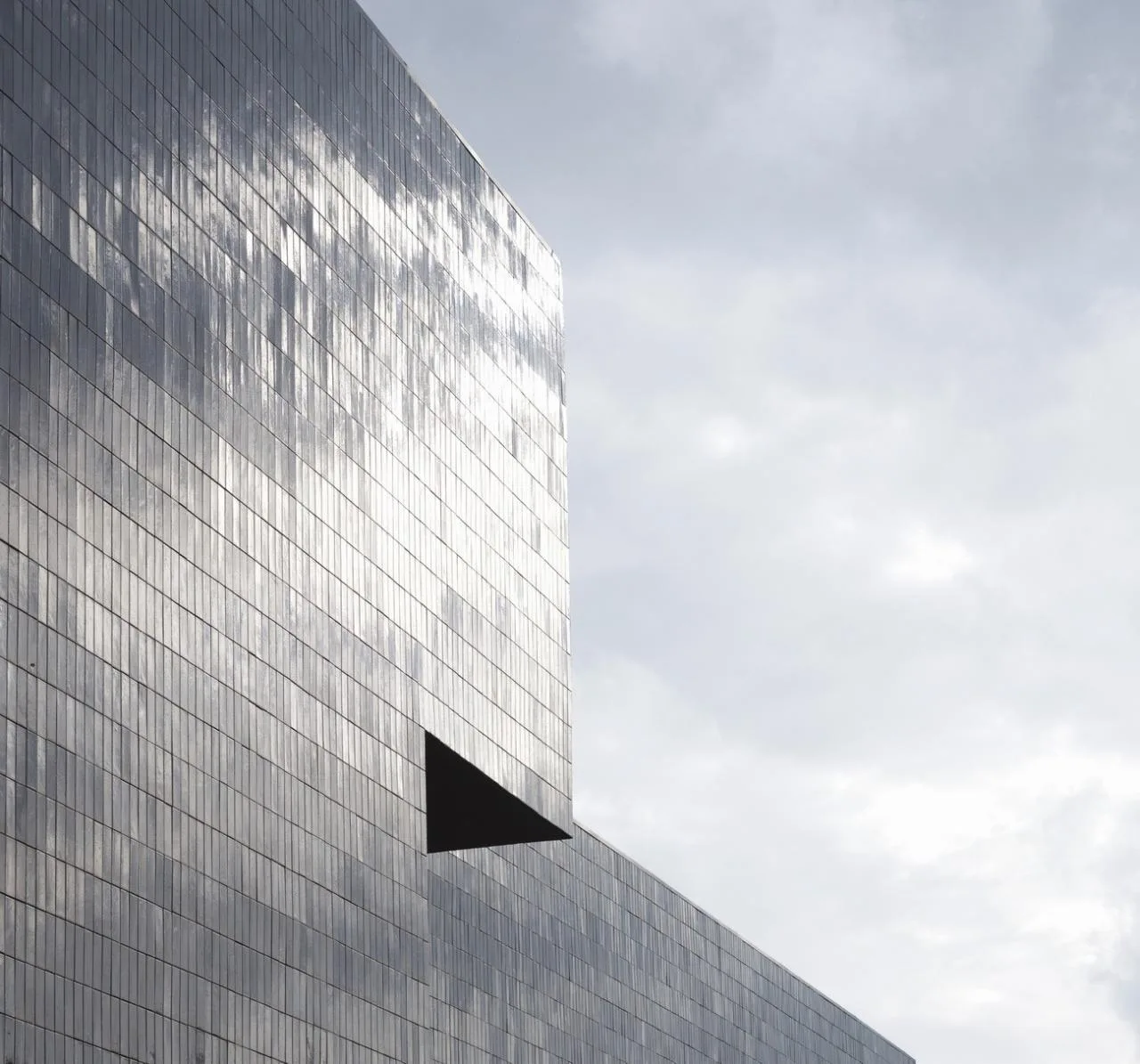
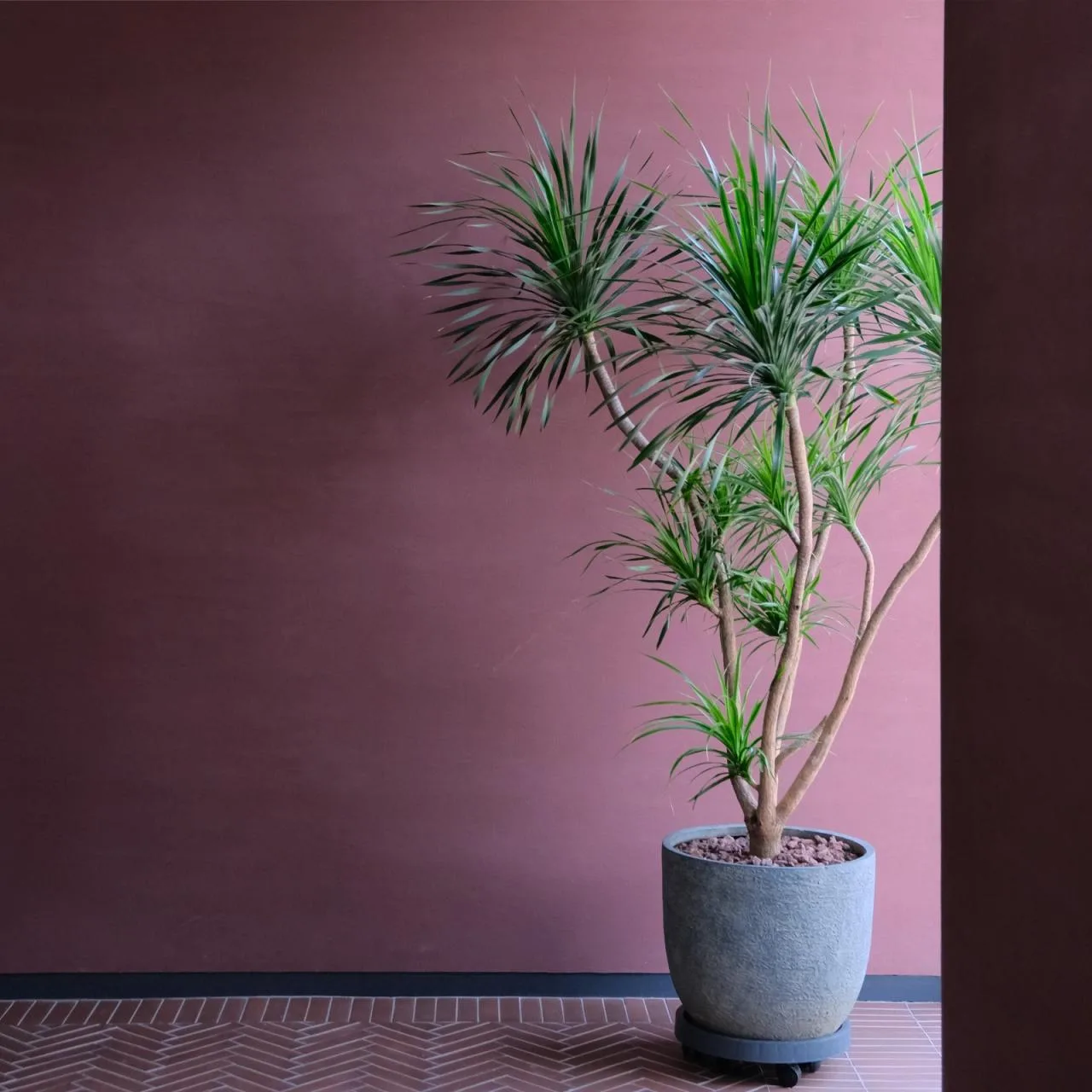
The project’s significance is reflected in the ancient wisdom of Laozi, who stated, “What is beneficial is useless.” Both pottery and architecture embody this profound philosophy. The exhibition hall and the ruins intertwine old and new, creating a seamless narrative of heritage and innovation.
Project Drawings
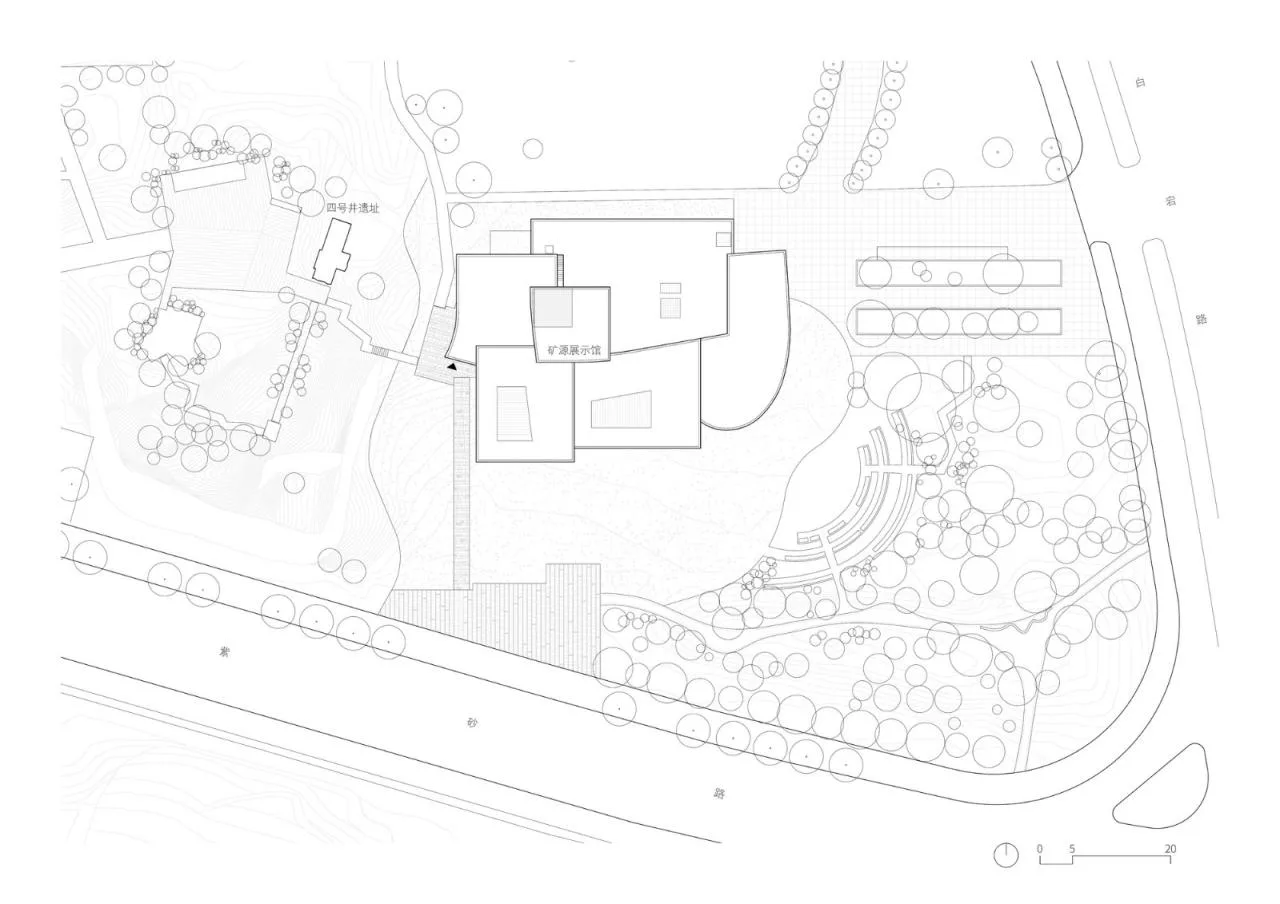
△ General Layout Plan
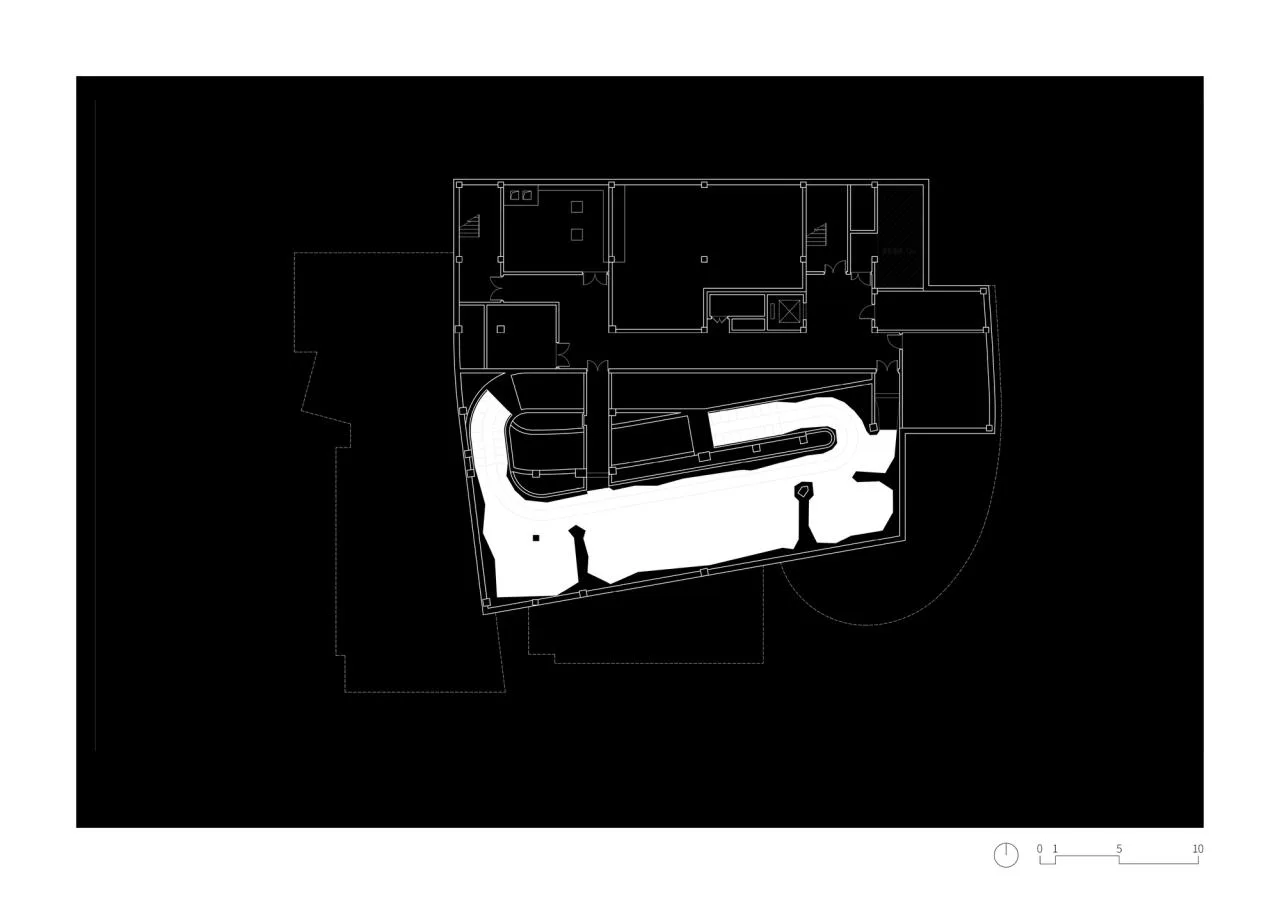
△ Underground Floor Plan
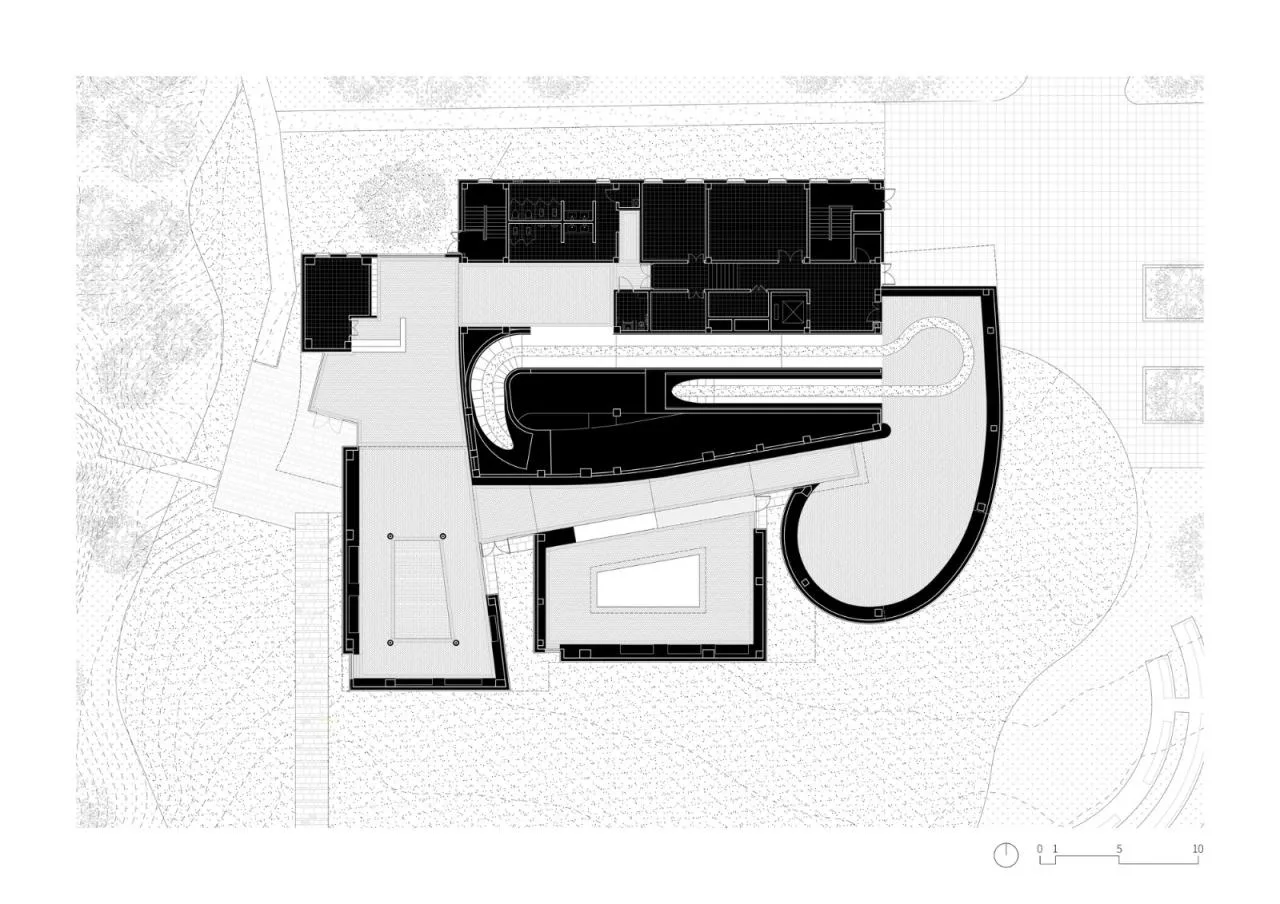
△ First Floor Plan
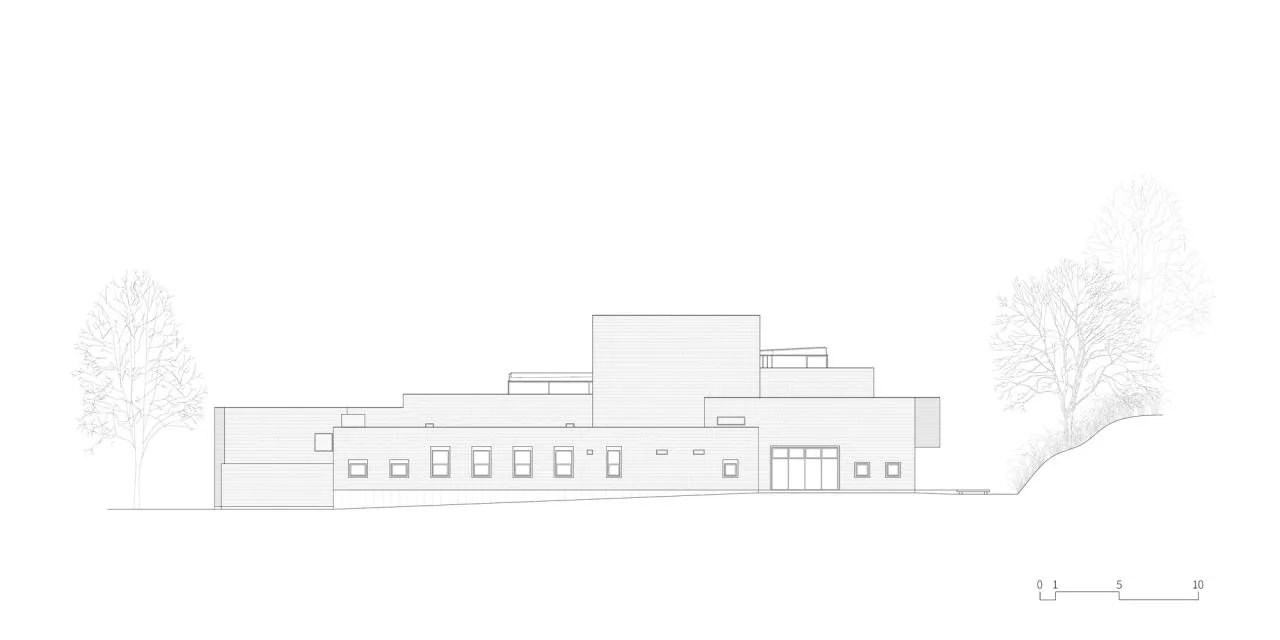
△ Elevation Drawing
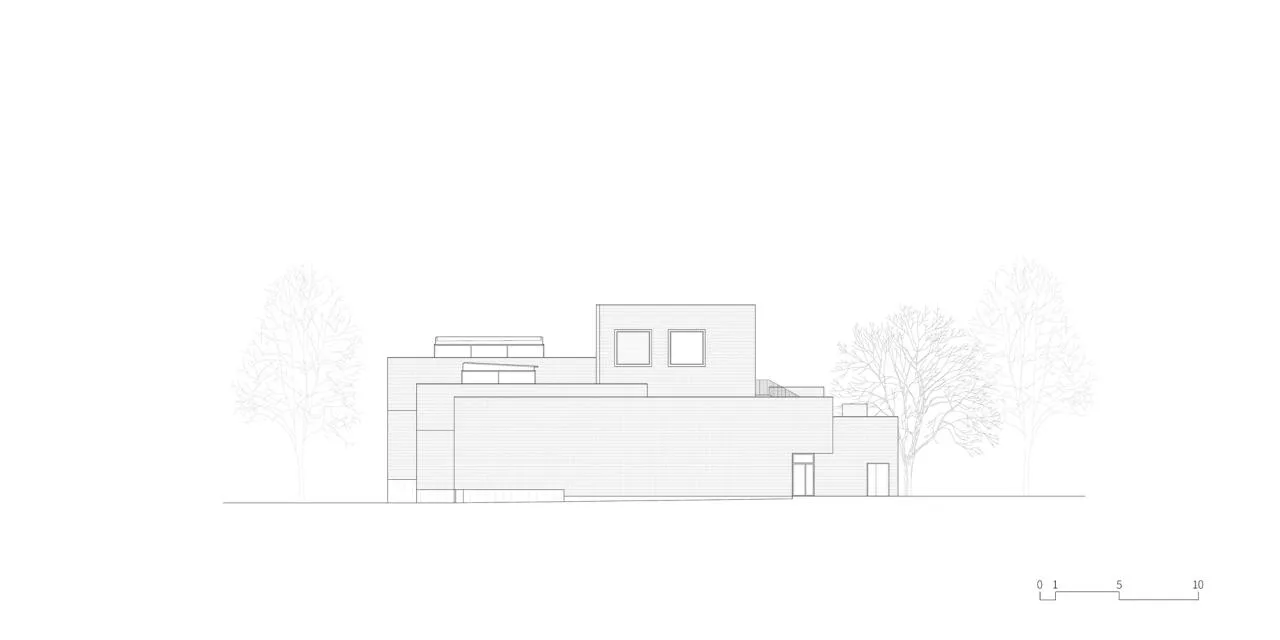
△ Elevation Drawing
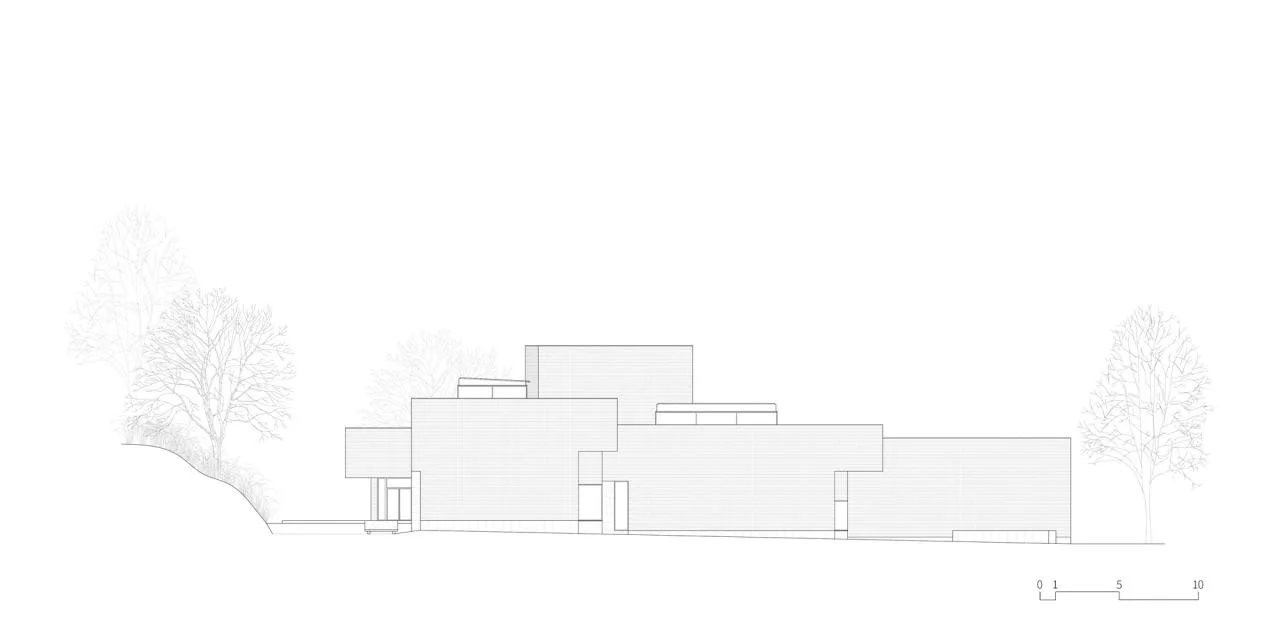
△ Elevation Drawing
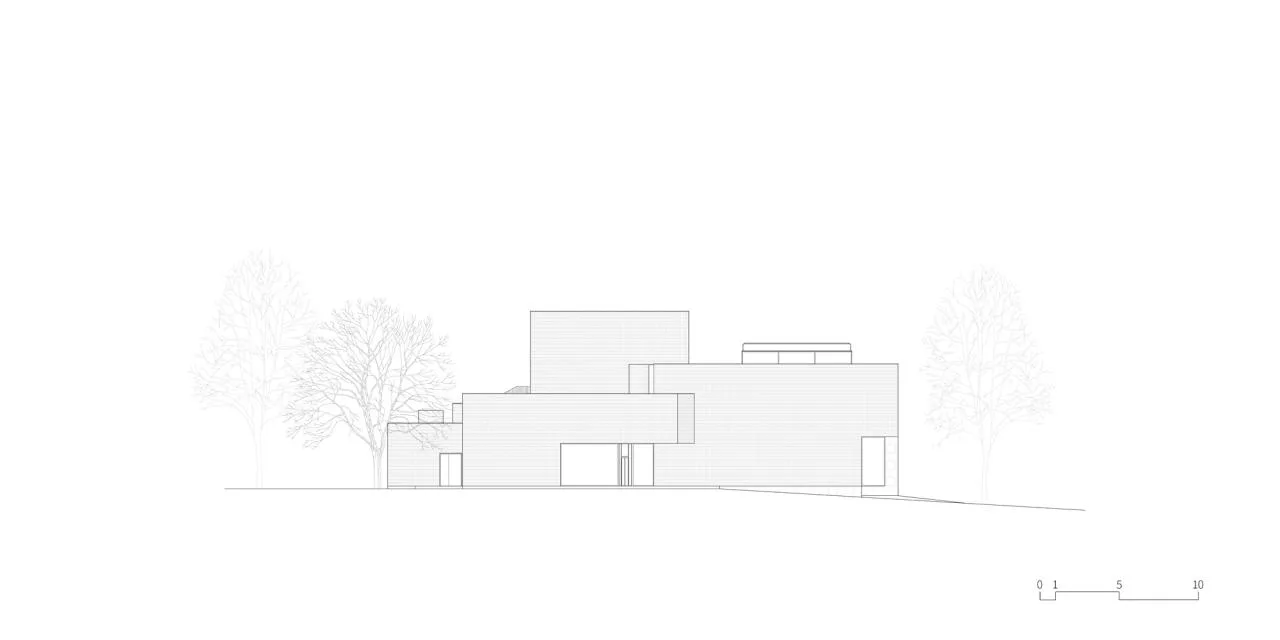
△ Elevation Drawing
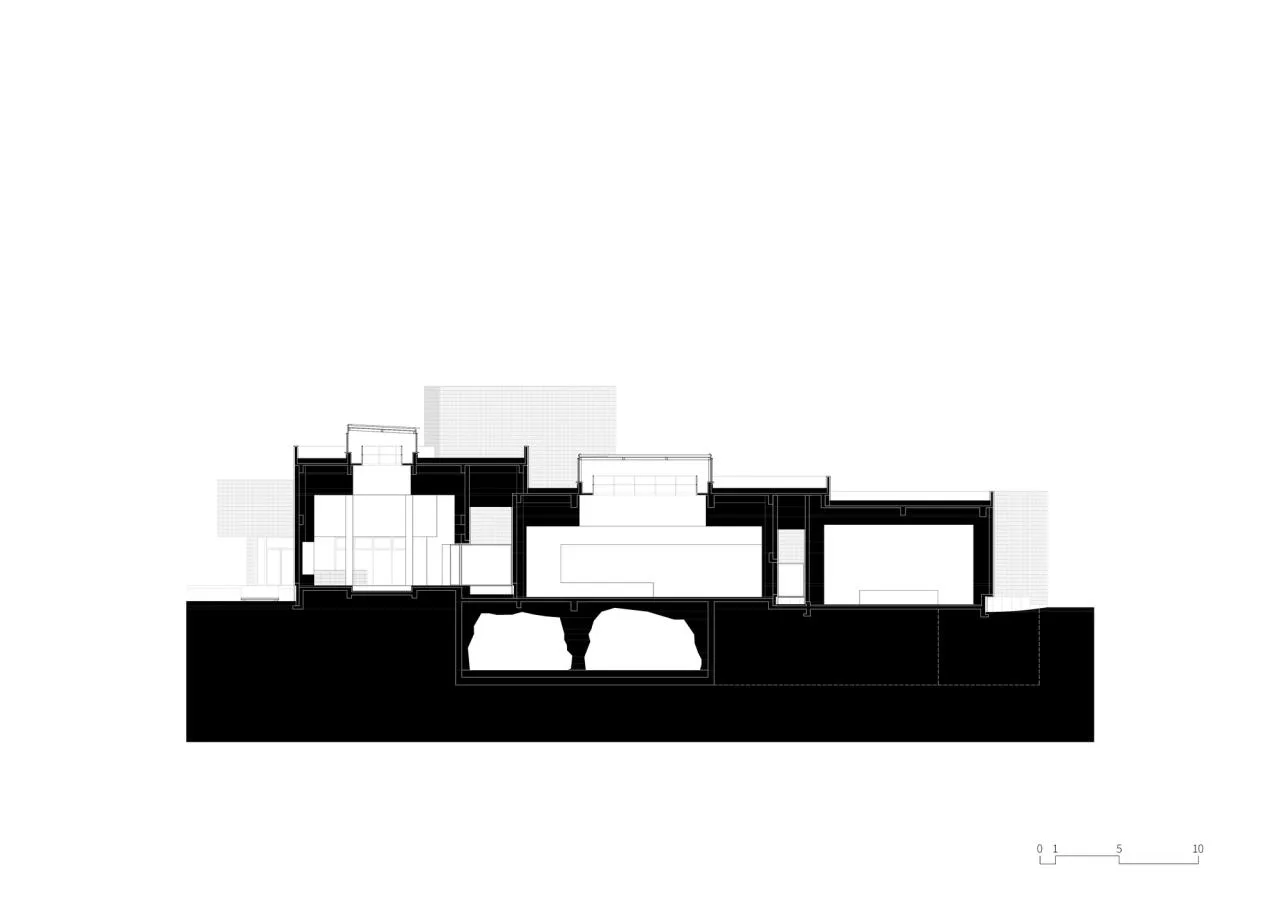
△ Section Diagram
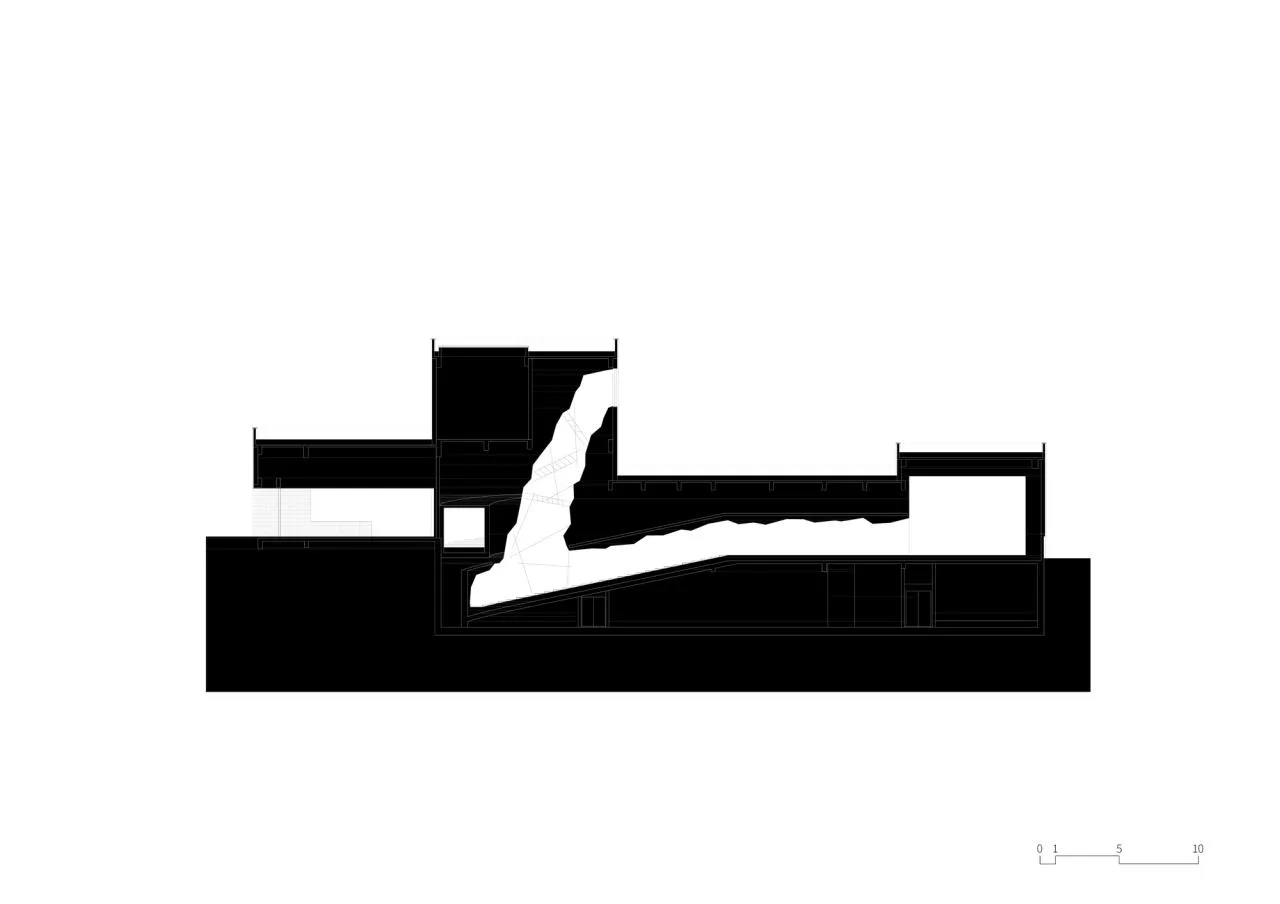
△ Section Diagram
Project Information
Architect: School of Architecture, Southeast University, Xuke Architecture
Area: 2,435 m²
Project Year: 2024
Manufacturers: Yixing DingCheng Bricks Industry Co., Ltd., Yixing Juntao Research Institute
Lead Architects: Zhang Xu, Liu Kenan
Historical Research and Project Planning: Zhang Xu, Shen Yang
Design Team: Shi Xiaoxia, Yang Yiming, Sun Shiyun, Li Lanxi, Xu Hua, Song Ying, Yu Tianze, Zhang Tao, Li Ang, Dong Xingqi, Niu Tong (intern), Zhao Yuanlanyi (intern)
Client: Construction Bureau of Dingshu Town, Yixing
Interior Design Development: Building Wind Language
Interior Design Concept: Xuke Architecture
Landscape Construction Drawing Design: Jiangsu Henghong Construction Consulting Co., Ltd
Location: Wuxi














Must log in before commenting!
Sign Up