
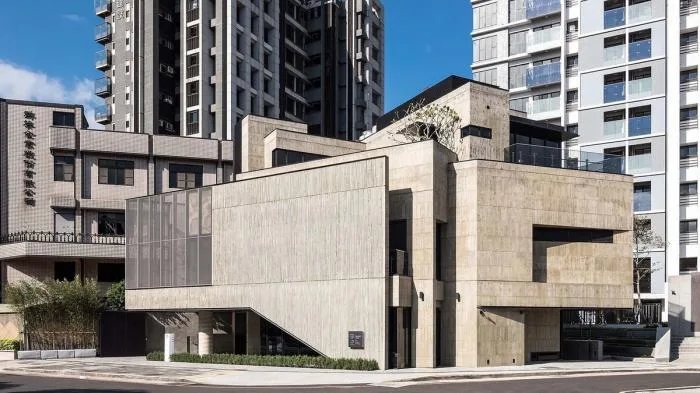
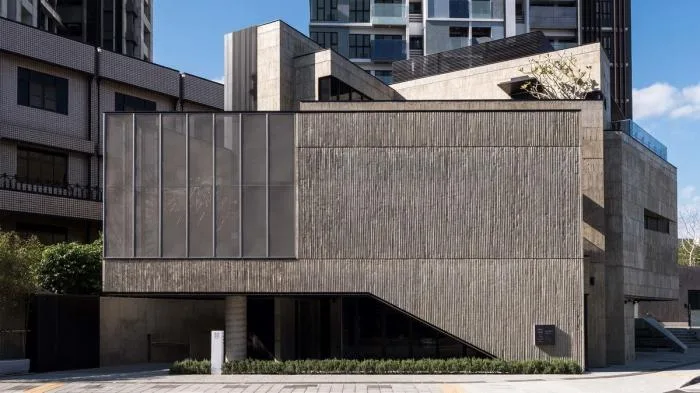
The site is positioned on a small urban corner, bordered by a residential area at the rear and adjacent houses on the left. The plot itself is an irregular polygon, and the overall design strategy embraces an “urban infill” concept. After adhering to the setback requirements mandated by building regulations, the structure is designed to follow the existing shape of the site, featuring polygonal building volumes oriented at various angles.
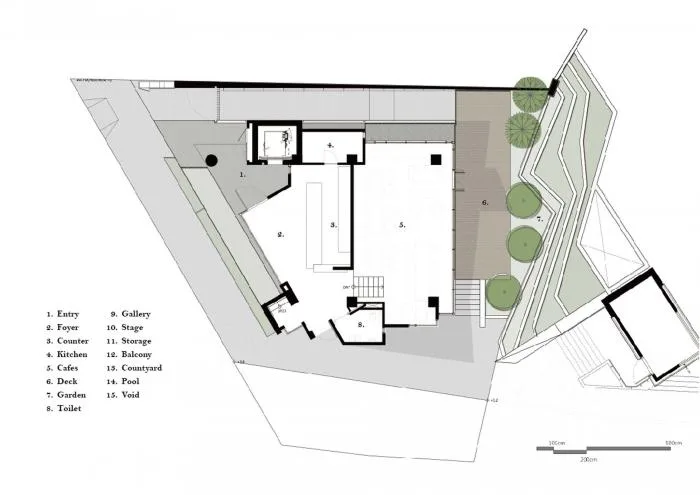
△ First Floor Plan
The owner has named this building “Enjoying Space.” It is a three-story public facility designed as a cultural hub for community participation and experience. The first floor functions as a dining and leisure area, the second floor serves as an art exhibition space, and the third floor combines living quarters with performance areas.
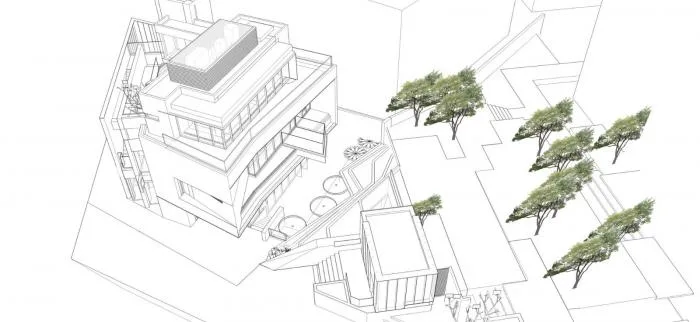
△ Perspective View
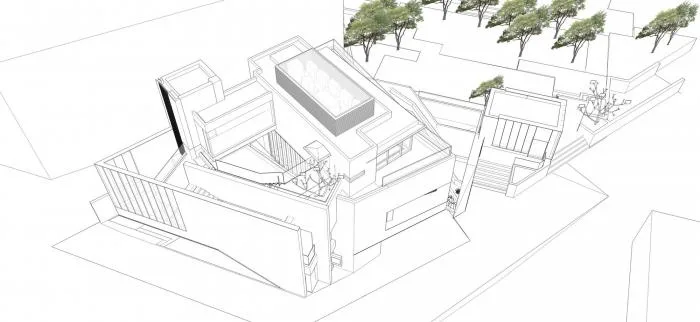
△ Perspective View
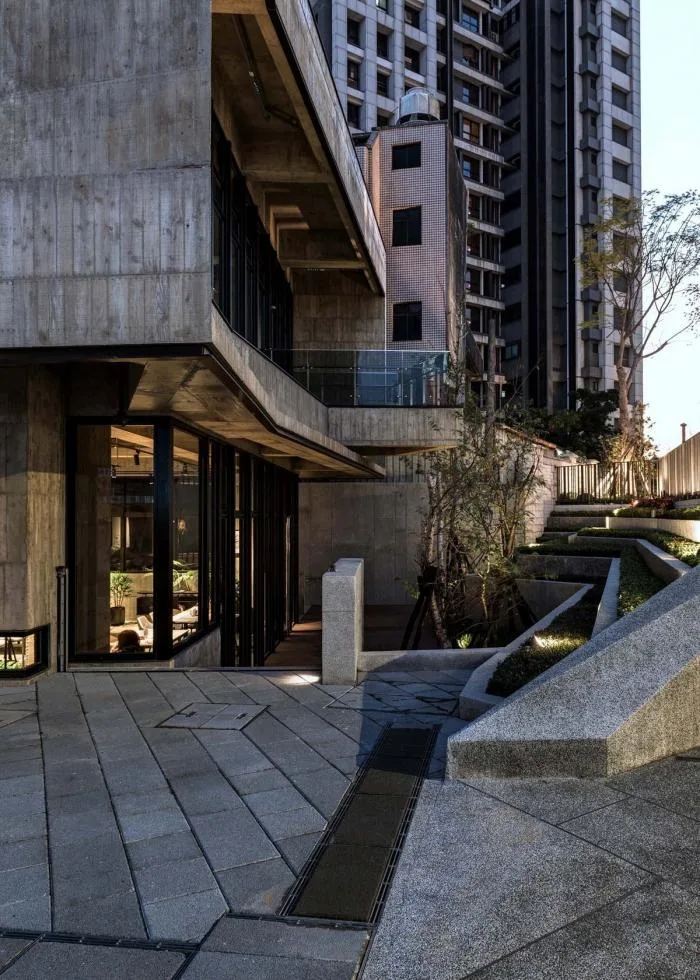
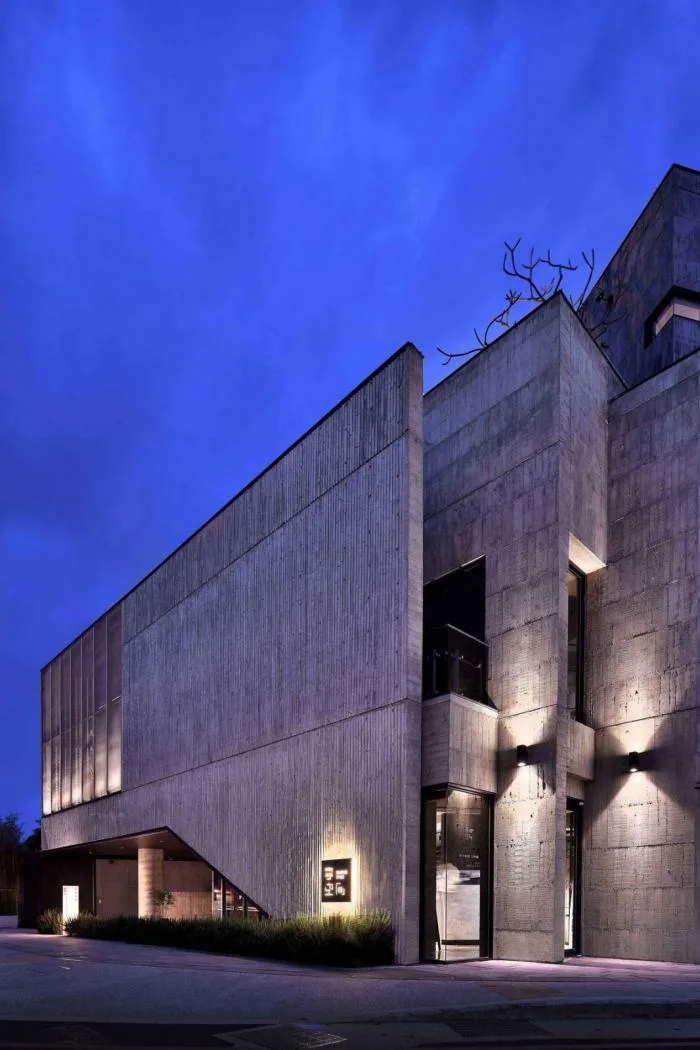
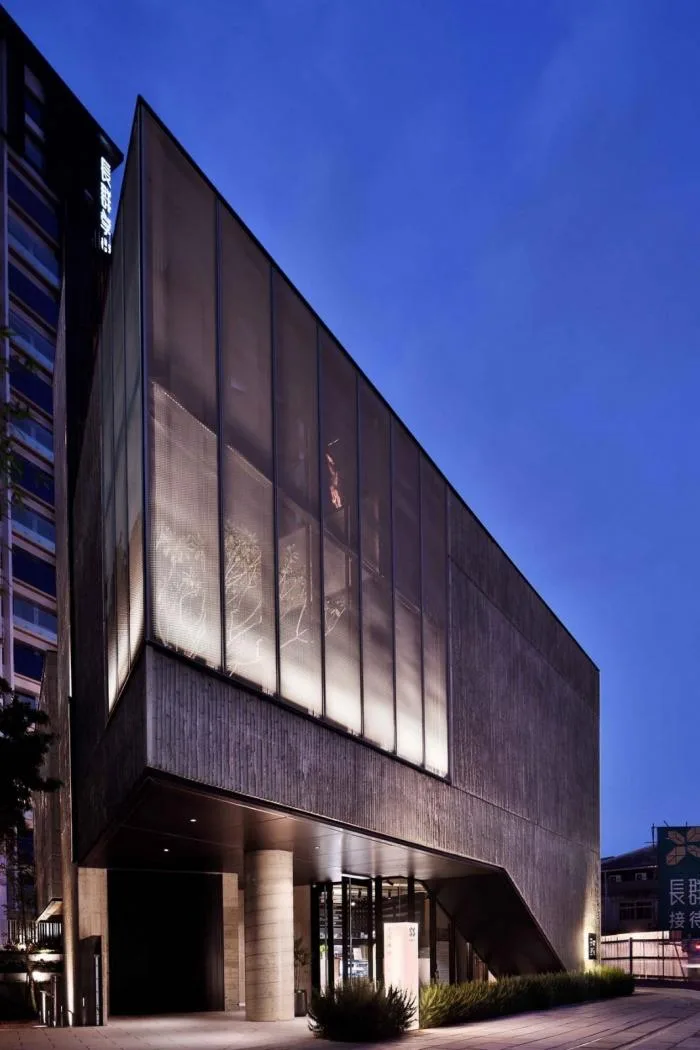
The building facade facing the main road is a solid wall oriented southeast with no openings. A subtle entrance is created by elevating the building mass at the southwest corner. Additionally, a void is carved out at the center of the building volume to form a trapezoidal atrium on the second floor. The surrounding interior spaces on the second floor embrace this atrium, which extends upward to connect with an outdoor space on the third floor, channeling sunlight into the interior from above.
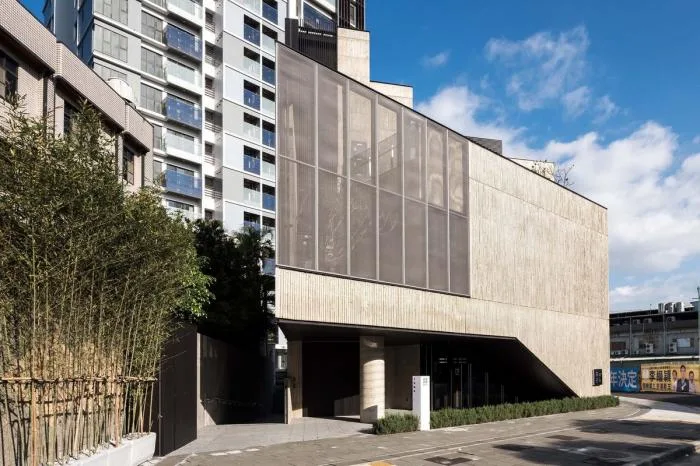
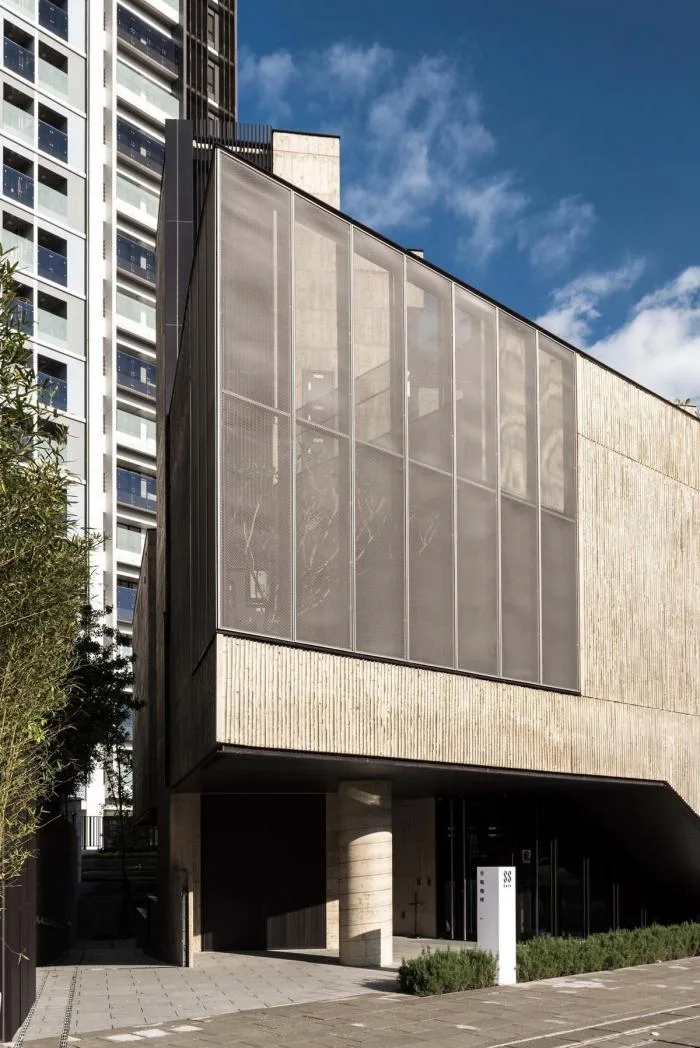
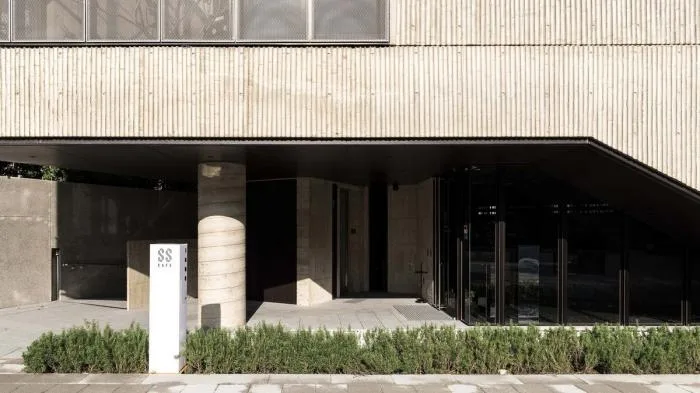
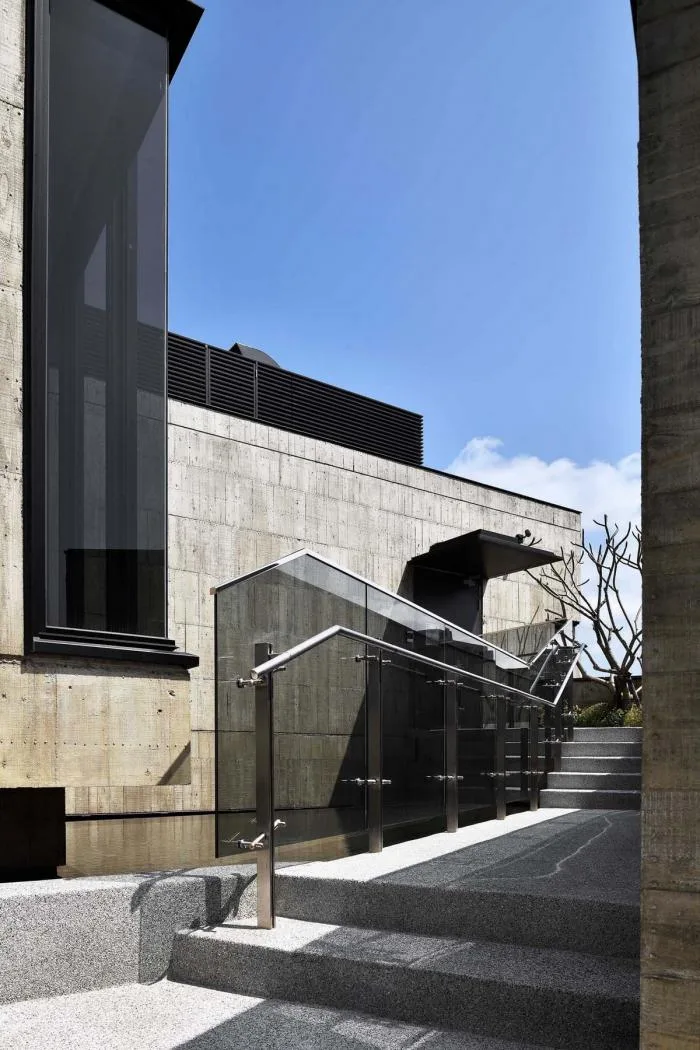
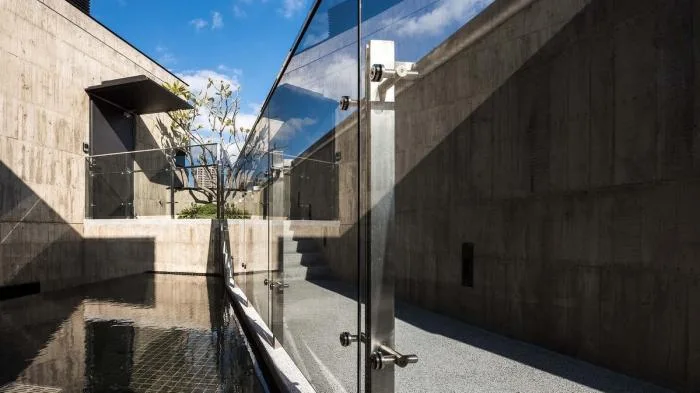
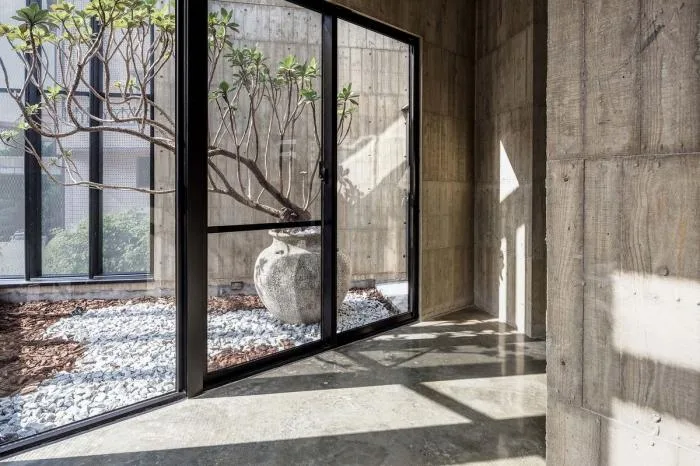
Because the building faces different environments—the busy main street in front with traffic and the tranquil community garden at the back—the facade design adopts a “closed front, open back” approach. The front facade continues the urban street rhythm with clean, expansive walls, while the rear facade is raised through sectional variations to enhance the interior space and frame views of the community garden through large open windows.
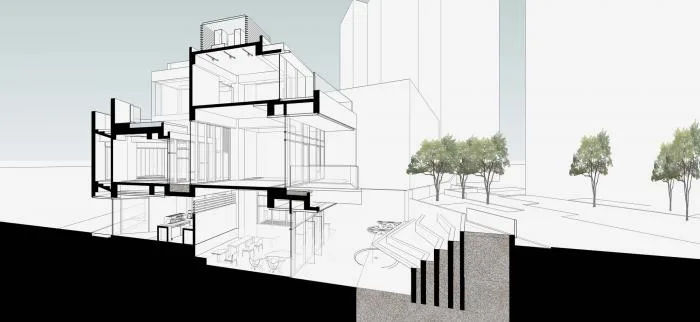
△ Sectional Perspective View
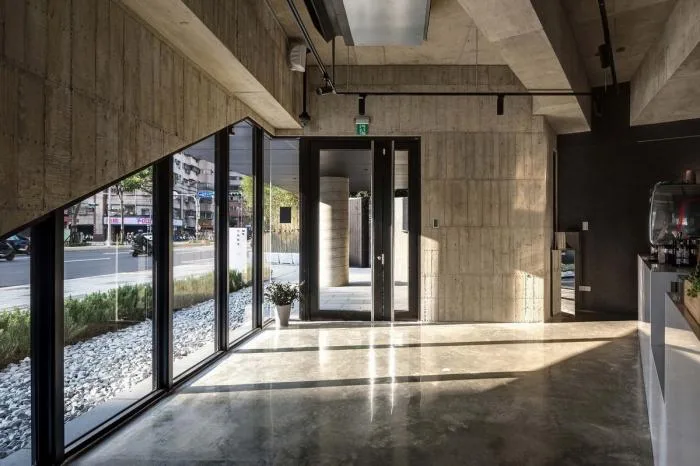
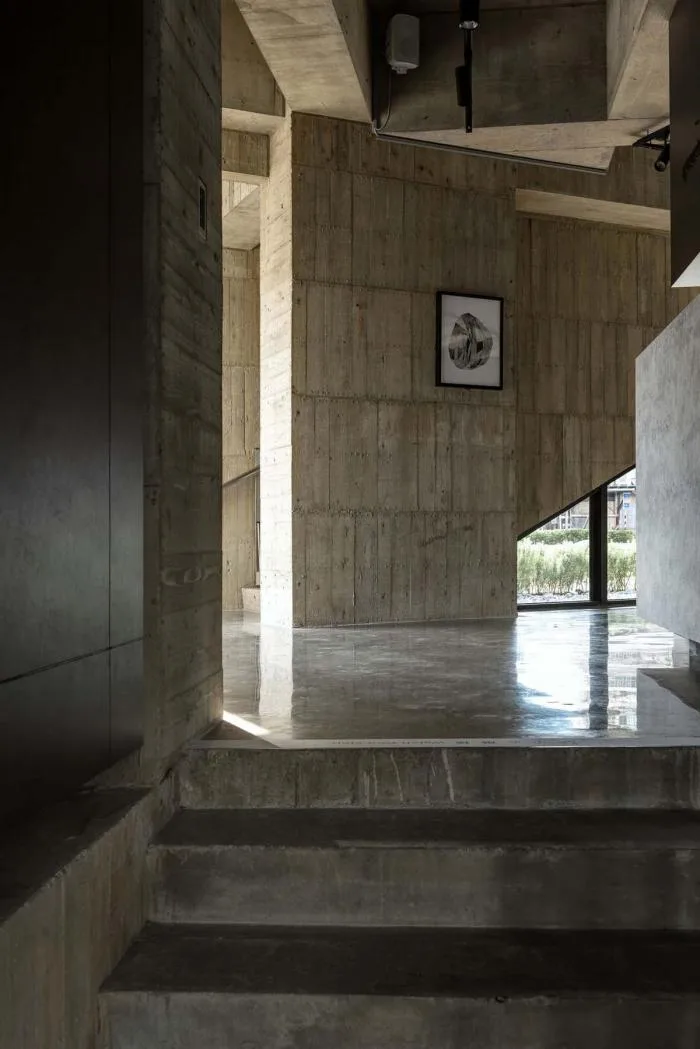
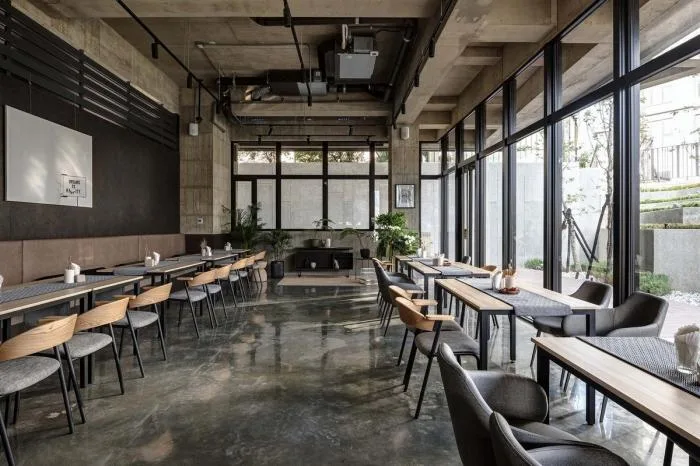
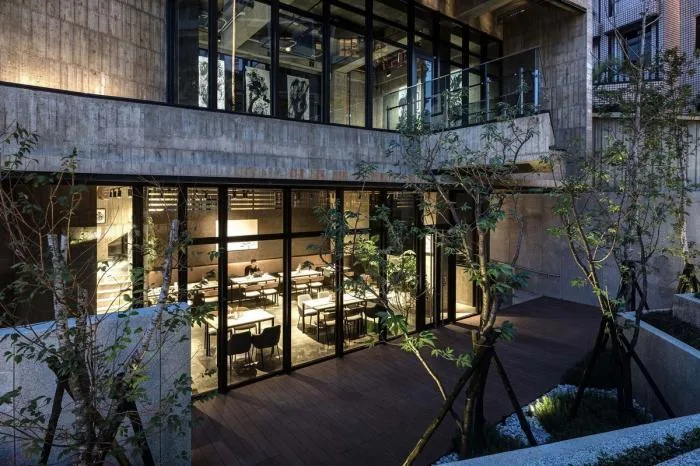
The central void within the building serves not only to introduce natural daylight but also to elevate the spatial experience into a three-dimensional realm. Extending the atrium from the second floor up to the water courtyard on the third floor, combined with vertical and horizontal stair flows, guides visitors through a dynamic journey of “stepped scenery,” where they continuously surround, cross, and interact with the external environment as they move through the space.
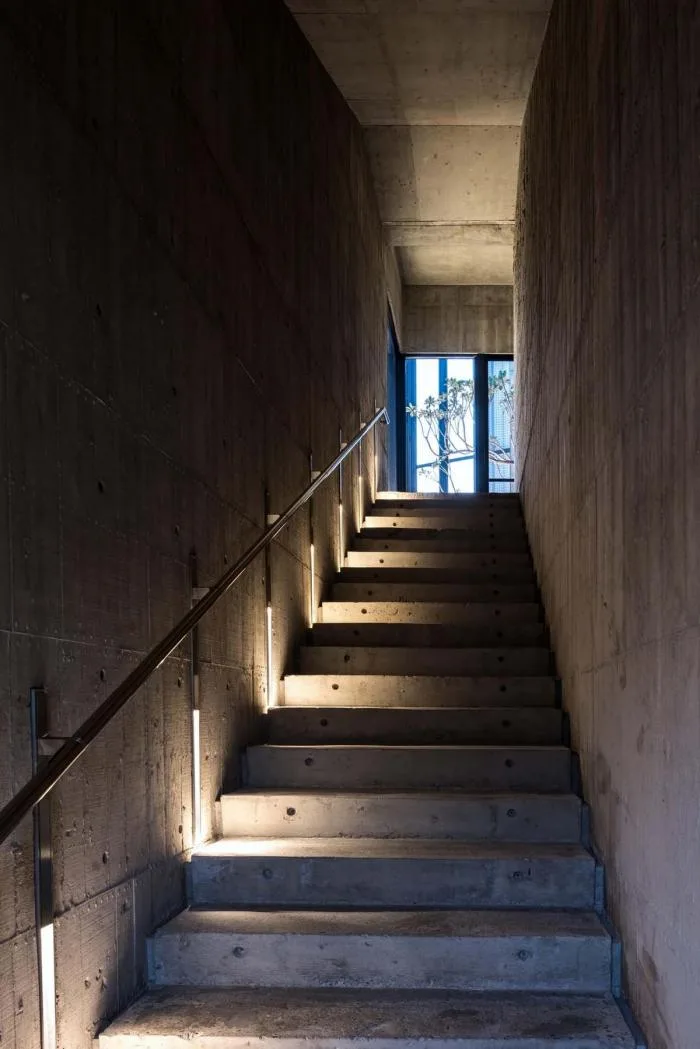
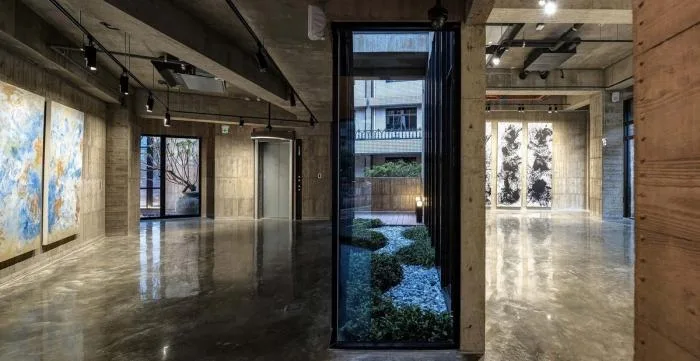
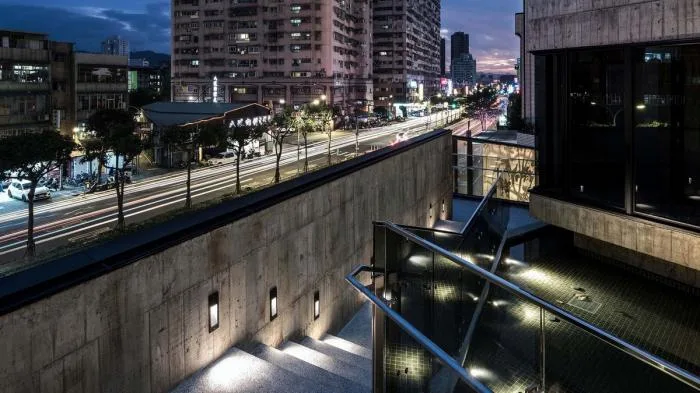
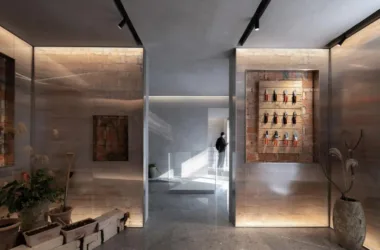
Visitors enter the building through a subtle entrance on the first floor, which offers views of the elevated resting area of the community garden at the back. From there, they ascend to the second floor and find themselves surrounded by exhibition spaces of varying heights flanking the atrium. The water courtyard on the third floor can be faintly seen from the atrium above. Visitors can access the water courtyard via an outdoor staircase bathed in sunlight, and then proceed into another indoor gallery. Throughout this progression, visitors experience a rich interplay of spatial qualities such as light, height, and the transition between interior and exterior within a compact footprint.
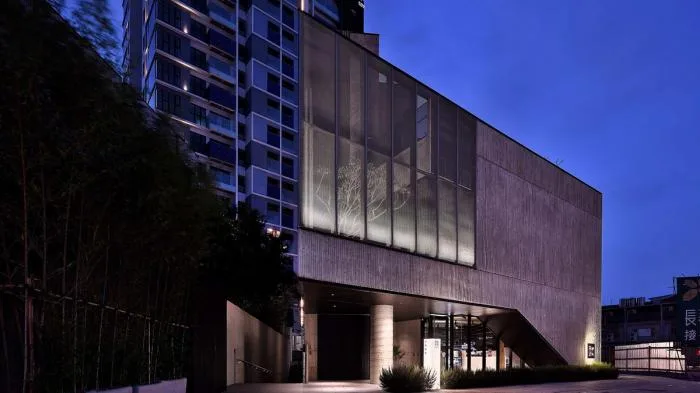
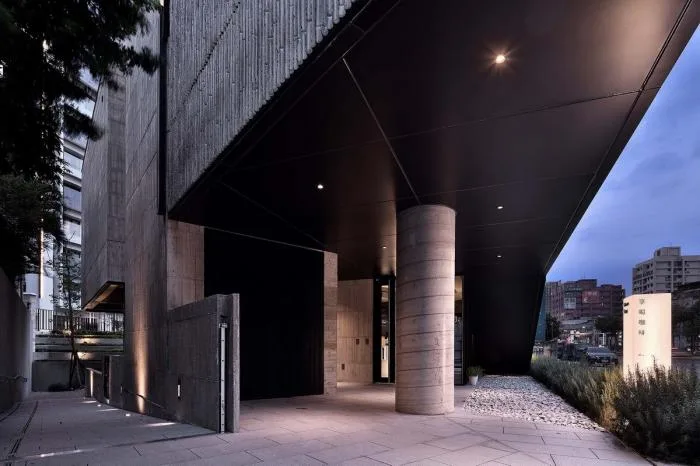
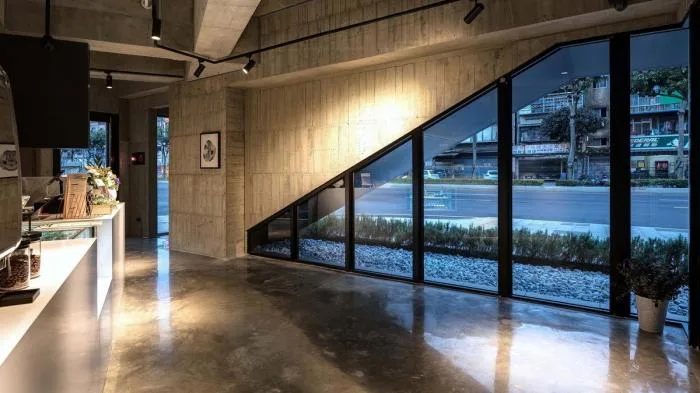
The primary construction material is cedar wood formwork, while the facade is clad with native bamboo sourced from Nantou, Taiwan. The cedar formwork walls, textured with bamboo patterns, enhance the architectural expression through the play of light and shadow. Above the main entrance, a corner metal mesh adds a poetic touch, creating a contrast yet harmony with the robust, plain concrete.
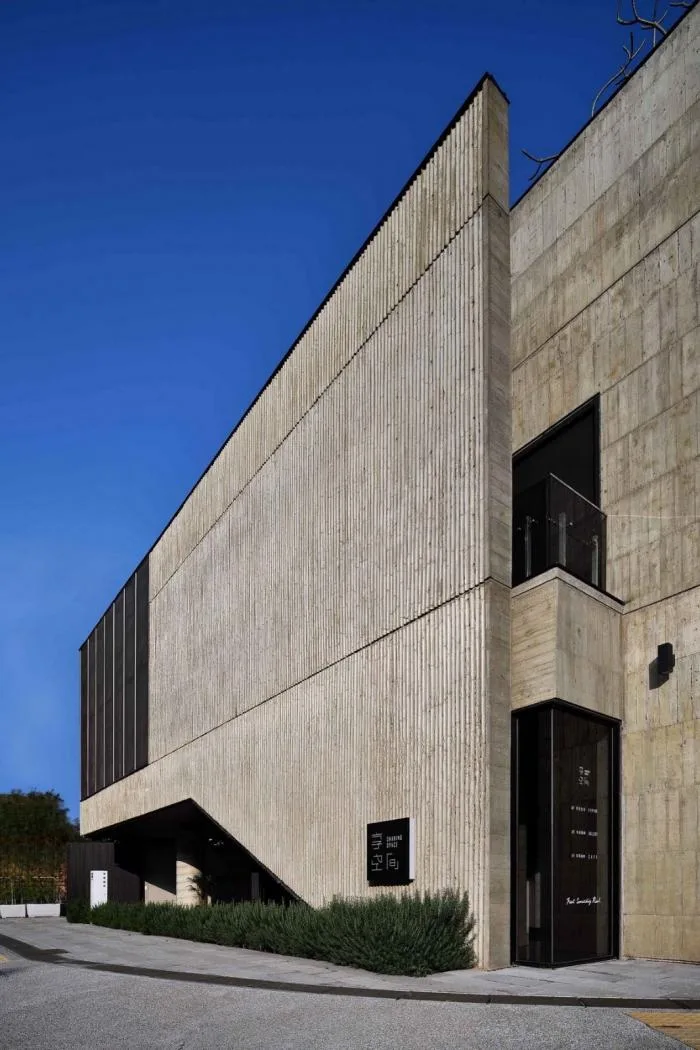
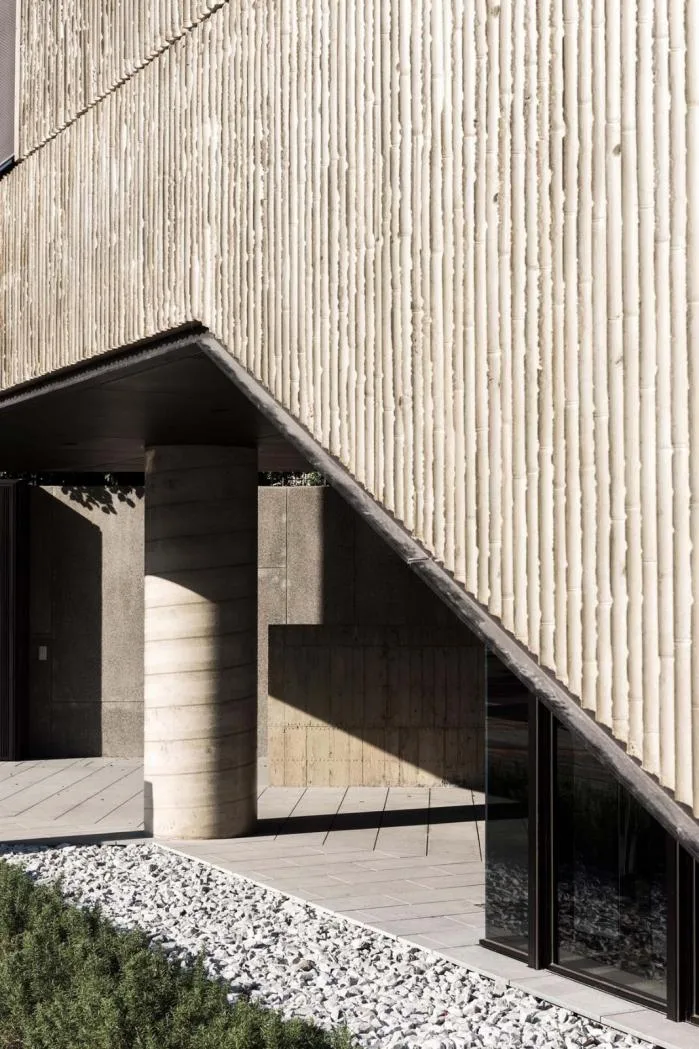
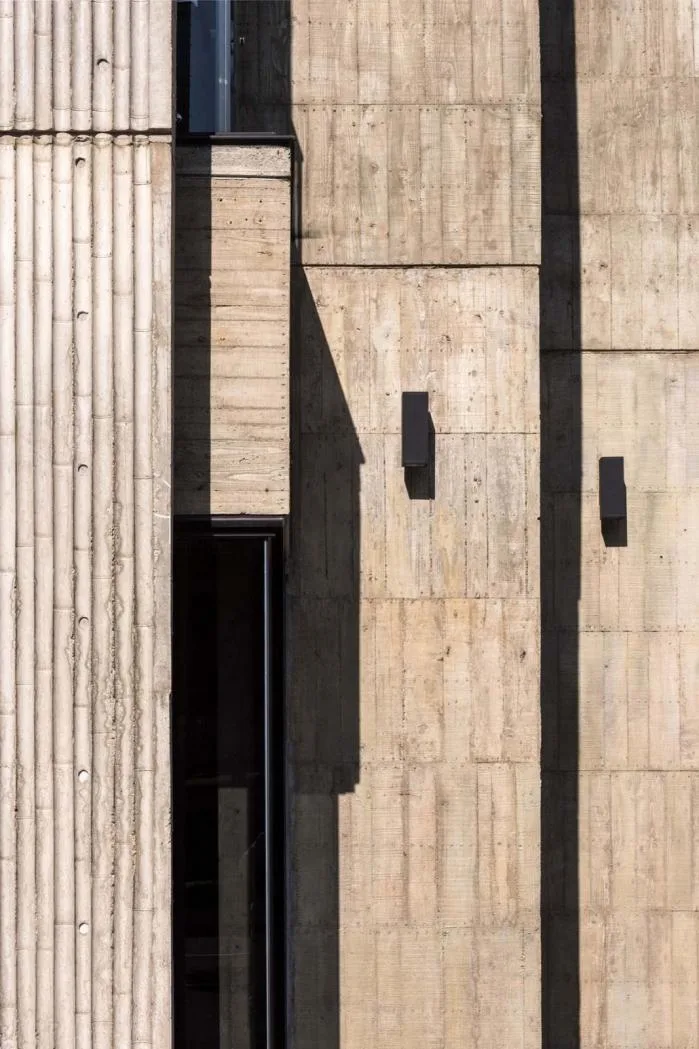
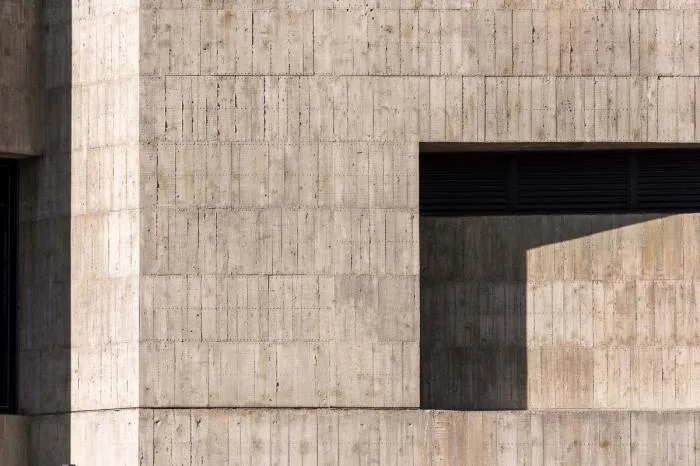
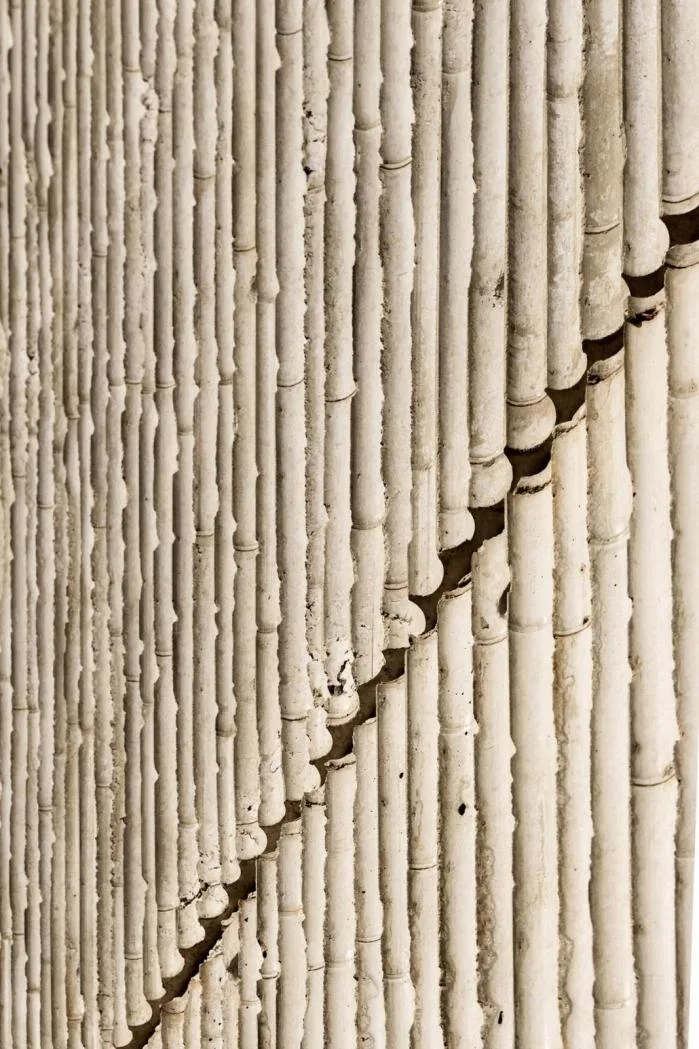
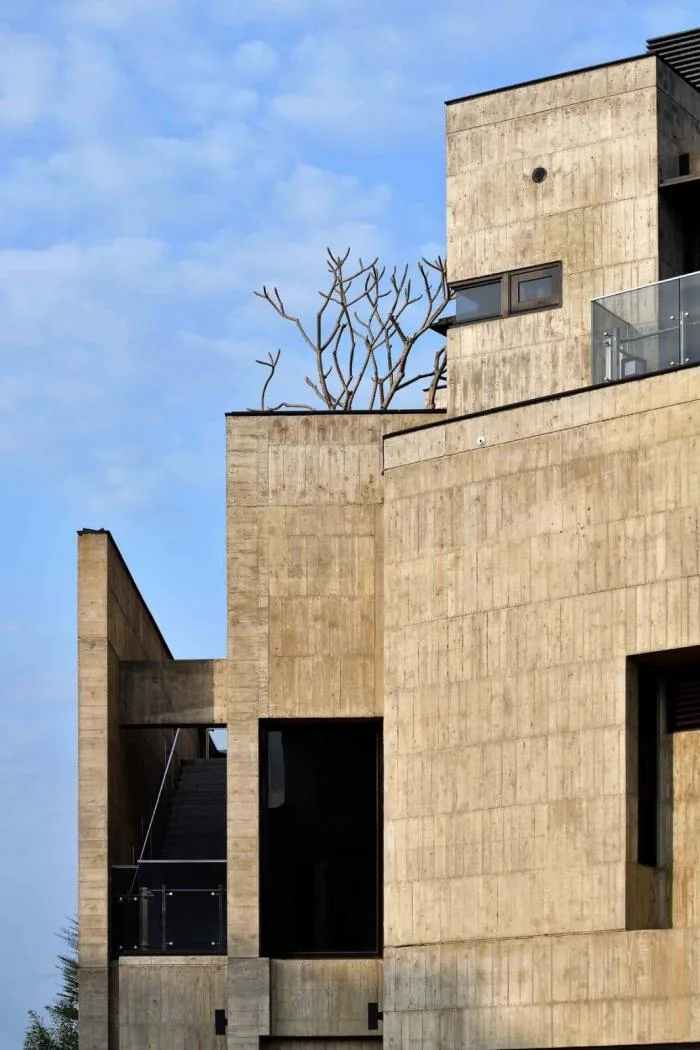
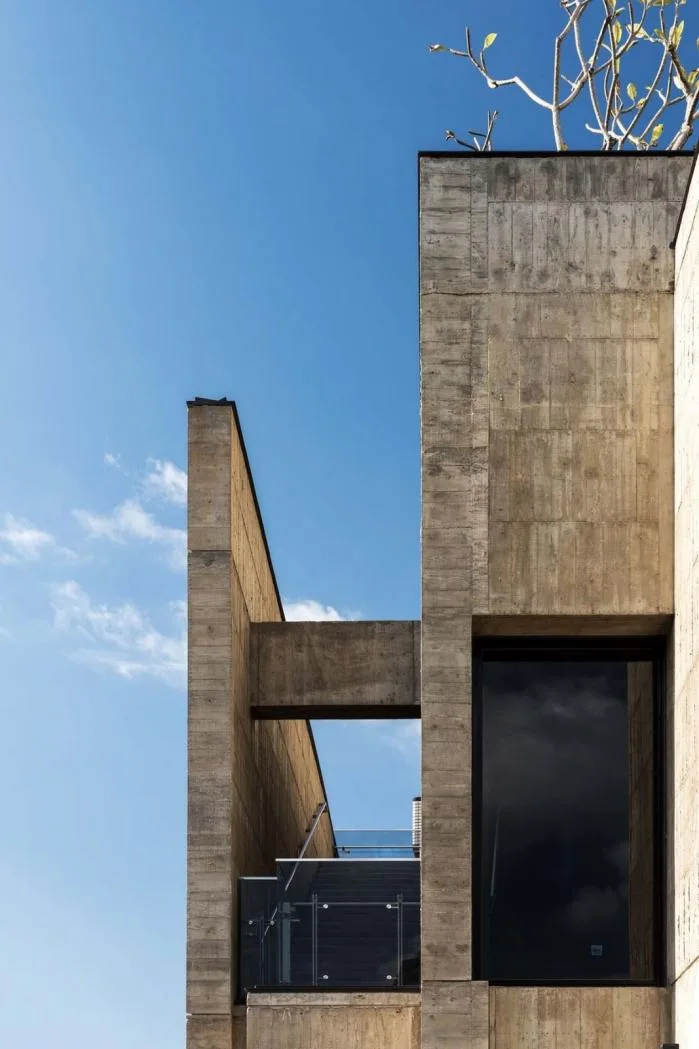
The design process intentionally minimizes the architect’s ego, seeking instead to discover the building’s most fitting form and appearance within the urban fabric and site context. The materials’ inherent qualities convey the building’s volume and facade composition, while natural light and shadow articulate the spatial hierarchy and narrative.
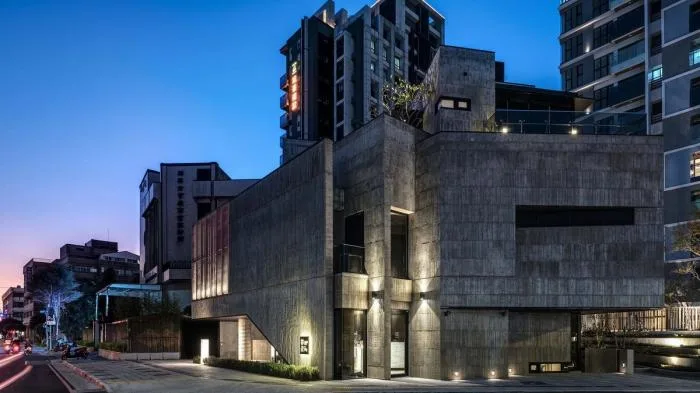
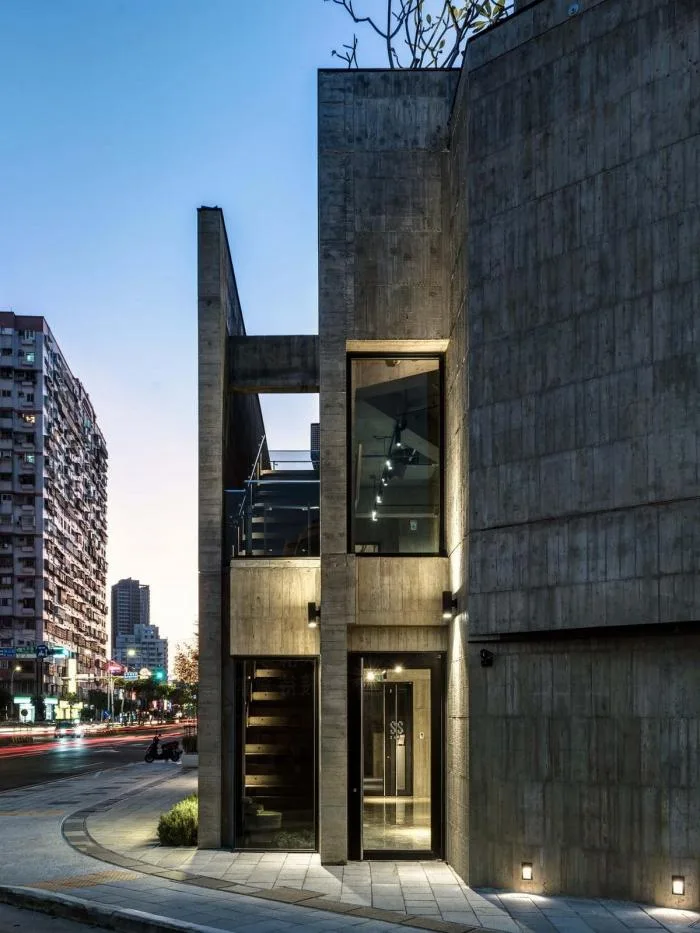
“Enjoying Space” aims to create a lasting, sustainable impact on its environment. It transcends being a mere object, embodying life actions, community values, and cultural identity. By observing local life, the project seeks to revitalize the satellite city’s cultural vitality and charm, focusing on “aesthetic living,” “cultural heritage,” and “local creation.”
Design Drawings
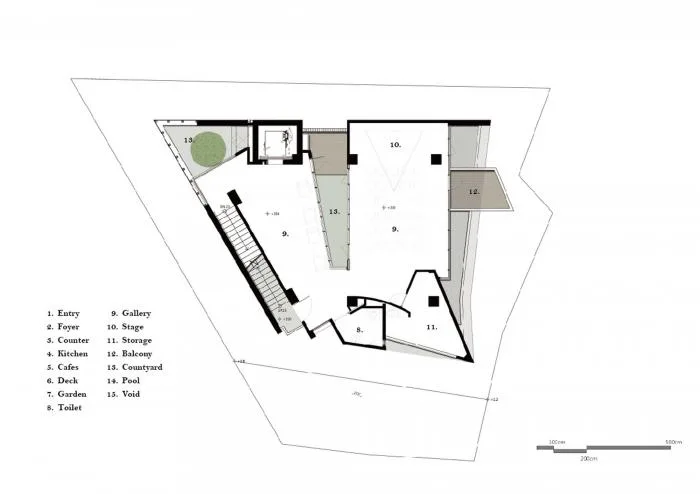
△ Second Floor Plan
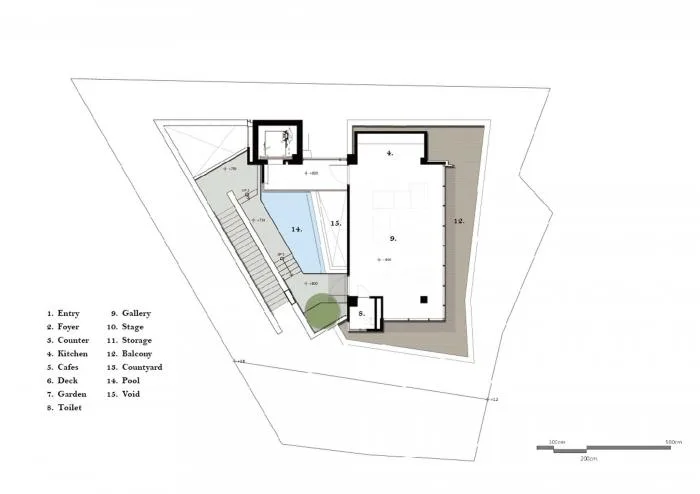
△ Third Floor Plan
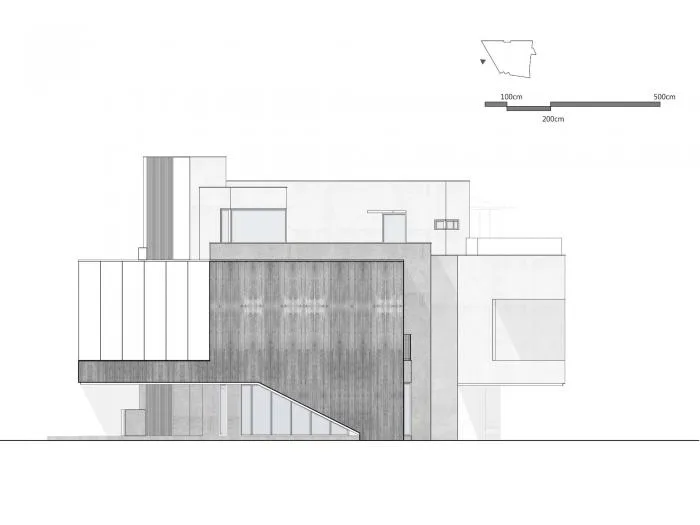
△ South Elevation
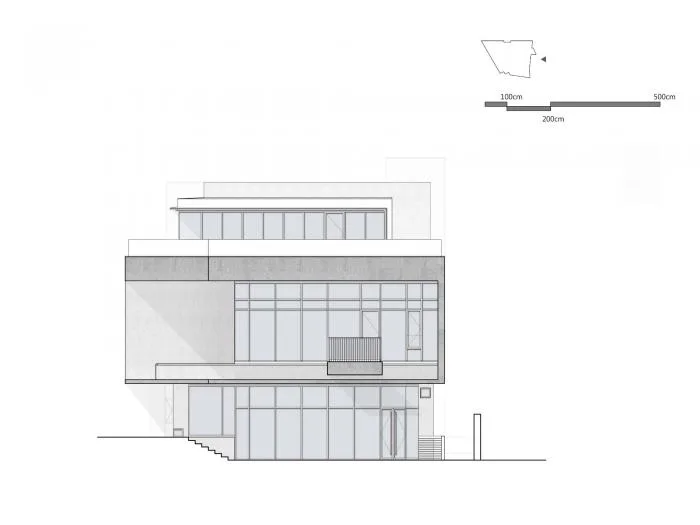
△ North Elevation
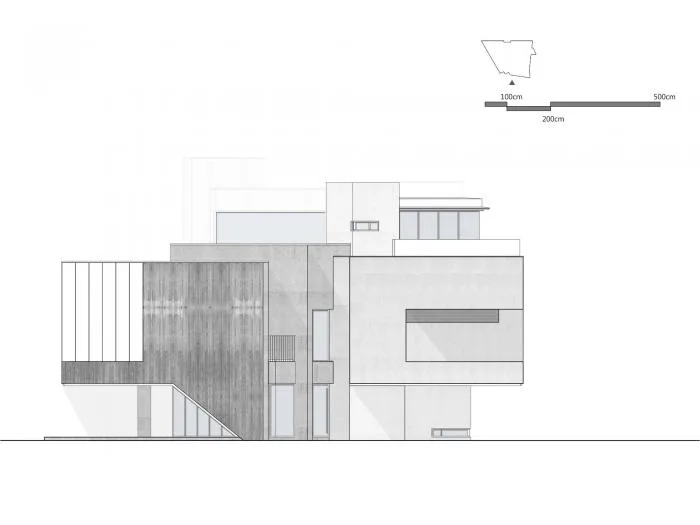
△ East Elevation
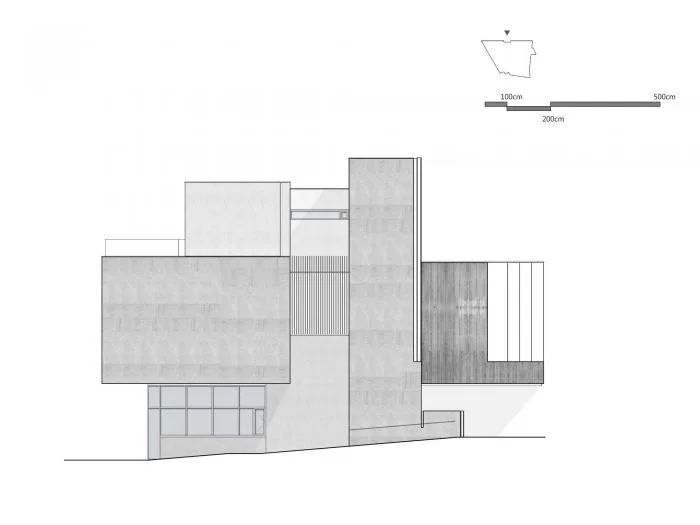
△ West Elevation
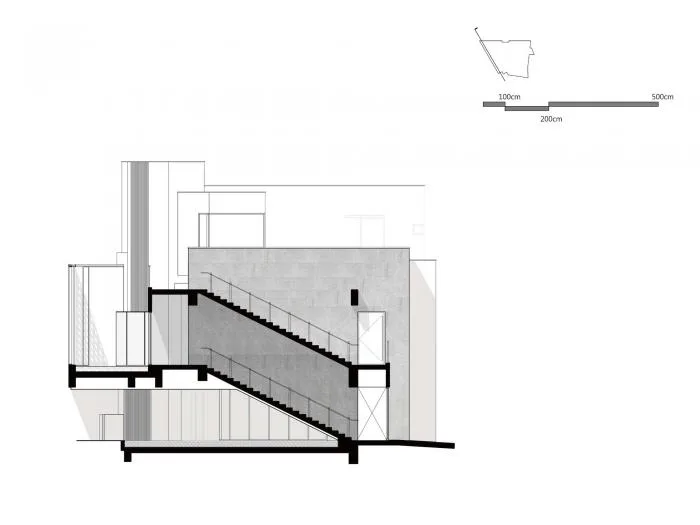
△ Section 1
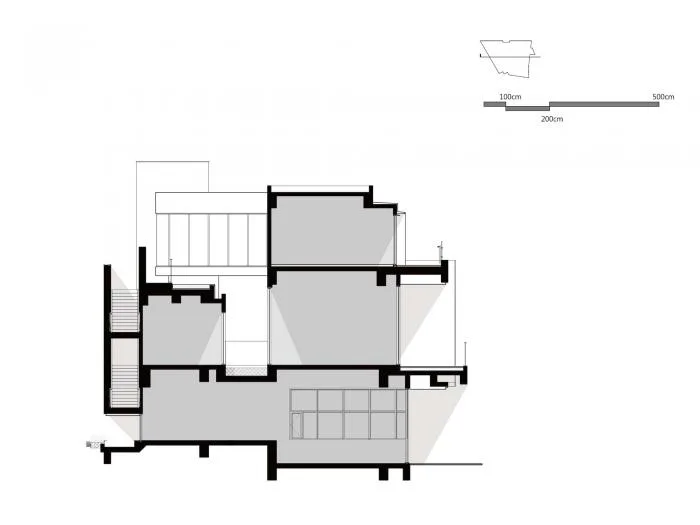
△ Section 2
Project Information
Project Type: Art Museum
Location: New Taipei City, Taiwan, China
Architectural Design: Metallurgical Casting Architecture + Design Workshop
Area: 417 m²
Year: 2020
Photographers: Huilang Photography, Jeffrey Cheng
Lead Architect: Yu Lianquan
Team Members: Lin Yuxian, Zhang Yuanzheng, Jiang Bingrui, Lu Chenghui, Huang Yushan, Ge Manwei, Lin Guanzhen, Weng Yuhan
Owner: Changqun Building












Must log in before commenting!
Sign Up