
Preface
This project is situated on East Fourth Ring Road in Beijing’s Chaoyang District. It features a high-rise old apartment with east-facing windows, offering expansive views and excellent natural light.
The owner is a bright and charming single woman born in the 1990s, with neat short hair, clean attire, and clear, expressive eyes.
During the interview, despite the chaotic surroundings, she stood out distinctly. Before deep conversations began, it was easy to intuit the kind of space she desired.
Sometimes, a person’s aura subtly communicates a message – true harmony emerges only when the temperament of the individual aligns with that of the space.
Our professional ethics drove us to attentively understand every need of the homeowner. She mentioned that although the apartment is small, creating a sense of spaciousness is vital. Key requirements include a large bookshelf in the living room and a bathtub in the bathroom without a shower. Occasionally, relatives and friends visit and may stay overnight, so a simple, foldable guest bed is also necessary.
Taking into account the owner’s needs and the conditions on-site, we initially identified the main issues in each functional area prior to renovation.
Before Renovation
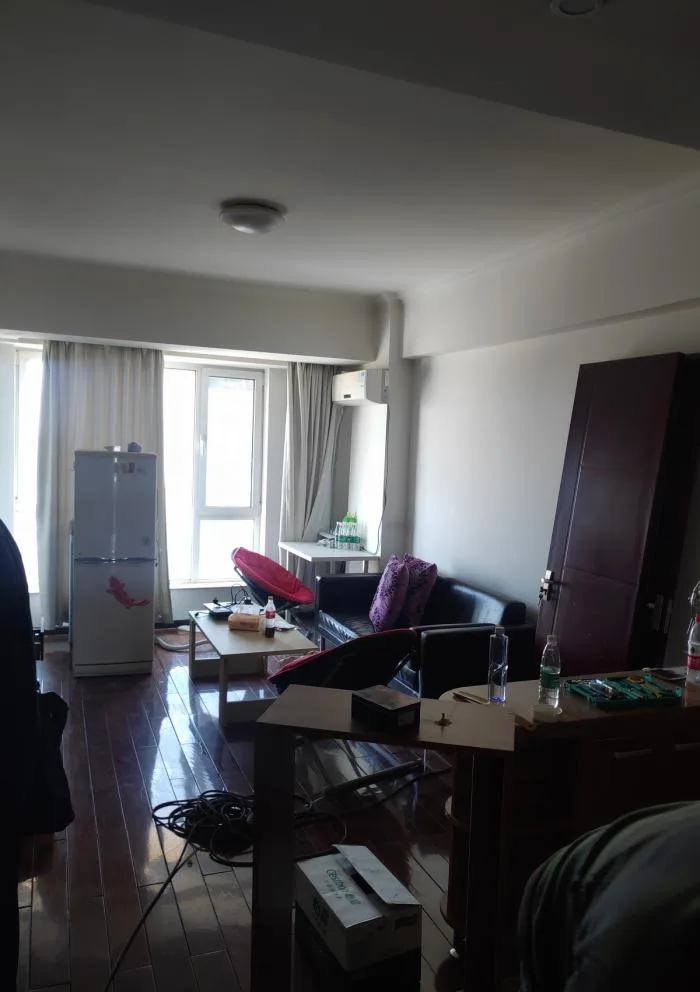
Living Room
The living room lacked storage cabinets, with items scattered randomly. The original décor was unattractive, featuring dark color tones and outdated facilities.
Kitchen
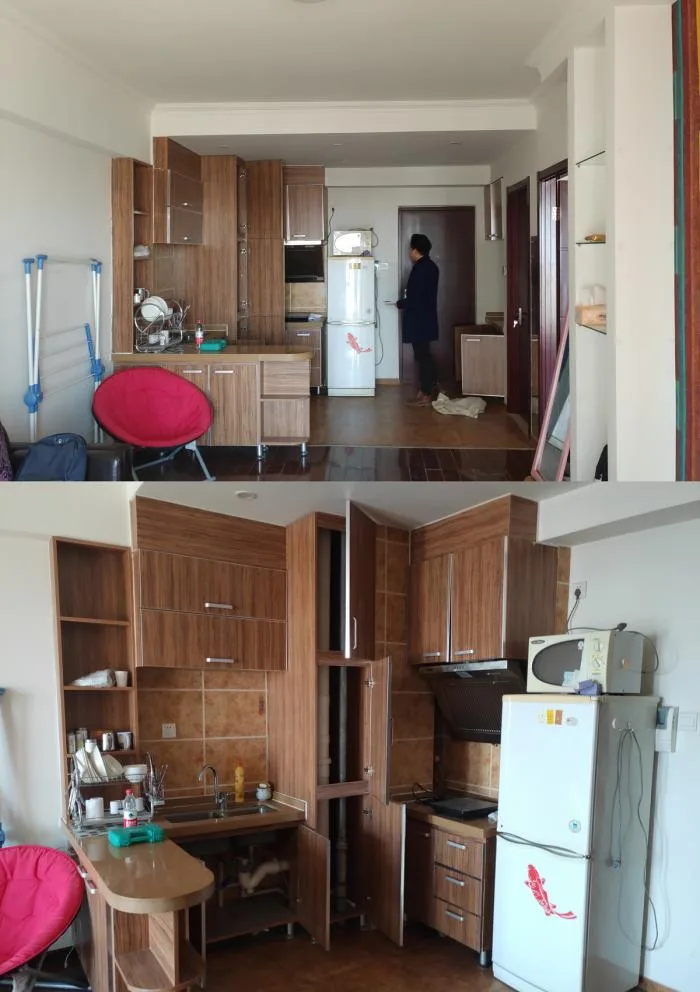
The kitchen connected directly to the entrance area, positioned opposite the shoe cabinet and bathroom, resulting in unclear boundaries. The flow between movement and cleanliness was ambiguous, creating an awkward sensation when having to pass through the kitchen to reach the living room. Its exposure also disrupted the overall order of the space.
Bedroom
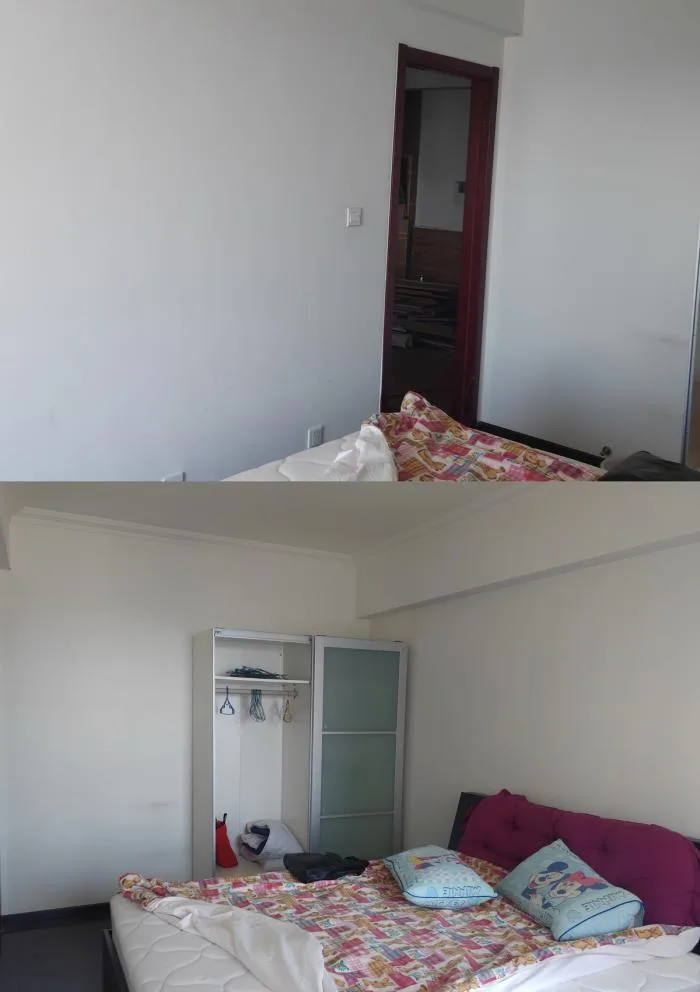
The bedroom door faced directly towards the side of the wardrobe, which not only restricted sight lines but also limited the wardrobe’s expansion, resulting in insufficient storage.
Bathroom
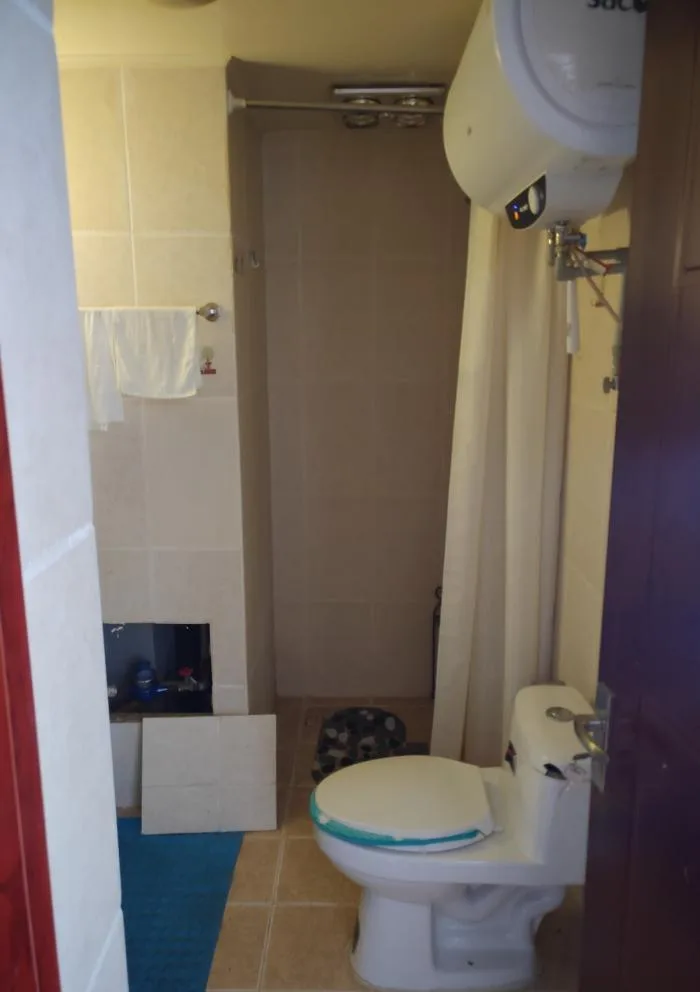
The bathroom was already cramped, and the entrance shoe cabinet made it feel even more confined. The layout was inefficient, with a horizontal toilet placed inconveniently near the entrance, disrupting smooth traffic flow. A water heater hung overhead, creating a claustrophobic effect. Multiple walls and corners squeezed the space, concealing dirt and grime in hard-to-clean areas. Storage was poorly designed, leaving items scattered. The limited space made fitting a bathtub impossible.
However, these were not the only challenges. To maximize space and align with the owner’s personality, we sought her approval for a detailed questionnaire. It gathered basic property information, her values, quantities of books and shoes, body measurement data for ergonomic design, preferences, and more. Using this data and our analysis, we developed comprehensive design plans covering spatial ambiance, functional layout, color schemes, materials, mechanical and electrical systems, lighting, storage, ergonomics, and smart systems.
Ultimately, we completed the renovation within a highly cost-effective budget.
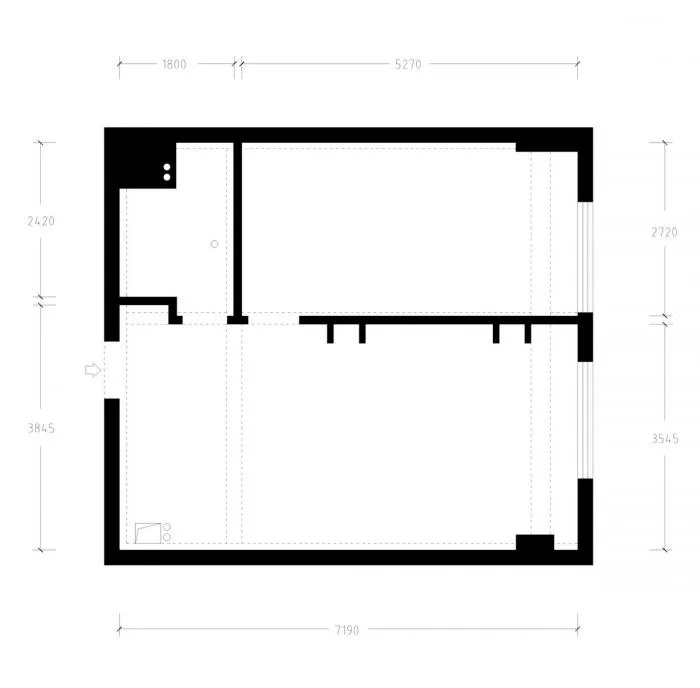
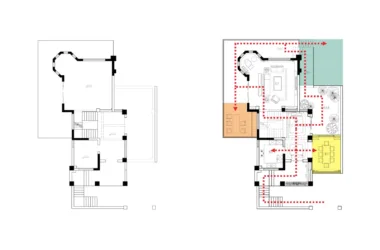
△ Floor plan before renovation
After Renovation
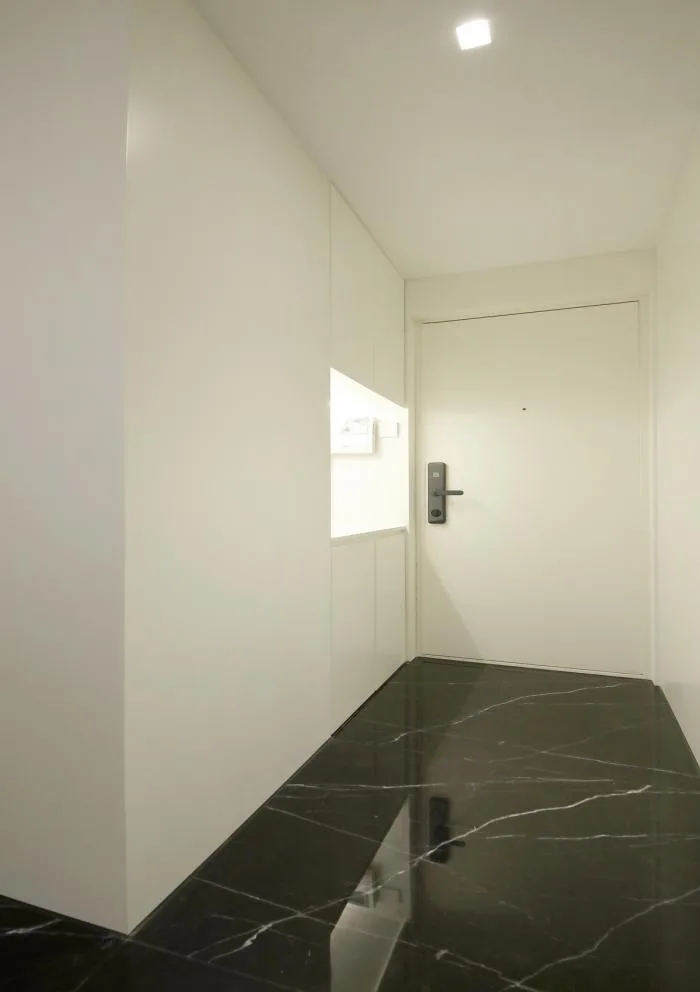
Entrance Hall
Building on the original structure, we added a foyer to separate the kitchen from the bathroom, effectively resolving the previous ambiguity in the dirty area boundaries.
Living Room
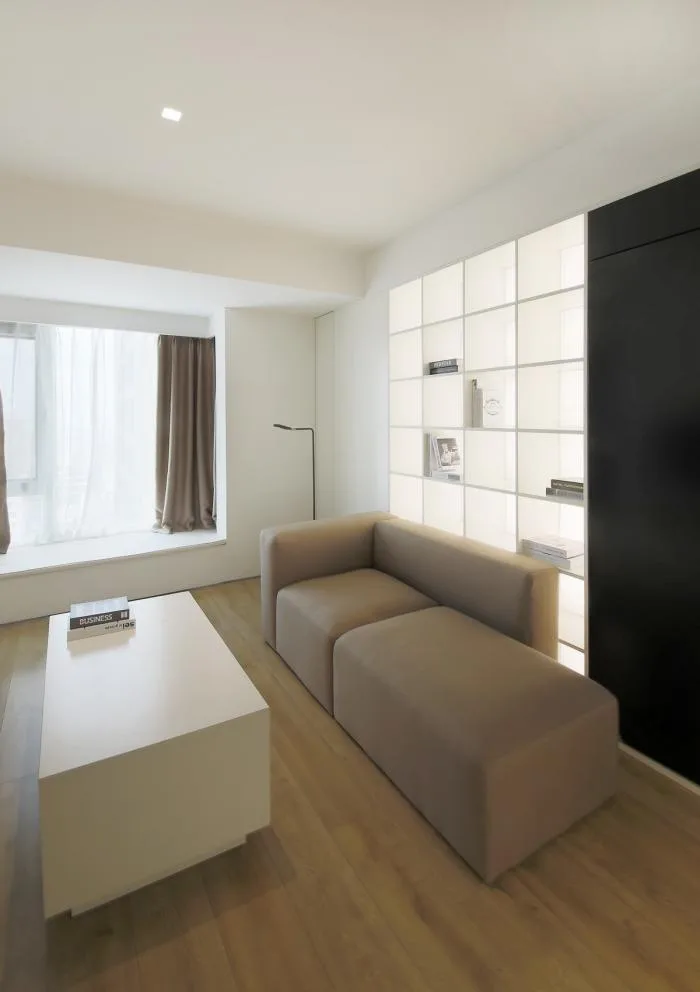
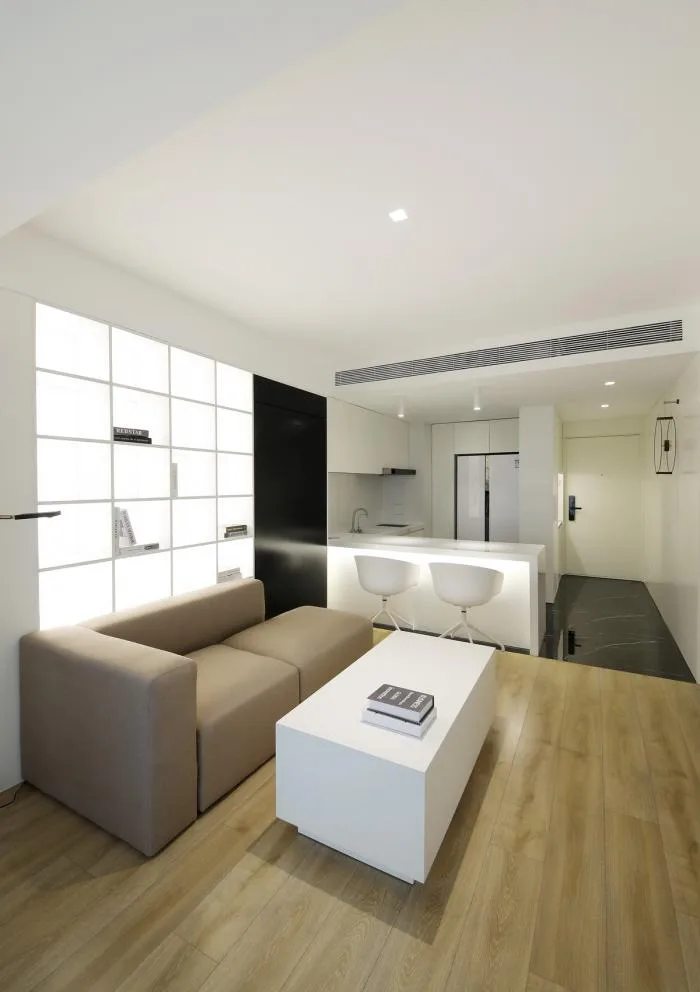
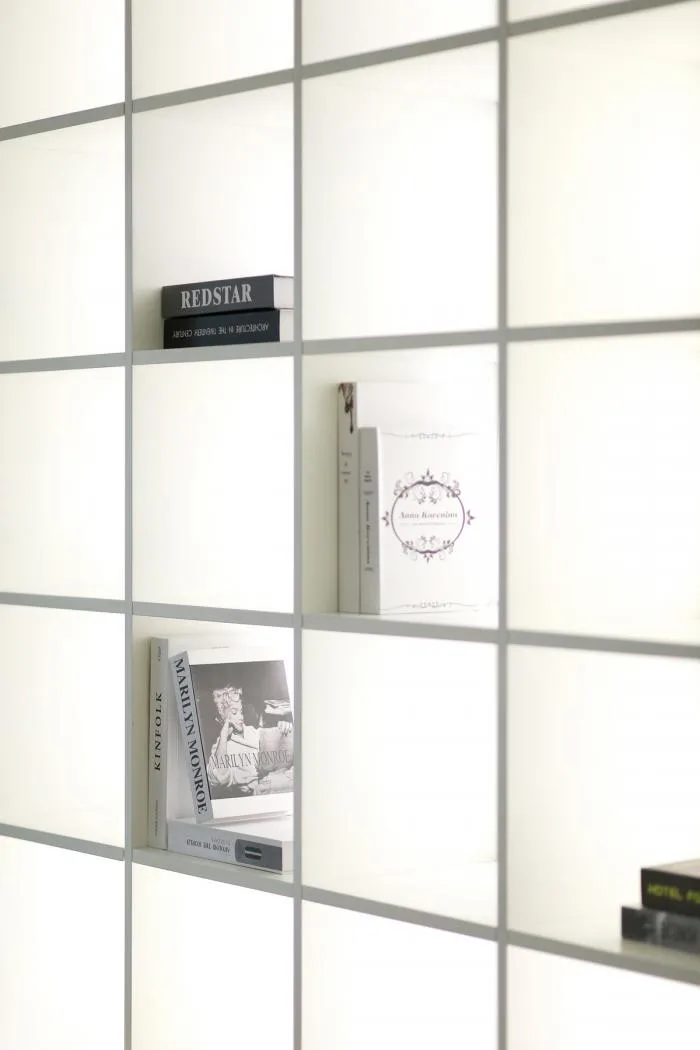
Stylish backlit bookshelves address the owner’s desire for ample book storage. The space is brightened and expanded by large areas of light colors.
The owner mentioned that relatives and friends occasionally stay overnight, so a simple, foldable guest bed was essential. The black wall-mounted murphy bed meets this need by providing extra sleeping space without taking up floor area. Additionally, the wall panel doubles as a magnetic blackboard, perfect for doodling, photo displays, or when guests arrive, it can unfold to create a cozy corner sofa with the existing couch.
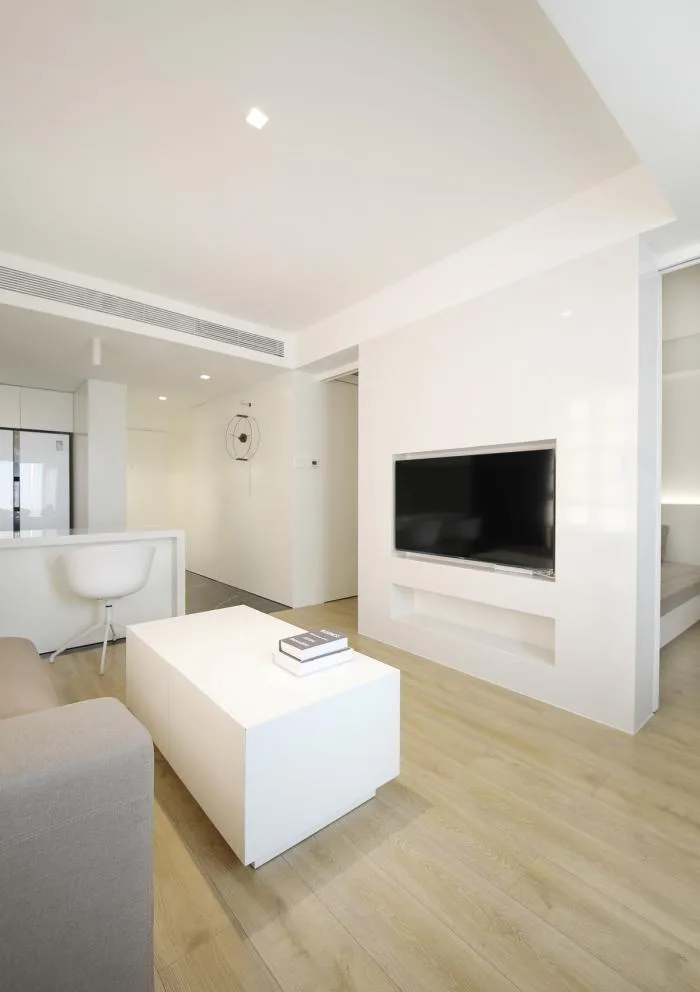
The kitchen ceiling houses the air conditioning exhaust system, maximizing ceiling height and preserving the openness of the living room.
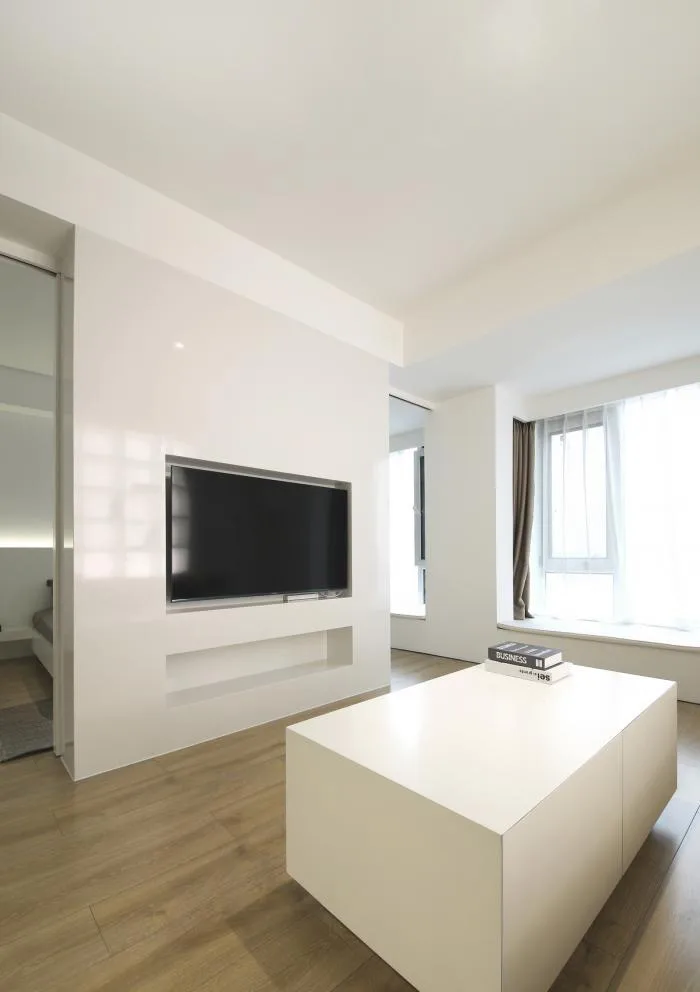
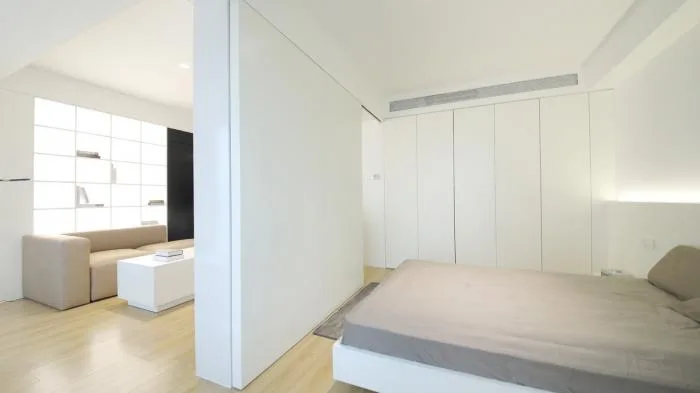
Double sliding doors in the bedroom ensure privacy while allowing the space to feel open when desired. These doors also slide to reveal the storage behind the TV wall. Although the original design intended for an invisible sliding rail, exposed beams prevented lowering the ceiling. Prioritizing comfort over aesthetics, we chose a visible rail only a few centimeters wide.
The coffee table was designed with two large drawers to enhance storage capacity further.
Kitchen
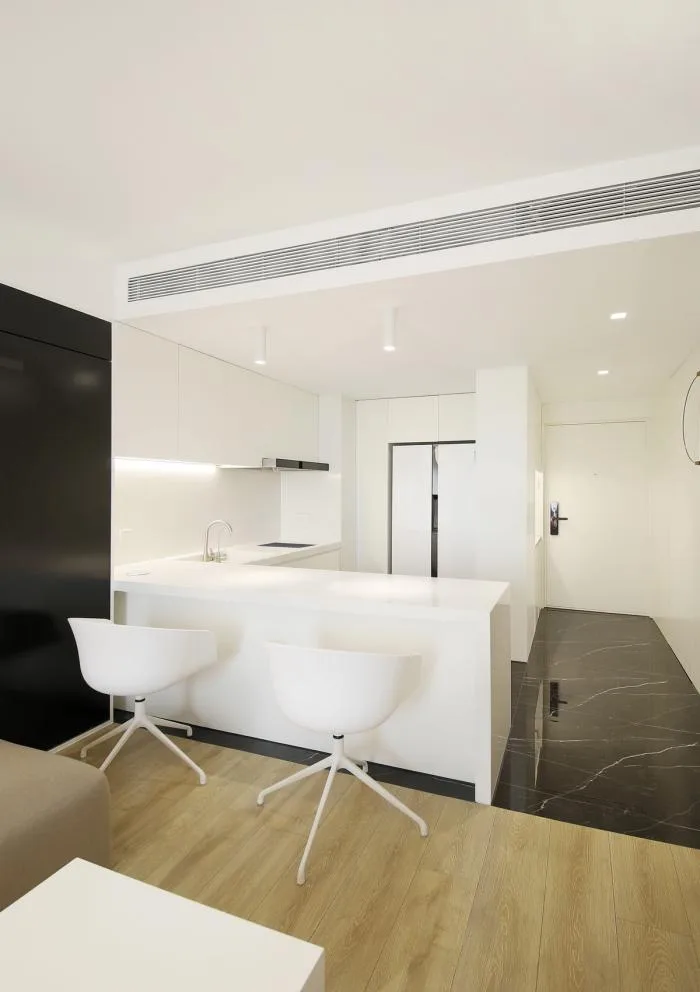
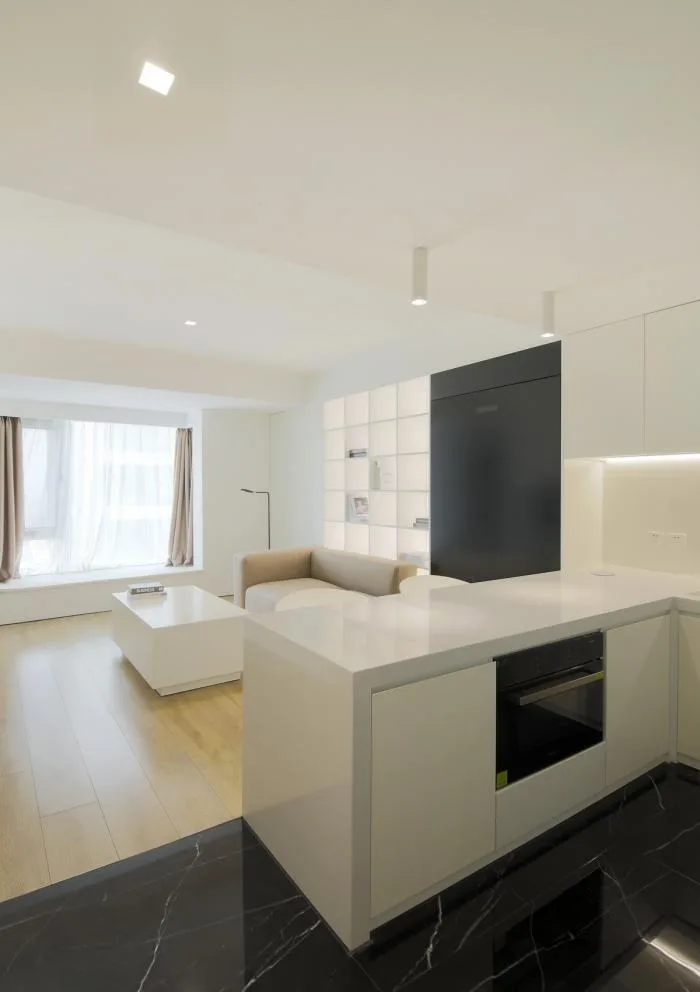
Half of the shoe cabinet was converted into a standing cabinet, enhancing storage while blocking the bathroom door. The bathroom door was designed as a concealed door, softening the visual conflict between the kitchen and bathroom.
A bar counter was added, solving dining needs and introducing new lifestyle possibilities within the space.
Bedroom
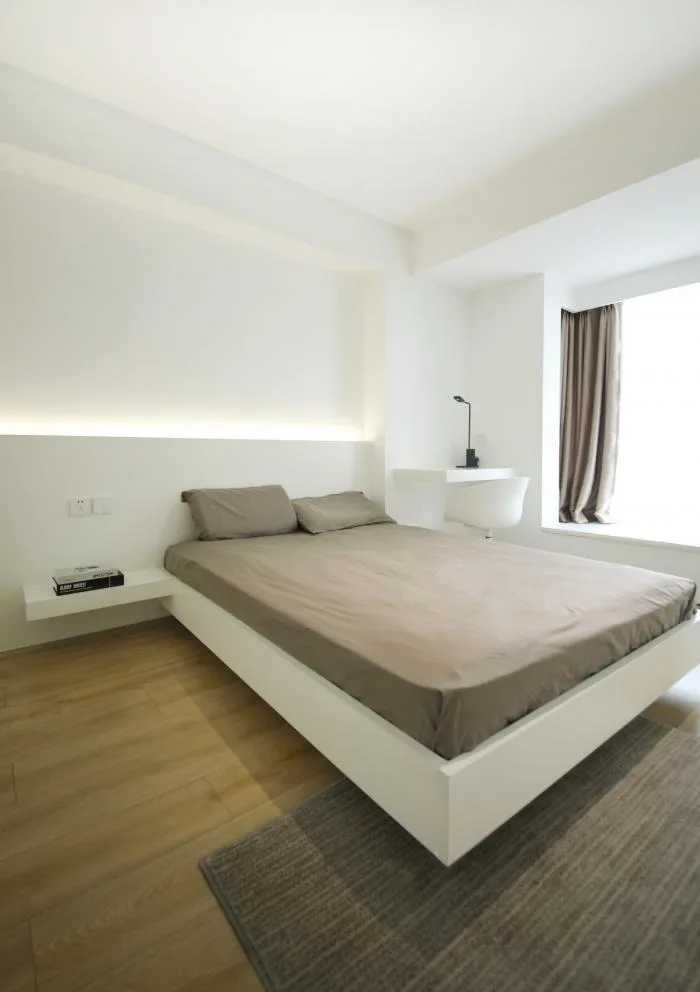
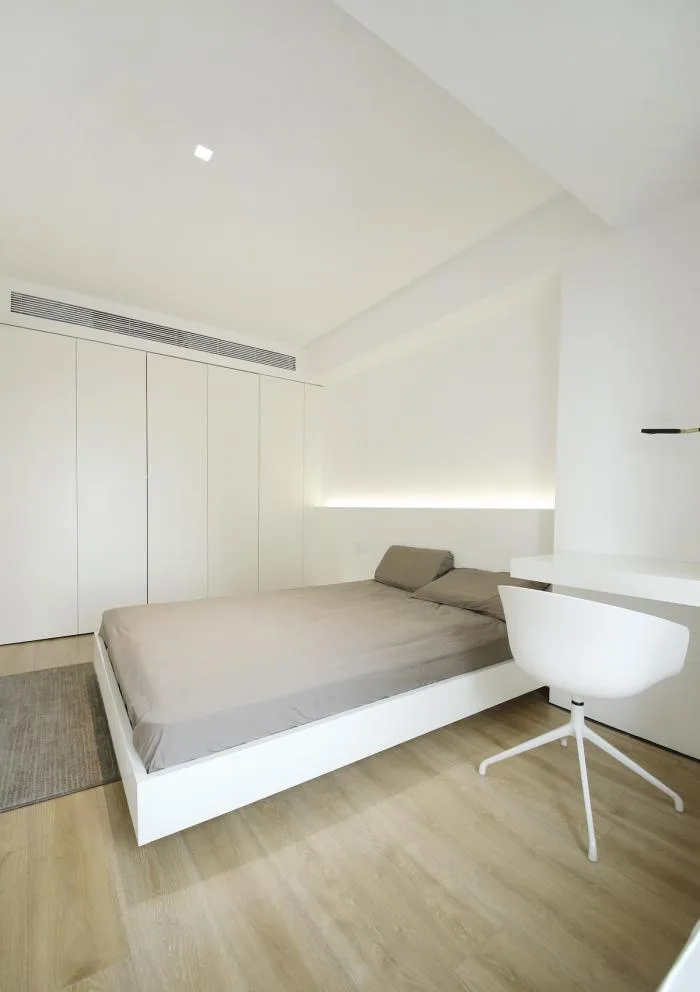
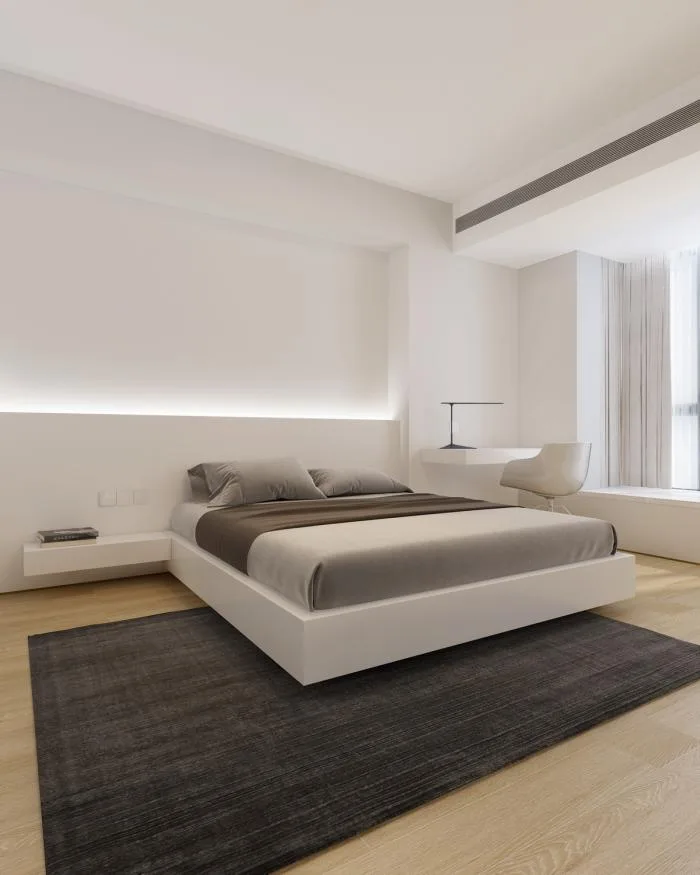
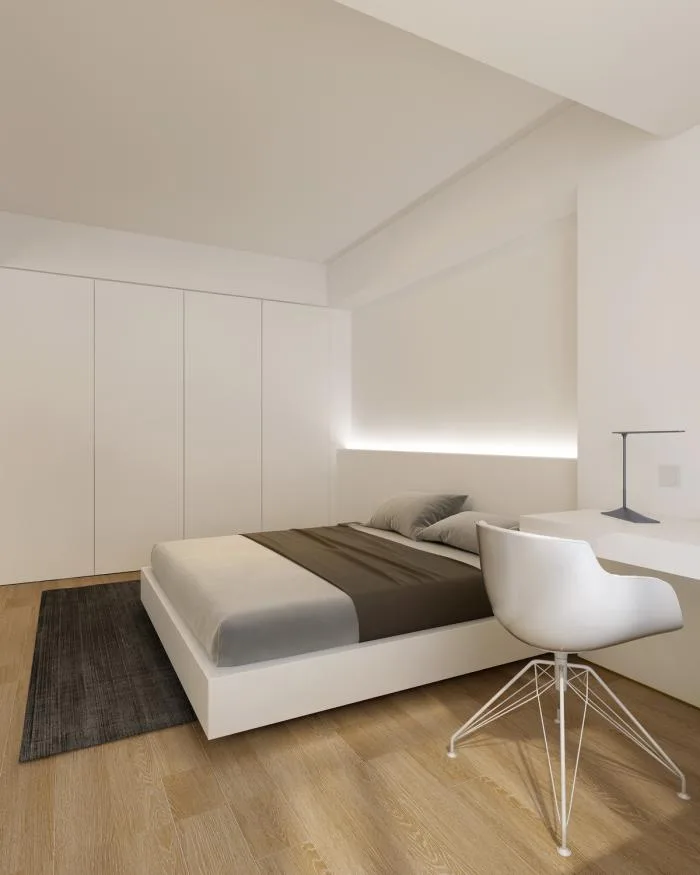
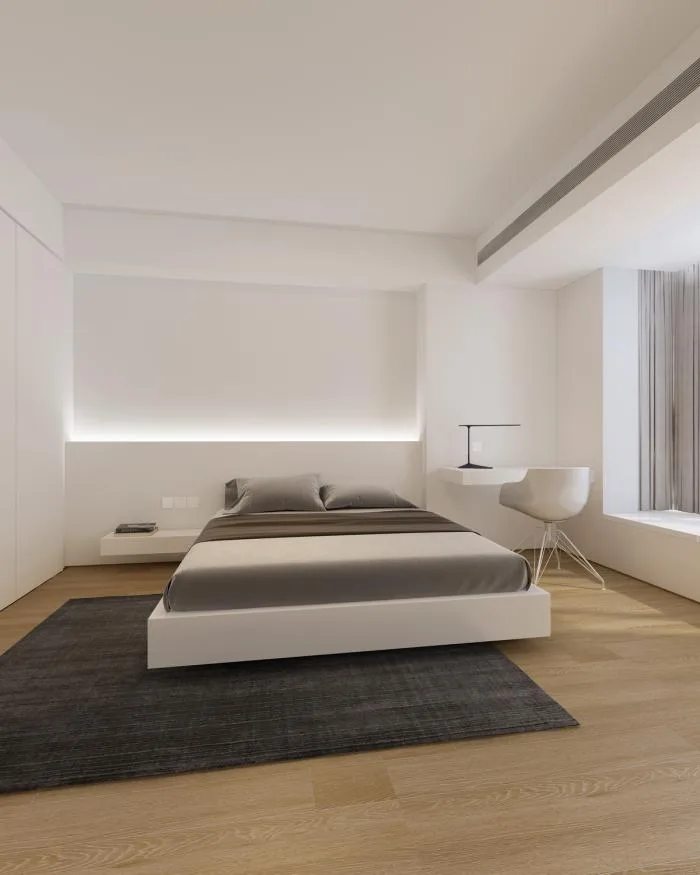
The suspended bed design increases spatial transparency and flexibility.
Relocating the bedroom door resolved the wardrobe expansion issue and made the wardrobe’s top more accessible. The space above the wardrobe was cleverly converted into an air conditioning vent, optimizing every inch.
Bedroom & Living Room
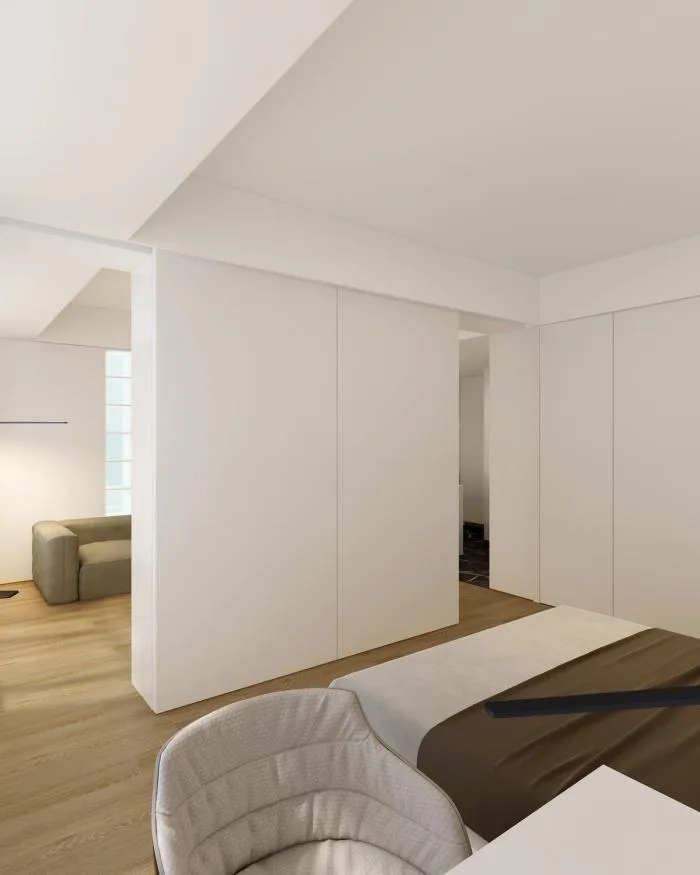
The bedroom and living room share an open space with wide views, forming a smooth, flexible flow full of character. A structural column between the living room bookshelf and floor lamp creates a gap utilized as additional storage. The bookshelf tops and wall bed tops, which are hard to reach, cleverly house the central air conditioning ducts, maximizing every inch of space.
Bathroom
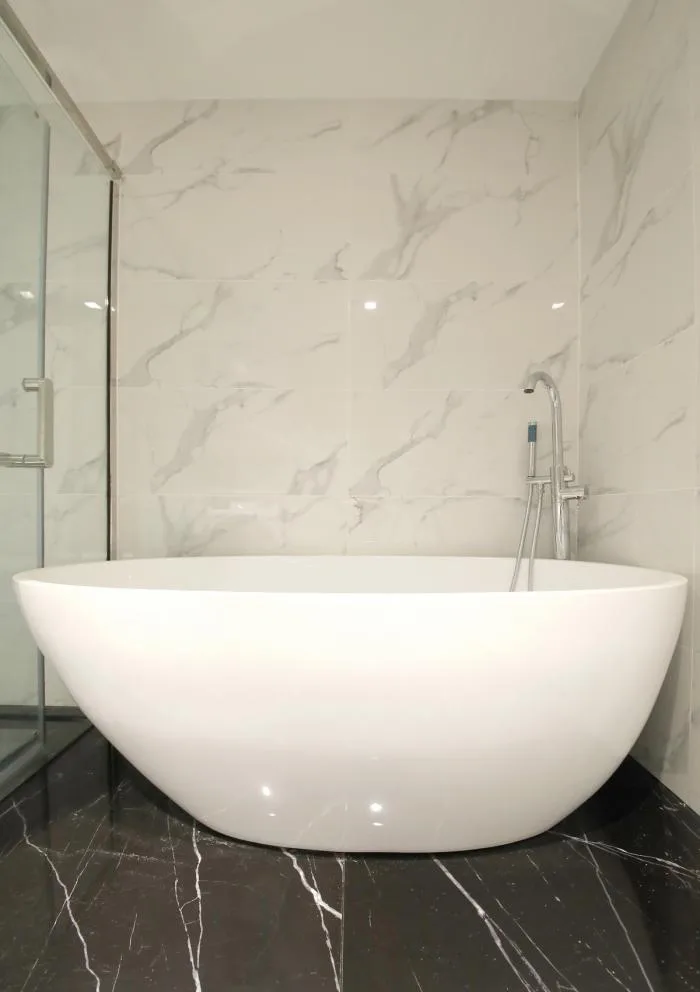
One of the homeowner’s key desires was a bathtub. While she was willing to forgo a shower if space was tight, we believed a bathtub was essential. Even without showering, the dry Beijing climate allows the bathroom to double as a drying room.
In the original layout, the bathroom was the main thoroughfare, making renovation challenging, but we committed to resolving it.
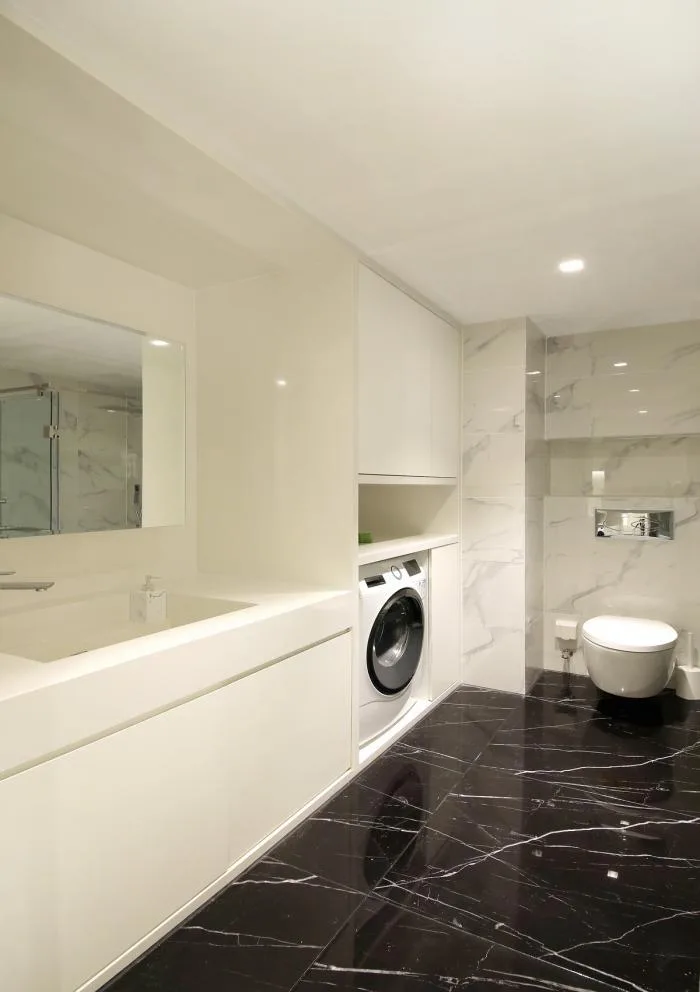
The bathroom features an artificial stone storage cabinet with waterproof doors, providing ample room for toiletries. The previously intrusive water heater above the door was concealed within a hanging cabinet, eliminating unsightly piping.
Bookshelf
To allow inspection of lighting fixtures behind the bookshelf’s translucent panels, each panel was custom-made as a separate, removable piece. Despite the complexity of this process, no compromises were made.
Every renovation project’s text and images can only reveal the surface. Many design and construction challenges, along with thoughtful considerations, remain unexpressed.
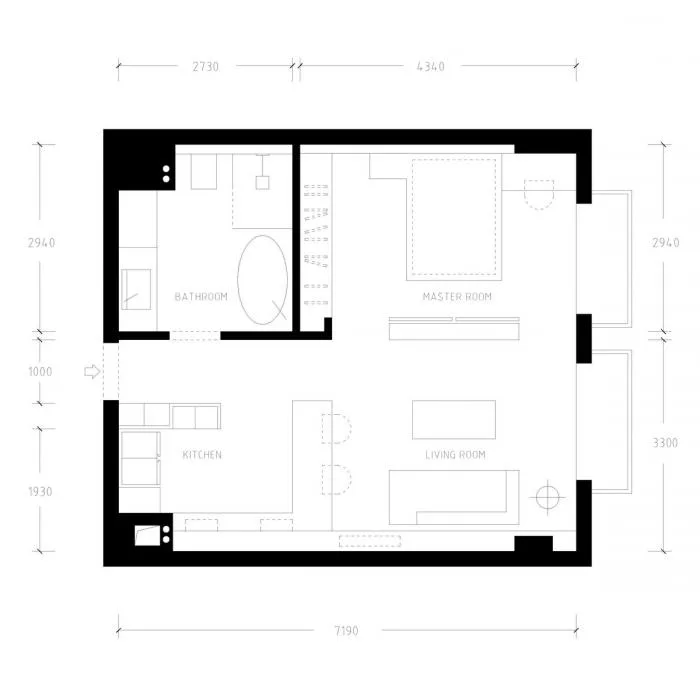
△ Floor plan after renovation
Mastering boundaries without losing detail is the essence of small space design. Having tolerance is vast, and having no desires is broad—this is the temperament inherent in small space design.
— Cai Hu / Nameless Creative Alliance
Renderings
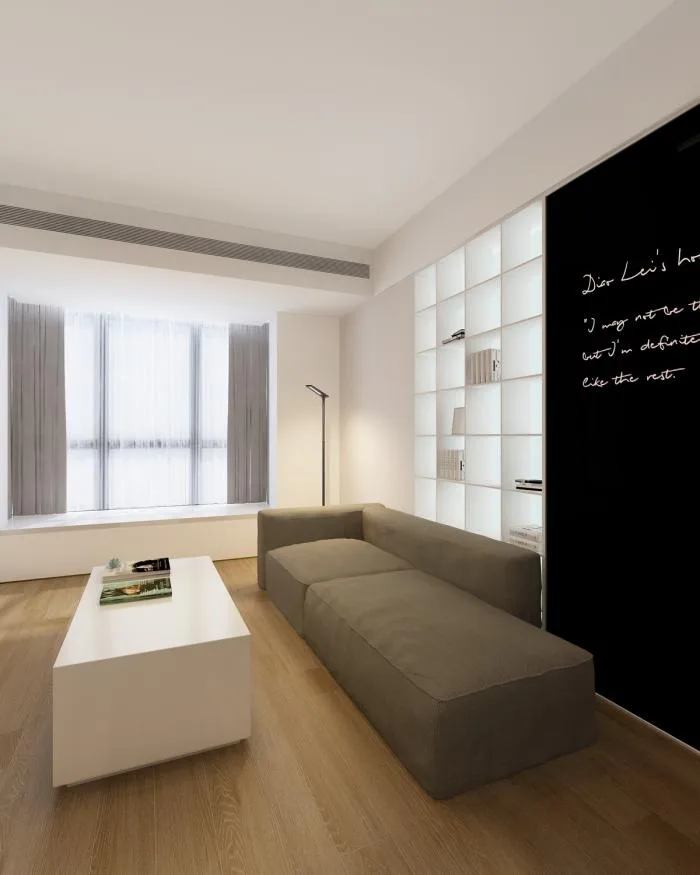
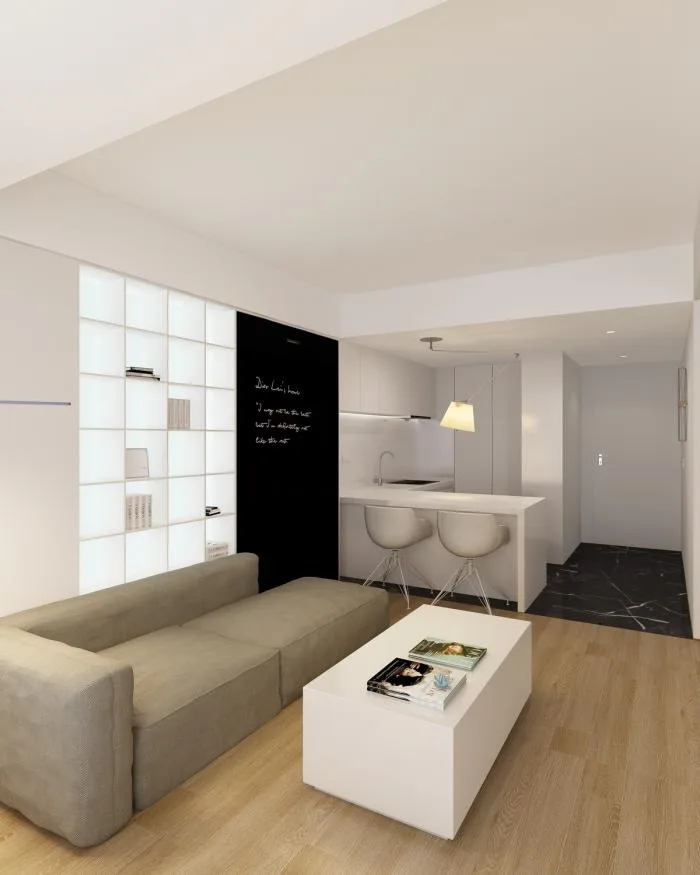
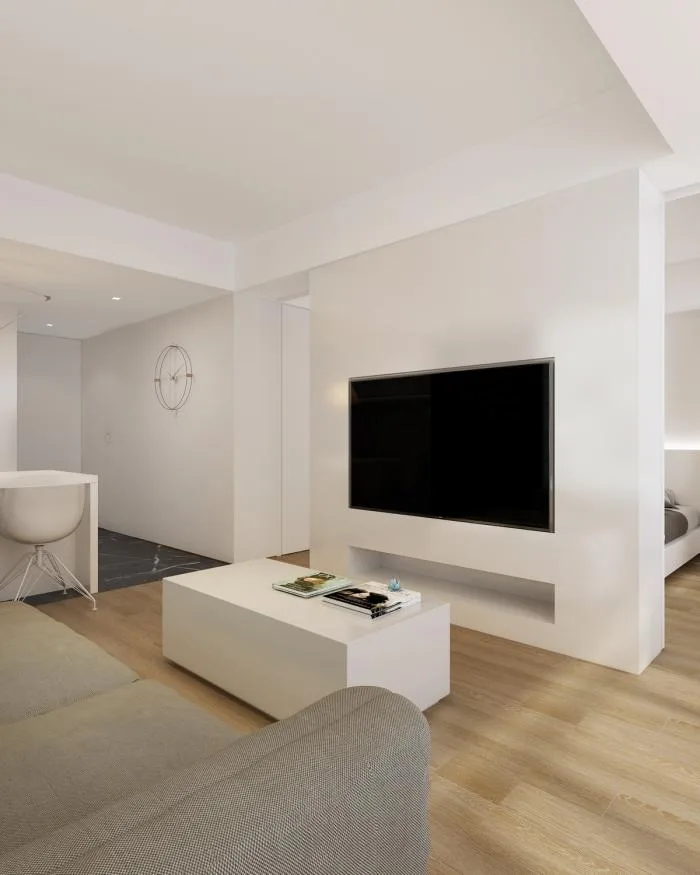
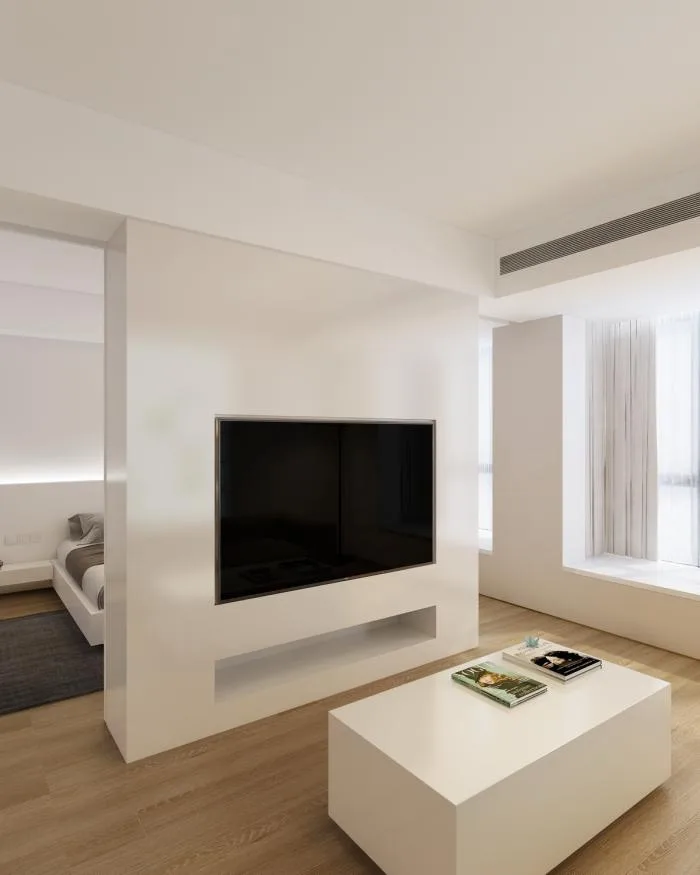
△ Living room
△ Bedroom
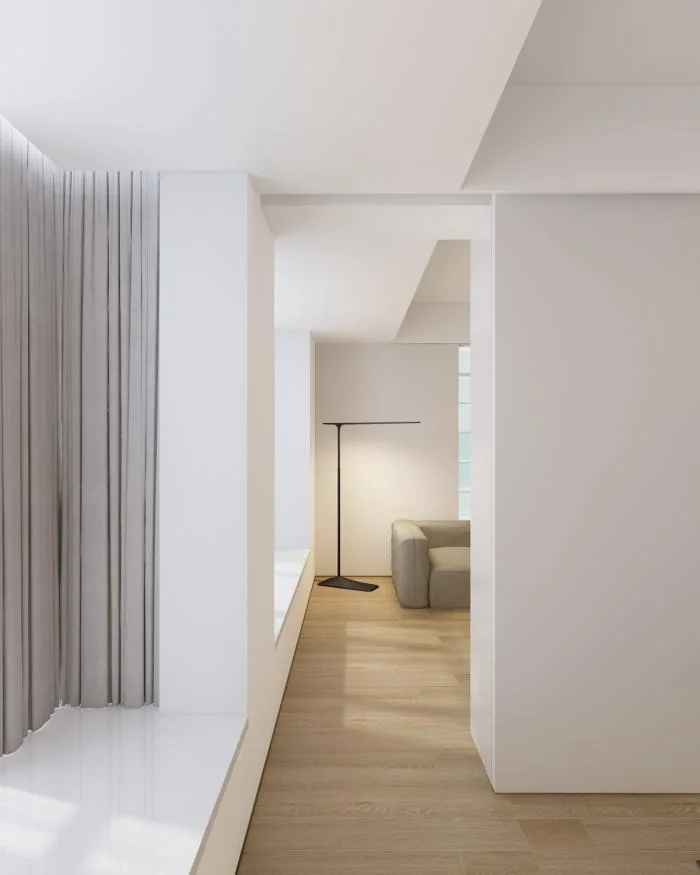
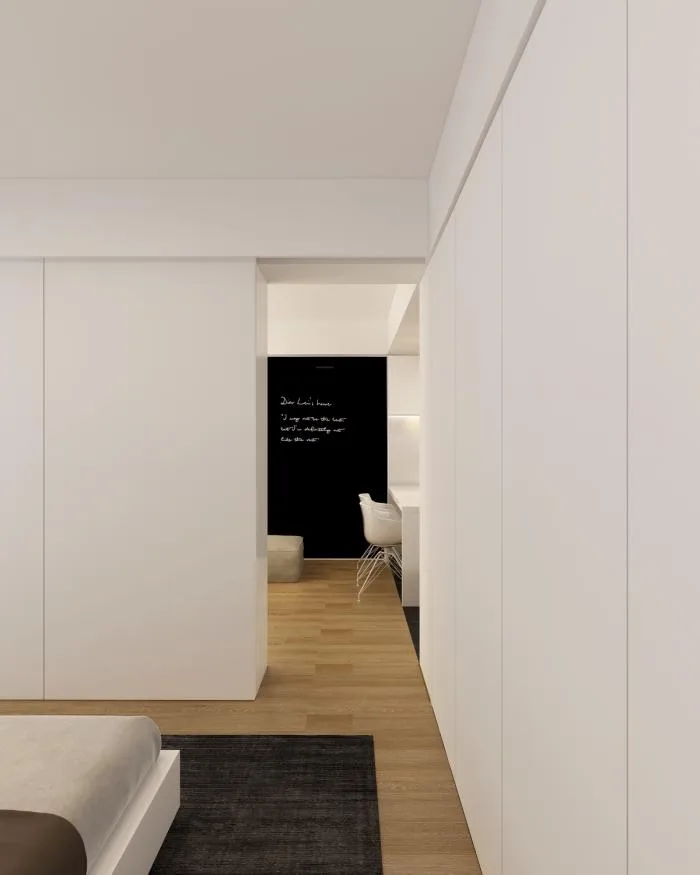
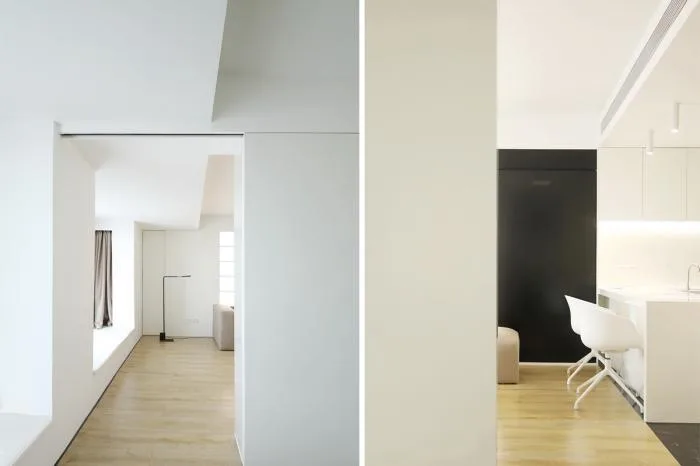
△ Connecting bedroom and dining room
Project Information
Project Name: Diao Lei’s Home
Location: Chaoyang District, Beijing
Indoor Area: 46 m²
Design Firm: Nameless Creative Alliance
Lead Designer: Cai Hu
Design Team: Wang Jun, Peng Ke, Wang Shilun
Construction: Taiyuan Dingfeng Home Furnishings













Must log in before commenting!
Sign Up