
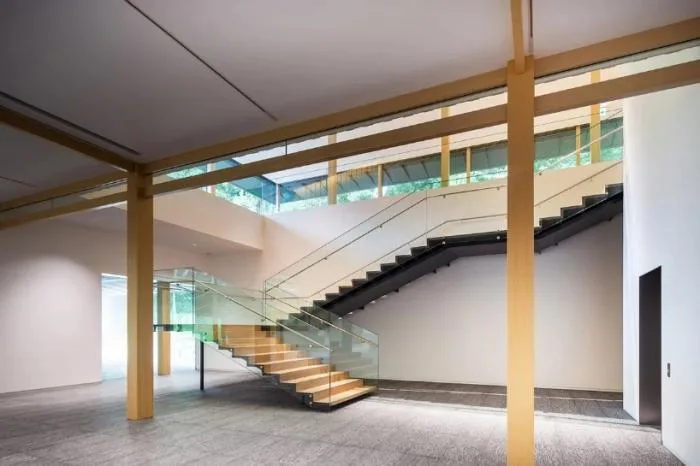
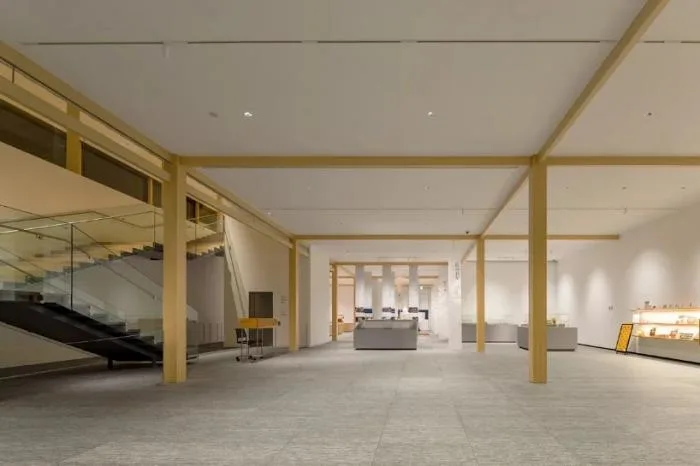
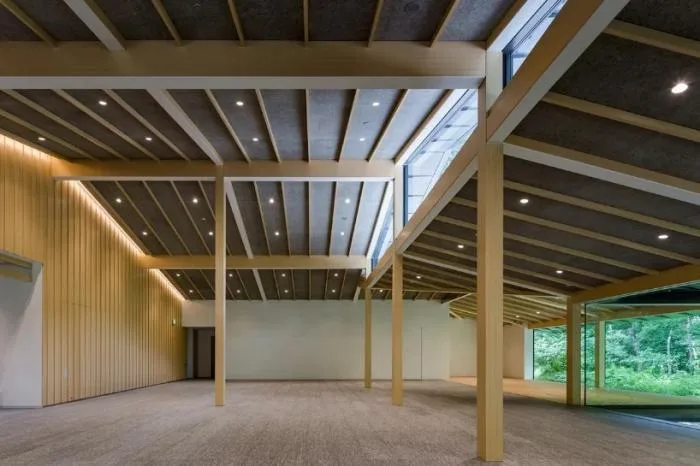
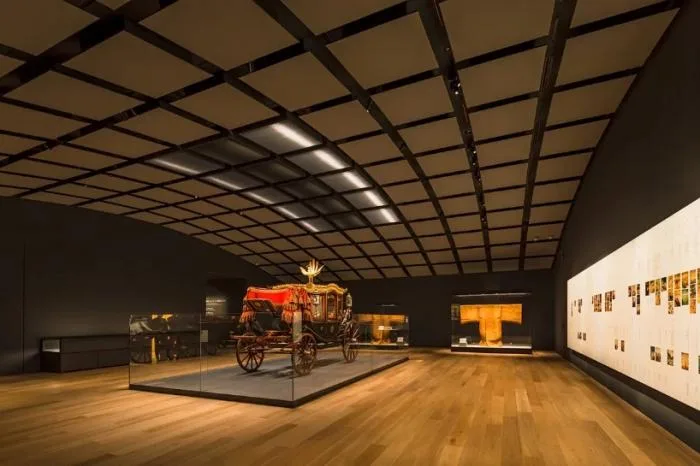
Kengo Kuma designed and completed a museum located on the path to Meiji Shrine, Japan’s largest shrine. Situated in Shibuya, Tokyo, the Meiji Shrine enshrines the deities of Emperor Meiji and his wife, Empress Shōken. This museum not only showcases the artistic treasures preserved within the shrine but also provides insight into the history of the shrine’s buildings and the expansive surrounding forest.
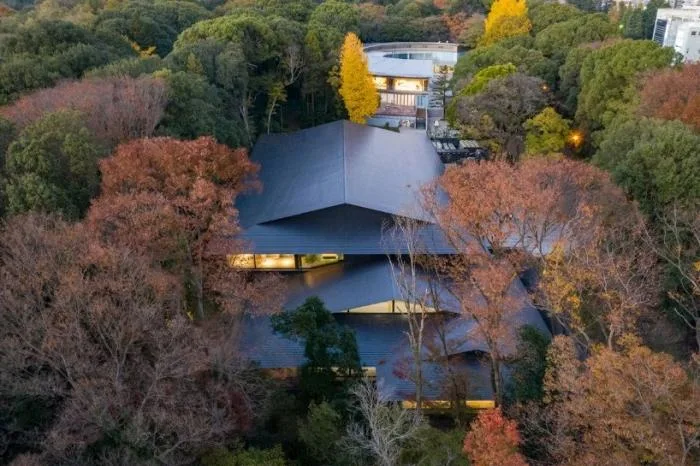
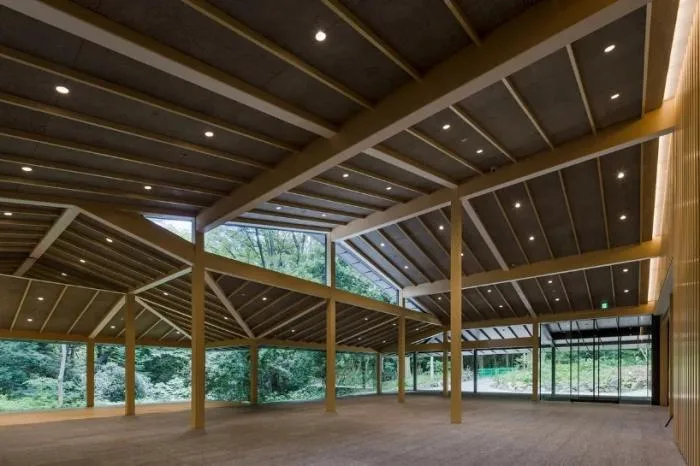
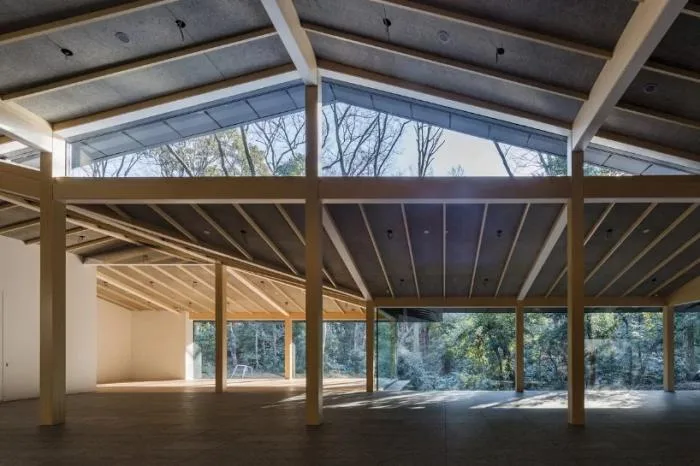
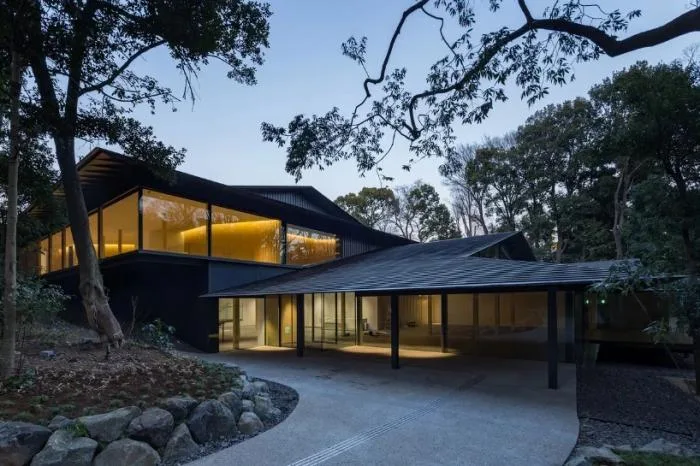
The architecture harmoniously integrates with the forest, emphasizing the significance of the land adjacent to the shrine. According to Kengo Kuma Architecture Urban Design Agency (KKAA), although the forest appears pristine at first glance, the site was once a plain. After Emperor Meiji’s death, volunteers gathered trees from across Japan and planted them here. Experts regard the remarkable growth of this forest over the past century as nothing short of a miracle.
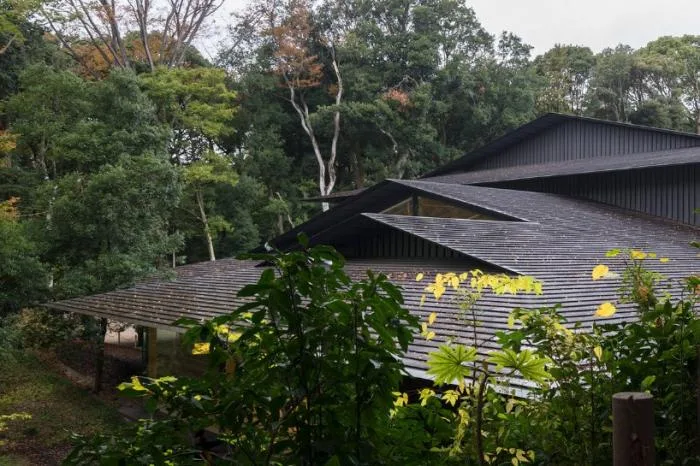
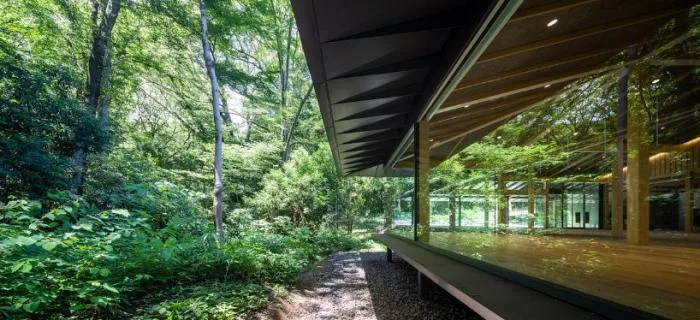
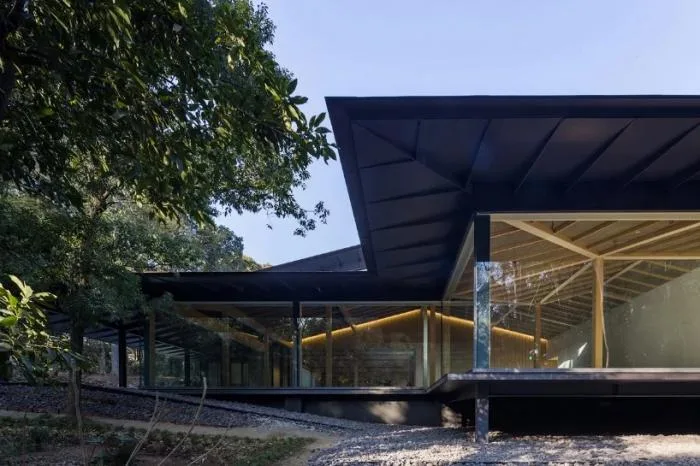
To maintain a subtle presence within this natural environment, the architects focused on reducing the museum’s physical scale. This approach included limiting the height of the eaves, breaking the roof into smaller sections with tapered edges, and dividing the exterior walls. Additionally, trees that were cut down during construction were repurposed for interior use and crafted into furniture.
Project Information
Project Name: Meiji Shrine Museum
Location: Tokyo, Japan
Completion Date: October 2019
Function: Shrine Museum
Area: 2,463.30 square meters
KKAA Project Team: Toshiki Meijo, Kosuke Tanaka, Hiroyasu Imai, Masato Shiokawa, Hiroyo Yamamoto
Contractor: Shimizu Corporation
Structural Engineers: Kanebako Structural Engineers
MEP Engineer: P.T. Morimura & Associates, Ltd.
Illustration: The Nippon Design Center, Inc.
Architectural Photography: Kawasumi – Kobayashi Kenji Photography Office













Must log in before commenting!
Sign Up