
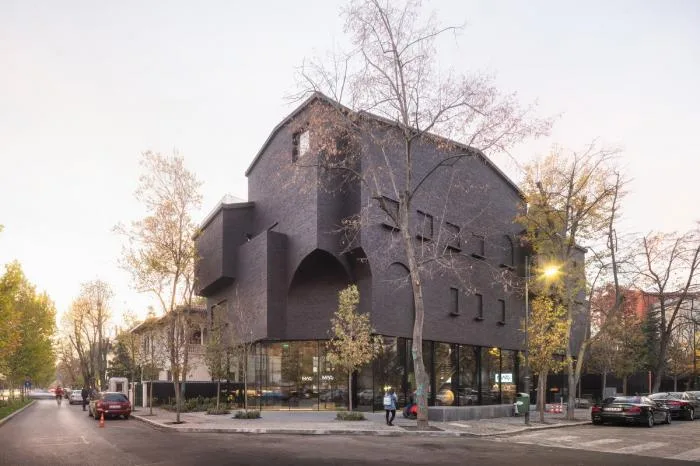
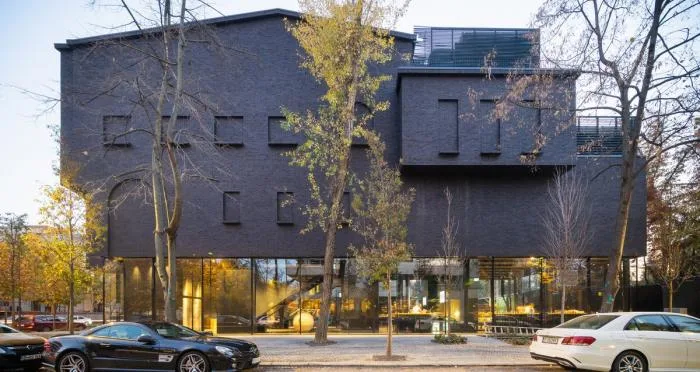
How do you create architecture in a city devastated by destruction and a drastically reduced population? In such a fragmented context, reviving the city’s history becomes a formidable challenge. The construction firm YTAA, a collaboration between France and Lebanon, confronts the entrenched and politicized narratives surrounding this issue.
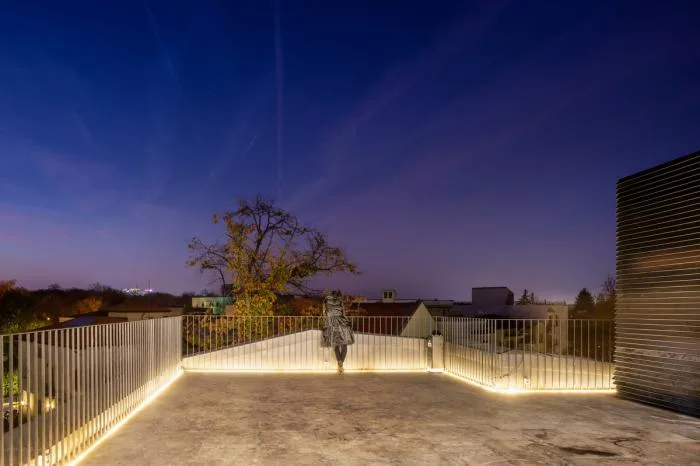
For this 1930s villa, which exemplifies the typical architecture of Bucharest, architect Youssef Tohme embraced not only its architectural function but also its symbolic and urban significance. Positioned on a flat base and open to the public, this reconstructed building serves both as a museum and as an invitation to the city—to engage in dialogue, confrontation, and culture.
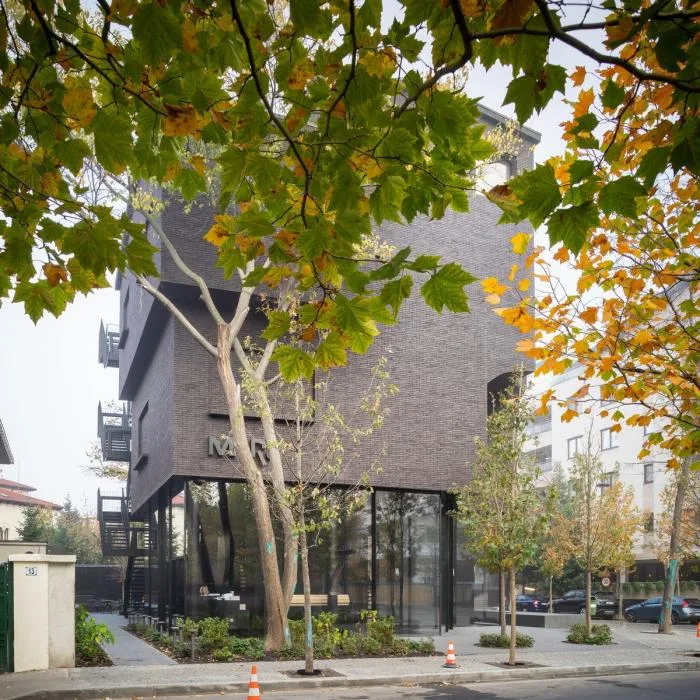
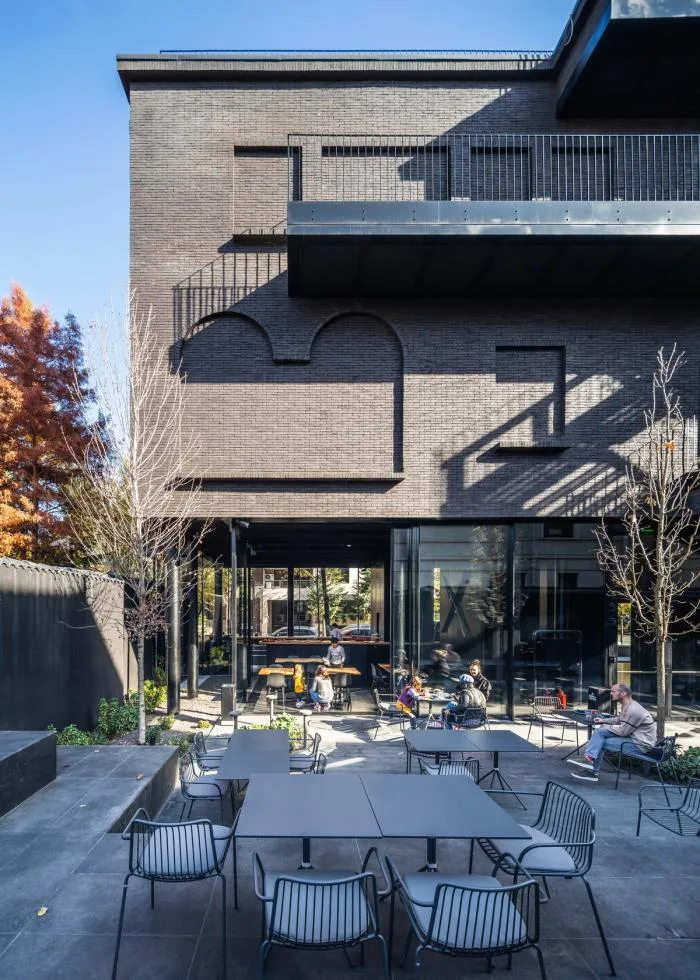
This approach is both radical and daring, breaking away from the binary opposition between traditional architecture and the contemporary environment through a third perspective. It imagines the transformation of the villa’s historical prototype as a continuous, questioning “ghost.” By creating this conceptual framework that emphasizes multiple entities, the architects deepen their understanding of this multi-centered city—embracing its contradictions, hybridity, irregularity, and resilience.
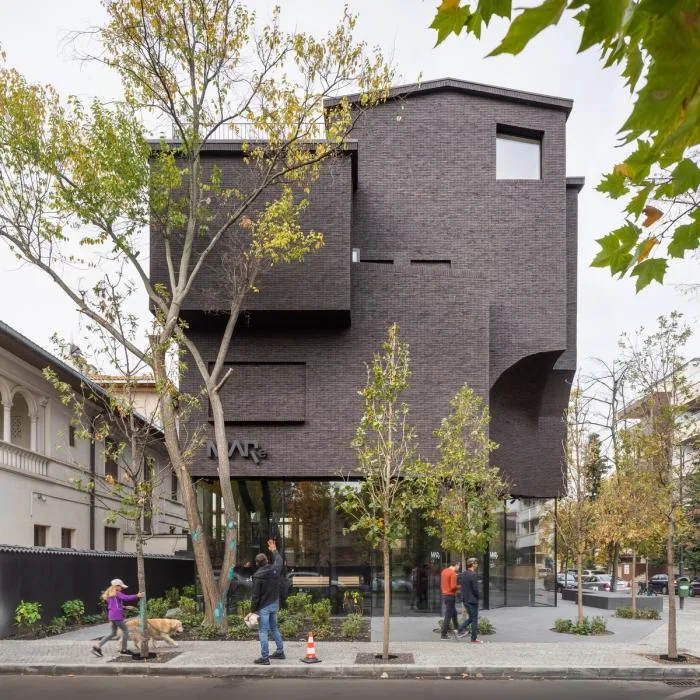
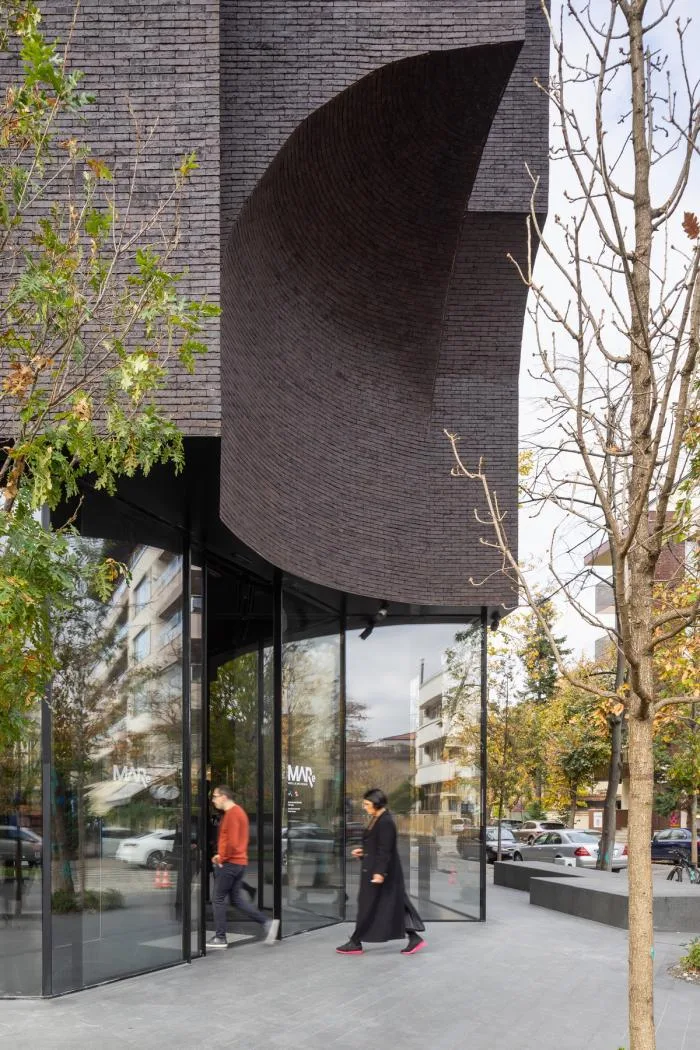
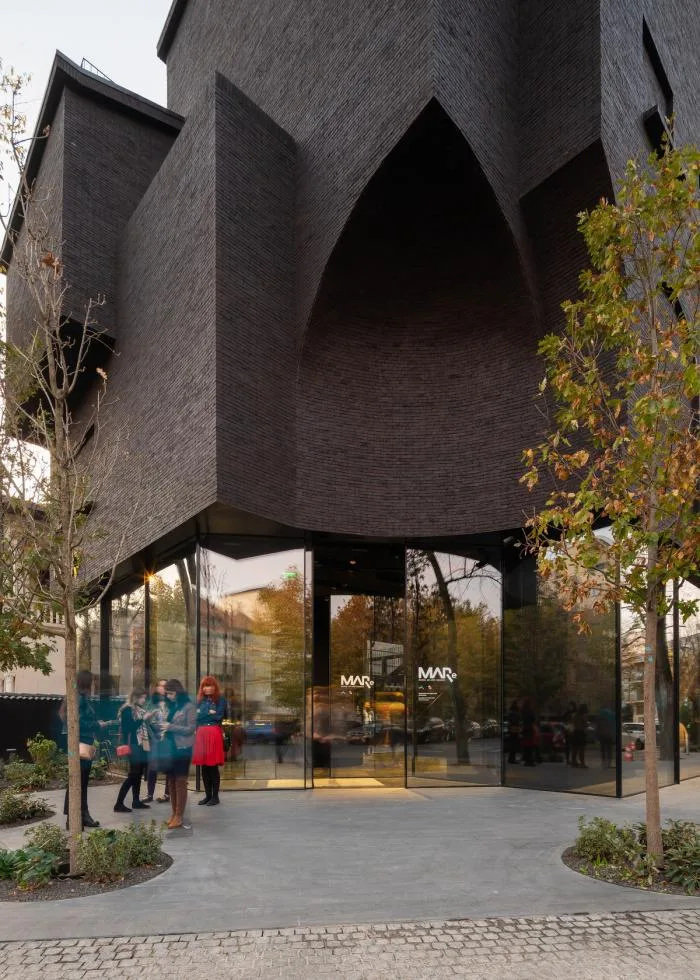
Beyond serving as a whiteboard model and a form of global resistance relevant to young democracies, the preservation and reinterpretation of common museum architectural forms introduce an essential layer to this project: the integration of daily life, personal, and subjective spaces. Despite the relatively limited surface area for an institution, MARe unfolds through a logic of horizontal and vertical spatial growth and expansion.
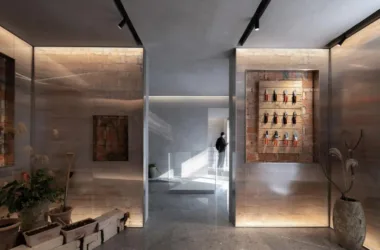
The basement and attic host numerous temporary collections and exhibition spaces, while the first and second floors accommodate permanent collections. This straightforward layout is disrupted by a central atrium featuring two staircases. This central virtual space interrupts the flow of movement by creating gaps, hidden perspectives, and a dynamic environment that challenges visitors’ expectations instead of prescribing a clear path.
At the boundary between light and dark, two black boxes embedded halfway up the floor participate in this spatial interplay while showcasing works by international artists. According to the architect, this unsystematic spatial arrangement fosters encounters, intimate spaces, and meaningful confrontations among visitors.
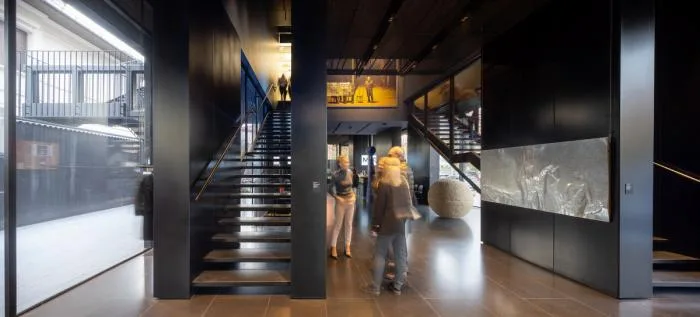
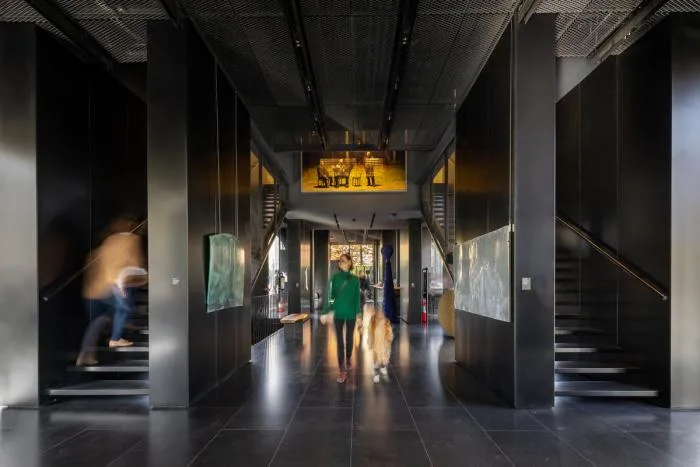
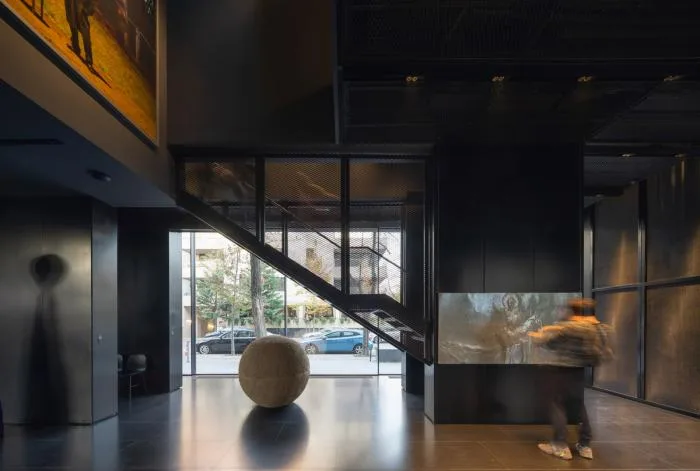
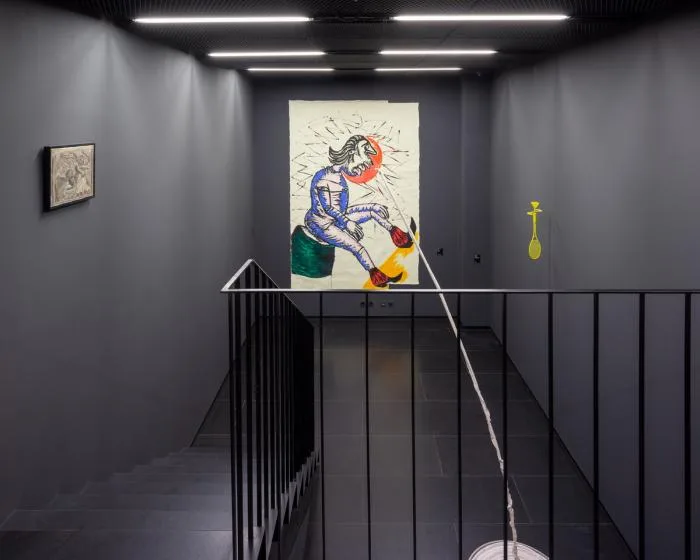
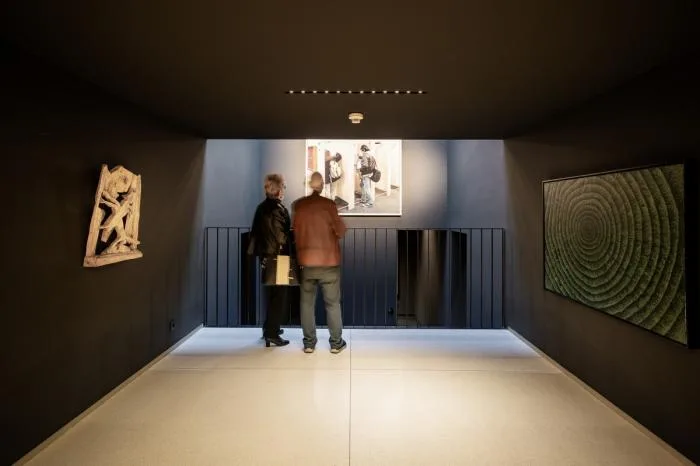
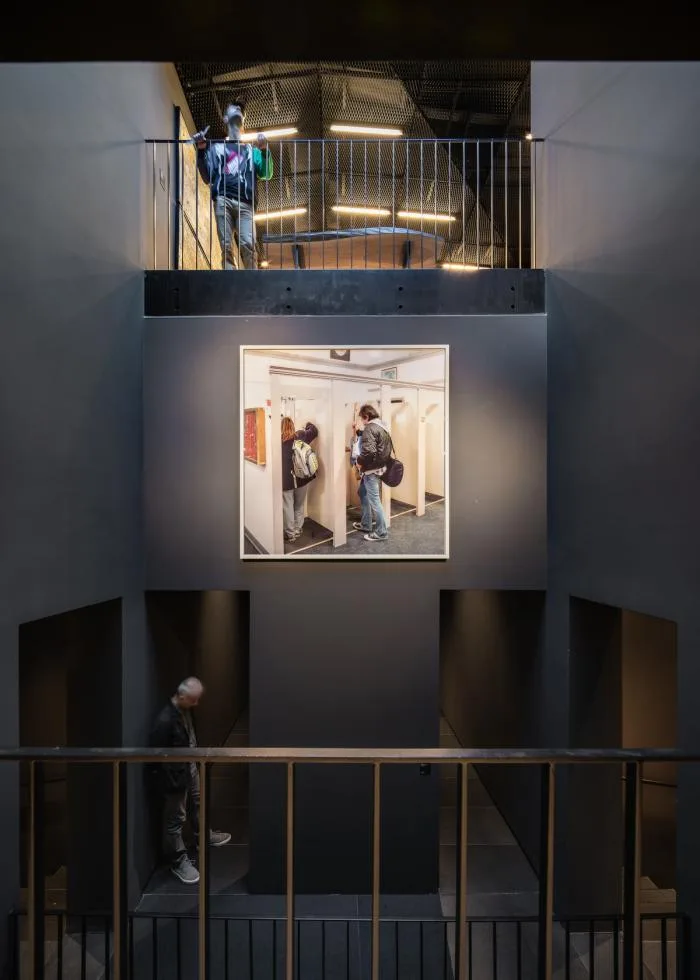
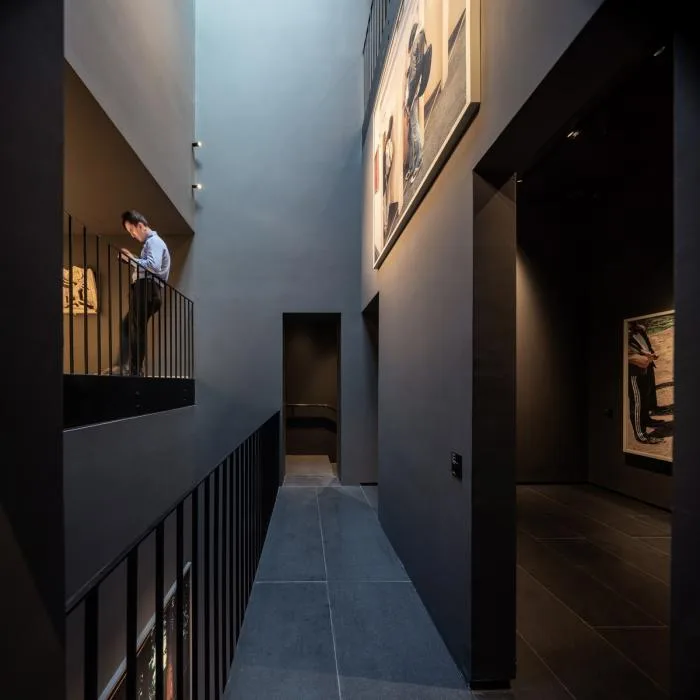
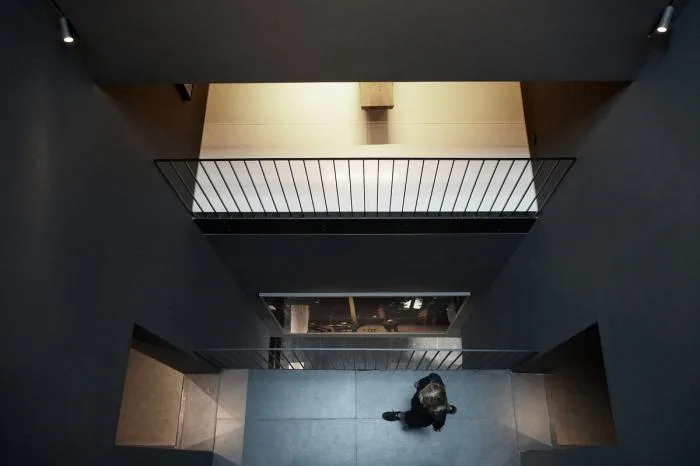
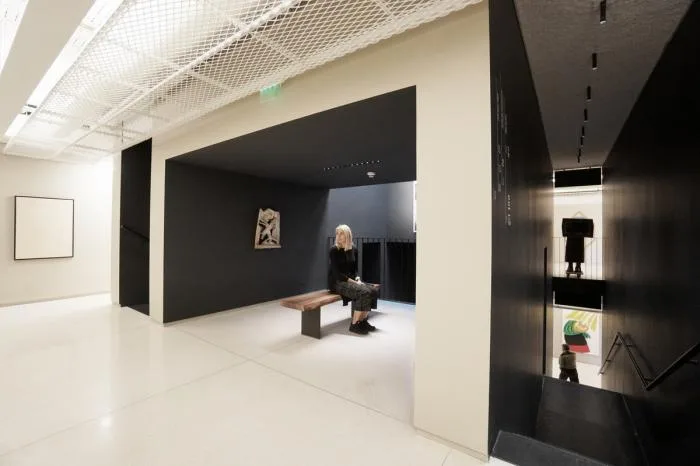
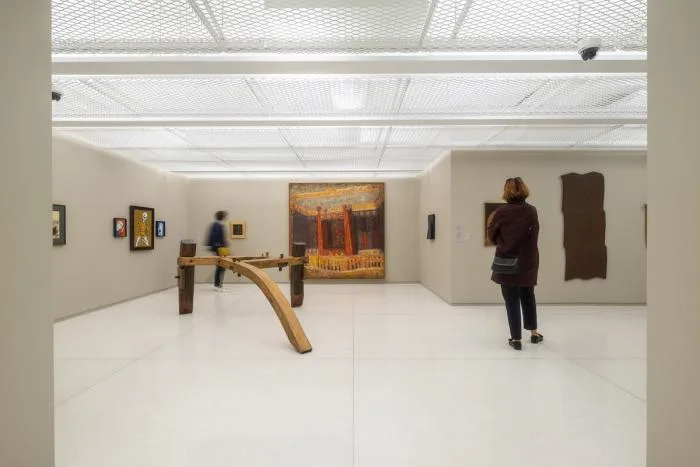
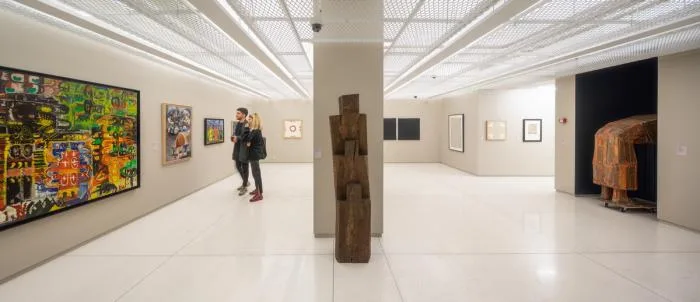
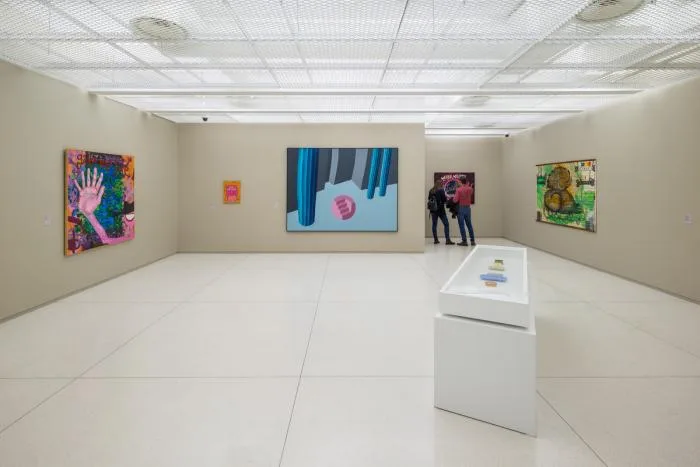
During the dictatorship, Bucharest’s residents were compelled to carve out their own spaces for free communication as a means of survival—a defining characteristic of the city’s spatial vision and social practice. MARe explores how Romanian society, and humanity at large, might envision their futures. The architect explains that social spaces, personal spaces, and artworks within the museum are deeply integrated. This unique condition transforms the contemplation of history into a way of embedding art within Bucharest’s passionate and vibrant contemporary context.
Project Drawings
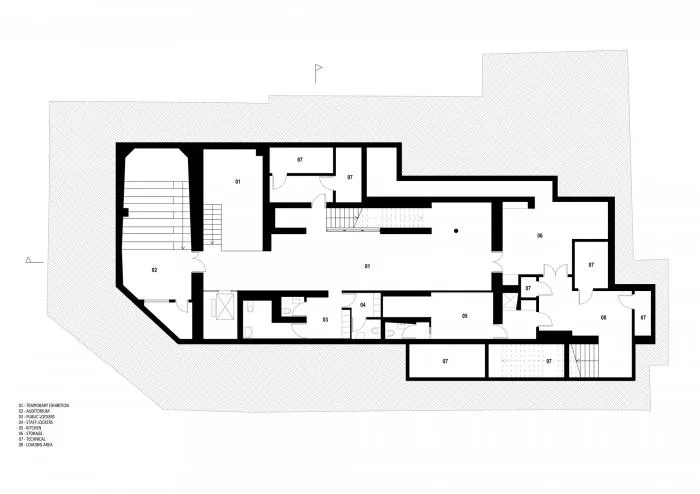
▲ Underground Floor Plan
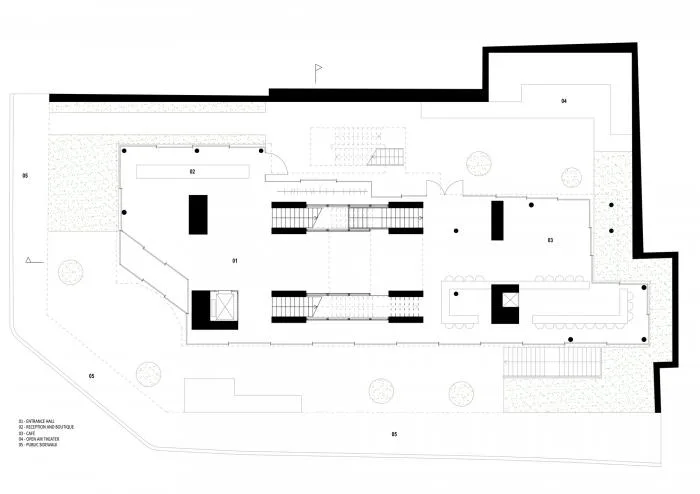
▲ First Floor Plan
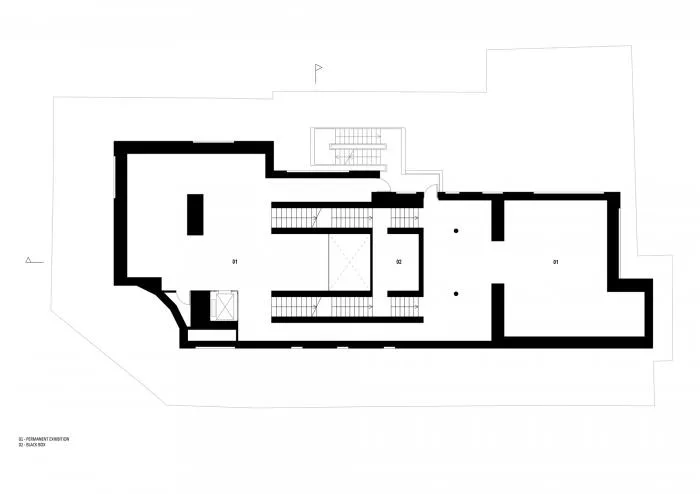
▲ Second Floor Plan
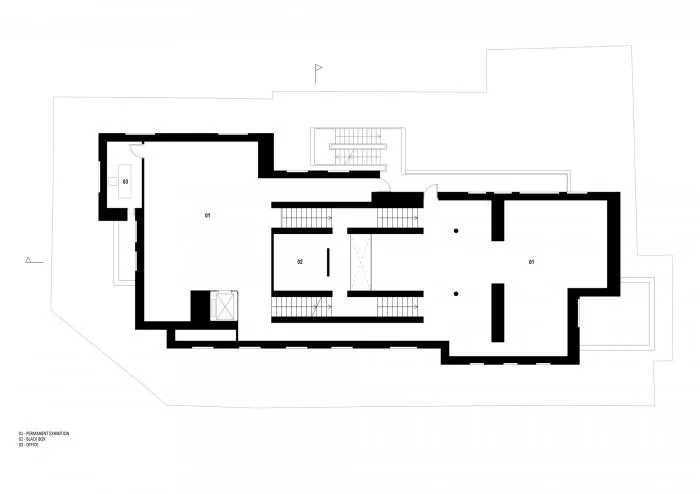
▲ Third Floor Plan
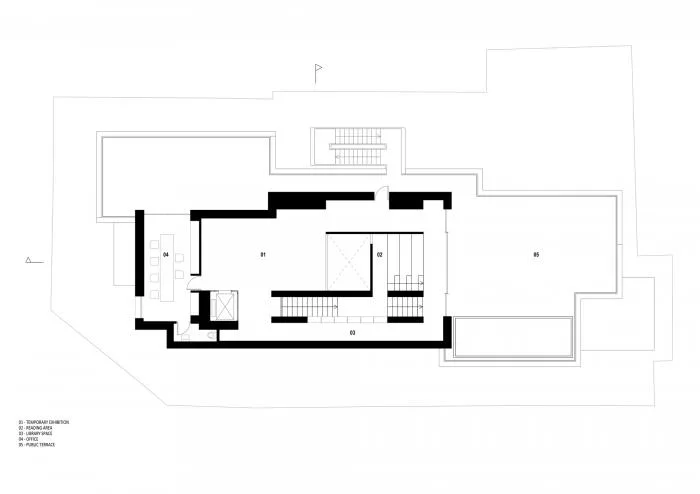
▲ Attic Floor Plan
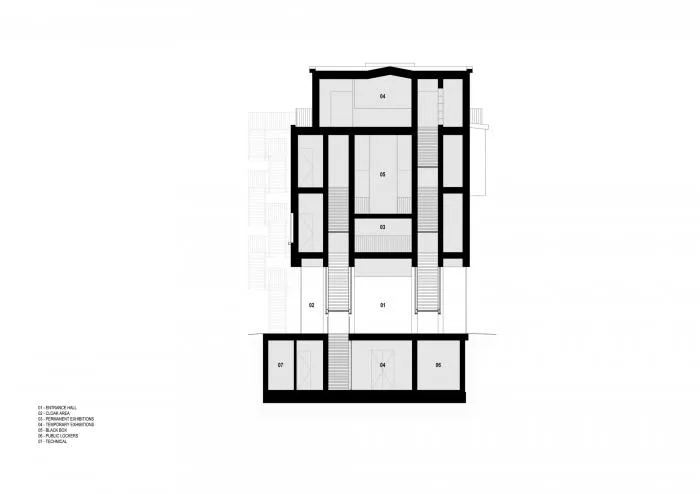
▲ Horizontal Sectional View
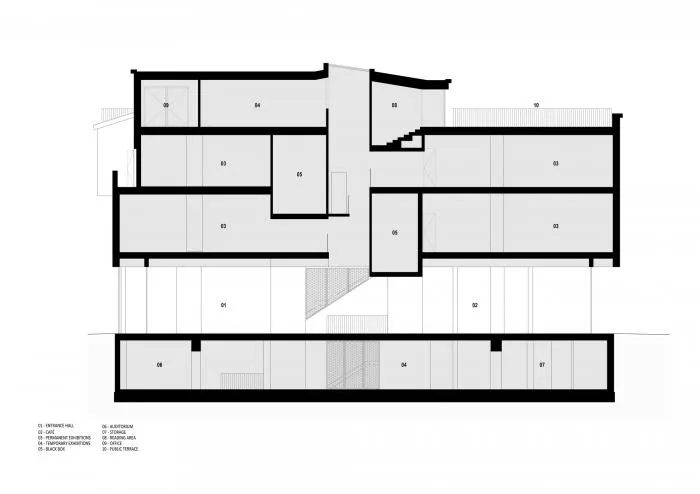
▲ Longitudinal Sectional View
Project Information
Project type: Museum
Location: Bucharest, Romania
Architectural Firm: YTAA – Youssef Tohme Architects and Associates
Area: 1,580 m²
Year: 2018
Photographers: Cosmin Dragomir, Toufic Dagher
Lead Architect: Youssef Tohme
Project Architect: Toufic Dagher
Client: MARe Foundation
Landscape Design: Marti Baron + Miething












Must log in before commenting!
Sign Up