
Shenzhen Nanshan Foreign Language School Kehua School is a nine-year integrated educational institution, encompassing a total construction area of 54,000 square meters. The campus includes classrooms for both primary and secondary education, specialized teaching rooms, a library, sports halls, a swimming pool, an auditorium, teacher dormitories, student and teacher cafeterias, as well as professional sports fields.
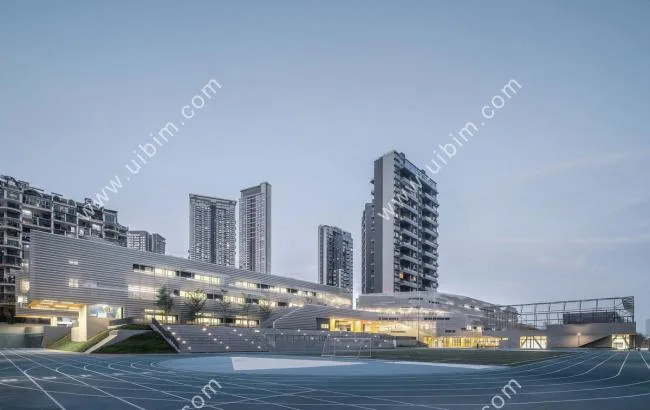
Located in the Dachong District of Shenzhen, Nanshan Foreign Language School stands as the final piece in the decade-long redevelopment of Dachong. This project reflects the dramatic transformation of the area from a densely packed “urban village” into a modernized “vertical forest”.
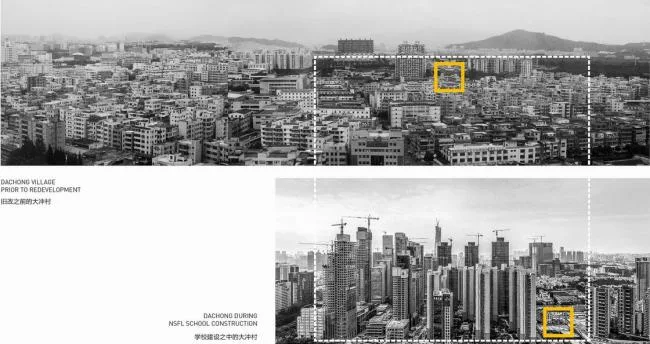
▲ Urban transformation in Dachong Village
Surrounded by densely packed high-rise commercial and residential buildings, the site faces the challenge of reintegrating and repairing the fragmented urban fabric caused by rapid urbanization in contemporary China.
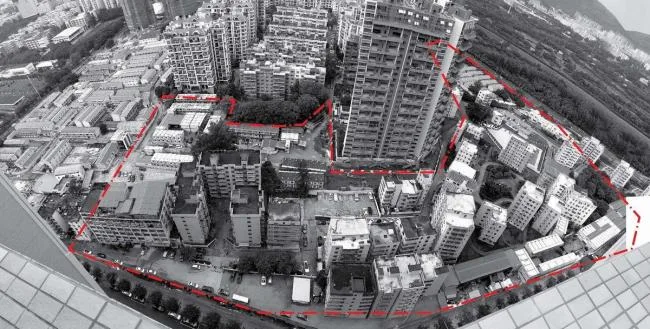
▲ Site condition in 2014
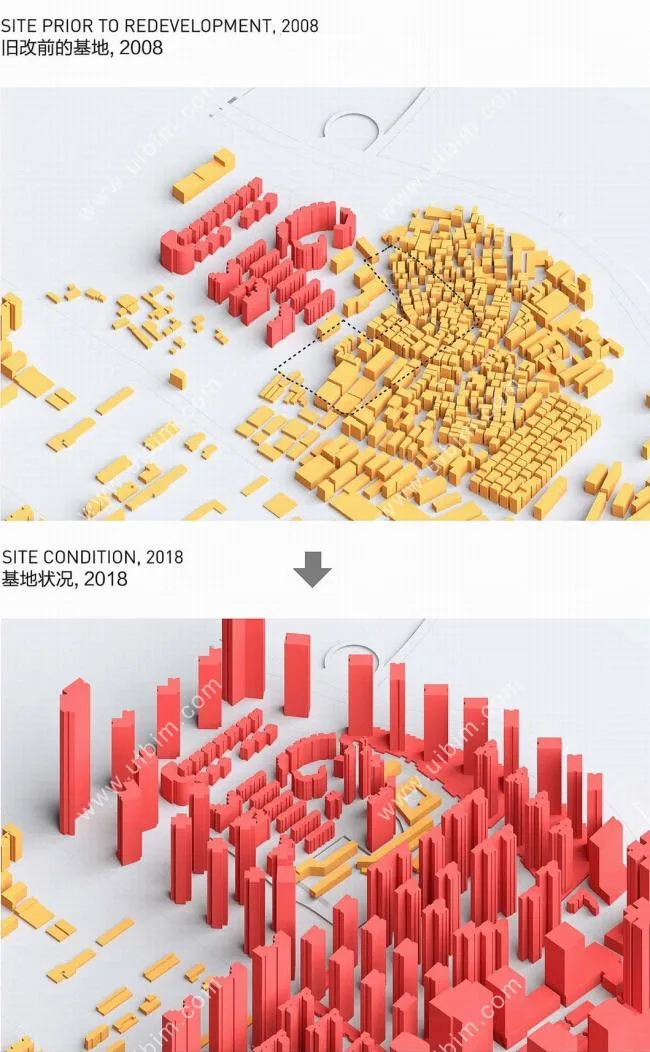
▲ Evolution of the urban texture at the site
Strategy 1: Horizontal and Vertical Integration
Inspired by nature as a source of creativity, the architects aimed to design an open and natural teaching environment. Particularly in areas with high density, there was an urgent need to create more opportunities for teachers and students to engage with nature, inspiring the concept of a horizontal, low-density campus.
The campus is envisioned as an elongated, horizontal garden that contrasts sharply with the surrounding dense vertical residential towers. The design intentionally blurs the line between the school buildings and the neighboring community, forming a low-rise ensemble of enclosed, semi-enclosed, and open green spaces that seamlessly integrate with the surrounding urban fabric.
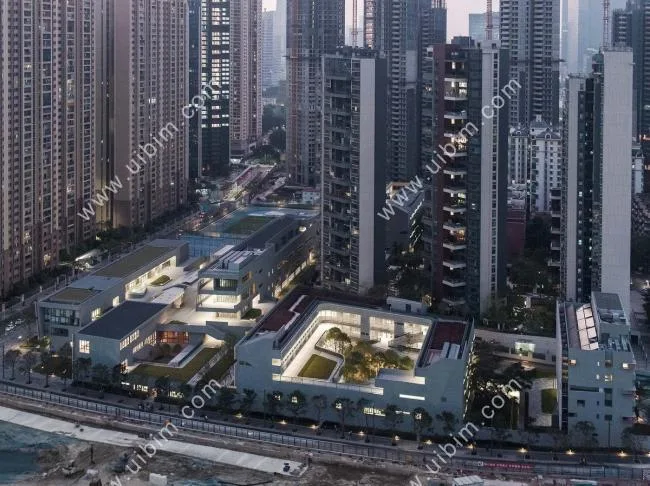
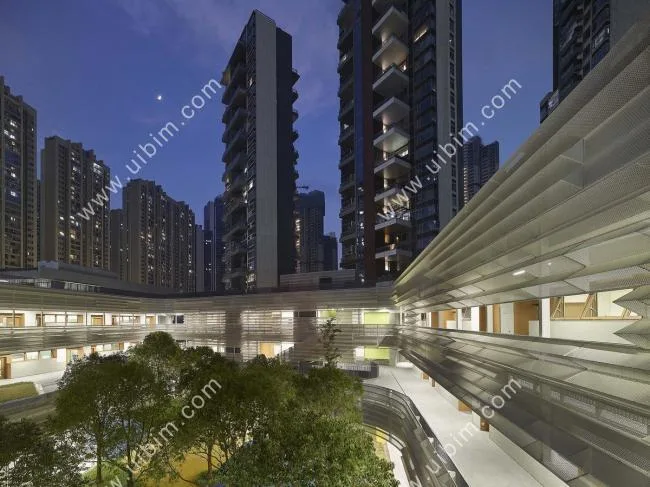
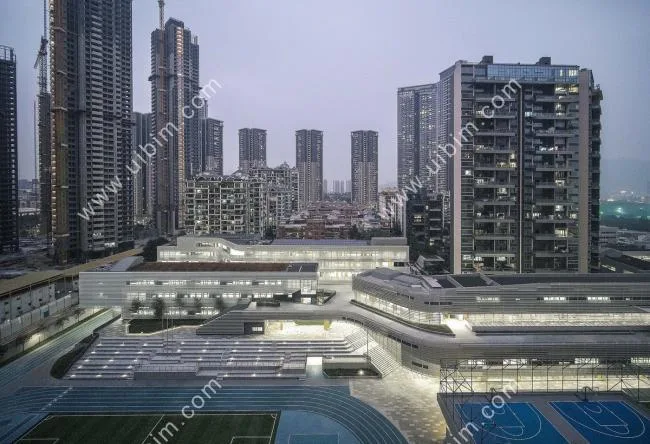
The moderate height of the teaching buildings allows the surrounding dense residential community to “breathe.” At the same time, it encourages students to move outdoors, reconnecting with campus life and fostering a healthy relationship with nature.
Strategy 2: Interwoven Gardens
The winding teaching buildings resemble a flowing river, dividing the site into six distinct outdoor courtyards, each with unique characteristics. These semi-private spaces serve as islands for teaching and activities. The six courtyards include the entrance courtyard, ceremonial vestibule, primary school courtyard, middle school courtyard, sports courtyard, and banyan tree courtyard—each corresponding to a specific architectural function.
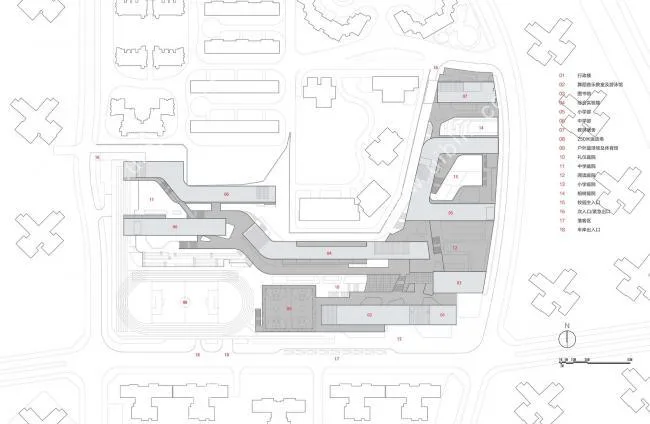
▲ General site layout
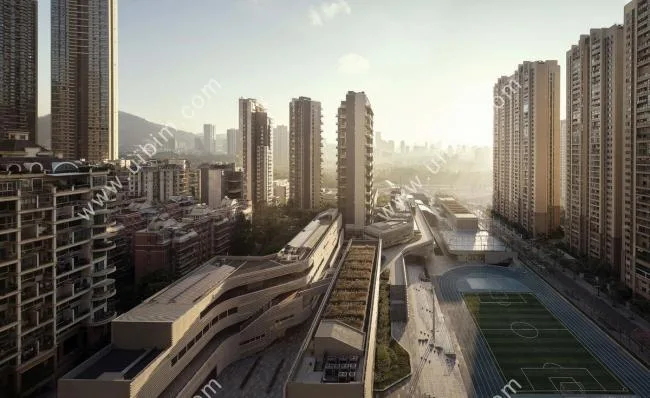
The campus buildings are designed as three-story linear volumes that follow the path of sunlight filtering through the surrounding concrete jungle. They extend gradually from east to west, creating flowing and sequential outdoor spaces between the curving school buildings. These spaces function as tailor-made courtyards for various teaching groups.
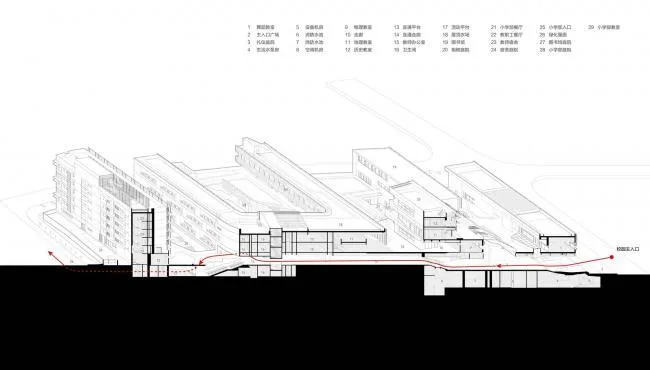
▲ Longitudinal section
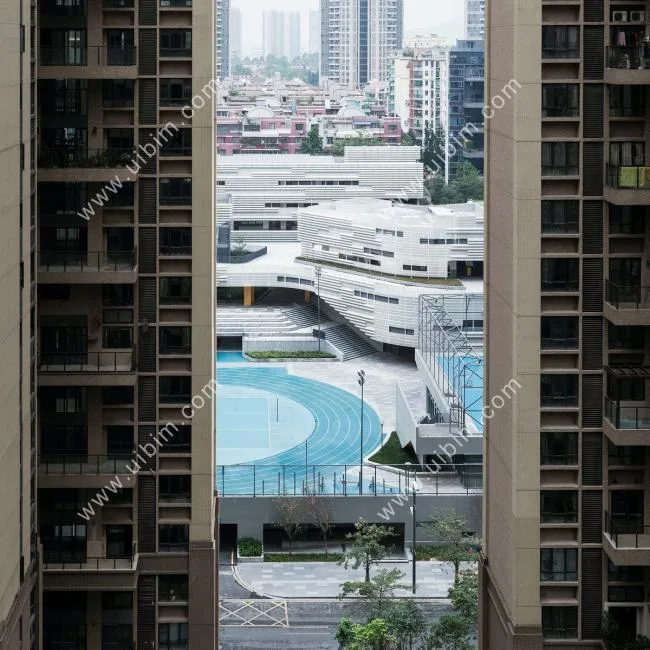
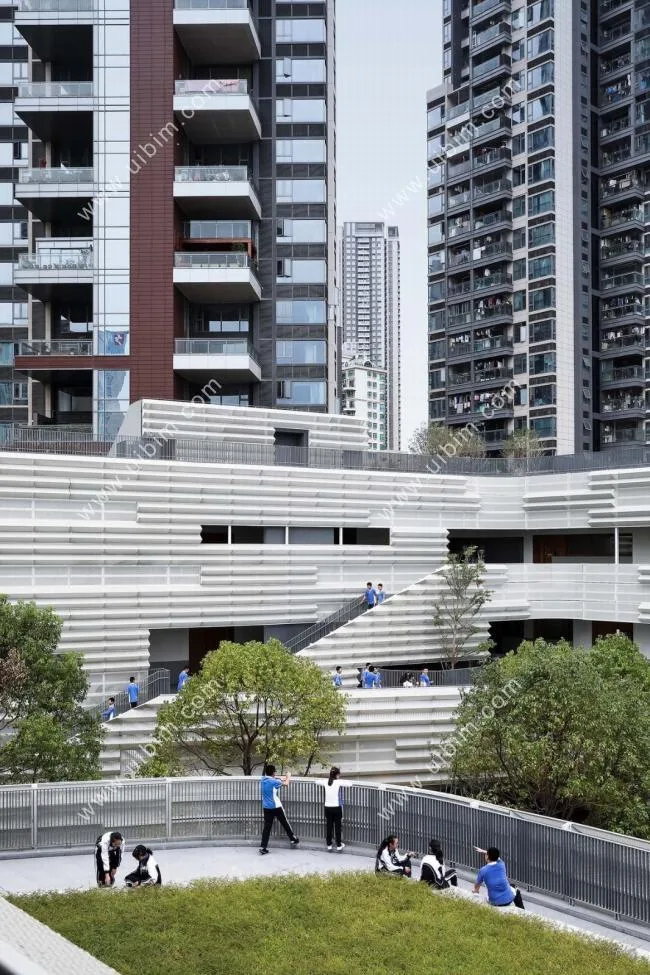
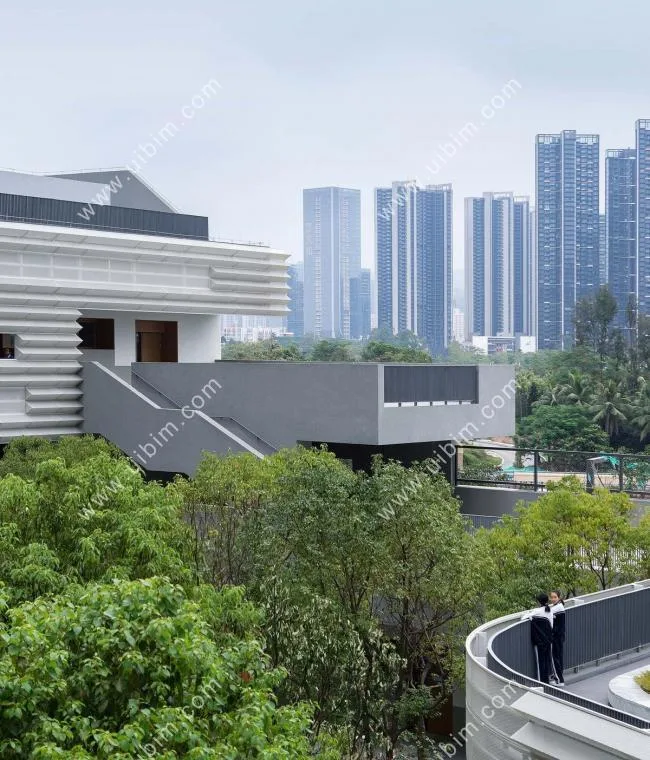
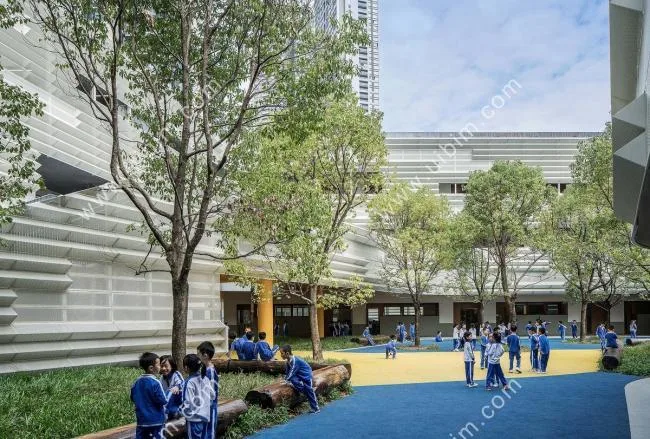
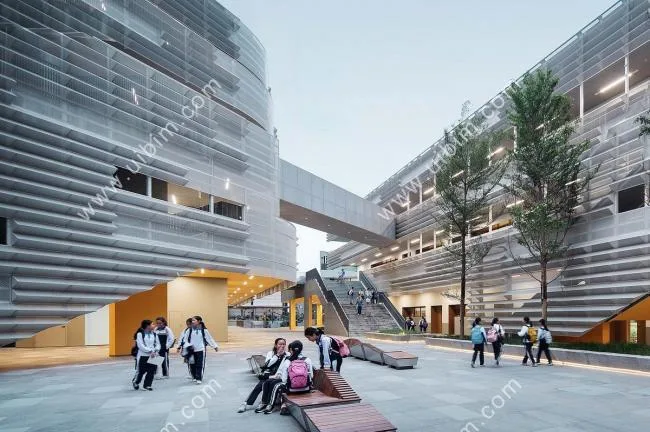
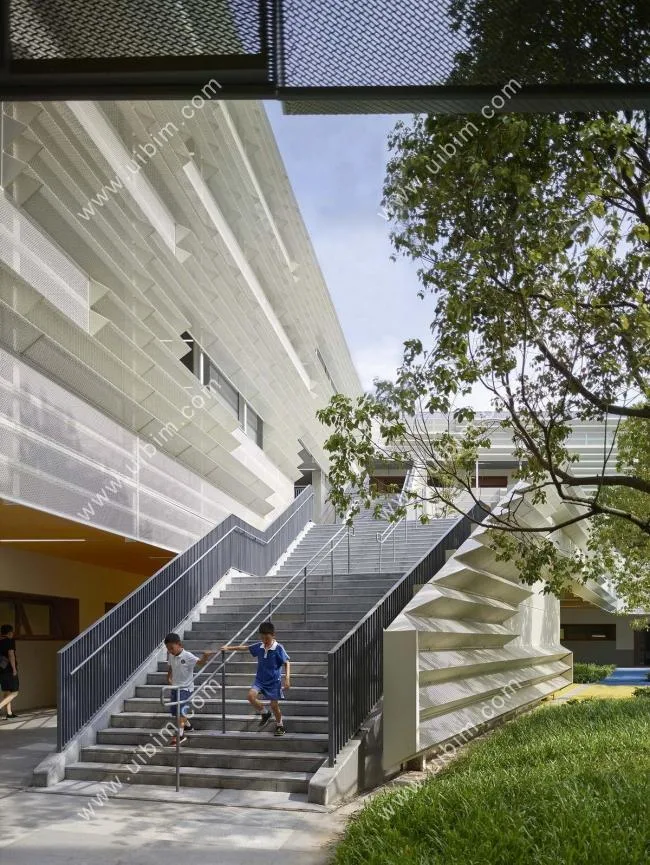
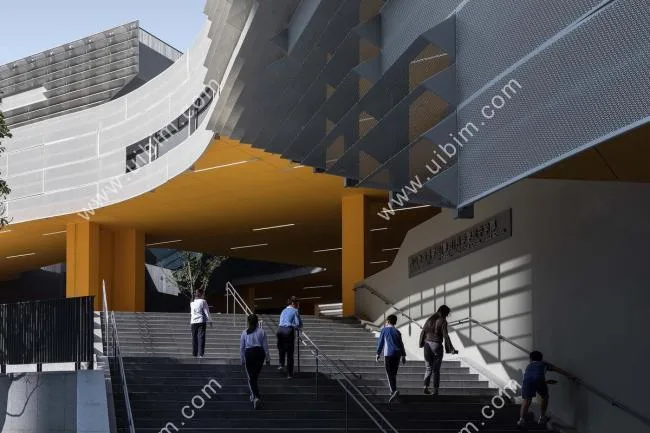
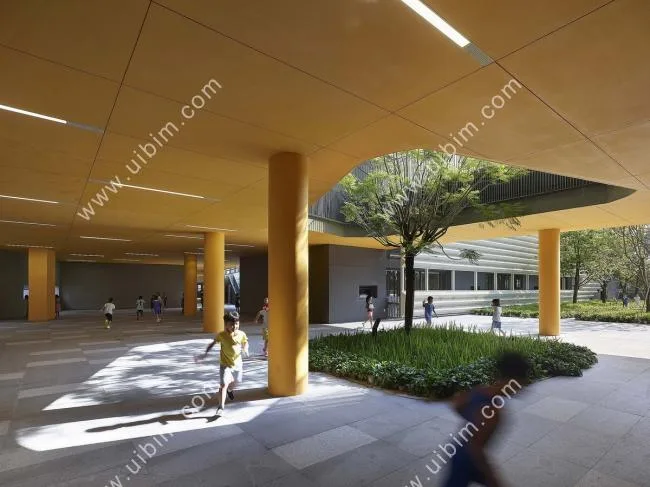
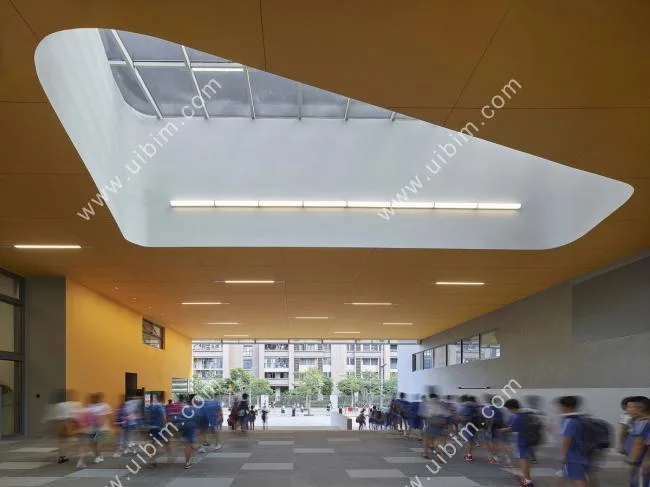
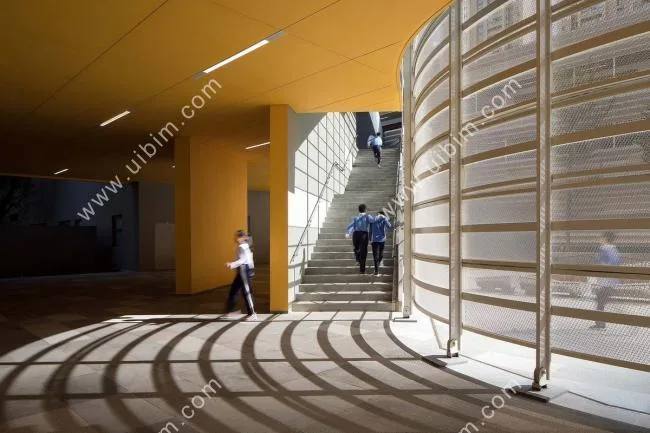
Within the middle and comprehensive teaching areas, the dynamic, slender courtyards are enclosed by shifting building volumes. In contrast, the primary school area and library feature courtyard designs that resemble stepped terraces, extending towards open outdoor playgrounds. Additionally, the orange ceiling on the first floor connects the campus with various courtyards, allowing students to move across the campus without umbrellas, even during Shenzhen’s rainy season.
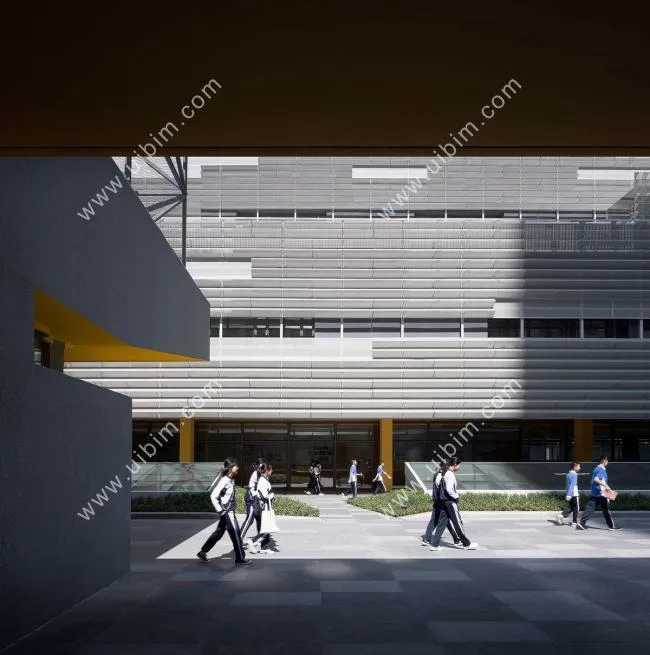
Strategy 3: Spatial Design and Ecological Innovation as “Big Design”
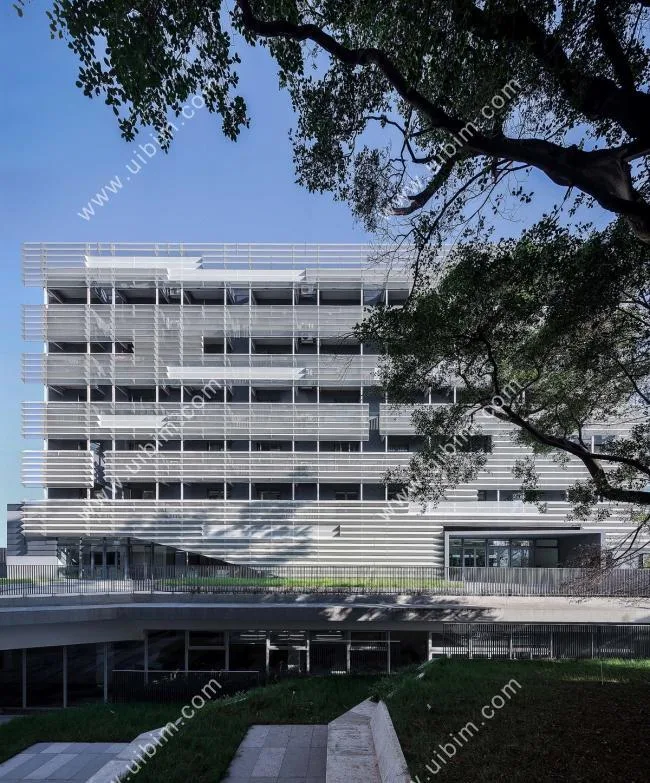
This project redefines traditional school design by integrating classrooms through a series of spatial sections that maximize natural light and greenery exposure. The staggered vertical layout generates a rich variety of profiles, where natural light filters through “vertical light wells,” creating vibrant spaces for teaching, leisure, creativity, and interaction.
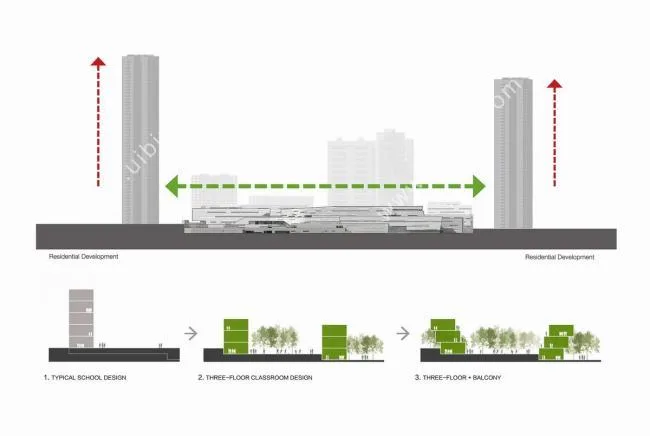
▲ Floor and spatial analysis
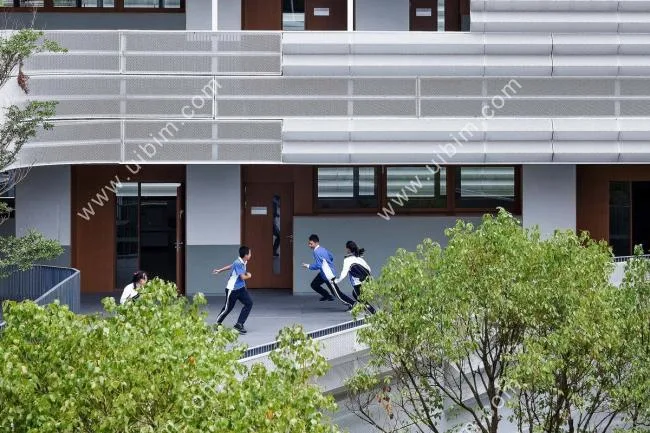
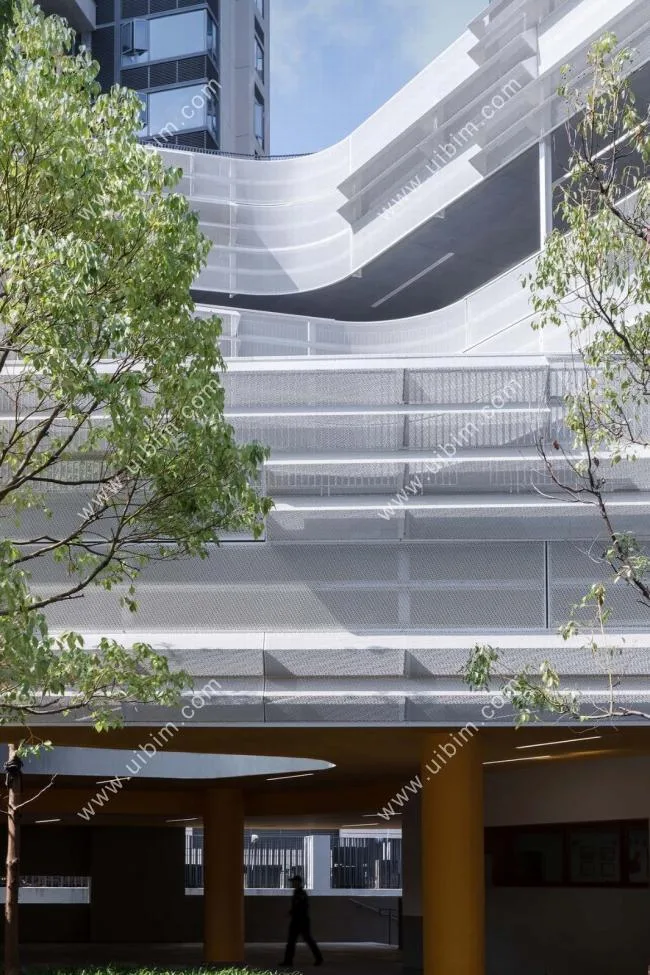
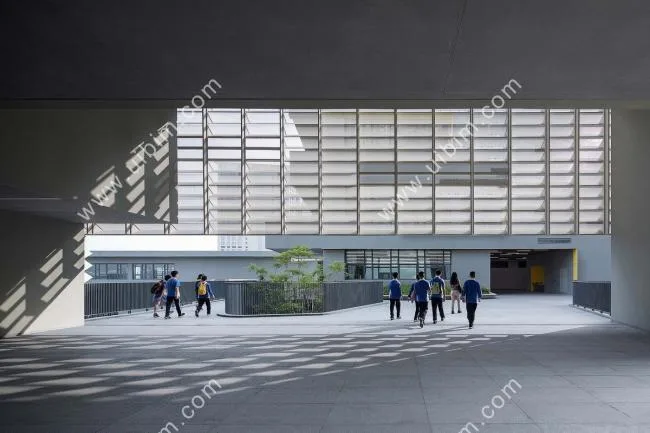
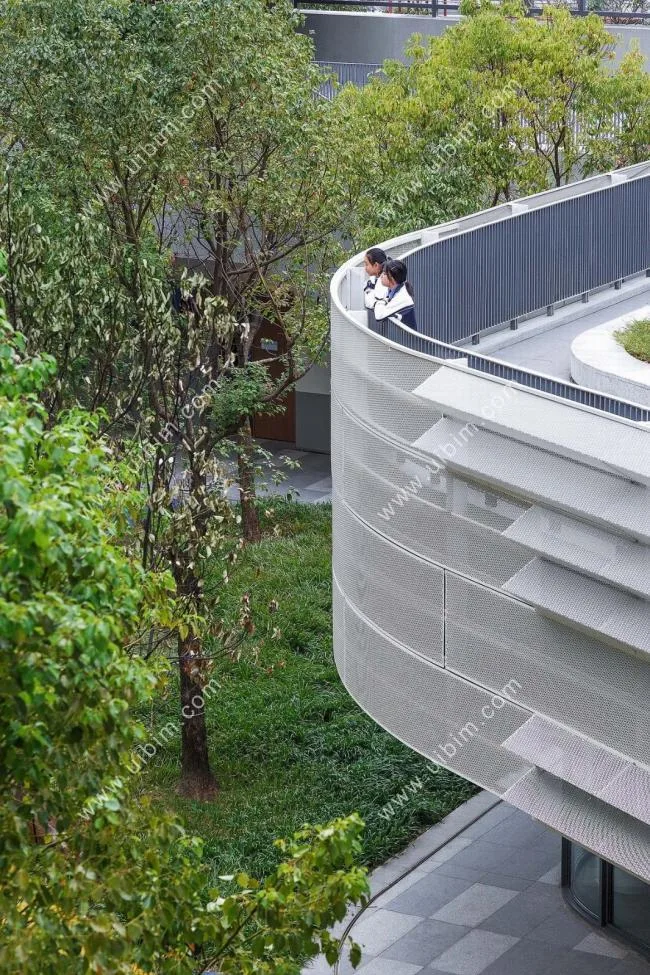
The campus slopes naturally from northeast to southwest. The architects leveraged this topography by creating stepped teaching platforms above large facilities such as sports halls, swimming pools, auditoriums, and cafeterias. These large spaces act as foundational “grounds” for teaching and activities, while terraces provide natural access to ground level and daylight to semi-underground areas.
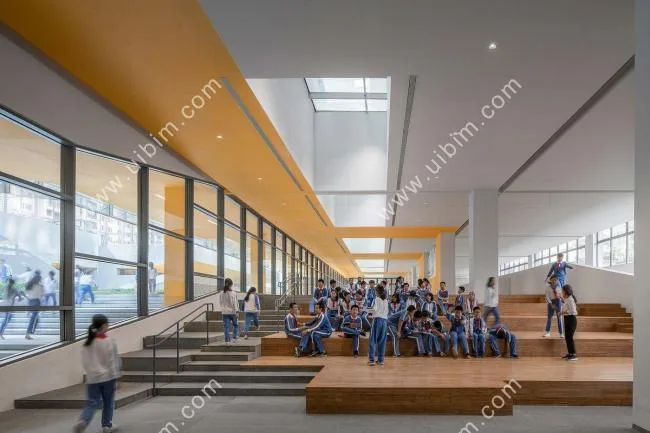
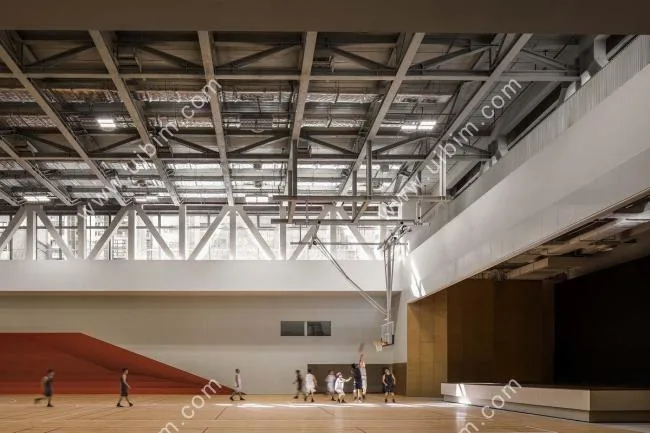
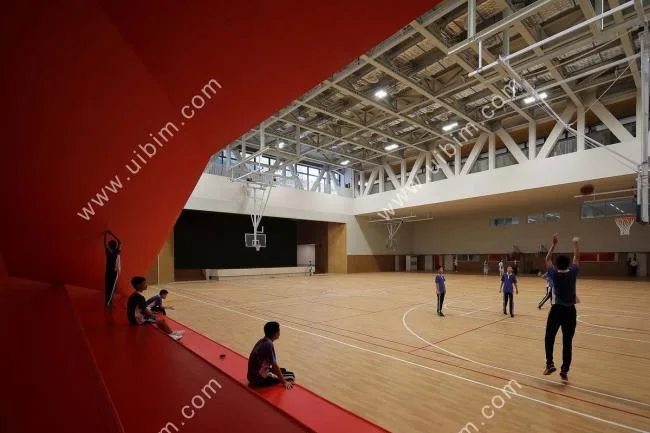
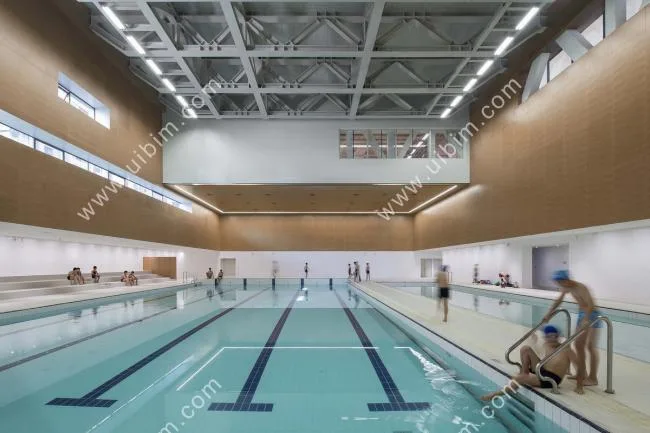
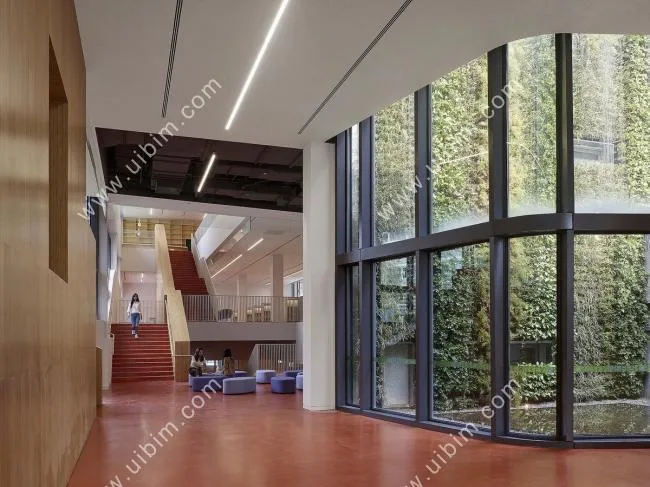
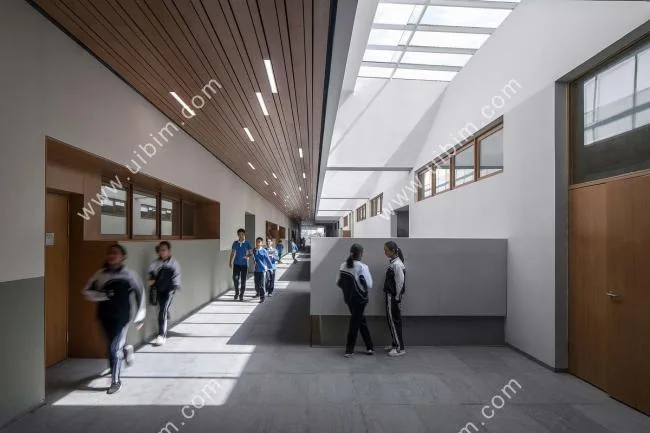
Working closely with property owners, Lu Yichen and his team approached the campus architecture, interiors, public spaces, and visual signage as a unified “big design” concept. From plant selections and campus color schemes to signage, doorplates, classroom backpack storage, and umbrella cabinets for rainy days, every detail was integrated into the architectural design.
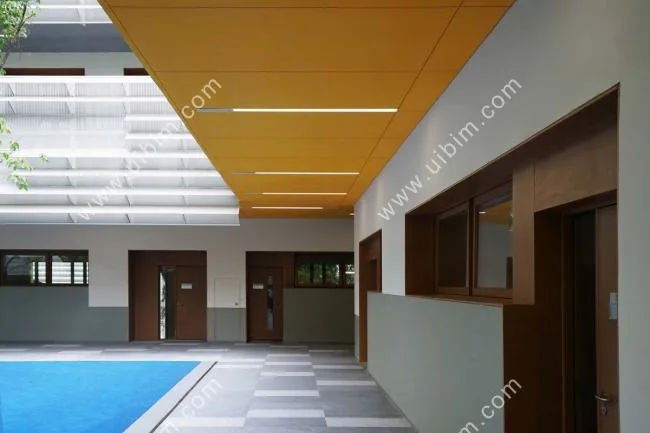
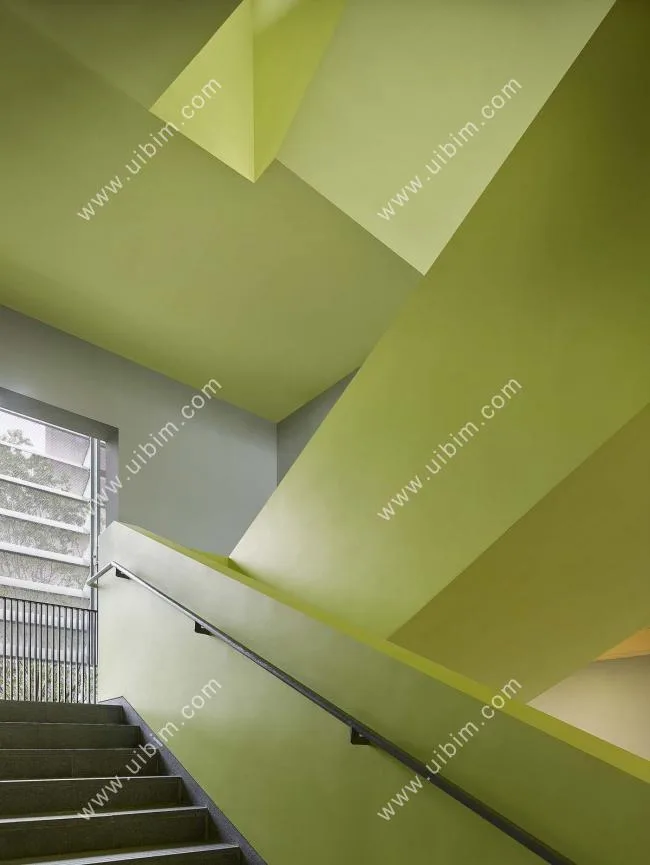
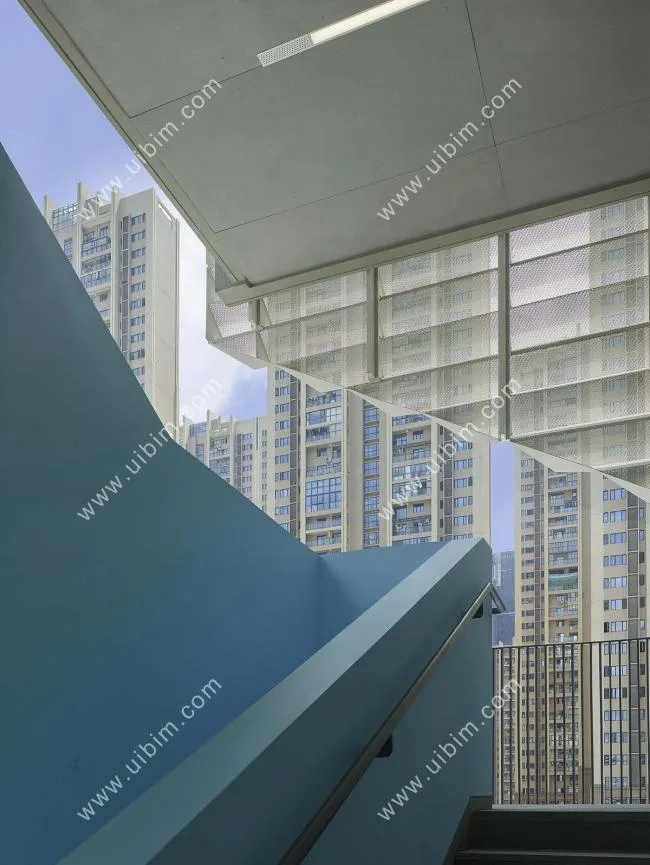
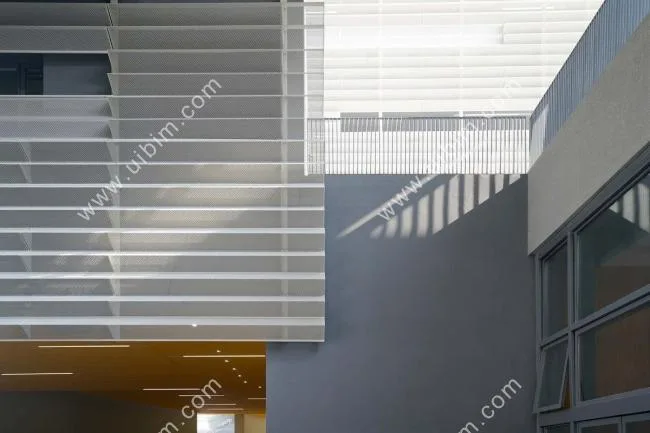
In response to Shenzhen’s humid, high-temperature climate, the architects conducted extensive research on lighting and air quality. The school incorporates eco-friendly and energy-saving features such as slim profiles, shading systems, solar panels, passive cooling techniques, green roofs, and permeable paving. These initiatives make Nanshan Foreign Language School Kehua School the first nine-year integrated school in southern China to achieve the three-star green building certification.
Project Drawings
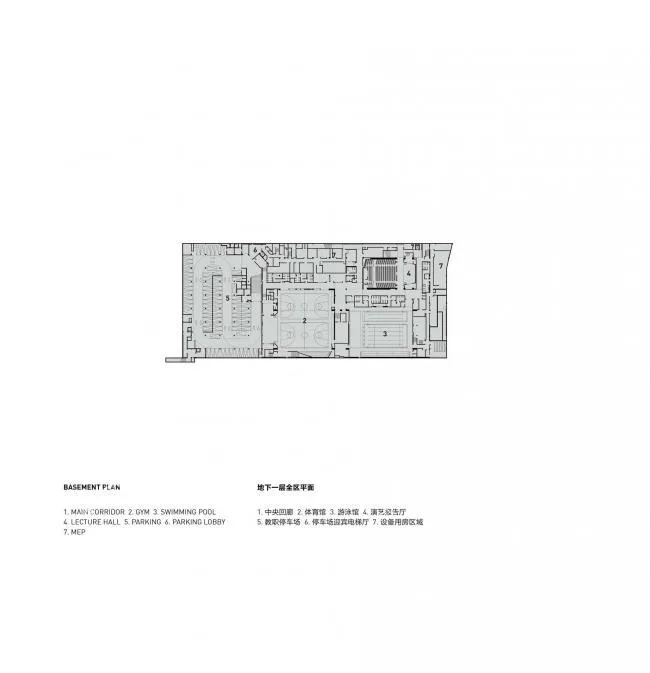
▲ Underground Floor Plan
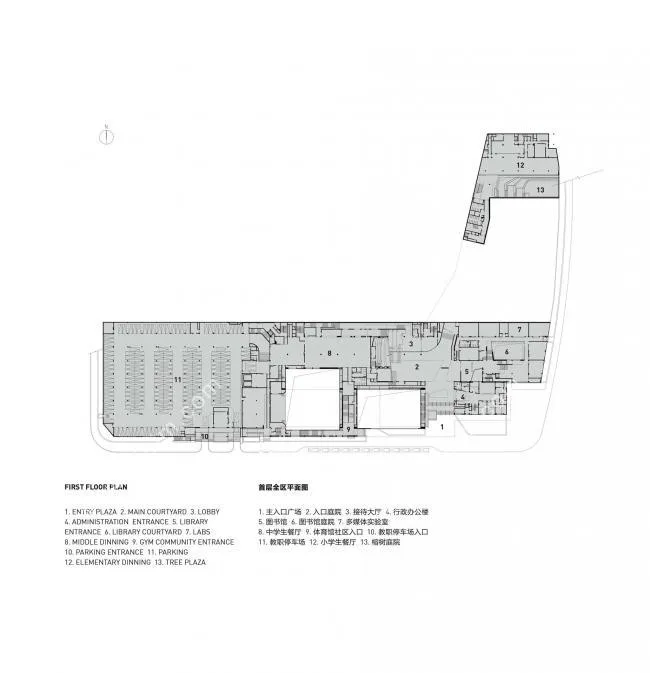
▲ First Floor Plan
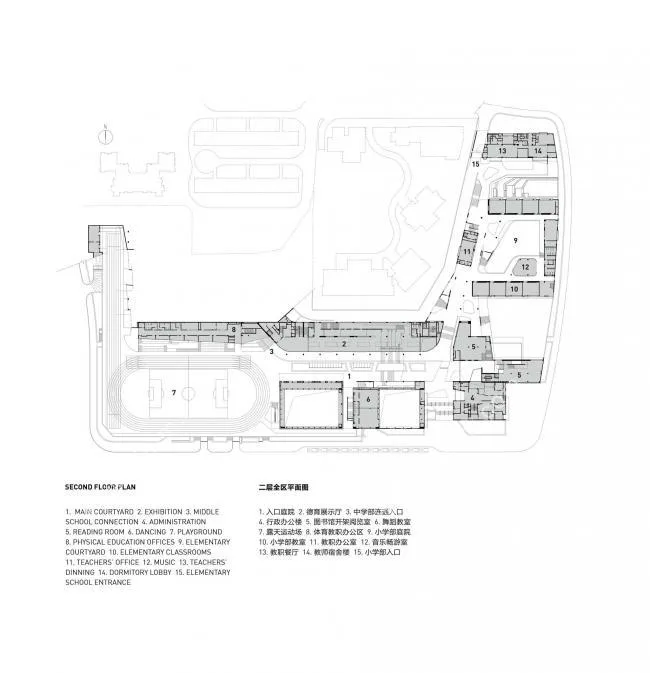
▲ Second Floor Plan
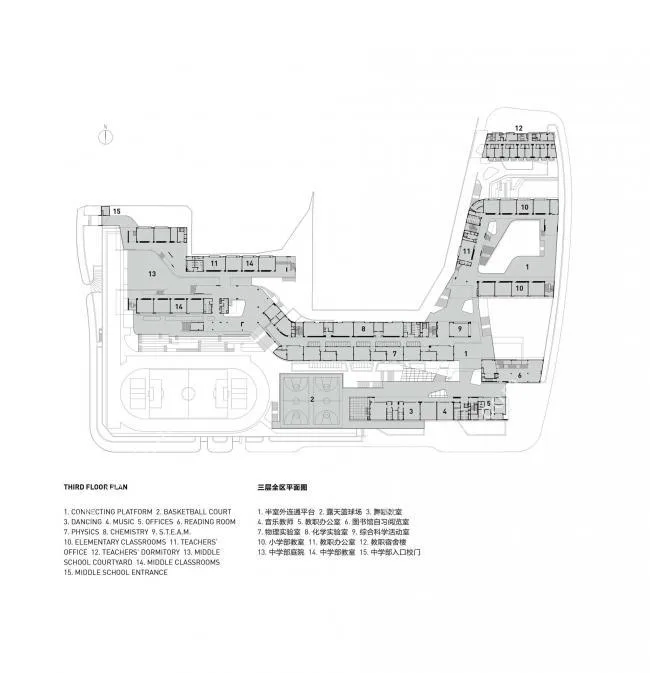
▲ Third Floor Plan
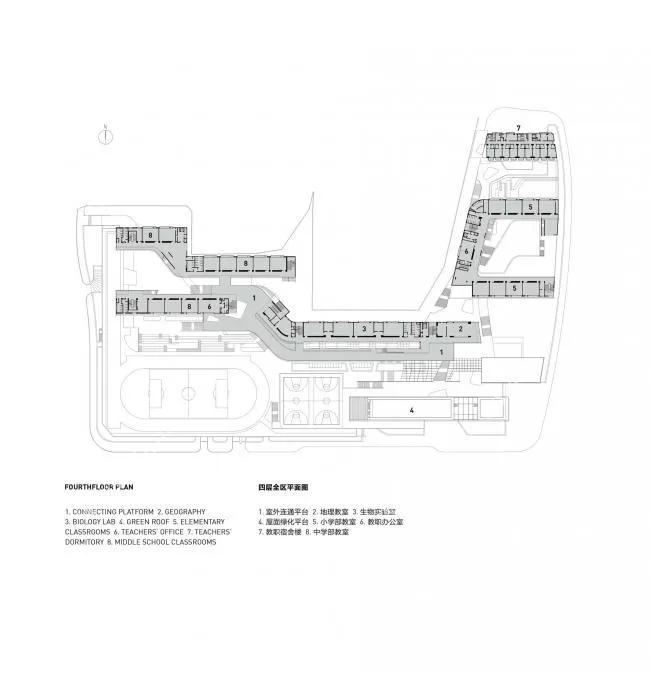
▲ Fourth Floor Plan
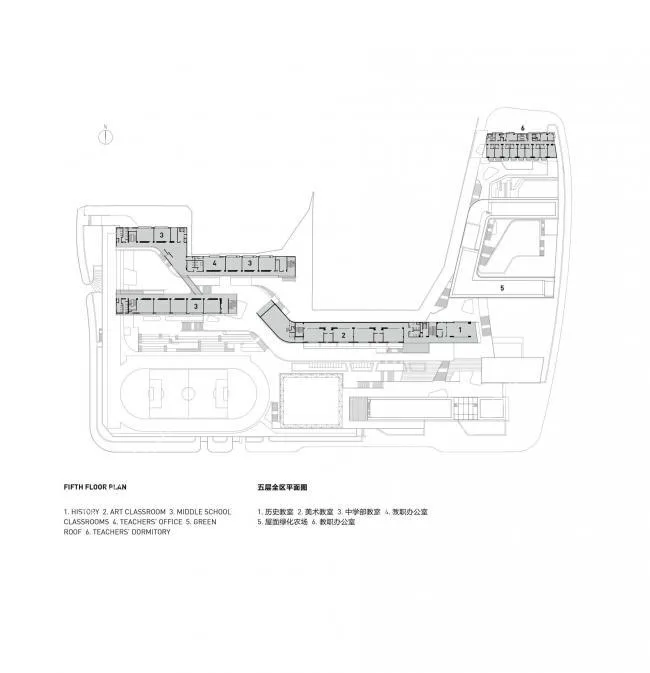
▲ Fifth Floor Plan
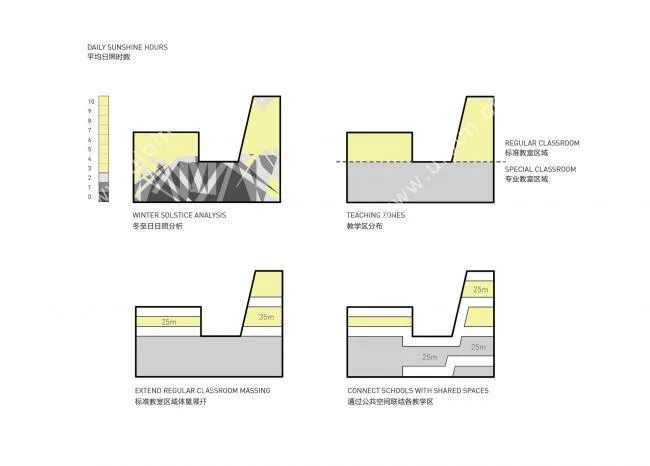
▲ Analysis Chart
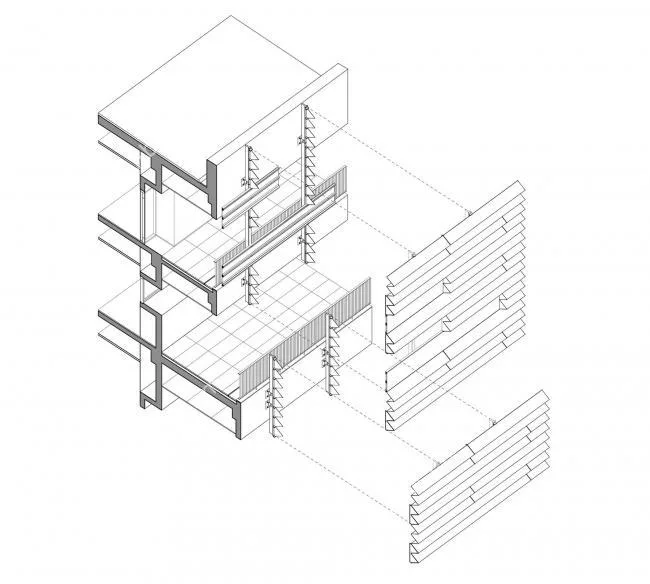
▲ South-facing Sunshade Diagram
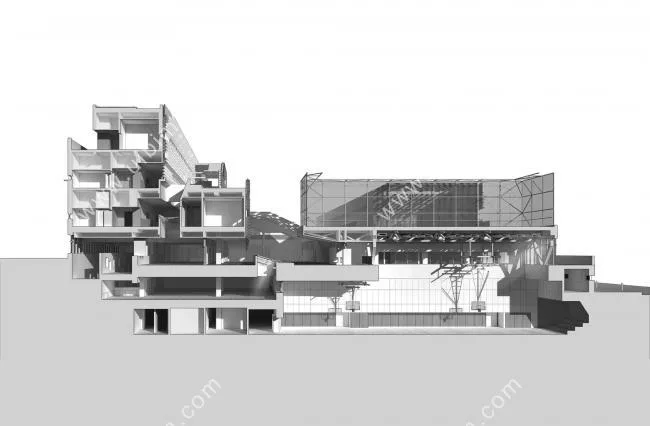
▲ Profile Study
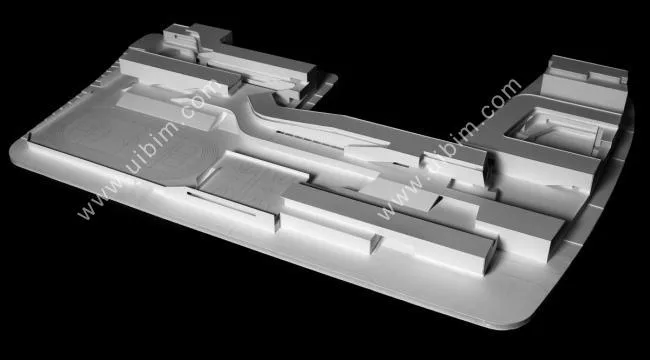
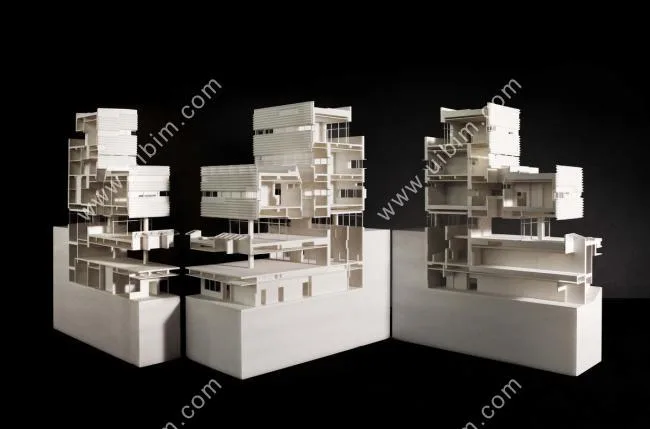
▲ Model Study
Project Information
Project Type: Primary and Secondary Schools
Location: Shenzhen, China
Architect: Link Arc Architects
Area: 54,000 m²
Year Completed: 2019
Photographers: Su Shengliang, Roland Halbe
Lead Architects: Lu Yichen, Razvan Voroneanu
Project Architects: Hyun Joo Lee, Zhu Wen, Huang Jingtang, Fang Chunqi, Li Shiqi
Project Team: Kenneth Namkung, Dongyul Kim, Hyungsun Choi, Deng Yihong, Liu Jing, Yoko Fujita, Qin Simeng, Mei Fupeng, Min Jiajian, Guo Yishuang, Wang Qian, Mariarosa Doardo, Yuan Jialin, Qian Wenyun, Warm Flower, Gao Qingyue
Executive Architect / Structural, Mechanical, and Electrical Design: Guangdong Architectural Design and Research Institute Shenzhen Branch
Interior Construction Drawing Design: Shenzhen Ruihe Decoration Co., Ltd.
Landscape Design and Construction Drawing: Lab D+H + Shenzhen Garden Co., Ltd.
Structural Consultant: Yoshinori Nito Engineering & Design PC
Curtain Wall Consultant: Shanghai Chuangyi Construction Engineering Consulting Co., Ltd.
Lighting Consultant: Beijing Ningzhijing Lighting Design Co., Ltd.
Green Building Consultant: Shenzhen Academy of Building Sciences
Construction Supervision: Beijing Yuanda International Engineering Management Consulting Co., Ltd.
General Contractor: China Resources Construction Co., Ltd.












Must log in before commenting!
Sign Up