
Private enterprises in southern Jiangsu face intense competition. Over time, many established companies have fallen while new ones have emerged. This ongoing cycle of renewal has driven large-scale upgrades, transformations, and iterations among these enterprises. Each company, depending on its developmental stage, has distinct requirements for its buildings.
Hangya Technology is a high-tech company specializing in the research, development, production, and sales of critical components for aircraft engines and medical orthopedic implant forgings. Their key products include high-performance parts such as aircraft engine compressor blades, rotating components, structural elements, and medical orthopedic implant forgings. Hangya Technology supplies major domestic and international engine manufacturers including China Aviation Industry Corporation, Safran Group, Rolls-Royce UK, and GE Aviation. Founded in 2013, the company went public in 2020. At its inception, Mizhang Architecture was commissioned to design its initial factory and office buildings.
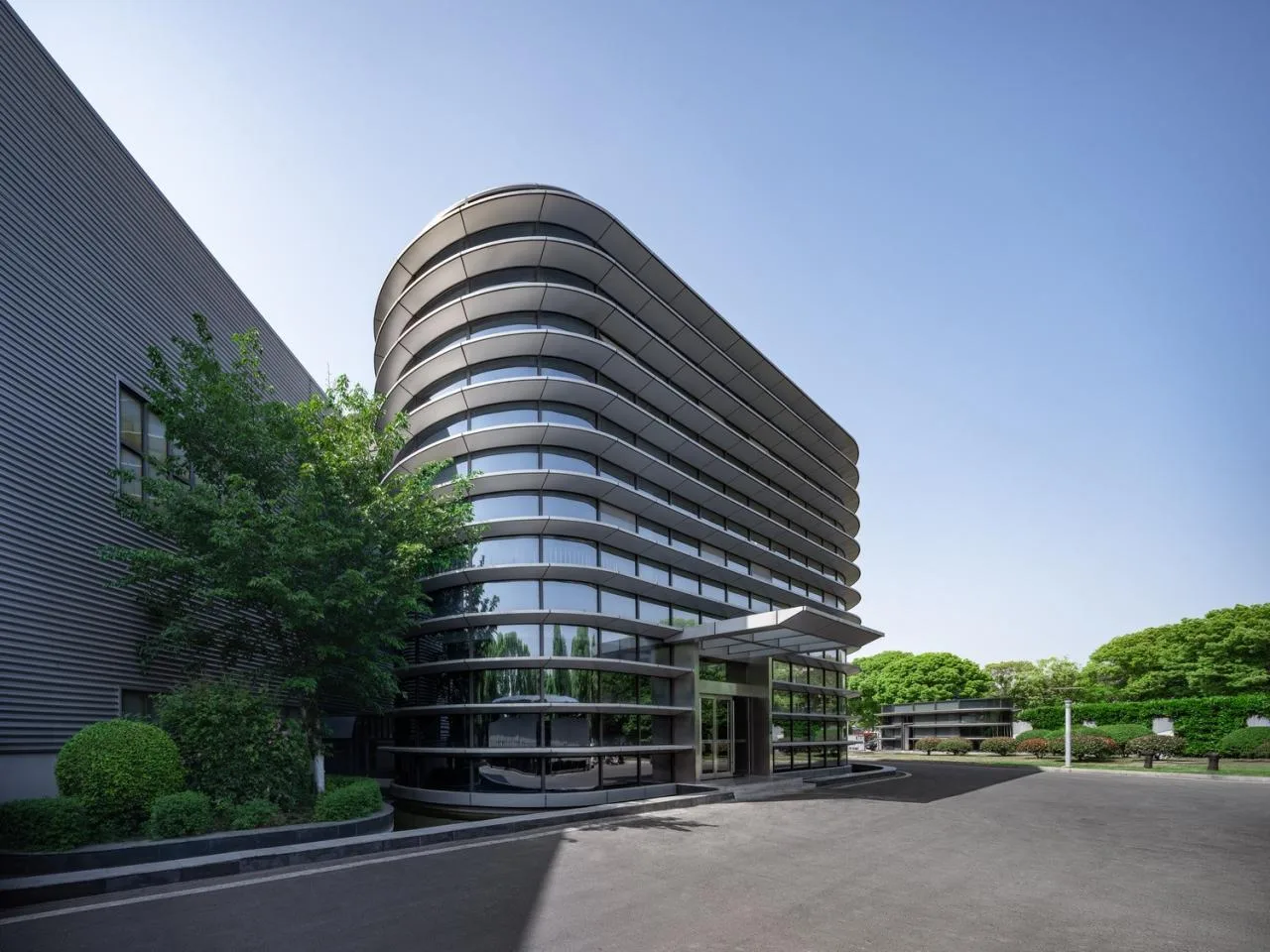
For startups facing fierce competition, survival is the primary goal. Achieving a strong start while maximizing practical value within limited budgets and resources is critical. Additionally, the architectural and spatial design must reflect the company’s character and spirit, conveying confidence in the future. The initial land acquired by Hangya Technology was modest, sufficient only for a basic standard production workshop and roughly 3,000 square meters of office space. Traditionally, workshops and office spaces are combined, with a portion of the workshop allocated for office use. However, for a technology company like Hangya Technology, which mainly serves international clients and places great importance on brand value, a strong corporate image is essential. It not only reflects the company’s unique vision but also communicates a distinctive brand identity, setting it apart from typical manufacturing enterprises during customer interactions.
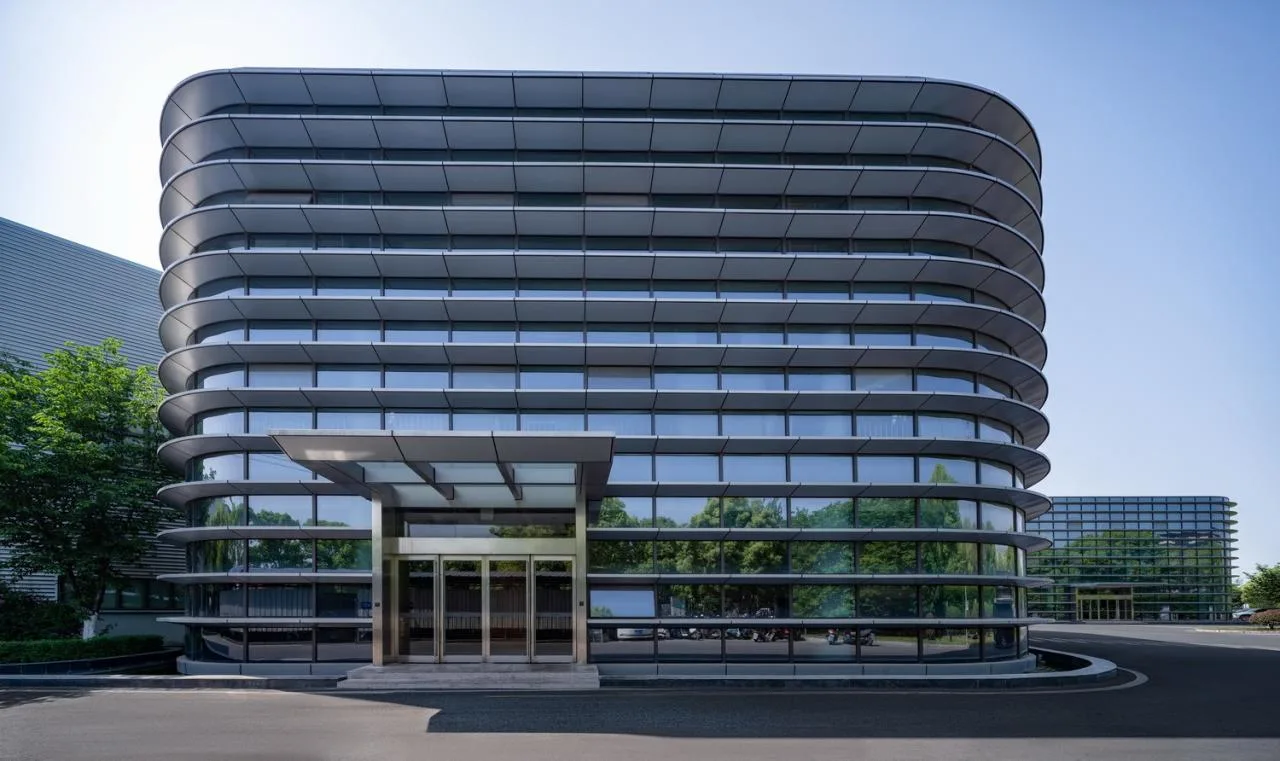
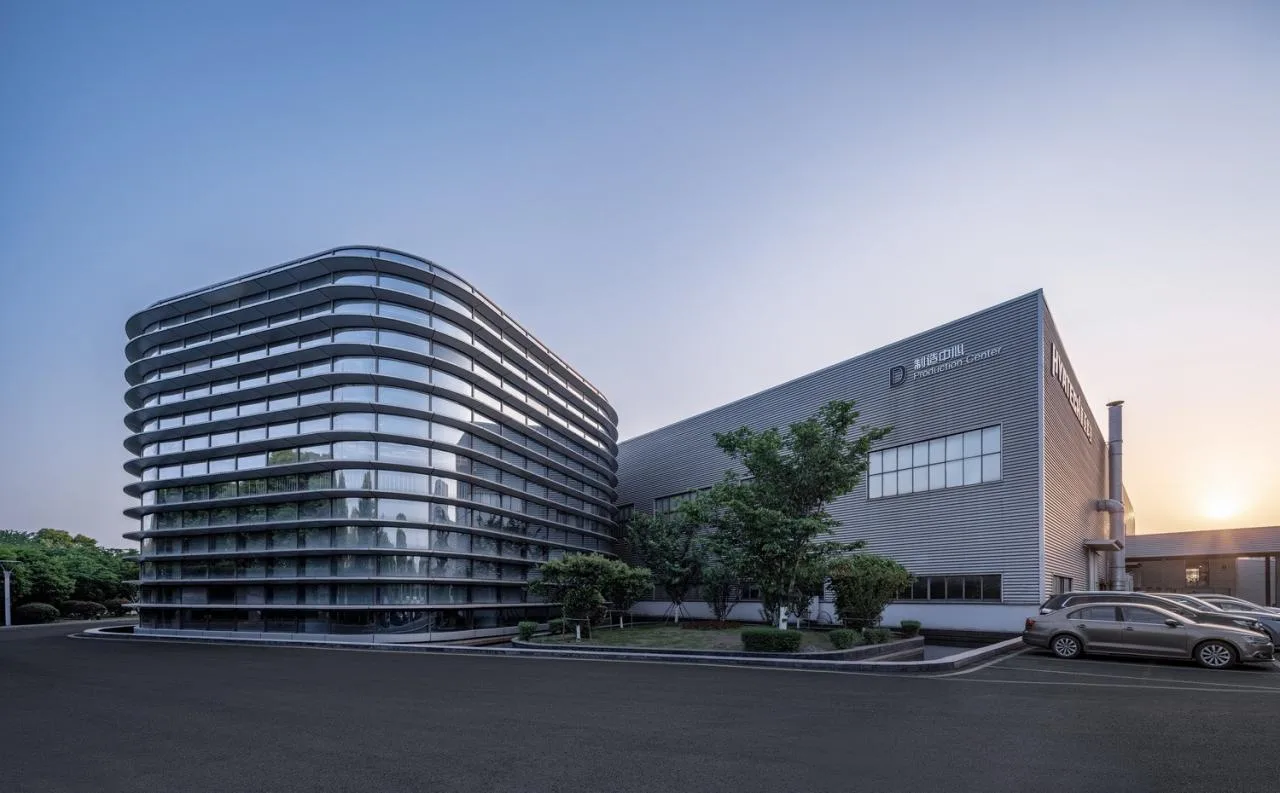
Although the office and public areas are limited in size, we recommended separating them from the standard workshop to create distinct functional blocks. By using block transitions and incorporating courtyard spaces, we crafted a rich, multi-layered experience within the confined space. This approach to enhancing value within strict constraints reflects a refined and thoughtful attitude, mirroring the precision and spirit embodied in Hangya Technology’s products.
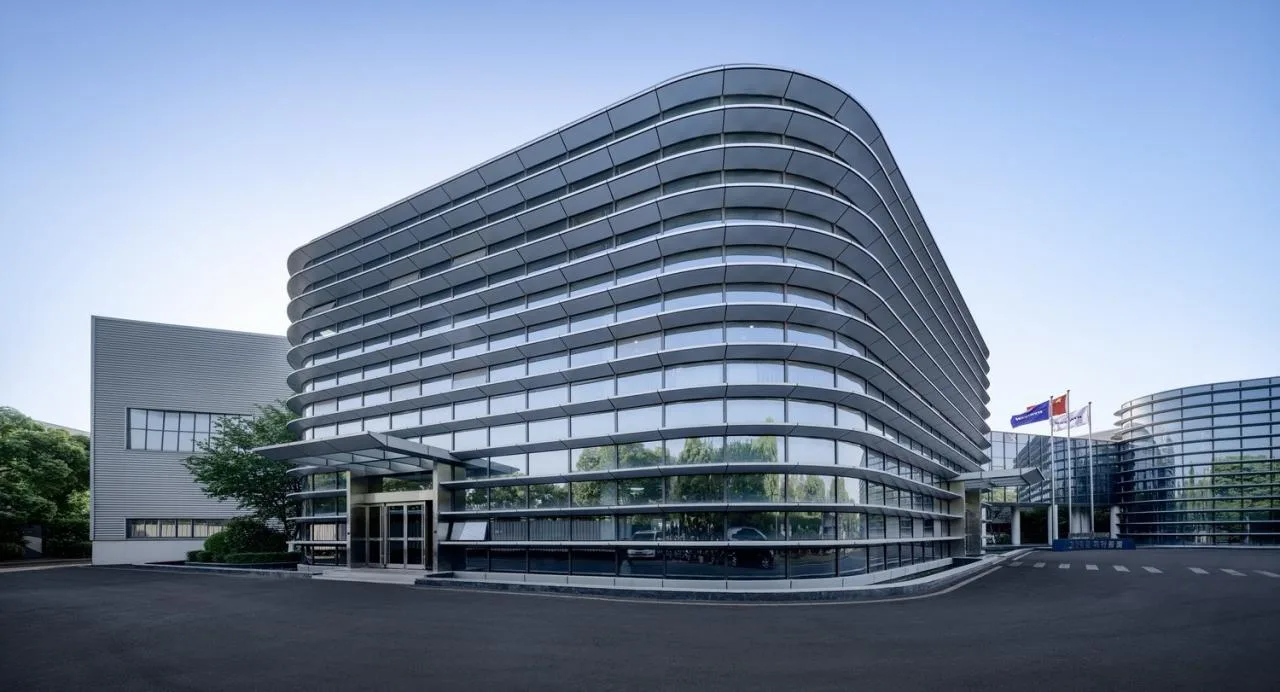
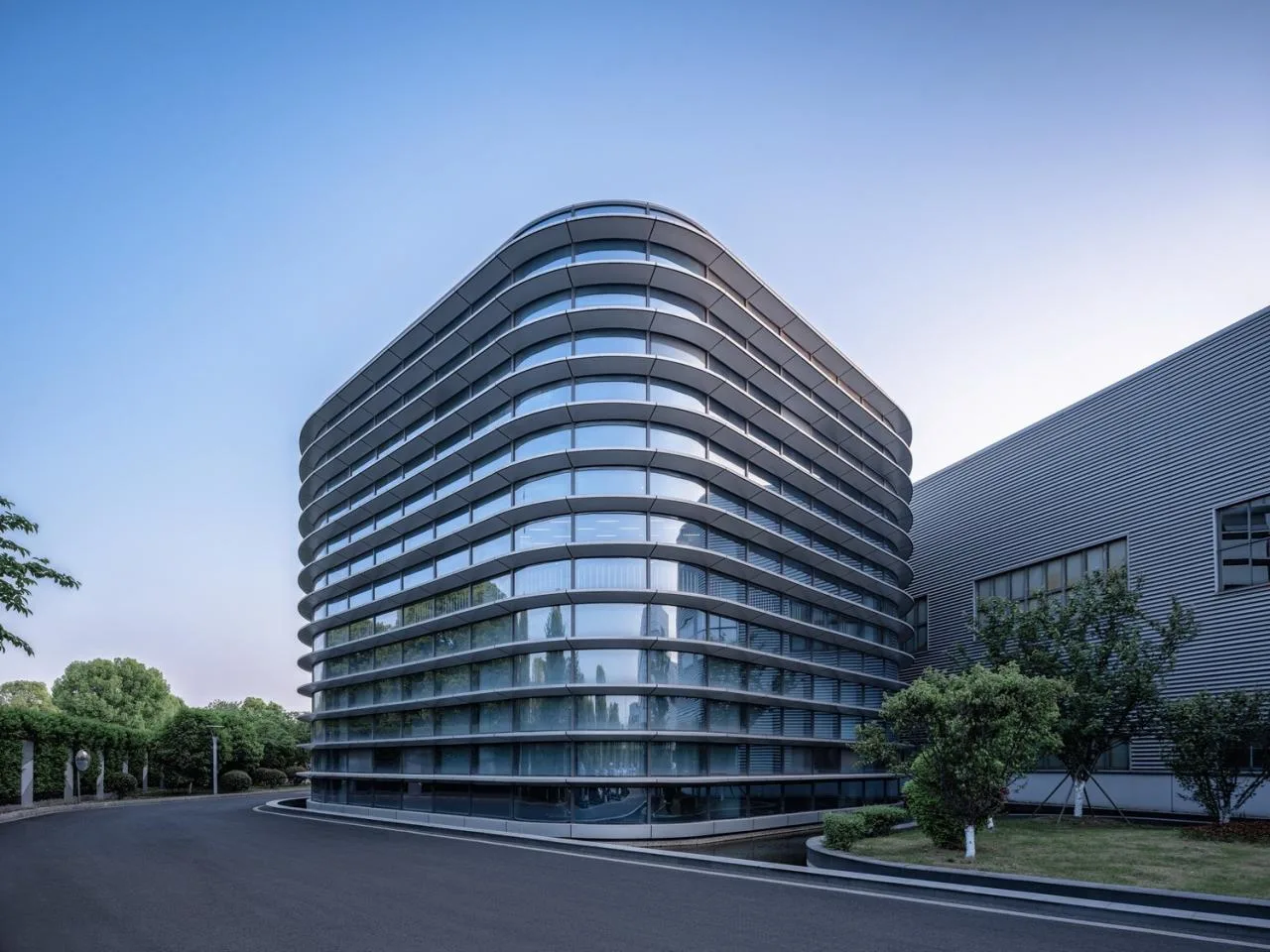
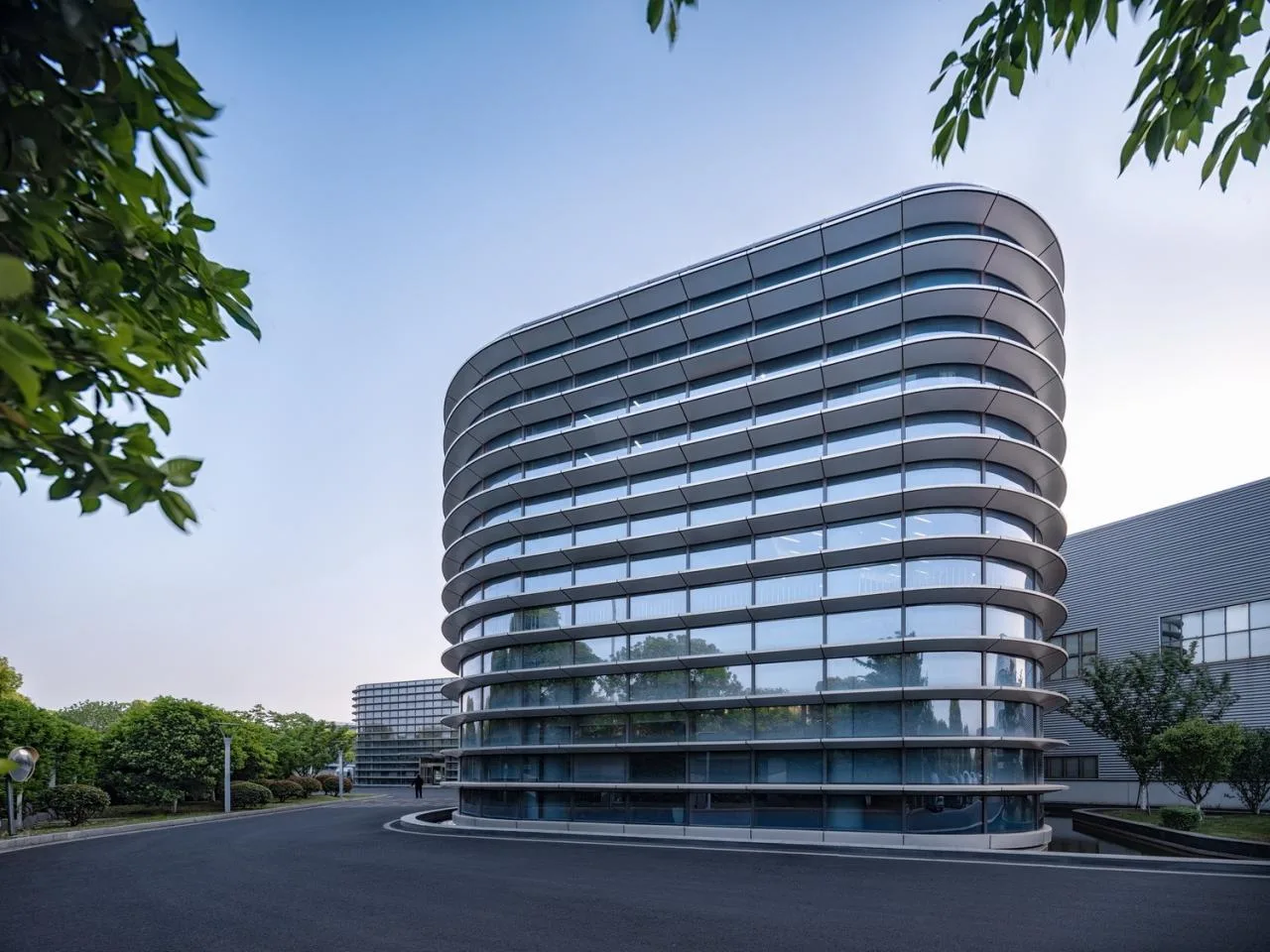
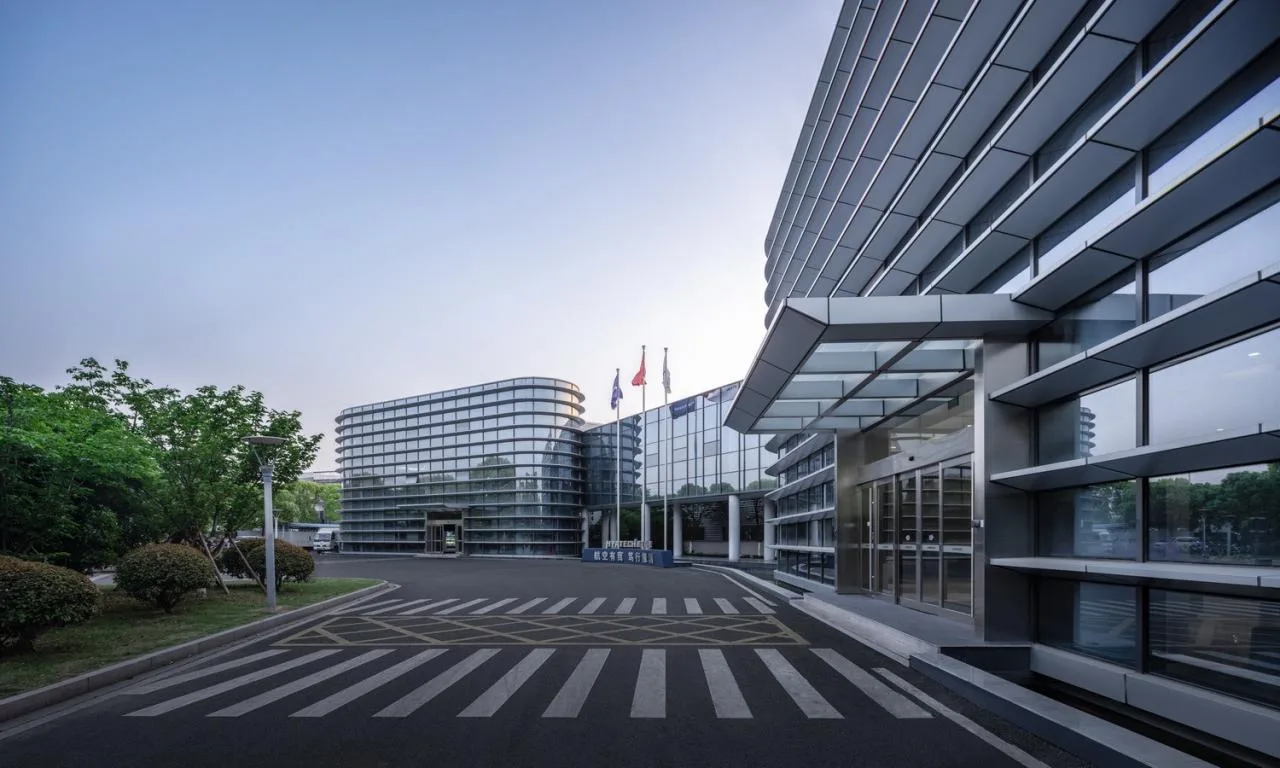
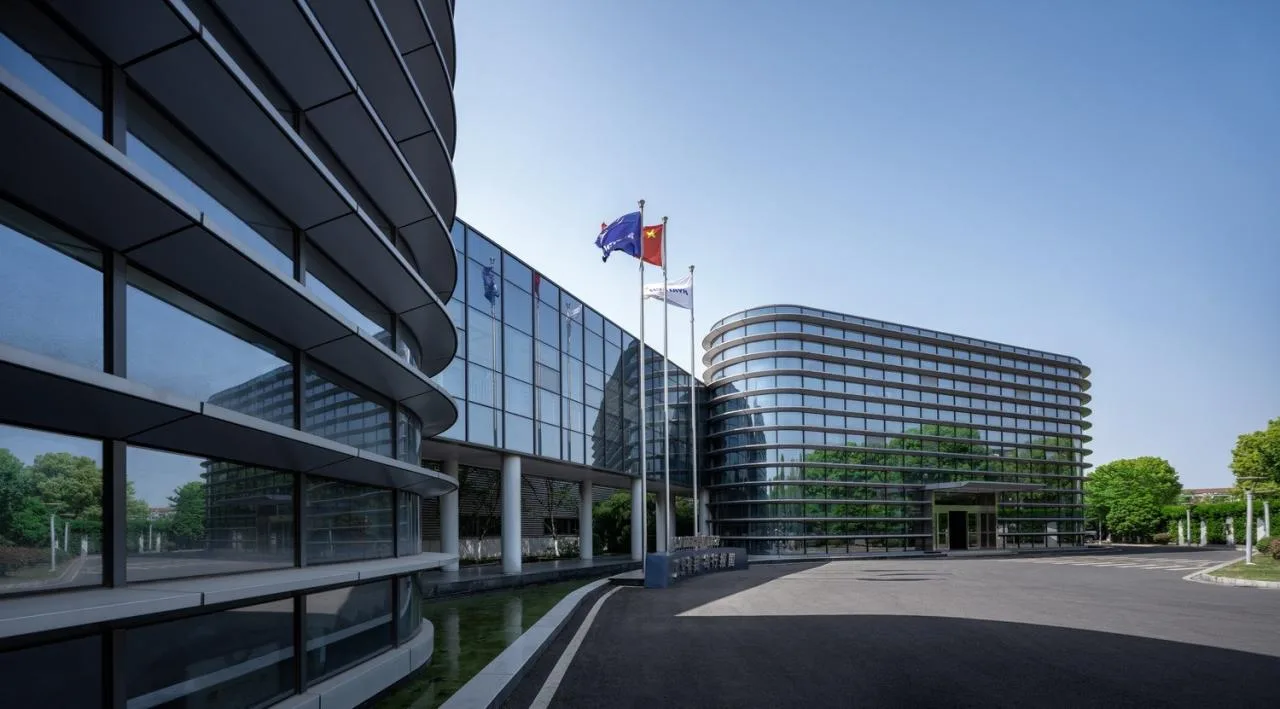
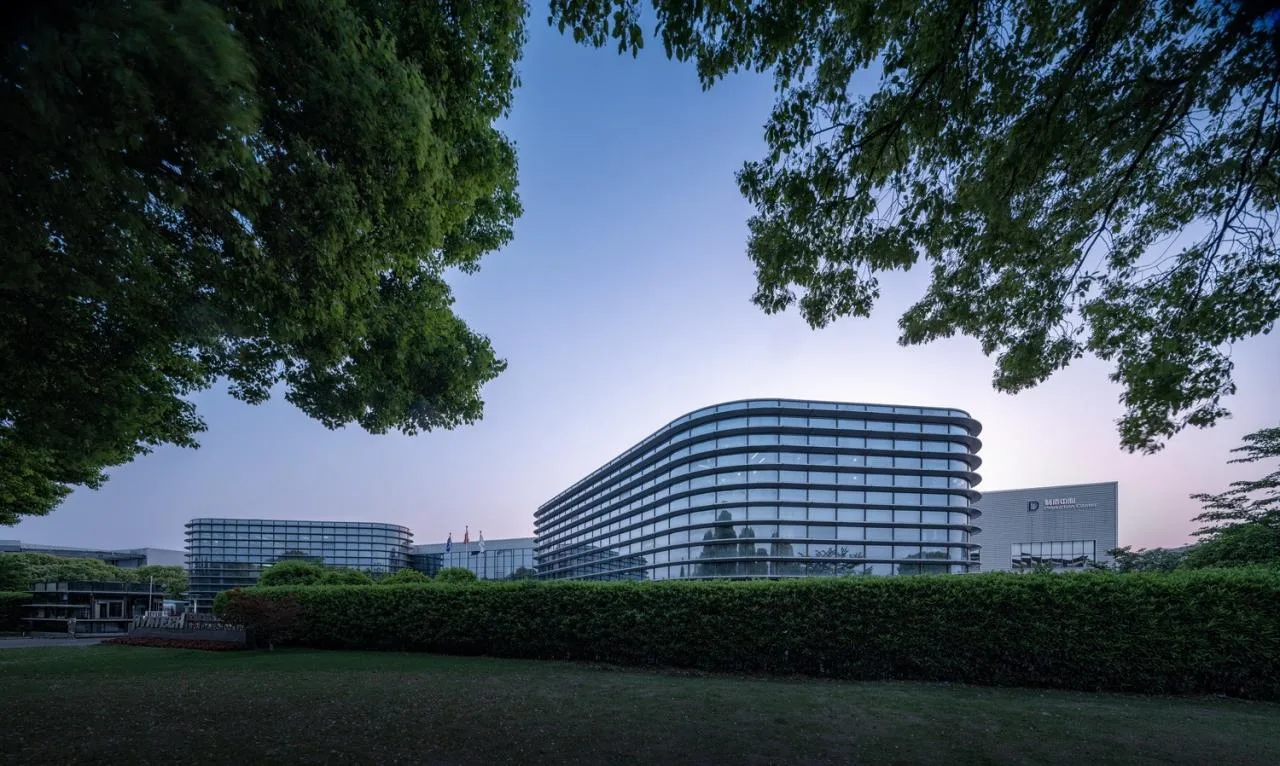
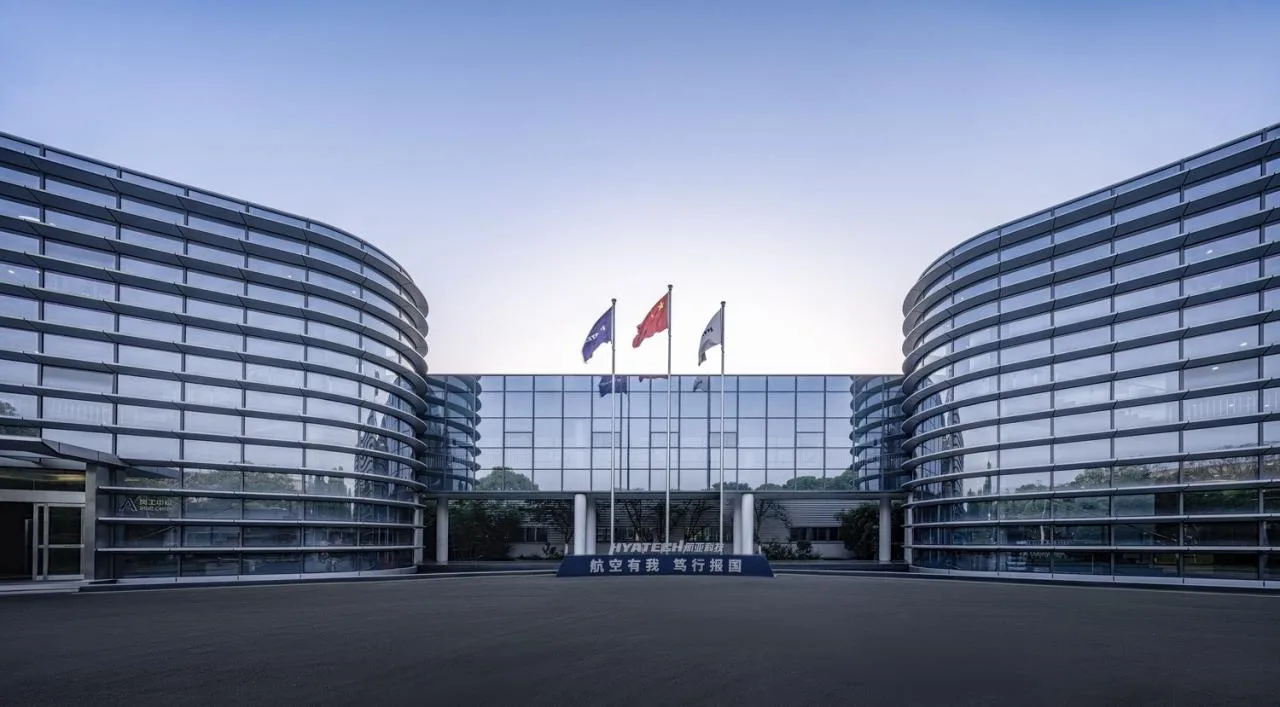
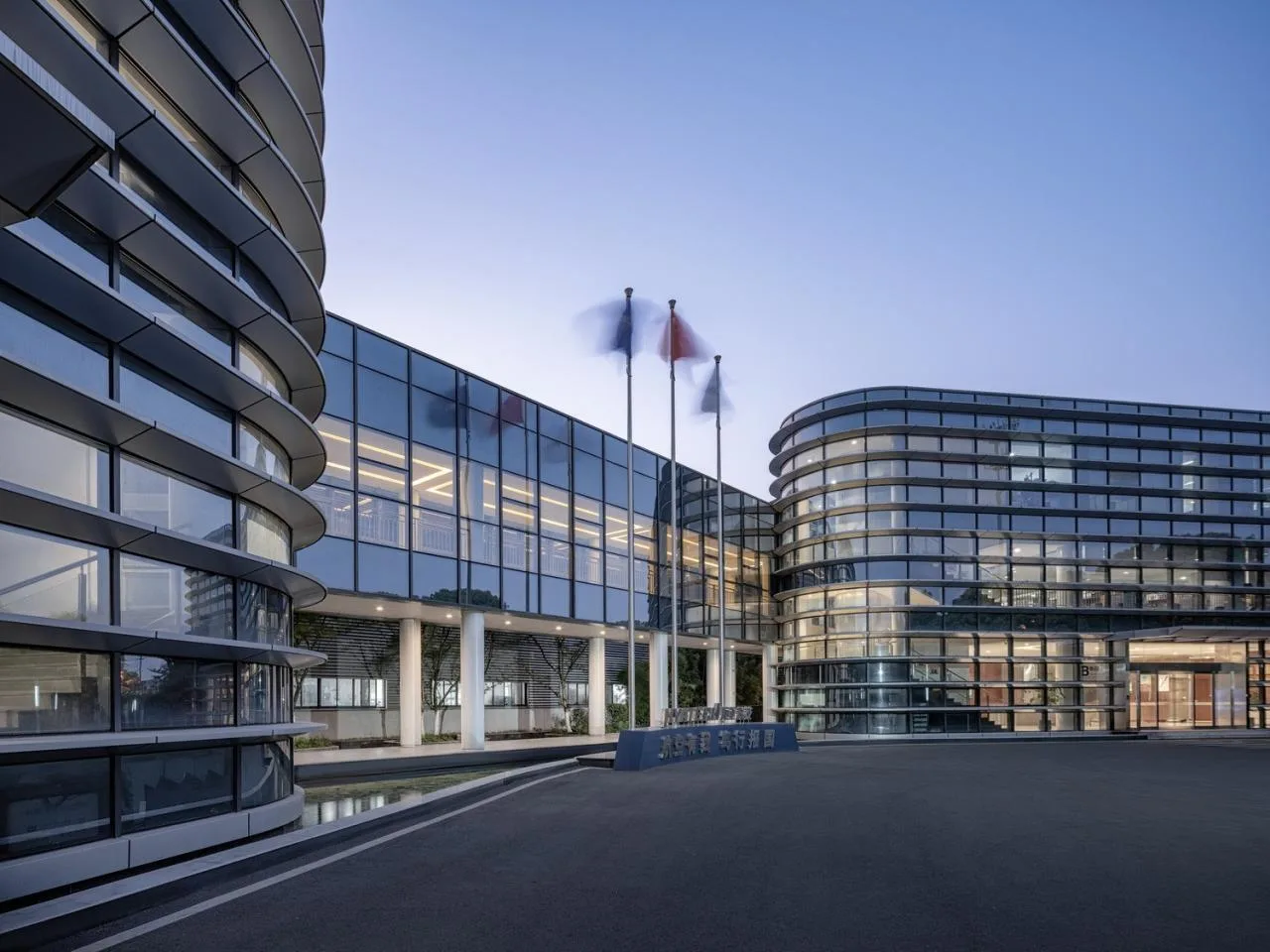
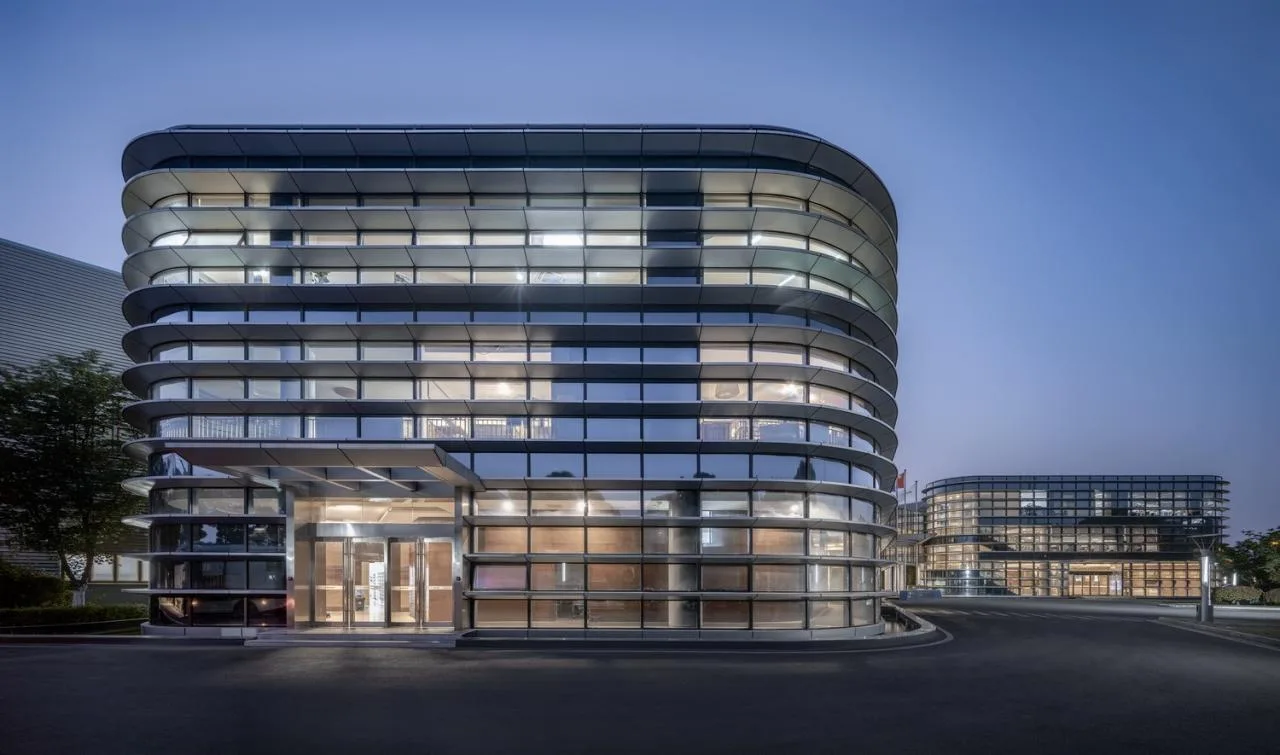
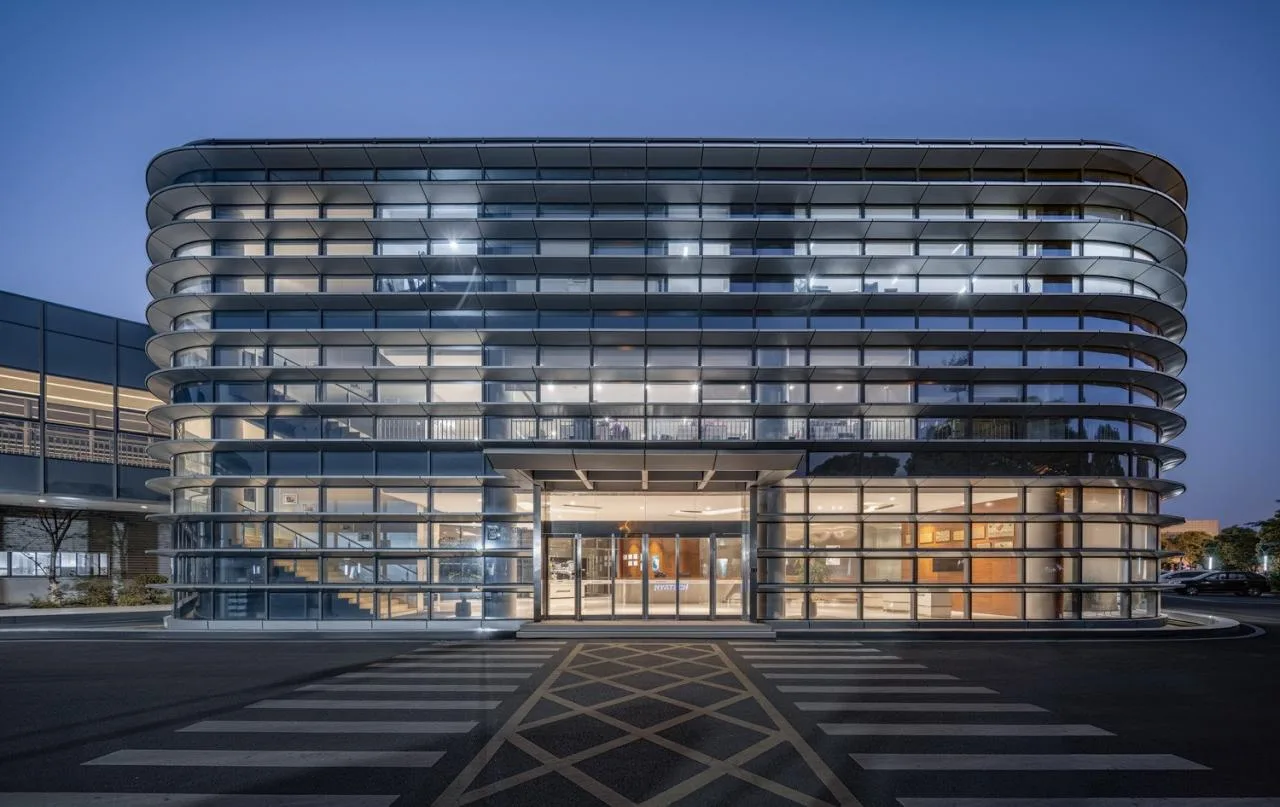
The standard workshop features an aluminum alloy corrugated panel exterior, emphasizing its industrial character. The front building is split into two sections: one housing offices, research and development, and business operations; the other containing a restaurant and employee care facilities. Inspired by the form and aerodynamic characteristics of Hangya Technology’s aviation products, we integrated gas flow lines from wind tunnel experiments to shape the two buildings with smooth, curved forms. These streamlined structures enclose a recessed courtyard at the factory’s entrance, with flagpoles aligned along the courtyard axis facing the workshop’s gable. Glass corridors connect the buildings on both sides. We persuaded the client to include a small courtyard within the valuable workshop space, featuring water elements and tree pools. A glass corridor runs through this courtyard, allowing occupants to experience this rare natural oasis situated between the workshop and office buildings at different levels. The interplay of light and shadow evokes a poetic atmosphere, reminiscent of subtle moonlight and swaying laurel trees.
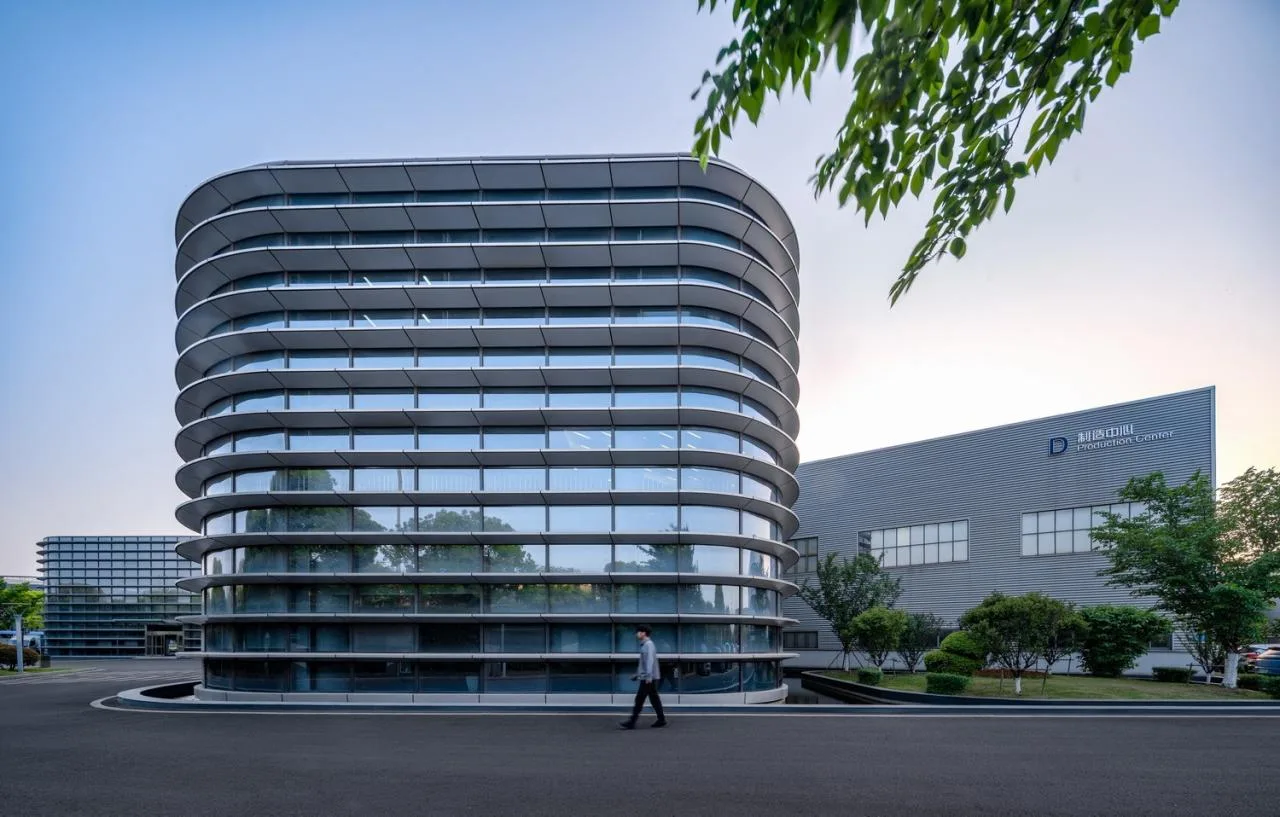
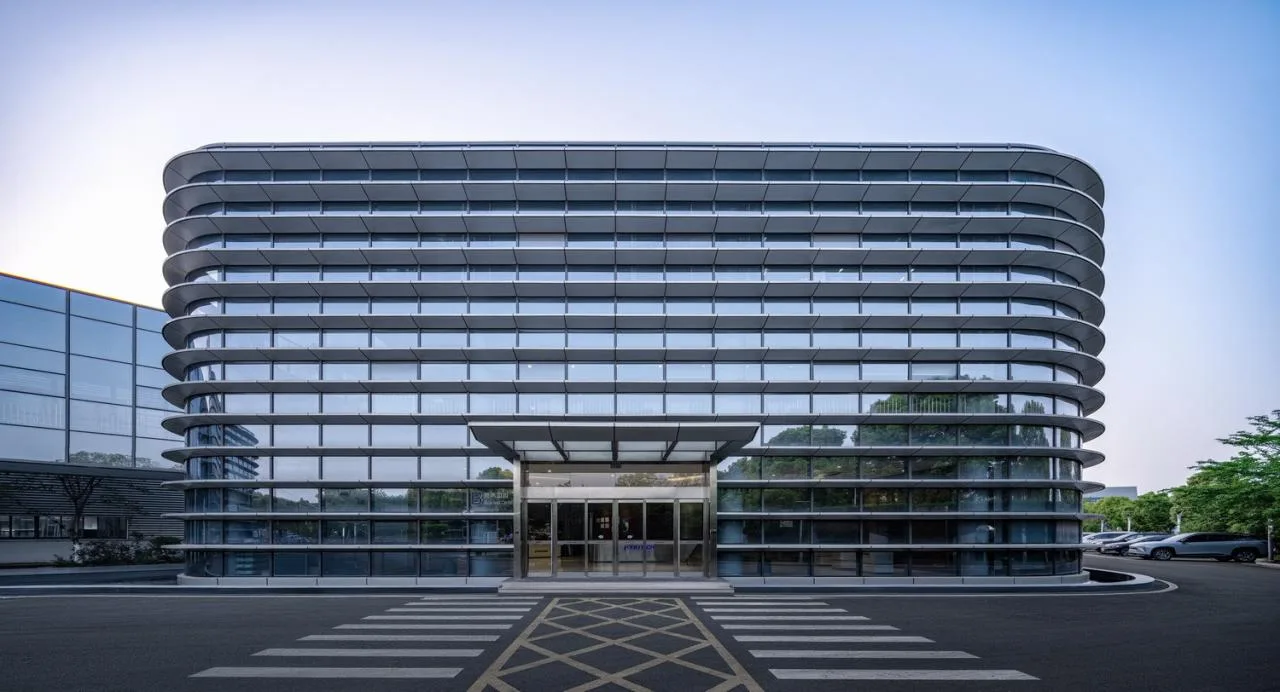
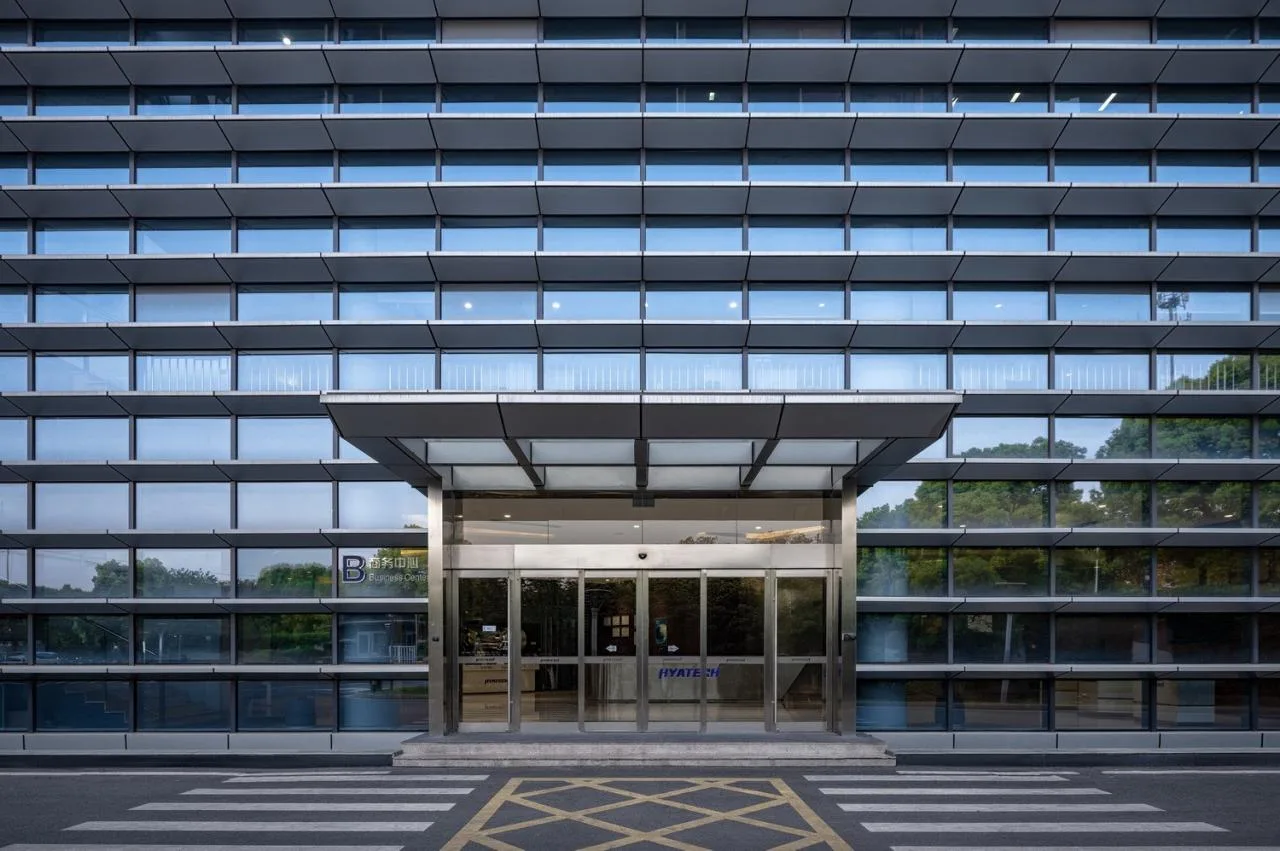
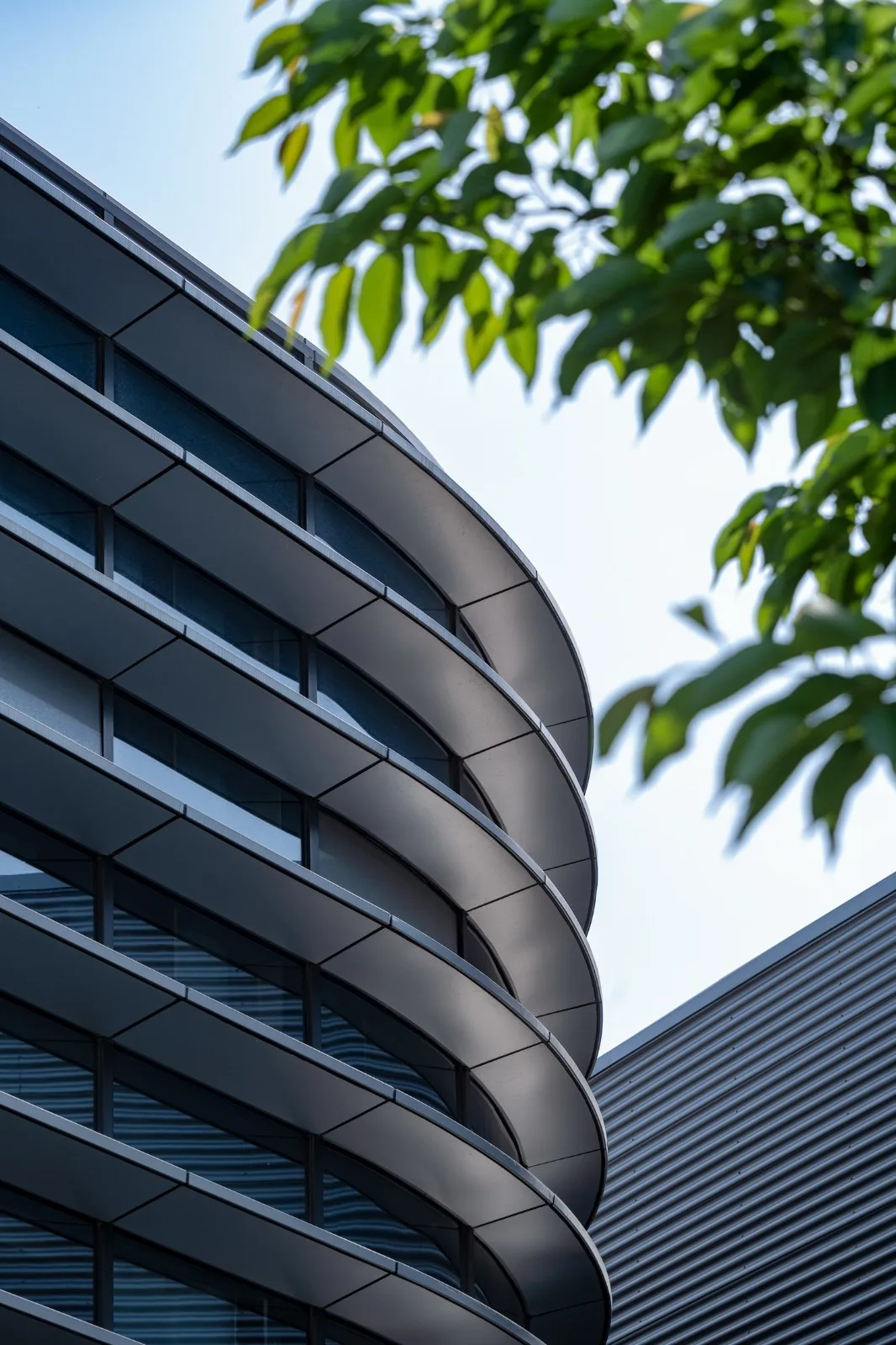
The streamlined building features a glass curtain wall facade fitted with uniformly distributed aluminum alloy horizontal sunshades. The horizontal movement of these metal components enhances the building’s sense of flow, visually unifying the public building with the production workshop. Although the facades and internal spaces slightly differ, the resulting interplay of lines and surfaces enriches the building’s overall hierarchy, forming a unique architectural identity. As the surrounding trees mature, they fill the spaces left behind. The flickering sunlight filtering through the swaying leaves reflects the richness of nature embraced by the architecture.
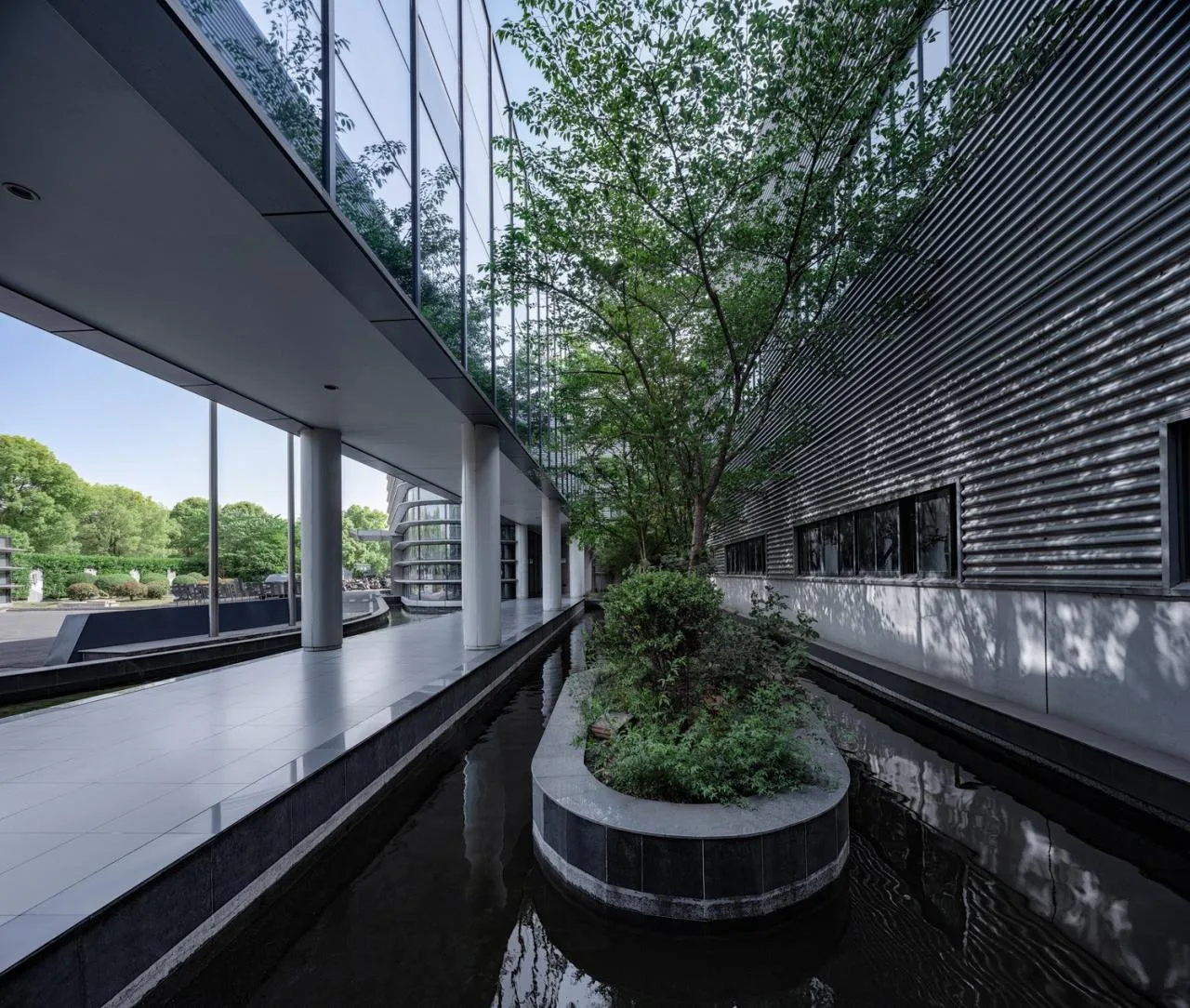
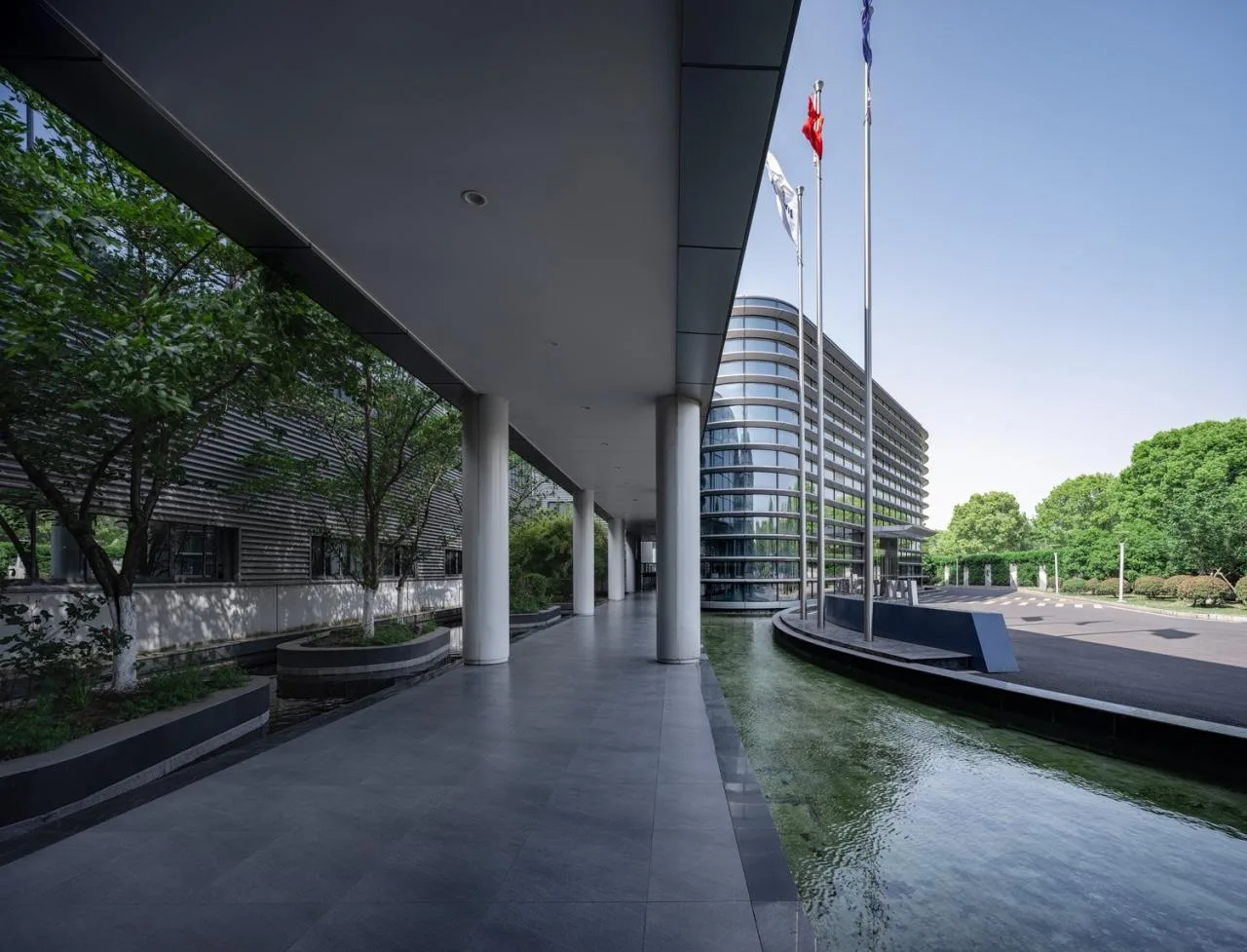
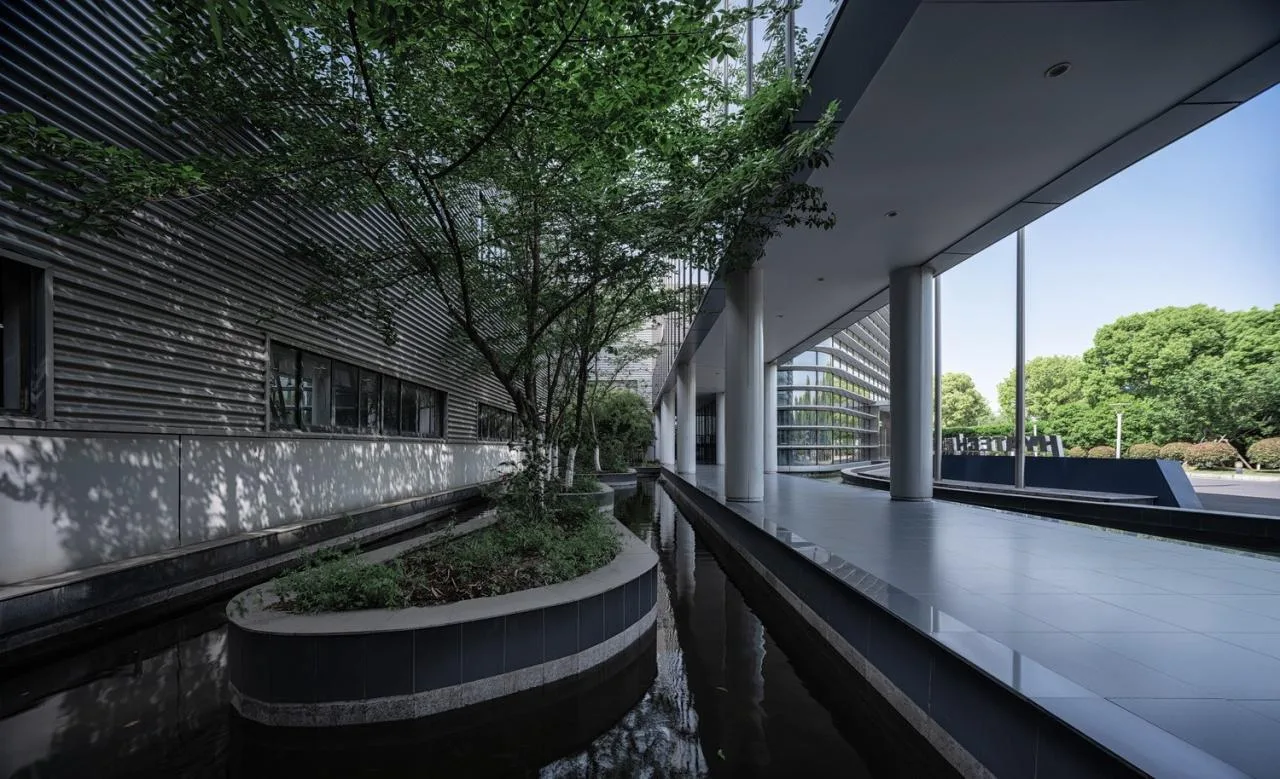
Mizhang Architecture believes that every building should express a unique personality closely tied to its users. While businesses have varying needs at different growth stages, their inherent spirit remains consistent throughout. Identifying and shaping this spirit is a vital tool in architectural creation. Architecture may take on different forms over time and scale, but its core characteristics will accompany a company’s development, becoming the most direct and tangible representation of its identity.
Project drawings
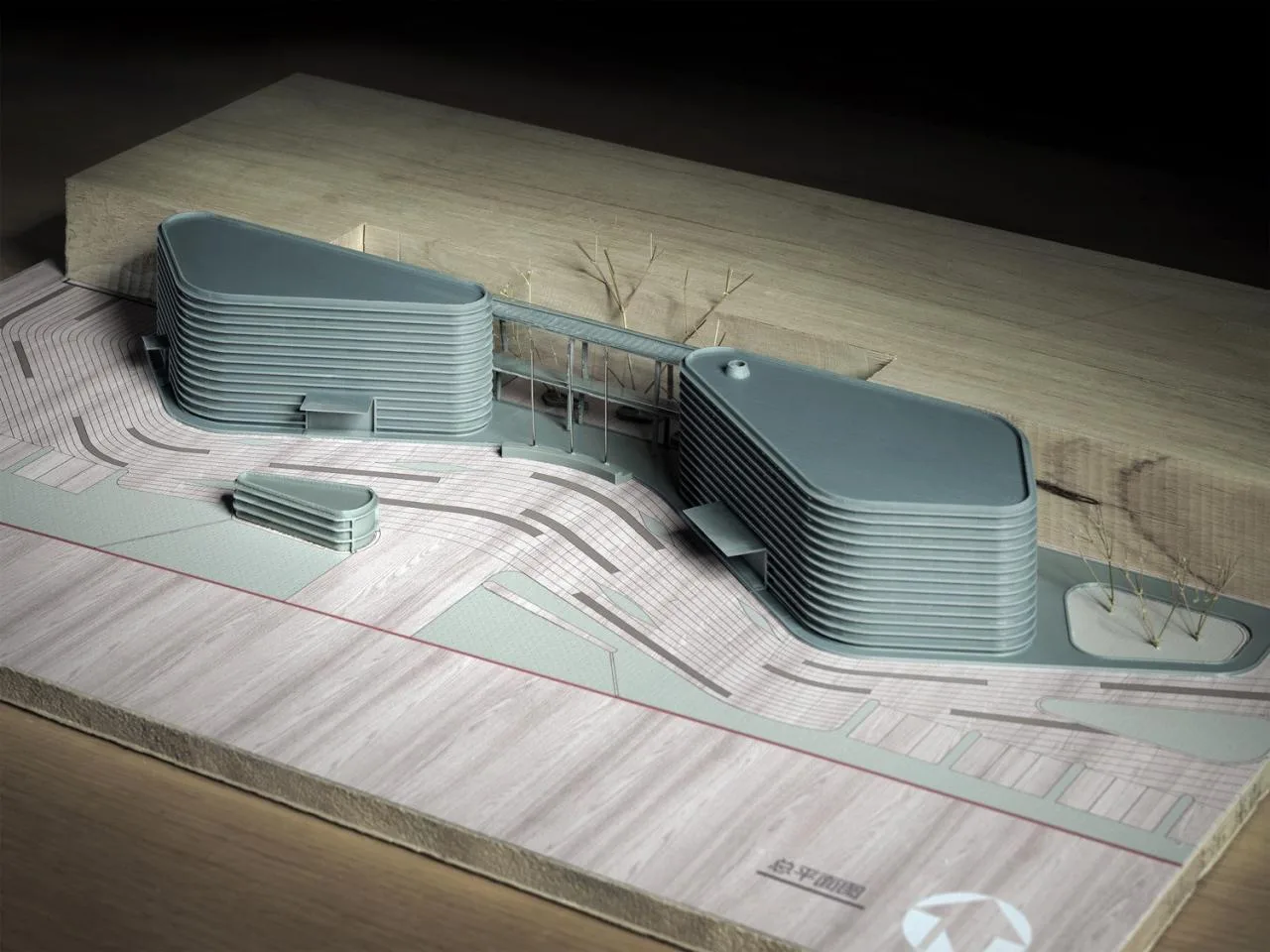
△ Model diagram
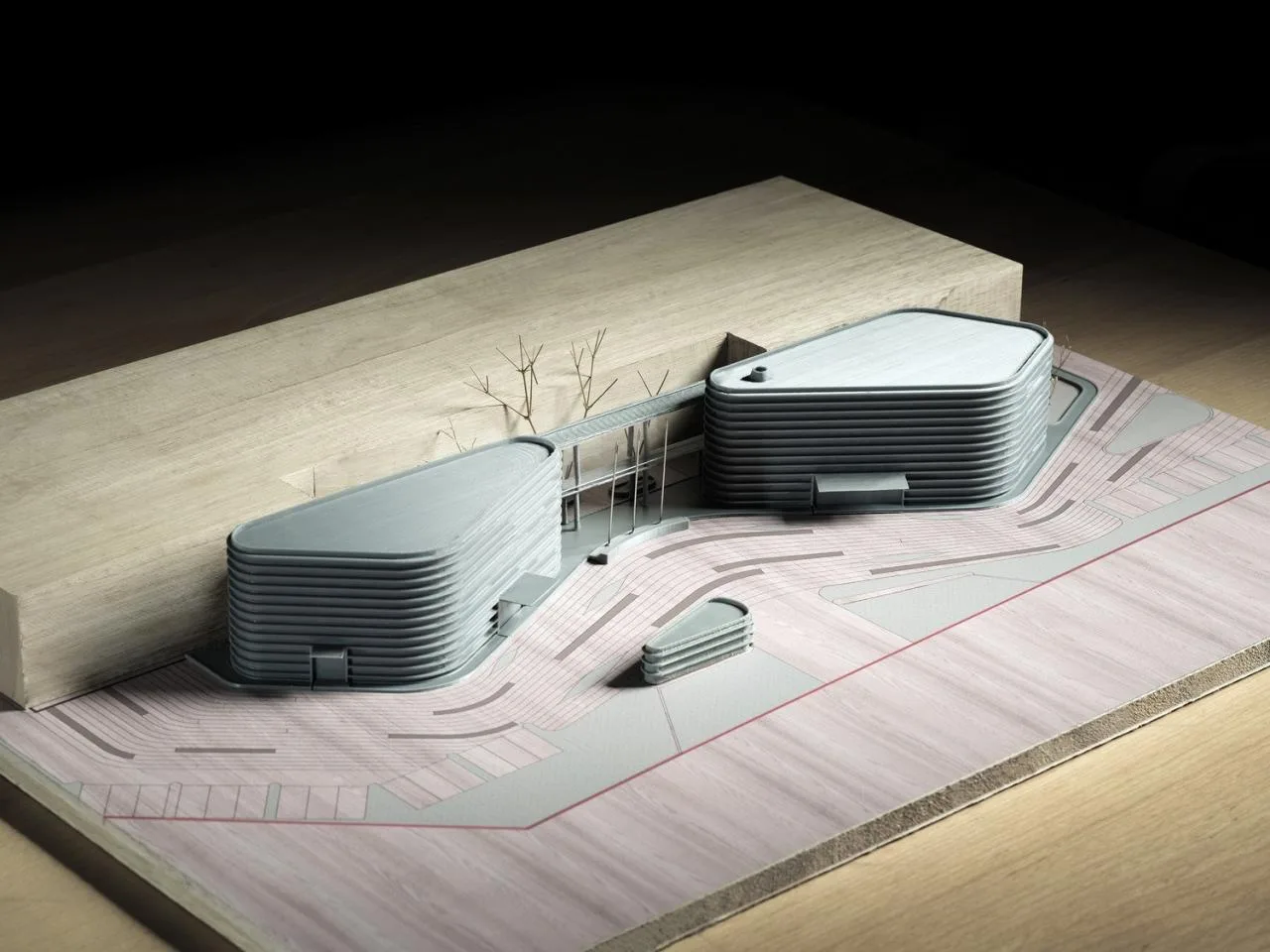
△ Model diagram
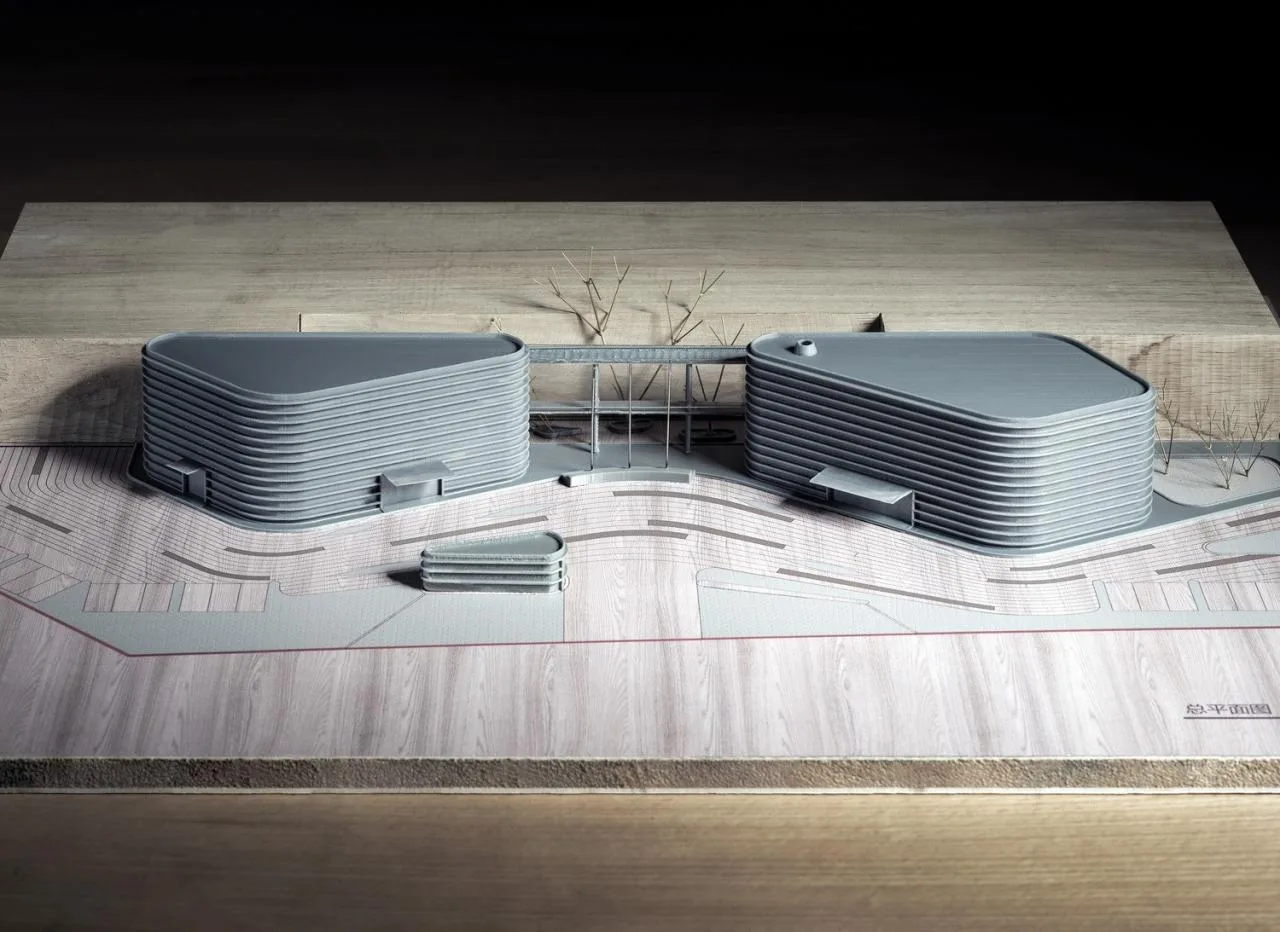
△ Model diagram
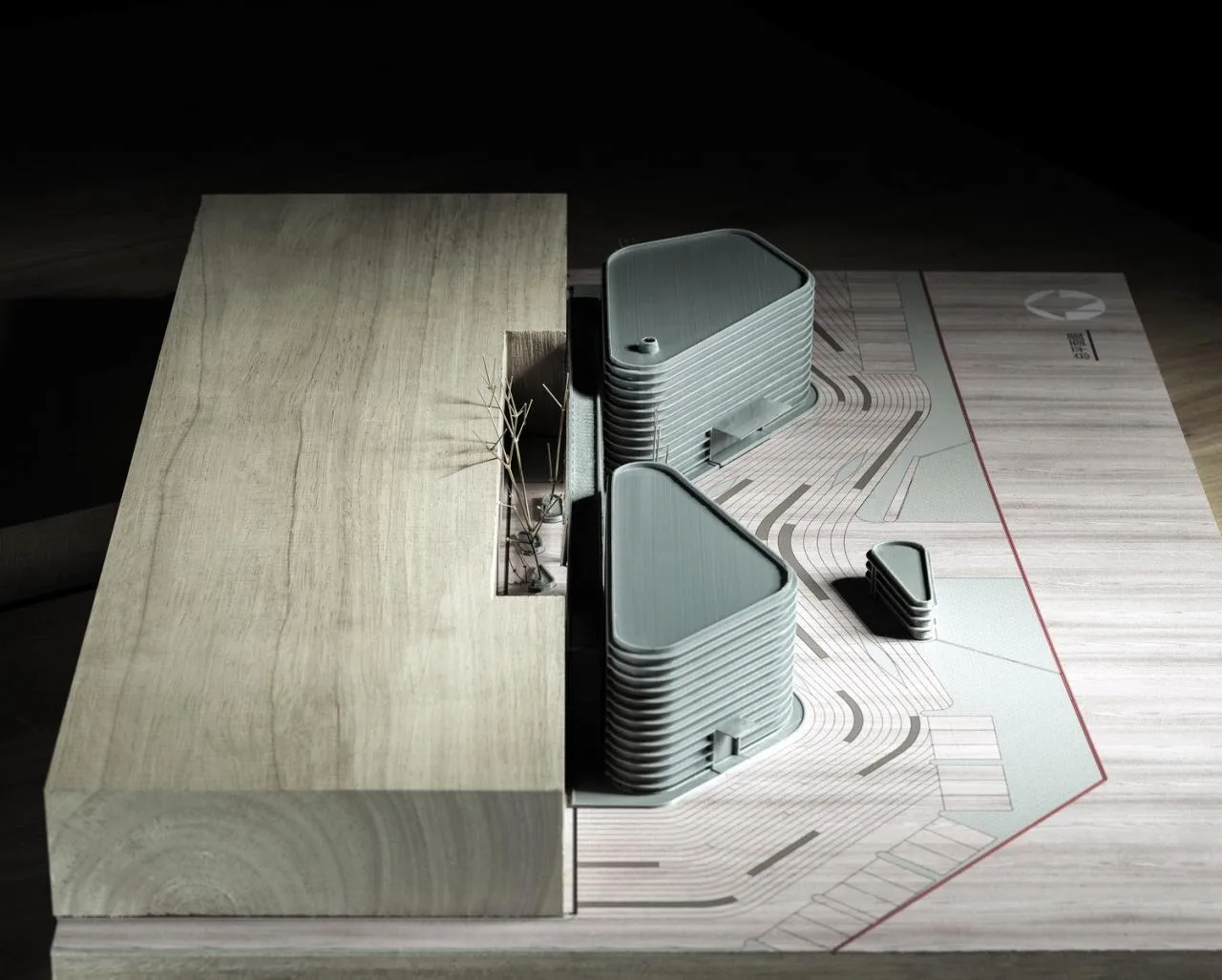
△ Model diagram
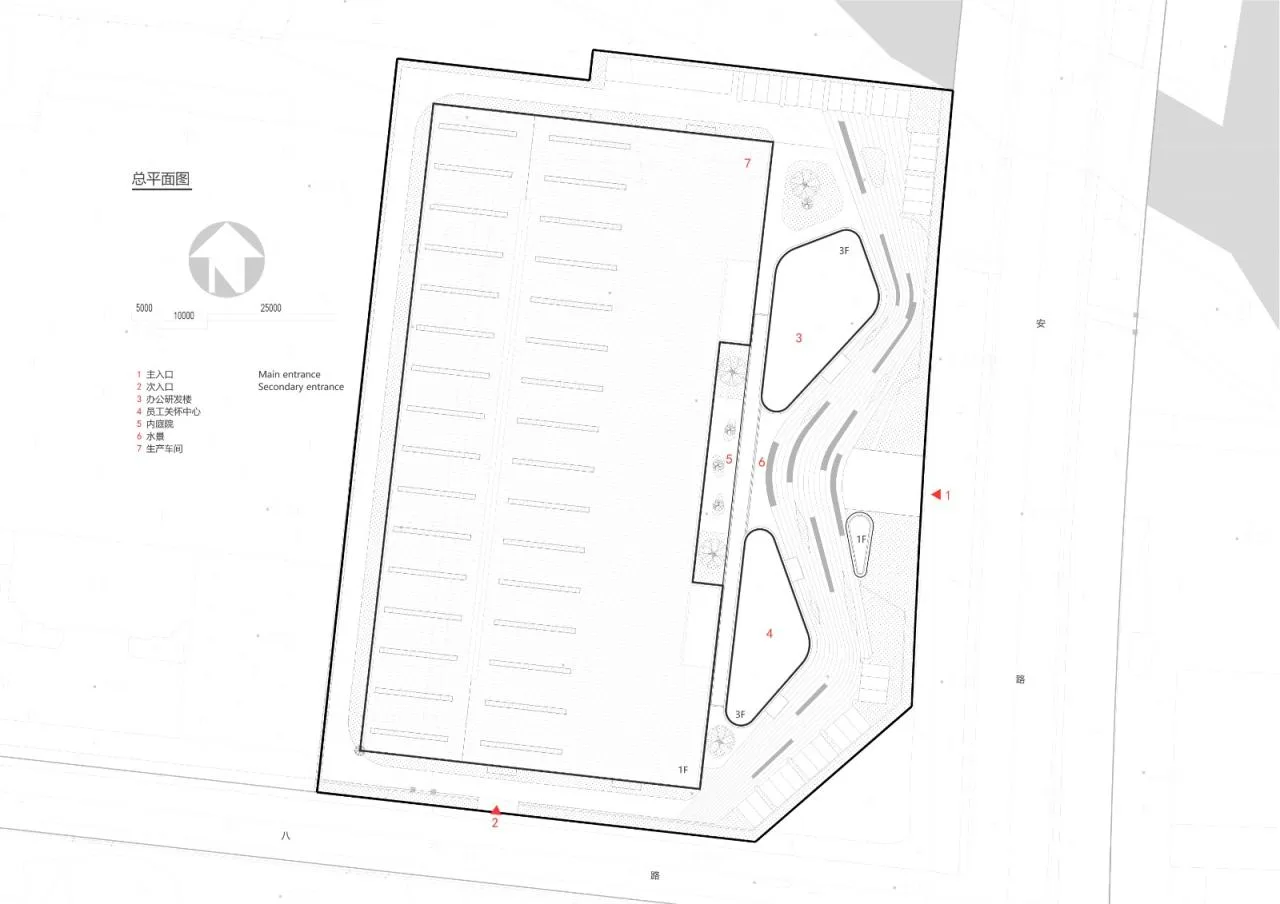
△ General layout plan
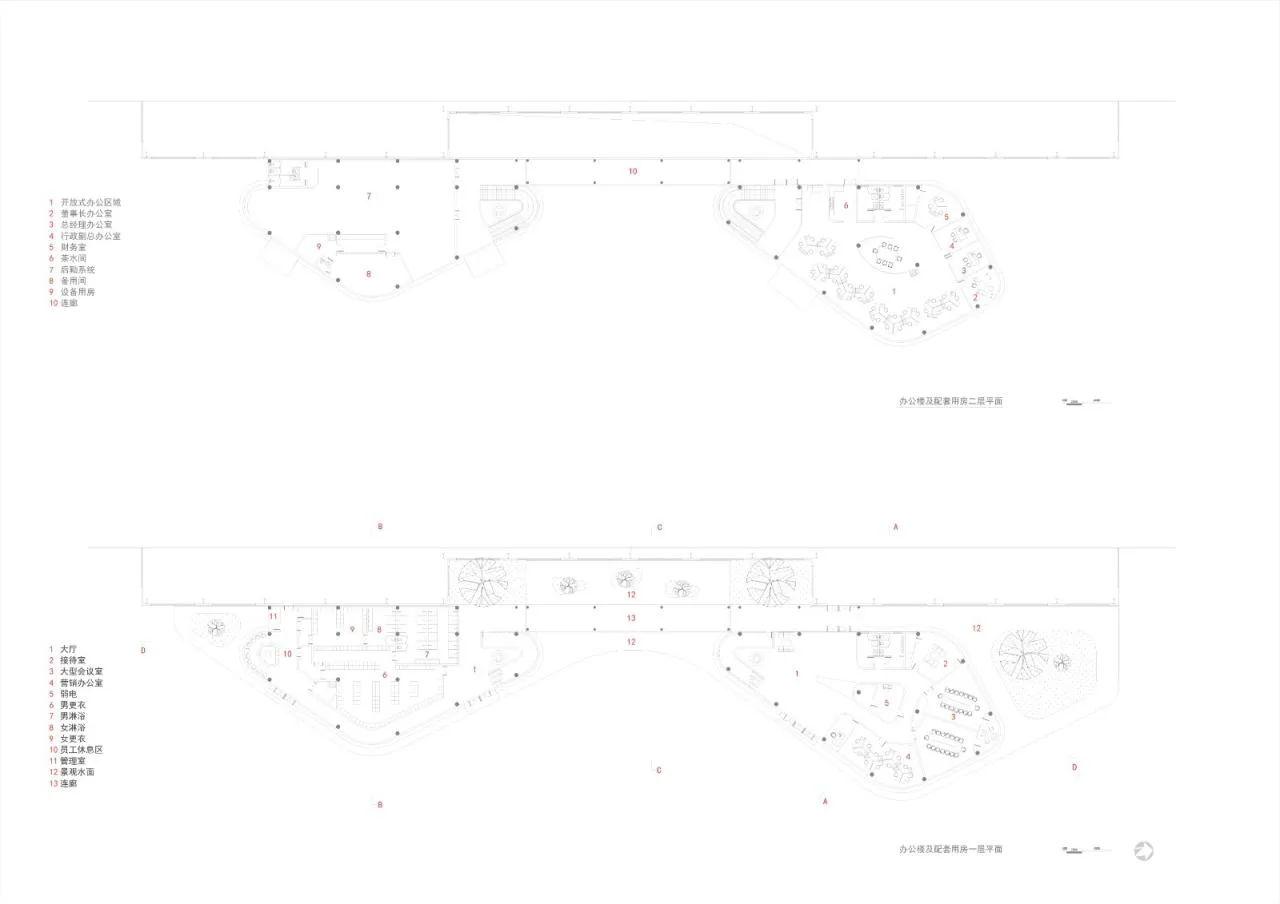
△ Plan view
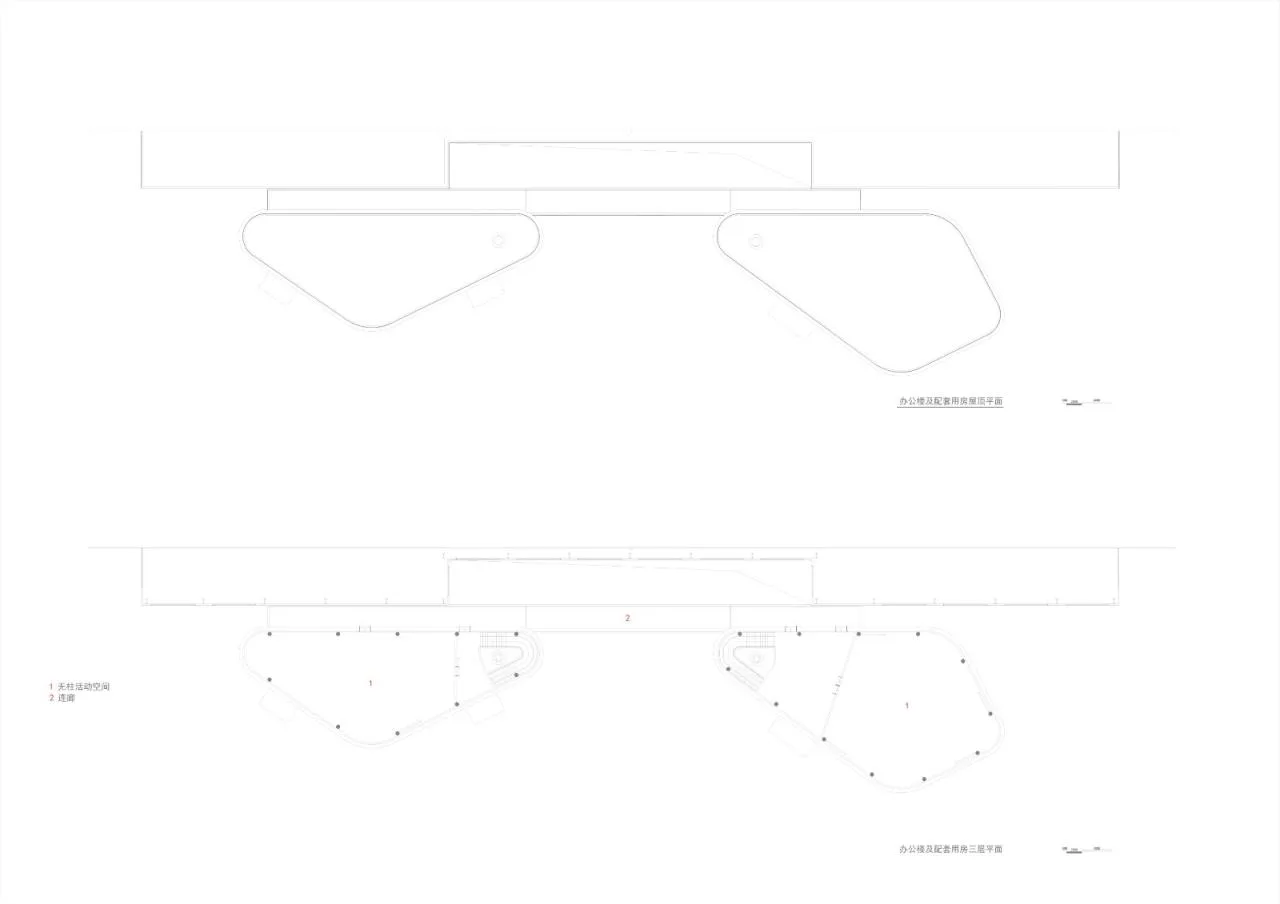
△ Plan view
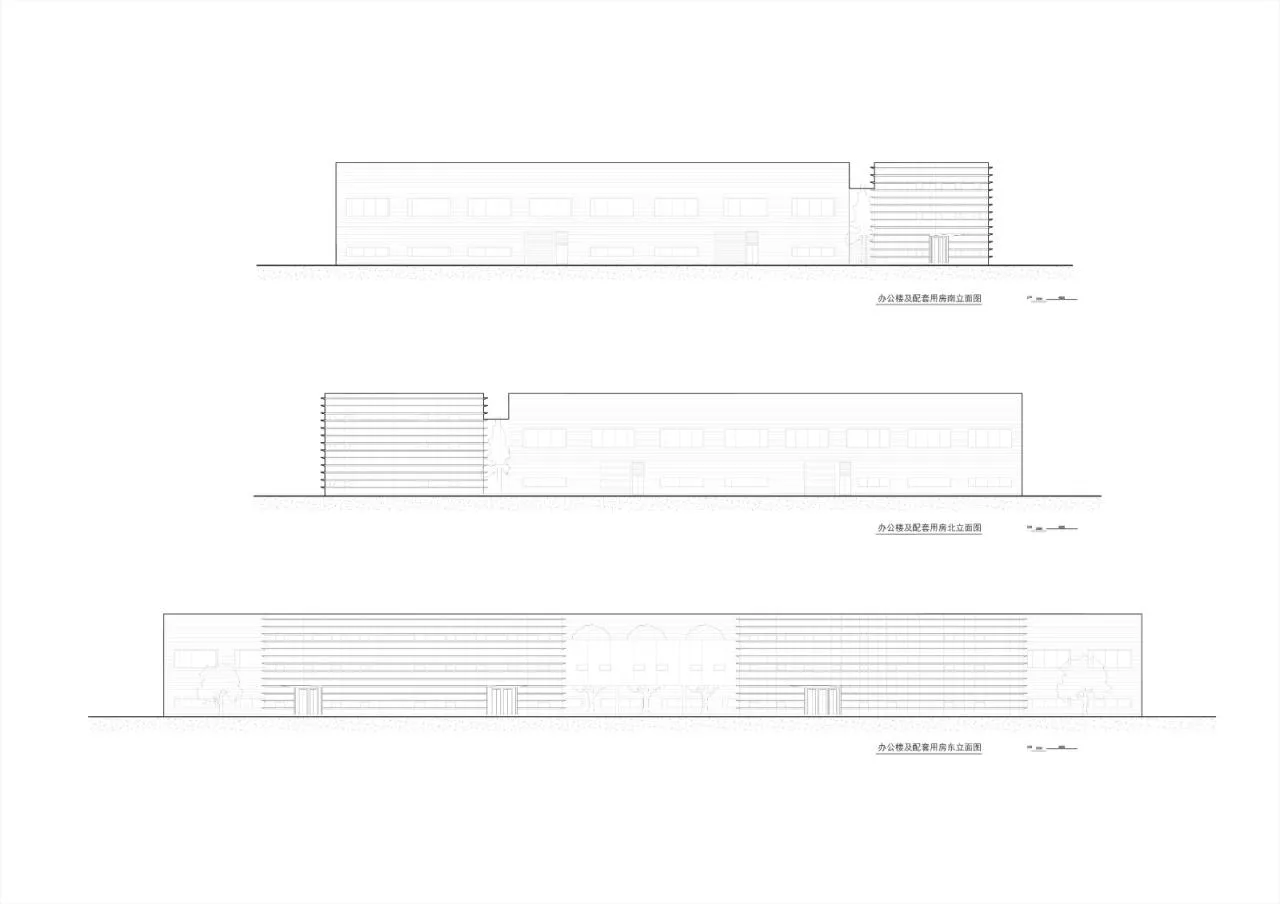
△ Elevation drawing
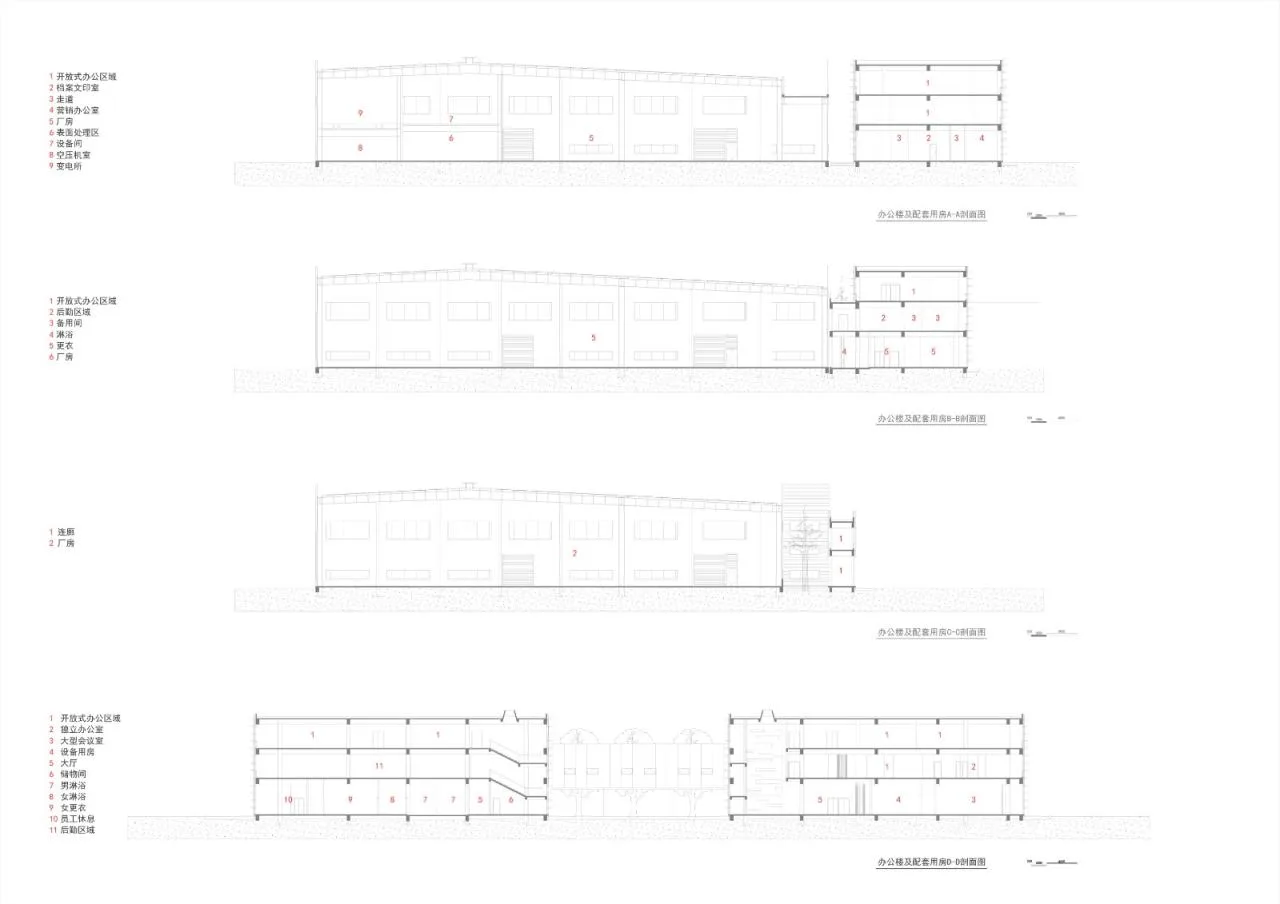
△ Section diagram
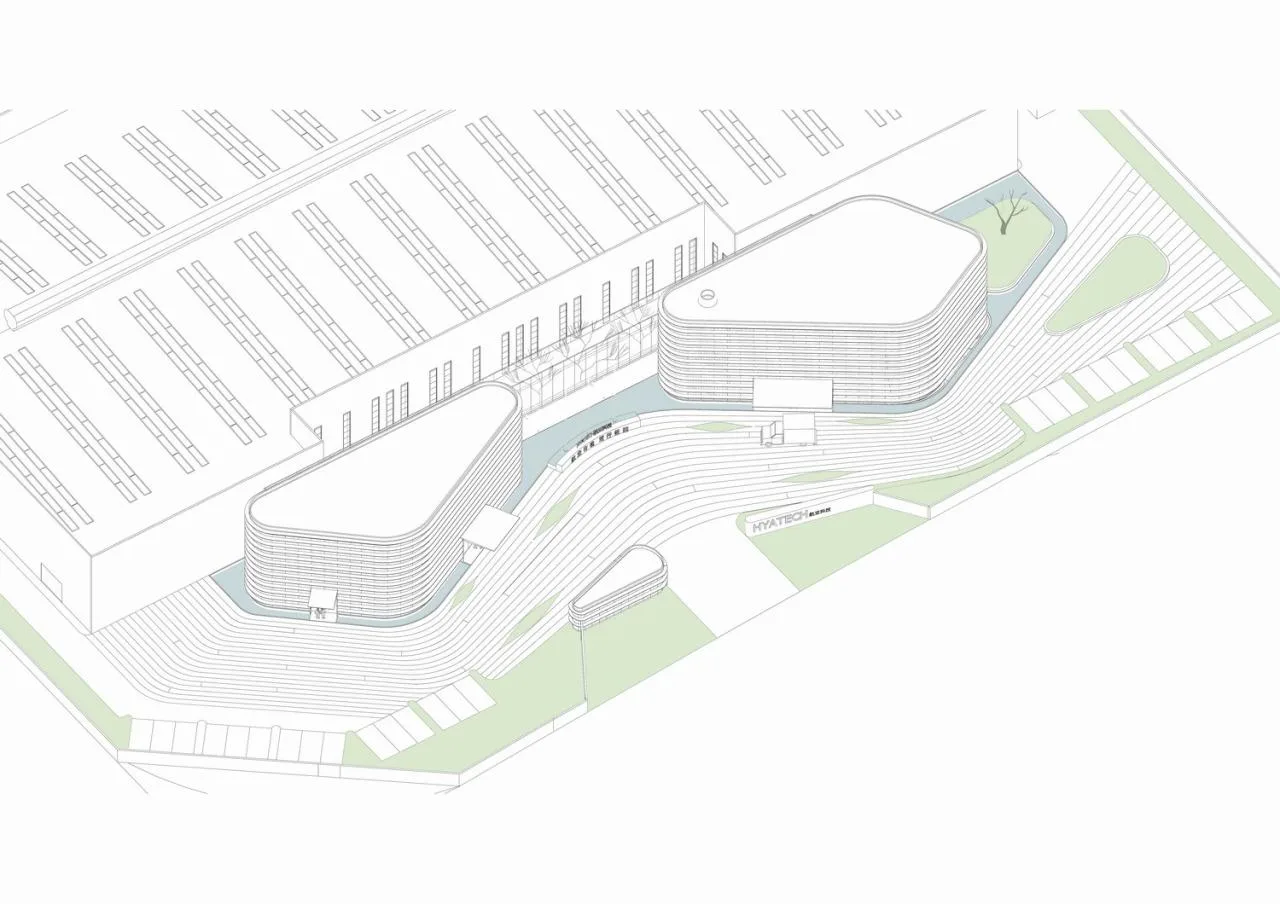
△ Axonometric diagram
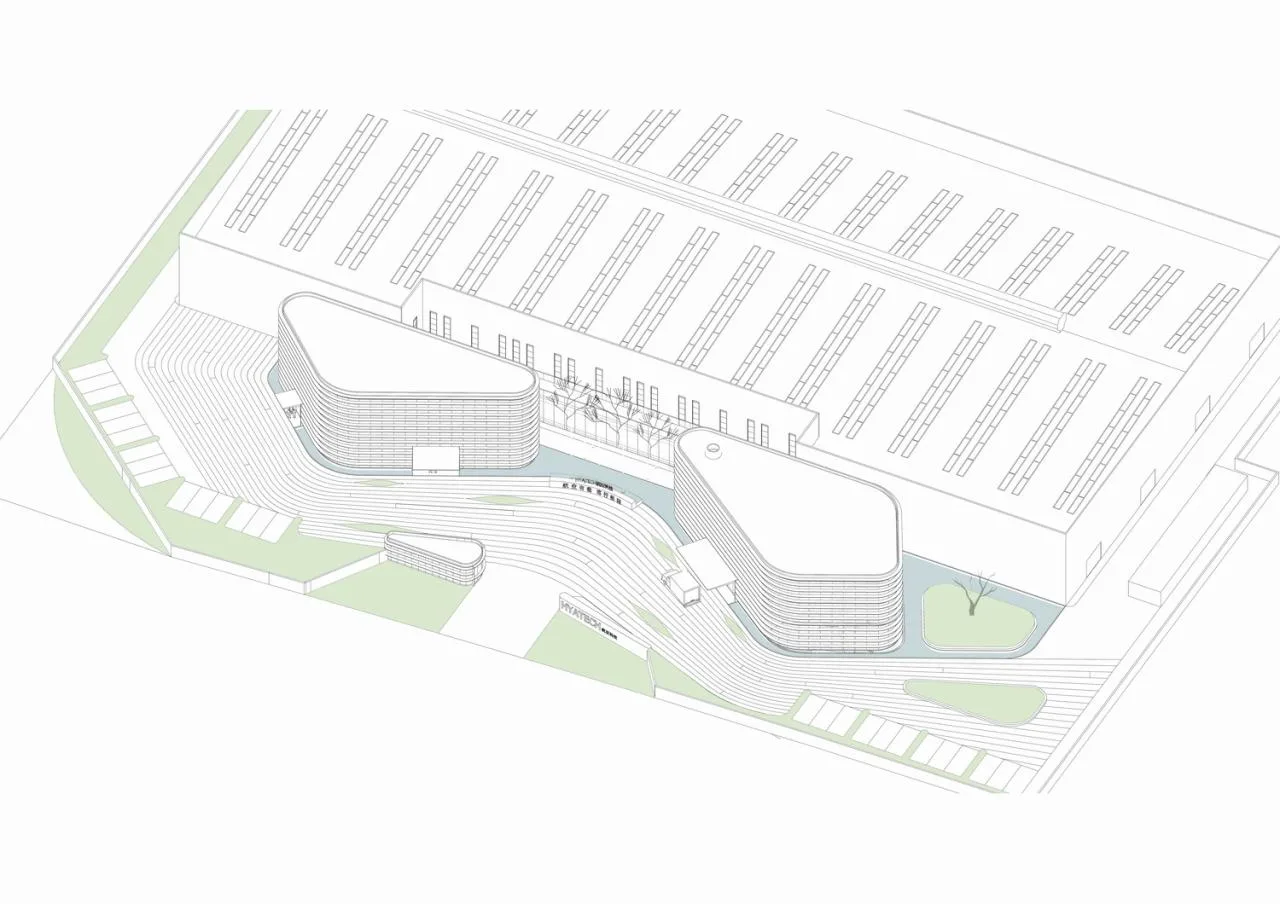
△ Axonometric diagram
Project Information
Architectural Design: Meter sized Building
Interior & Landscape Design: Meter sized Architecture
Area: 3,148 m²
Project Year: 2013–2015
Photographer: Wu Qingshan
Lead Architect: Lu Zhigang
Design Team: Li Ruiyin, Tang Zheren, Tan Zhanghai, Zhao Xue
Detailed Design: Jiangsu Huadian Engineering Design Co., Ltd
Owner: Wuxi Hangya Technology Co., Ltd
Author: Lu Zhigang
City: Wuxi
Country: China
Address: No. 35 Xindong’an Road, Xinwu District, Wuxi City, Jiangsu Province












Must log in before commenting!
Sign Up