
Most people think building a house is simply about combining sand, cement, steel bars, bricks, tiles, and other materials in specific proportions to create a structure. But what if building a house could be more like playing with Lego blocks? Surprisingly, this idea isn’t far from reality. The new model of prefabricated construction is making it possible for more people to realize their “Lego dreams.”
Prefabricated buildings first sparked interest in the early 20th century and became widely implemented by the 1960s. Countries such as Britain, France, and the Soviet Union were pioneers in this approach. Thanks to the speed of construction and lower production costs, prefabricated buildings quickly gained popularity worldwide.
The concept of prefabrication dates back even further. The earliest example is the wooden-frame houses assembled during the 17th-century immigration to the Americas—these were early prefabricated buildings. Another milestone was the Crystal Palace in London, built in 1851, which featured an iron frame and glass panels, making it the world’s first large-scale prefabricated structure.
After World War II, housing shortages in Europe and Japan accelerated the demand for prefabricated buildings. By the 1960s, these buildings were promoted extensively. In China, prefabricated buildings appeared in Beijing during the 1980s but remained rare for many years. Only recently have they regained public attention.
What is a Prefabricated Building?
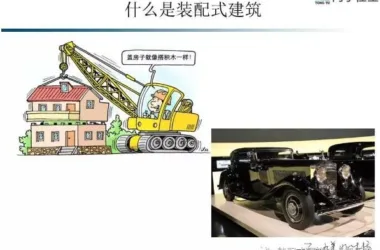
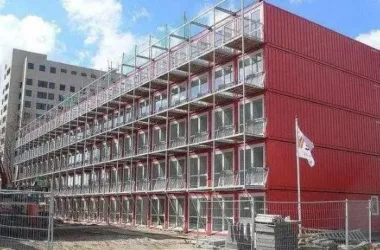
A prefabricated building is constructed by assembling factory-made components on-site. Essentially, building parts are produced in a professional factory based on design plans—a process known as pre-casting or pre-pouring formwork in construction. Think of it like Lego bricks: the manufacturer creates various shapes, and builders assemble them to create unique structures. Prefabricated buildings are like Lego for adults, relying on imagination and creativity.
Beyond design flexibility, prefabricated buildings boast practical benefits such as environmental friendliness, efficiency, adherence to standards, and sustainability. While these advantages are well understood in the professional field, for most people, prefabricated buildings remain a specialized term. What matters to homeowners is how this building model improves their living experience.
Frequently Asked Questions
Q1: Can prefabricated buildings provide better insulation during winter in northern regions?
A: Thermal insulation materials are integrated into the prefabricated components during production, meeting construction requirements. Beams and columns are also prefabricated to enhance overall insulation.
Q2: How is quality ensured during the construction and assembly of prefabricated buildings?
A: Prefabricated buildings feature advanced technology and undergo extensive physical testing during the design phase. Factories maintain stricter quality controls compared to traditional cast-in-place methods, ensuring consistent standards.
Q3: What about sound insulation in prefabricated buildings?
A: These buildings use stacked floor slabs reinforced with concrete layers, differing from hollow slabs. This results in solid, integrated floors with sound insulation performance comparable to traditional cast-in-place slabs.
Q4: How are issues like water seepage, frost heave, and corrosion prevented when assembling prefabricated parts?
A: Current prefabricated buildings address water leakage through structural and material waterproofing. Precise manufacturing reduces errors in door and window components, allowing for accurate installation of insulated external windows, which also improves insulation.
Q5: How does decorating a prefabricated home differ from traditional houses?
A: Prefabricated homes come with “full decoration” options. During production and assembly, secondary modifications to water, electricity, heating, and load-bearing walls are pre-planned, reducing waste of resources. Homeowners can focus on interior design and renovation with greater ease.
Since 2016, China’s central government has actively promoted prefabricated buildings nationwide, achieving significant progress. Local production bases have been established across the country. Several domestic construction companies with proprietary technologies are now partnering with real estate firms to design and build prefabricated projects suited to local needs, including commercial complexes and residential communities.
For instance, in Inner Mongolia, Yuanda Housing and Inner Mongolia Zhongduo Real Estate collaborated on the Zhongduo Future Residence project, showcasing a successful prefabricated building initiative. It is expected that more construction companies will join this trend in the future.
While the advantages of prefabricated construction are clear, China’s prefabricated building industry is still developing. Over the coming years, there will be a need to enhance worker training, professional research support, industry development, and the formulation and enforcement of relevant laws and regulations.













Must log in before commenting!
Sign Up