
Prefabricated buildings are widely acclaimed across the globe for their environmental benefits, energy efficiency, and rapid construction speed. But what exactly are prefabricated buildings? How are they manufactured, and how is the on-site construction process carried out? Let’s delve into the success story of the green building construction model project led by MCC Guanling – MCC Dexian Huafu.
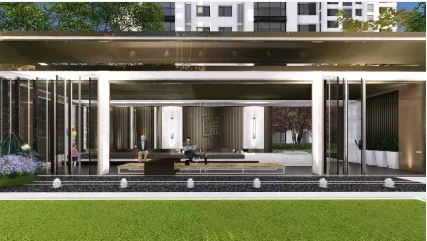
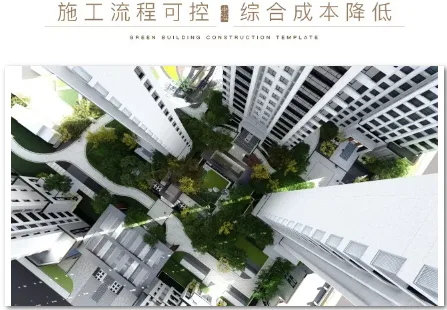
Traditional construction often faces challenges such as leaks, poor sound and thermal insulation, and lack of precision. Prefabricated building methods address these issues effectively. The construction timeline is reduced to roughly one-third compared to conventional methods, enabling fully furnished high-rise buildings to be completed within just one year. This approach delivers fast results, high efficiency, and significant cost savings.
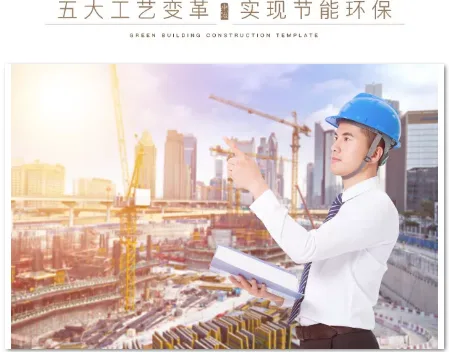
Green construction has revolutionized traditional building methods by achieving five major transformations: shifting from manual labor to machinery, moving work from construction sites to factories, transitioning from on-site construction to final assembly, evolving agricultural workers into industrial workers, and training technical workers into skilled operators. This model meets the “five savings and one environmental protection” criteria: saving water, energy, time, materials, land, and promoting low-carbon environmental protection. It fosters the development of technology-driven residences that last longer, perform better, and are more environmentally friendly.
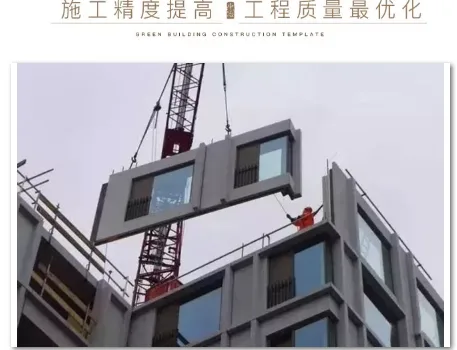
Prefabricated construction eliminates the need for scaffolding and indoor/outdoor plastering. Steel bars are evenly distributed in the factory, floor formwork is removed, and plastic wall formwork replaces traditional wooden forms. This significantly reduces on-site construction waste. Precast concrete (PC) components are manufactured in the factory and transported to the site, where large cranes lift them into place. On-site workers focus on positioning, temporary fixing, and assembly, which optimizes project quality.
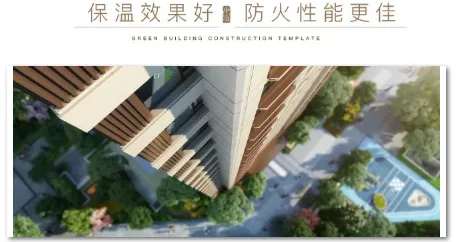
Insulation boards in prefabricated buildings are sandwiched between two concrete slabs, providing effective fire separation between wall panels. This design meets system fire protection level A standards, minimizing the risk of large-scale fires. Additionally, the insulation layer offers excellent thermal performance and durability. The concrete exterior walls provide superior waterproofing and prevent seepage.
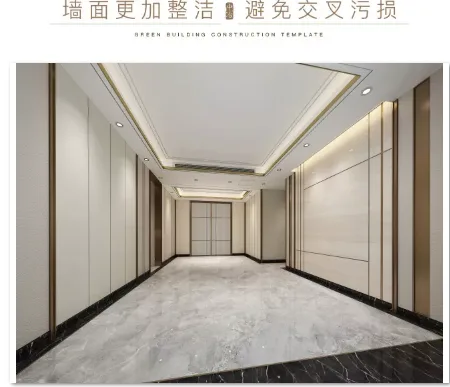
Prefabricated buildings eliminate the need for interior and exterior painting by using concrete walls, effectively preventing common issues such as cracking and hollowing. These walls also offer excellent flatness and can be pre-coated with paint or finished with an exterior decorative layer like artistic concrete. This minimizes the risk of cross-contamination during exterior construction.
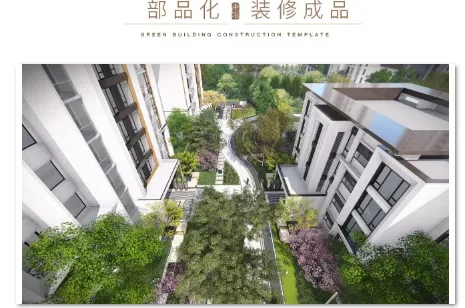
All pipelines are pre-embedded at the factory, eliminating the need for on-site channel cutting. The finished units come fully decorated with components installed. Compared to traditional methods, prefabricated construction offers superior waterproofing, sound insulation, impermeability, earthquake resistance, and crack resistance, ensuring high quality as products leave the factory. The construction timeline is largely unaffected by weather, thanks to assembly line production of components. Water and electrical installations occur simultaneously with main decoration, greatly boosting efficiency. Overall, delivery times are 30% to 50% faster than traditional construction.
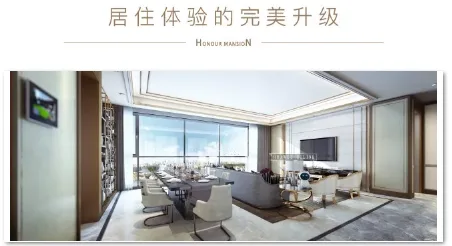
The versatile design of prefabricated buildings allows flexible and customizable indoor spaces to meet the diverse needs of residents. This enables the creation of large, open living areas. Energy-saving features and functional technology integrated into prefabricated components deliver excellent performance. Exterior walls include insulation layers that reduce heating costs in winter and cooling costs in summer. The insulation also provides sound absorption, and tight seals around doors and windows minimize external noise, allowing residents to enjoy a peaceful indoor environment.
Responsible Editor: Shi Dandan















Must log in before commenting!
Sign Up