
Continuing from the previous article: Smart Construction of Prefabricated Buildings Based on BIM Technology (Part 1)
3. A BIM Solution for Prefabricated Buildings
This solution utilizes Revit software for modeling, Navisworks for clash detection, Navisworks combined with Microsoft Project for construction simulation, and Lumion for real-time walkthroughs.
Software Functions Overview:
1) Revit: Used for modeling across various disciplines such as architecture, structural engineering, and mechanical & electrical systems. It supports model analysis and clash detection, facilitates data exchange with other software, enables parametric design, and automatically updates all related designs when changes are made.
2) Navisworks: Key features include Clash Detective and Timeline. Clash Detective identifies and detects conflicts within project models, while Timeline uses animations and visuals to simulate construction progress.
3) Microsoft Project: A project management tool that assists managers with scheduling and cost control.
4) Lumion: Fast rendering software capable of producing high-definition video imagery.
Before manufacturing prefabricated building components, BIM technology is employed to thoroughly consider design, manufacturing, and installation requirements. The manufacturing and installation processes are first simulated virtually through BIM models, covering design coordination, manufacturing simulation, and installation simulation. This helps identify and resolve potential issues early on. During actual production and installation, information tracking and automated production are integrated with Internet technologies, CNC machinery, and other advanced equipment.
The basic workflow is illustrated in Figure 8.
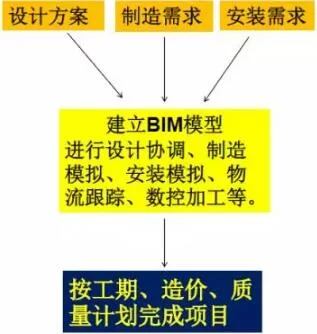
Figure 8: Application Process of BIM Technology in Prefabricated Building Projects
3.1 BIM-Based Detailed Design of Prefabricated Construction
A standardized BIM component library is established to facilitate component disassembly and optimization. BIM models are then used for automatic clash detection. A detailed component list is created, detailed drawings are produced, and information management is implemented (see Figure 9).
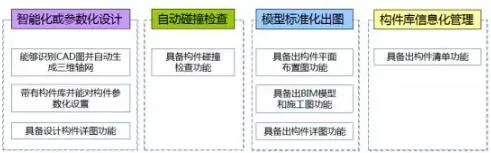
Figure 9: Detailed Design Content of Prefabricated Buildings Based on BIM
3.2 BIM-Based Production of Prefabricated Building Components
Using the BIM database platform, component splitting information is summarized. BIM models guide the creation of processing drawings and factory production, enabling digital manufacturing of prefabricated components through computer-aided manufacturing (Figures 10–13).
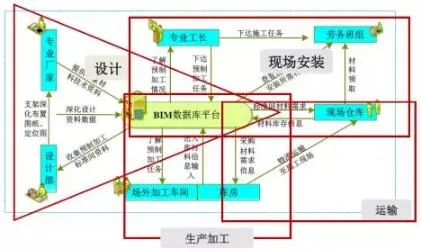
Figure 10: Factory Production of Prefabricated Building Components Based on BIM
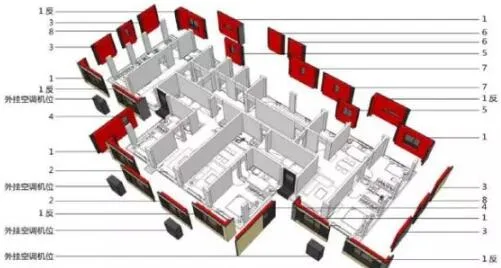
Figure 11: BIM-Based Component Splitting
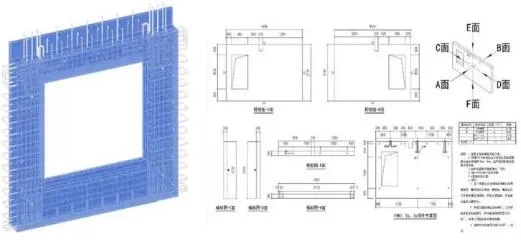
Figure 12: Component Processing Based on BIM
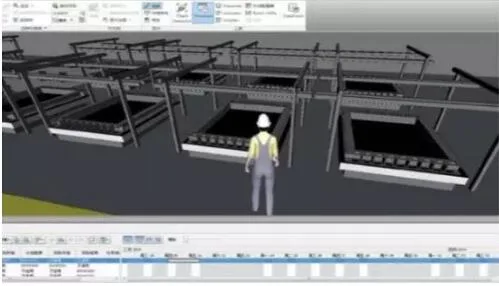
Figure 13: Digital Manufacturing of Prefabricated Components
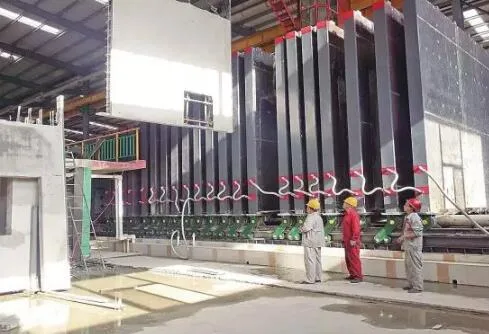
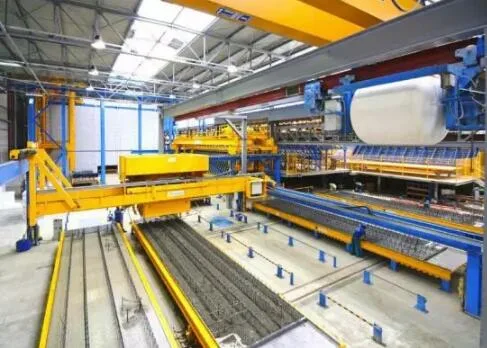
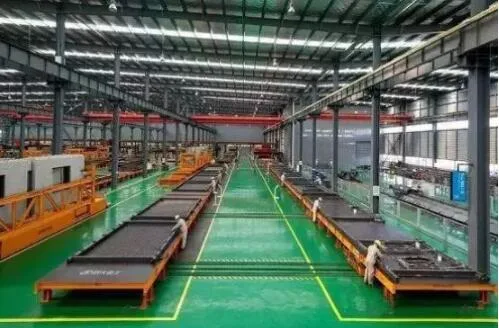
Figure 14: Workshop View of Prefabricated Component Production Plant
3.3 BIM-Based Prefabricated (Residential) Construction
BIM technology transforms traditional 2D architectural drawings into 3D physical models, 4D construction schedules, and 5D cost management. Using 4D computer simulation, a virtual “rehearsal” of the construction plan is conducted prior to actual work, allowing for early problem detection and timely coordination.
Key advantages of BIM-based prefabricated construction include:
1) Improved Quality: BIM enables construction teams to complete thorough adjustments and plan rehearsals before arriving on site. This helps identify construction challenges, reduce errors, and minimize risks.
2) Accelerated Progress and Cost Control: By simulating construction processes based on organizational design, a practical plan is developed to guide work, ensuring design and installation accuracy, increasing installation success rates, reducing rework, minimizing losses, and saving costs.
3) Digital Control: The entire process—including factory-based prefabrication, transportation, installation, and on-site progress—is integrated with the BIM model. Using internet connectivity, mobile communications, photography, and video technologies, comprehensive management is enabled.
The BIM-based prefabricated construction process is shown in Figures 15 and 16.
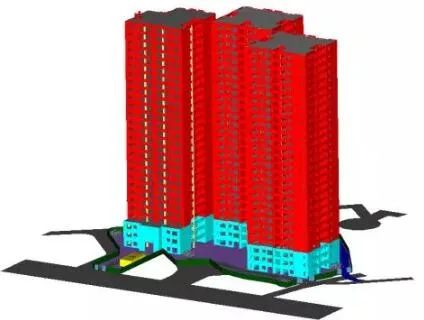
Figure 15: Prefabricated Building BIM Model
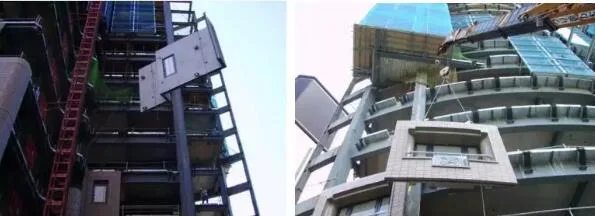
Figure 16: BIM-Based Prefabricated Component Lifting Site















Must log in before commenting!
Sign Up