
Compared to traditional cast-in-place concrete construction, the process of building prefabricated structures is more comprehensive, refined, and integrated. It emphasizes close coordination between architectural design and factory production, as well as between interior decoration and main construction. Below is a brief overview of the key technical points involved at each stage of the design process:
1. Technical Planning Stage
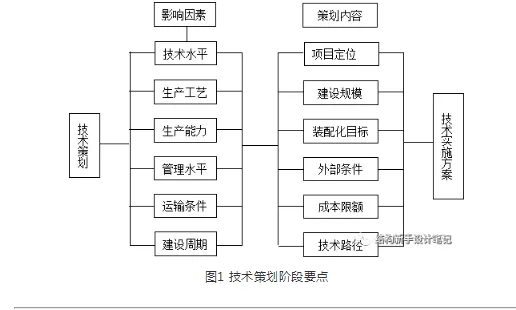
Early technical planning plays a crucial role in the success of the project during the architectural design phase. The design team should thoroughly consider project positioning, construction scale, assembly goals, budget constraints, and external factors. A well-thought-out architectural concept plan should be developed to enhance the standardization of prefabricated components. The design and construction teams must jointly finalize the technical implementation plan to serve as a foundational reference for subsequent design work.
2. Scheme Design Phase
During the scheme design phase, the implementation plan should be based on the technical planning. This includes graphic design, facade, and sectional design, laying the groundwork for the preliminary design stage.
- Design must comply with technical planning, planning requirements, and intended usage functions.
- The approach of “fewer specifications, more combinations” should be applied to components to optimize cost-effectiveness and efficiency.
- Graphic design should focus on standardization and serialization, while facade design allows for personalization and diversity. Section heights and net heights must be determined reasonably.
3. Preliminary Design Stage
At this stage, collaborative design among various disciplines helps refine and validate the feasibility of the chosen technical solutions.
- Coordinate key technical aspects across specialties, optimize component specifications and types, and consider pipeline reservations and embedment.
- Perform specialized economic evaluations, analyze cost factors, and develop practical technical measures.
4. Construction Drawing Design Stage
Construction drawing design should follow the technical measures established in the preliminary design phase, resulting in comprehensive and executable construction documents.
- Implement technical measures from the preliminary design, coordinate with interior component design parameters, and arrange pipeline reservation and embedment.
- Carefully plan node samples, considering waterproofing, fireproofing, sound insulation, and energy conservation requirements.
5. Component Deepening Design Stage
Architectural professionals may provide dimension control diagrams for prefabricated components as necessary.
Component processing drawings are developed collaboratively between the design team and the prefabricated component manufacturing factory.
Building Information Modeling (BIM) technology is employed to enhance the completeness and accuracy of prefabricated component designs.
6. Interior Decoration Design Stage
The interior decoration design of prefabricated buildings must integrate architecture, decoration, and components while adhering to current national standards. It should meet criteria for integration, safety, economy, energy efficiency, and environmental protection.
Factory-produced interior components should be used to enable integrated and complete supply. Interchangeability and universality of parts should be improved through optimized parameters, tolerance fits, and interface technologies. Decoration components should prioritize green and environmentally friendly materials and offer variability and adaptability to facilitate construction, installation, use, maintenance, and repair.
7. Collaborative Design Phase
Collaborative design in prefabricated buildings must fully consider their unique characteristics alongside the project’s technical and economic conditions. Utilizing information technology enables seamless cooperation among various disciplines, ensuring that interior decoration, structural design, mechanical and electrical systems, production, and construction form a cohesive system. This collaboration is essential to meet the technical requirements of prefabricated building construction.
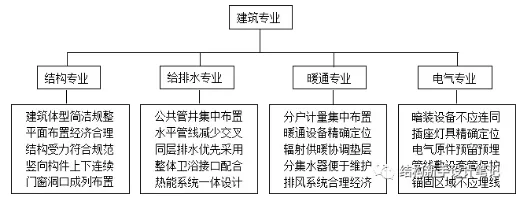
Figure 2: Key Points of Collaborative Design Technology
Responsible Editor: Shi Dandan















Must log in before commenting!
Sign Up