
In 2018, China announced development goals for prefabricated buildings across various regions, signaling a surge in the growth of this construction method. Lingye Technology aims to offer a fresh perspective on prefabricated buildings by thoroughly analyzing common questions, process characteristics, and construction procedures.
Q&A
1. Is construction quality and safety guaranteed?
Prefabricated buildings, produced in factories and assembled on-site, are often praised for saving time, labor, and costs. They generate less sewage, noise, and dust, aligning with green, low-carbon, energy-saving, and environmental protection standards. They are said to meet seismic, safety, and durability requirements comparable to traditional buildings. But is this assessment realistic or exaggerated? Especially regarding quality and safety, which are primary concerns, can prefabricated construction be truly trusted?
A key feature of prefabricated buildings is the use of PC (Precast Concrete). In the industry, ‘PC’ typically refers to concrete structures mainly composed of precast concrete components that are assembled, connected, and partially cast-in-place. This prefabricated structural system has a long history in China. Experts note that as early as the 1950s, China promoted prefabricated houses, especially large slab structural systems. However, these buildings had insufficient quality and seismic performance, with relatively simple residential styles. After the 1980s, these systems phased out, and now China promotes prefabricated concrete structural systems.
2. Is the quality and safety of prefabricated concrete structural systems reliable?
Experts explain that in this system, the connection between components mainly relies on cast-in-place nodes. Steel bars from precast components are anchored into cast-in-place parts to ensure structural integrity. Compared to prefabricated slab structures, this method shows significant quality improvements. However, risks at connection points remain since verifying these nodes after project completion is difficult. Furthermore, the current skill level of construction teams in China may not fully guarantee quality and quantity assurance for these connections.
3. Are prefabrication and modernization of the construction industry the same?
Some equate building assembly with construction industry modernization or industrialization, but these concepts differ while being related. Prefabricated buildings involve assembling factory-produced components—such as exterior and interior wall panels, balconies, stairs, beams, and columns—on-site, reducing cast-in-place work. Construction industrialization integrates design, production, and construction across the industry chain, emphasizing standardization, customization, and mechanization to achieve sustainable development, energy efficiency, and environmental protection throughout the building’s lifecycle.
4. What defines modernization of the construction industry?
Ye Ming, Deputy Chief Engineer at the Ministry of Housing and Urban-Rural Development’s Science and Technology and Industrialization Development Center, defines modernization as a green development-focused approach centered on residential construction and new industrialized methods. It employs information technology and modern management to integrate the entire housing construction process into an industrial chain, transitioning from traditional to industrial production methods and improving efficiency, quality, and benefits. Assembly is a means within this process, not the ultimate goal.
5. Are the relevant technologies in place?
Assembly as a method to promote construction modernization deserves support, but technical standards and incentive policies require improvement. Currently, prefabricated concrete shear wall buildings receive most attention, while other structural types lag, limiting overall prefabricated industry growth. Outdated technical standards hinder large-scale adoption. The Ministry of Housing and Urban-Rural Development recently released national standards for prefabricated concrete, steel, and wooden structures, aiding design and acceptance, but ongoing research and updates remain necessary.
Industry sustainability depends on enterprise profitability. Without policy subsidies, prefabricated shear wall structures remain more expensive than cast-in-place counterparts. Reducing costs, nurturing upstream and downstream industries, and creating a complete industrial chain are key. Currently, China lacks a fully integrated “planning-design-manufacturing-construction-management” model, with fragmented enterprises and products but no unified platform.
6. Should promotion focus on PC rate or social benefits?
By 2018, many Chinese provinces and cities set policies and goals to promote residential industrialization and prefabricated construction, often specifying PC (precast concrete) building area ratios. The “PC rate” has become a key metric for local governments. However, some experts warn of overheating, noting an excessive focus on PC rates by authorities and enterprises alike. While PC is vital to building industrialization, it should not define it. Without specialized roles, managing design and review for numerous PC projects is challenging.
The question remains: should development prioritize PC rate or social benefits? Some prefabricated residential projects use precast components but fail to meet overall energy-saving targets. Even green-certified buildings may cause significant waste and pollution during construction and use. These issues merit serious industry reflection.
1. Construction Modes and Procedures
1. Engineering Construction Procedure
The construction workflow consists of three main stages:
- Decision Stage: Project proposal, site selection, feasibility study, and land use permits.
- Implementation Stage: Preliminary design, budget approval, detailed design, planning permits, bidding, contracting, quality supervision, construction permits, and on-site construction.
- Completion Stage: Final acceptance, quality supervision reports, filing, and handover.
2. Traditional Housing Construction Process
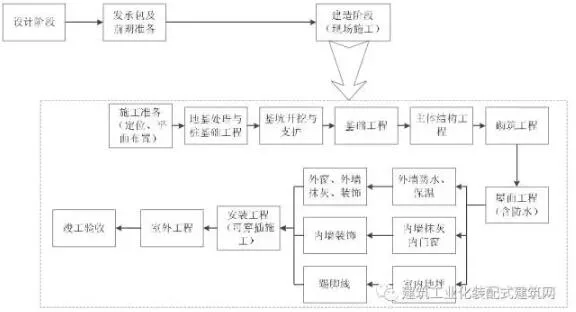
Figure 1: Overall Construction Process of Traditional Housing Projects
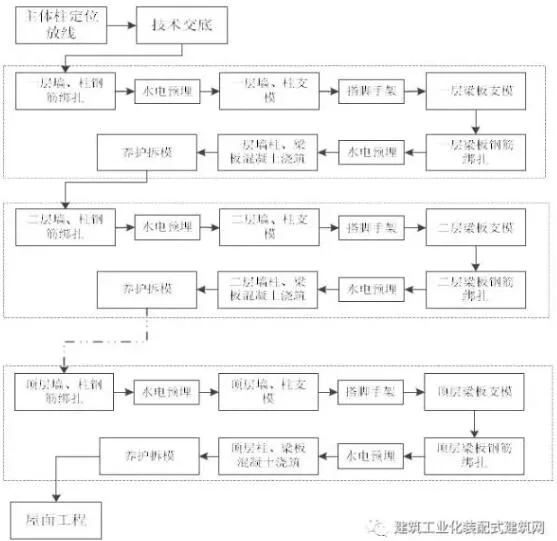
Figure 2: Main Structural Construction Process of Traditional Housing Projects
3. Definition of Prefabricated Buildings
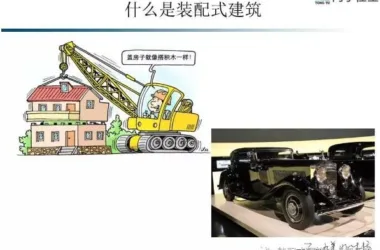
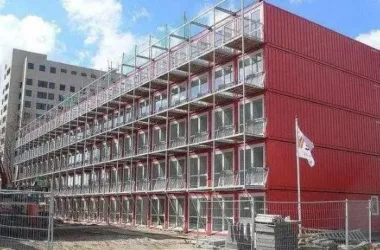
Prefabricated buildings are constructed by assembling factory-made components and parts on-site. This system integrates main structures, enclosure systems, equipment pipelines, and decoration through systematic assembly. It includes prefabricated concrete, steel, and wooden structures.
Key characteristics include standardized design, factory production, prefabricated construction, integrated decoration, and information management. Current development priorities involve:
- Transition from using prefabricated components to full structural assembly.
- Integration of decoration with main structures, promoting prefabricated decoration.
- Standardization and product integration of components.
- Application of information technology throughout design, production, construction, and supervision.
Prefabricated concrete buildings consist mainly of concrete components like load-bearing walls, columns, beams, slabs, exterior panels, stairs, balconies, and more. These components are factory-made and assembled on-site, changing construction methods, improving quality and efficiency, reducing labor, and minimizing on-site waste.
Assembly Rate: The ratio of prefabricated components above the ±0.000 elevation to the total similar components in a building. For detailed calculations, refer to Su Jianke’s document AI-BT-SC0_39.
The provincial government’s “Opinions on Accelerating Construction Industry Development” (Su Zhengfa No. AI_ST_SC_0_58) encourage enterprises to adopt prefabricated production and assembly methods, integrating design, production, and construction to achieve sustainable, energy-saving, and eco-friendly building development.
4. Construction Process for Prefabricated Housing Projects
Foundation and roof works in prefabricated housing projects use traditional construction methods, similar to conventional housing projects.
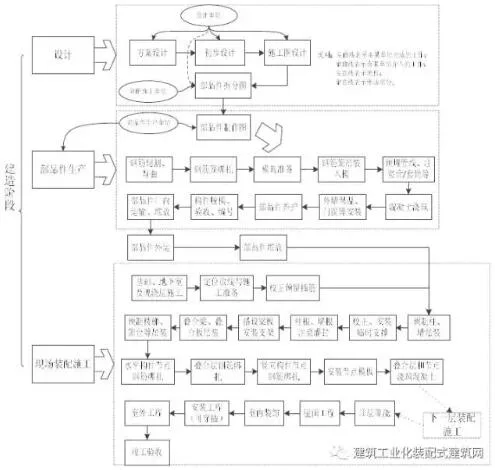
Figure 3: Construction Process of Prefabricated Building Foundation and Roof
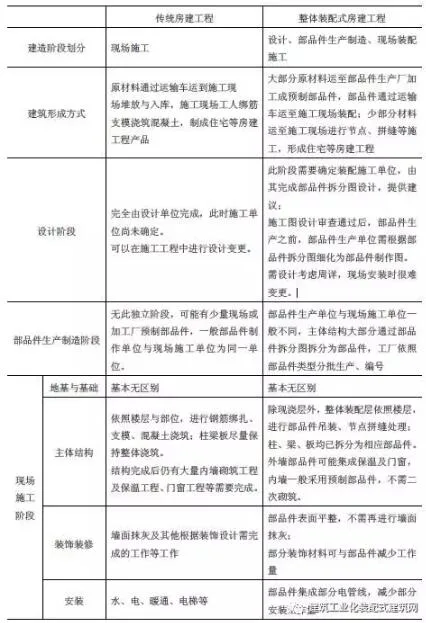
5. Comparison of Construction Processes
Traditional and prefabricated housing construction processes differ. Table 1 compares these processes by construction stage.
2. Construction Cost
The construction of prefabricated housing involves three stages: component production, transportation, and assembly, corresponding to manufacturing, logistics, and construction sectors. Therefore, cost structure differs from traditional construction cost regulations.
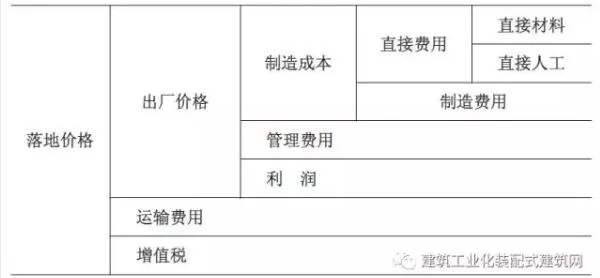
Component pricing follows industrial product pricing, divided into factory price and retail price. Factory price comprises production cost, profit, and taxes, where production cost includes manufacturing expenses and period costs.
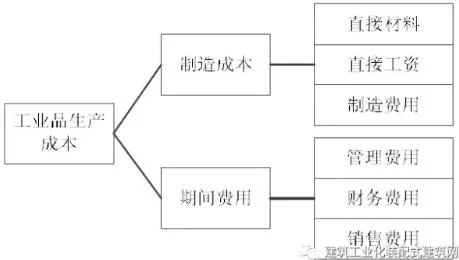
Figure 4: Composition of Production Costs for Industrial Products
Tables 2 and 3 illustrate the relationship between construction contract costs and industrial production costs, as well as the composition of landed prices for components, respectively.
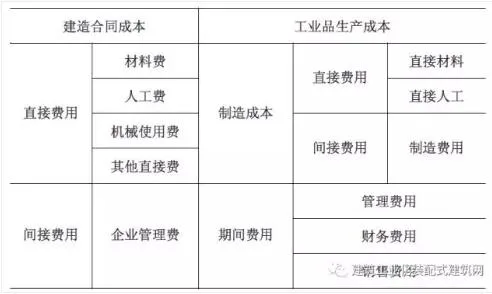
Main Challenges in Pricing Prefabricated Concrete Engineering:
- Lack of market transaction data complicates cost and profit estimation.
- Varied levels of industrialization blur traditional specialty boundaries.
- Design standardization is incomplete, limiting cost comparison and analysis.
- Changed construction cost composition requires new pricing policies.
Current Pricing System for Prefabricated Concrete Engineering:
- Construction period quota based on Su Jian Jia’s document AI-BT-SC_0_740.
- Cost quotas covering component production, transportation, on-site installation, labor, materials, and machinery.
- Supplementary rules for engineering quantity valuation.
- Industrialization cost information to be compiled and released when appropriate.
Principles for Developing Prefabricated Concrete Quota System:
- Establish an independent quota system, starting with existing concrete structure systems and expanding coverage with maturity.
- Acknowledge changed construction and pricing patterns due to prefabricated methods, including updated management fees and labor costs.
- Strictly define quota scope, applying only when prefabrication exceeds certain thresholds (originally for projects with ≥30% prefabrication rate and multiple prefabricated load-bearing components).
- Promote technical standard integration and enforcement aligning with national and provincial regulations.
- Gradual inclusion of deferred expenses.
Pricing Procedures for Prefabricated Construction:
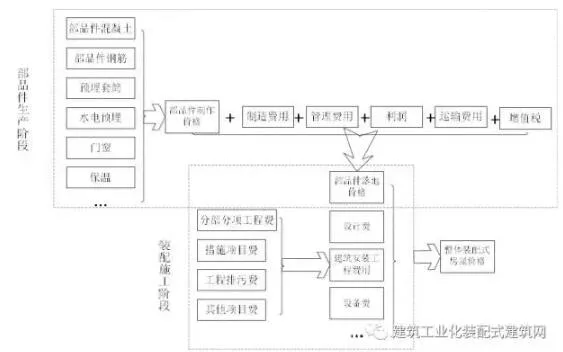
Figure 5: Pricing Scheme Option 1 for Prefabricated Construction
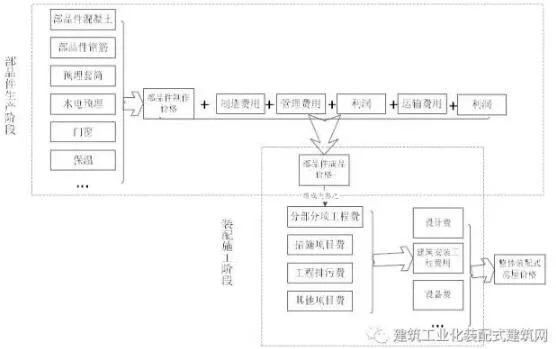
Figure 6: Pricing Scheme Option 2 for Prefabricated Construction
9. Cost Quotas
Prefabricated Concrete Building Engineering Categories:
- Individual Hoisting Project: Contracted separately for lifting, positioning, grouting, and fixing concrete components on-site.
- Prefabricated Concrete Building Project: Civil engineering projects meeting prefabrication standards (Z1 ≥ 30%). Steel structure production, pile foundations, earthworks, supporting works, and certain decoration works are contracted separately per Jiangsu Province’s Construction Engineering Cost Quota (2014).
The Jiangsu Province Prefabricated Concrete Construction Engineering Cost Quota is implemented alongside the 2014 Construction Engineering Cost Quota.
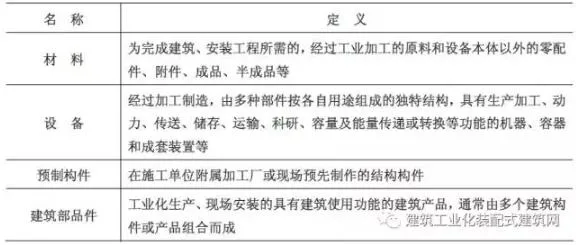
Production of Prefabricated Concrete Components
Related definitions are summarized in Table 4.
Component determination and pricing reference Table 5.
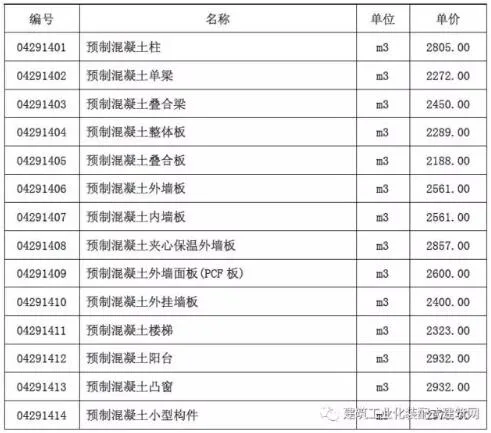
Concrete component quantities are calculated by volume per construction and processing drawings, without deducting areas occupied by steel bars, embedded parts, sleeves, corrugated pipes, or holes under 0.3m². Door and window frame areas are deducted for wall panels.
Attached elements like railings, edges, and air conditioning panels on balconies are included in balcony volume calculations. Non-cantilever balconies are calculated separately by beams and slabs. Floating windows attached to exterior walls count as part of the wall panel. Parapet wall pressure tops are included with the parapet wall. Decorative lines on beams, slabs, and walls are included with attached components.
Manufacturing costs follow industrial enterprise accounting, comprising:
- Labor: Wages, bonuses, allowances, overtime, social insurance, and housing funds.
- Materials: Raw materials, auxiliaries, spare parts, and embedded parts used during production.
- Manufacturing expenses: Machinery usage, indirect costs like management salaries, employee welfare, office expenses, depreciation, repairs, water and electricity, testing, design fees, safety, environmental protection, insurance, and transport within the plant.
- Management expenses: Costs related to organizing production and operations, sales, research, taxes, financial and sales expenses.
- Profit: Earnings of component manufacturers.
Sales of finished components are subject to value-added tax. To coordinate with pricing quotas and provide a reference for “ex-factory price,” the quota includes a “calculated taxable amount” (shown in parentheses).
This chapter covers the full production process for concrete, steel bars, embedded sleeves, and future embedded parts for lifting and support, serving as a factory production reference price.
Pre-embedded labor for doors, windows, water, and electrical conduits is accounted for in production, but materials are priced separately during on-site installation. Construction, installation, and manufacturing units should coordinate on material supply and settlements.
Transportation of Prefabricated Components
Transportation costs cover all expenses from factory to site warehouse or designated storage. Transportation loss costs are included in factory prices.
Transportation is calculated without component distinction, based on a 25 km basic distance, with additional charges every 5 km beyond that. Distances are measured from factory to site. For distances over 100 km, market prices apply.
Transportation quantity equals production quantity. Pricing refers to existing quotas and research data, considering urban and site road conditions, but excludes costs for road reinforcement, police escorts, or special permits, which are billed separately.
If the manufacturer handles transportation, this quota applies; if a professional transporter is hired, market prices are used.
The sum of factory price and transportation cost forms the “landed price.” Different VAT rates in manufacturing and transport require careful tax consideration in budgeting.
Installation of Prefabricated Concrete Components
Installation of Finished Components
Installation quotas cover fixing components, including temporary support installation and removal. Support types, quantities, and methods are standardized and not adjusted per project. Quotas encompass all construction steps from preparation to cleaning but exclude lifting machinery, which is accounted for separately as vertical transportation.
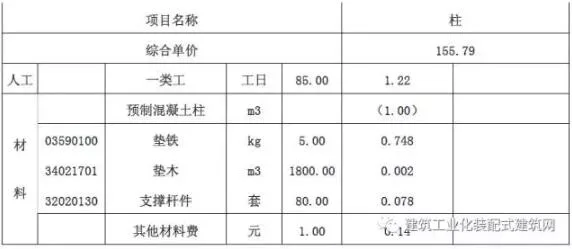
Table 6: Installation Quota for Concrete Finished Components
Budget wages, material prices, and machinery costs align with the provincial 14 pricing quota. Installation quotas depend on component type, not external dimensions or cross-section.
Installation quantities are calculated in cubic meters based on design drawings, including insulation and decorative layers. Door and window openings are deducted. Volumes occupied by steel bars, embedded parts, sleeves, wiring boxes, and small holes (≤0.3m²) are not deducted. Exposed steel bars do not increase volume.
Grouting
- Sleeve grouting is calculated per design quantities.
- Corrugated pipe grouting is also calculated per design quantities.
- Sleeve grouting quotas depend on steel bar diameters and are not subdivided by part or direction.
Simplifications and Specific Cases
- Parapet wall installation follows exterior wall panel quotas; pressure tops are included with parapet calculations.
- Convex (floating) windows attached to panels are included in panel quotas, with labor and machinery multiplied by 1.2 for individually prefabricated windows.
- Elevator rest platform installation varies by platform slab type; labor quota multiplied by 1.2.
- Balcony panel installation integrates railings, edges, and air conditioning panels, with non-cantilever balconies calculated as floor slabs.
- Small components (air conditioning panels, flower beds, sunshades, pressure roofs) with volumes below 0.1m³ are installed individually.
Construction Projects Related to Installation
Traditional construction projects use the 14 pricing quota unless specified otherwise. Relevant 14 quota provisions include:
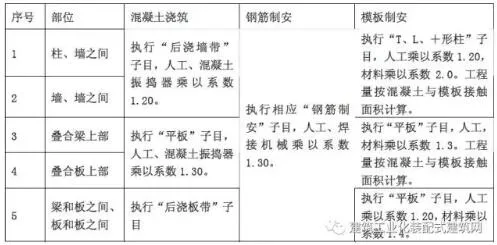
- Connections between prefabricated components forming integral cast-in-place concrete parts (see Table 7).
- Increased building height adjustments multiply labor by 0.75.
Construction Measures
- Prefabricated projects do not use comprehensive scaffolding quotas; instead, individual scaffolding costs apply.
- External scaffolding is split into installation and usage; calculated by wall edge length × height (per 100 m²) and duration (100 m² × 100 days).
- Vertical transportation days are calculated per Su Jian Jia Jia’s document AI-B_SC_0_740.
6. Bill of Quantities for Prefabricated Building Bidding
Rules
- Applies to projects fully or partially using prefabricated concrete components (Z1 ≥ 30%).
- Used alongside national quantity calculation codes for building and installation engineering, and provincial valuation regulations.
Measurement Rules
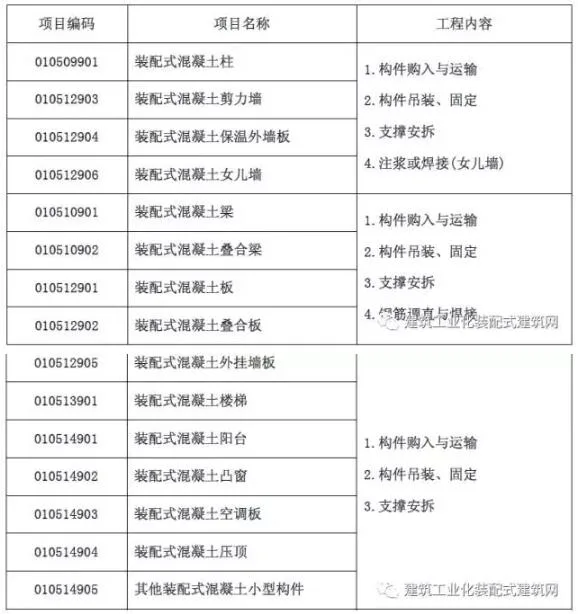
- Component subprojects like convex windows and air conditioning panels can be measured by unit, block, or natural units.
- Volume calculations follow design drawings without deducting steel bars or embedded parts.
- All component subprojects include support installation and removal; no separate measures are listed.
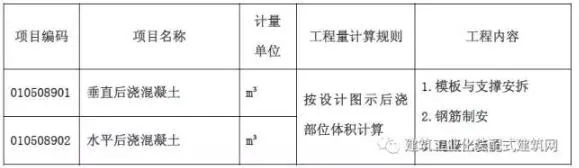
- Post-poured concrete requires clarity on whether included in contracts; measured by location (vertical or horizontal) in cubic meters.
- Post-poured concrete costs include steel bars, formwork (excluding formwork as measure fee), and concrete.
Supplementary Notes
- Projects using detailed design, component manufacturing, transportation, and on-site assembly can simplify subitem lists with explanations.
- Pre-embedded parts like door/window frames and conduits should be separately listed with clear material supply and settlement terms.
- Separate hoisting projects must clarify quoting and budgeting for vertical transport and scaffolding.
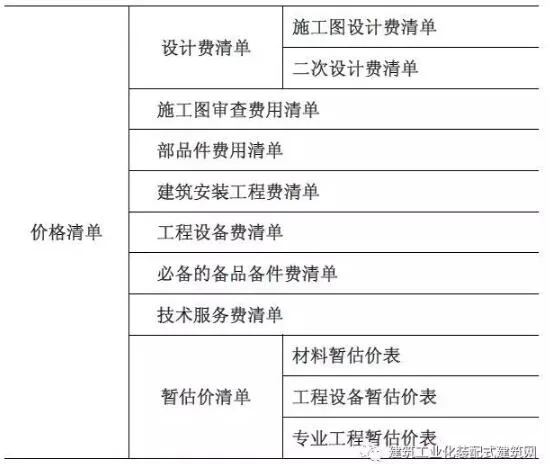
General Contracting Price List Composition is provided in Table 10.














Must log in before commenting!
Sign Up