
GRC stands for Glass Fiber Reinforced Cement in British English and Glass Fiber Reinforced Concrete (GFRC) in American English. It is a fiber-reinforced cement composite material that uses alkali-resistant glass fibers as reinforcement and cement mortar as the matrix. Its key features include exceptional tensile and flexural strength combined with good toughness, making it ideal for creating decorative shapes and strong textures.
Color GRC: Leading the European and American Markets
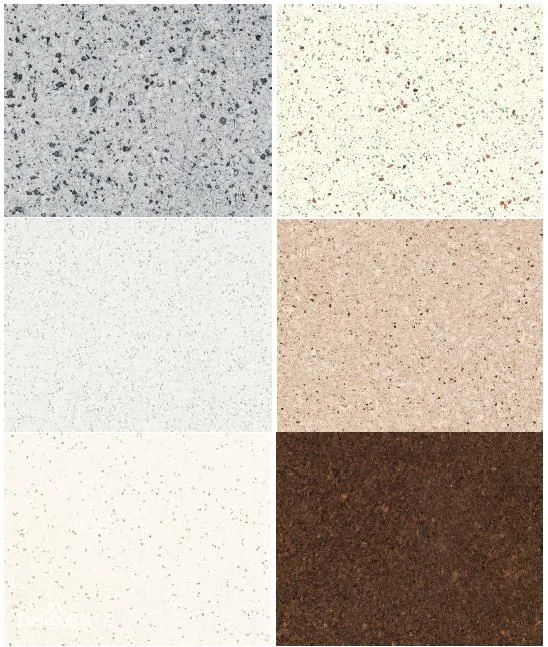
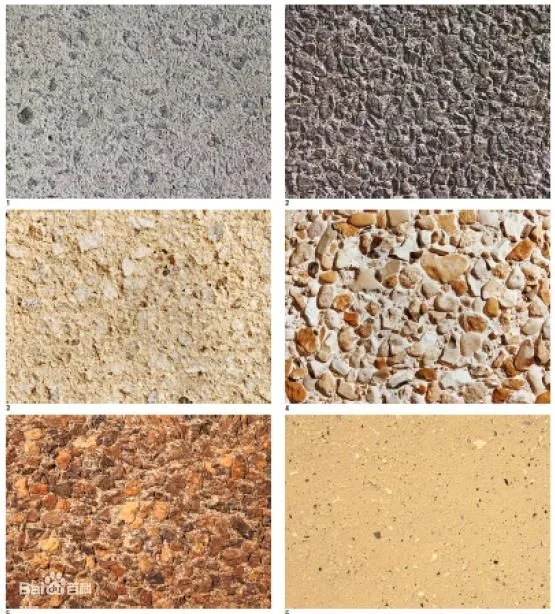
Colored GRC, also known as decorative finish GRC, integrates the decorative layer and the fiber-reinforced GRC layer in a single process. This colored decorative surface is achieved by adding pigments, colored aggregates, and additives to the GRC mix, along with specialized manufacturing techniques.
This material allows designers to bring their vision to life through its form, texture, and color.
Advantages of GRC Materials
Common materials for building facade decoration include:
- Natural stone dry hanging
- Glass curtain wall
- Metal curtain wall
- Clay tiles
- Ceramic tiles
- Aluminum-plastic composite panels
- Exposed concrete
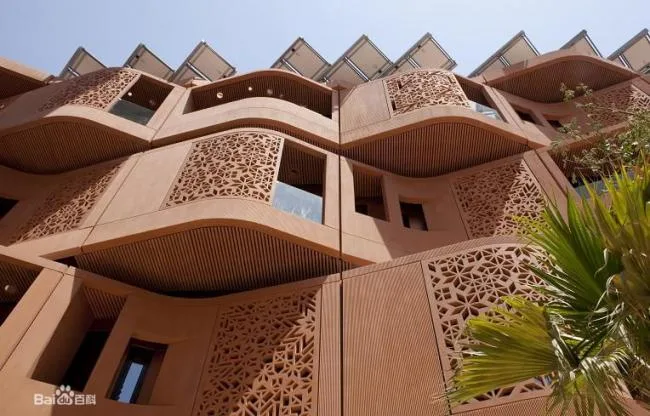
Compared to these options, GRC stands out for its ability to satisfy architects’ personalized requirements by enabling a wide variety of decorative shapes and textures.
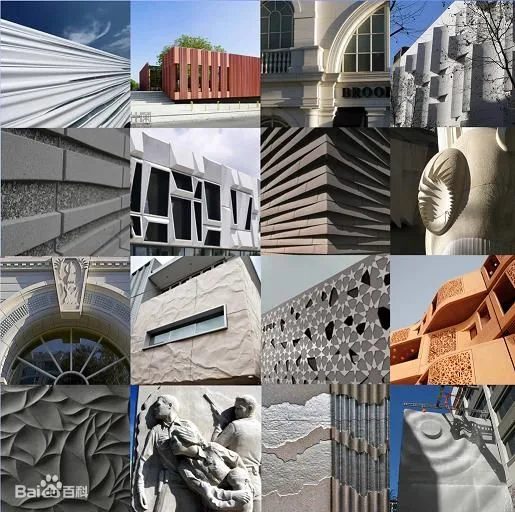
European Standard GRC: The Inevitable Industry Direction
The European Standard for GRC serves as both a benchmark and a guide for the industry.
Standards represent the maturity level of an industry. They provide transparency and openness, allowing both producers and consumers to understand raw materials, quality, and performance aspects of products. This clarity strengthens contractual relationships, clearly defining rights and obligations. Standardized enterprises foster open, transparent, and healthy market development, while speculators seek to exploit confusion for profit. Thus, standards form the foundation of market order.
Optimizing standards to promote industrial upgrading is a proven path to industry development in industrialized countries. In today’s rapidly globalizing and digital economy, the importance of standards grows even further.
As Newton famously said, “If I have seen further, it is by standing on the shoulders of giants.” The European Standard for GRC is such a giant in the industry, and adopting it helps reach new heights quickly.
Applications of GRC Materials
- Architectural decorative components, commonly called GRC architectural details
- GRC curtain wall panels, also known as exterior wall cladding panels
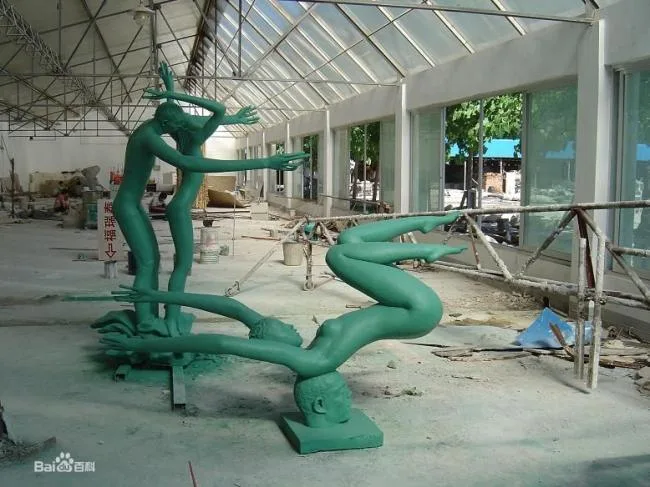
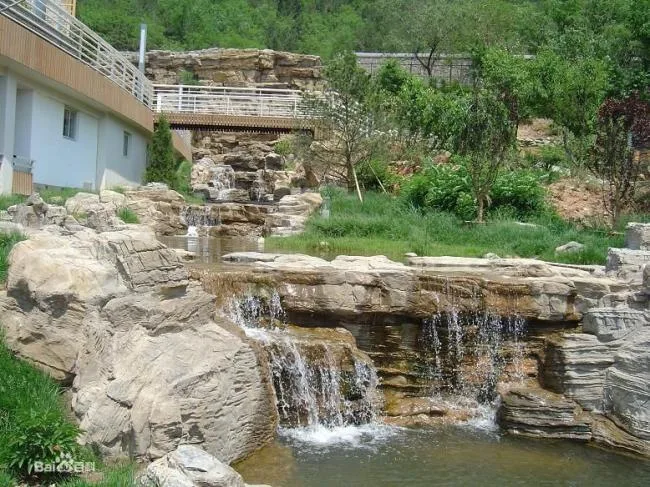
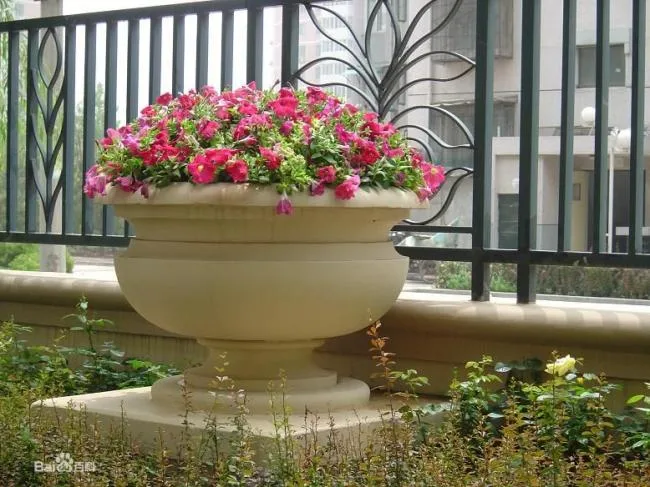
- Landscape products including sculptures, rockeries, ornaments, and flower bowls
- Lightweight partition boards, insulation boards, ventilation ducts, permanent tubular core molds, permanent templates
- Industrial building roof components, sound barriers, self-supporting flooring, irrigation channels, and more

Material Composition of GRC
GRC primarily consists of cement, sand, fibers, and water, with polymers and additives added to enhance performance.
Cement: Commonly used types include fast-hardening sulfoaluminate cement, low-alkalinity sulfoaluminate cement, ordinary Portland cement, and white Portland cement.
Fiber: Alkali-resistant glass fiber is essential, including untwisted yarn, short-cut yarn, and mesh cloth. European and American standards require a zirconia content of no less than 16.5%, which is also the requirement in China when using ordinary Portland cement.
Polymer: Acrylic emulsion, typically an acrylate copolymer lotion, is the polymer most often added.
Admixtures: These may include high-efficiency water reducers, plasticizers, retarders, early strength agents, antifreeze agents, rust inhibitors, and others. Calcium chloride-based admixtures must be avoided if steel reinforcement or embedded parts are present.
Other Materials: Volcanic ash active materials can be selectively added to improve strength, impermeability, durability, and other properties.
Production Processes of GRC
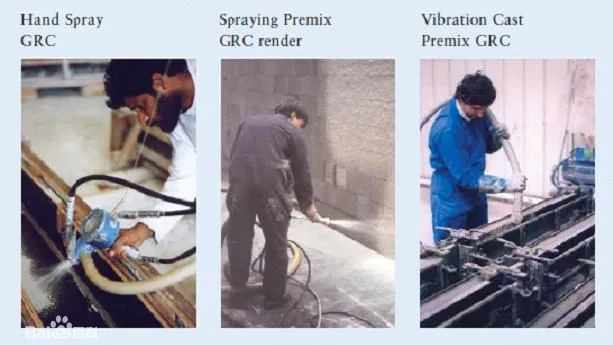
Various types of glass fiber reinforcements are used, such as short-cut fiber yarn, continuous untwisted roving, mesh cloth, and short-cut fiber felt. The method of adding glass fibers to the cement matrix depends on fiber type and desired product properties. The quantity and usage of glass fibers greatly influence mechanical properties, leading to multiple manufacturing processes such as spraying, pre-mixed spraying, pre-mixed pouring, injection molding, mesh laying, and winding. Each process suits different products and requires specific equipment.
1. Spray Process
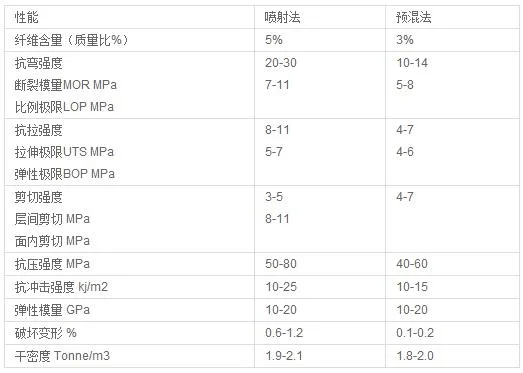
The spray technique is the earliest and most widely used GRC manufacturing method, including both manual and automatic spraying. Developed in the early 1970s by the British Institute of Building Research (BRE), this method randomly distributes glass fibers in two dimensions within the cement mortar, ensuring high fiber utilization and excellent physical properties. Skilled operators and specialized equipment are essential, as the method directly affects product strength and durability.
2. Pre-mixing Process
This process involves mixing short-cut glass fibers uniformly into the cement mortar matrix before pouring or spraying. It is divided into pre-mixed pouring and pre-mixed spraying, with the pouring method resembling precast concrete production where vibration is often applied to ensure quality.
Performance of European Standard GRC Material
Cutting-Edge GRC Technologies
Interface Tailoring and Fiberglass-Cement Interface Optimization
Because glass fiber surfaces are extremely smooth, the interface between glass fiber and cement is the weakest link in ordinary GRC. Alkali-resistant fibers theoretically achieve only 14.3% of their strength efficiency. If the bond between fiber and cement is too weak, fibers pull out under load, reducing strength. If too strong, stress concentrates on fibers, causing damage and brittleness. Optimal bonding strength allows GRC to exhibit both high strength and toughness. Interface optimization depends on raw materials, process parameters, production environment, and their interactions.
Uniform Fiber Dispersion Technology
Uniform dispersion and proper interweaving of glass fibers are critical for high-quality GRC. Tangled or uneven fiber distribution seriously compromises quality and safety. A combination of chemical dispersants and specialized mechanical dispersers ensures consistent fiber distribution, enhancing product stability and reliability.
Optimization of PC Interpenetrating Network Matrix
The cement mortar base contains defects such as pores, cracks, incomplete hydration, and brittleness. Using additives, micro powders, and polymers creates multiple interpenetrating networks that complement each other, doubling overall effectiveness. This approach represents the future of GRC materials, enabling customized function and performance based on user needs.
GRC Design
Design Guidelines for GRC Prefabricated Assembly Systems
Design Guide for Prefabricated Glassfiber Reinforced Concrete Systems
Compiled by FRONTIER.
1. Factors Affecting GRC Design
- Natural forces: wind, water, heat, earthquakes
- Other factors: fire, sound, electrochemical erosion, corrosion, carbonation
- Building structures: reinforced concrete frames, steel structures, cast-in-place shear walls, masonry structures
2. Extreme State Design
- Initial and aging performance of GRC
- Influence of production process and material ratios on performance
- Failure modes under creep and stress
- Proportional ultimate strength
- Design approaches for fatigue strength
- Strength design and calculation
3. Plate Structure and Basic Design Principles
Maximize GRC’s unique bending, tensile, shear, and impact strength by designing and manufacturing rigid curved surfaces following thin shell structure principles. Combine material and structural mechanics with geometric modeling to distribute internal forces effectively. This approach reduces self-weight, improves spatial functionality, enhances strength and stiffness, saves materials, and is cost-effective.
4. Mechanical and Physicochemical Properties Design
Performance requirements vary widely by application. For example, wind loads differ between coastal and urban areas, and roofs face harsher conditions than walls. Ordinary GRC struggles with exposure to rain, freezing, and sunlight, leading to expansion, contraction, and fatigue damage. Factors such as surface roughness and color (which affects heat absorption) must be considered. Therefore, GRC material specifications should be tailored to specific environments.
5. GRC Product Design (Prefabricated Residential)
- Architectural aesthetics: form, texture
- Close collaboration between architects and GRC engineers
- Internal structural design including steel frames, reinforced ribs, edging
6. Basic Principles for Node Construction and Fixing Systems
- Panel construction design
- Edges and openings
- Scale coordination
- Node types
- Ventilated rain curtain
- Connectors
- Seam treatment and sealing
- Integration with adjacent materials
7. Production Process Planning and Mix Design
Based on environmental conditions, develop targeted performance criteria for GRC materials. Create production plans and mix designs that meet usage requirements with suitable safety factors. Select appropriate processes, raw materials, design mixes, conduct trial mixes, and implement production accordingly.
8. Cost Effectiveness and Control
- Optimize design and delivery using the most efficient technical processes and cost-effective methods
- Conduct cost-effectiveness analysis and value engineering
- Plan costs and control production processes
GRC Installation
Installation Guide for GRC Prefabricated Assembly Systems
Fixing Guide for Prefabricated Glassfiber Reinforced Concrete Systems
Compiled by FRONTIER
- 1. Preface
- 2. Function of connectors
- 3. Installation design principles
- 3.1 Overview
- 3.2 Connector positioning
- 3.3 Allowable deformation
- 3.3.1 Installation principles
- 3.3.2 GRC shrinkage and moisture-related deformation
- 3.3.3 Thermal deformation
- 3.3.4 Supporting structure deformation
- 3.4 GRC keel frame structure
- 4. Node construction types
- 4.1 Connection with GRC components
- 4.2 Connection with building structure
- 5. Tolerance fit
- 5.1 Preface
- 5.2 Coordination
- 5.2.1 Corner support bracket
- 5.2.2 Constrained connectors
- 5.2.3 GRC keel frame panel
- 6. Lifting, loading, and unloading connectors
- 7. Materials and durability
- 7.1 Galvanized connectors
- 7.2 Stainless steel connectors
- 7.3 Other metal connectors
- 7.4 Electrochemical corrosion
- 7.5 Crack corrosion
- 7.6 Stress corrosion cracking
- 8. Typical examples
Brooks Brothers Flagship Store

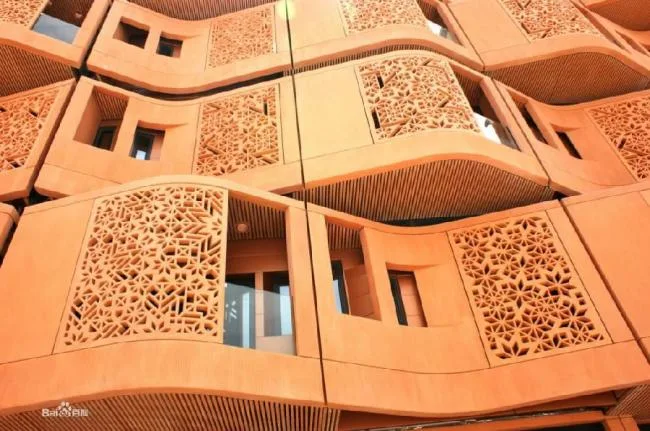
Masdar College GRC Curtain Wall
Reference Materials:
- What is GRC? Baidu Wenku
- Color GRC. Baidu Wenku
- FRONTER GRC Technical Manual. Baidu Wenku
- GRC Material Supplier. FUKEZ
- The Three Major International GRC Standard Systems. Baidu Wenku
- GRC European Standards Leading the Future Development of the Industry. Baidu Wenku
- GRC Landscape Sketches. Baidu Wenku
- GRC Rockery. Baidu Wenku
- GRC Flower Pot. Baidu Wenku
- Technical Parameters of GRC. FUKEZ
- Furuitai Leads GRC Technology Innovation. Baidu Wenku
- GRC Component Design. Baidu Wenku
- Installation Guide for GRC Prefabricated Assembly System. Baidu Wenku
- Research and Sharing of Classic Case Studies on GRC Architectural Details 1-5. Baidu Wenku














Must log in before commenting!
Sign Up