
Similar to China’s adoption of prefabricated construction, Europe’s primary motivation for implementing prefabrication after World War II was to repurpose its wartime industrial capacity. Each country developed unique national policies based on their specific wartime circumstances.
France
France quickly fell to the Nazis during World War II, and much of its pre-war industry was commandeered to support the German war effort. However, after the Allied counterattack, France experienced significantly less bombing compared to Germany itself. As a result, countries occupied by the Nazis—such as France, Belgium, the Netherlands, and Denmark—suffered comparatively fewer losses than Germany.
A notable example is France’s aluminum industry. France was a leading force in modern aluminum production, with advanced technology and capacity concentrated in the southern Pyrenees and Alps, near the borders with Spain and Switzerland. Since these neighboring countries remained neutral during the war, France’s aluminum sector remained largely intact.
Post-war, aluminum found its most prominent architectural application through the work of French architect Jean Prouvé. He designed a range of industrial products including furniture, prefabricated maintenance structures, and some structural components.

Jean Prouvé’s Furniture
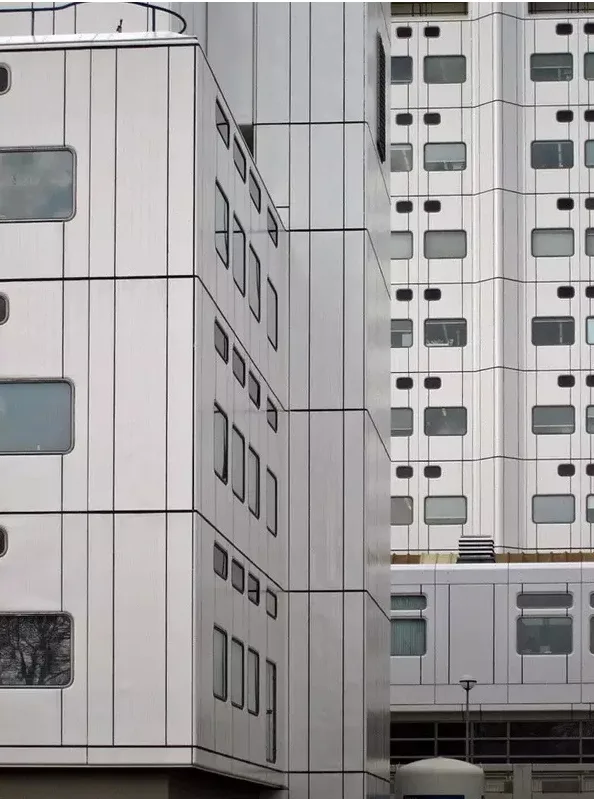
Jean Prouvé’s Prefabricated Maintenance Structures
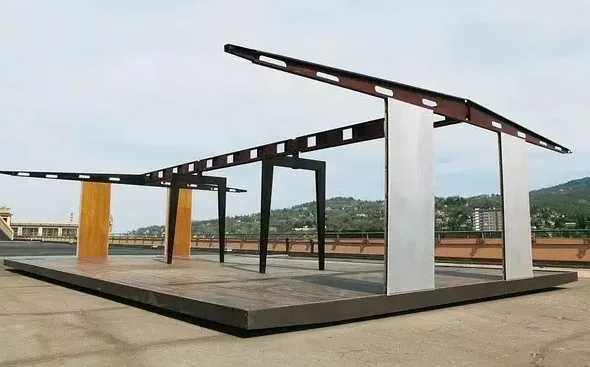
Most of Jean Prouvé’s prefabricated structures are single-story.
From a technological standpoint, Prouvé’s major innovation was the extensive use of low-cost bending processes instead of the more expensive stamping or milling methods. However, due to the higher cost of aluminum compared to concrete and masonry, aluminum did not become a widespread building material. Nevertheless, Prouvé’s advancements in prefabricated building enclosure technology were further developed.
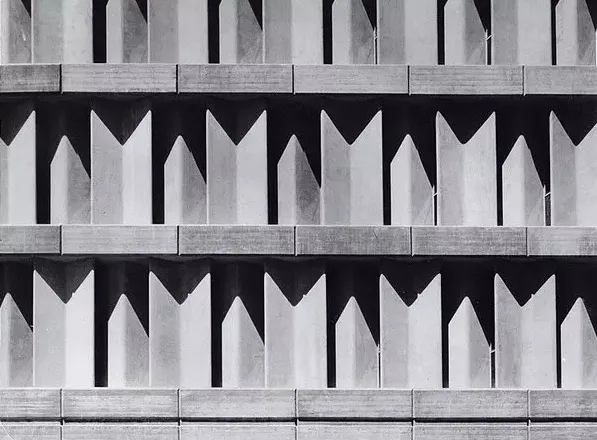
Prefabricated concrete buildings were widely used for social housing in France, with concrete facades being common and aesthetically pleasing. Unfortunately, poor urban planning and social policies eventually stigmatized these buildings, culminating in major unrest during the 2005 Paris riots.
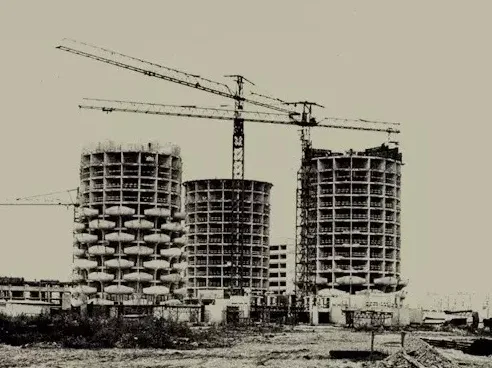
Prefabricated Concrete Enclosure Under Construction
Italy
Italy, as an Axis power, suffered relatively less damage during the war, especially after Germany’s retreat and Italy’s surrender in 1943. The industrial core in Lombardy escaped severe destruction, and southern Tuscany remained largely unscathed. Limited damage in Milan provided Italian architects with opportunities to demonstrate their expertise.
Italy’s abundant concrete production and steel shortage led to a focus on precast concrete technologies during post-war reconstruction. Notable figures include Pier Luigi Nervi, who developed a cast-in-place concrete formwork system that eliminated the need for formwork removal, and Angelo Mangiarotti, known for his precast concrete skeleton systems.
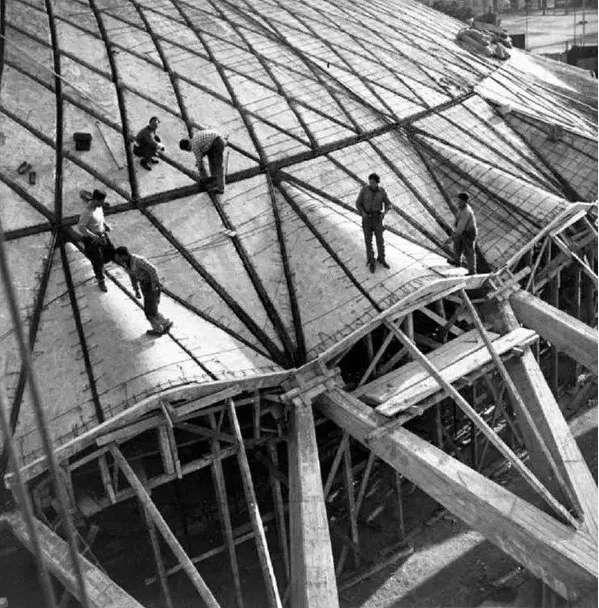
Luigi Nervi’s Innovations Focus on Accelerating On-Site Construction and Reducing Formwork
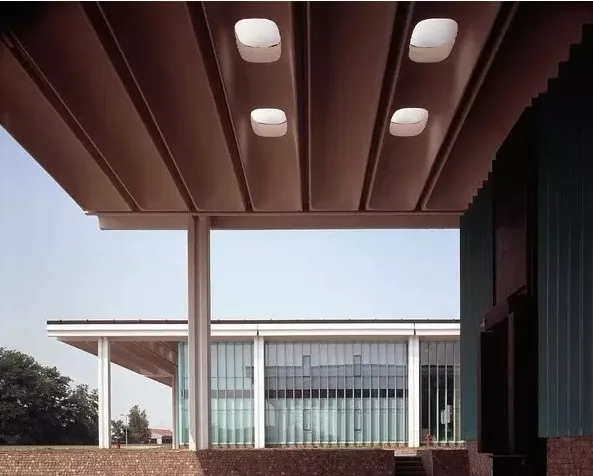
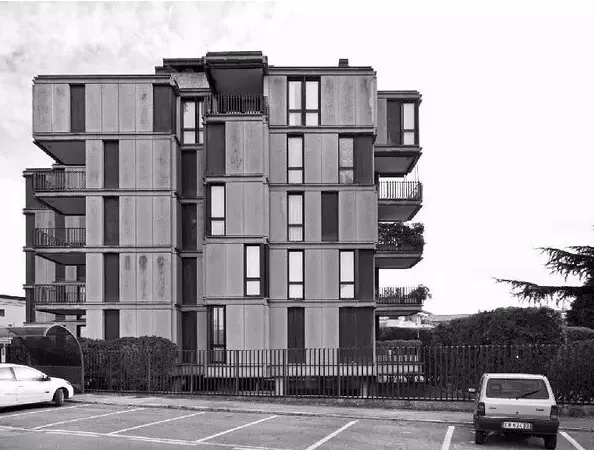
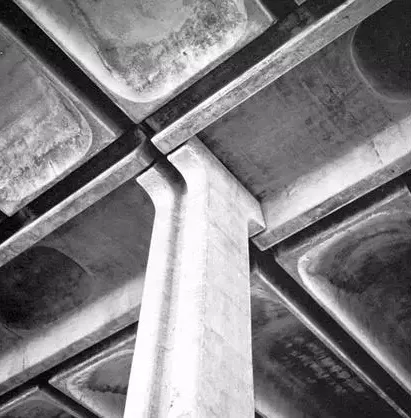
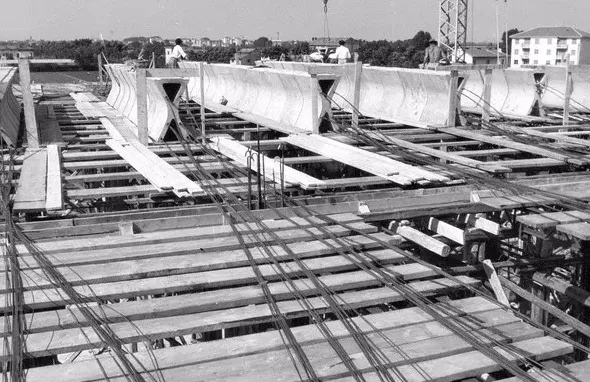
Angelo Mangiarotti addressed complex steel bar connections between prefabricated columns, main beams, and ribs. Spanish architect and engineer Miguel Fisac followed a similar technical path. However, these Latin architects’ emphasis on personalized and aesthetic designs limited their broader social impact.


Germany
The prefabricated concrete buildings currently found in Shanghai closely resemble the slab structures typical of German Plattenbau construction.
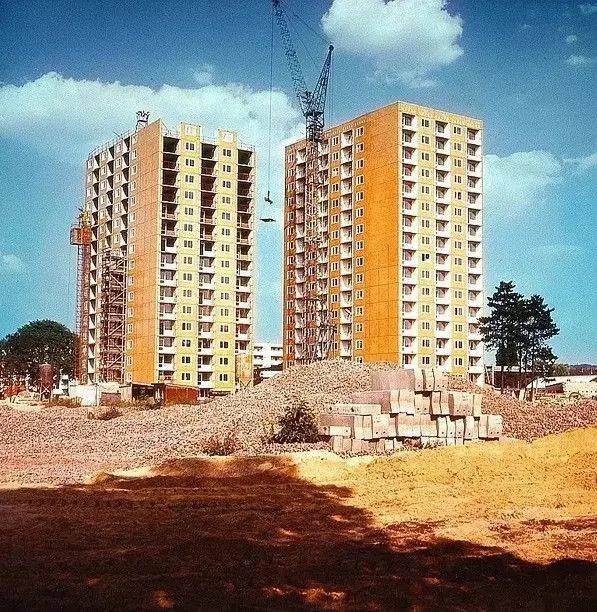
Plattenbau in Dresden, 1972
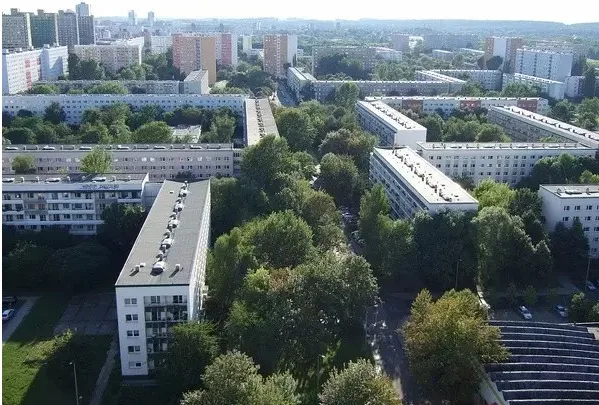
Plattenbau Residential Complex, Halle Neustadt Factory Village

Beirut, Plattenbau Construction, 1983
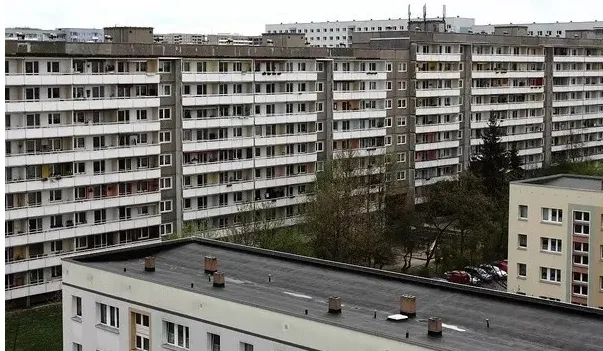
A Typical East German Residential Building in Jena-Neulobeda
Plattenbau refers to permanent buildings constructed from precast concrete, where floor slabs and wall panels are assembled directly on site. While often associated with large, monotonous residential blocks, Plattenbau encompasses a broader construction model.
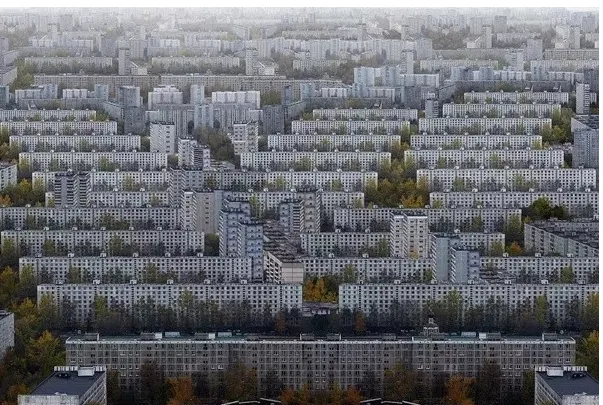
Construction Technology:
Plattenbau buildings primarily include residential and office structures prefabricated in factories and assembled onsite. Some use prefabricated panels as exterior facades, while load-bearing systems may utilize cast-in-place concrete or prefabricated composite frames. Prefabricated concrete panels are often finished as exposed concrete (Sichtbeton), treated with water brushing (Washbeton) or polished finishes (Geschliffener Beton) as architectural expressions. Panels can also be externally insulated and plastered or tiled. Concrete facades offer low maintenance costs and are commonly employed in industrial buildings.
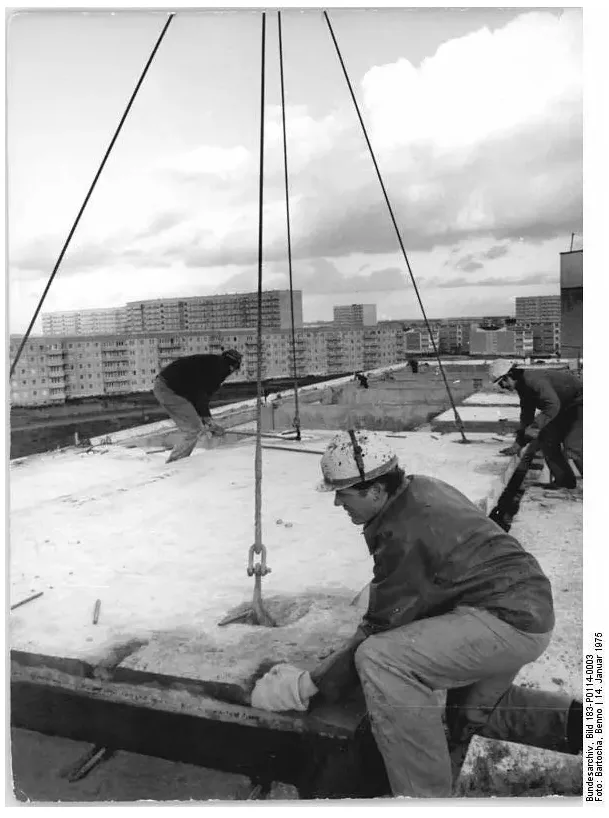
Floor Slabs Being Lifted in Neubrandenburg Ost
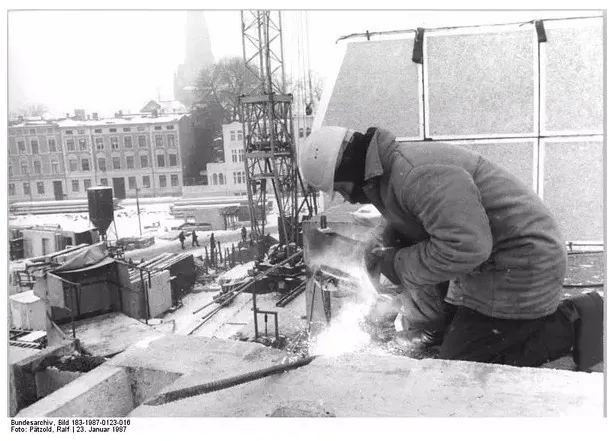
Welded Steel Connectors
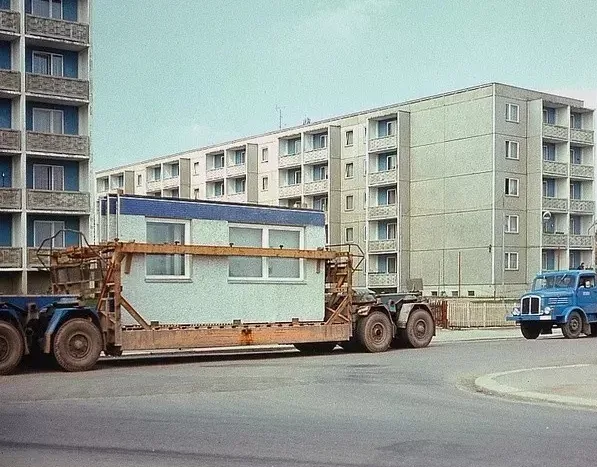
In 1975, Large Panels Transported in Marx City
Advantages: Prefabrication reduces weather-related delays and accelerates construction, making it especially suitable for regions with short annual building seasons such as Sweden, Finland, and Russia. Factory-controlled production ensures consistent quality.
Disadvantages: Prefabricated housing requires that plumbing and electrical systems be integrated into the panels during production, including cable trays, fasteners, and welds. This necessitates standardized designs and large production volumes to be cost-effective, limiting architectural flexibility. Additionally, prefabricated residential and office buildings tend to be more expensive than traditional brick or concrete structures. Higher costs stem from increased concrete and steel use due to simple support connections, expensive steel connectors, and additional joint treatments for sandwich panels. Transportation of large prefabricated elements to the construction site also adds to the expense.














Must log in before commenting!
Sign Up