
Review
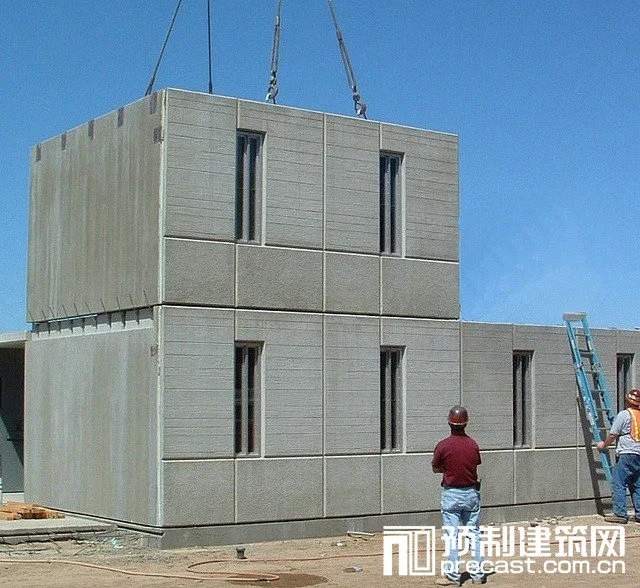
Today, most buildings—whether low-rise slabs or towering skyscrapers—are constructed using traditional framing systems. However, the future of architecture lies in modular design, integrating principles inspired by bionics.
In nature, ants and bees are master architects. Take termites, for example: their nests can reach several meters high. These structures are incredibly sturdy and multifunctional, maintaining warmth in winter and coolness in summer—something human architects still struggle to replicate. Future buildings will draw heavily from the ecological and environmental strategies animals and insects use when constructing their nests. The focus will shift towards creating small, self-sustaining ecological environments that reflect advancements in artificial intelligence.
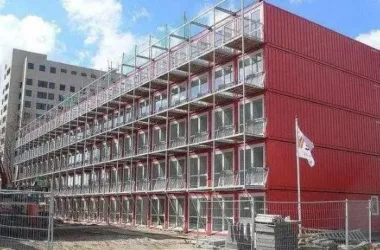
Future architecture will consist of modular units, like matchboxes, but not limited to simple square shapes. Each unit could be polygonal, allowing for diverse and innovative structural forms. These units, made from advanced energy-efficient materials, will be connected using plug-in and splicing techniques—much like assembling building blocks or matchboxes. The resulting structures will resemble castles, with design inspiration drawn from carbon element arrangements and their unique joining methods.
The spaces created between these variously shaped units will serve as green areas, featuring grass, ornamental plants, and potted greenery. This approach forms a distinctive ecological cluster within the building, satisfying residents’ desires for unique room configurations while increasing green space. Currently, residential developments often allocate about one-third of land for green and public areas. With modular architecture, the voids between units can be effectively utilized as green spaces, conserving land and distributing greenery throughout multiple levels of the building. This enhances green space efficiency, promotes harmony between humans and nature, and adds aesthetic appeal.
The use of innovative building materials not only improves structural strength but also provides excellent insulation. This reduces temperature fluctuations inside rooms, lessens reliance on air conditioning and heating systems, and results in more energy-efficient and environmentally friendly buildings.
Architect Mick Pearce, known for his work with prefabricated housing, studied termite nests’ natural cooling methods—specifically their “chimneys” and “tunnels”—when designing the Eastgate Centre in Harare, Zimbabwe. By applying termite-inspired concepts, Pearce created a 333,000 square-foot building that is 90% more energy-efficient than conventional structures. Large chimneys on the building capture cool night air to lower the temperature of floor slabs, helping keep interiors cool during the day and reducing the need for air conditioning.













Must log in before commenting!
Sign Up