
In recent years, China’s construction industry has experienced rapid growth, largely driven by an increase in the number of buildings, particularly prefabricated structures. However, this expansion has raised significant concerns regarding resource consumption during both construction and building usage. These challenges pose serious obstacles to achieving sustainable development goals, especially in promoting low-carbon, environmentally friendly, and energy-efficient buildings.
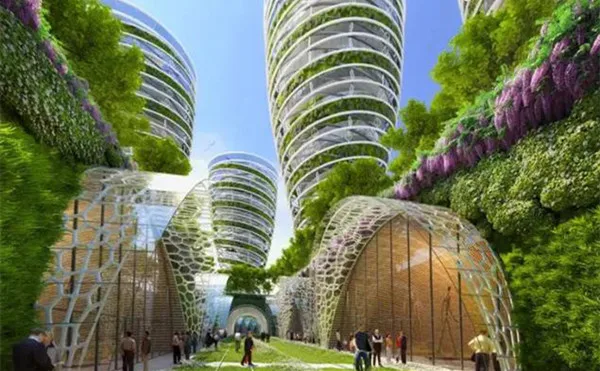
The concept of green buildings has deep roots in China’s history. Ancient Chinese texts describe how early humans lived harmoniously with nature, noting that “in ancient times, there were few people but many animals and beasts. People were invincible against animals, insects, and snakes. Sages built wooden nests to avoid group harm.” These “nests” represent some of the earliest examples of environmentally conscious architecture. Our ancestors utilized local materials and natural conditions to minimize their impact on the environment.
Today, green building technologies in China have matured significantly, with numerous demonstration projects showcasing innovative approaches. Modern designs integrate advanced technologies such as solar photovoltaic power generation, breathable wall systems, passive solar heating, plain concrete construction, subterranean soil cooling, and green plant cooling. These innovations aim to achieve buildings that are environmentally friendly, energy-efficient, and capable of zero net energy consumption.
The core purpose of green buildings is to provide comfortable, healthy living and working environments while conserving resources, protecting the environment, and fostering harmony between humans, architecture, and nature. The key design features of green buildings include the following:
1. People-Centered Design
The foremost principle is prioritizing human health and quality of life. Energy conservation and environmental protection should never come at the expense of occupant well-being.
2. Energy Conservation
Green buildings capitalize on renewable natural resources such as solar, wind, and geothermal energy to minimize energy consumption. Building materials should ideally be renewable and biodegradable, like bamboo. Additionally, strict quality control ensures materials are free from pollution and radiation. Green building design must balance environmental goals with economic practicality.
3. Integration with Nature
Designs must carefully consider the surrounding environment, striving for harmony to protect local ecosystems. Utilizing renewable energy sources available on-site and leveraging nearby water bodies and vegetation helps regulate microclimates and improve thermal comfort.
4. Holistic Lifecycle Approach
Architecture impacts the environment throughout its entire lifecycle—from construction to use and eventual demolition. Green design focuses on minimizing environmental harm at every stage, ensuring that demolition waste can be recycled effectively. It also emphasizes comprehensive planning that accounts for economic, cultural, and climatic factors, creating a seamless integration with the surrounding environment. For example, in cold climates, window insulation is crucial; without it, even high-quality wall insulation cannot achieve energy savings.
Modern architectural design must embed energy and resource efficiency throughout, maximizing the use of innovative materials, technologies, and design methods. Harmonizing buildings with natural landscapes is essential to realizing truly ecological, green, and zero-energy structures.
















Must log in before commenting!
Sign Up