
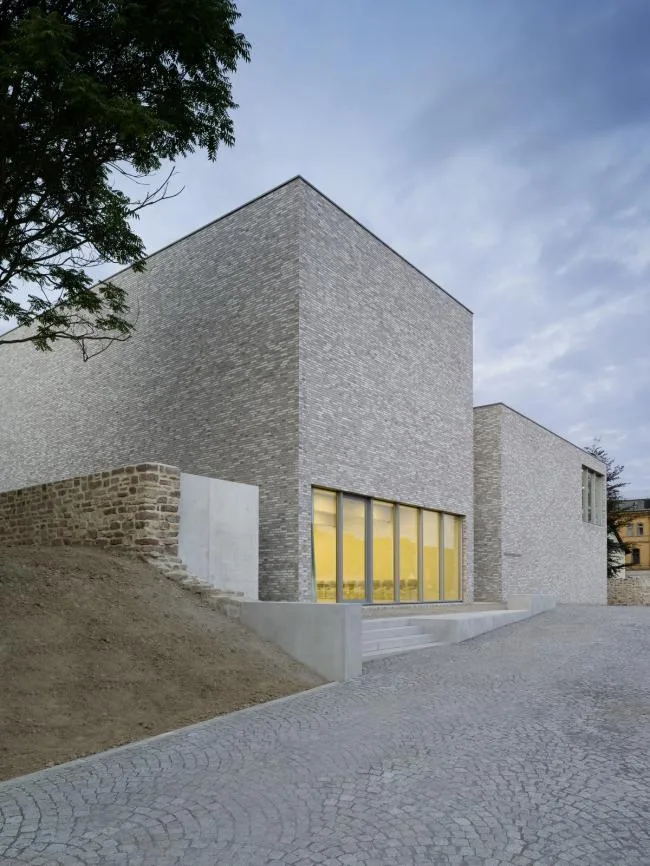
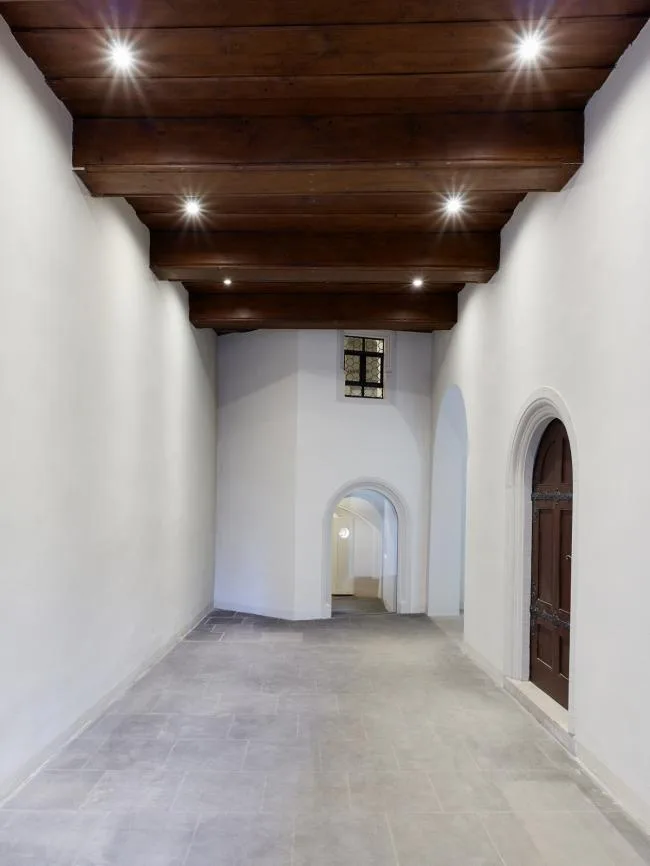
This building, recognized as a UNESCO World Heritage Site, has undergone extensive renovation and reconstruction. Upon completion, it now functions as a museum, offering both permanent exhibitions and a venue for a variety of themed displays.
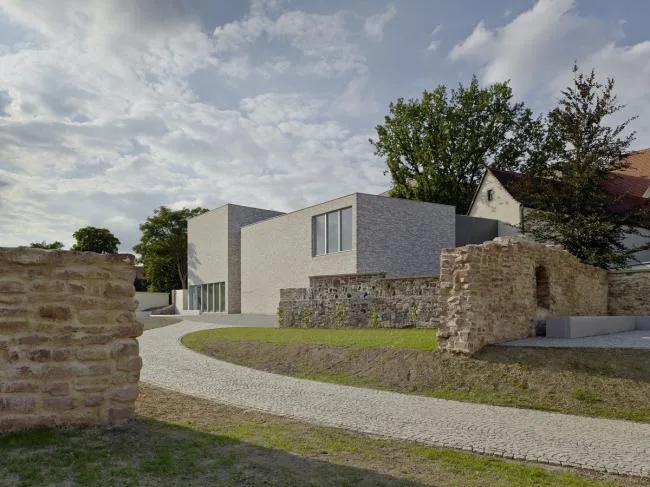
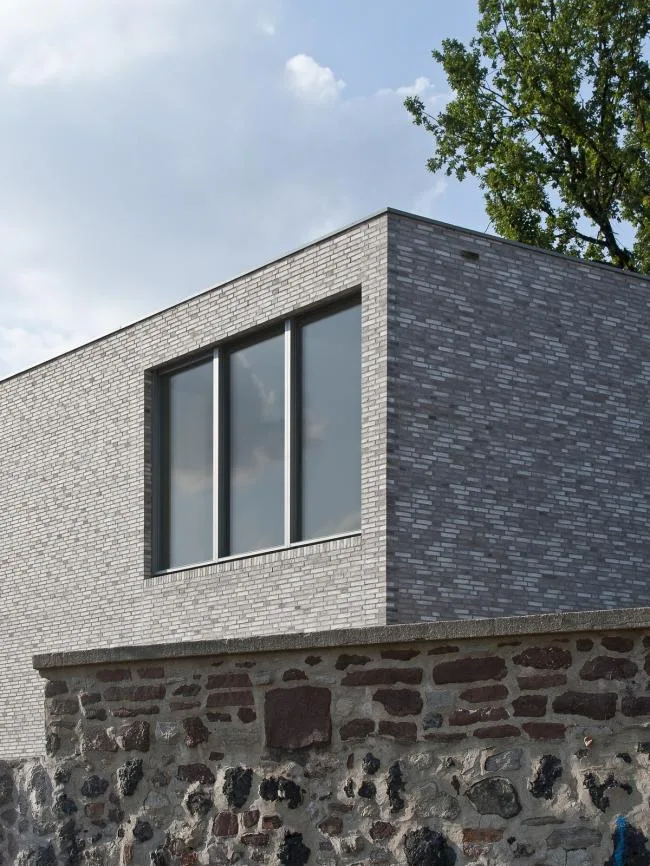
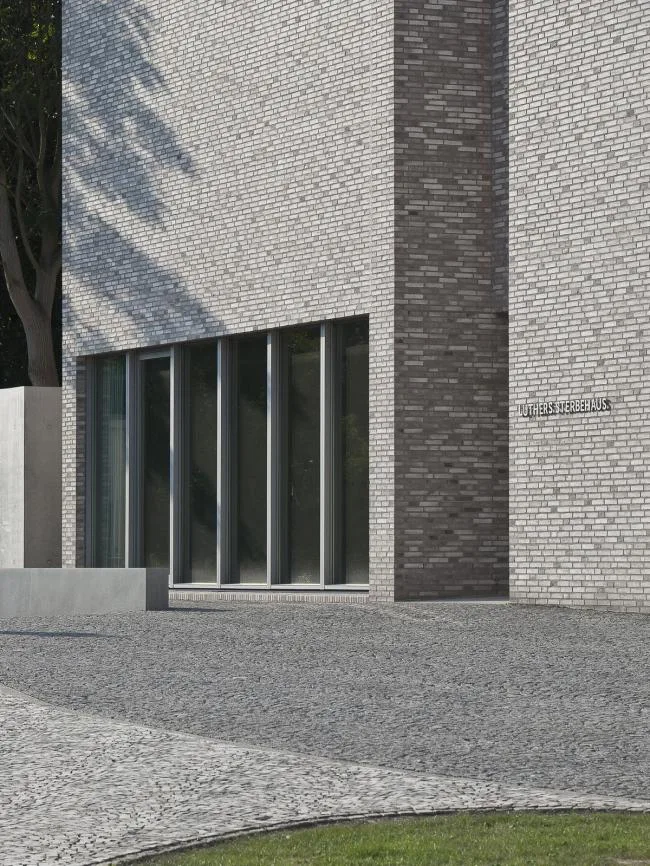
Historical records indicate that the original building underwent two significant foundation repairs, completed by Friedrich August Ritter in 1868 and Friedrich Wanderer in 1894.
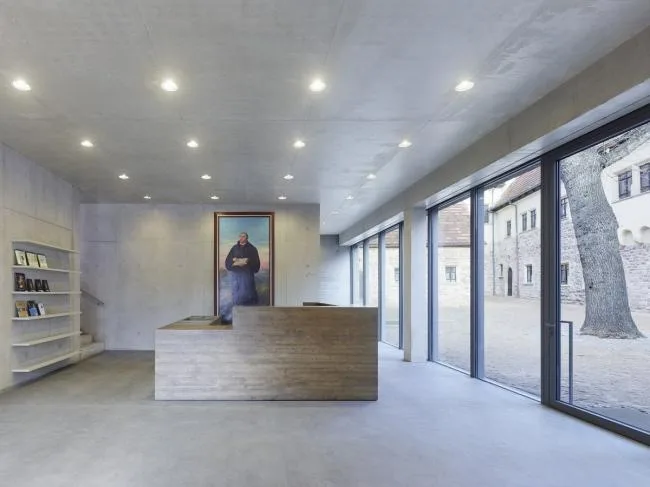
The main entrance and key functional rooms were relocated to the new structure, allowing maximum preservation of the original building’s infrastructure.
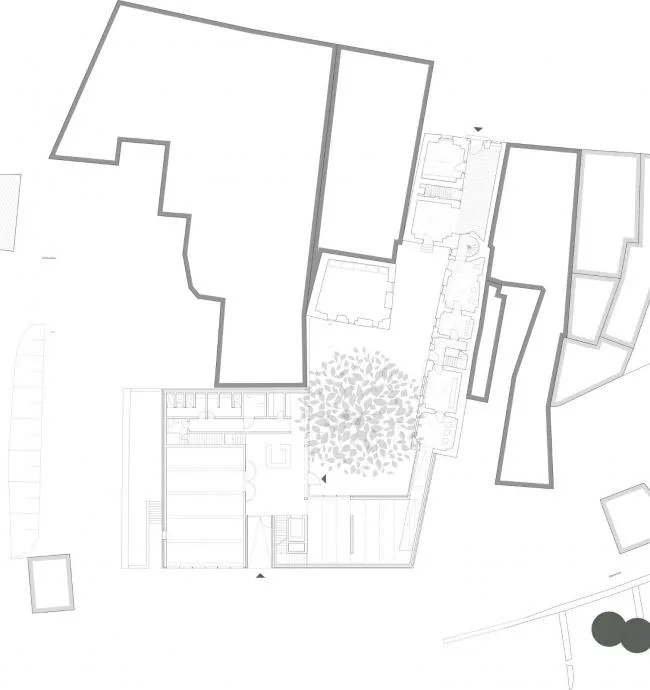
▲ First floor plan
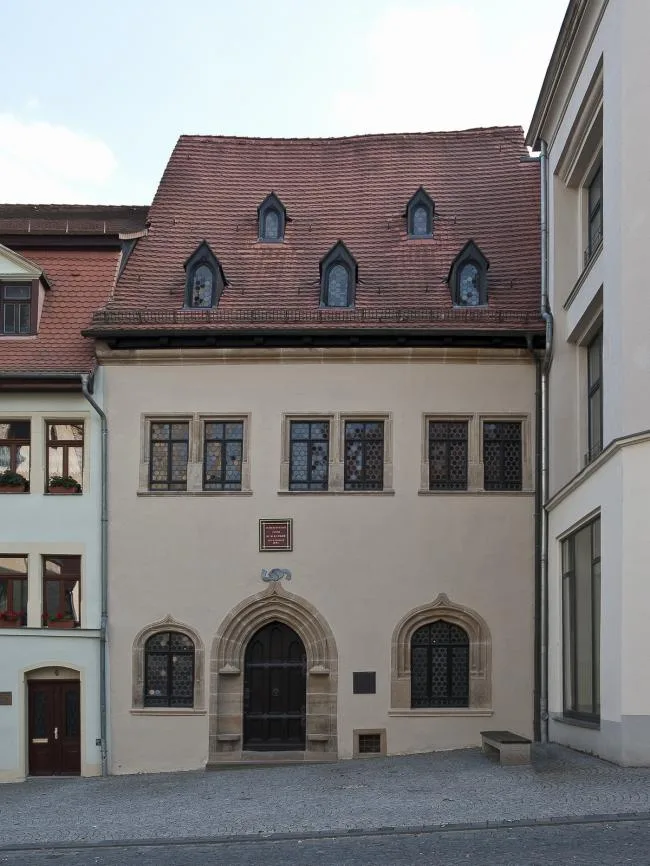
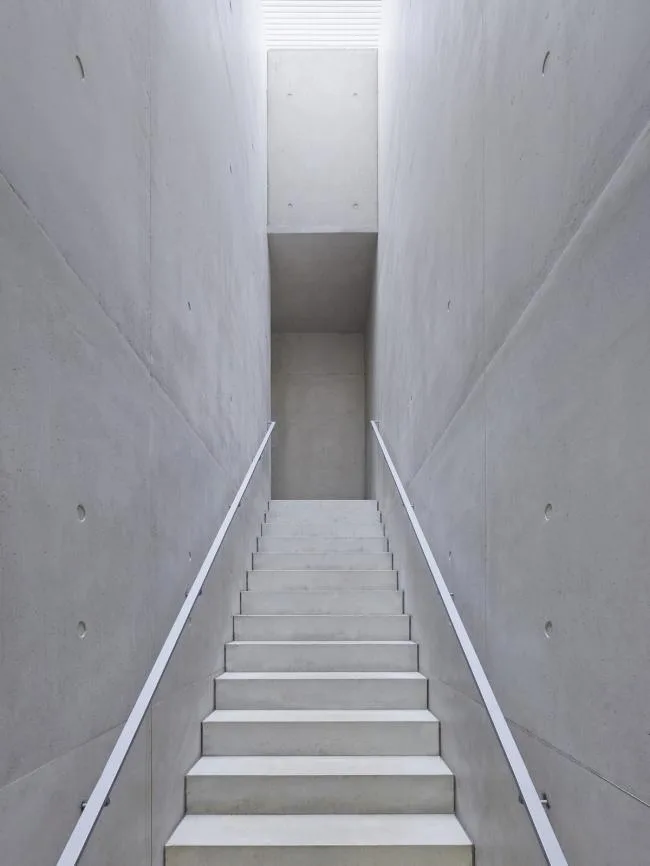
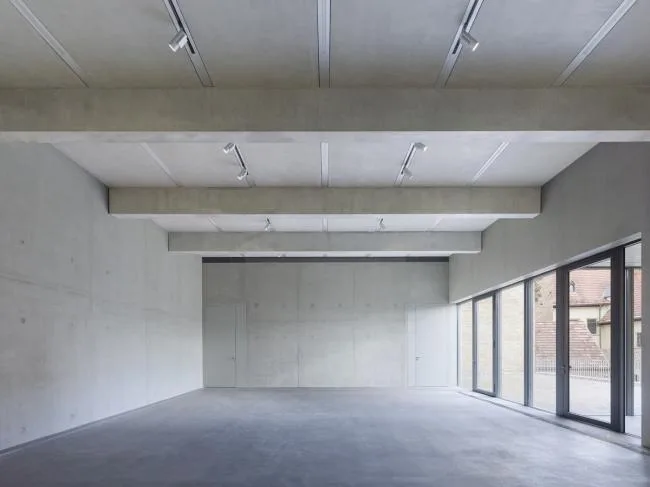
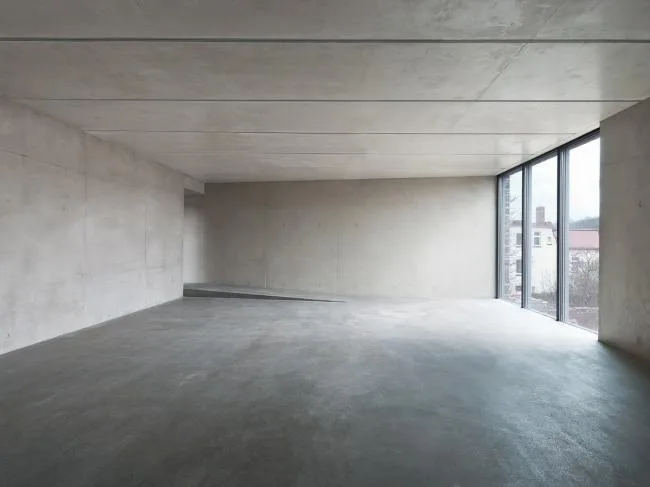
The newly constructed sections, clearly distinct in volume and structure, exhibit a modern and independent character. Despite this, they remain strongly influenced by the original building’s environment. This is evident in the striking contrast between the preserved facade of the original structure and the new main entrance, as well as the notable differences in size and height between the old and new parts.
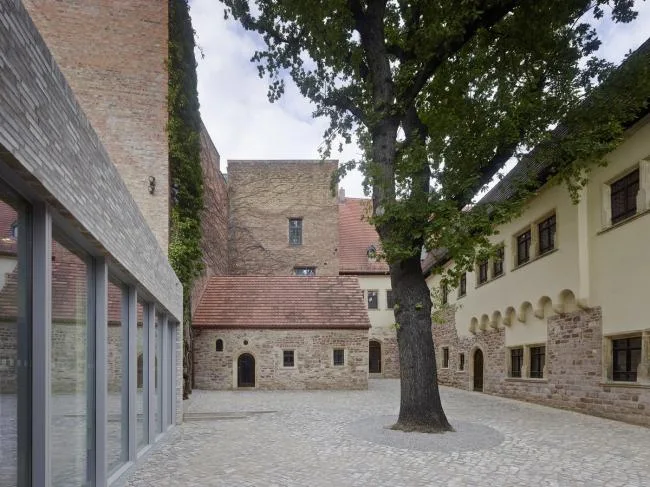
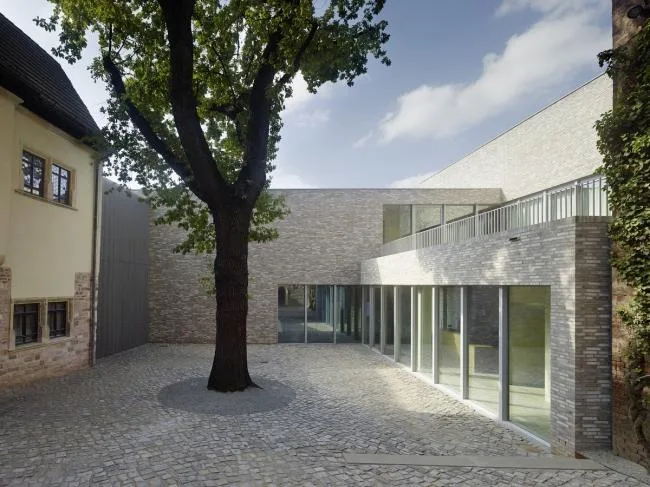
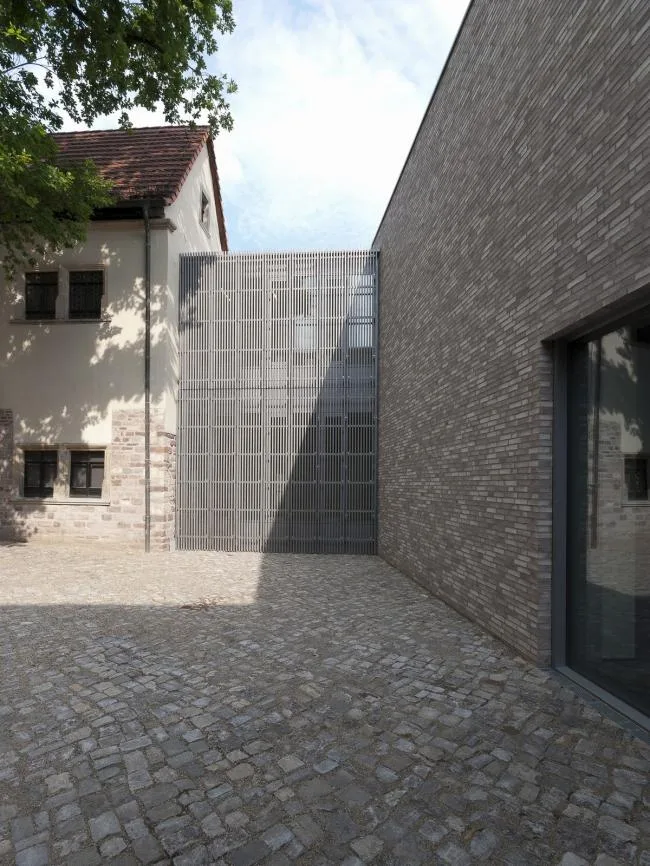
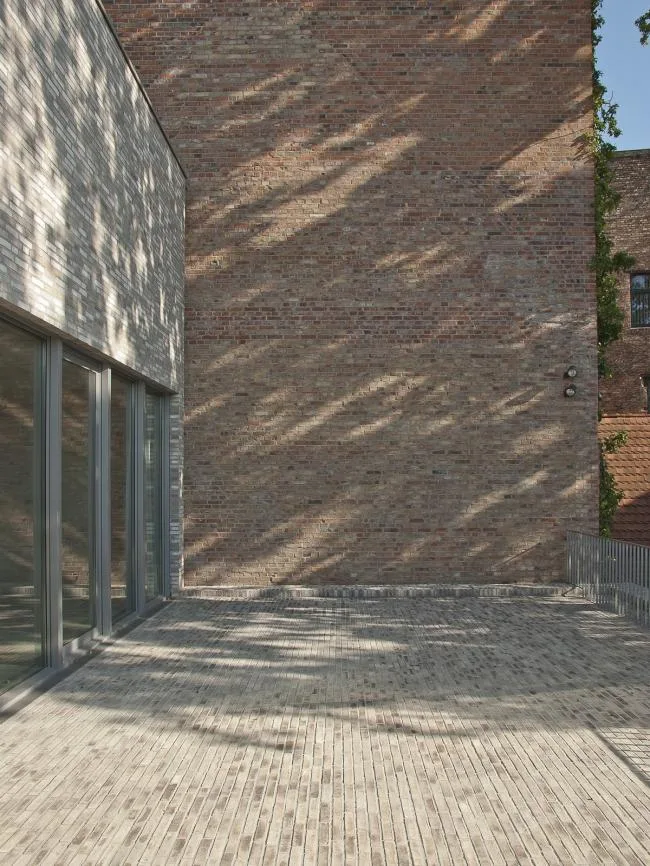
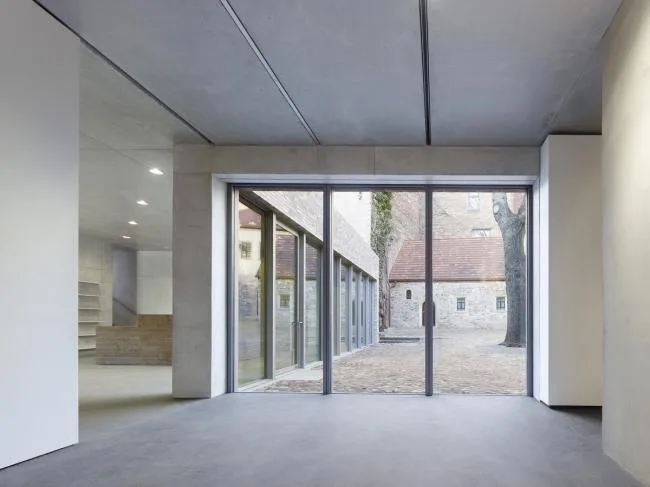
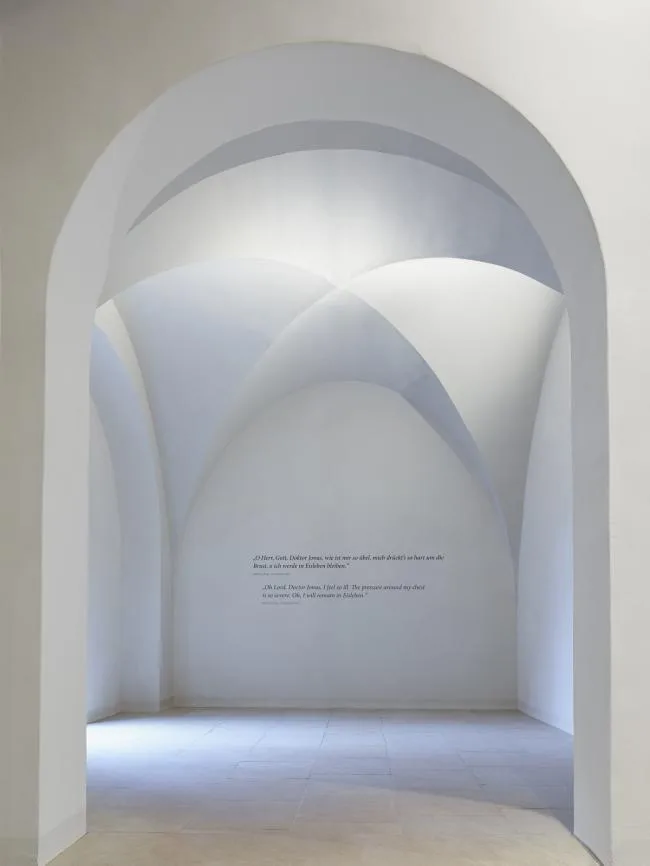
With the new and old buildings harmoniously integrated, exploring the museum becomes a delightful experience. Visitors can enjoy the variety of exhibitions while also witnessing the museum’s own historical transformation, symbolized by the permanent exhibition titled “Luther’s Last/Final WAY.”
Project Drawings
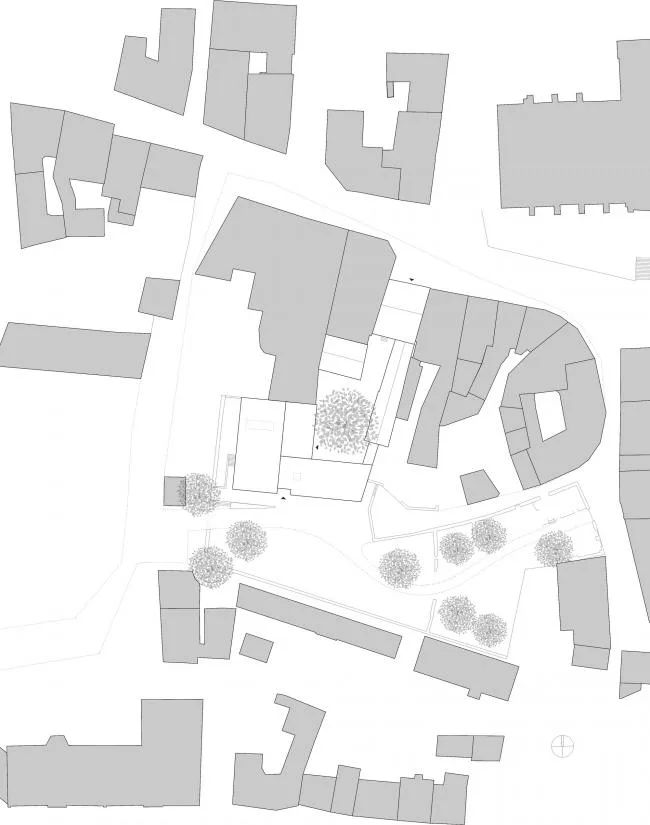
▲ General Layout Plan
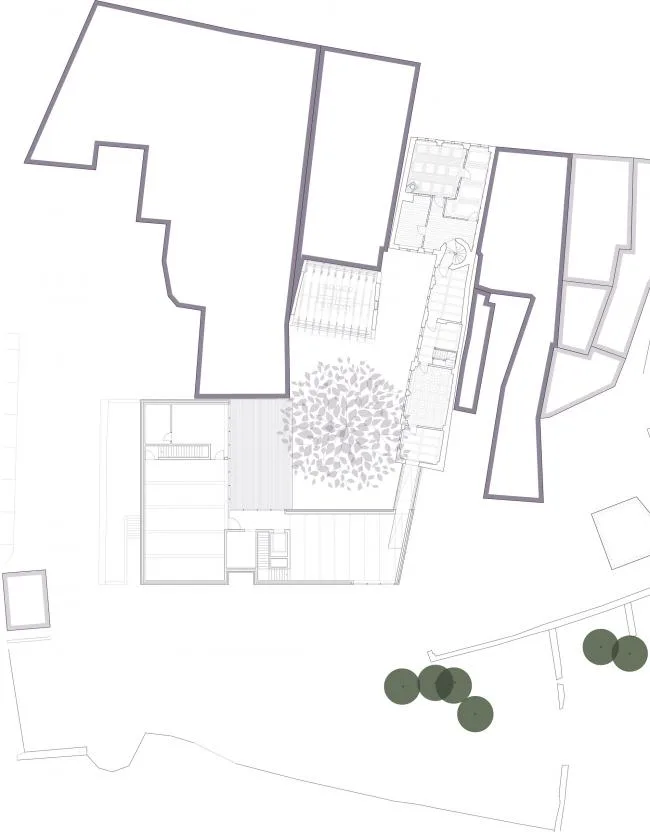
▲ Second Floor Plan
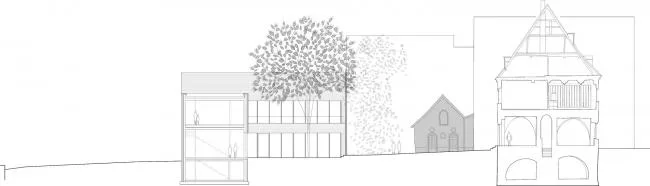
▲ Section View
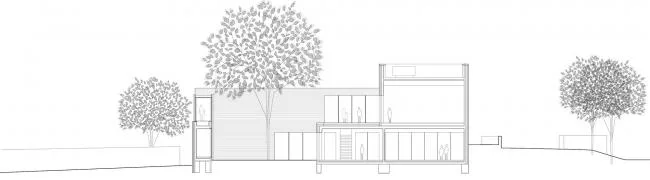
▲ Section View
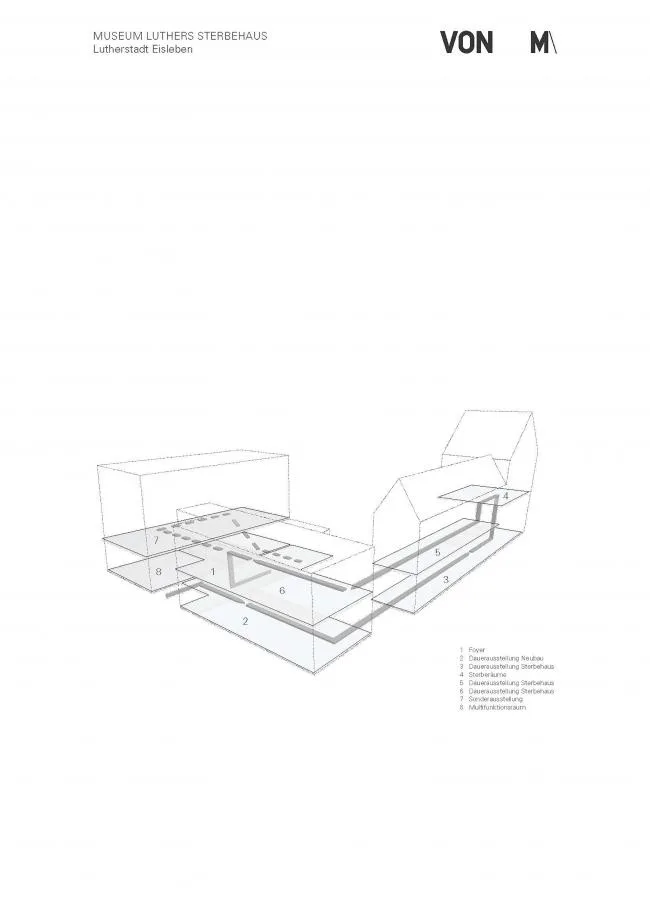
▲ Analysis Chart
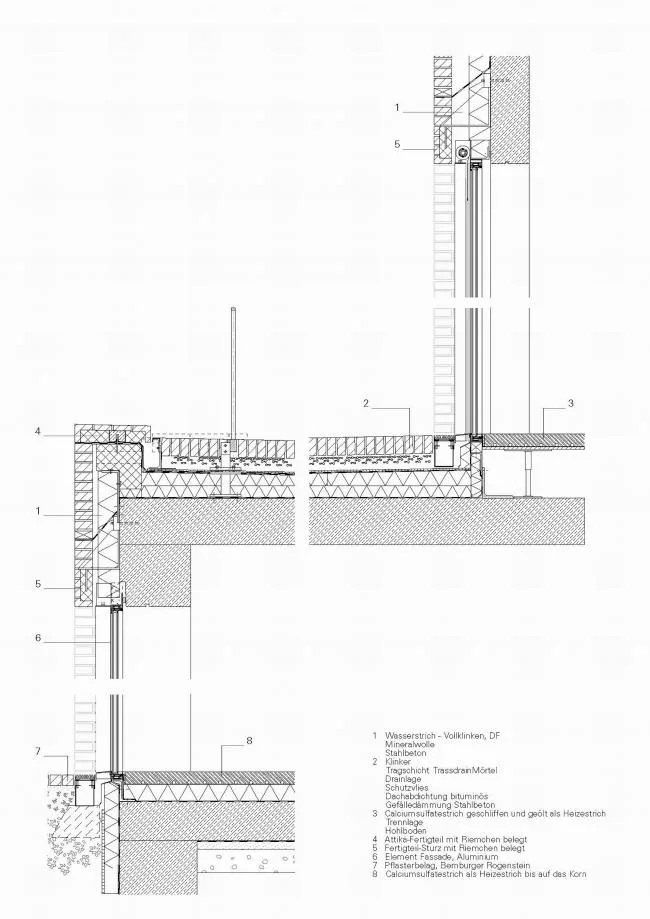
▲ Node Details
Project Information
Designer: VON M
Address: Vikariatsgasse 7, 06295 Eisleben, Germany
Category: Museum
Lead Architects: Myriam Kunz, Dennis Mueller, Matthias Siegert
Collaborators: Silke Hänssler, Christoph Patzelt, Grit Ruschinzik, Silke Schreier, Sabrina Fliegerbauer, Kristin Weinrich, Antonia Blaer, Charlotte (BIM training)
Venue Management: agn
Project Year: 2013
Photographers: Zooey Braun, Dennis Mueller












Must log in before commenting!
Sign Up