
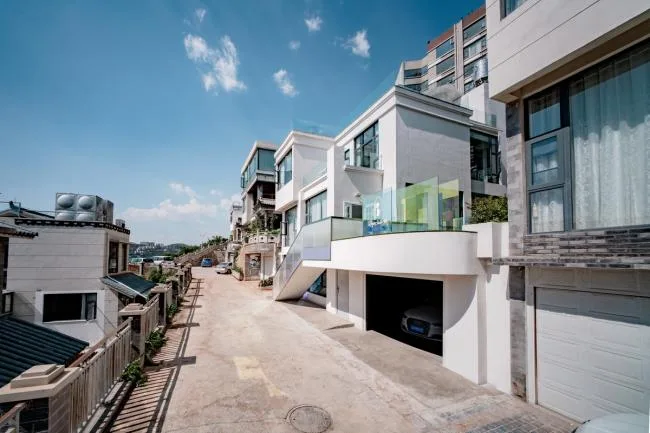
The serene beauty of Japanese scenery © Wang Yixiang
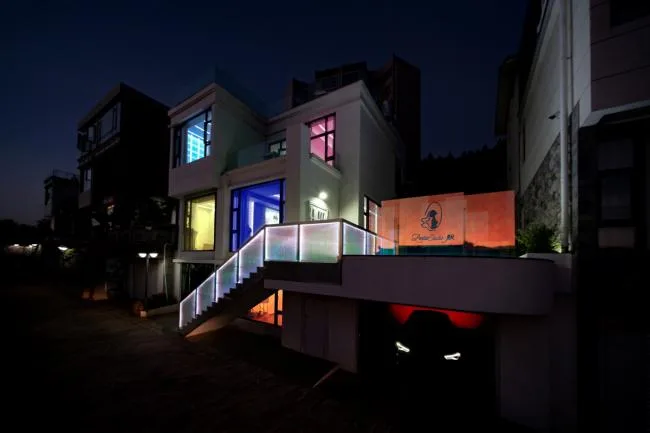
▲ The subtle mystery of a night scene © Wang Yixiang
The Origin of the Wedding Hall by Erhai Lake
What comes to mind when you imagine wearing a white veil? The beach, a sunset, blooming flowers, or perhaps two souls deeply in love?
When I first received the project invitation along with photos from the owner, the clear waters of Erhai Lake and the majestic Cangshan Mountains immediately captivated me. Such a stunning landscape naturally inspires any designer.
Located in an older residential area on the eastern shore of Erhai Lake in Dali, this project aims to transform an original villa into a commercial building centered around wedding photography and related wedding tourism services. Given the site’s distance from the old town, the owner requested a design that departs from traditional Dali architecture—modern, simple, yet timeless.
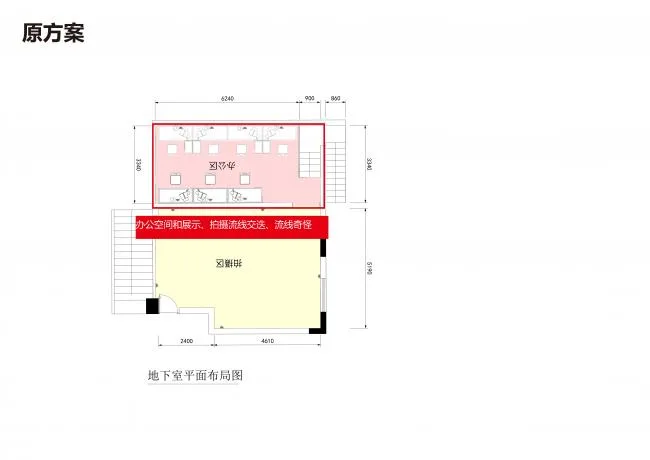
▲ Original basement floor plan © Pingjie Design
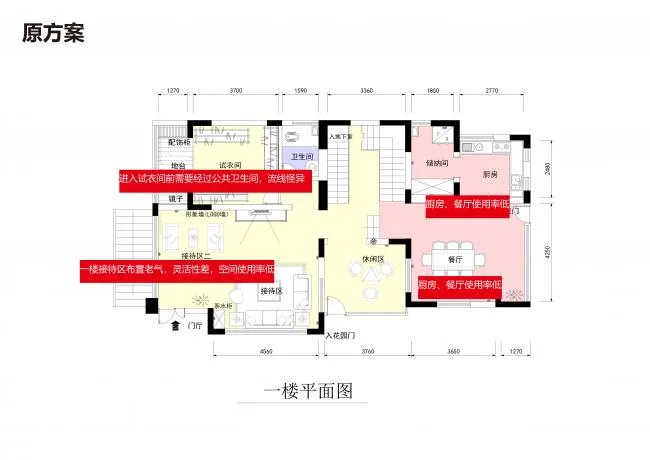
▲ Original first floor plan © Pingjie Design
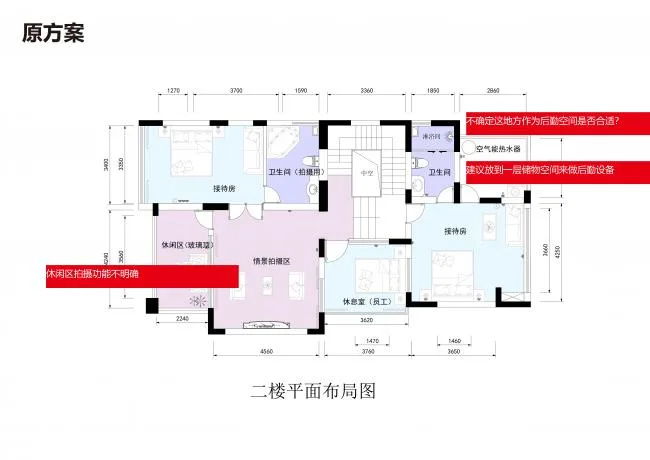
▲ Original second floor plan © Pingjie Design
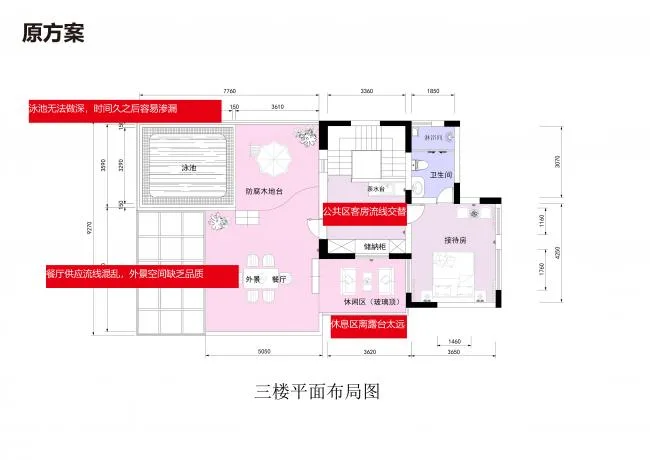
▲ Original third floor plan © Pingjie Design
The house originally has three stories above ground, with the rear half of the basement embedded into the hillside. The first floor features a courtyard entrance, while the second floor and above offer views of the lake. The third floor includes a scenic terrace. The neighborhood’s architectural styles are quite eclectic, with a mix of Bai-style eaves, modern large windows, and traditional Chinese sloping roofs scattered along the street.
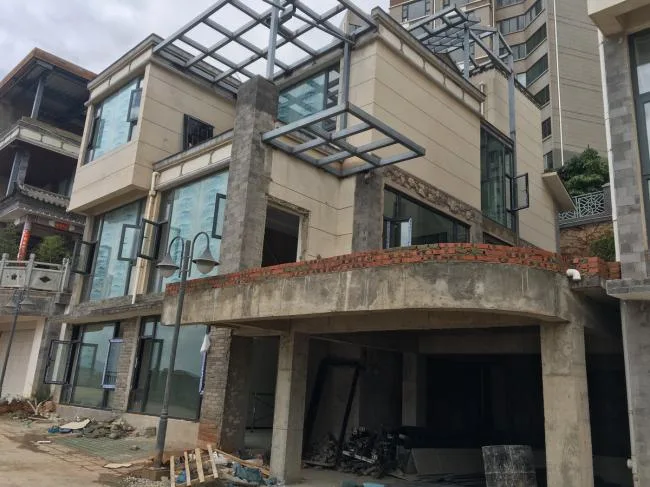
▲ Original building condition © Pingjie Design
Before the project began, the owner had already hired a local decoration company to undertake initial design and partial renovation. However, the existing floor plans suffered from disorganized circulation and inefficient functional layouts. The interior was decorated in a retro palace style, which clashed with the owner’s desire for a modern minimalist aesthetic. Construction issues were also uncovered, such as roof waterproofing compromised by expansion bolts and inconsistent door opening heights.
Given the owner’s overseas background, a full interior redesign and renovation was requested, along with optimization of the opposite facade and outdoor spaces. Because of the investment already made in construction, the goal was to evaluate and reuse existing elements—retaining expensive stone stairs and reinstalled double-glazed windows, for example—while ensuring the overall design met functional needs including wedding photography reception, wedding dress display, photo shoots, accommodation for four couples, and staff workspace.
The design team reflected on traditional wedding photography, often marked by grand, cluttered scenes that overshadow the couple. Their initial goal was to redefine the wedding photography studio to be clean and minimal—providing the perfect backdrop for the newlyweds to shine.
Balancing Diverse Functions: Erhai Lake, Wedding Dresses, and Homestays
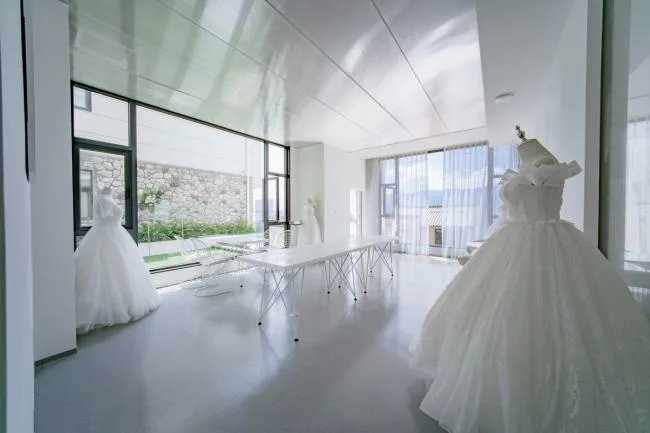
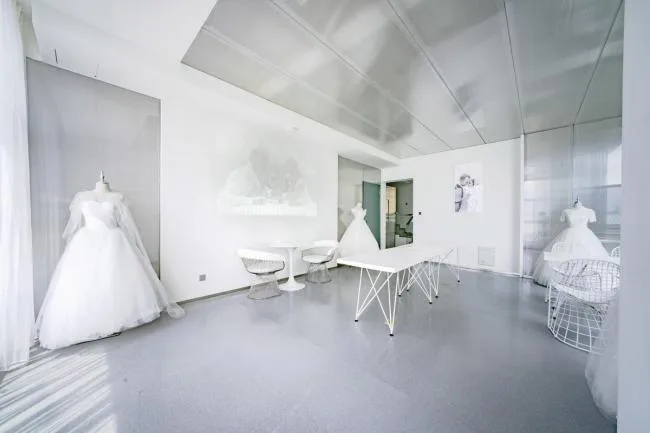
▲ Display and selection area © Wang Yixiang
As young people in China increasingly seek quality experiences, wedding photography has grown into a major sector in the marriage industry. Yet many existing venues rely heavily on decorative scenes filled with overt symbols of wealth and status, restricting the space to artificial illusions rather than capturing the genuine emotions of couples and the joy of the photo shoot experience. Surprisingly, this fundamental aspect is often overlooked in design.
This project addresses three core challenges: leveraging Erhai Lake’s scenic beauty for tourism photography, providing an elegant space for wedding dress display and shoots, and offering couples a unique homestay experience that differs from traditional Dali-style lodgings. The owner chose this location carefully, considering its proximity to popular Erhai Lake photography sites—within a 30-minute drive—and the building’s west-facing orientation, which ensures all-day sunlight perfect for both indoor greenhouse shoots and outdoor lake views.
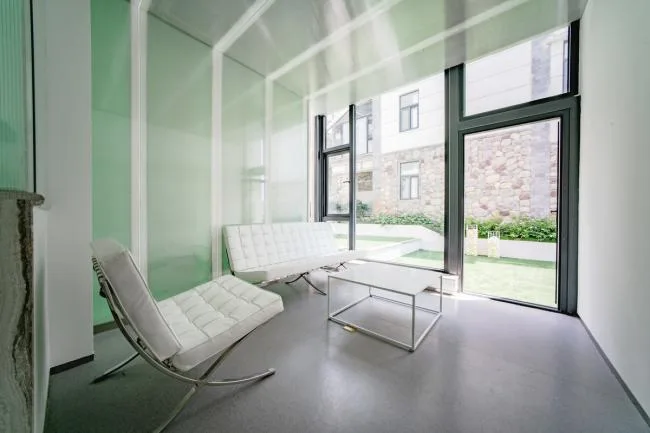
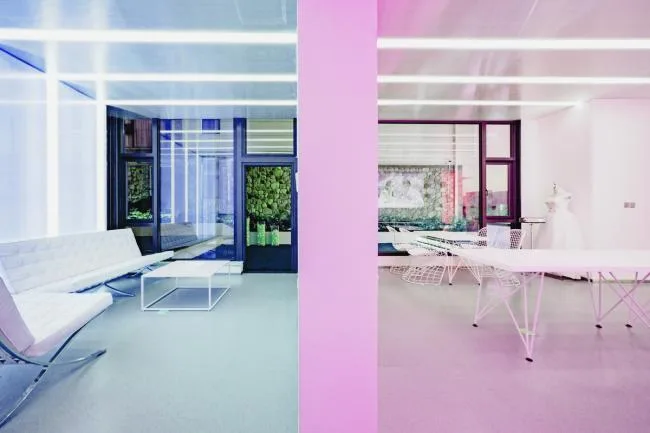
▲ Reception and exhibition areas © Wang Yixiang
To realize these goals within a 500-square-meter villa, the design capitalizes on the lake’s natural beauty to create a distinctive leisure and entertainment environment. It introduces diverse wedding photography possibilities indoors while offering couples a fresh travel experience unlike traditional Dali homestays that emphasize local materials like earth, wood, and stone. This design transcends a single commercial function, aiming to fulfill essential needs for relaxation, romance, and leisure—allowing couples to reconnect authentically through their photography journey.
Reorganizing the Floor Plans
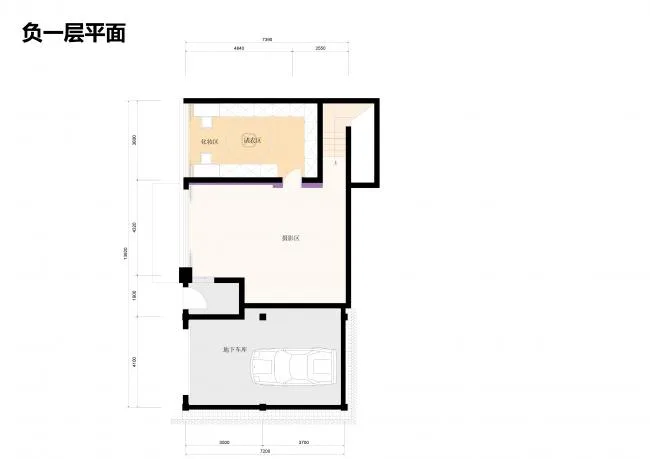
▲ Basement level plan © Pingjie Design
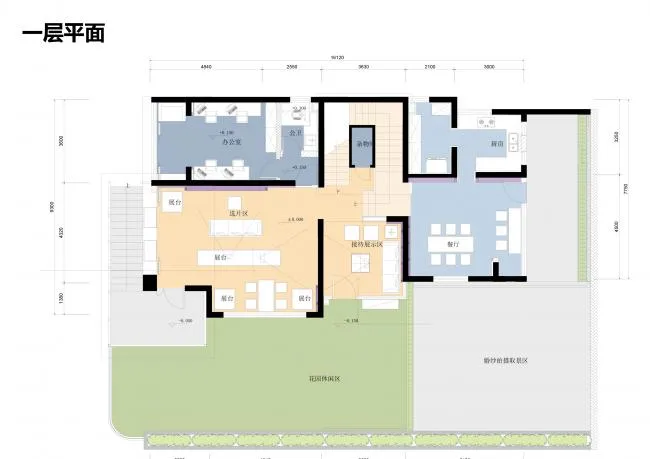
▲ First floor plan © Pingjie Design
Initially, the floor plans featured awkward circulation patterns. For example, accessing the fitting room required passing through a bathroom, while the basement layout forced users to cross the office to reach the studio. The second and third floors served as living spaces, but their balconies were shared publicly, lacking privacy and quality.
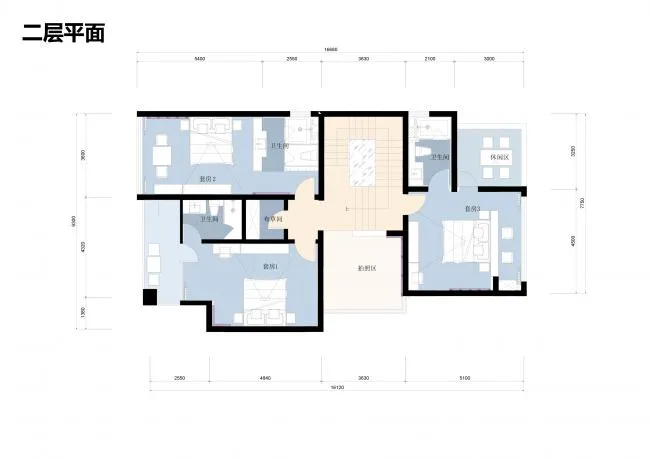
▲ Second floor plan © Pingjie Design
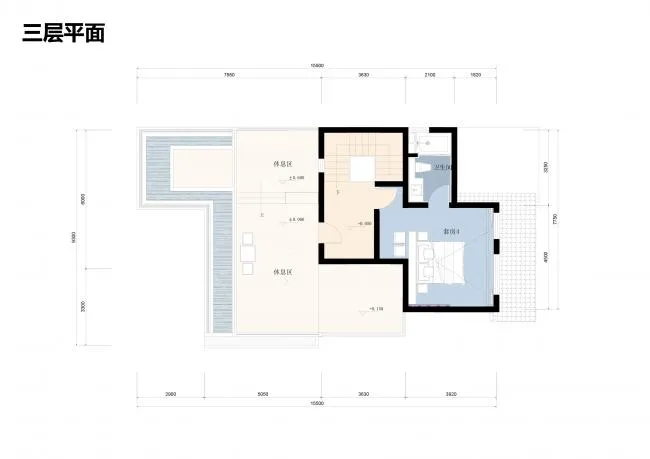
▲ Third floor plan © Pingjie Design
After redesign, the garage terrace became an outdoor space for photography, small gatherings, and events. The main hall was transformed into a spacious exhibition area linked to the reception. The office was separated from the dining and kitchen areas, while the basement was unified into a dedicated shooting zone with adjacent dressing rooms. This layout facilitates multiple wedding dress fittings alongside efficient prop management via direct access to the garage storage.
Additionally, the addition of a sea-view room in the public space—while retaining the existing bathroom—ensures two sea-view and two mountain-view rooms each have private bathrooms, enhancing privacy and comfort. A shallow pool lines the three-level terrace’s edge, complemented by a tempered glass platform that creates a “water-sky connection” effect. The terrace design remains flexible, allowing the owner to adapt it for tea time, photography, or other uses.
Indoor Light and Color
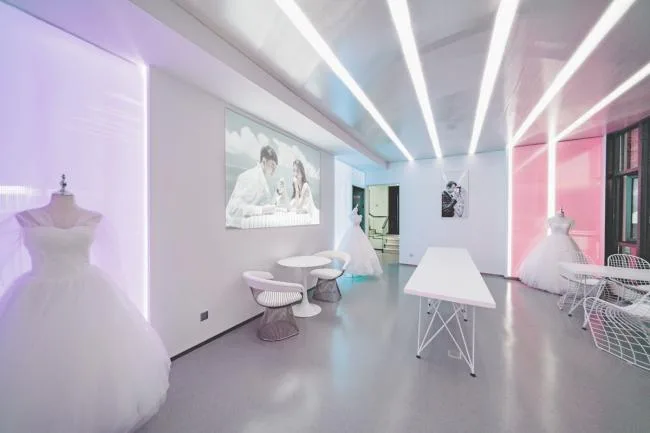
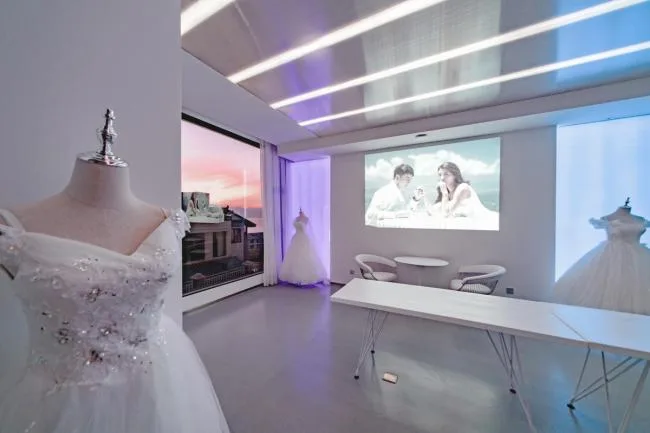
▲ Display and selection area © Wang Yixiang
Erhai Lake enjoys abundant sunshine year-round. Harnessing natural daylight to enhance various spaces—exhibition, residence, leisure—became a priority. Instead of harsh reflective mirrors, the design incorporates semi-transparent sun panels that subtly diffuse light, creating a soft, hazy atmosphere that reflects the excitement of the outside world.
These sun panels are installed on ceilings and walls across different rooms, with colorful LED lights placed behind them. Using simple BIM techniques, the colors shine through the panels, contrasting beautifully with crisp white walls. From the entrance hallway’s ceiling to the back wall, these illuminated panels serve as distinctive finished surfaces. In rooms, sun panel ceilings double as decorative elements, where overlapping refraction and reflection amplify the perceived scale of the space, altering spatial perception.
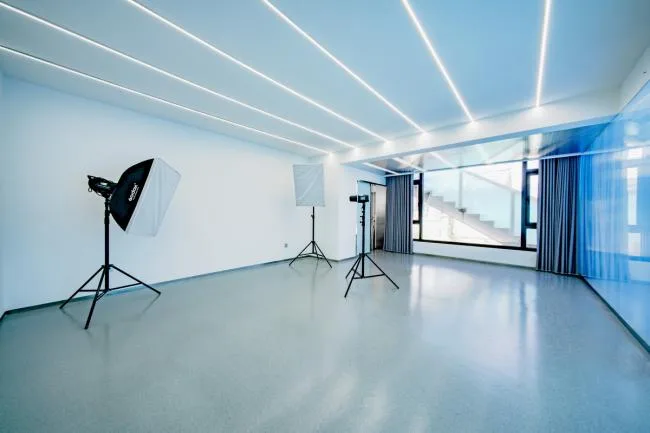
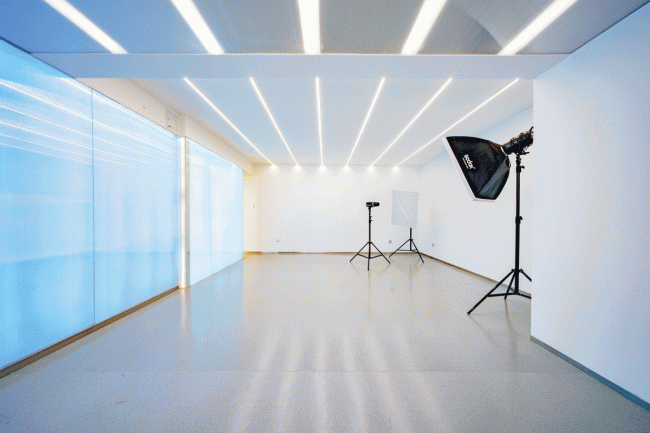
▲ Shooting area © Wang Yixiang
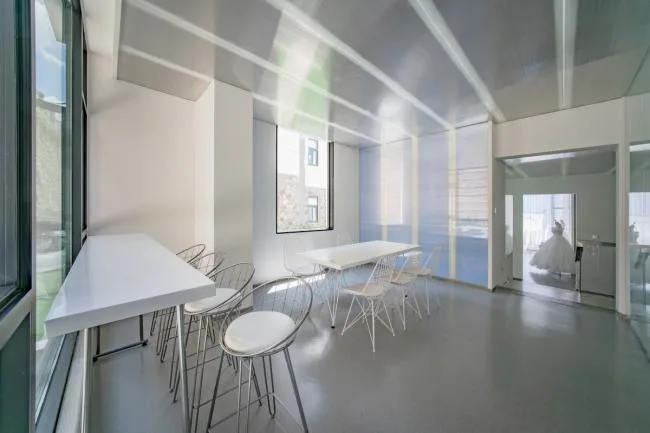
▲ Dining bar © Wang Yixiang
The public spaces evoke deep emotions by crafting pure, surreal scenes. White walls, light gray slightly reflective flooring, and hazy sun panels create an atmosphere of ultimate purity. Sparse furniture and wedding dresses appear as museum exhibits, lending an ethereal quality. LED lights behind the walls project shimmering waves through the sun panels, adding mystery and inviting couples to experience subtle shifts in mood and interaction.
As the only elevated space in the building, the stairwell features linear lighting with high and low zones, creating a delicate visual effect that enhances the spatial experience.
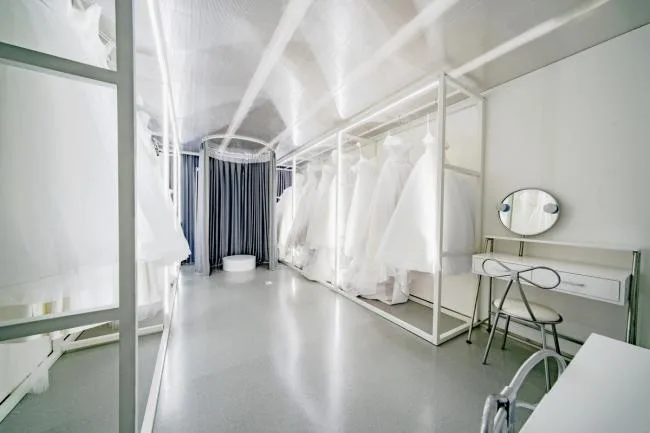
▲ Fitting room © Wang Yixiang
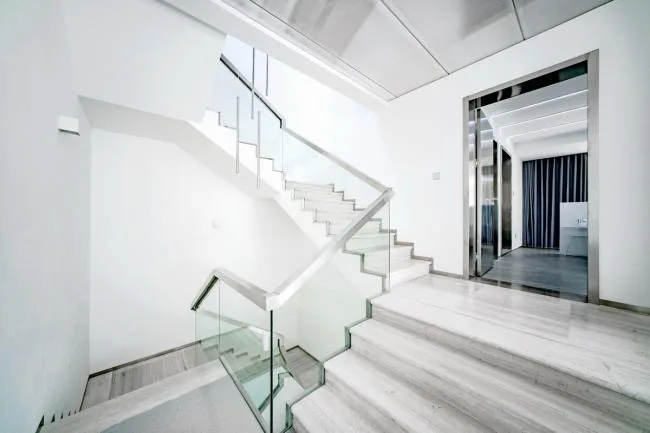
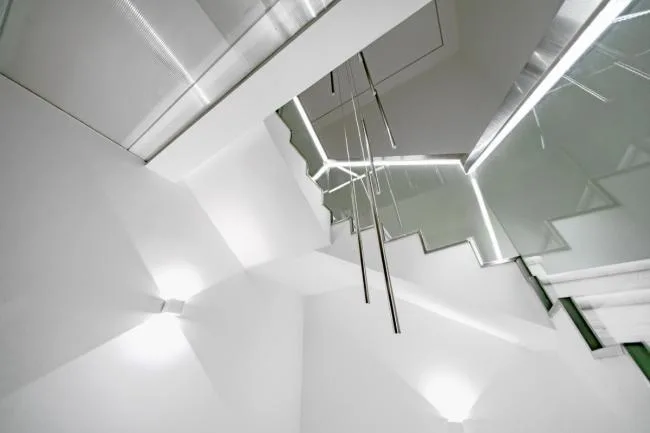
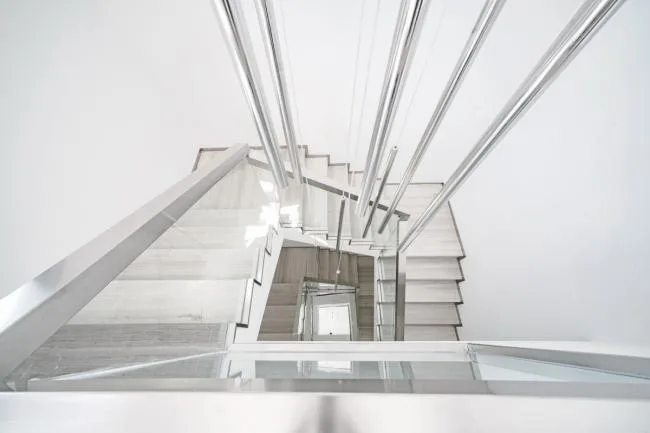
▲ Staircase © Wang Yixiang
The design strives to create a versatile and simple living space for couples. With four similarly sized rooms, accommodating diverse user needs was a key consideration. Romance is the ultimate experience couples seek, so the room designs offer pure environments enriched by dynamic lighting effects that foster happiness and intimacy, enhancing emotional connections.
In the bedrooms, the main wall serves as a projection surface, while other walls are adorned with sun panels emitting mysterious light to evoke a sense of enchantment. This ambiance nurtures intimacy and accelerates the warmth between partners. A private home theater offers an undisturbed movie date experience. Surrounded by the romantic scenery of Erhai Lake, hazy light, and subtle colors, the rooms provide a mysterious and exclusive retreat for couples. The interplay between the bed, shelving, and long table throughout the space creates a soft whisper of love under the light.
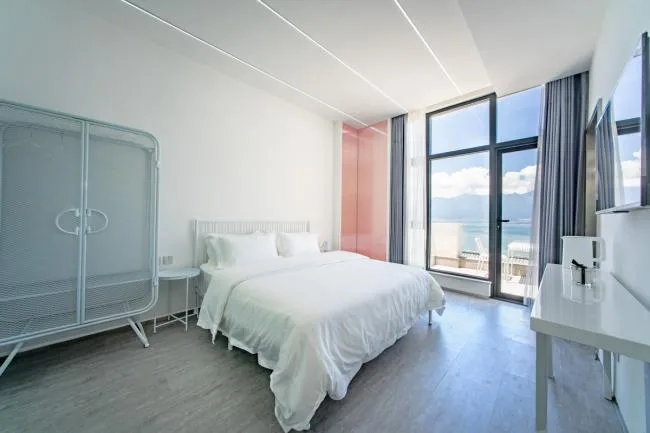
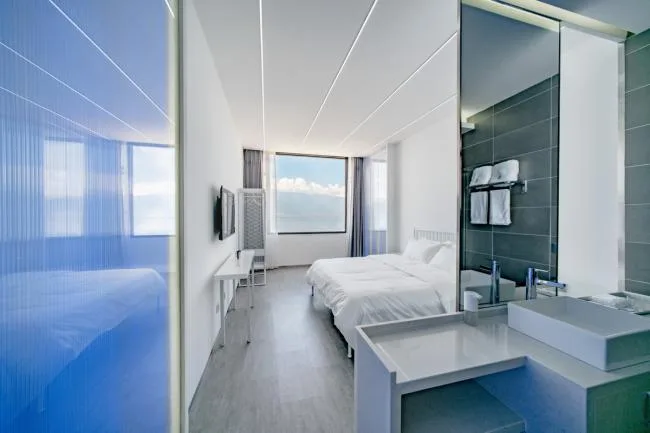
▲ Chao’er Lake Bedroom © Wang Yixiang
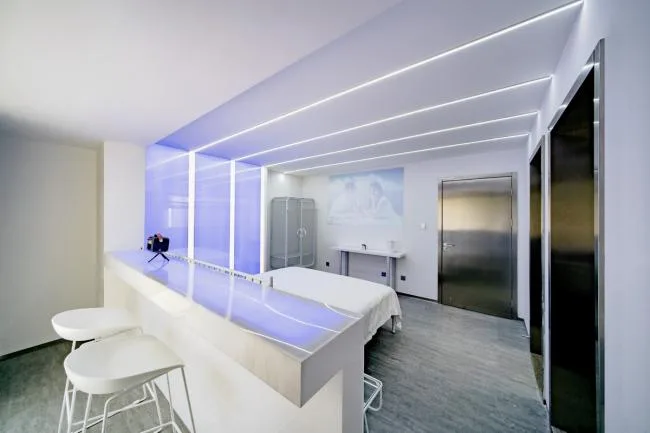
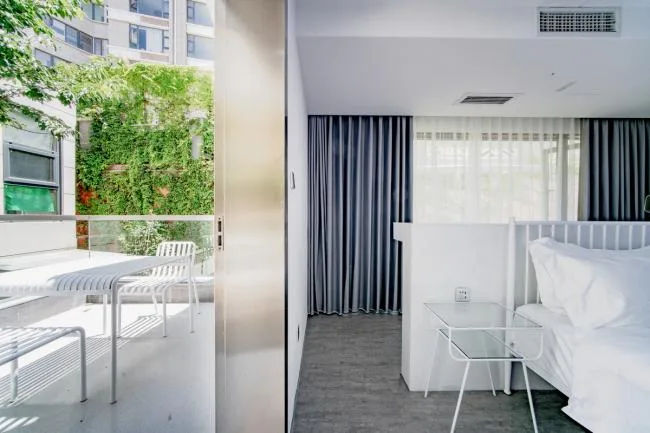
▲ Mountain-facing bedroom © Wang Yixiang
Romance is the project’s core theme, defined by a hazy atmosphere and shifting light and shadow. The bedrooms focus on traditional comfort with beds and living functions, while the haze and spatial compression provide the intimate stimulation couples crave. An independent home theater ensures their privacy for movie dates. The romantic lake views, diffused light, and mysterious colors create a sanctuary for two. The furnishings—bed, shelves, and tables—interact quietly under the light, softly expressing love.
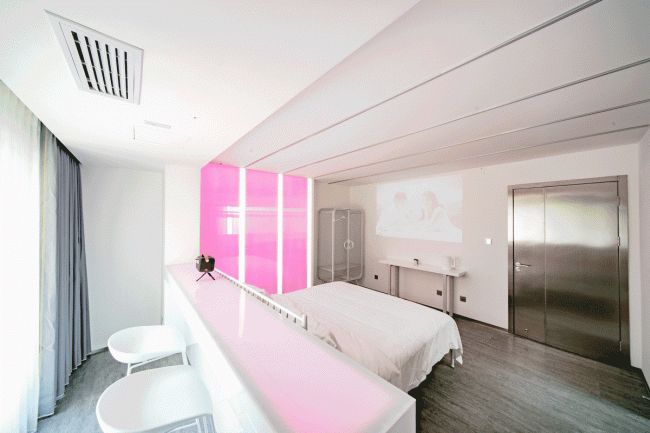
▲ Bedroom lighting control © Wang Yixiang
Outdoor Spaces
Due to the elevation difference between the first-floor entrance and the street, a staircase connection was necessary. The original design envisioned a fully integrated light tunnel extending through the exhibition area with linear lighting. However, strict enforcement by Dali’s Illegal Construction Management Committee prohibited covered stairs. The design was altered to feature a simple sunroof and a handrail with colored film instead. Sunlight passing through the colored film creates brilliant, eye-catching hues against the white walls.
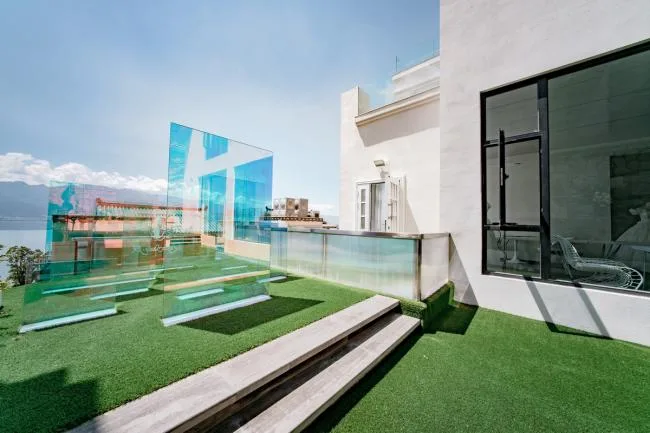
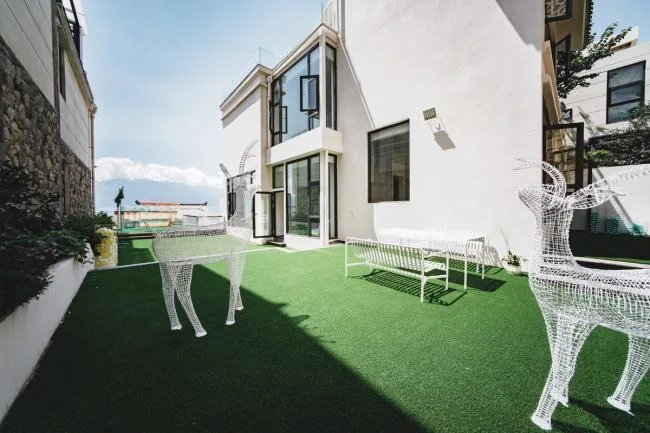
▲ Courtyard © Wang Yixiang
The courtyard at the entrance was carefully redesigned with glass panels and color films installed side by side. Bathed in Dali’s abundant sunlight, each angle and moment shines with dazzling colors. From the street, the vibrant hues draw attention, while the LEVITA STUDIO logo stands out prominently on the glass.
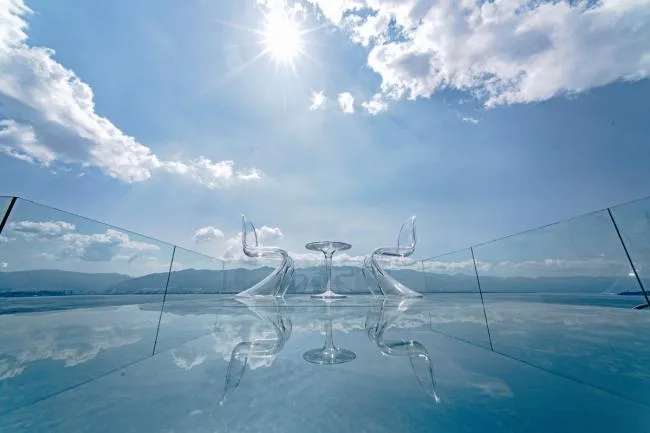
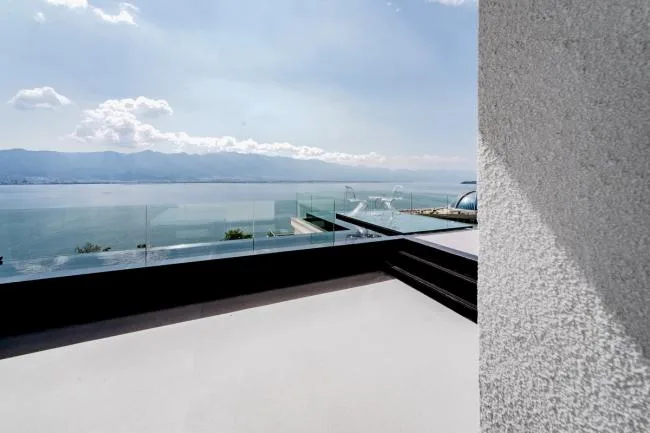
▲ Rooftop terrace © Wang Yixiang
The rooftop terrace serves as a photography space and a spot for afternoon tea. Reflections from the glass merge the sky and water of Erhai Lake into a seamless vista, giving the sensation of floating above clear waters. A mirrored countertop occupies the central area, while a continuous water surface along the terrace reflects the sky above. The interplay between the dark pool bottom, water surface, mirror, lake, and sky creates a dynamic and special leisure environment.
Project Information
Project Name: LEVITA Piao Wedding Mansion
Project Type: Renovation, Interior
Location: No. 28 Xiangshu Lishe, Dali Mansion, Dali City, Dali Bai Autonomous Prefecture, Yunnan Province, China
Design Firms: Pingjie Design (Suzhou Pingjie Architecture Technology Co., Ltd.), Yunnan Fulong Design Firm Co., Ltd
Space Design: Yang Nan, Zhang Shijie, Chen Xueqi
Detailed Design: Yunnan Fulong Design Firm Co., Ltd
Main Materials: Sun panels, LED lighting, glass, color films
Construction Cost: 1 million RMB
Status: Completed
Design Year: 2018
Construction Year: 2019
Building Area: 500 square meters
Photography by Wang Yixiang












Must log in before commenting!
Sign Up