
“Nicha” means “hello” in the Tujia language. This restaurant, specializing in Tujia cuisine, is the latest project by Atelier A, a design studio under Yanwen Architecture. The design embraces a natural and minimalist style, incorporating traditional ethnic art elements throughout the decor.
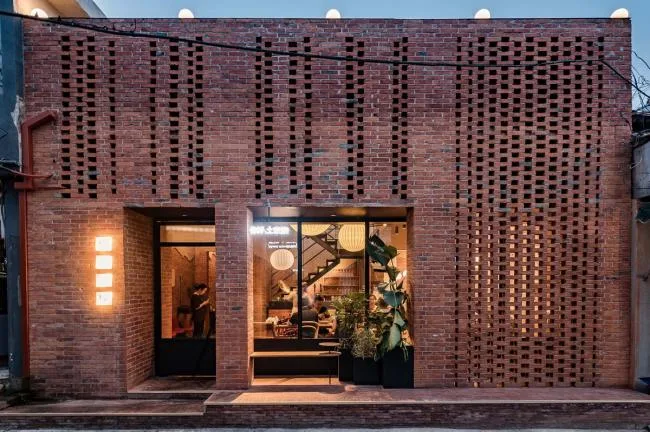
Located at the narrow corner where Liulichang East Street meets Yangmei Zhuxie Street in the Dashilan District of Qianmen, Beijing, the restaurant sits on what is locally known as One Foot Street. This spot is often overlooked by passersby. To make the building stand out among the surrounding gray Republican-era structures, the designers applied red bricks to the walls of the original residential buildings, creating a subtle yet distinctive presence.
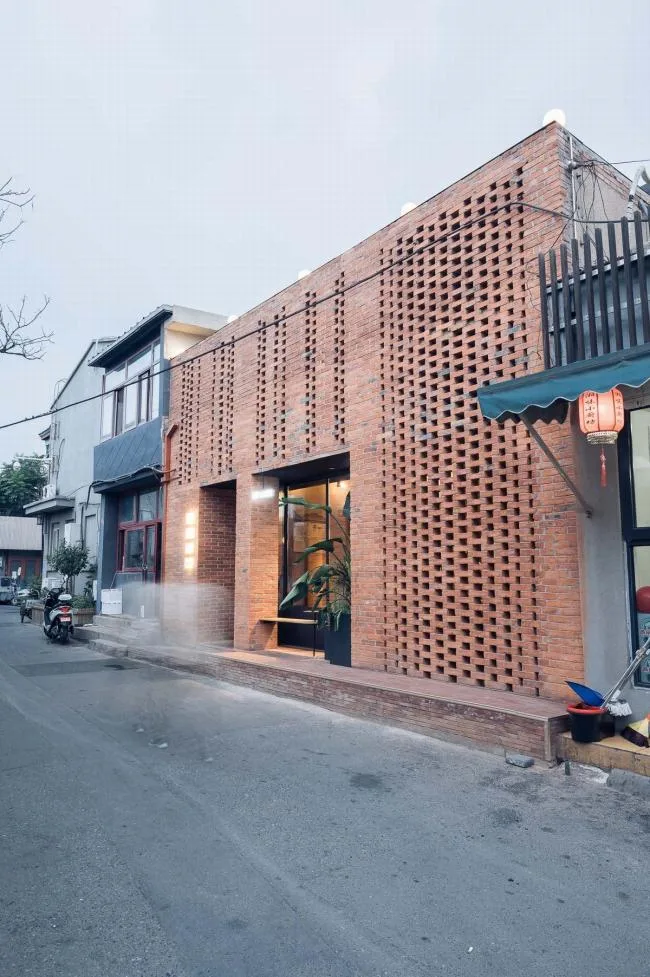
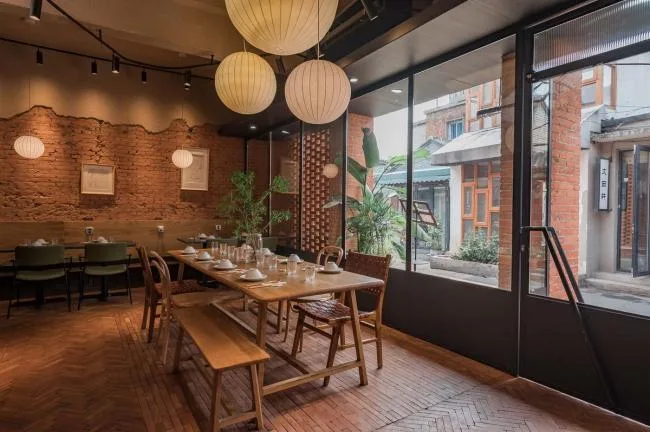
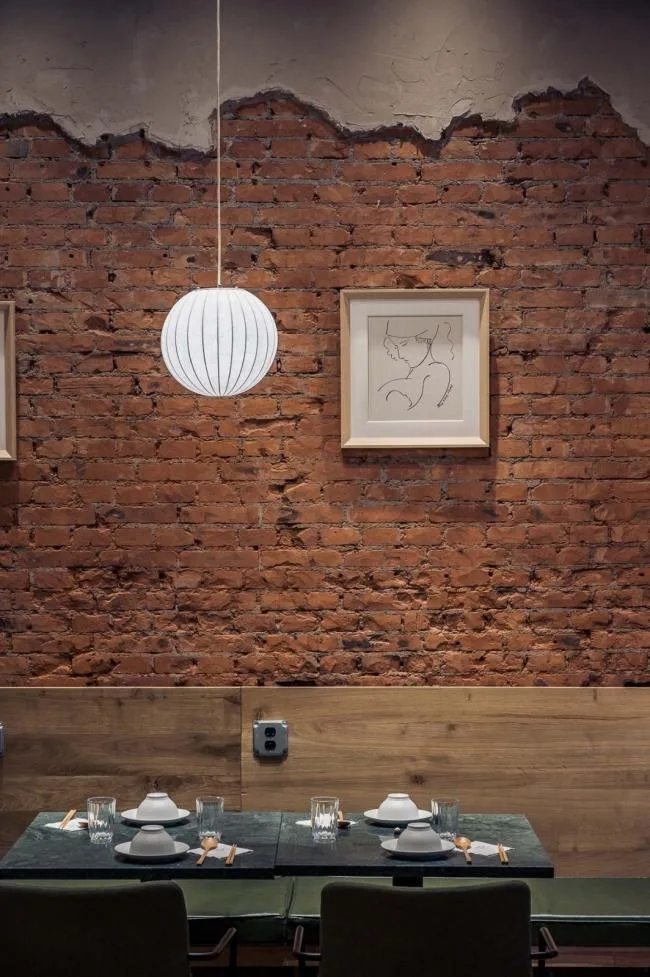
Red bricks are a predominant material, used extensively on the facade, interior walls, and flooring. To preserve the building’s original architectural character, most of the old brick walls were carefully retained. New masonry was added only where necessary for functional purposes. These bricks boast a rich texture and color that are rare in Beijing. The design team sourced similar red bricks from Shanghai, salvaged from old buildings there, to maintain authenticity. Rather than artificially aging the new bricks, they intentionally left a visible seam between the old and new sections, reflecting Atelier A’s ethos of honesty and simplicity.
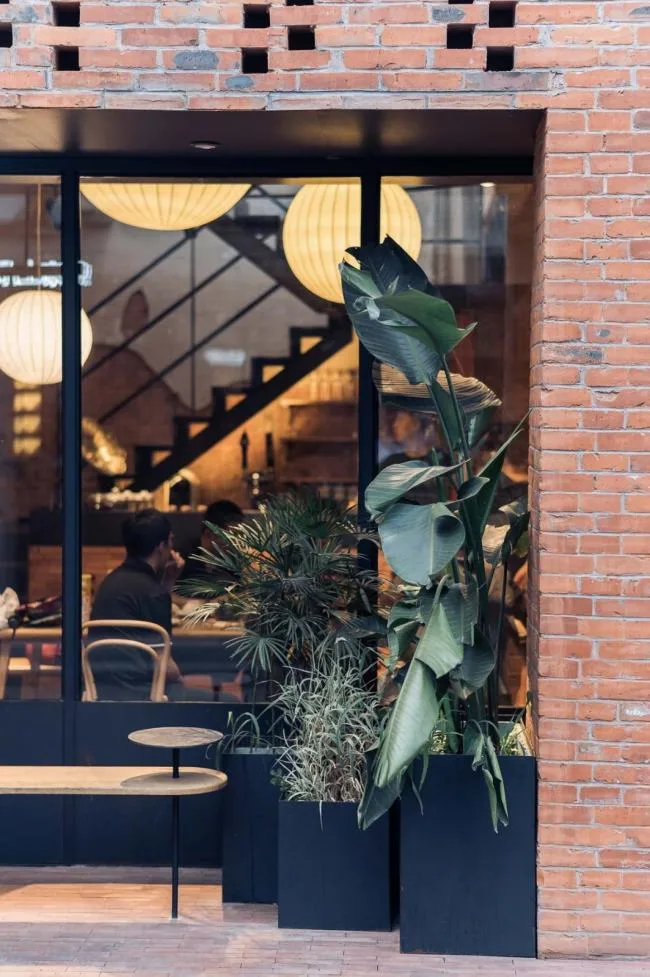
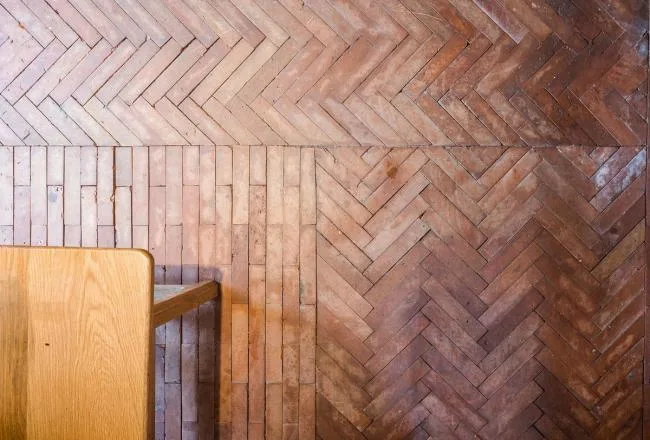
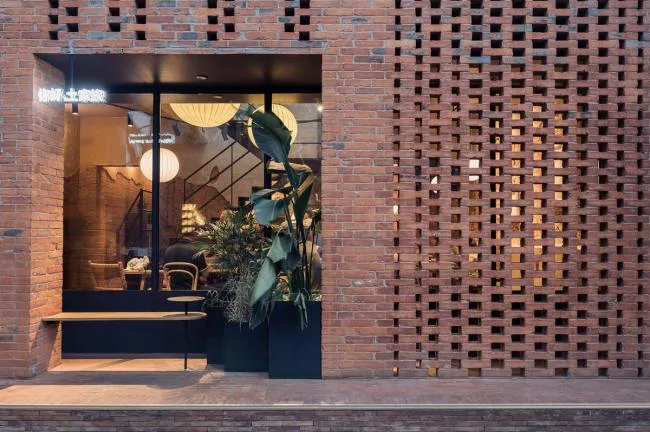
The exterior facade features newly laid red bricks arranged with hollowed-out mosaic patterns to soften direct sunlight. At night, the interior lighting gently filters through these openings, creating a unique ambiance distinct from the daytime atmosphere. Additionally, the steel partition at the entrance has been recessed by one meter, creating a buffer zone from the bustling street. This provides customers with a comfortable space to wait without facing pedestrians directly.
The restaurant’s steel structure is crafted from hot-rolled steel plates, which have been oxidized to achieve a natural, deep gray-black finish. Inside, the red brick walls remain exposed, while the upper walls and ceiling are coated with warm gray plaster. This plaster conceals electrical wiring and enhances the overall brightness of the interior space.
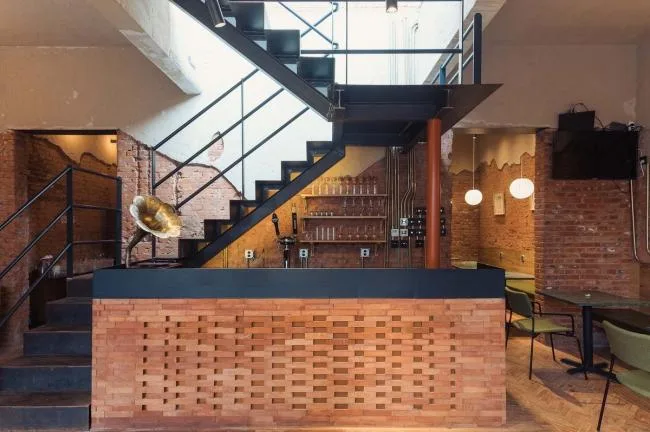
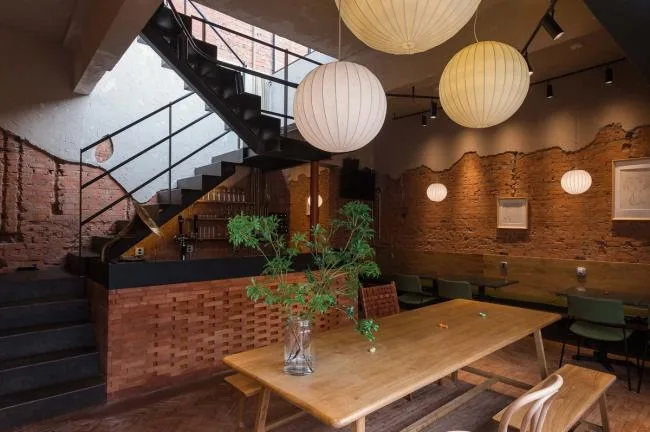
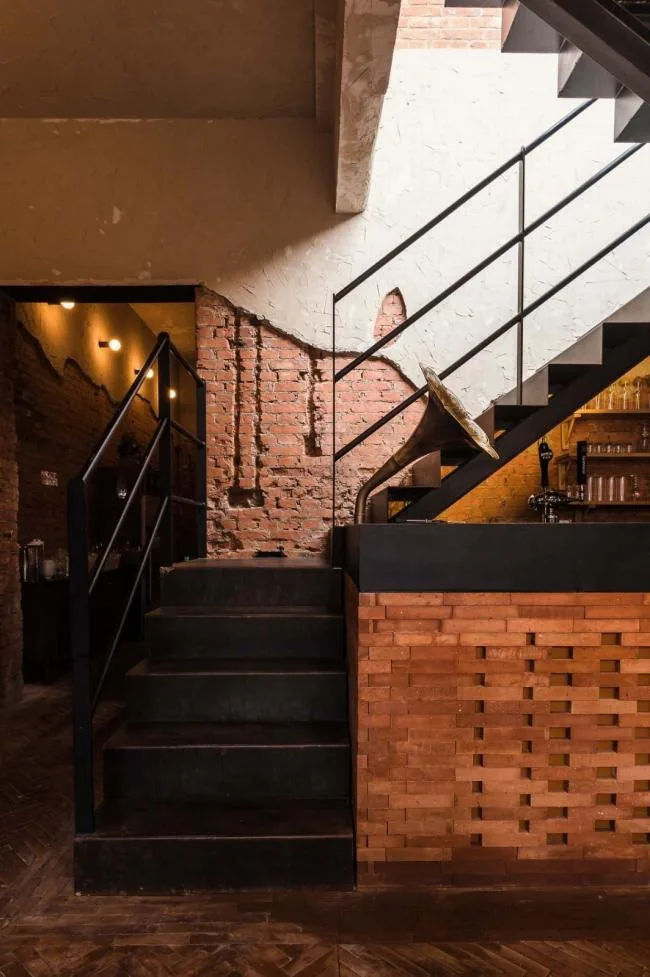
The interior’s main decorative motif revolves around lines. Natural linear carvings in the walls complement the curving light tracks woven through the space, while surrounding bubble-shaped lights form a dynamic interplay of points, lines, planes, and volumes. Additionally, the designers personally painted abstract line artworks on the walls, inspired by the traditional headwear patterns of the Tujia ethnic group.
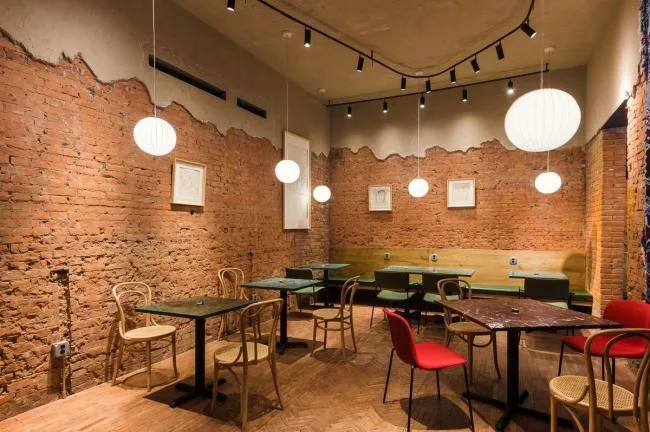
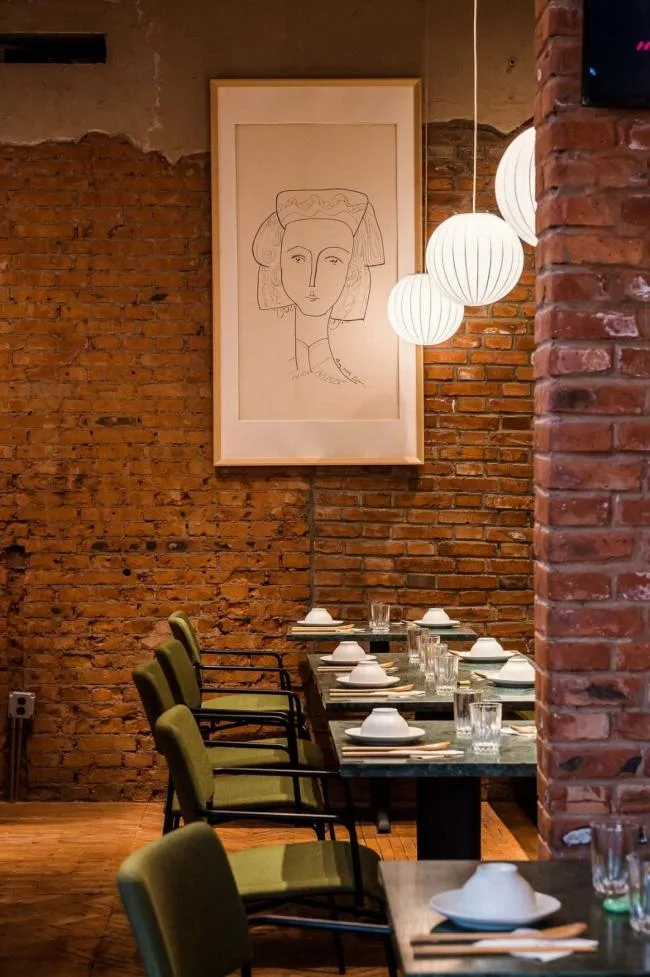
In addition, local folk artists were commissioned to create unique Tujia brocade textiles called Xilan Kapu. These textiles were tailored to match the color themes of the different spaces and were used to adorn the walls, adding an authentic cultural touch.
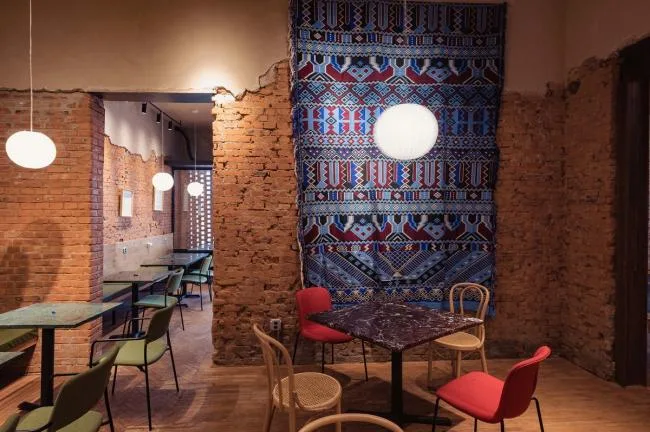
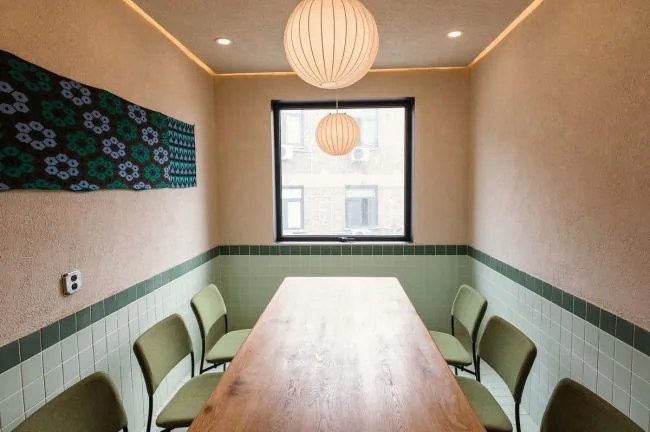
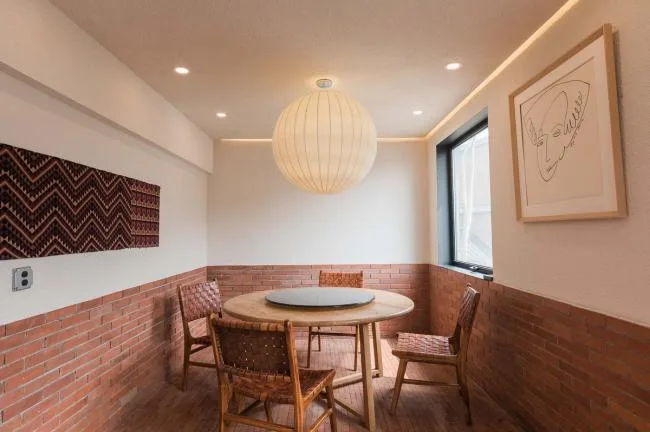
The second floor maintains the building’s original layout and is divided into two private rooms of varying sizes and a public dining area. The private rooms are distinctly decorated using green tiles and red ceramic tiles, each establishing its own unique theme.
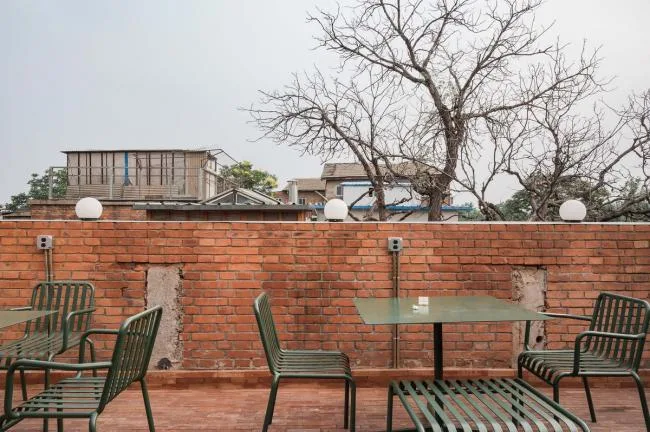
The terrace floor continues the red brick theme seen on the parapet walls. Bubble-shaped lights on the walls echo the linear motifs found inside. From the terrace, guests can enjoy views of the large fence or take in the vibrant street life of Yangmei Zhuxie Street up close.
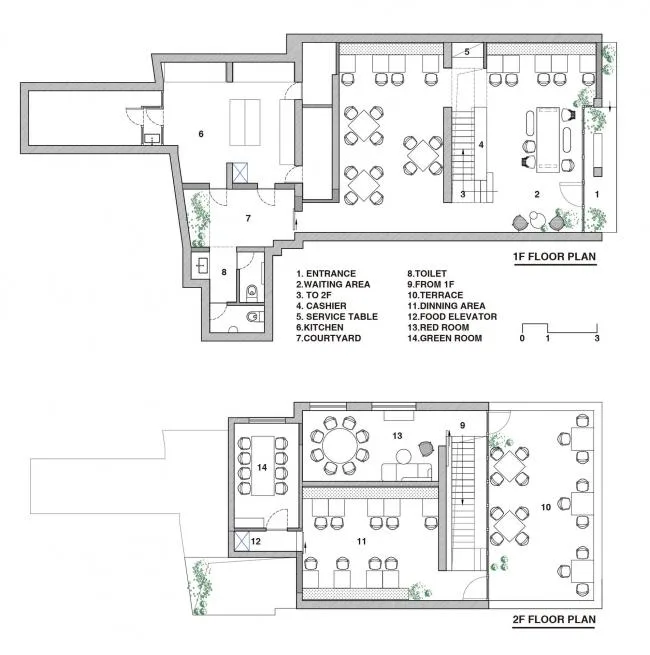
▲ Plan view
Project Information
Designer: Shanghai Yanwen Architecture Studio
Address: Yangmei Zhuxie Street, Beijing, China
Category: Restaurant
Project Architect: Zhu Yanwen
Design Team: Byungmin Jeon, Zeng Bo
Building Area (BIM tutorial): 235.0 square meters (BIM engineer)
Project Year: 2019
Photographer: Tian Bingmin












Must log in before commenting!
Sign Up