
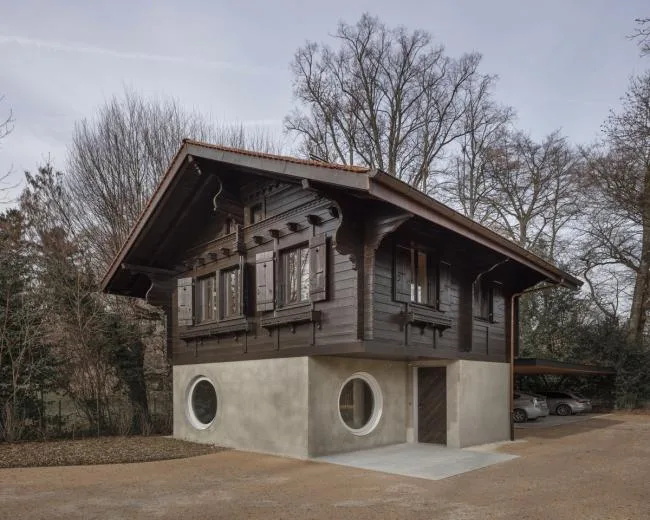
The Barrett Residence exemplifies a typical interior design process inspired by the medical field. Borrowing the concept of internists, where everything begins from within, the design focuses on creating intimate spaces with clear logic. Privacy areas, interactive zones, and spaces for interpersonal communication are carefully situated away from public areas. This BIM-designed building emphasizes intrinsic qualities, using these logical principles as the foundation for its design concept and construction.
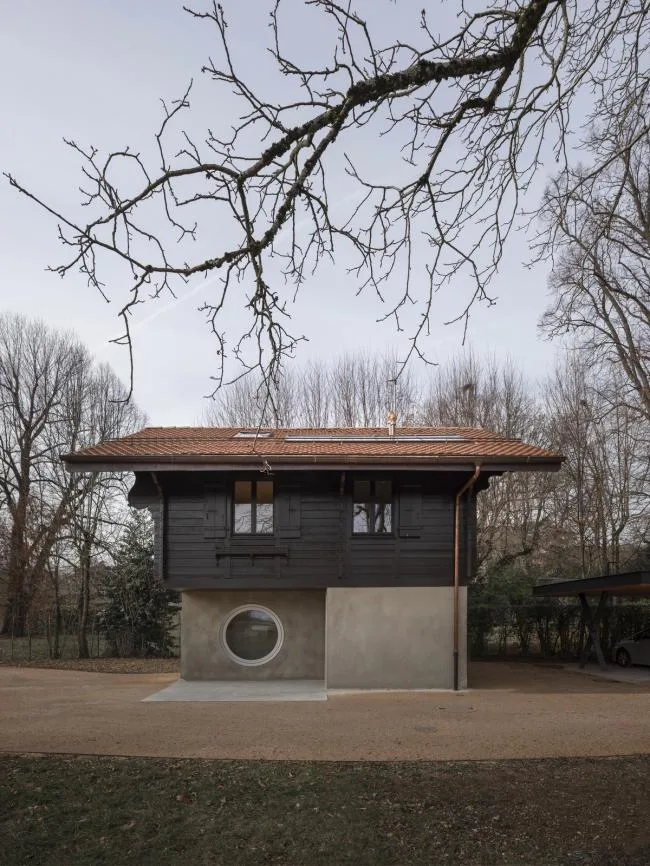
We transformed an old garage by dividing it into an underground parking area and a small apartment on the ground floor, which was completely cleared for interior renovation. The small wooden house above was lifted and positioned to one side of the building. After reinforcement and refurbishment, a new structure was established atop the basement.
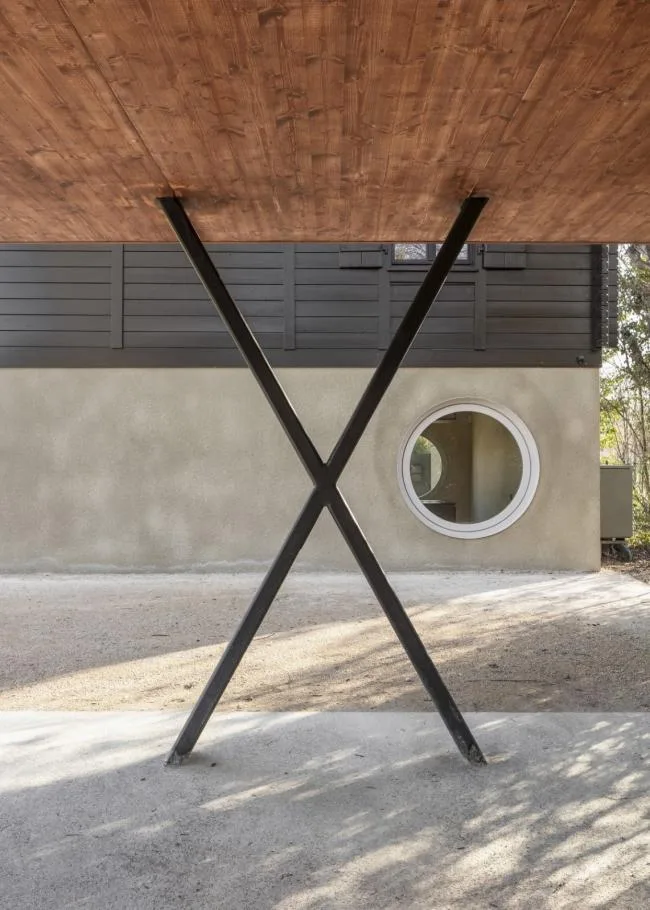
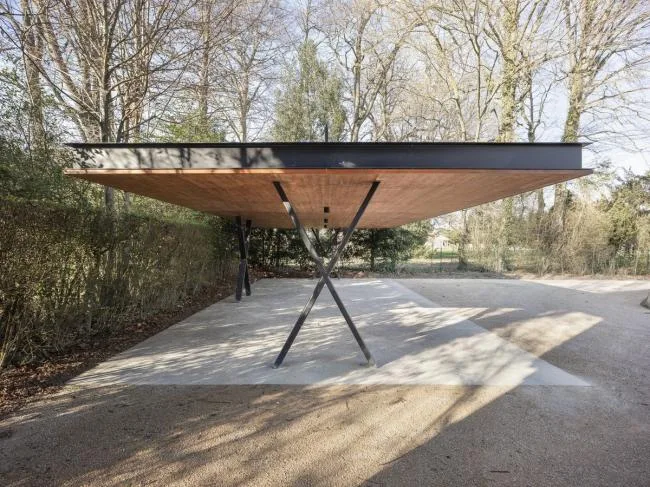
This two-story building features a spatial connection formed through a series of intricate components, creating a rich sensory experience within its compact volume. BUREAU has developed many residential projects, focusing on designing spaces that immerse residents in a vivid sensory perception—as if the body itself is projected into the environment. Their goal is to capture the essence and depth of architecture, enriching the living experience through sensory engagement.
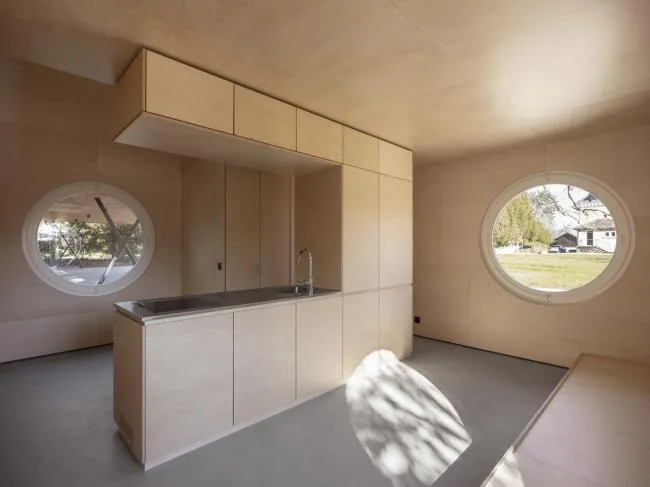
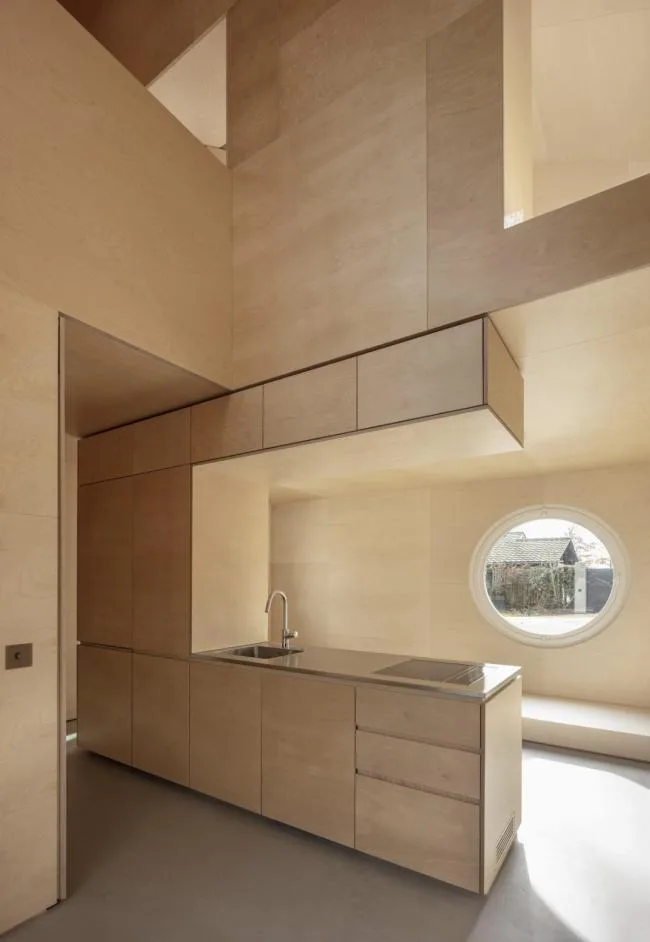
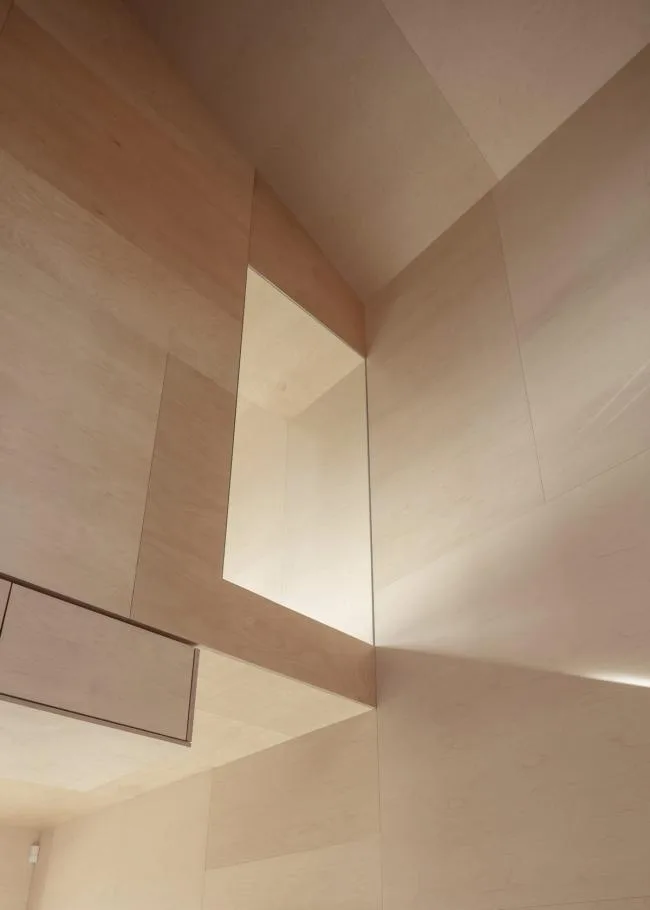
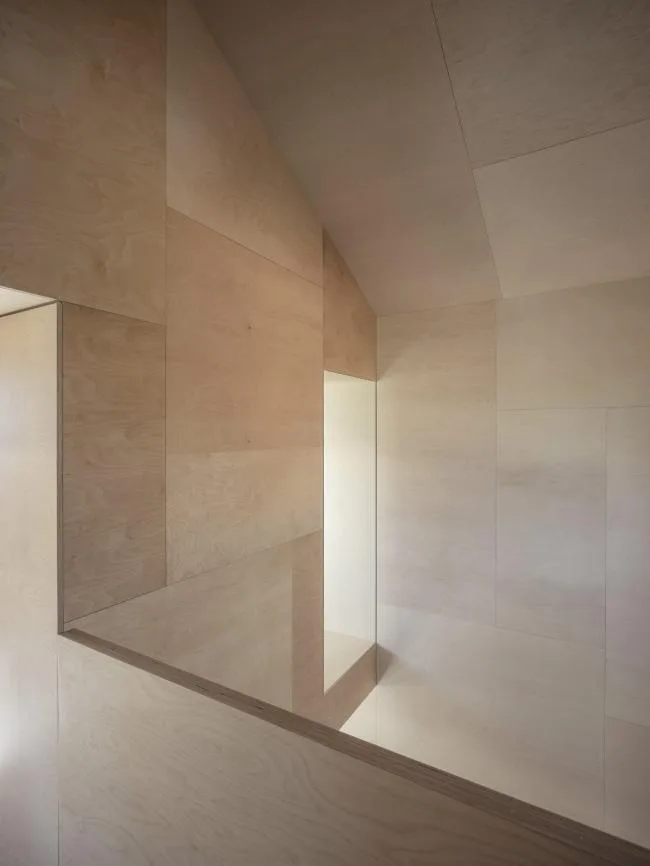
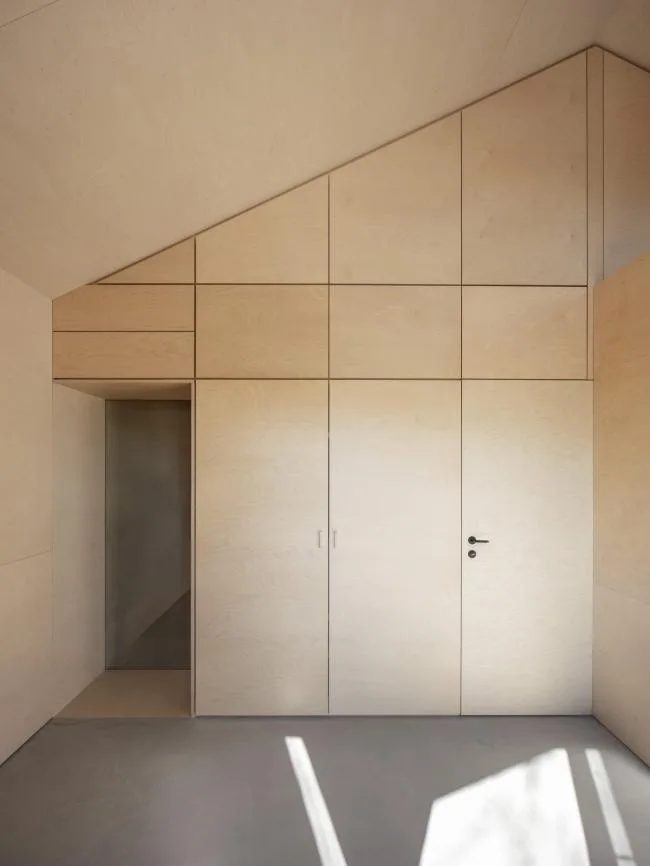
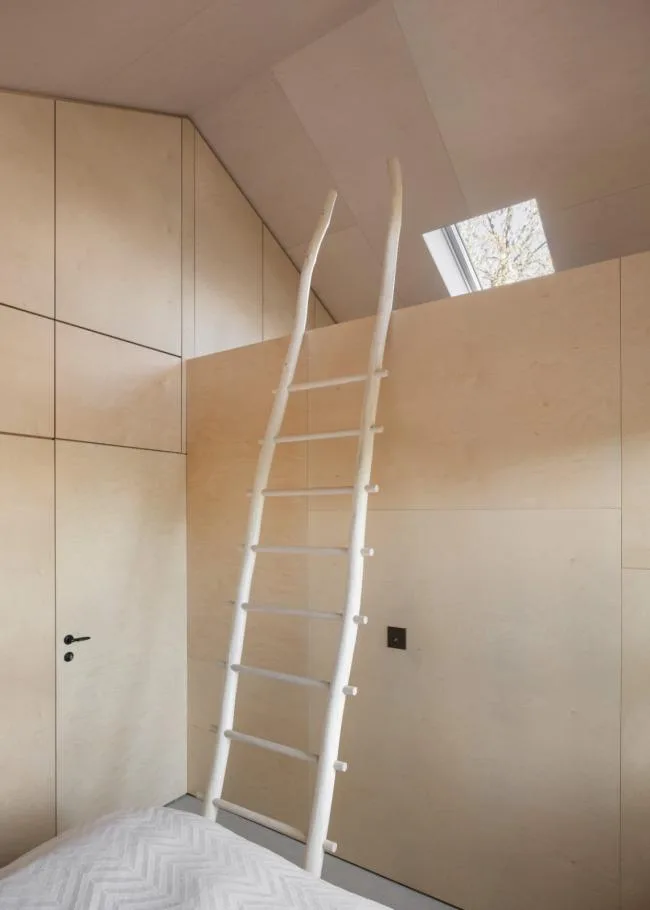
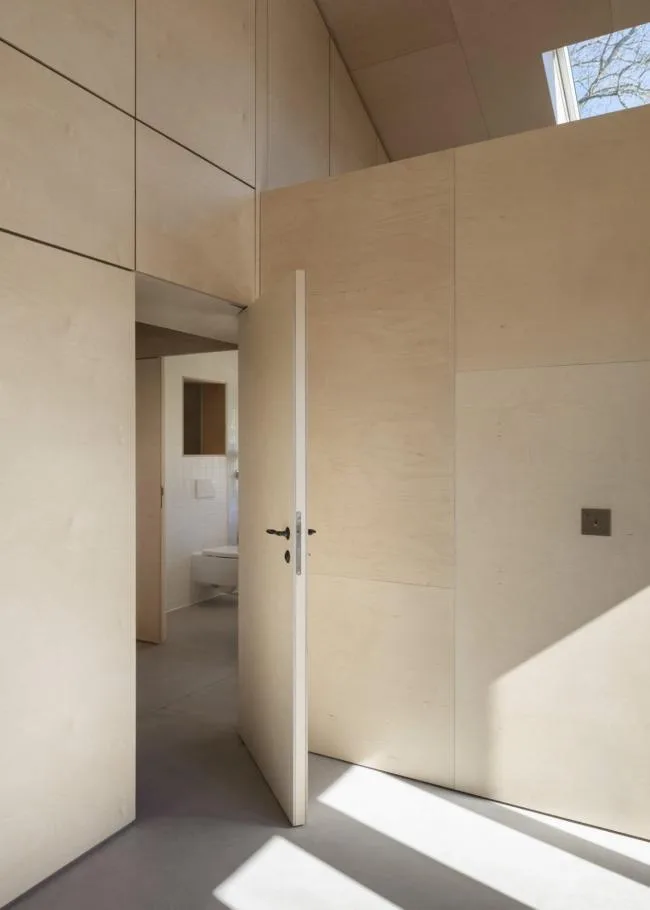
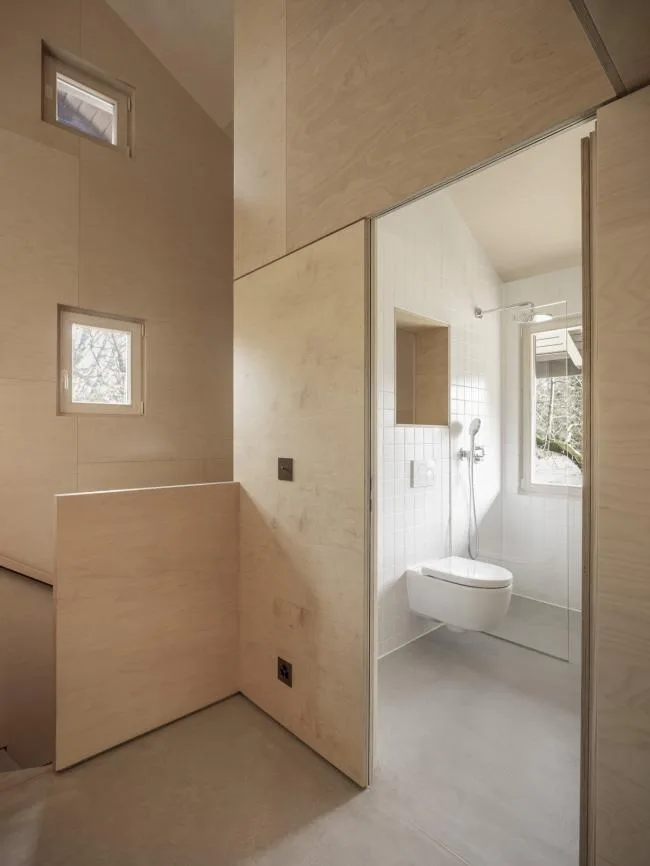
In the Barrett Residence, new birch wood is seamlessly integrated throughout the volume, creating two complete floors. The spatial connections are innovative, offering multiple perspectives in a sophisticated manner. The residence is designed to be a dynamic partner for future occupants, actively engaging with their daily lives.
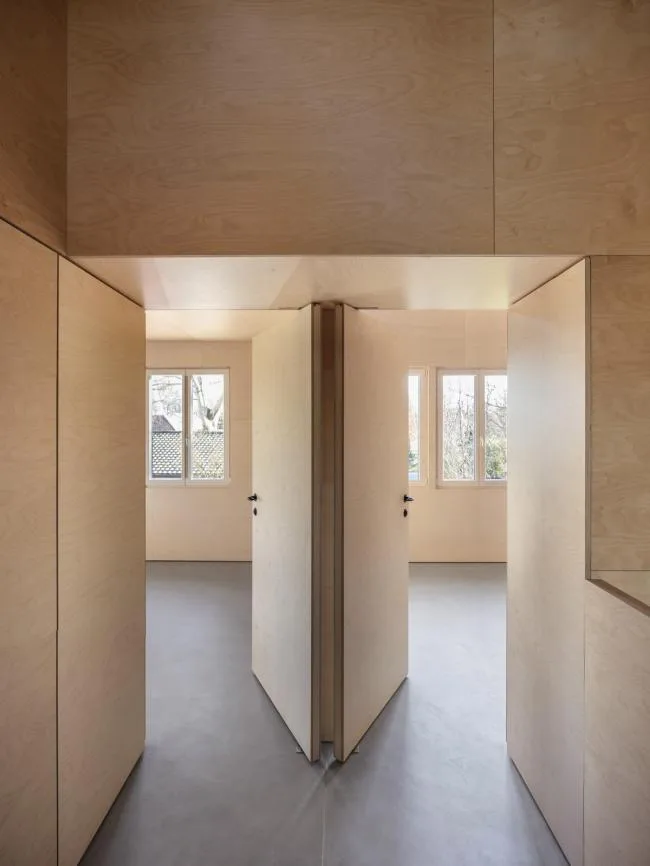
Since the residence was not designed for a specific occupant, it was given a fictional name: Mr. Barrett. This character appears in Joseph Losey’s film Servant, with a screenplay by Harold Pinter. In the film, the residence serves as the backdrop for complex and intimate relationships, with interior spaces often acting as stages for these interactions. Mirrors and multiple viewpoints play significant roles in the narrative. While our project doesn’t involve theatrical performance, the residence serves as a real-life setting for the unfolding story of its inhabitants.
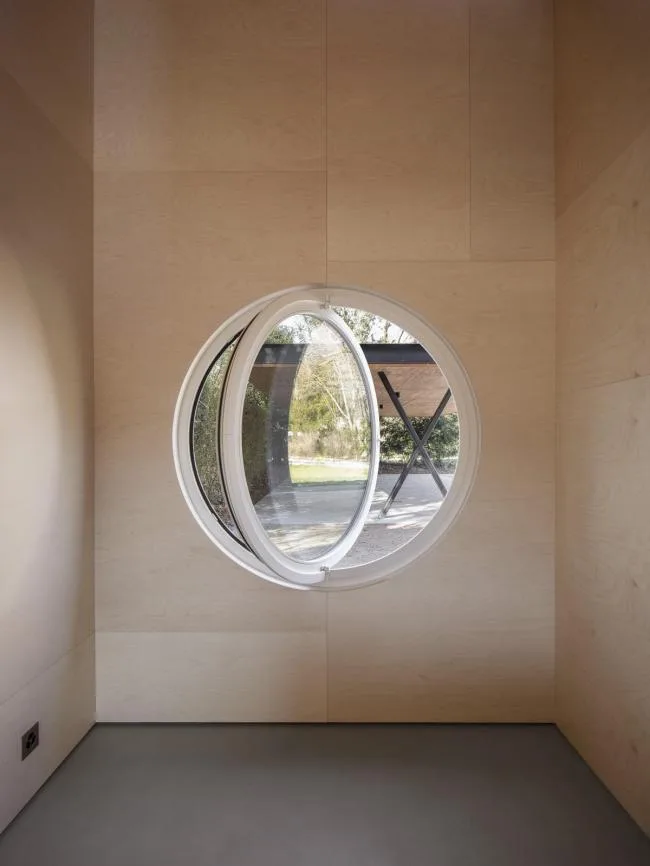
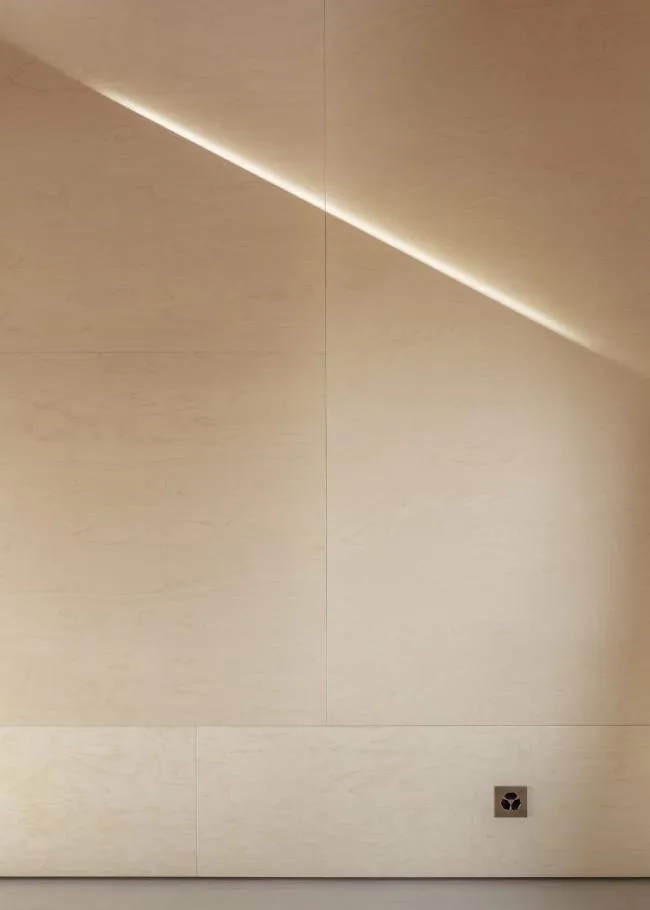
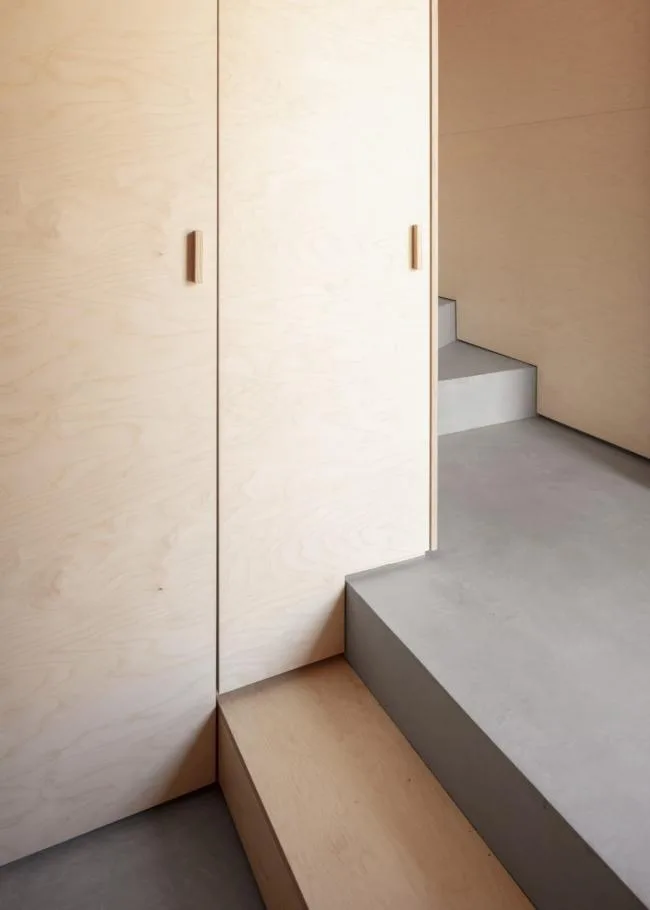
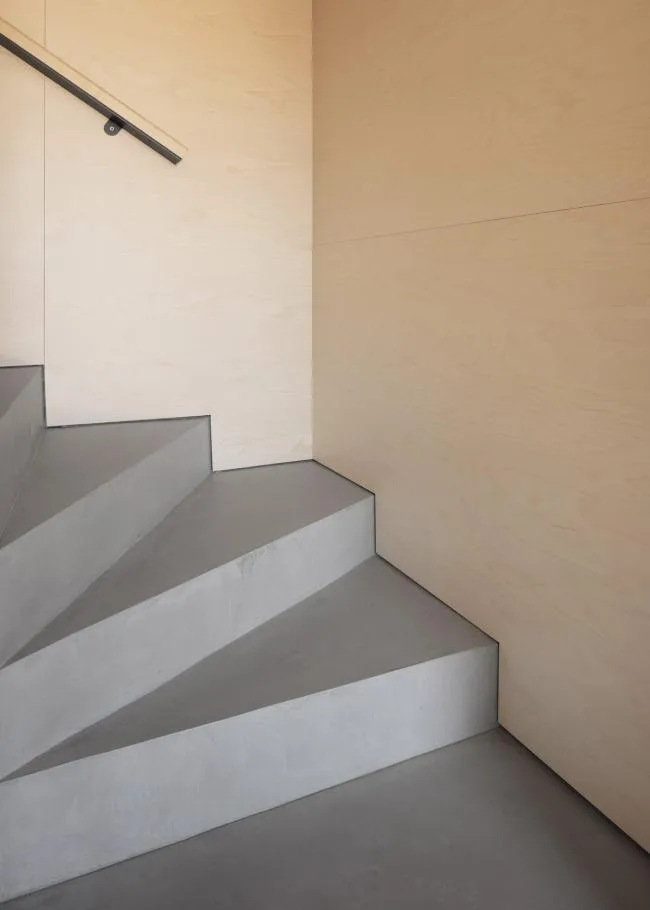
Regarding preservation and renovation, the building’s resilient qualities were fully embraced. Its historical and natural features consist of layered elements that define its identity. This is reflected in the circular openings on the facade, which emphasize the building’s contemporary character but are designed to fade over time, becoming part of vernacular architectural tradition. The interior design pays close attention to detail, especially in complex areas. For example, the staircase in the upper room draws direct inspiration from Aby Warburg’s research on the Hopi Native Americans.
Design Drawings:
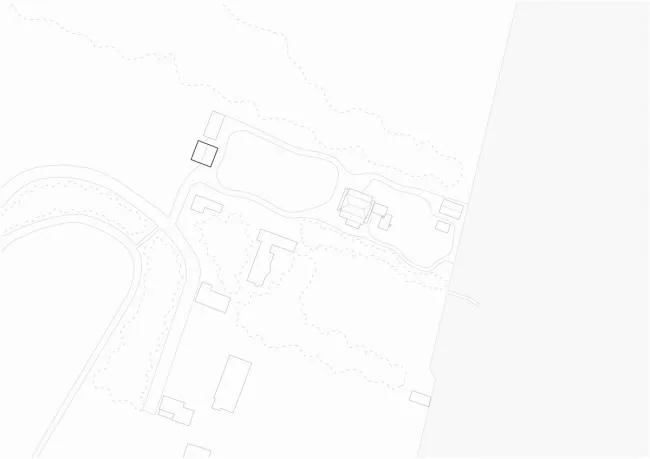
▲ General layout plan
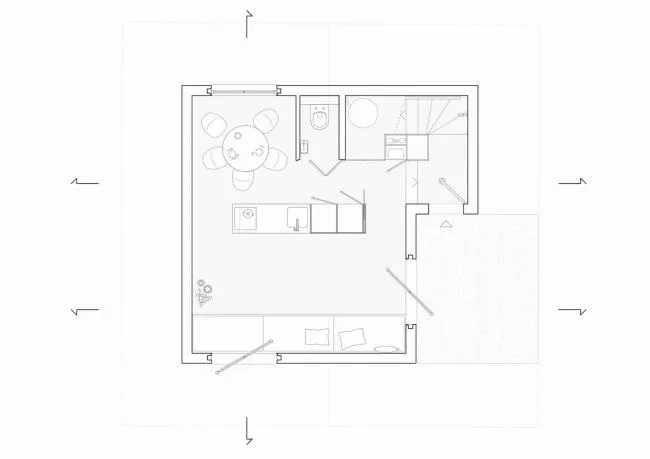
▲ First floor plan
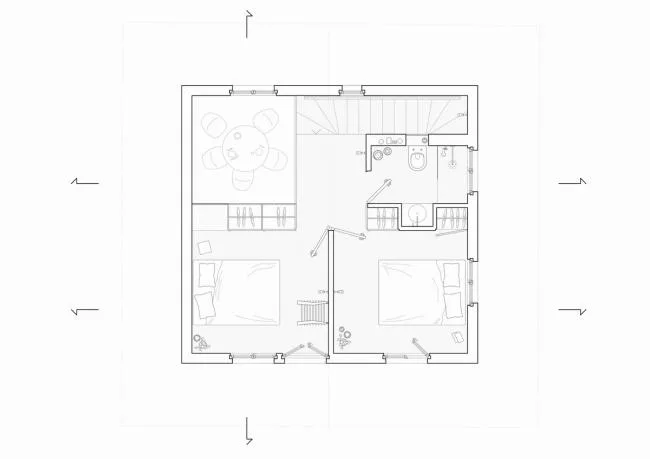
▲ Second floor plan
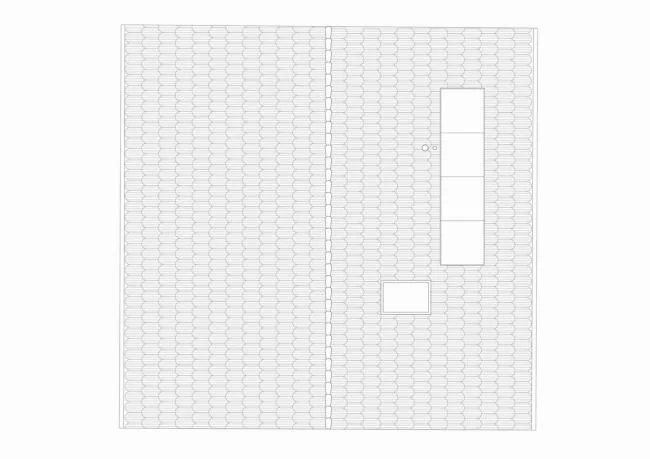
▲ Roof plan
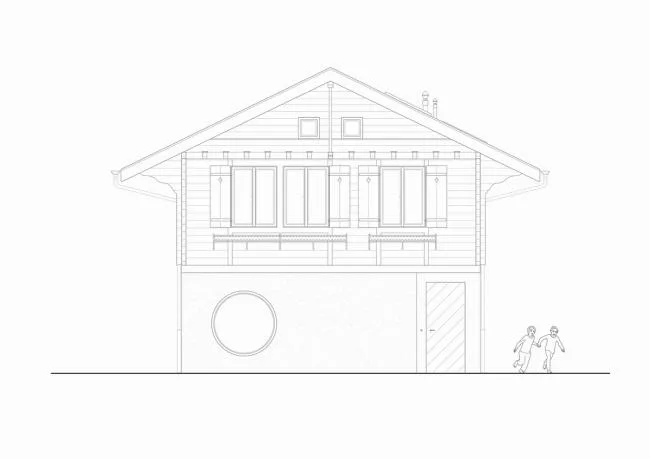
▲ South elevation view
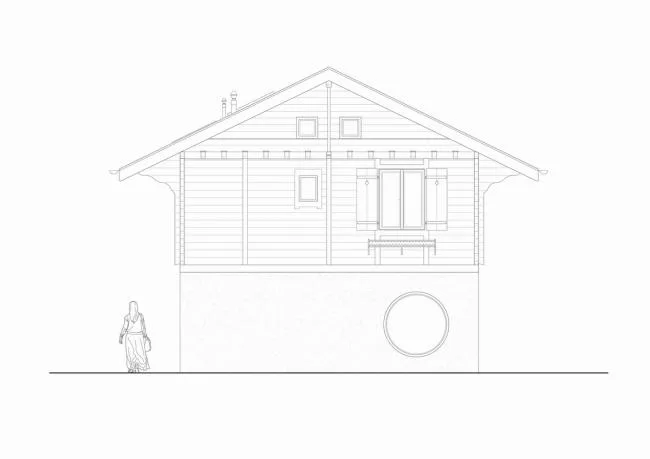
▲ North elevation view
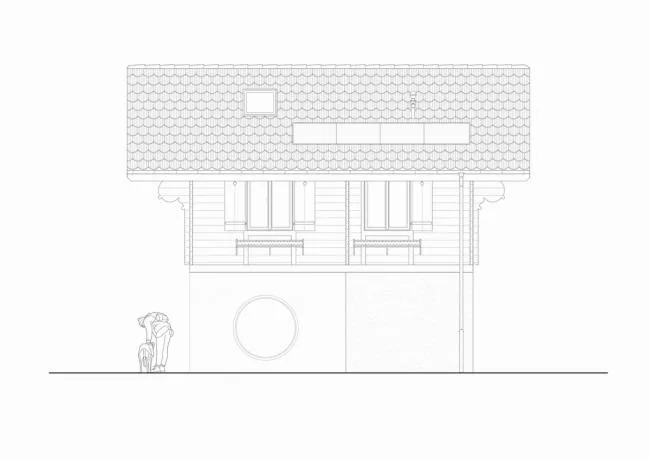
▲ East elevation view
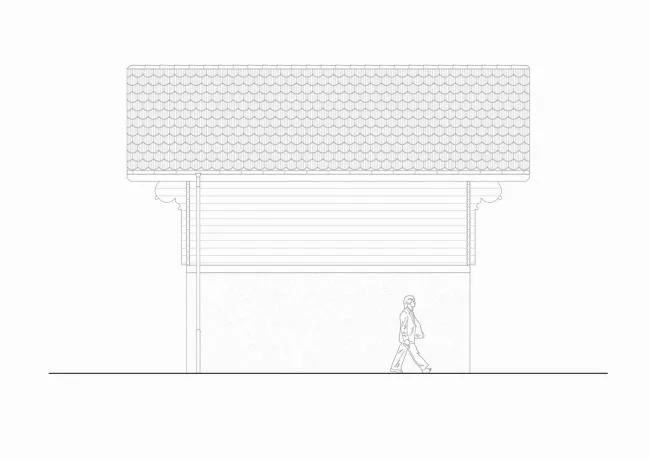
▲ West elevation view
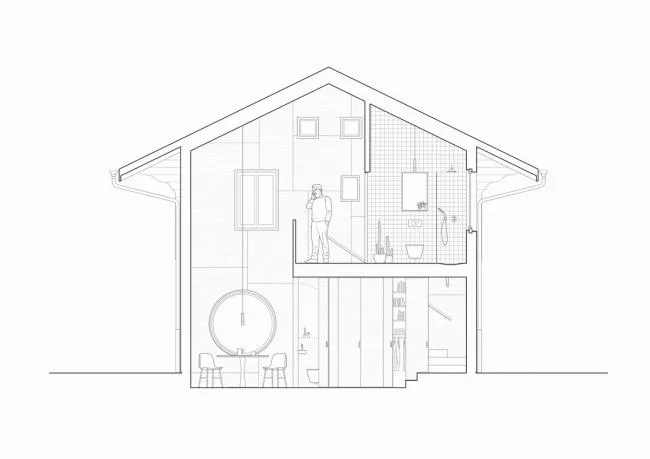
▲ Sectional view
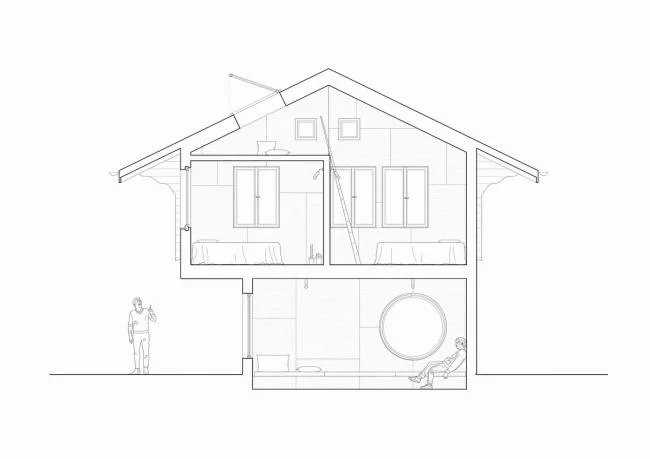
▲ Sectional view
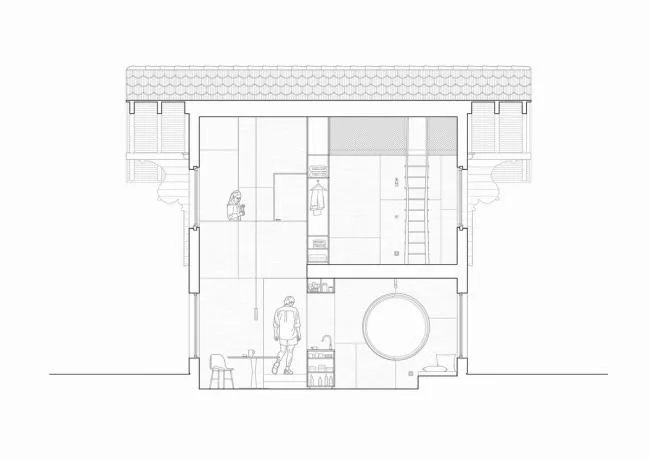
▲ Sectional view
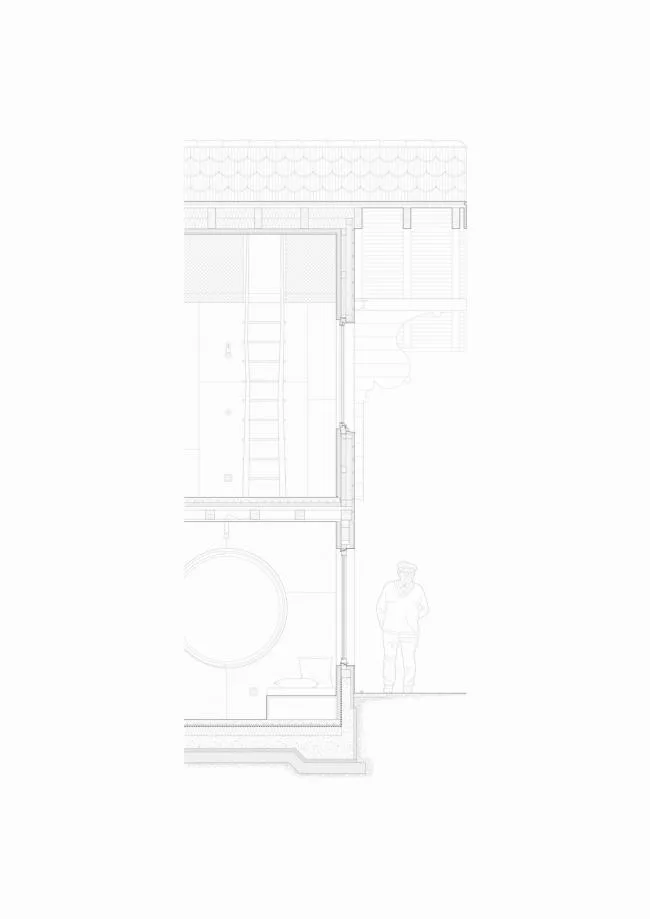
▲ Detailed drawing
Project Information:
Architectural Firm: Daniel Zamarbide
Location: Geneva, Switzerland
Category: Renovation Project
Lead Architect: Daniel Zamarbide
Design Team: Carine Pimeta, Francisco Castelo Branco, João Paixão, Vanessa Pointet, Robinson Mangematin
Building Area: 70.0 square meters
Year of Project: 2019
Photographer: Dylan Perrenosud












Must log in before commenting!
Sign Up