
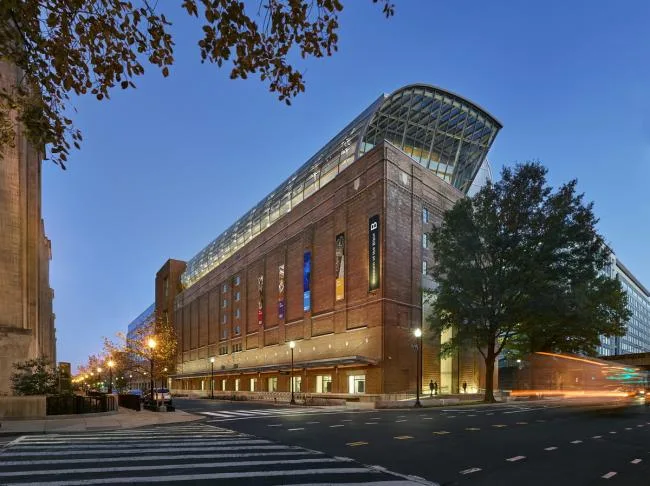
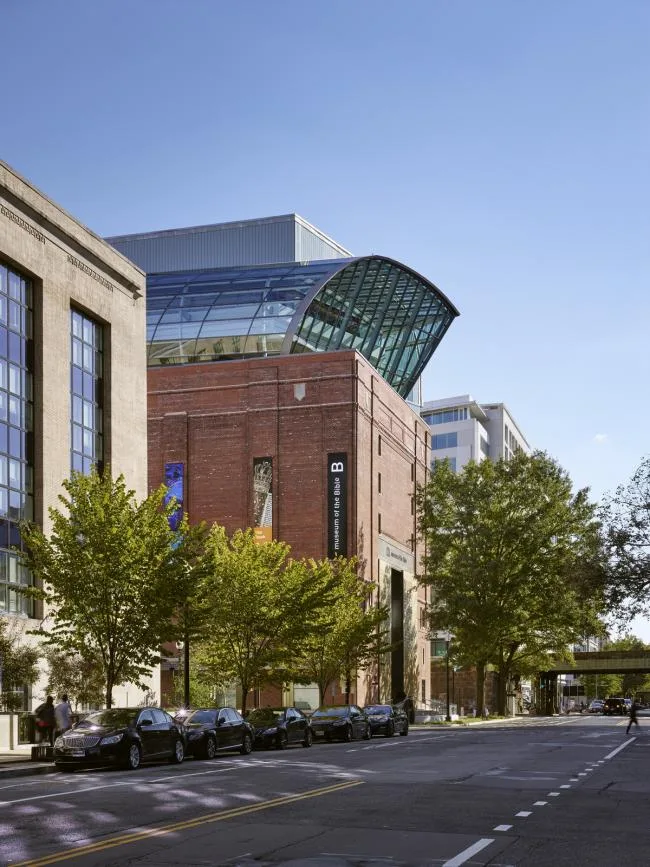
The Bible Museum is dedicated to preserving some of the oldest books in history. This newly constructed museum spans eight floors and covers approximately 40,000 square meters. Originally, the site housed a cold storage facility built in 1922, located in southwest Washington. The design of the new museum embraces modernism, featuring distinctive architectural forms and advanced technology.
The completed structure resembles a manuscript, layered with varied historical traces that have been added and removed over time. Rather than directly replicating biblical symbols, the architectural design employs numerous metaphors and subtle references, creating a nuanced dialogue with its subject.
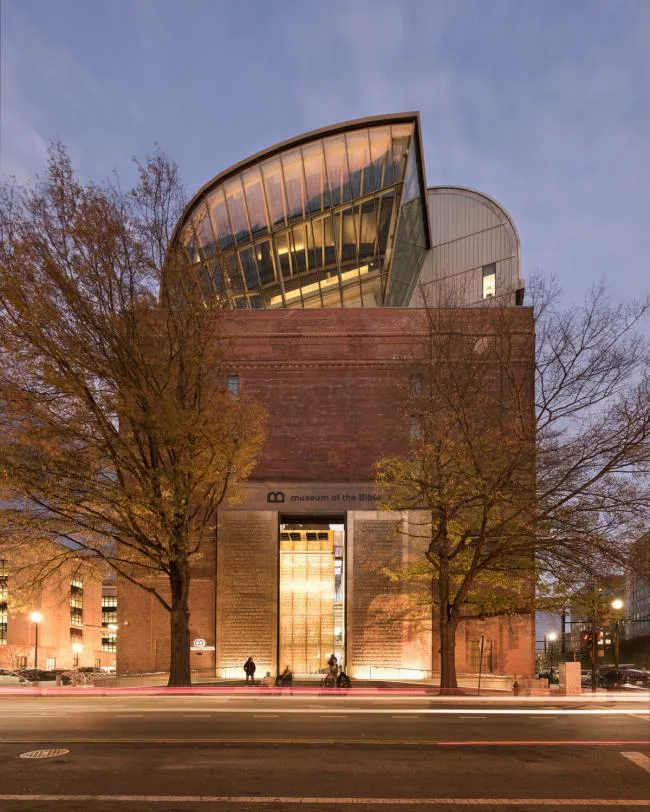
The museum’s architecture masterfully blends contemporary aesthetics with classical design elements. The project reflects the collaborative efforts of many stakeholders, fostering diverse perspectives. Its innovative architectural functions highlight a forward-thinking approach to museum design, moving beyond the conventional roles of exhibition spaces, lecture halls, shops, and cafes.
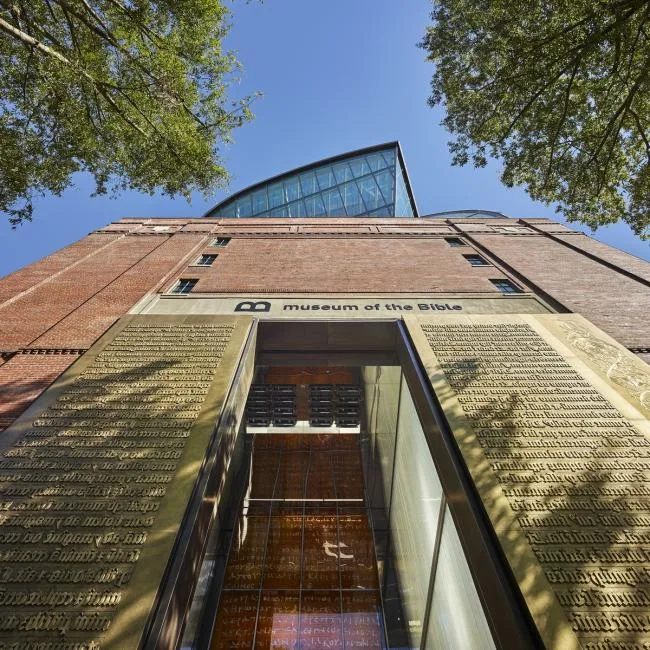
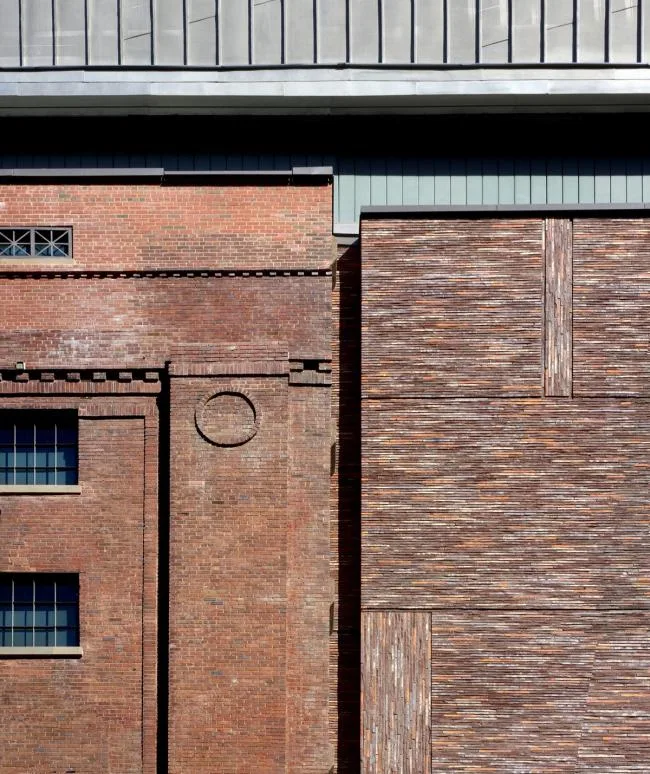
The Bible Museum serves multiple purposes. Rather than standing as a single building, it functions more like a complex of interconnected structures, each supporting related activities. Situated in a dense urban environment, much of its space is constrained by surrounding buildings. To create order within this complexity, the architects implemented a radial circulation system centered on a bright, tranquil space that offers visitors a place to rest and reorient.
Movement Organization:
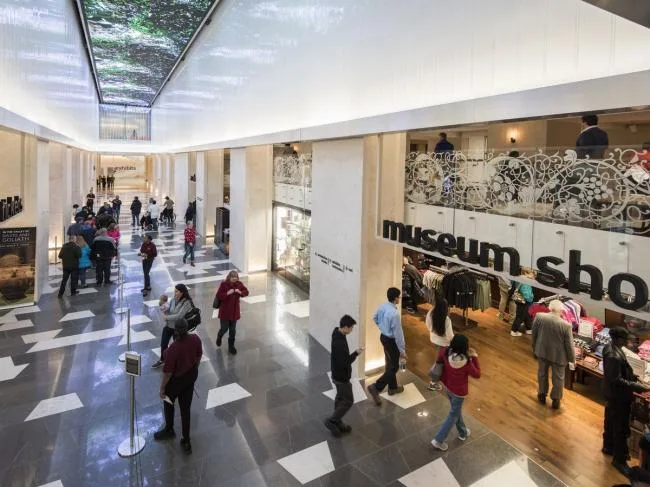
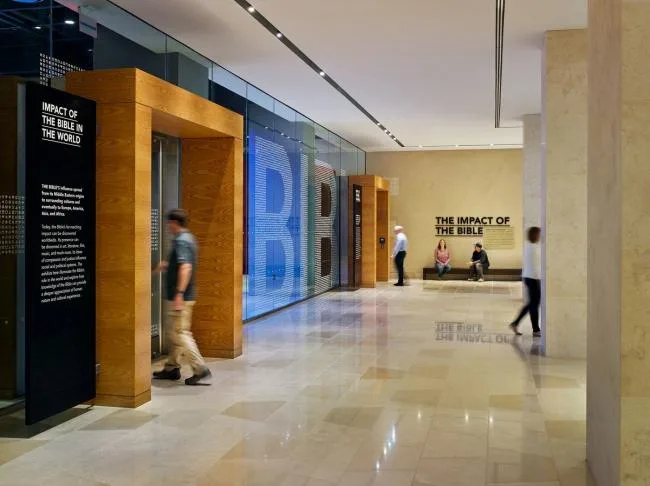
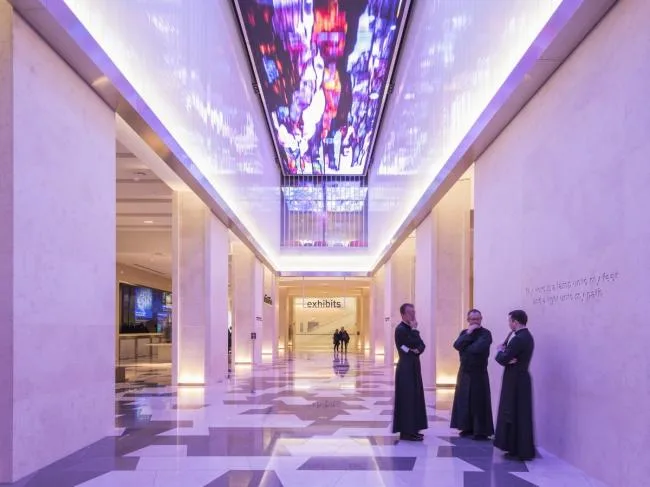
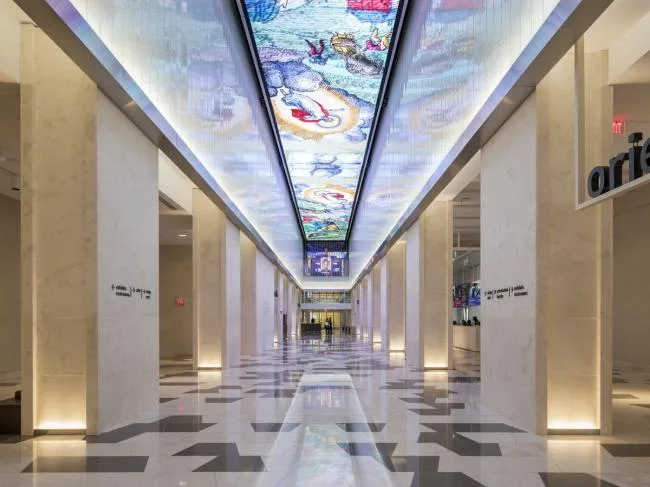
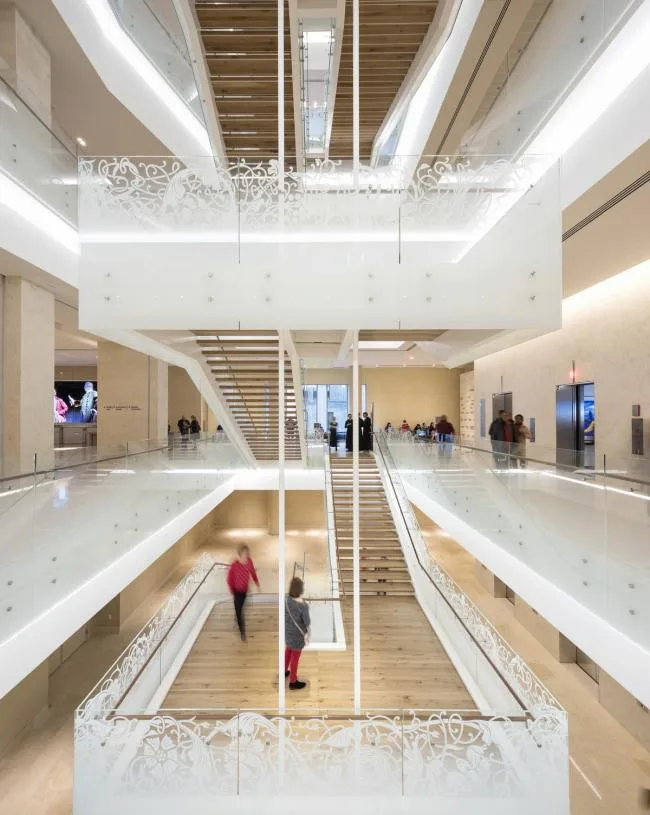
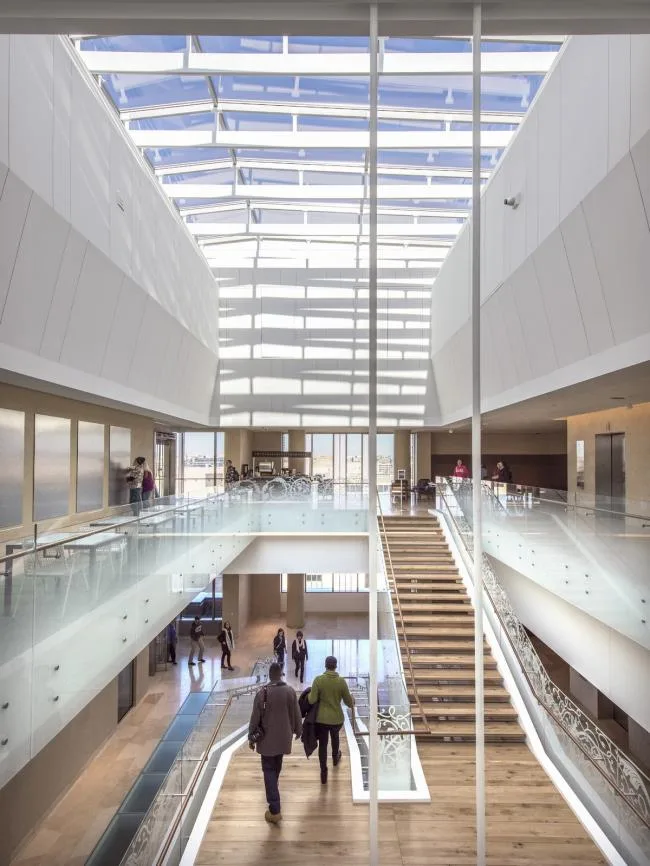
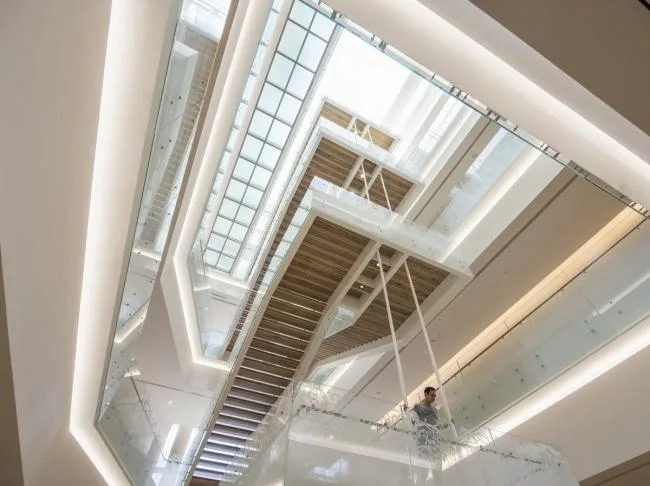
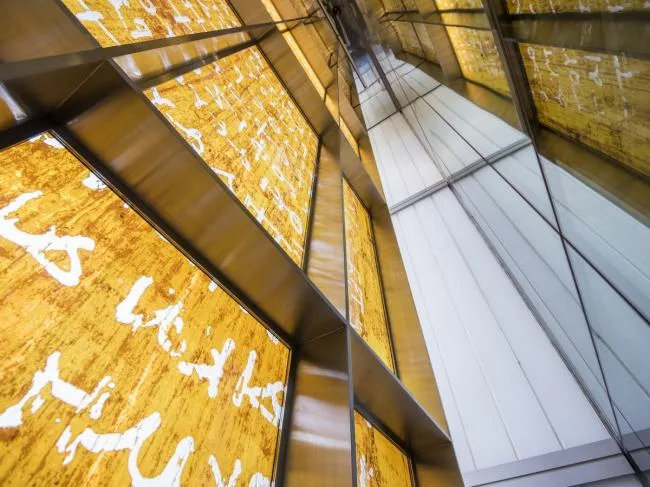
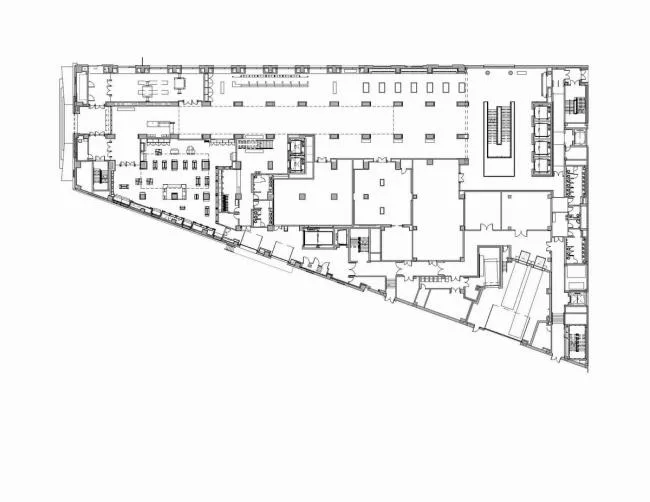
▲ First Floor Plan
The museum’s circulation hub connects rooftop buildings such as a restaurant, exhibition space, and a large performing arts center. The connecting performance center and ballroom feature a curved glass facade, offering visitors panoramic views of Washington National Plaza and other landmarks, visually linking the museum with the city beyond.
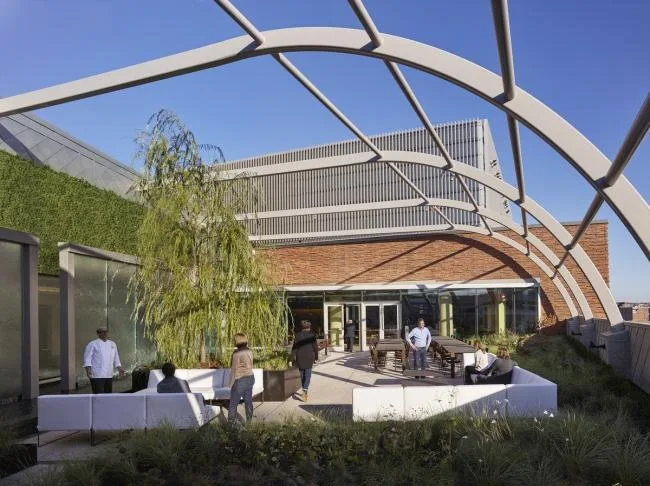
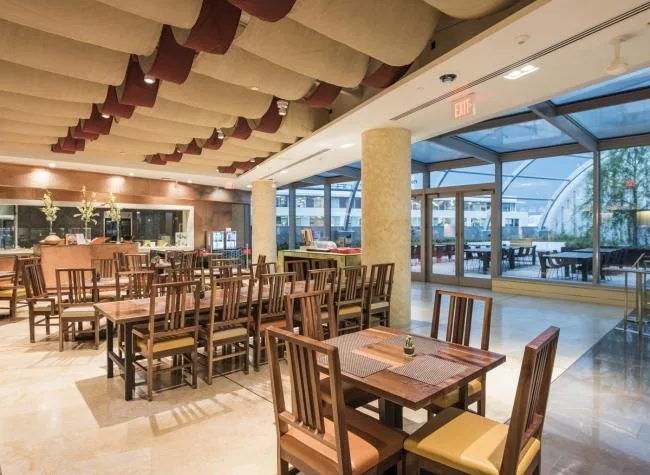
▲ Rooftop Restaurant
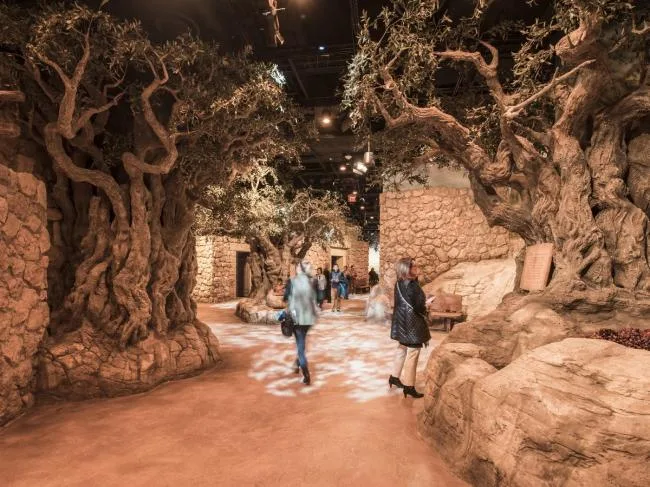
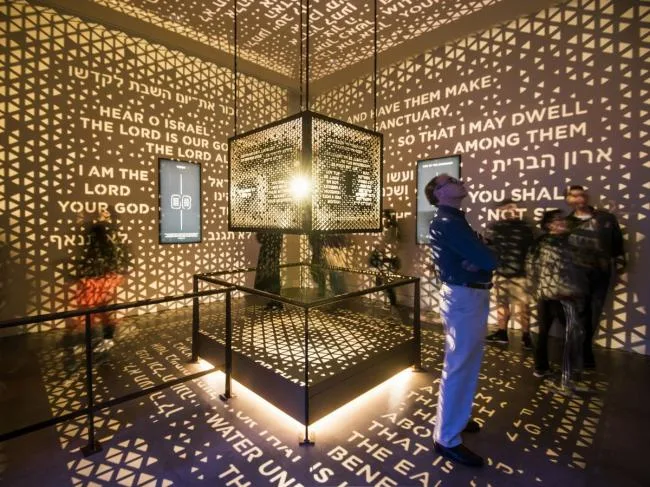
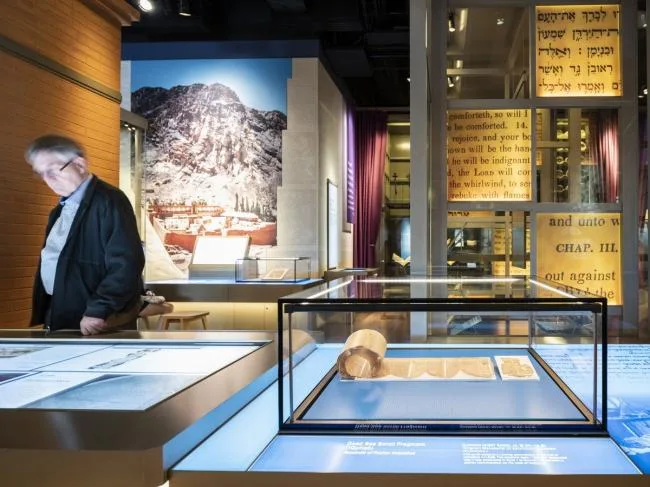
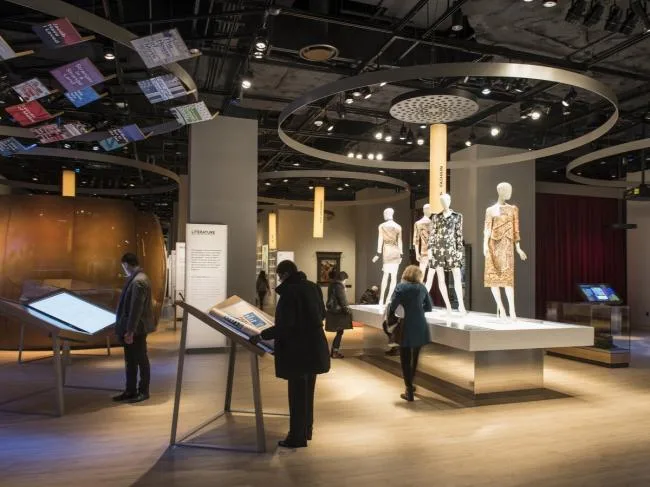
▲ Exhibition Space
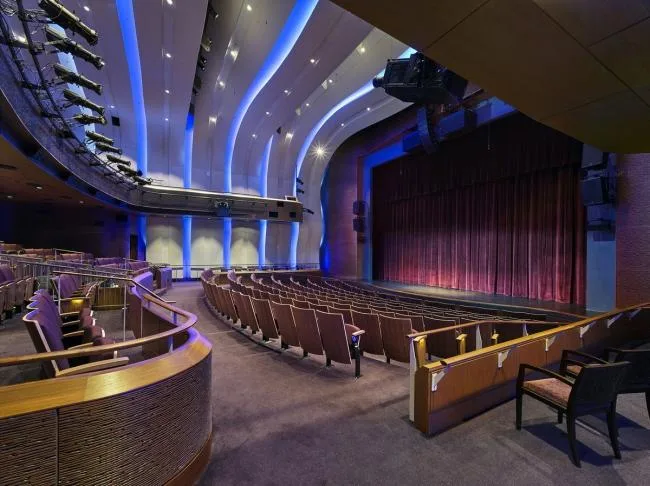
▲ Performing Arts Center
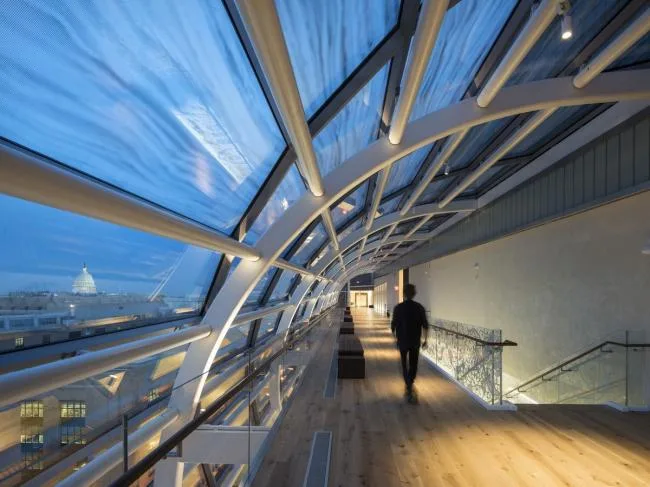
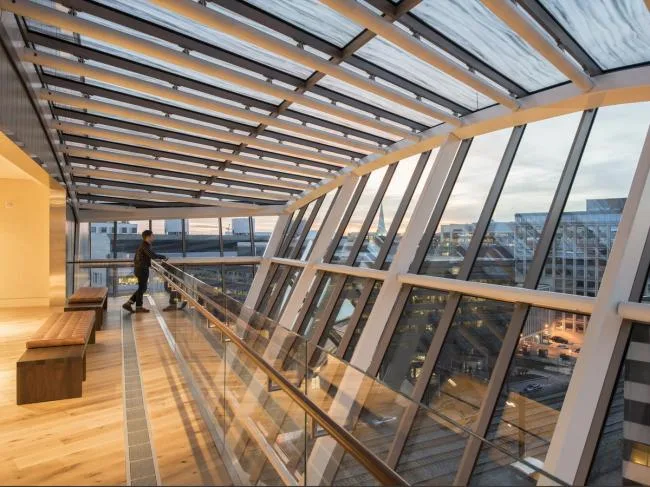
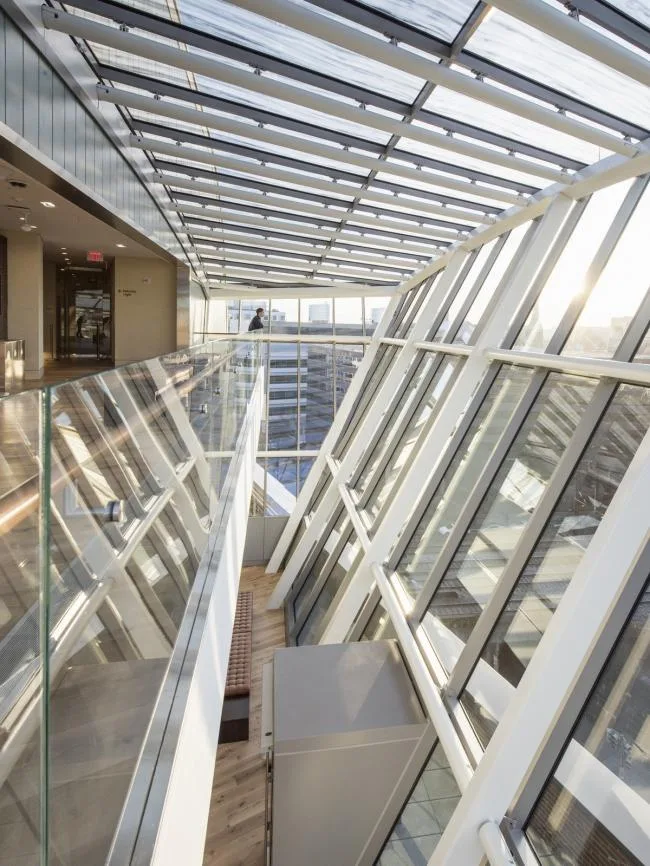
▲ Observation Deck
Throughout the design and construction phases, architects, contractors, and curators emphasized the subtle yet continuous connection between the museum and its surrounding site. The Bible Museum opened on November 17, 2017, and is uniquely positioned on the cultural axis of 4th Street, linking the Washington National Mall with other key cultural landmarks.
This museum contributes significantly to the revitalization of downtown Washington, offering a captivating space rich with history amid a rapidly evolving cityscape.
Design (BIM tutorial) Drawings:
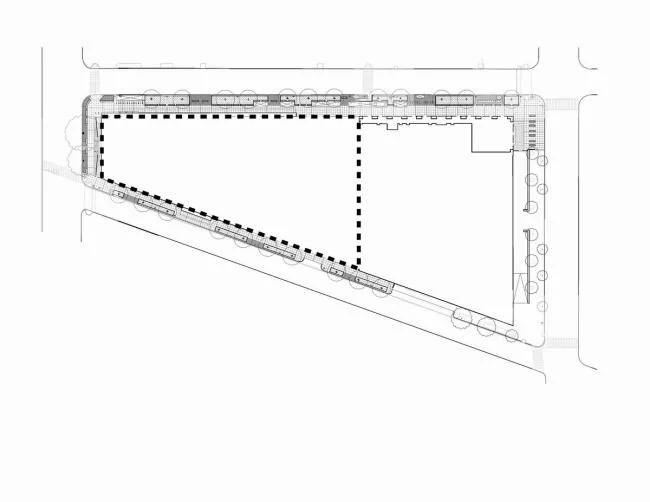
▲ General Layout Plan
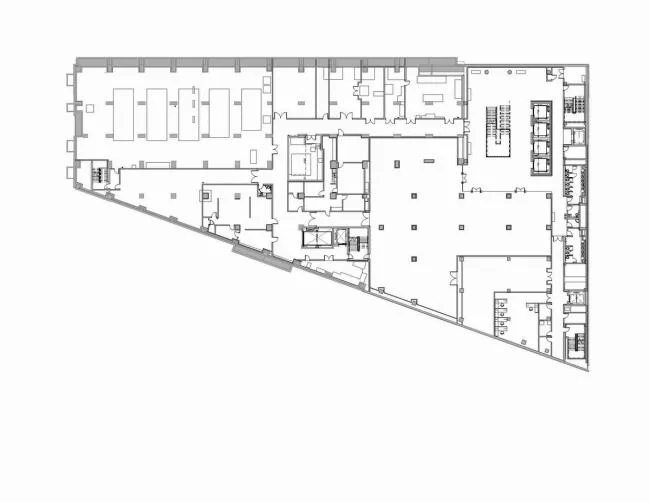
▲ Underground Floor Plan
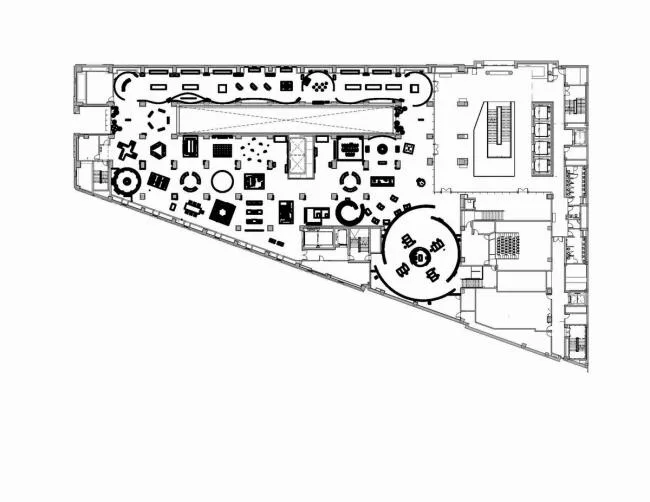
▲ Second Floor Plan
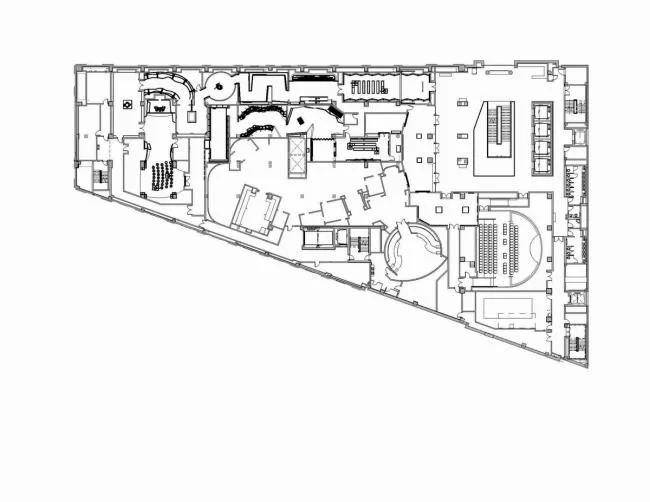
▲ Third Floor Plan
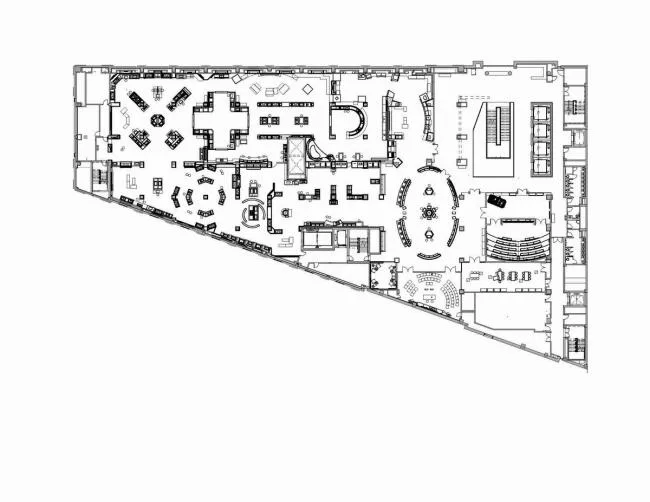
▲ Fourth Floor Plan
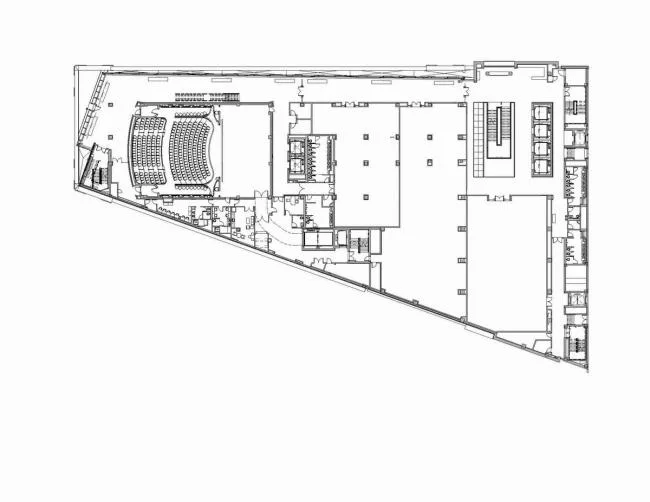
▲ Fifth Floor Plan
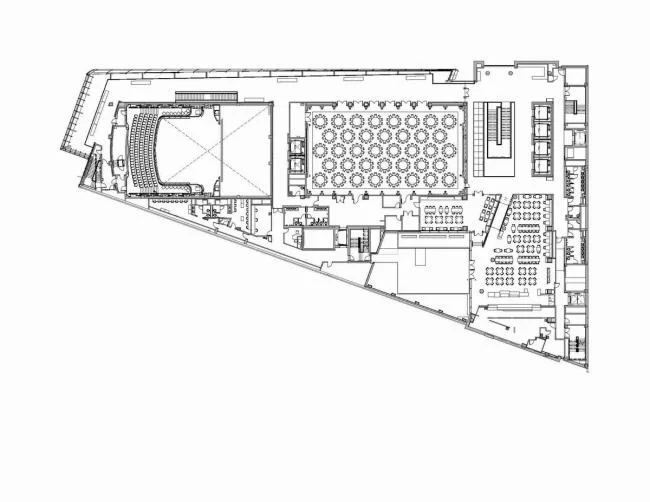
▲ Sixth Floor Plan
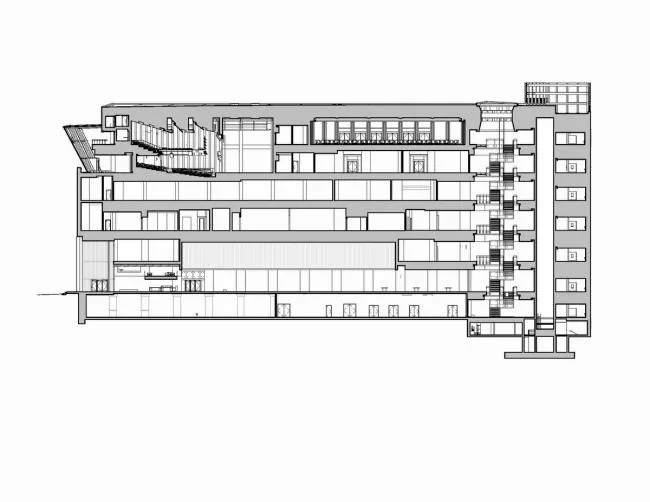
▲ Sectional View
Project Information:
Designer: SmithGroup
Address: 400 4th St SW, Washington, USA
Category: Museum
Lead Architect: David Greenbaum, FAIA (SmithGroup)
Building Area: 430,000 ft²
Project Year: 2017
Photographers: Alan Karchmer, Alex Fradkin
Manufacturers: Bendheim, Trimble, LV Wood, McNeel, Autodesk
Design Team: Sarah Ghorbanian, Assoc. AIA; Marcus Wilkes, AIA; William Jones, AIA; Don Posson, PE; Ionel Petrus, PE; Bettina Neudert Brown; Su Sie Lim; Cheryl Brown; Viral Amin, PE; Rodrigo Manriquez; Luke Renwick; Elisa Santoyo; Sara Lappano
Historical Preservation: SmithGroup
MEP Engineer: SmithGroup
Lighting Design: SmithGroup
Fire and Civil Defense: SmithGroup
Client: Museum of the Bible
Landscape Design: Michael Vergason Landscape Architects
Structural Engineer: Tadjer Cohen Edelson
Historical Resources: EHT Traceries
Artist: Larry Kirkland
Exhibition Design: Technomedia Solutions LLC












Must log in before commenting!
Sign Up