
How Revit Maps Surfaces
The most common method for mapping textures in Revit is using decal tools, which are limited to flat surfaces. In this guide, I will demonstrate how to map textures onto curved or irregular surfaces.
1. First, create a new stretch of the same size on the target surface, as illustrated in the image below.
2. Select the newly created stretch and click on Edit Material. This will open the Material Browser. From there, choose the Appearance tab, load the desired image, select it, adjust the scale to the correct size, and finally click Confirm. The sequence of these steps is shown in the following image.
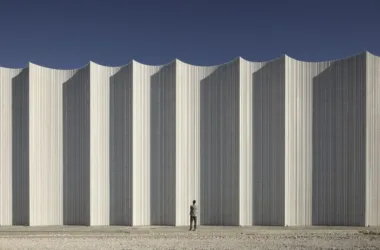
3. The final mapped effect is displayed in the image below.
Note: In real-world projects, it is often necessary to add textures such as logos. While most texture commands in software handle flat surfaces easily, applying textures to curved surfaces can be challenging. This tutorial effectively addresses the problem of adding textures to complex surface geometries.
Related Skills
Creating Seamless Surfaces in Revit
How to Edit Revit Surface Wall Profiles














Must log in before commenting!
Sign Up