
Shanghai Old Wharf,
The original 16th shop,
Once serving as both a dock warehouse
and a livelihood hub for fishermen,
it carries the memories of a generation.
This is where the legendary story of Shanghai first began.
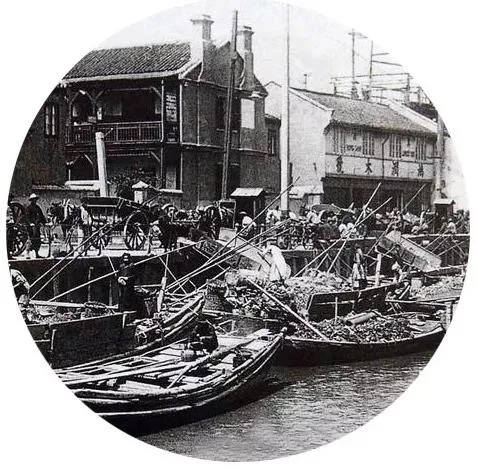
Today, the old dock no longer bustles with ships and crowds. Instead, it has reemerged with a fresh presence in people’s eyes.
Back in 2007, amidst a desolate and rundown area, the old pier was revitalized, embracing the heritage of the Sixteen Shops, and reestablishing the iconic “Shanghai Beach” signboard, alongside the flowing waters of the Huangpu River. This renovation design preserved historical imprints and urban memories, earning widespread acclaim over the past decade and boosting the reputation of Sanyi Design, the firm responsible for the project.
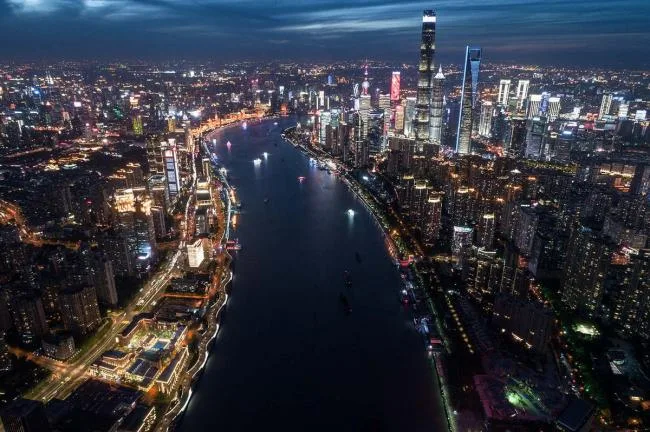
More than a decade has passed in the blink of an eye. Times, cities, and lifestyles evolve, and so do the demands for “landmarks.” Architecture is a spatial art form that stands still in the flow of time; urban renewal design aims to adapt this spatial art to changing times and needs, allowing architecture to “grow” alongside the city.
In 2019, the second renovation of Shanghai’s old dock was completed, again led by Sanyi Design. This upgrade not only comprehensively enhanced the old dock but also continued the legend.
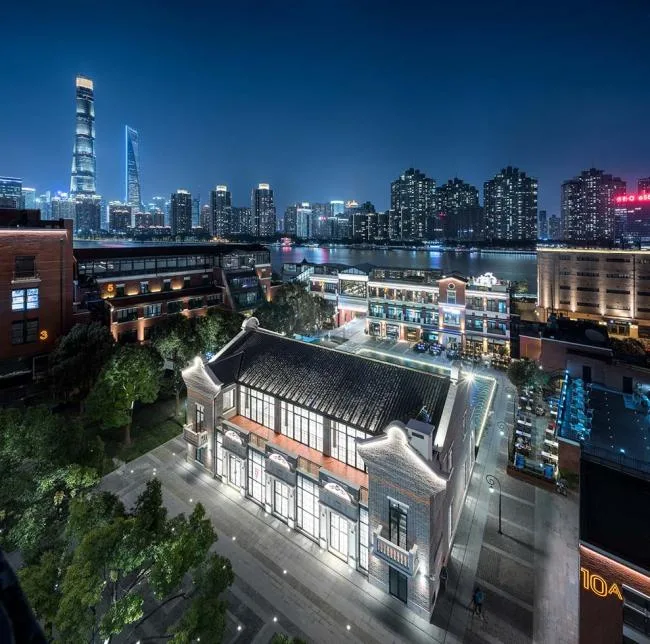
This second upgrade, following more than ten years of operation, focused on three main areas: architecture, interiors, and landscaping. A multidisciplinary team from Sanyi Design addressed the project from multiple dimensions, updating functions, facades, and materials while enhancing landscape features. The renovation gave the old dock a fresh appearance that respects Shanghai’s unique style and historical charm, adapting it to the city’s faster pace without losing its original memories.
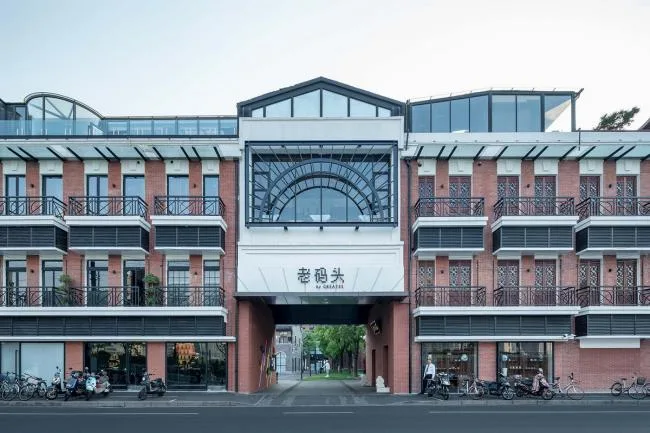
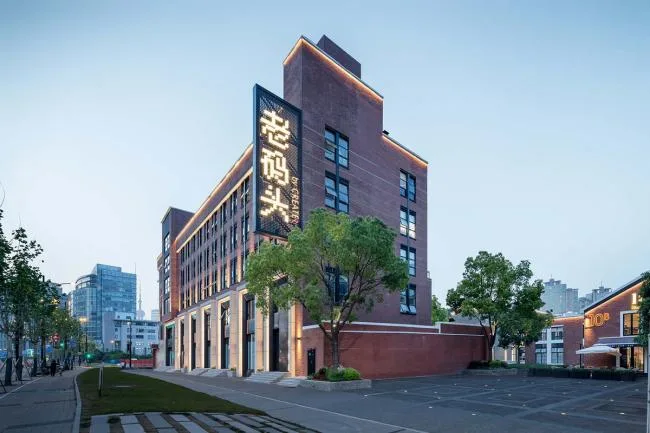
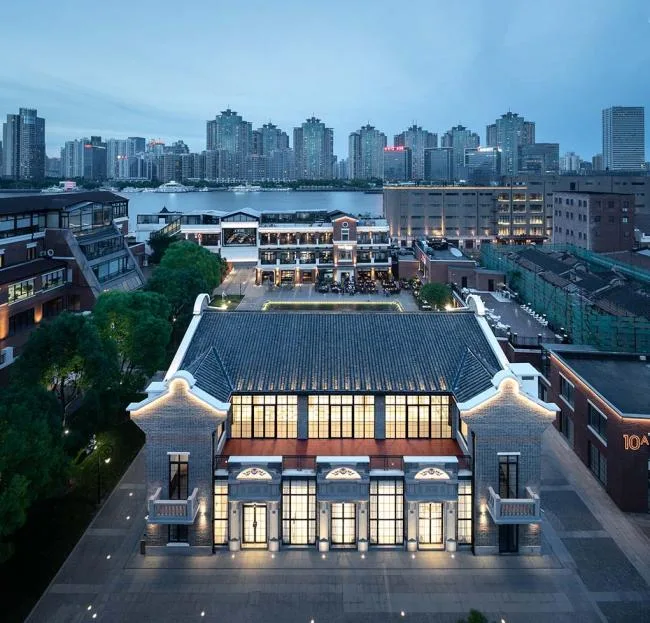
The renovated old dock now functions as a world-class commercial and cultural complex. It primarily serves high-end professionals and international business travelers, while also catering to the surrounding community.
With a thoughtful business and architectural layout, the space naturally fosters vibrant commercial activity alongside a calm cultural atmosphere. The design team from BIM has tailored improvements to the specific characteristics of different zones, incorporating trendy features such as exhibition halls, cultural and creative stores, restaurants, and innovative offices, injecting new vitality into the park.
Updating and evolving the functions of the complex forms the foundation for its overall enhancement. The park is designed as a block-style commercial complex with an enclosed layout. The core design concept focuses on enriching internal atmosphere while creating strong connections with the surrounding streets, thereby boosting visitor flow.
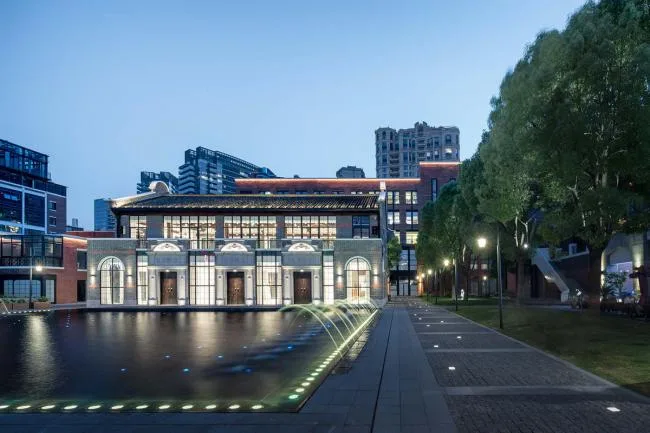
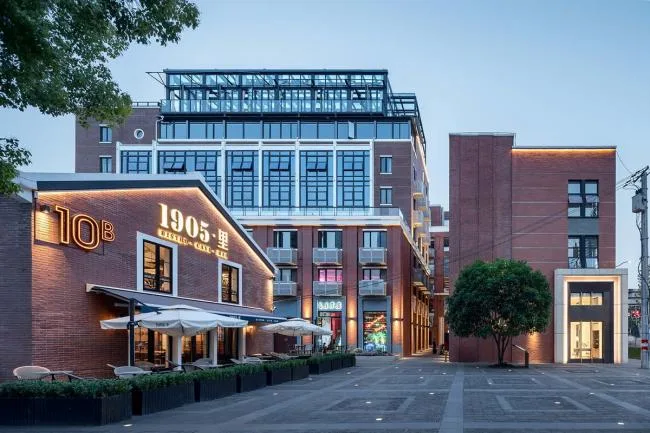
The design philosophy centers on the concept of “one center, three streets.” The “One Center” refers to the exhibition building (Building 1) situated at the park’s core. While preserving traditional shikumen elements, the facade materials were updated and enhanced. The renovation also integrated interior and landscape upgrades to complete the central area’s transformation.
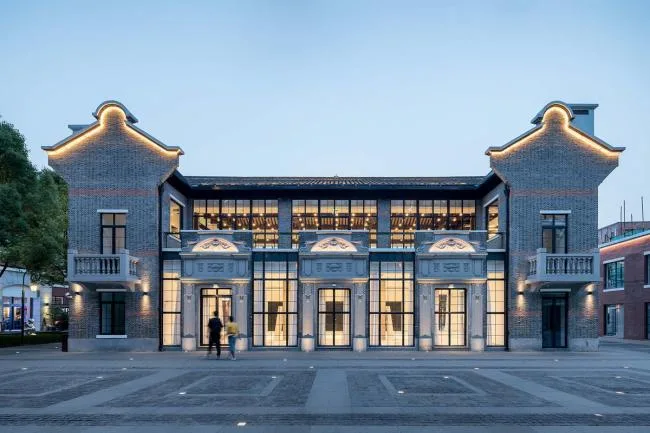
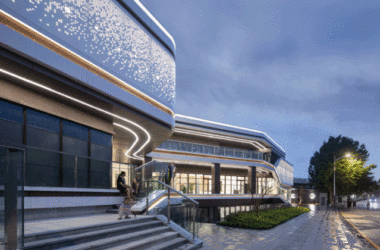
The “Three Along Streets” describes the buildings lining the streets, where display window areas on the exterior facades have been appropriately increased. This enhances the buildings’ visual appeal and commercial atmosphere. Soft, inviting colors were chosen to bridge the gap between the buildings and visitors.
Given the park’s large number of buildings and complex design conditions, the team adopted a typological approach to unify and regulate the exterior facades. This method clarifies the design, simplifies construction, and controls costs.
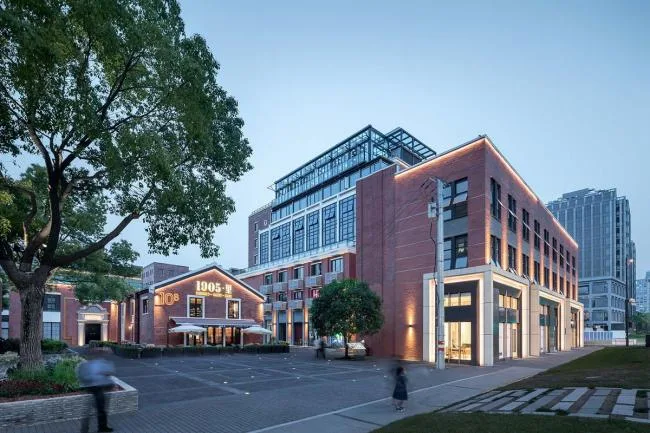
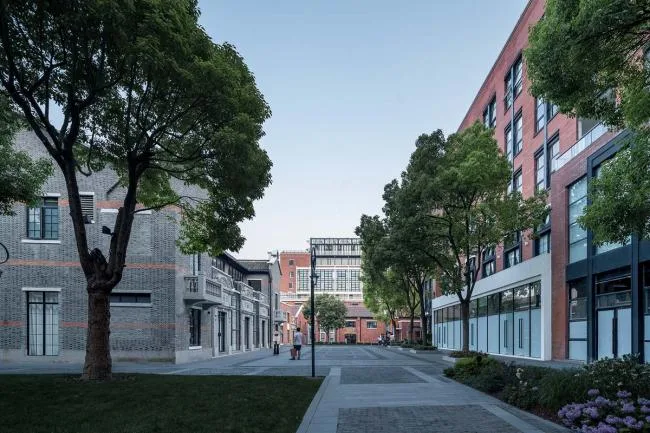
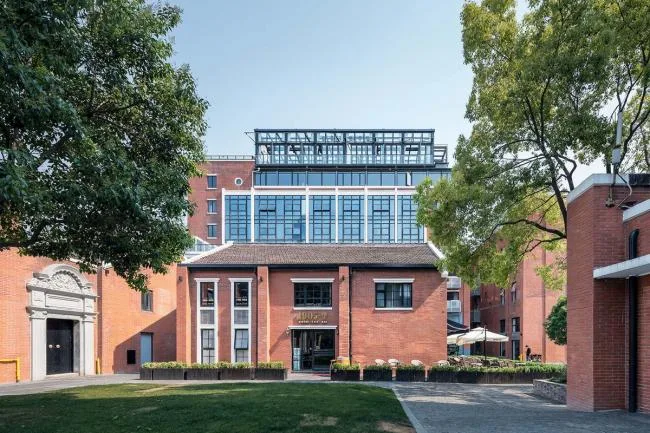
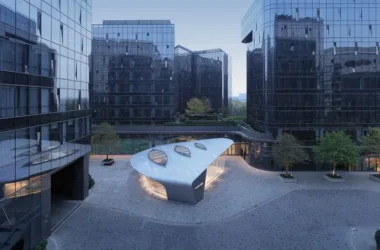
The landscape design also follows the “one center, three lines” concept. Renovations focused on the park entrance, water landscape plaza, and lawn areas. The original eastern pool was reduced and transformed into a water plaza. Combined with surrounding expansive lawns, this provides integrated spaces that encourage engagement and practicality.
Meanwhile, the original water feature on the west side was removed to create an open space that doubles as an outdoor exhibition area, offering a versatile venue for various future events. The demolition of the entrance landscape wall opened up the park’s interface, and with the addition of landscape installations, an open gateway landmark was formed.
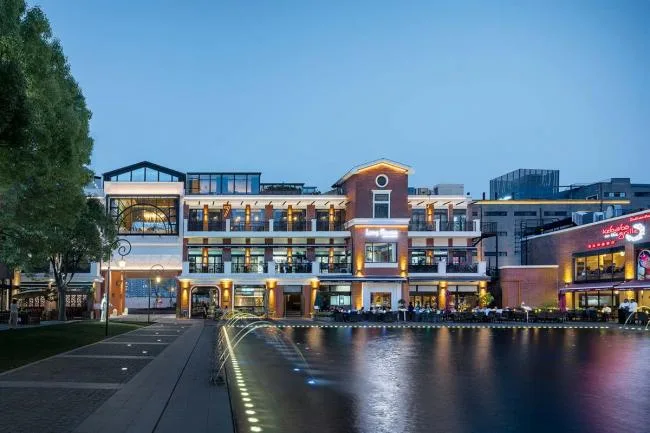
The renovation aims to enhance the outdoor value of the old dock park comprehensively. Improvements include better transportation links, multifunctional site spaces, encouragement of outdoor social interaction, and preservation of existing vegetation.
A series of tree-lined gardens and bar corridors have been added, elevating the space’s functionality for communication, relaxation, and viewing.
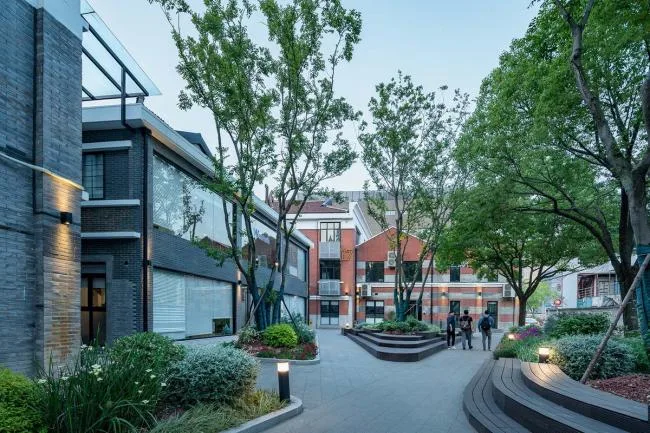
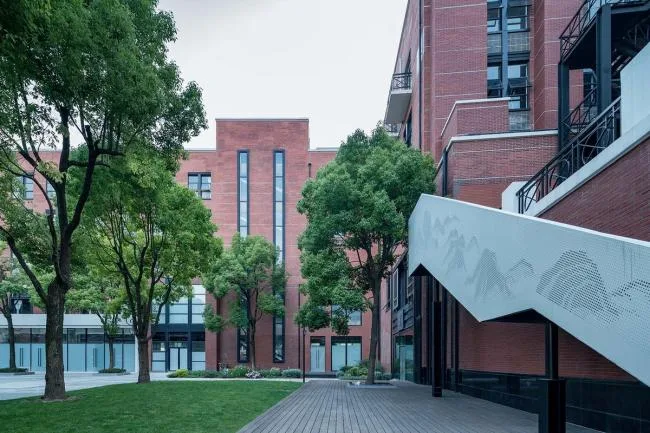
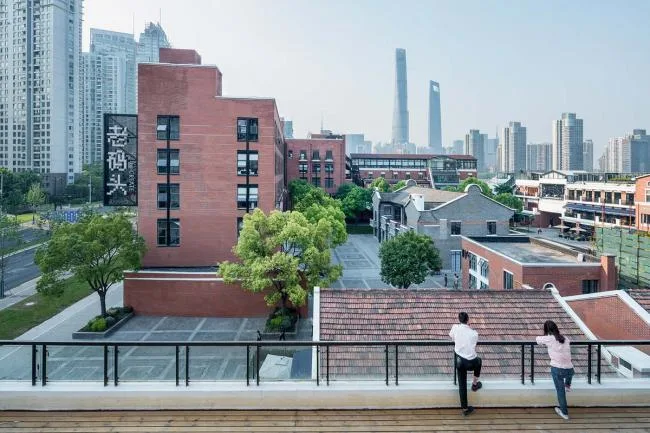
The design approach uses the refined Shanghai architectural symbol “Shikumen” as the foundational vocabulary, expanding and modifying it typologically. From the architect’s unique perspective, urban context, commercial space, and community life are seamlessly integrated. This allows the building to radiate new architectural charm and spatial vitality while preserving its original style.
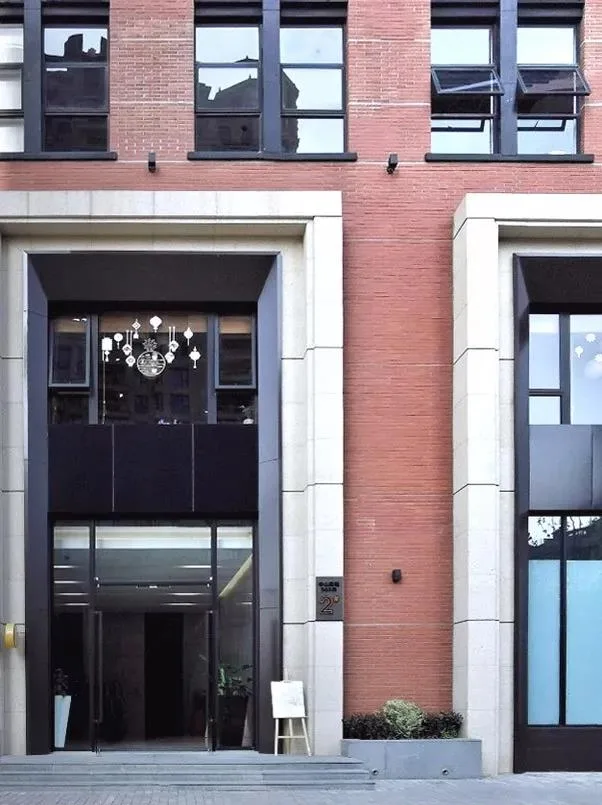
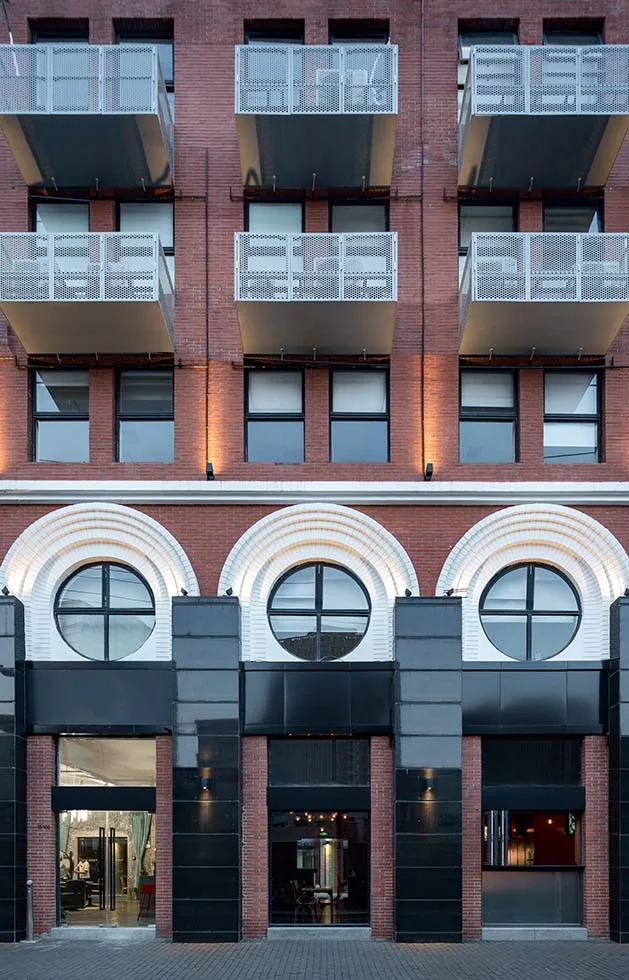
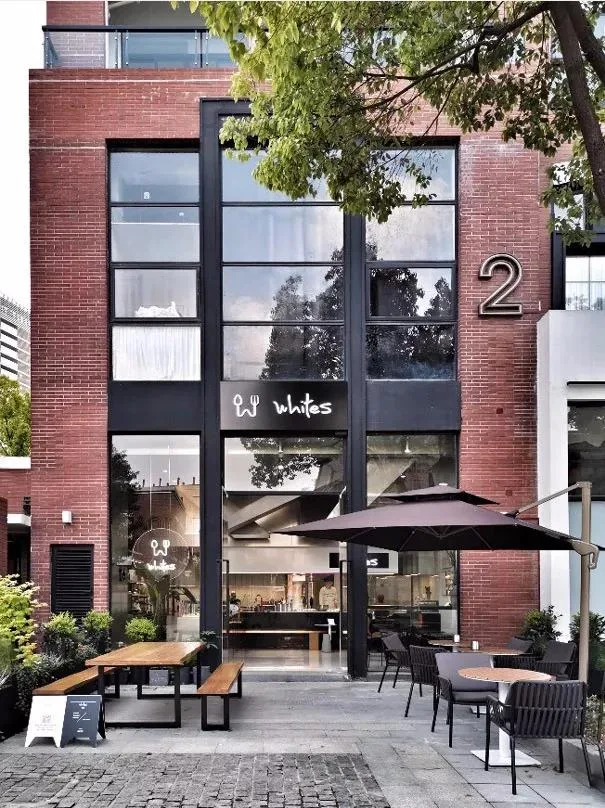
The interior design continues the overall concept by blending old and new elements while preserving the original architecture. This is especially evident in Building 1, which connects closely with the water scenery and the park’s center.
The first floor’s exhibition area emphasizes the connection to the outdoor water landscape while maintaining the cultural elements and functionality of the original building.
The designer employed a subtractive approach, preserving the original structural features in the simplest way. The wooden frame was repainted and paired with elegant waterproof grinding stone flooring. Underneath the wooden roof structure, a large array of tungsten-style chandeliers were installed in sequence, enhancing transparency and lightness. This simple old Shanghai style provides flexibility for future exhibitions and displays.
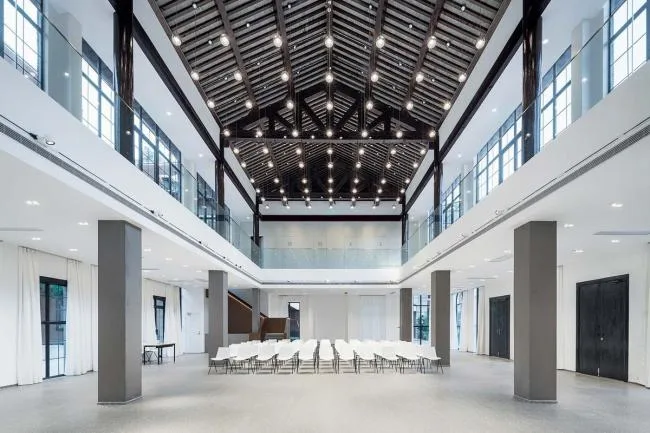
Historical buildings quietly tell the park’s story, while architects continue the narrative through design. As a key project in Sanyi’s urban renewal portfolio, the second upgrade of the old dock—from concept to completion—took about a year, bringing a fresh experience of Shanghai’s cultural heritage and modern style to future visitors.
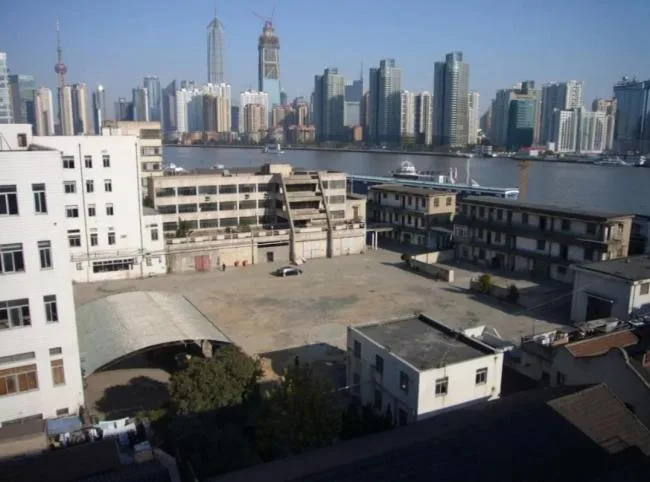
In 2004, the predecessor of Old Wharf (BIM tutorial) was the Shanghai Oil and Fat Factory.
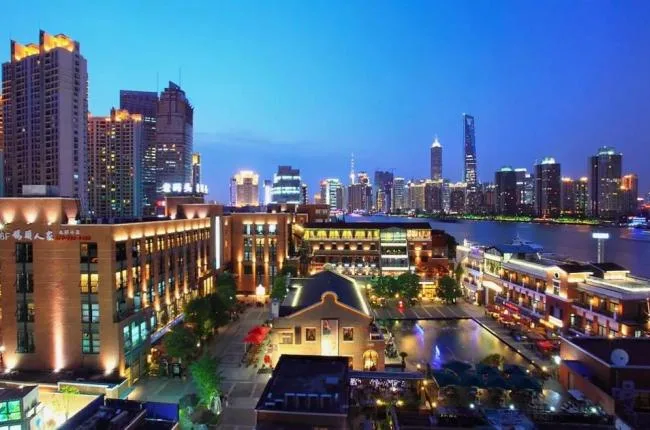
In 2007, the first renovation of Shanghai’s old wharf was completed.
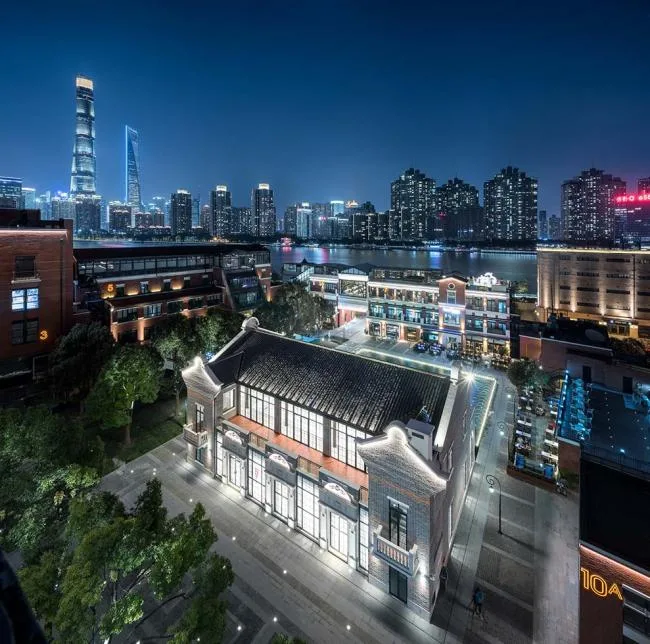
In 2019, Shanghai’s old dock underwent its second renovation, unveiling a brand new appearance.
Project Information:
Project Name: Second Renewal of Shanghai Old Wharf
Location: Huangpu District, Shanghai, in the core area of the South Bund
Operating Entity: Hongji Enterprise
Design Type: Urban Renewal
Scope: Integrated architectural, interior, and landscape design
Design Firm: Sanyi Design | Urban Renewal Division, Interior and Landscape Division
Architectural Photography: Mountain Images, Sanyi Design












Must log in before commenting!
Sign Up