
Industrial parks have long been vital drivers of China’s regional economic growth and industrial restructuring. They serve key roles in economic advancement, innovation, management demonstration, and global engagement. However, in the wake of the COVID-19 pandemic and rising anti-globalization trends, industrial parks face unprecedented challenges. The pressing question now is how to strategically plan for a dual circulation model that fosters higher-quality, sustainable development. In response, many regions are pioneering new approaches, shifting from the traditional “park economy” toward a “community economy,” giving rise to the concept of industrial communities. These communities represent a novel form of industrial agglomeration that integrates industry with urban living functions, promoting coordinated growth between industrial sectors and cities.
So, how can we achieve sustainable development for industrial communities in this new era? Here, we highlight exemplary industrial community projects developed by Sanyi, offering insights into effective strategies for transitioning from industrial parks to thriving industrial communities.
01. The “Intelligent Path”
Building Support Systems for Future Digital Intelligence
In the digital economy era, technologies like the Internet of Things and big data are transforming the traditional, extensive management of industrial and urban spaces. For industrial development, “smart and digital transformation” is no longer optional but essential for survival and long-term success.
Future Communities with Beidou Industry Characteristics
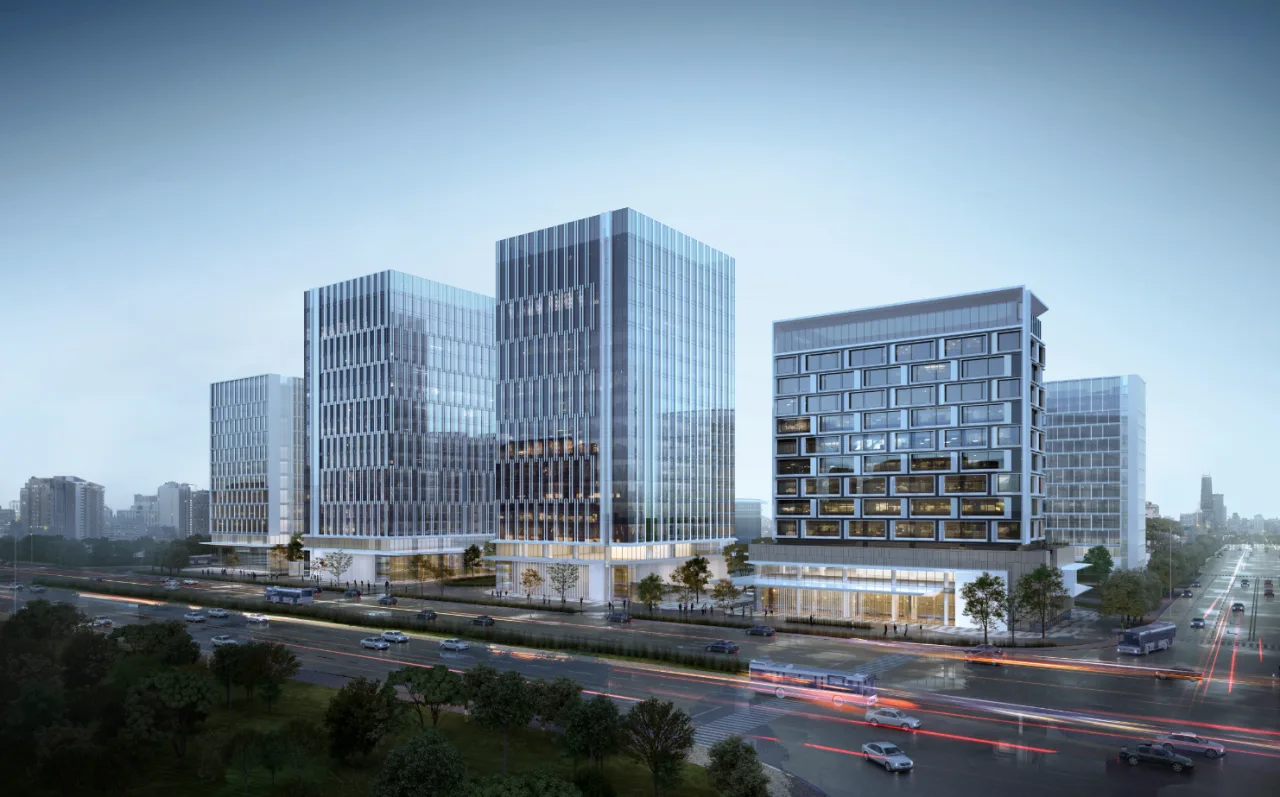
Industrial parks are foundational to regional economies, and their transformation toward intelligent operations is inevitable. Smart parks represent the future direction of economic parks. Successfully transitioning industrial parks into smart parks is a critical lever for implementing new development strategies. Digital transformation drives economic growth and helps overcome current developmental bottlenecks.
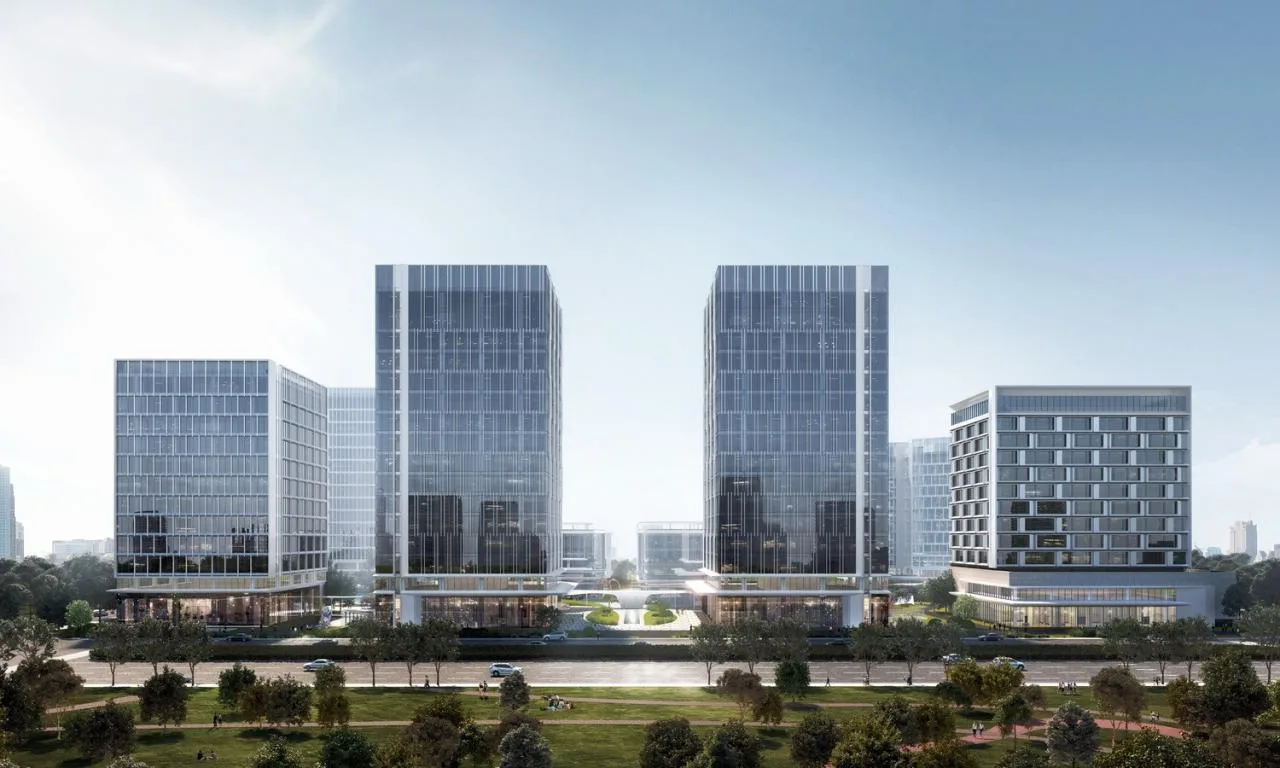
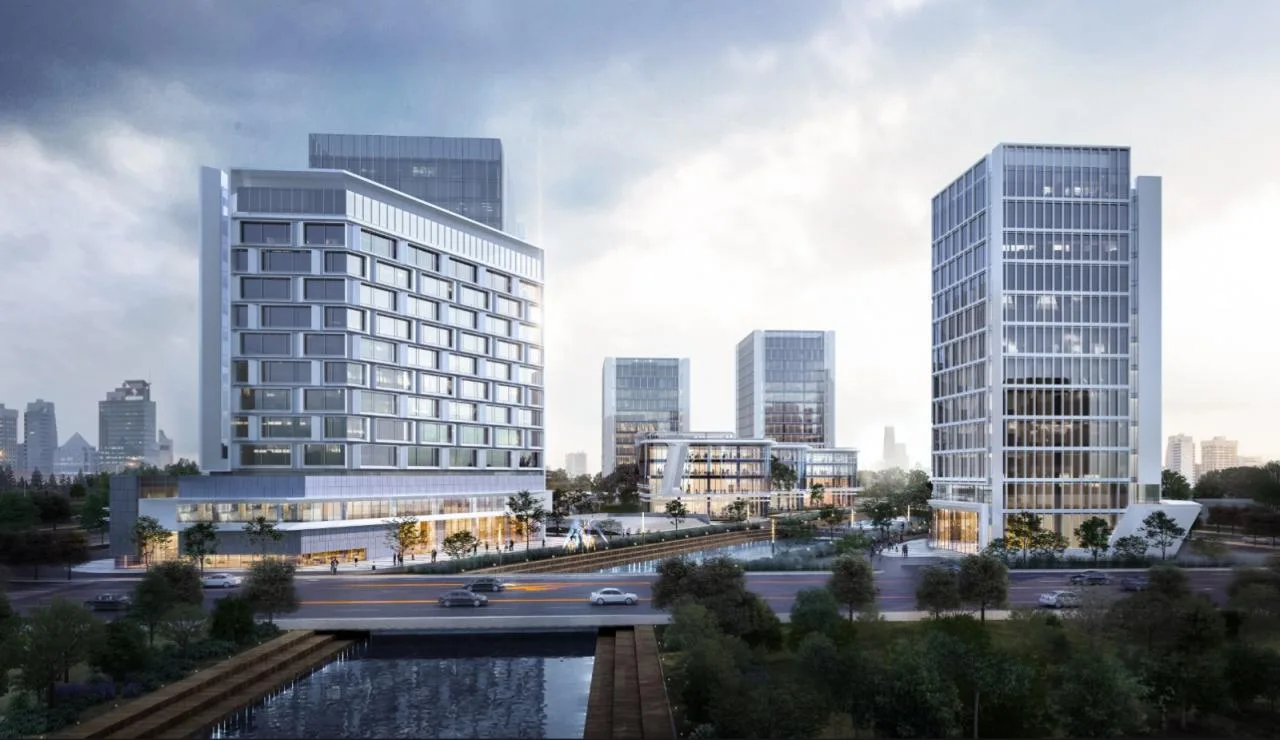
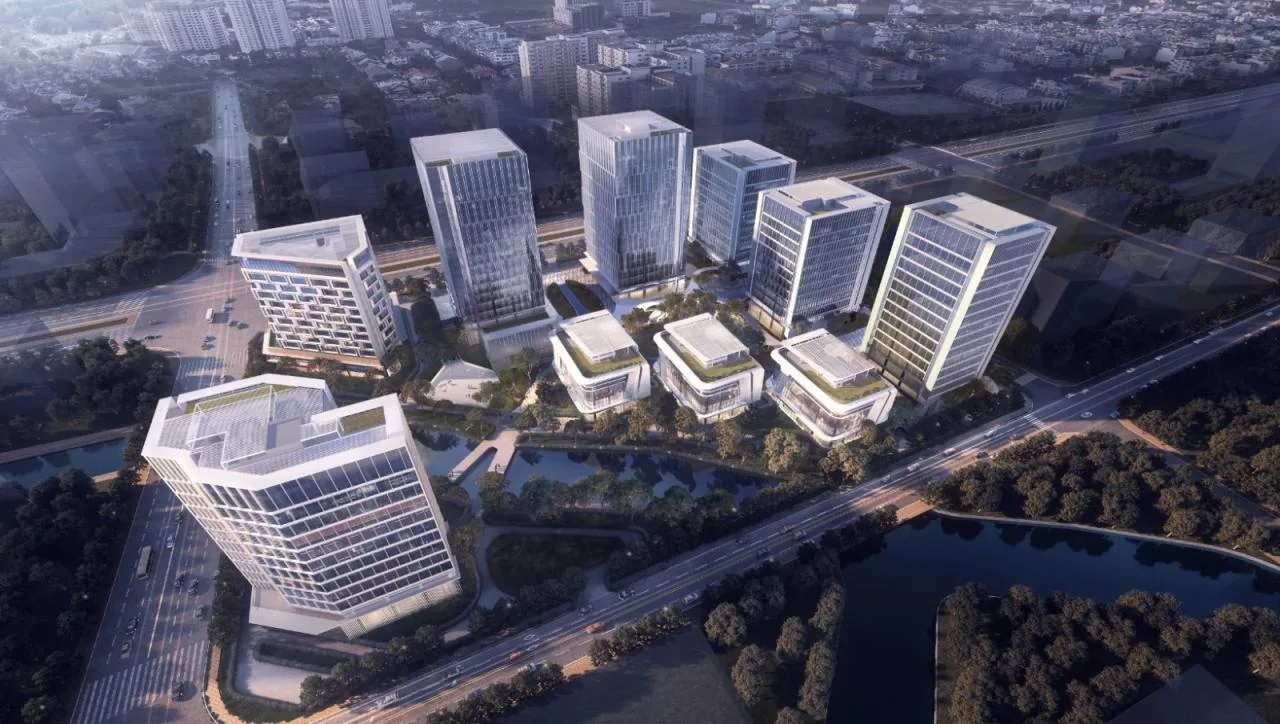
The Zhaoxiang Park at China’s Beidou Industrial Technology Innovation West Hongqiao Base is a newly planned facility responding to the accelerated growth of the global Beidou satellite navigation industry. The Beidou Satellite Navigation System is a precise, comprehensive spatial-temporal system. The park’s planning incorporates its industrial characteristics, blending “+Beidou” applications in spatial-temporal domains and “Beidou+” fusion innovation into its design. From the outset, it integrates both soft and hard strategies, considering natural features and operational use of the site.
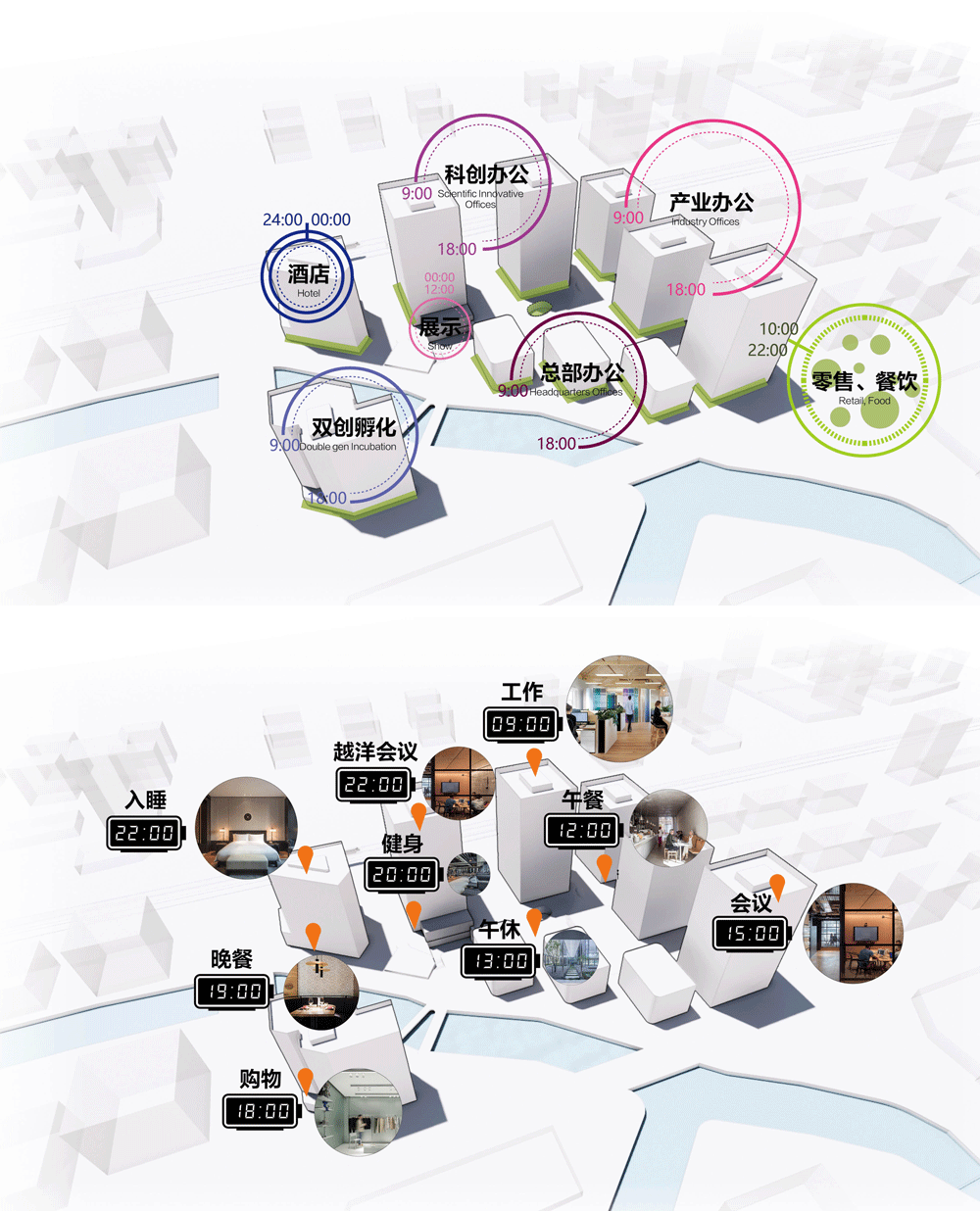
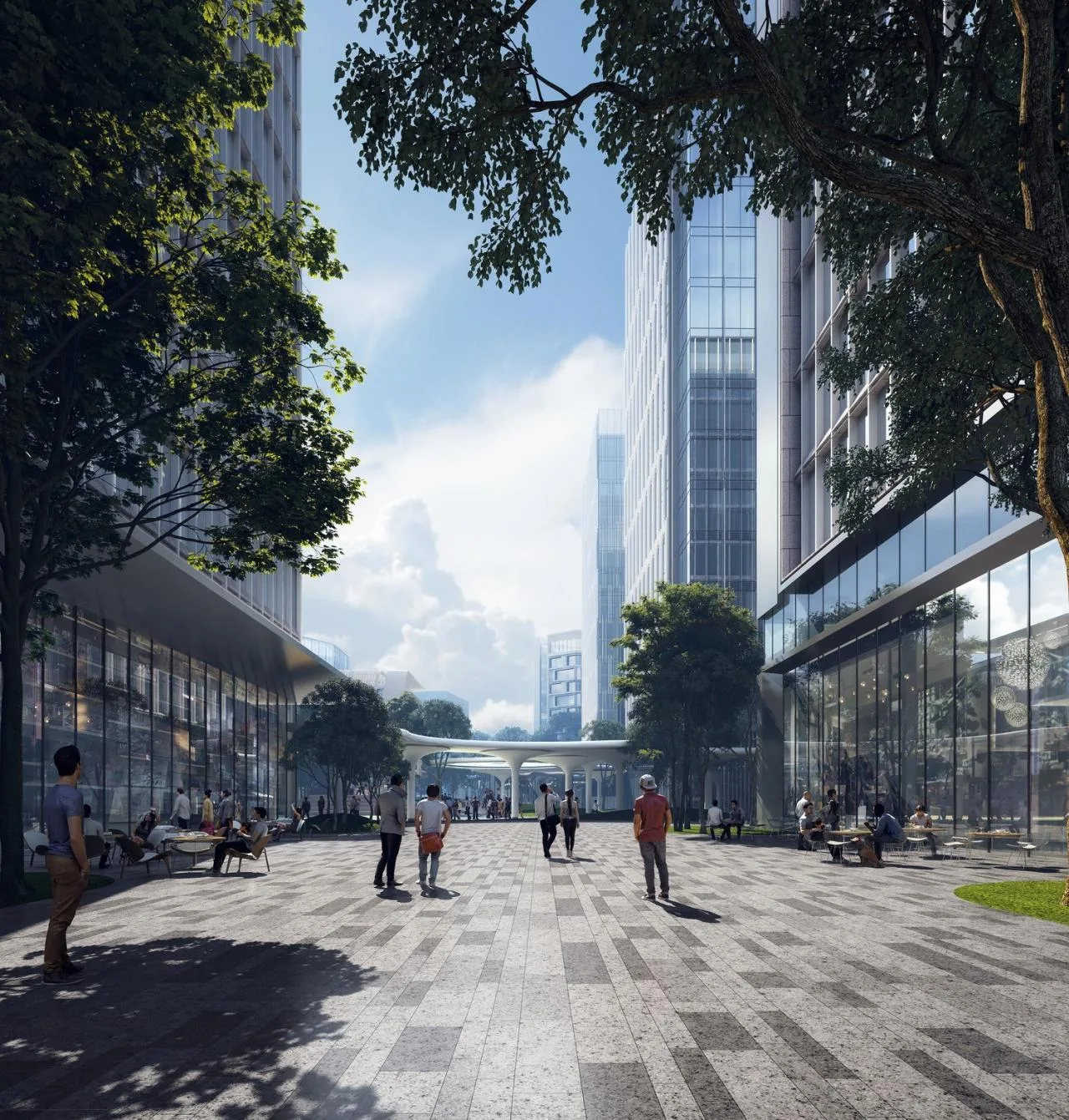
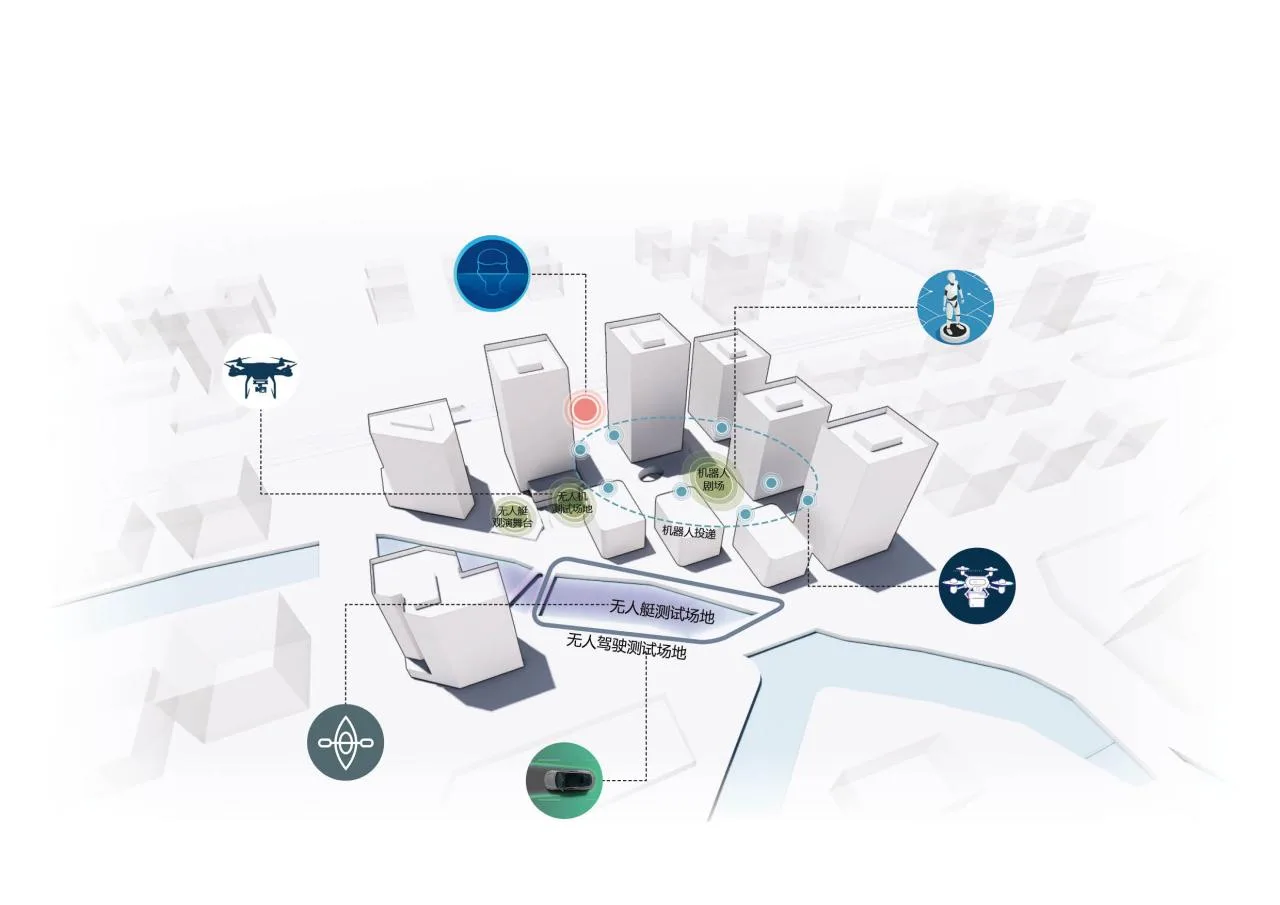
The park design offers innovative work and lifestyle options and aims to build a fully functional, service-oriented industrial platform. It creates a high-energy industrial environment empowered by digital technologies. The park features efficient ground and underground transport, a 24/7 multi-loop V2X unmanned driving test field, and an unmanned aerial vehicle testing area. With core industries in Beidou navigation, 5G, and AI cloud platforms, it has become a prime office destination for companies innovating in smart navigation, logistics, and smart city development.
02. The “Diversified Path”
Integrating Diverse Business Formats and Urban Life
As the lines between industry and city blur, industrial parks increasingly adopt mixed-use planning. The essence of this composite approach is to integrate park design with the broader city context, ensuring seamless interaction between living, working, and ecological spaces.
Integrated Urban and Industrial Communities
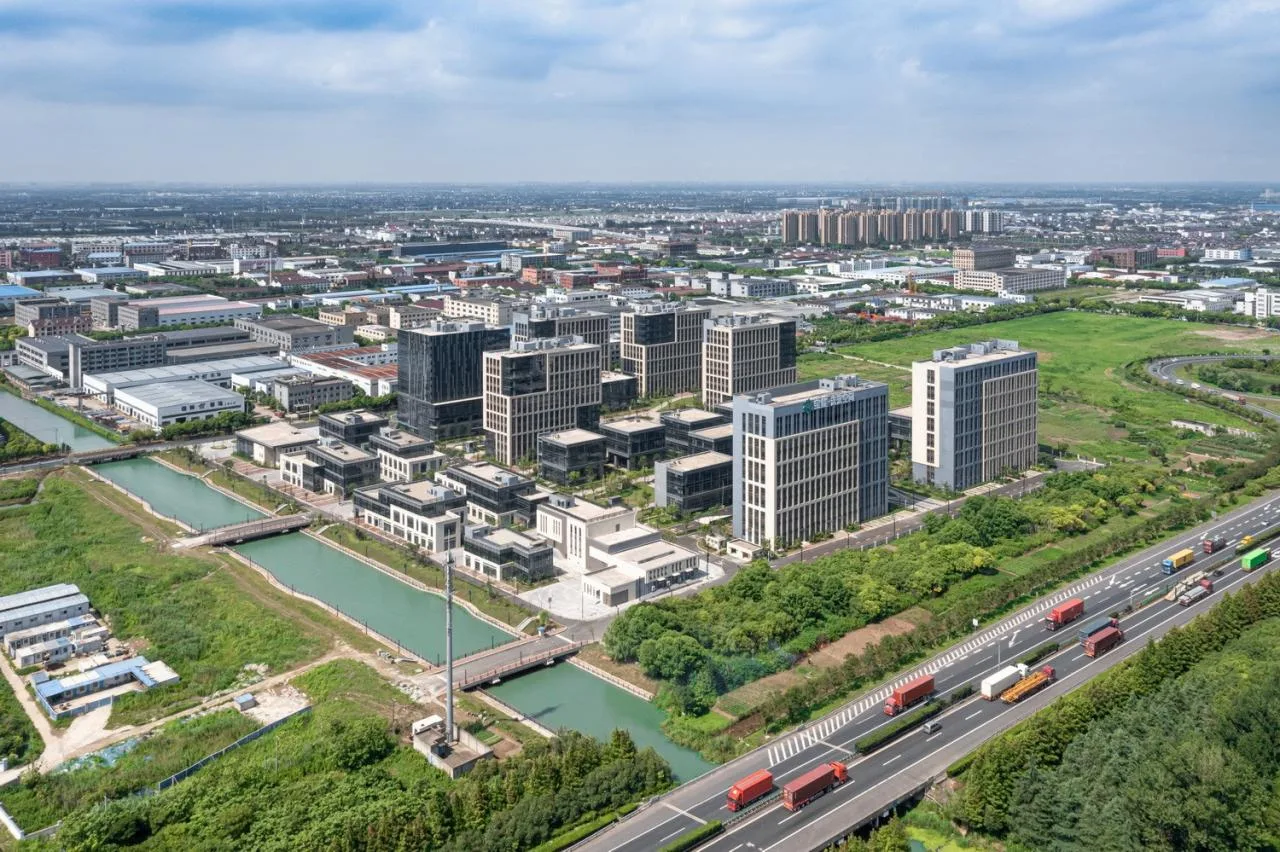
The heart of industrial parks should be people. To attract and retain talent, parks must offer livable, business-friendly environments. This means integrating offices with commercial spaces and residential facilities, making the park a vital part of the city’s ecosystem.
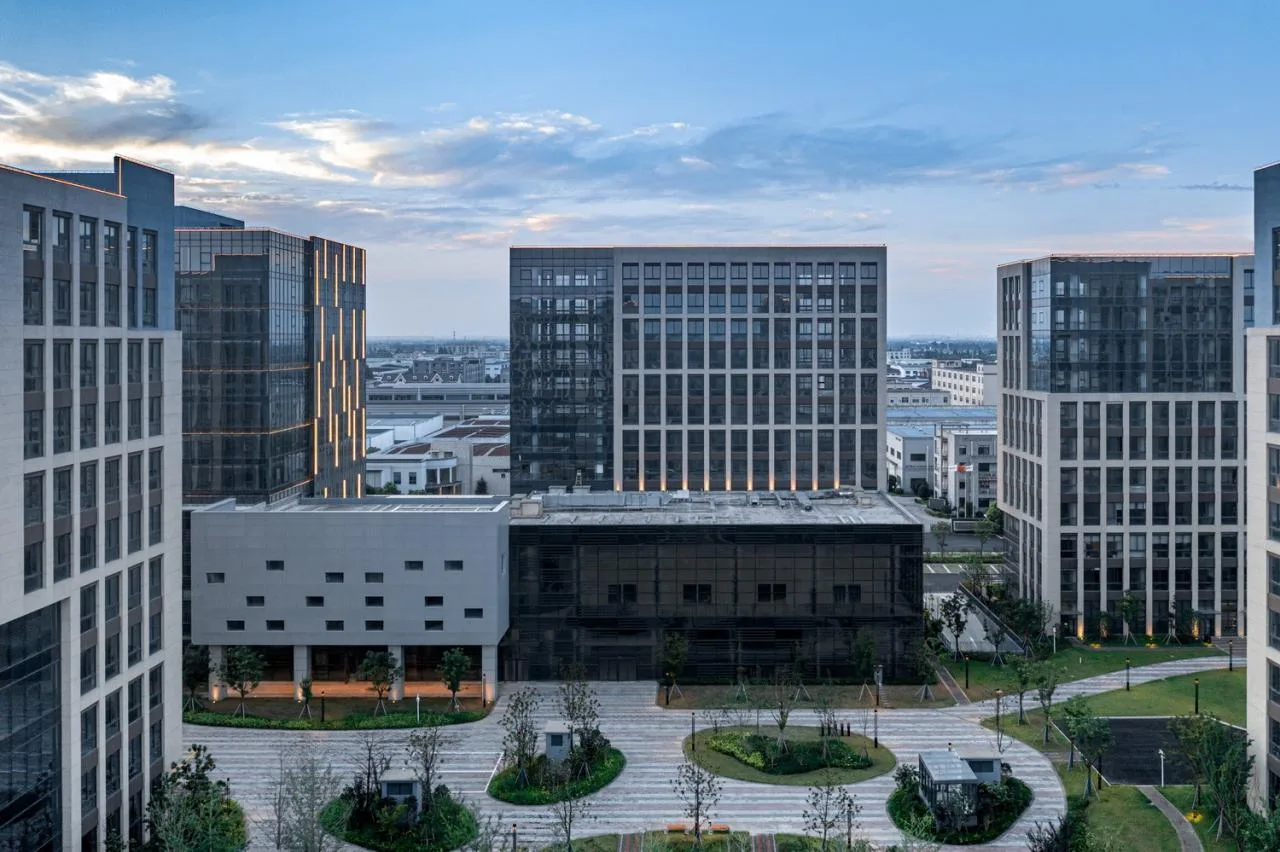
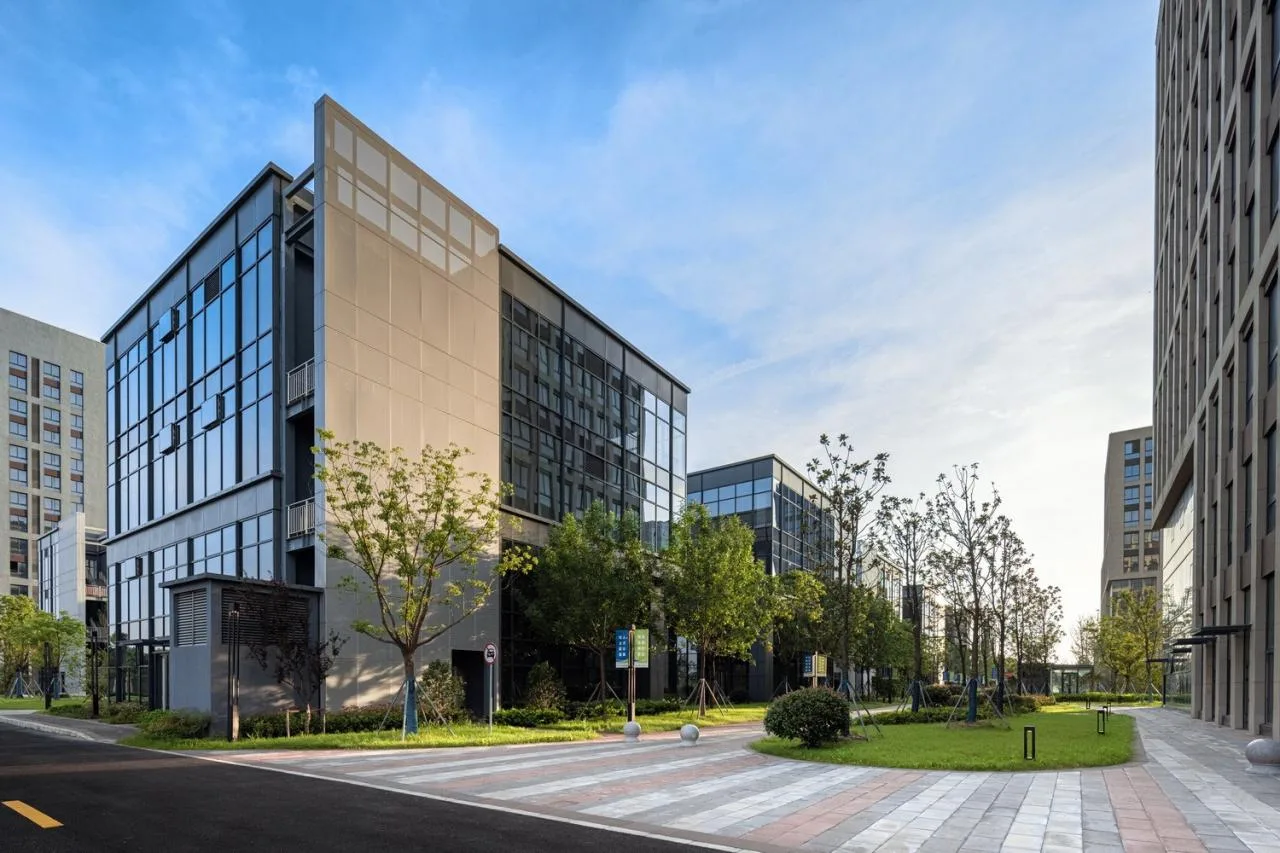
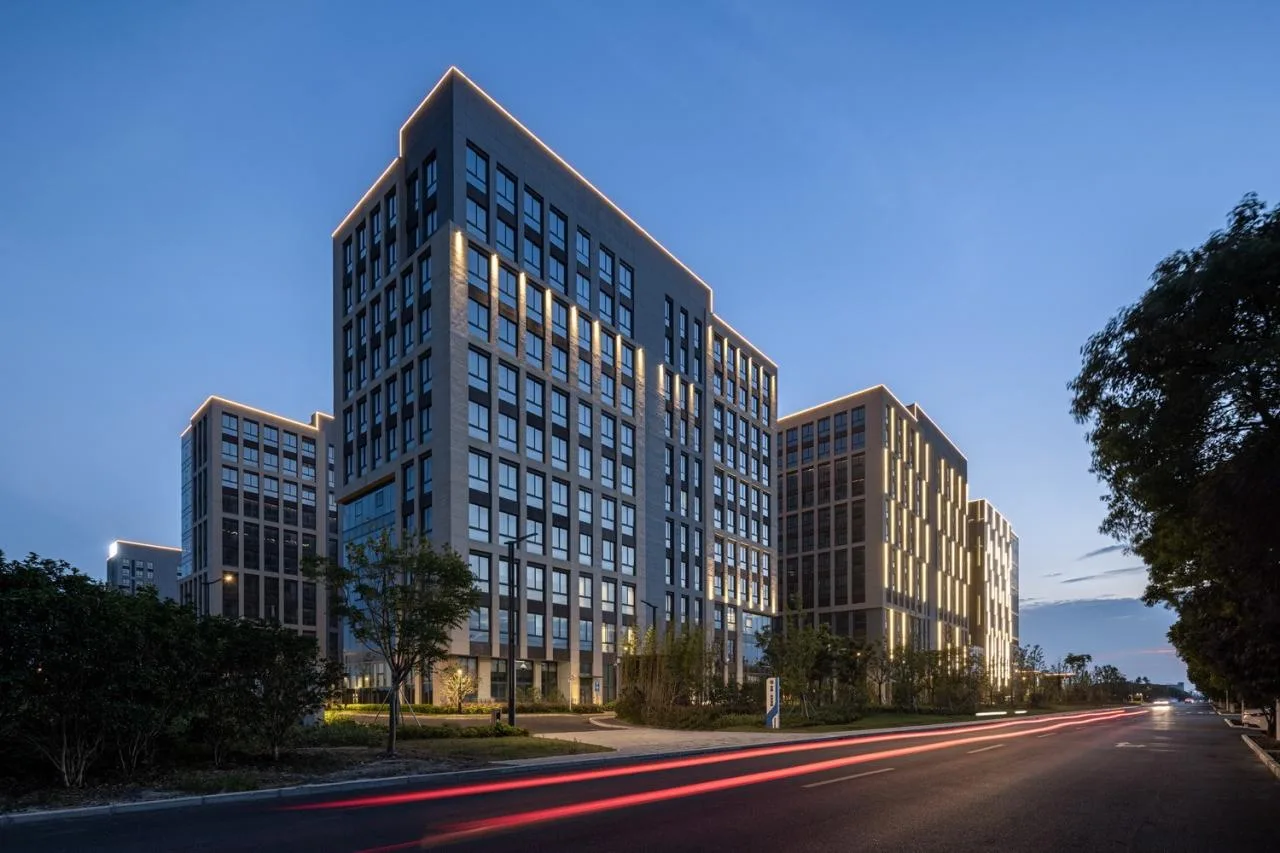
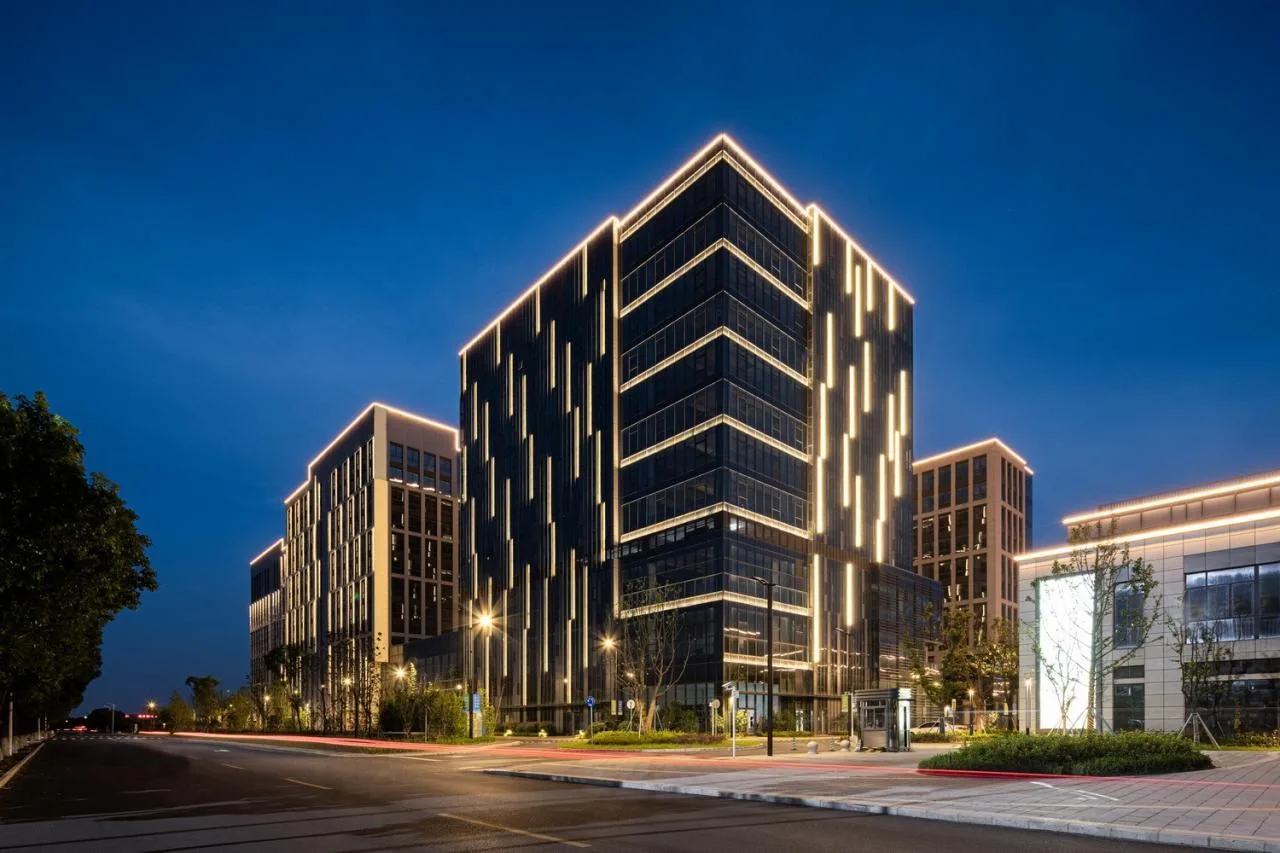
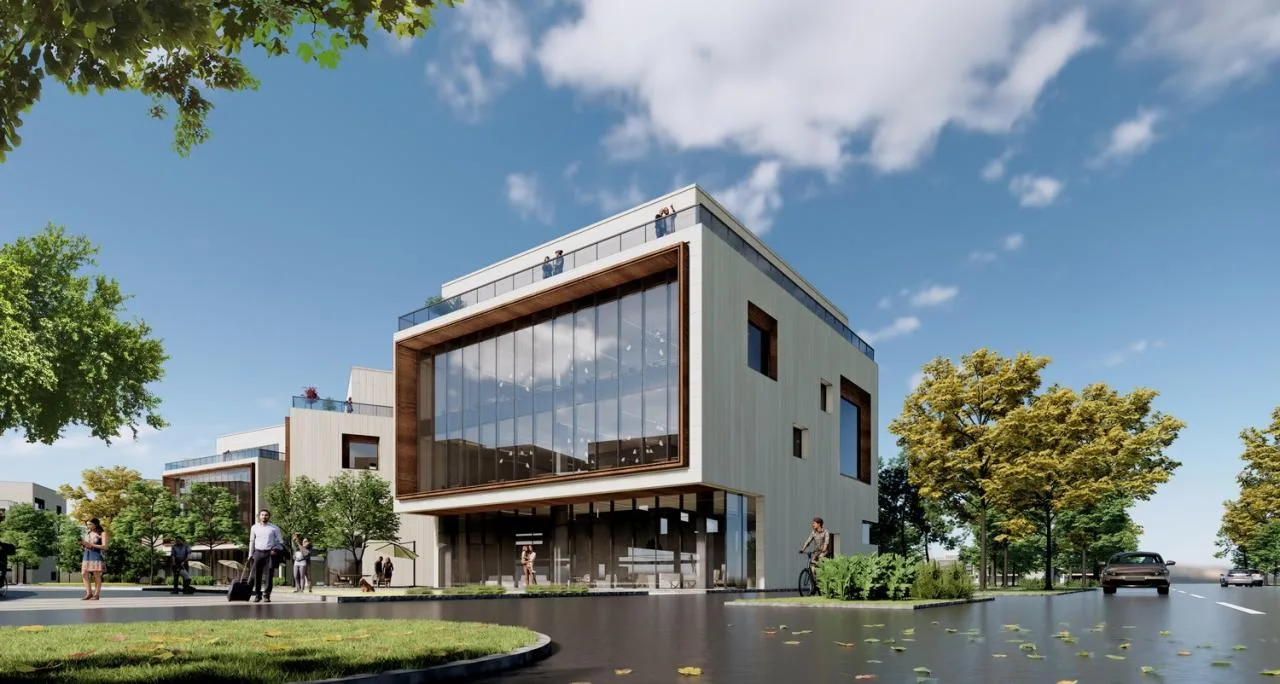
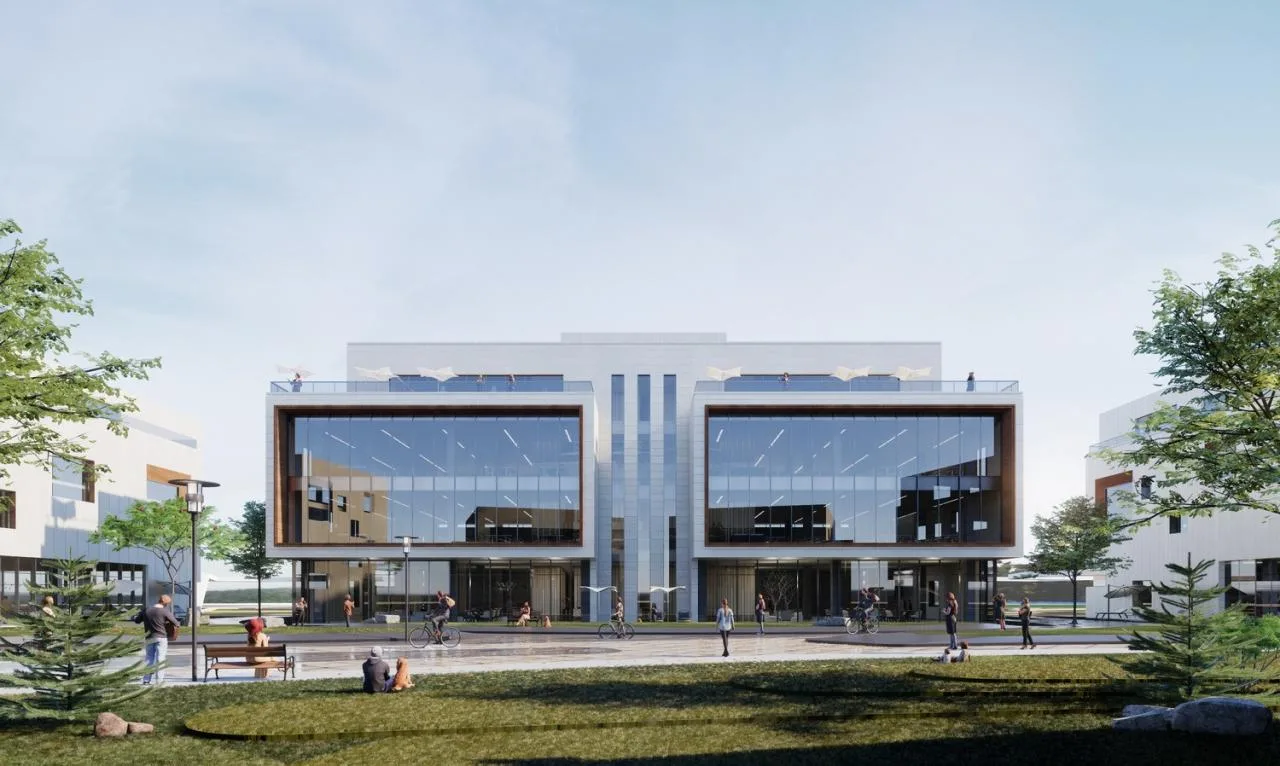
Shanghai Baoneng Future Space is an ecological, dynamic, and diverse smart technology innovation park developed jointly by Sanyi and Baoneng Group in Qingcun Town, Fengxian District. This next-generation industrial park embraces innovation, diversity, ecology, and flexibility, offering diverse industrial spaces and comprehensive support services to foster sustainable, circular operations.
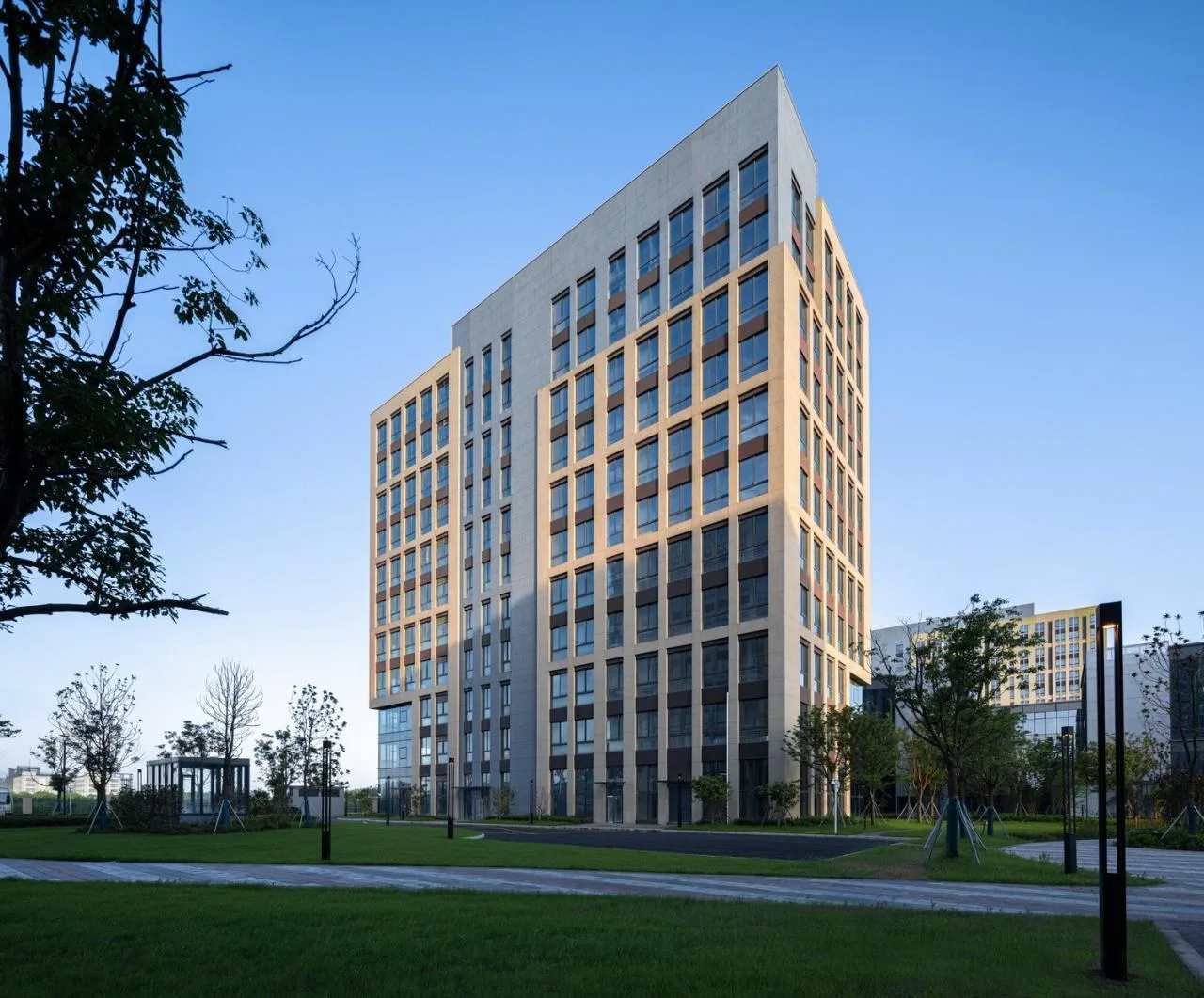
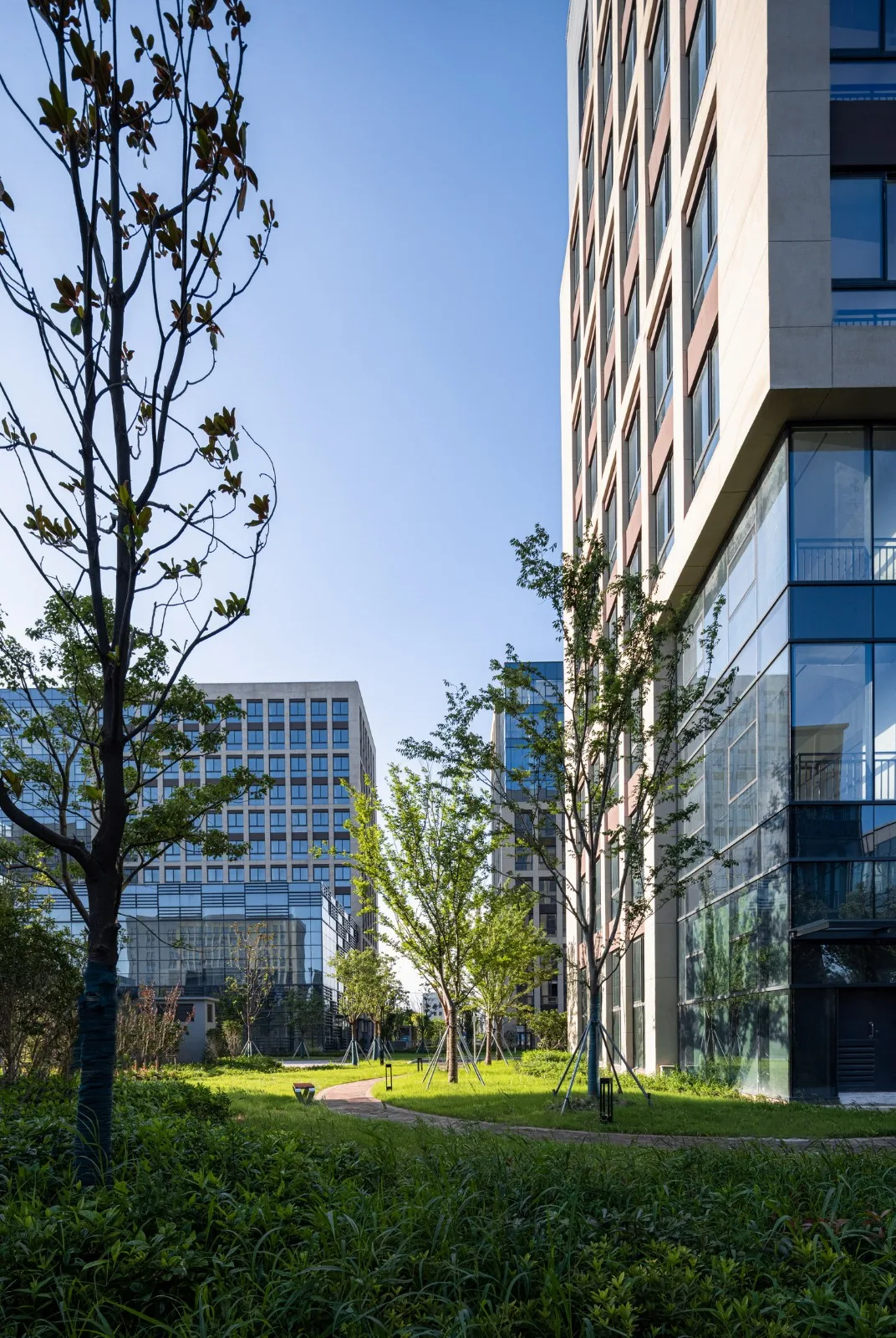
The park features four main business types: smart offices, standalone headquarters, talent apartments, and commercial facilities. This diversified portfolio supports a vibrant, 24/7 operational environment. Smart offices and headquarters cater to the personalized needs of various companies by offering flexible, differentiated office spaces.
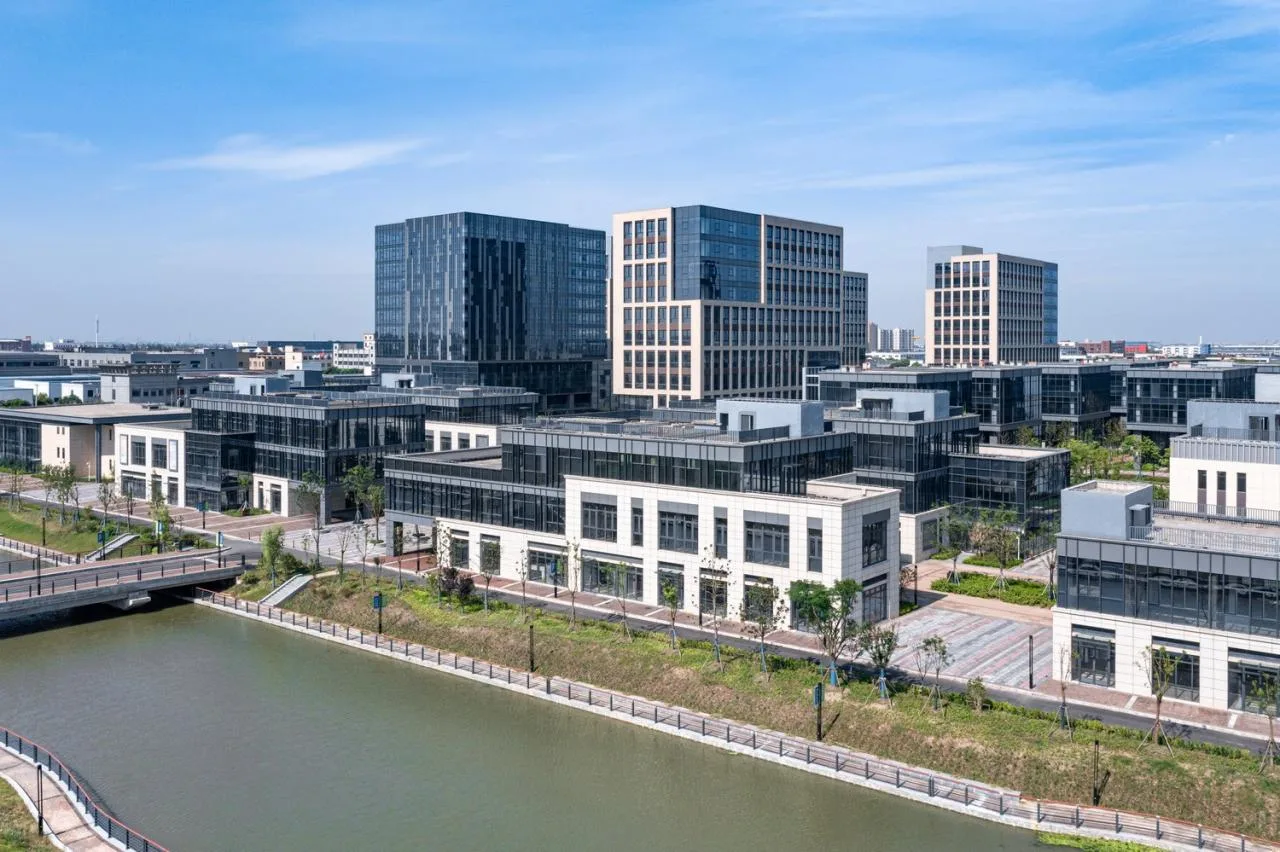
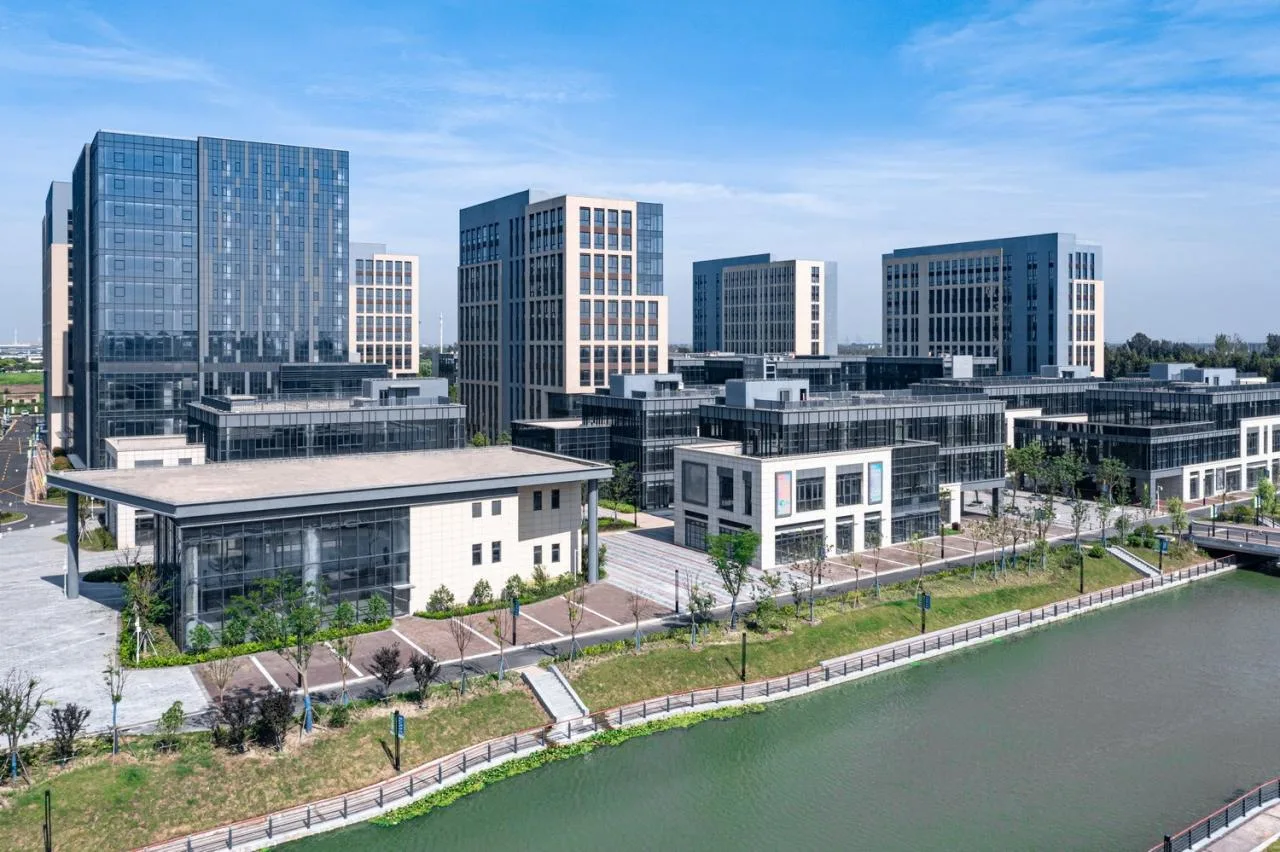
Talent apartments come in comfortable and compact types, meeting the needs of graduates, employees, and high-level professionals. Equipped with laundry, leisure, and fitness areas, these spaces provide high-quality living environments. Commercial facilities combine leisure, entertainment, dining, and sports to keep the park lively around the clock.
Using Commerce to Foster Cultural and Creative Industries
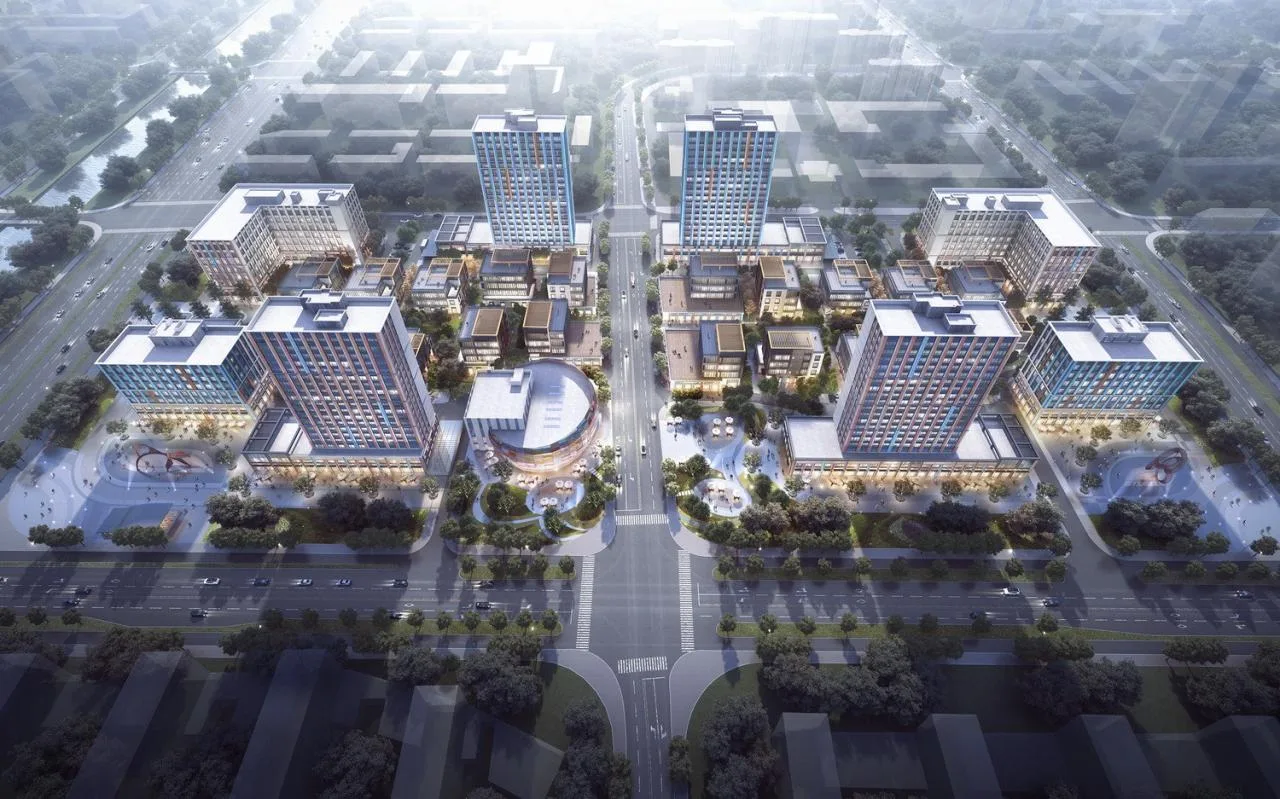
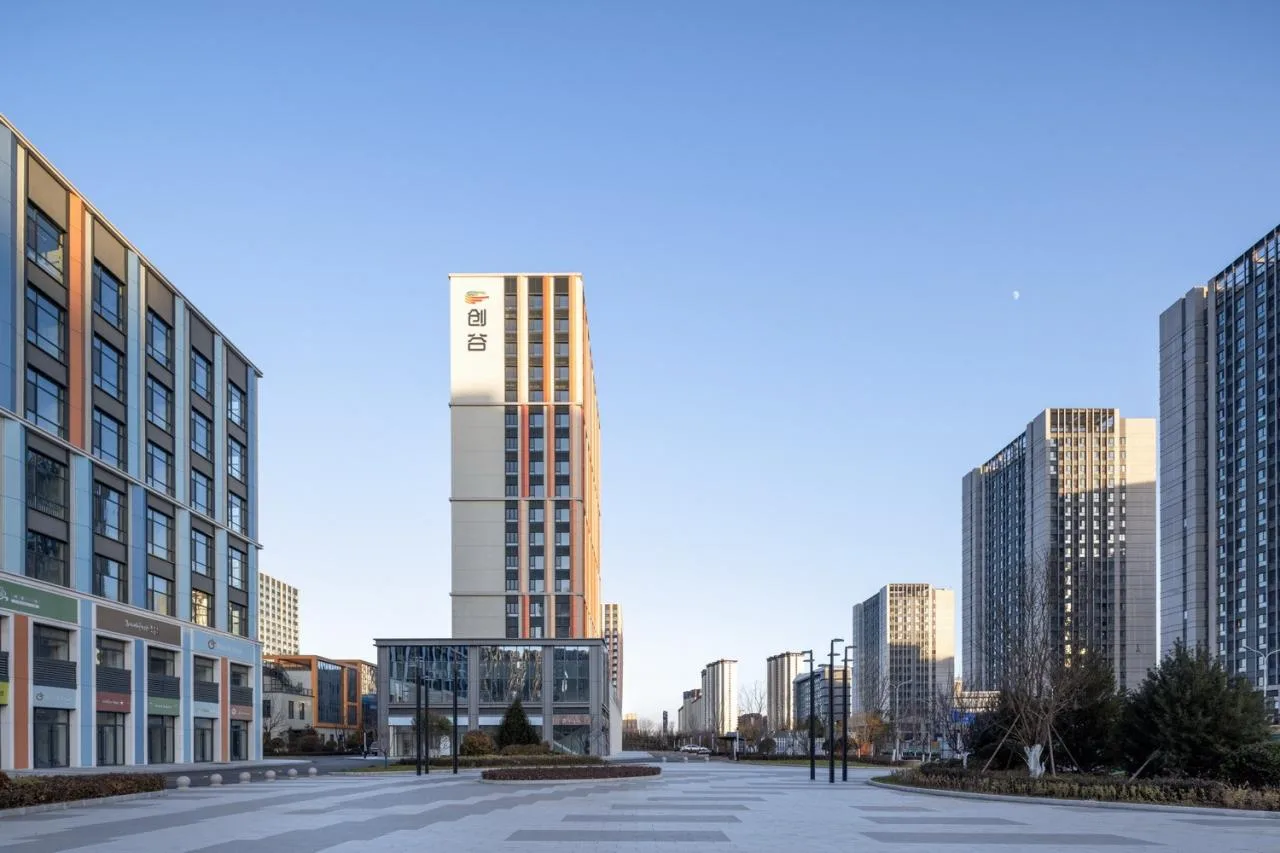
Shandong Land · Chuanggu Jinan International Innovation and Entrepreneurship Industrial Park is located in Tangye New City, Jinan’s first satellite city. It is part of Tangye’s “One Heart, Twelve Parks” initiative, focusing on innovation and entrepreneurship. The project effectively blends industry and commerce to support industrial development alongside new urban growth.
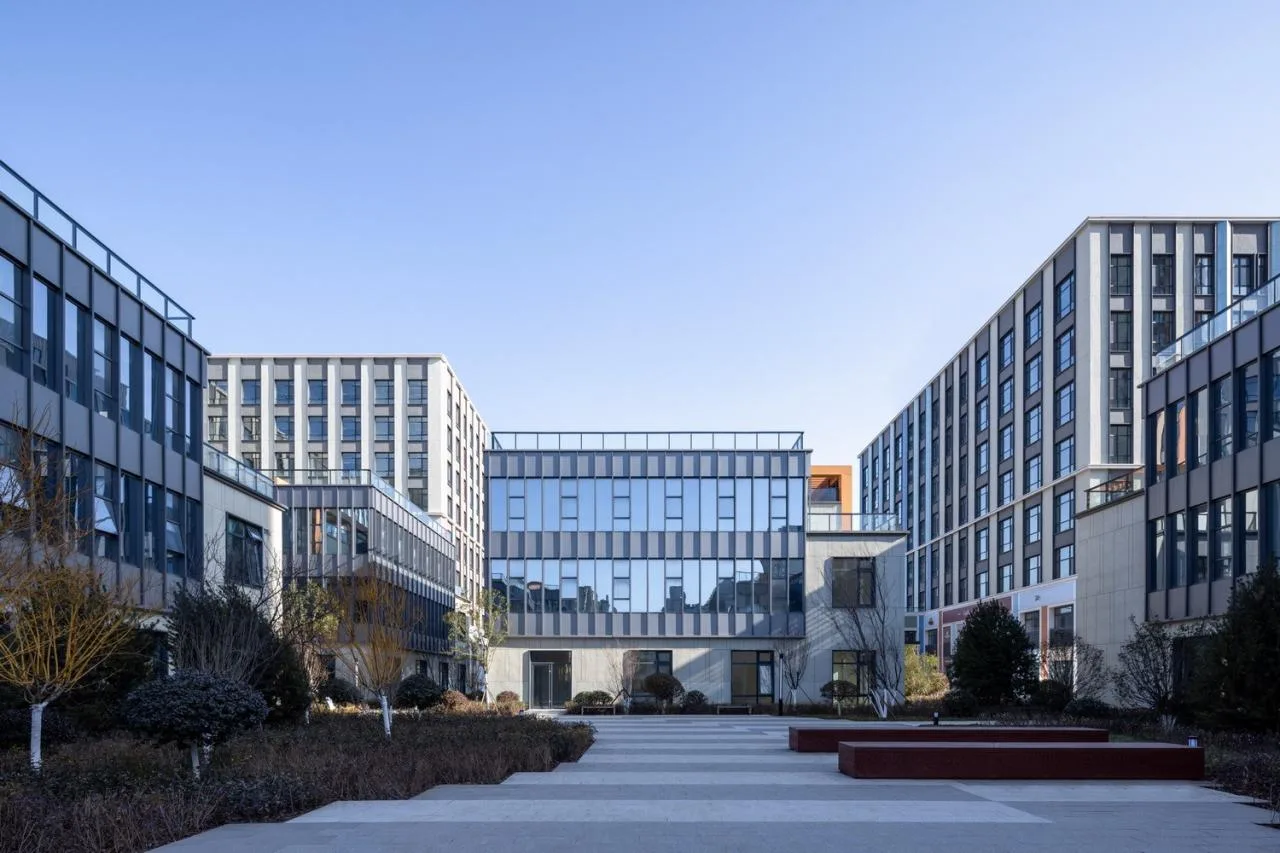
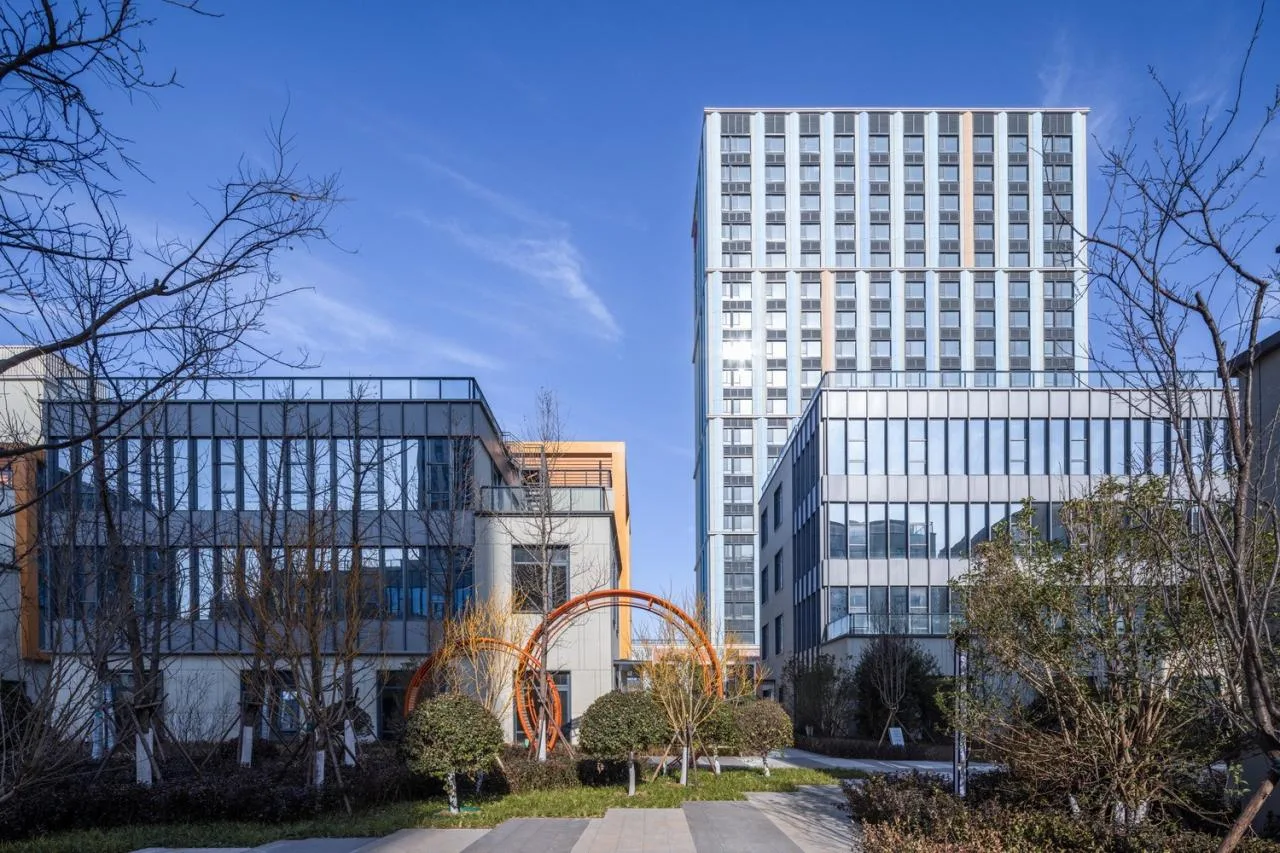
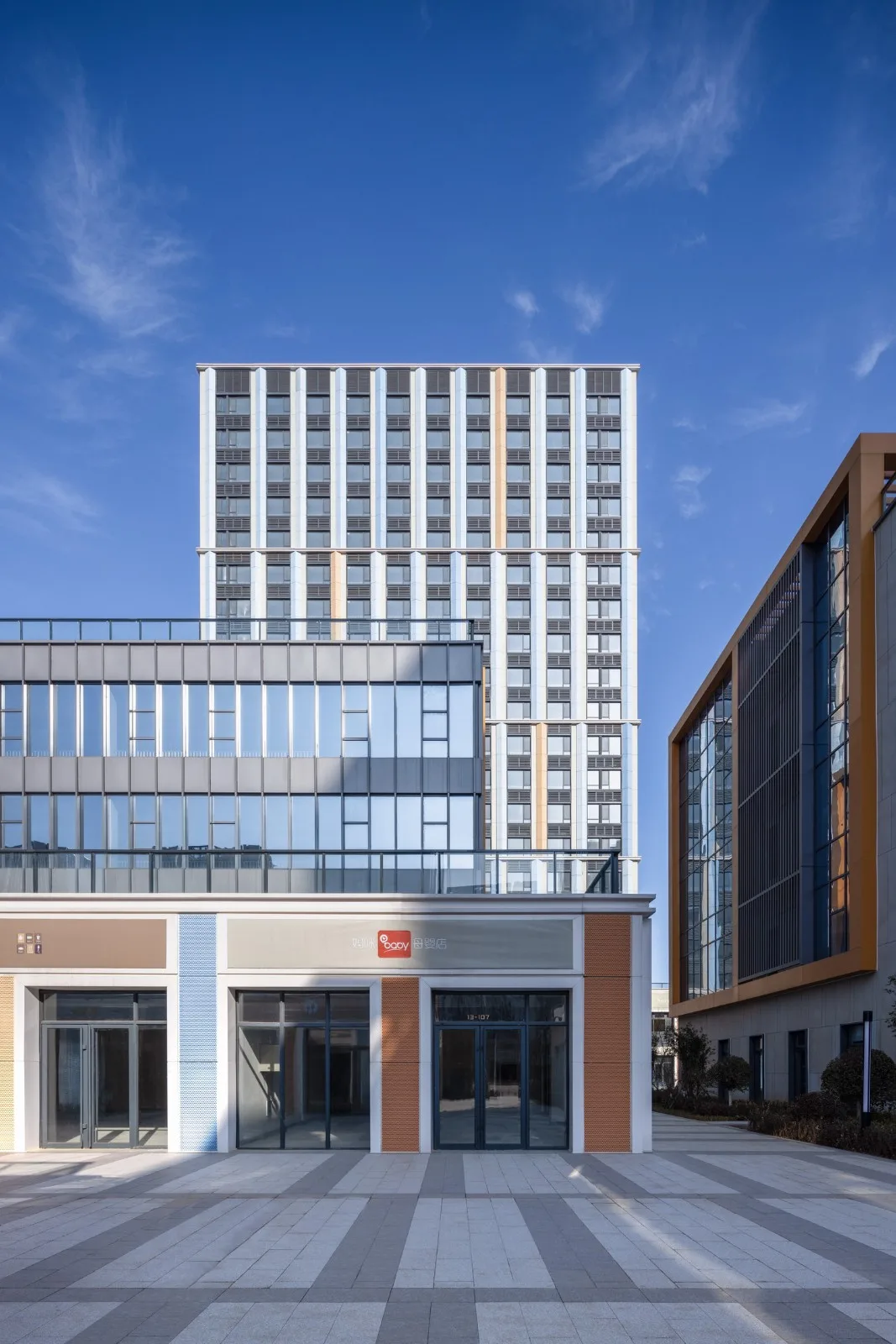
The park’s planning emphasizes urban spatial integrity, integrating the park into the city’s overall fabric through strategic building cluster layouts. Commercial spaces are positioned along the park’s perimeter streets to create vibrant commercial zones that attract foot traffic and catalyze cultural and creative industry development. The design responds to the city’s edges while activating interior spaces, blending apartments, offices, and commercial uses to foster a lively urban environment.
03. The “Image Leading Path”
Creating Community IP to Showcase Regional Identity
Every industry and region carries unique stories, cultures, and histories. Integrating these distinctive characteristics into design imparts unique identity and soul to communities, attracting talent and investment.
Defining Regional Landmark Images
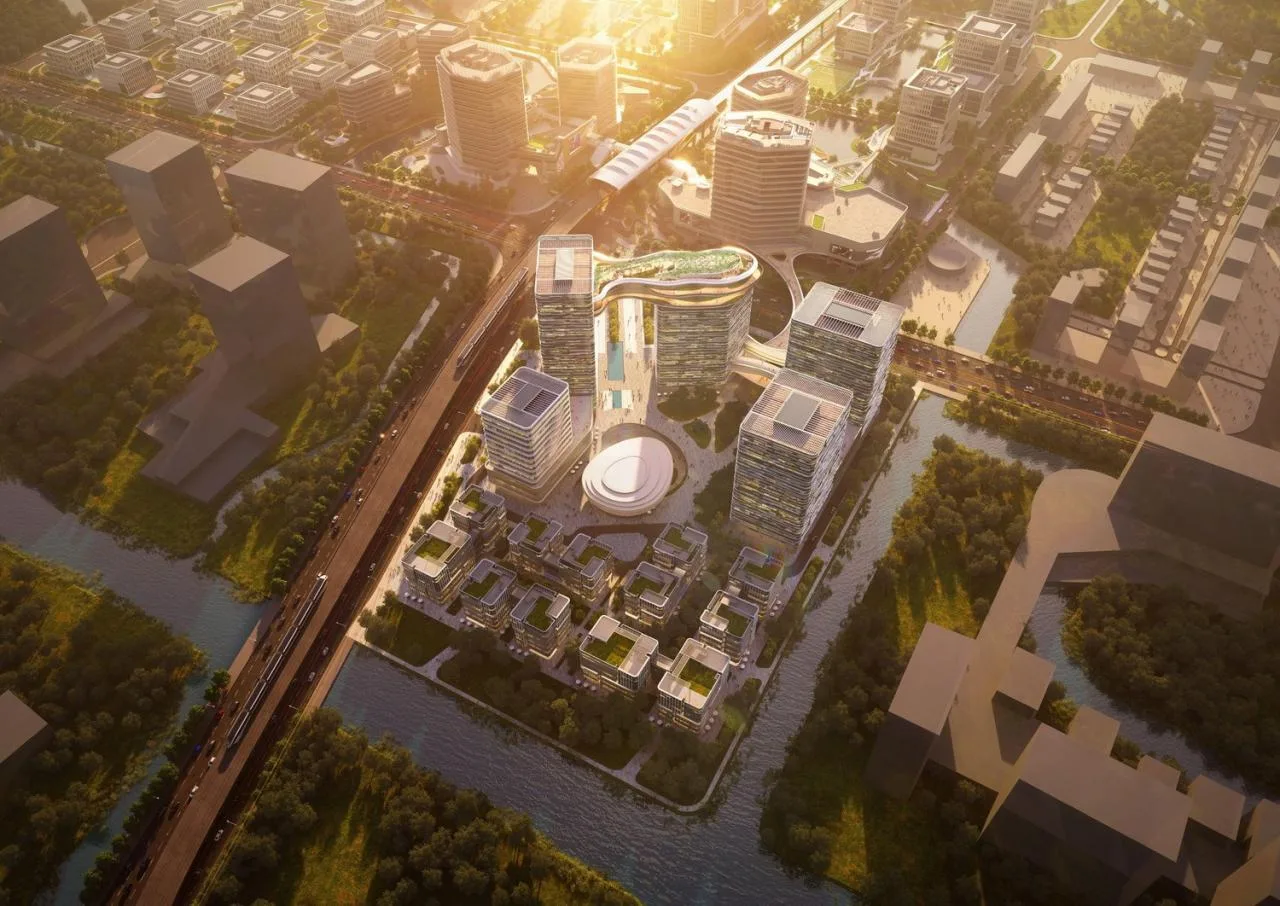
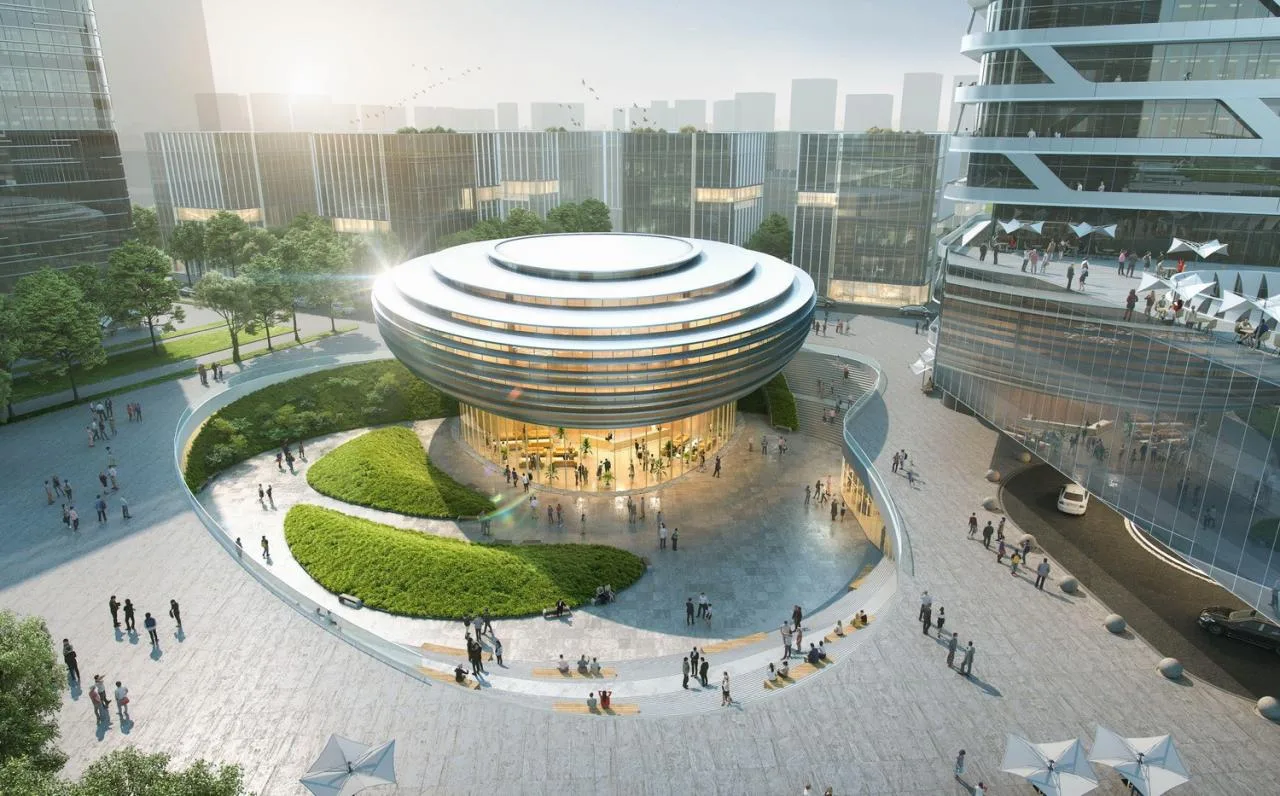
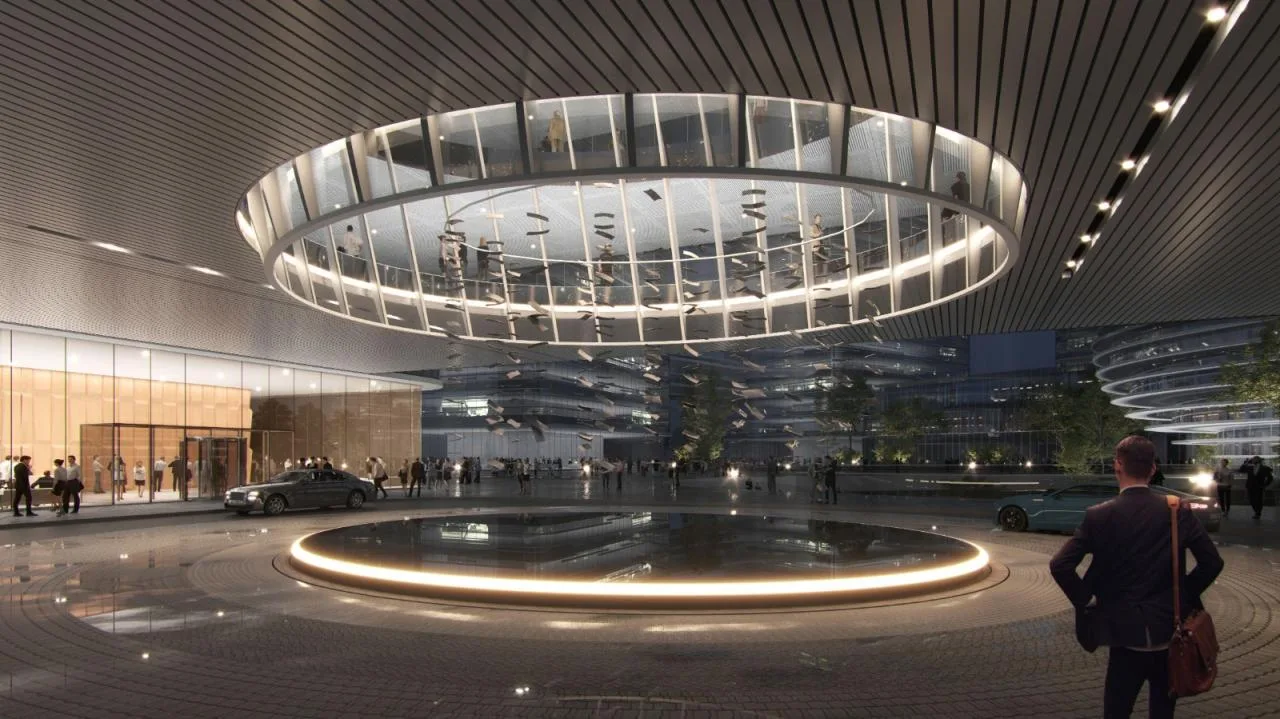
The Shanghai Qingpu Yunli Digital Technology Industrial Park serves as a key northern gateway to the Shanghai West Software Information Park. Its mission is to enhance the park’s image and strengthen the digital information industry chain. The project significantly boosts the region’s scientific innovation brand, connecting industrial expansion in Jiangsu and Zhejiang, and supporting the creation of a globally influential innovation demonstration base.
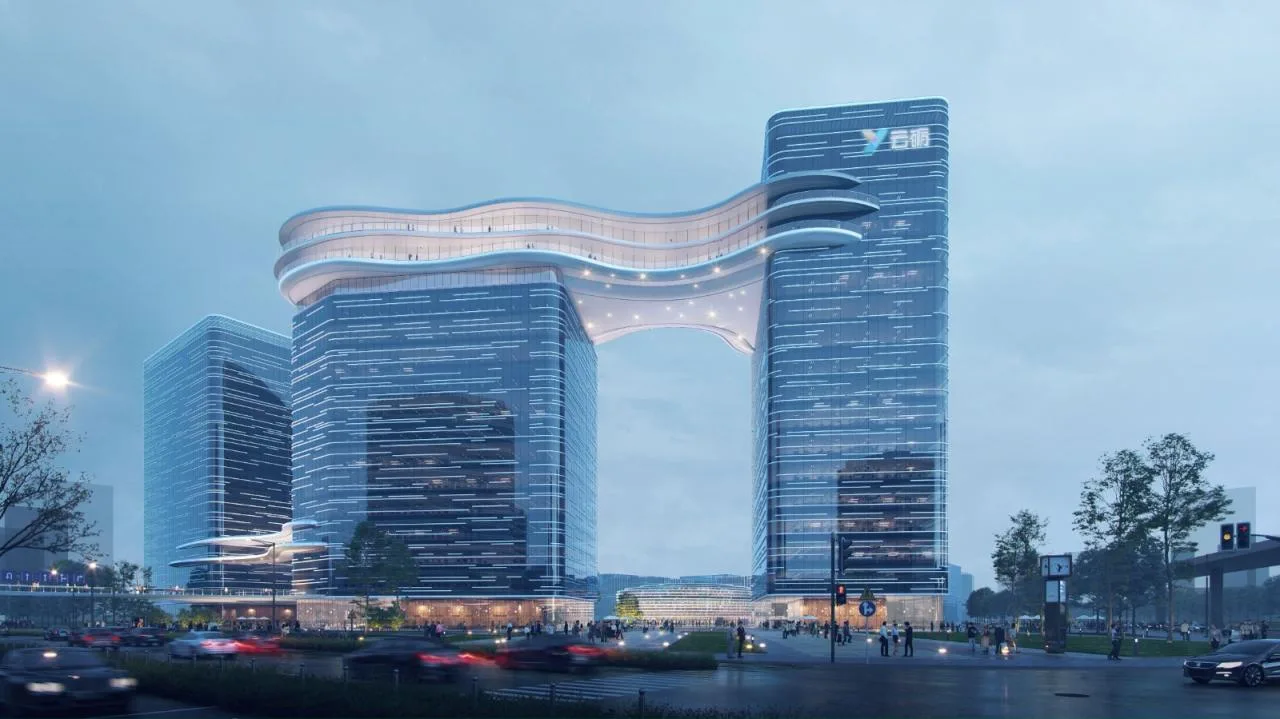
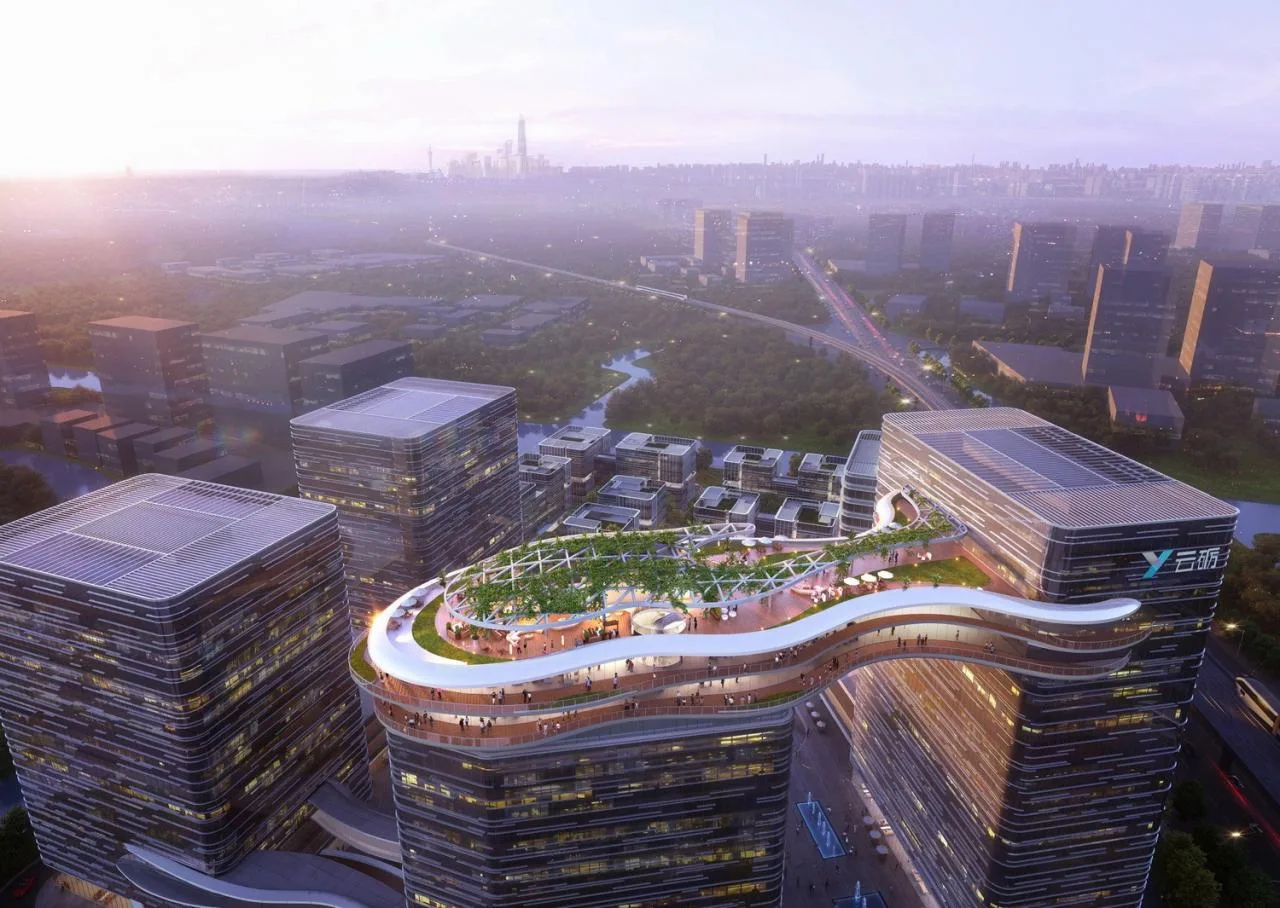
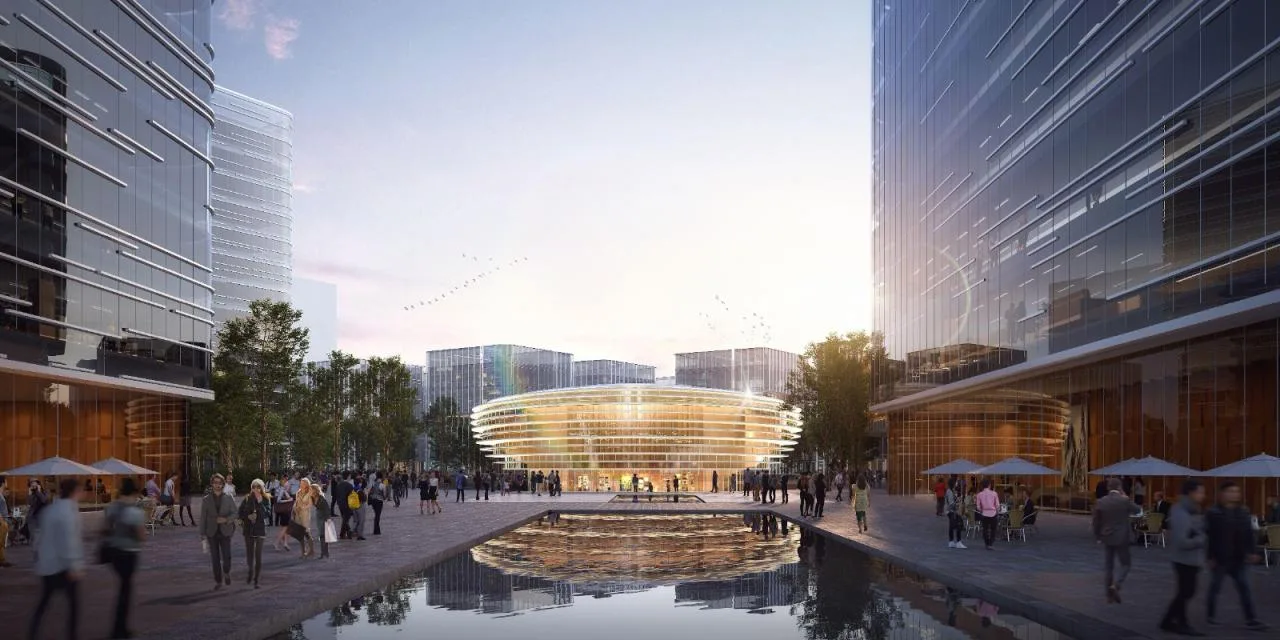
The design concept, named “digital cloud gate,” uses simple geometric forms, unique cloud platform facades, and iconic large structures to create a regional landmark. This landmark symbolizes the future-focused technological gateway and leads the region’s innovative development.
Creating Distinctive Industrial Cultural Symbols
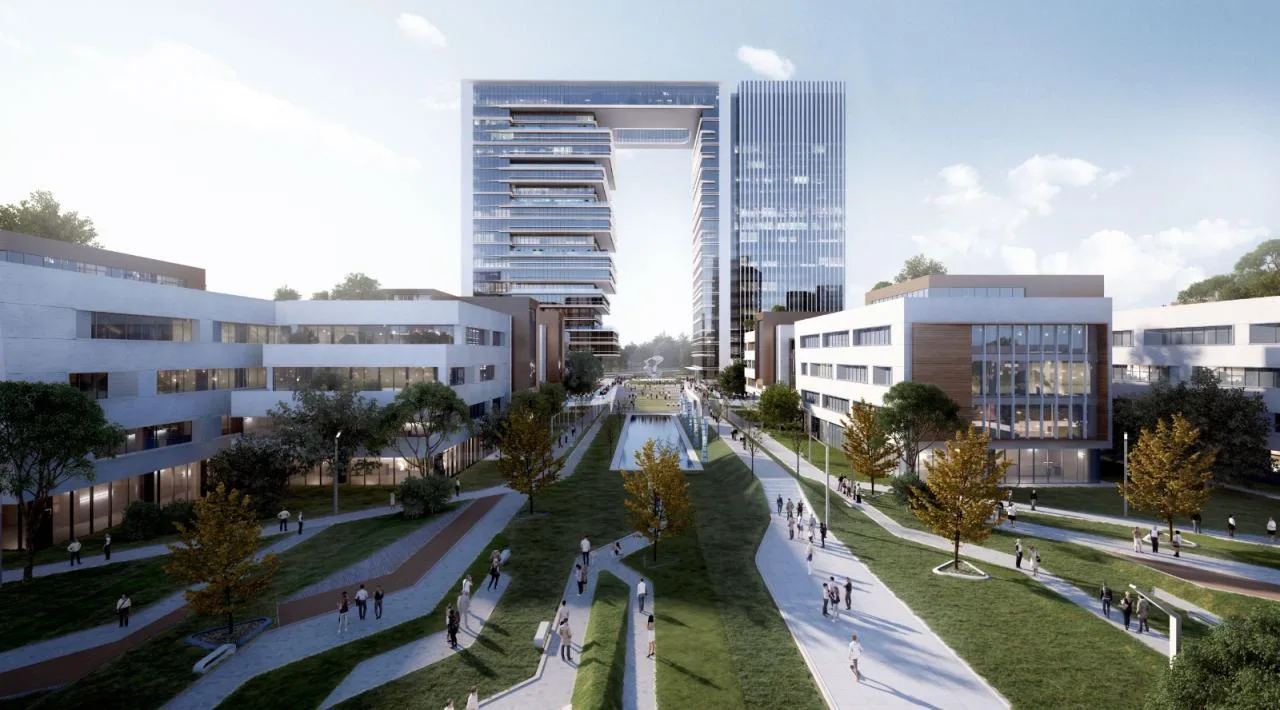
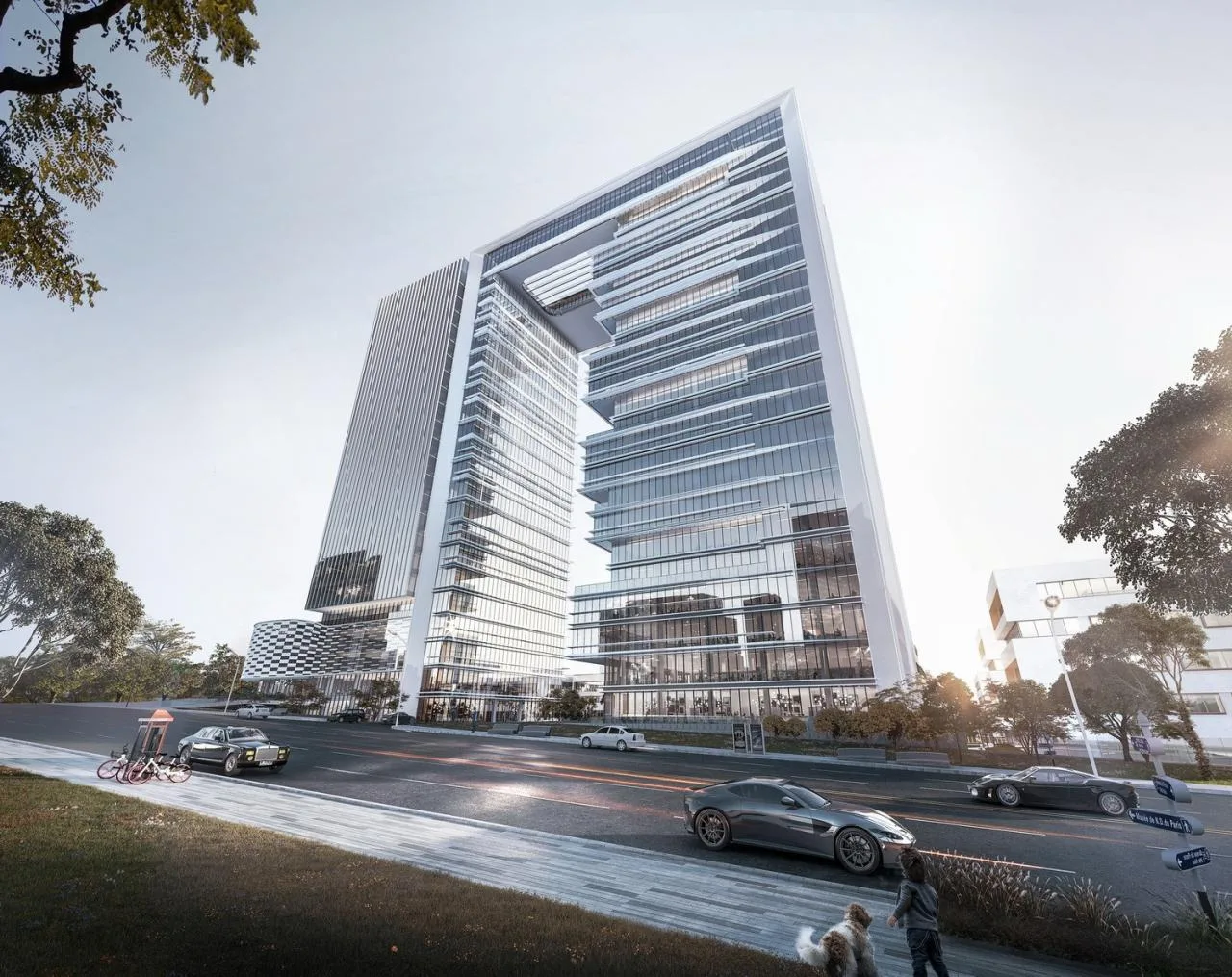
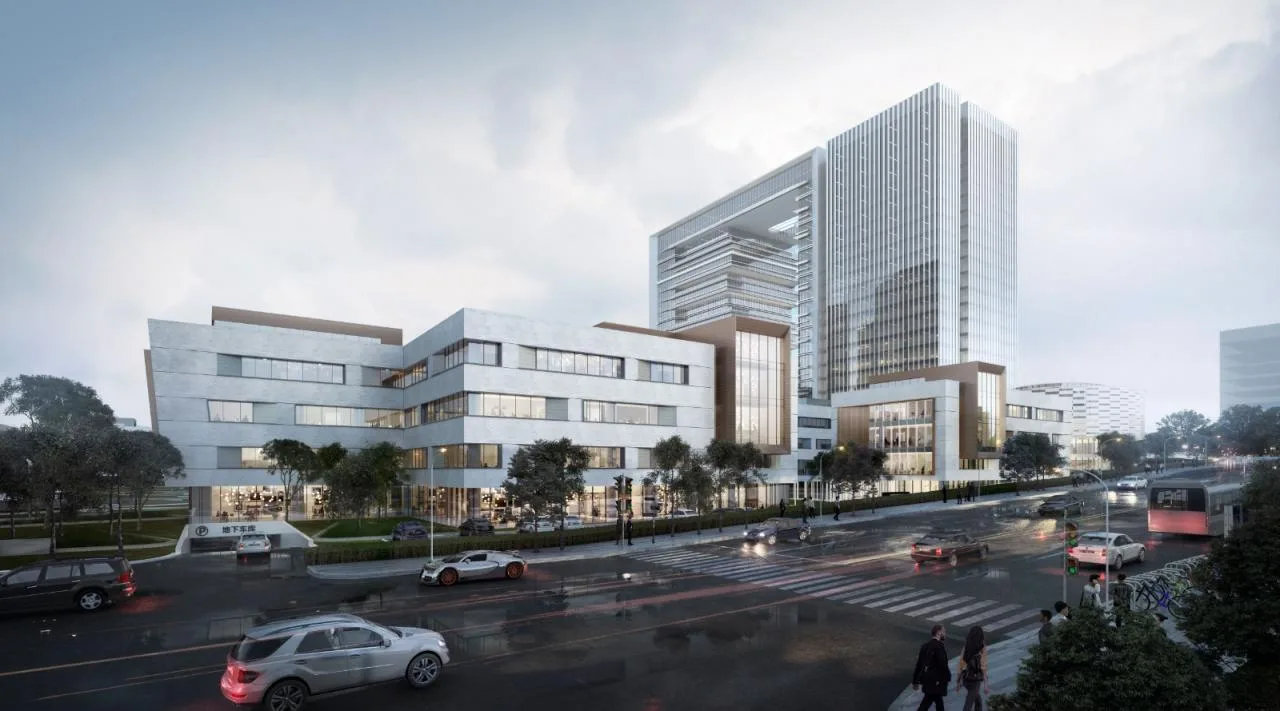
The Xi’an Aerospace Ecological Base Digital Ecological Industrial Park, located in Chang’an District, Xi’an City, focuses on big data as a shared core technology. Its design injects personalized elements while balancing uniqueness and cohesion to create a distinctive regional industrial cultural symbol called the “Gate of Data.”
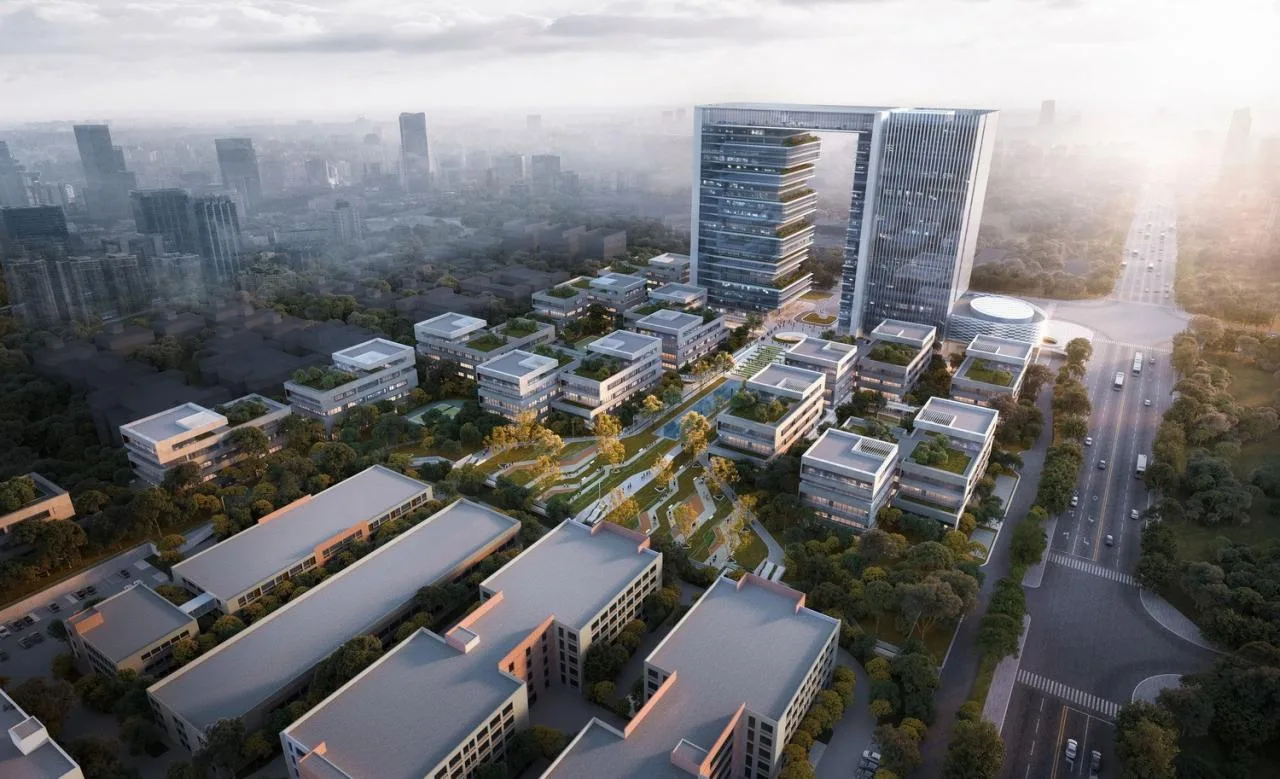
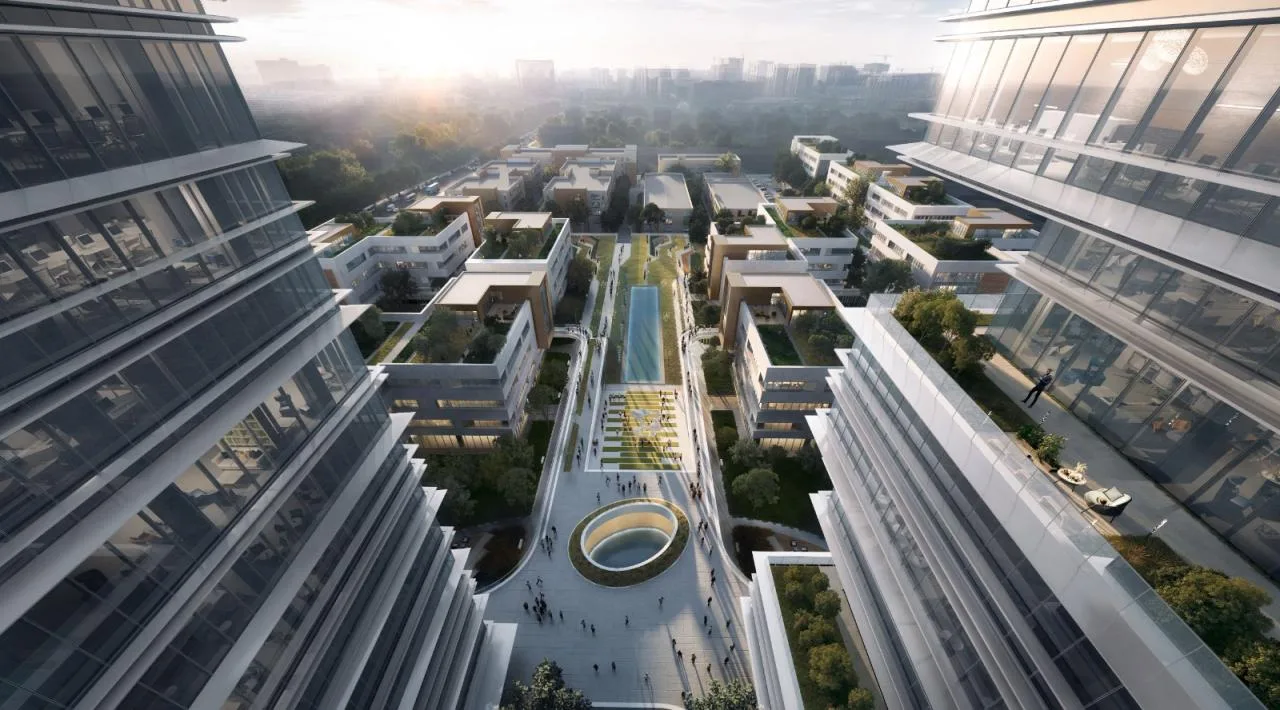
The park’s planning follows the operational logic of the big data industry, guiding data flow through a towering data gate and a series of connected landscapes and office spaces. The design integrates forest greenery to enhance the ecological environment and culminates in a data matrix core, envisioning a future digital ecology.
04. The “Operational Flexibility Path”
Adapting to Flexible Operational Models with Modular Product Combinations
Unlike traditional investment attraction, today’s urban advantage lies in operational capability. Industrial parks face uncertainty in future tenants and uses, so design must emphasize adaptability and flexibility without compromising the park’s core positioning.
Flexible and Versatile Product Portfolio
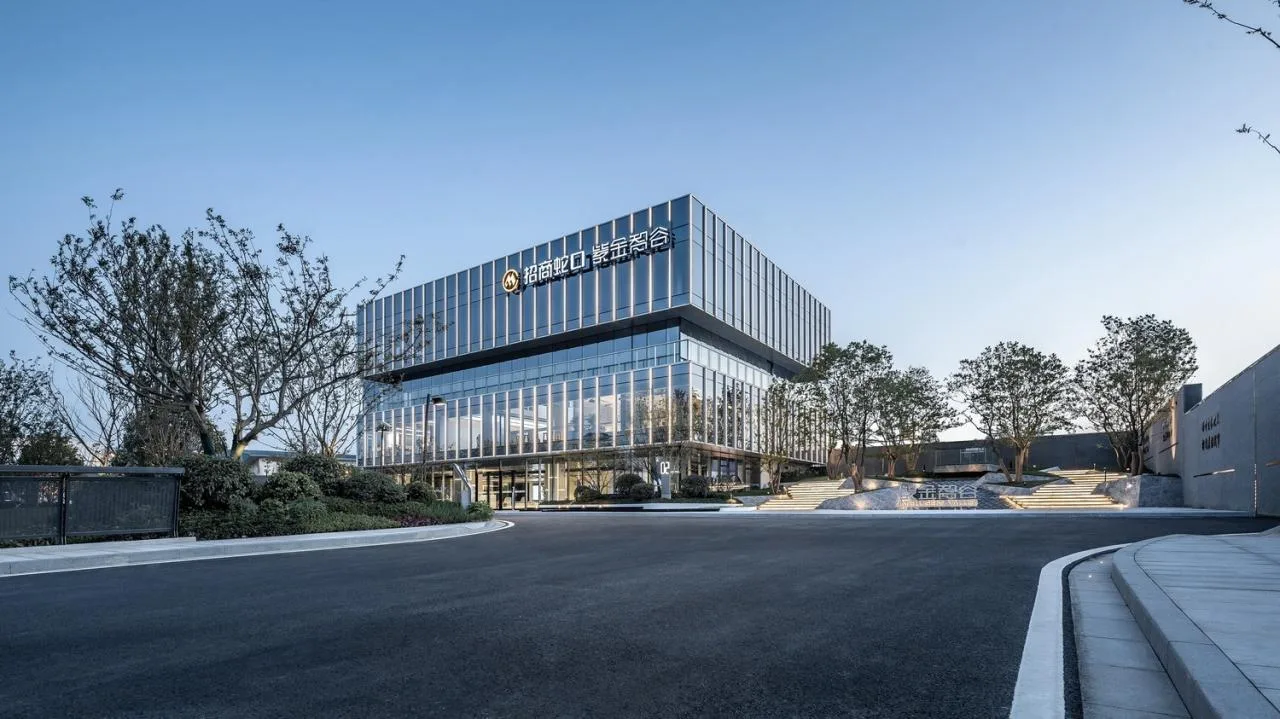
△ Nanjing Merchants Zijin Zhigu Artificial Intelligence Industrial Park
Industrial park office buildings face frequent user changes and uncertainty, requiring maximum flexibility within regulatory frameworks.
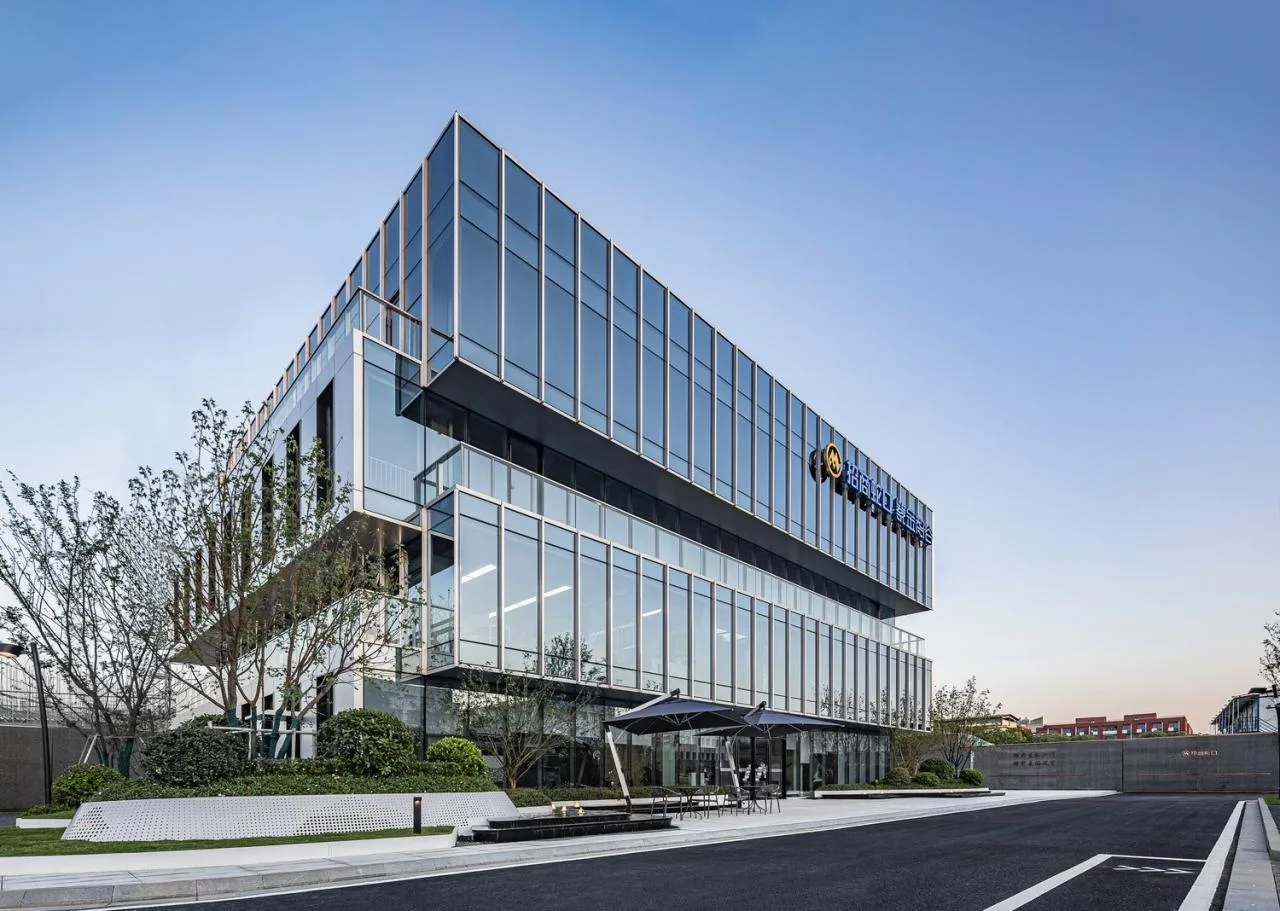
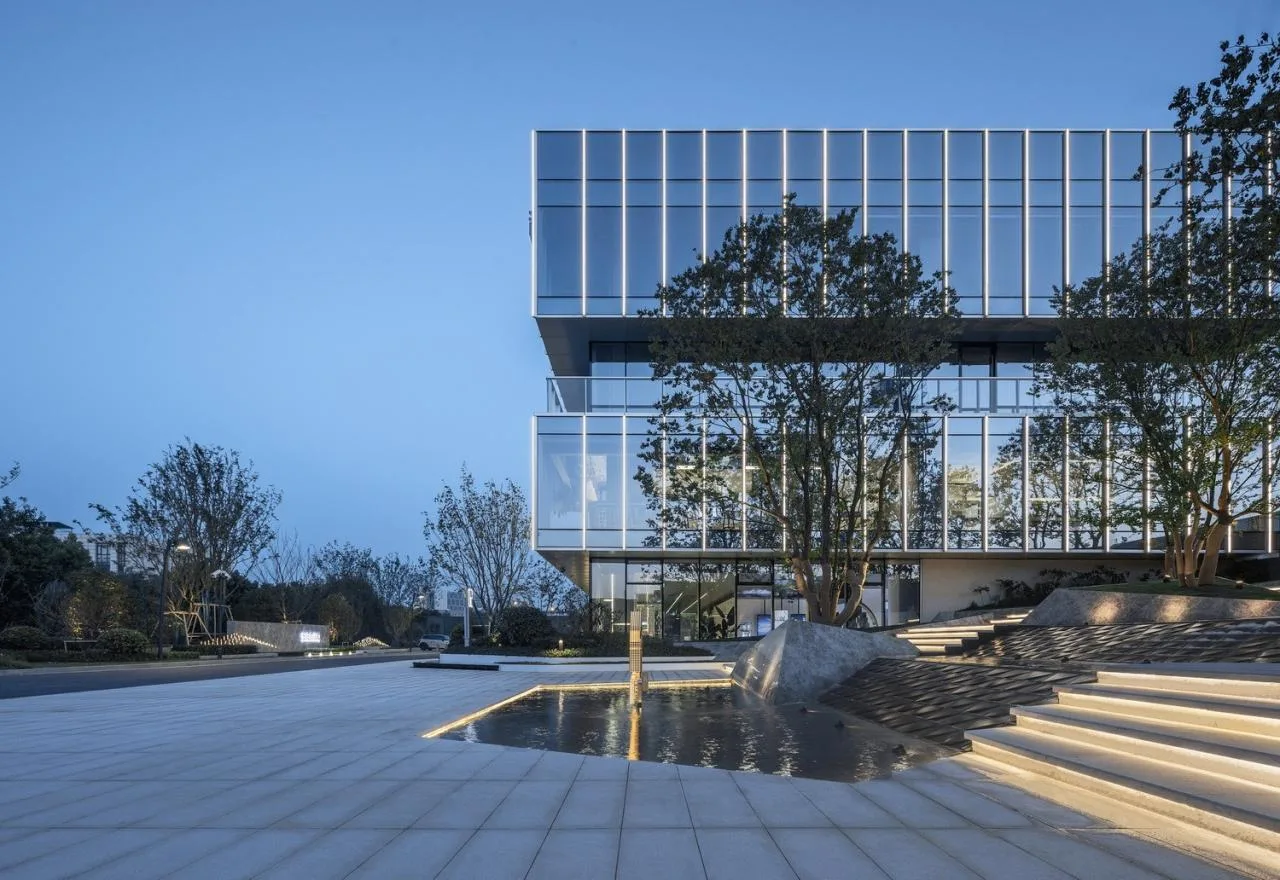
Located in Maqun Science and Technology Park, Nanjing CMB Zijin Intelligent Valley is the first AI-focused industrial park in Qixia District. Developed by Sanyi China and CMB Shekou, it enjoys a prime location near Purple Mountain.
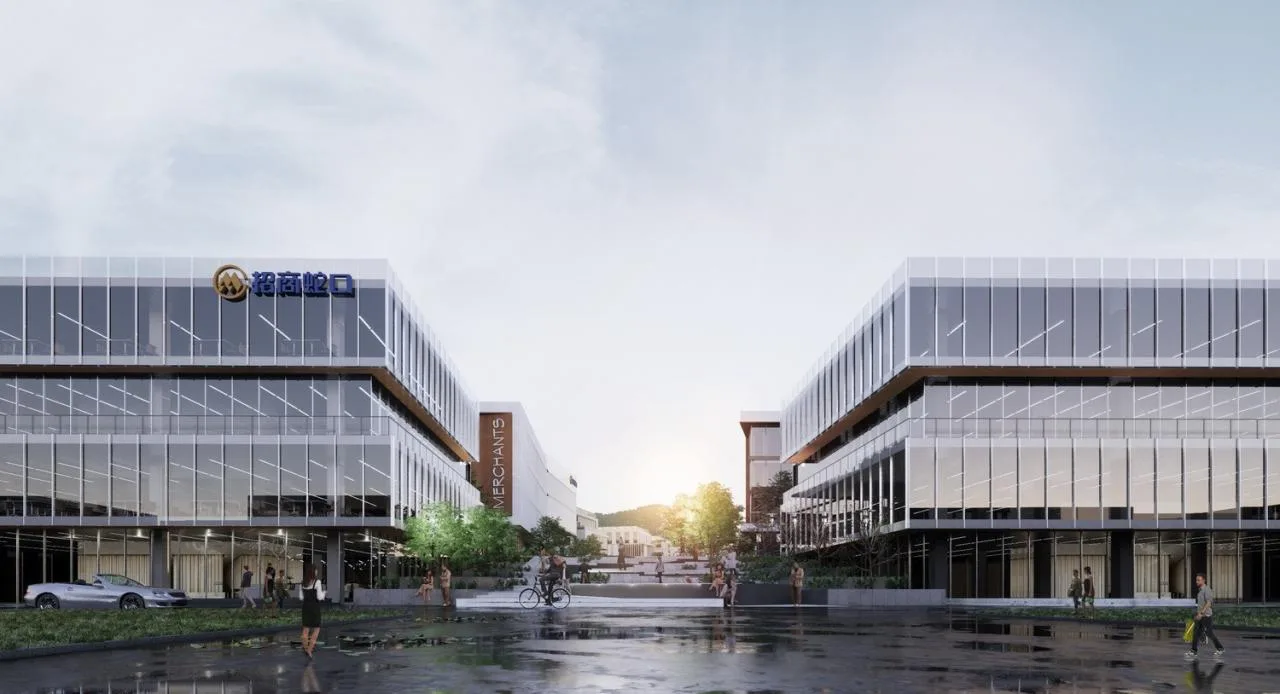
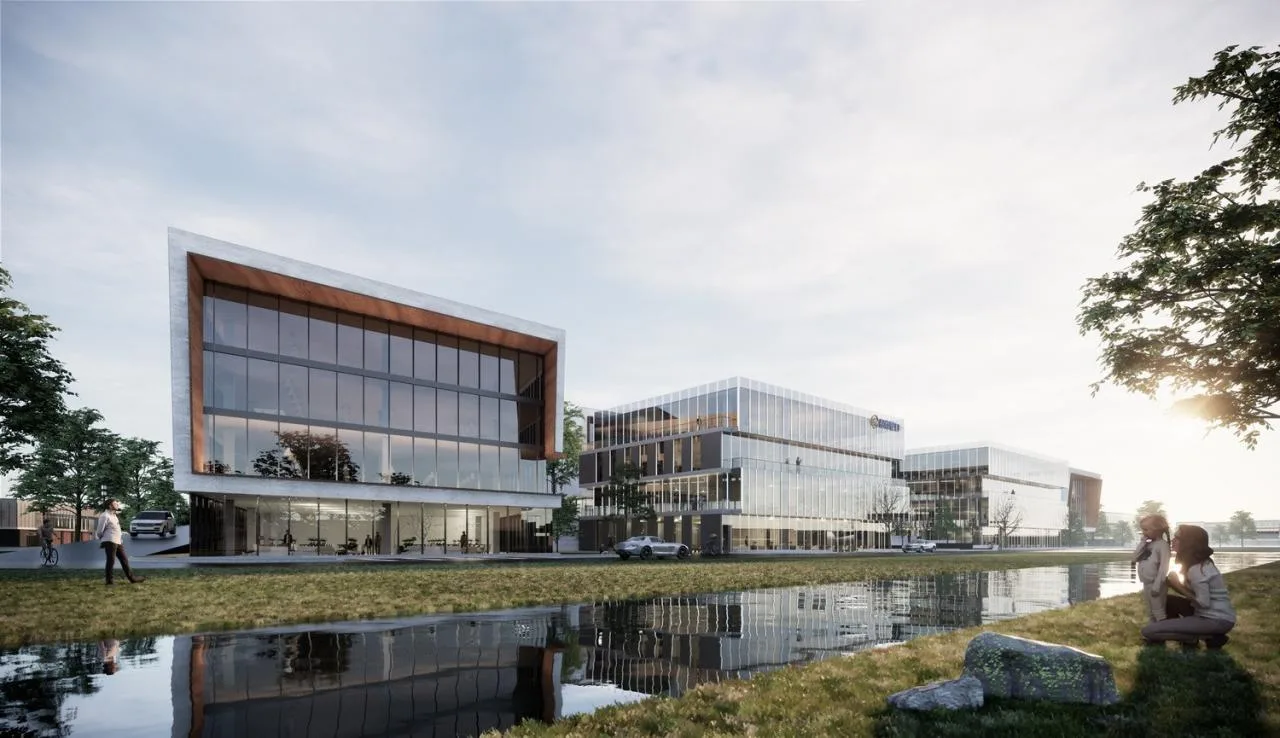
The design centers on views of Purple Mountain, creating a central garden axis from the park entrance that connects all AI-related facilities. Buildings are arranged on the north and south sides to maximize shared green space.
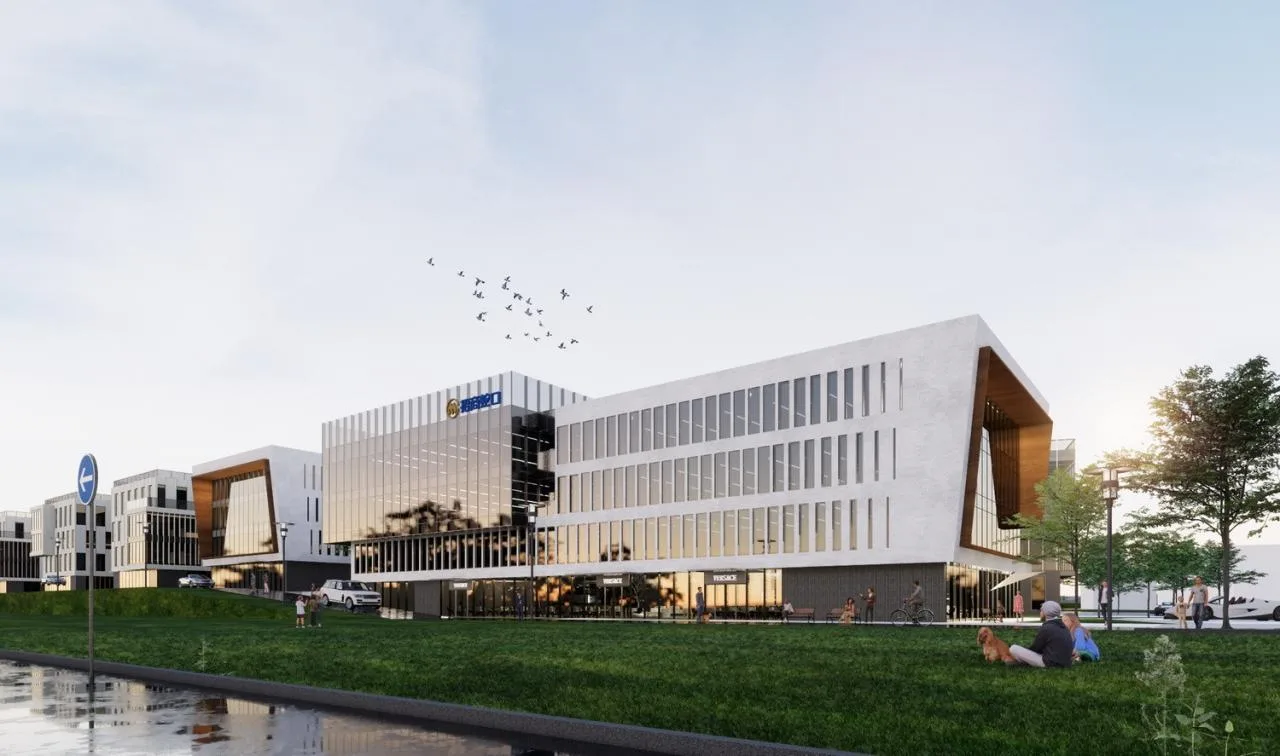
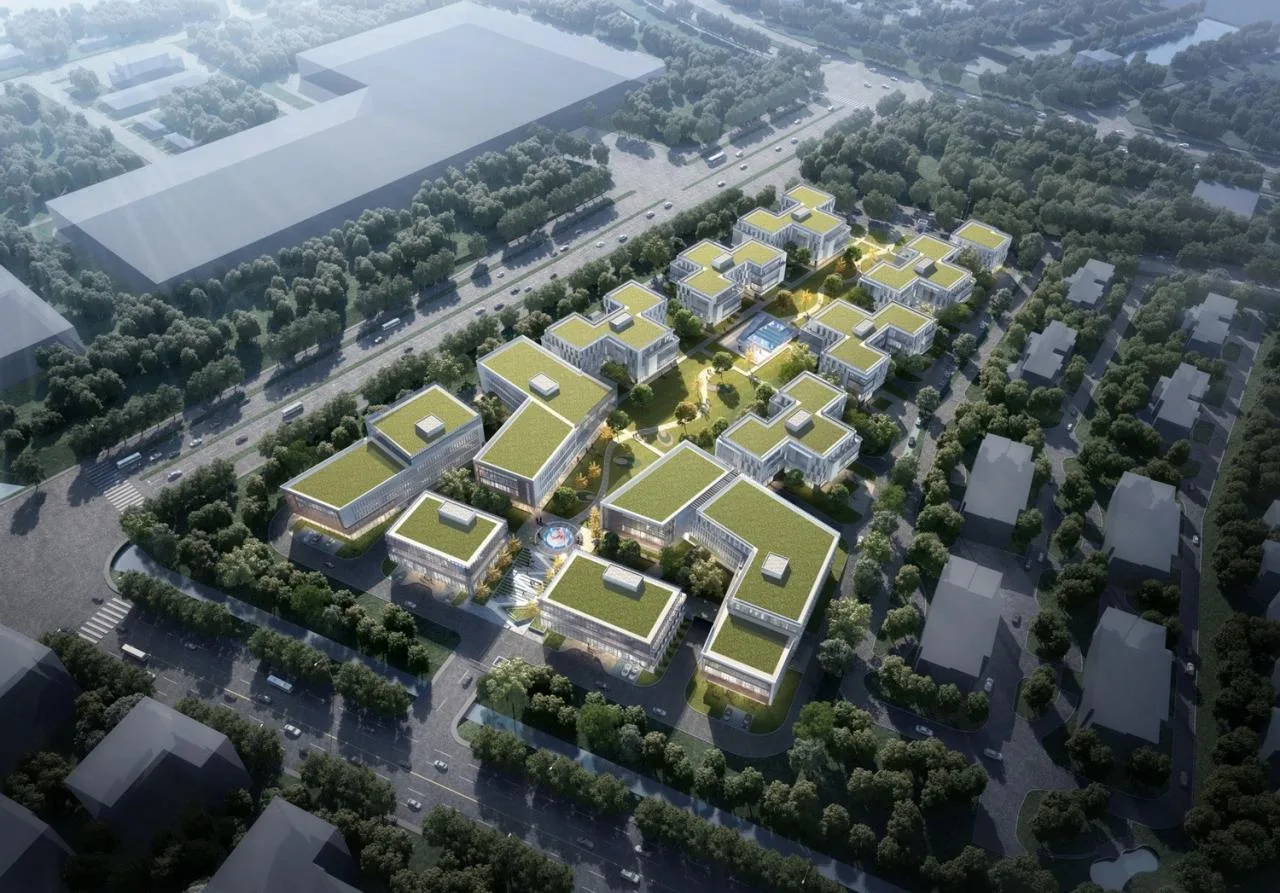
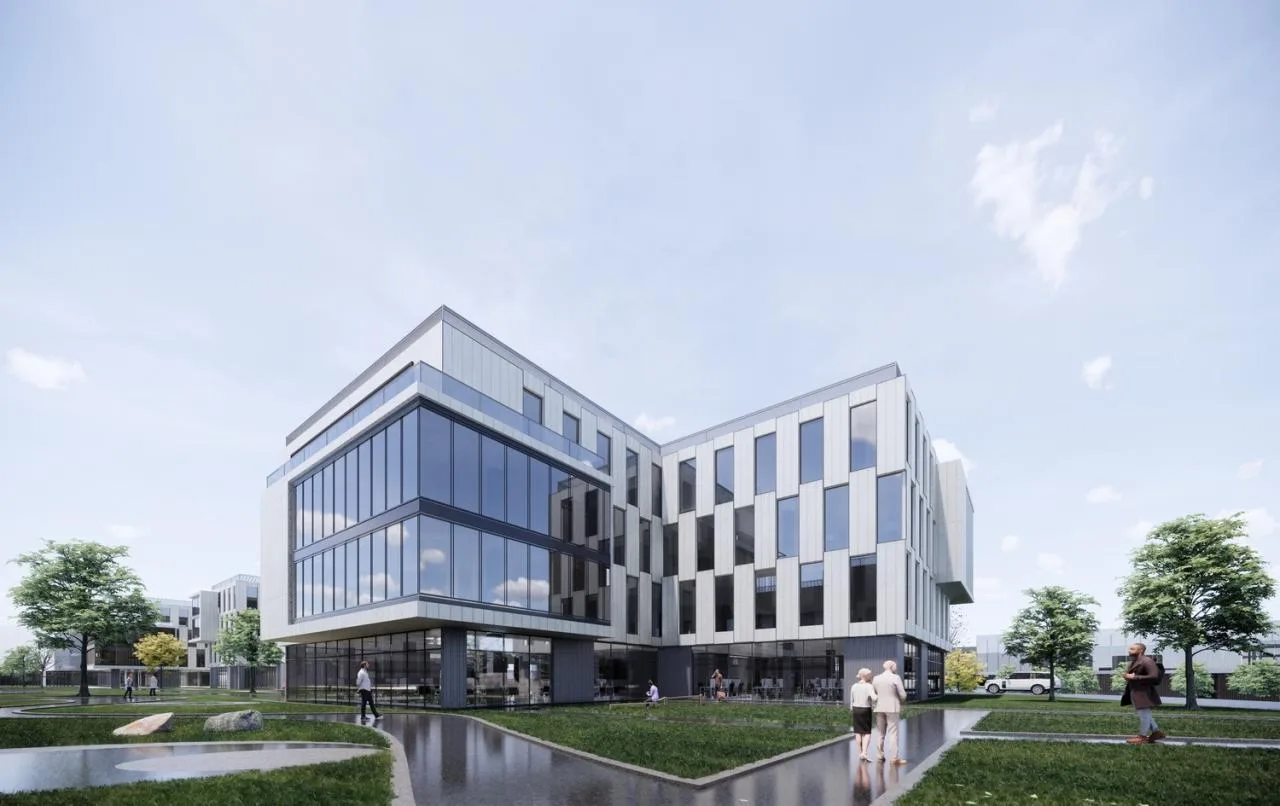
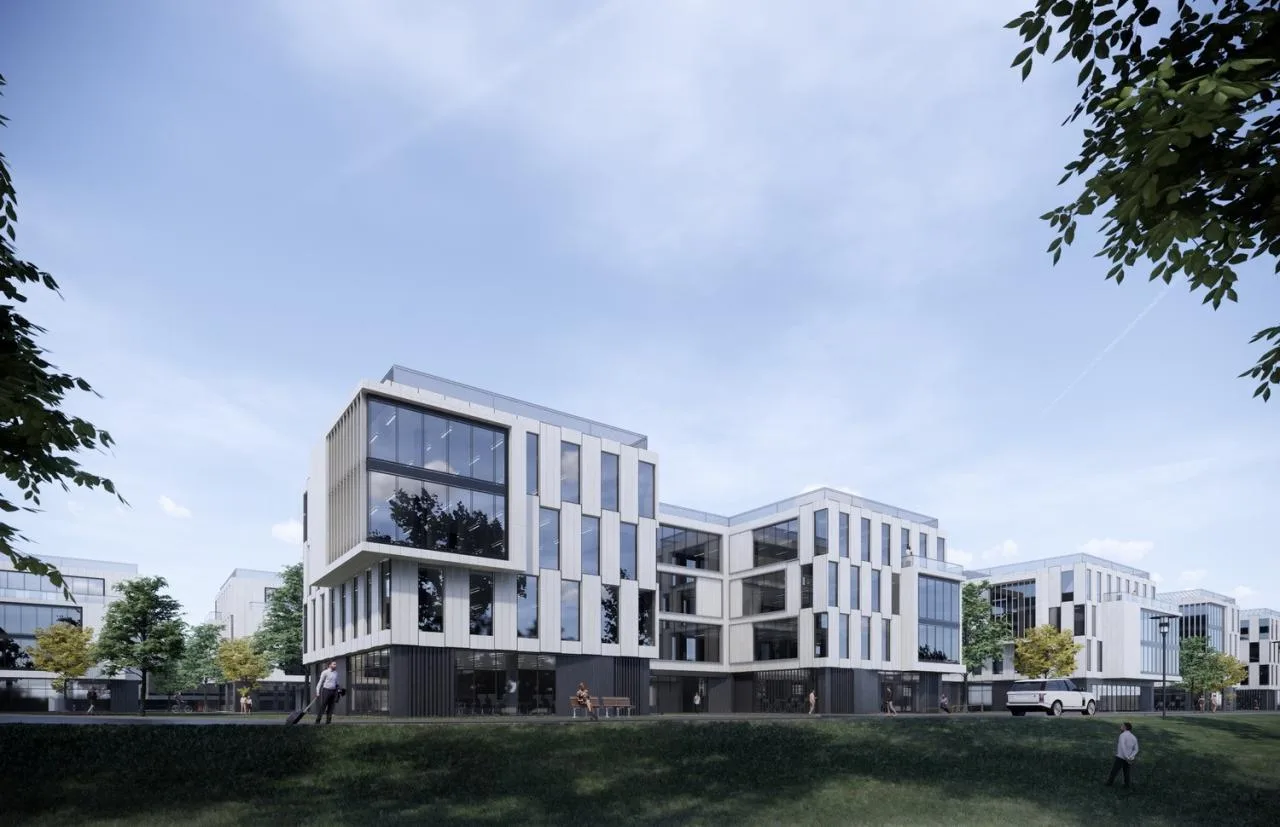
To meet planning requirements for 300-square-meter units, architects developed a flexible “cross-shaped” modular design. Units can be divided or combined, offering varied office spaces. Enterprises can occupy part of the cross or entire floors, scaling as they grow.
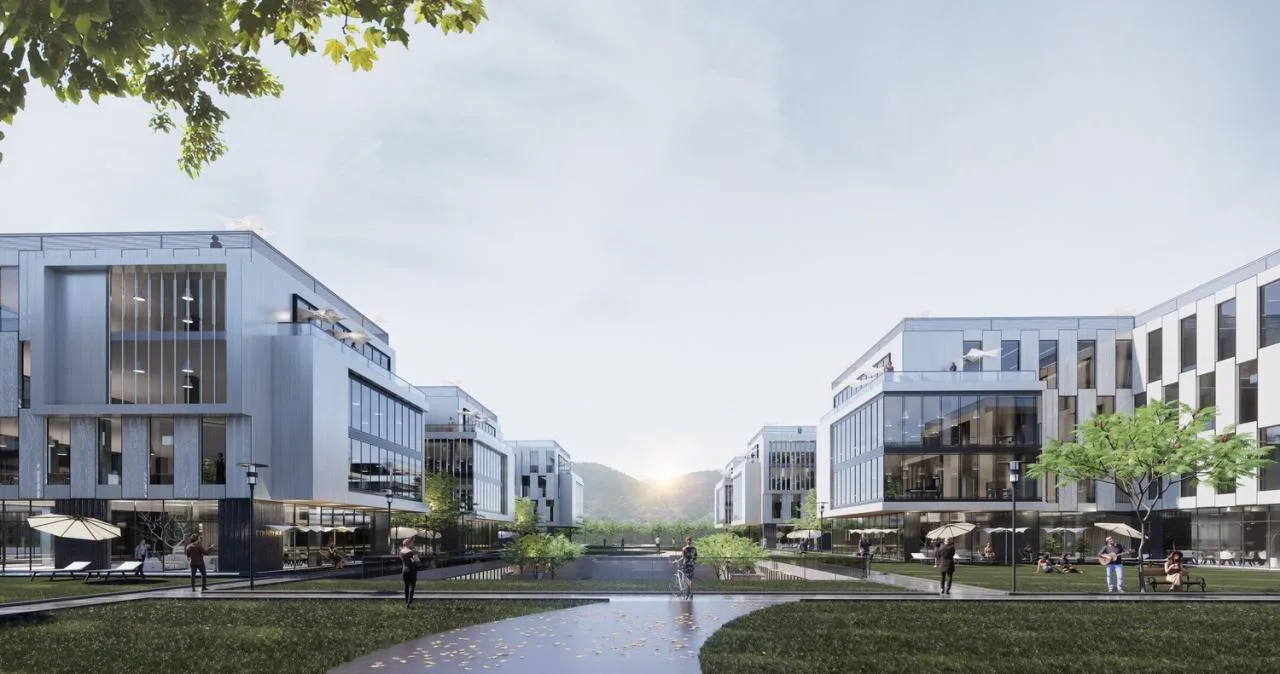
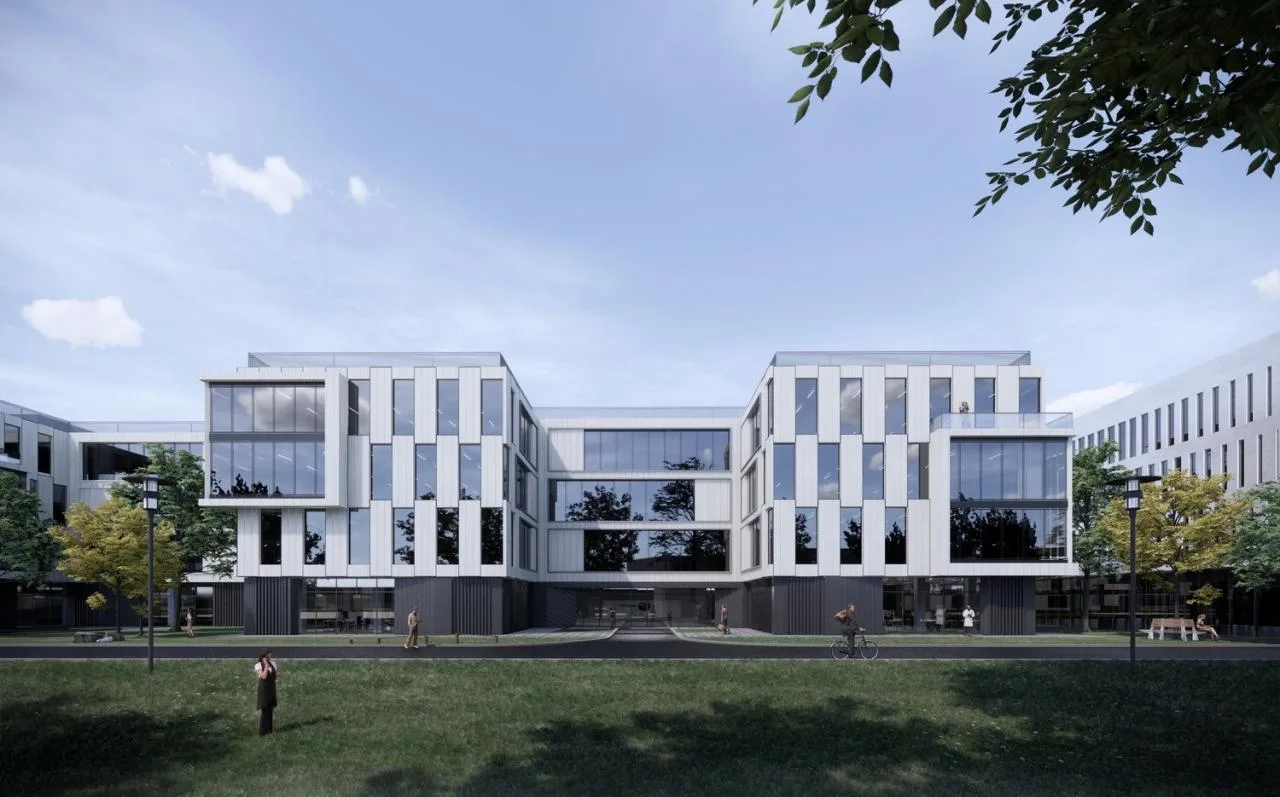
The design uses product thinking with staggered cross-shaped architecture to integrate the city and site, opening the main axis toward Purple Mountain and penetrating every office cluster. This shared axis embodies the interactive theme of the AI industry.
Product-Oriented Spatial Modules
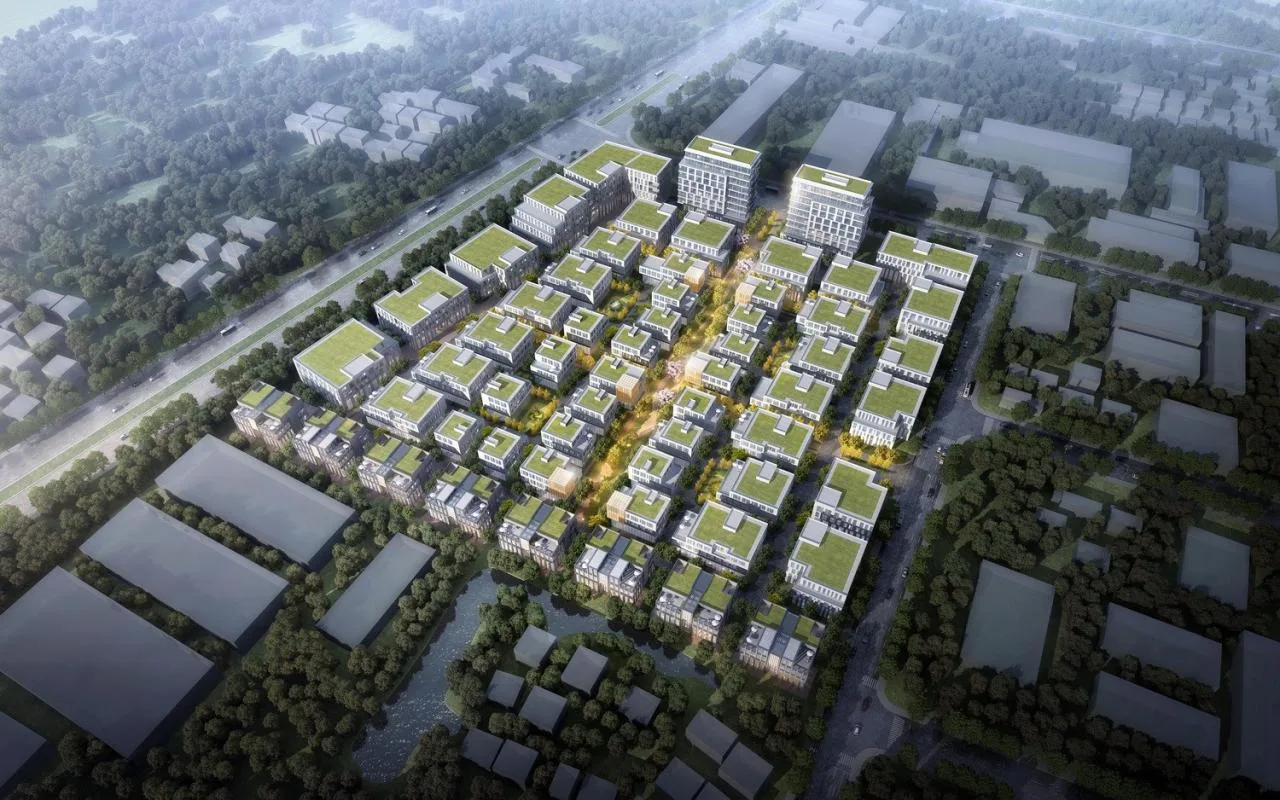
△ Shanghai Baoji Intelligent Manufacturing Industrial Park
Optimizing rental and sales product allocation, coordinating format layouts, and creating composite spaces covering the entire industry lifecycle form the foundation of a successful industrial community.
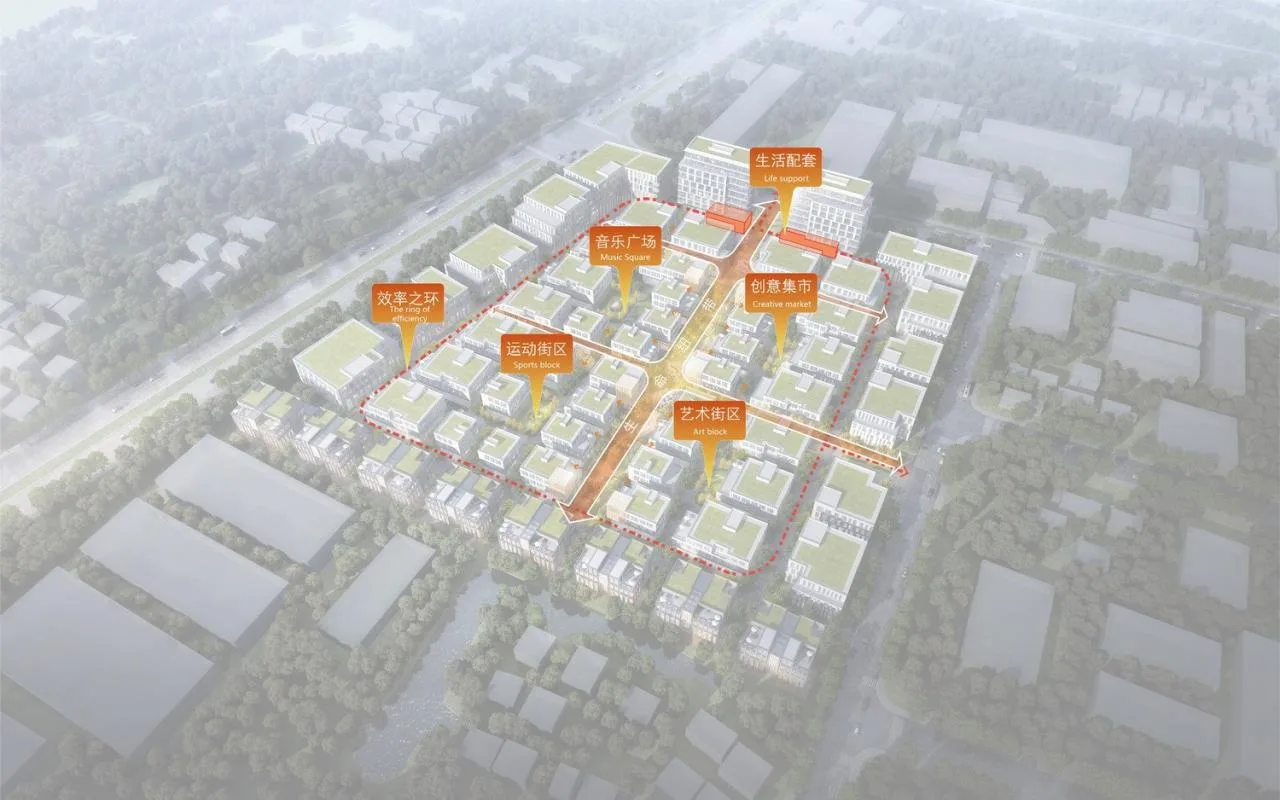
Shanghai Baoji Industrial Park integrates high-end intelligent manufacturing, medical equipment, and productive service industries, including production, R&D, support facilities, and residential areas.
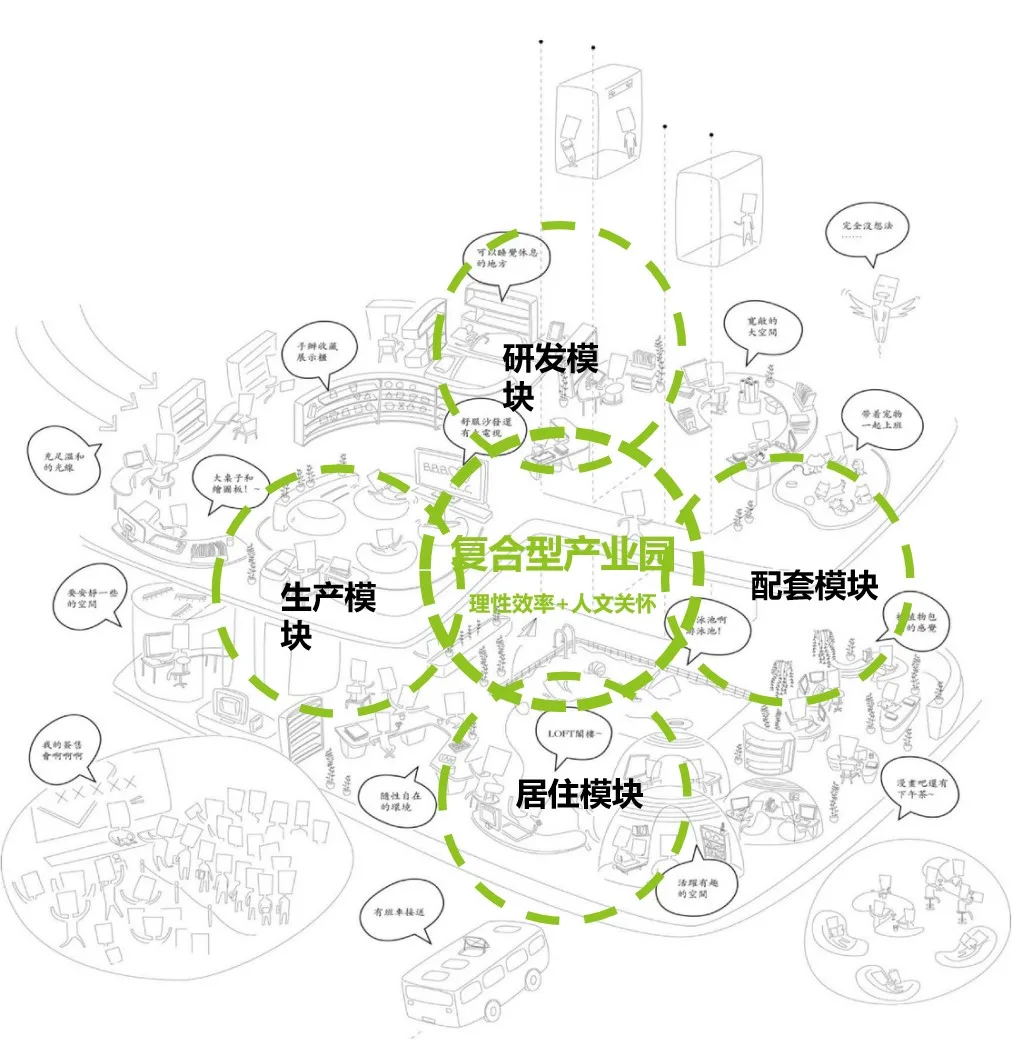
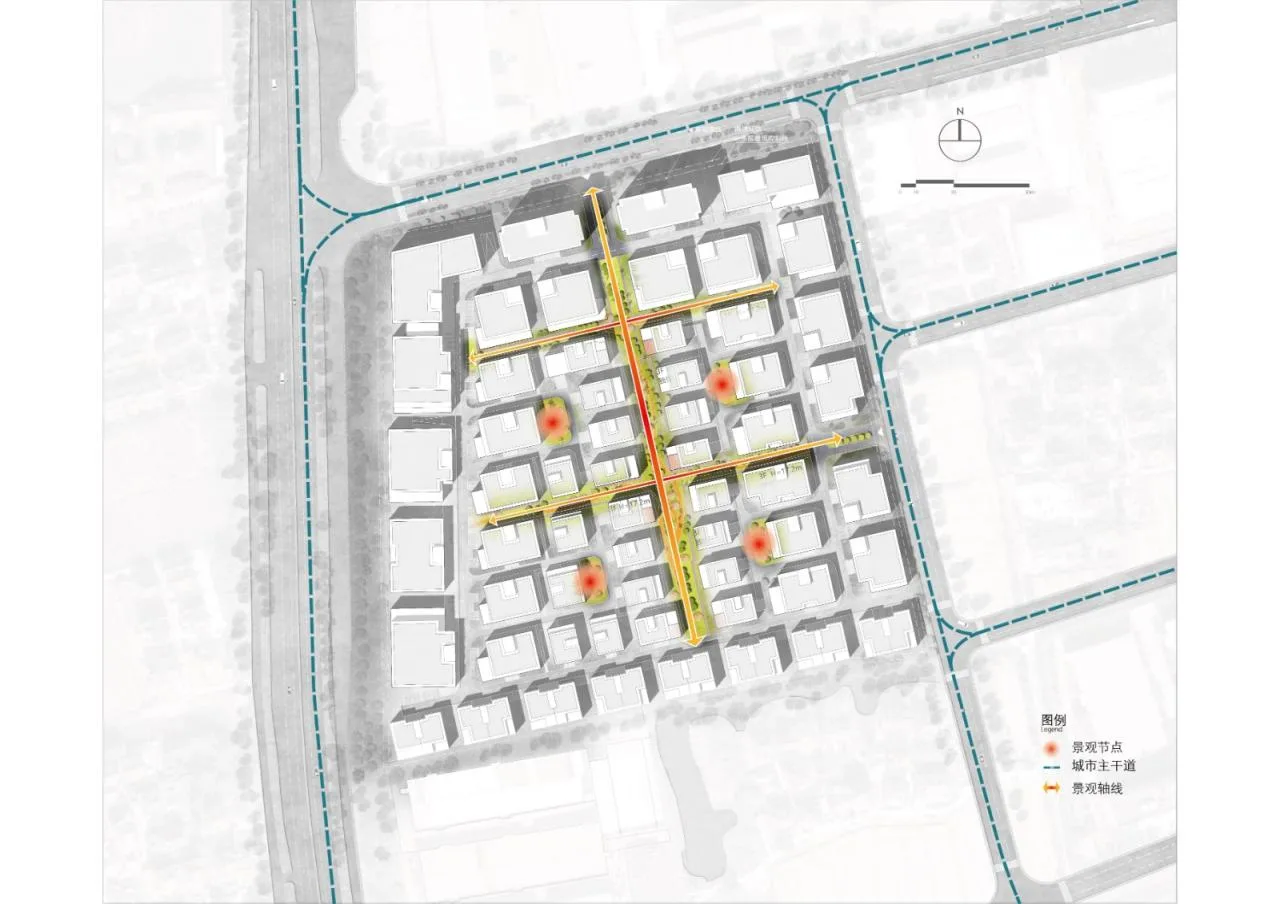
Design considers accessibility, commercial value, noise, and landscape quality. Self-owned production facilities are placed along the base’s periphery with circular transportation to optimize logistics. Sales areas balance R&D and production while offering comfortable environments to attract high-tech talent. Residential buildings are positioned at the main entrance for visibility and can be converted to hotels in the future.
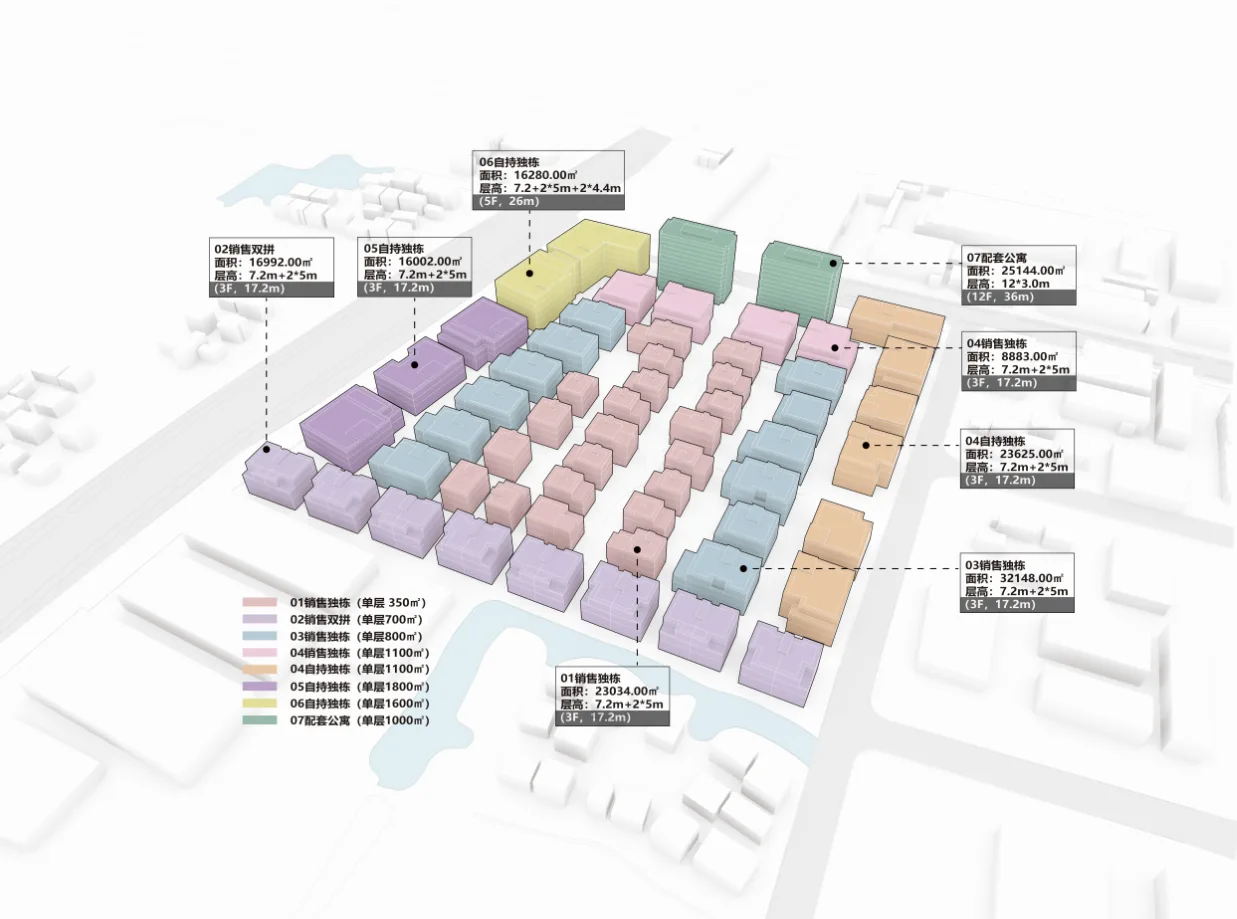
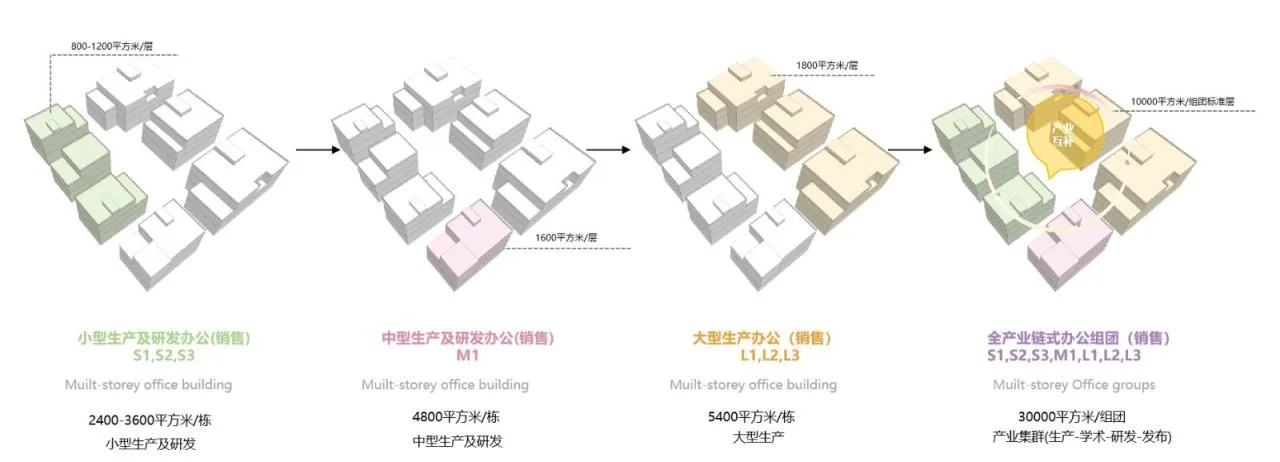
The sales area draws inspiration from traditional neighborhood clusters, grouping buildings into 4-6 clusters centered around core landscapes. Clustered buildings include small-scale production and R&D offices (2400-3600 sqm), medium-sized offices (4800 sqm), and large-scale production offices (5400 sqm), forming a comprehensive 30,000 sqm full-industry office cluster. This modular approach meets diverse enterprise needs through differentiated, combinable office volumes.
05. The “Specialization Path”
Developing Specialized Industries with Comprehensive Business Formats for One-Stop Services
Industrial parks aggregate and nurture industrial resources. Their growth depends on collaboration across sectors. The “one-stop, ecological closed-loop” cluster development model strengthens park value and fosters cooperative, win-win industrial chains.
Seamless Automotive Ecosystem Closed-Loop Experience
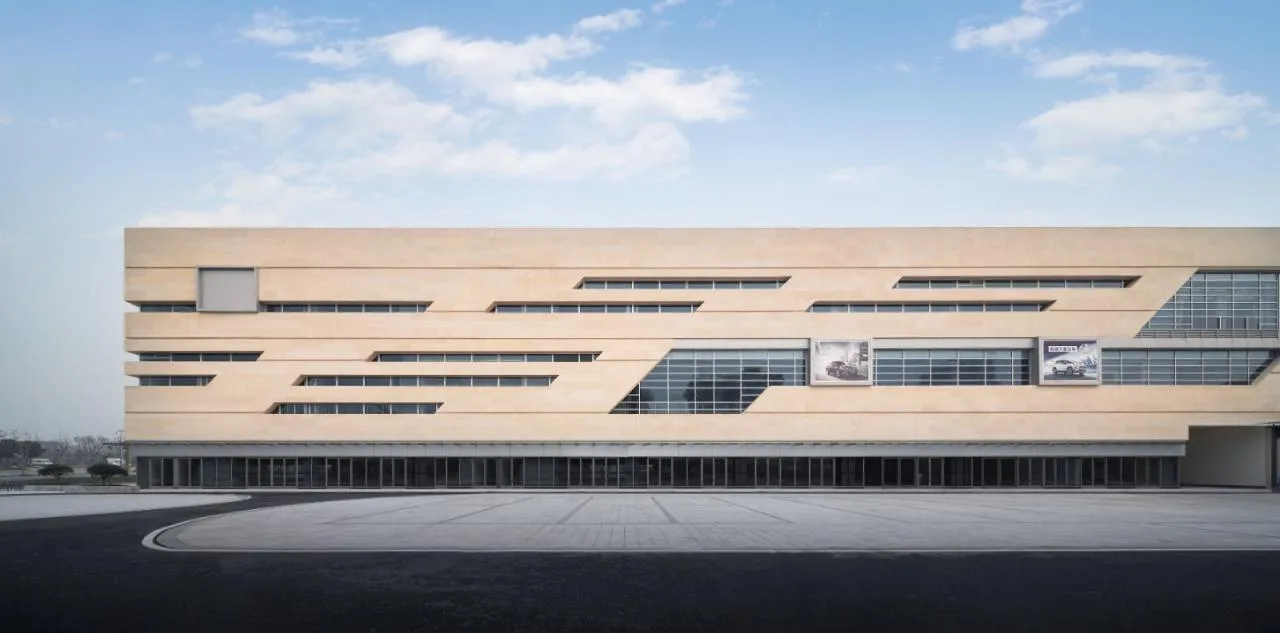
△ Nanjing Tianyi International Automobile City
Coordinating product formats, establishing high-value smart park service loops, and building one-stop operational systems to meet diverse management needs are vital for industrial communities. The “ecological closed-loop” approach delivers an exceptional user experience.
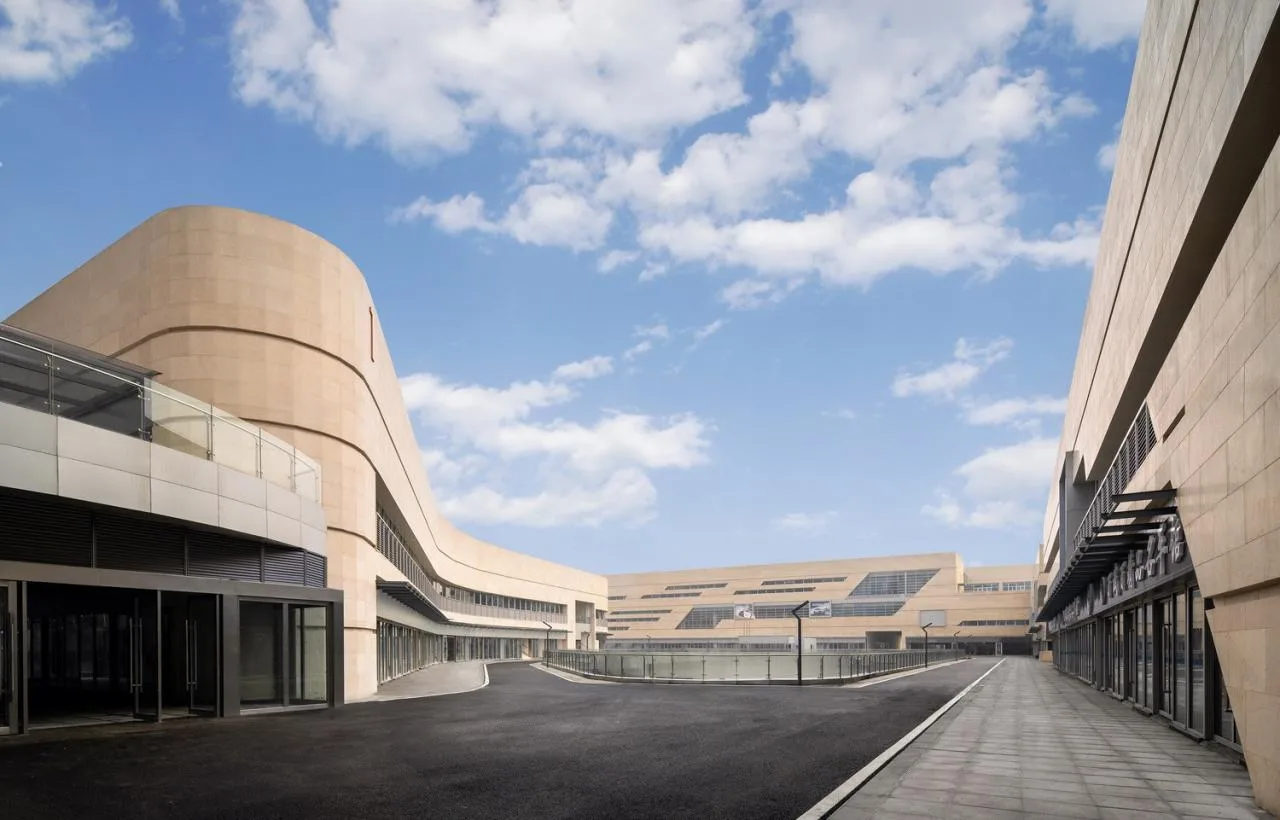
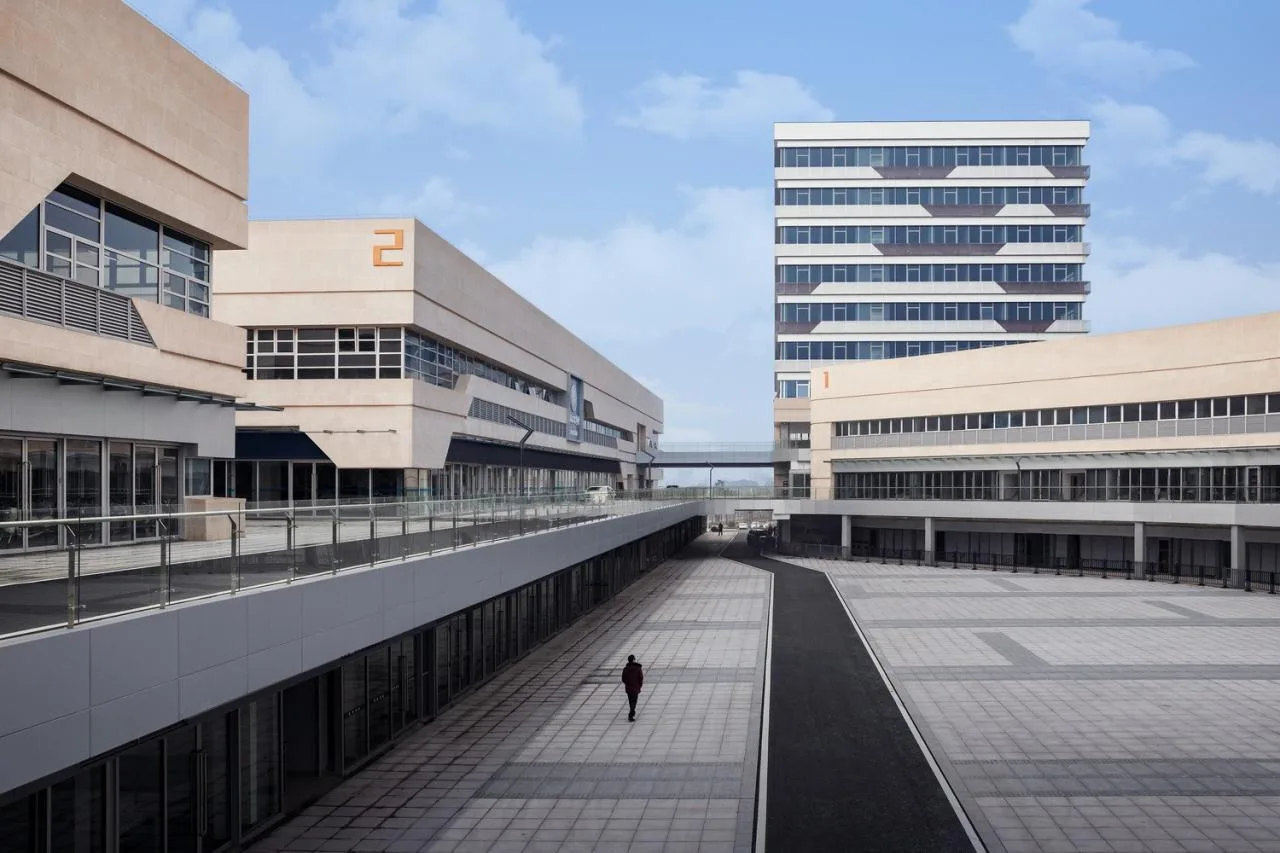
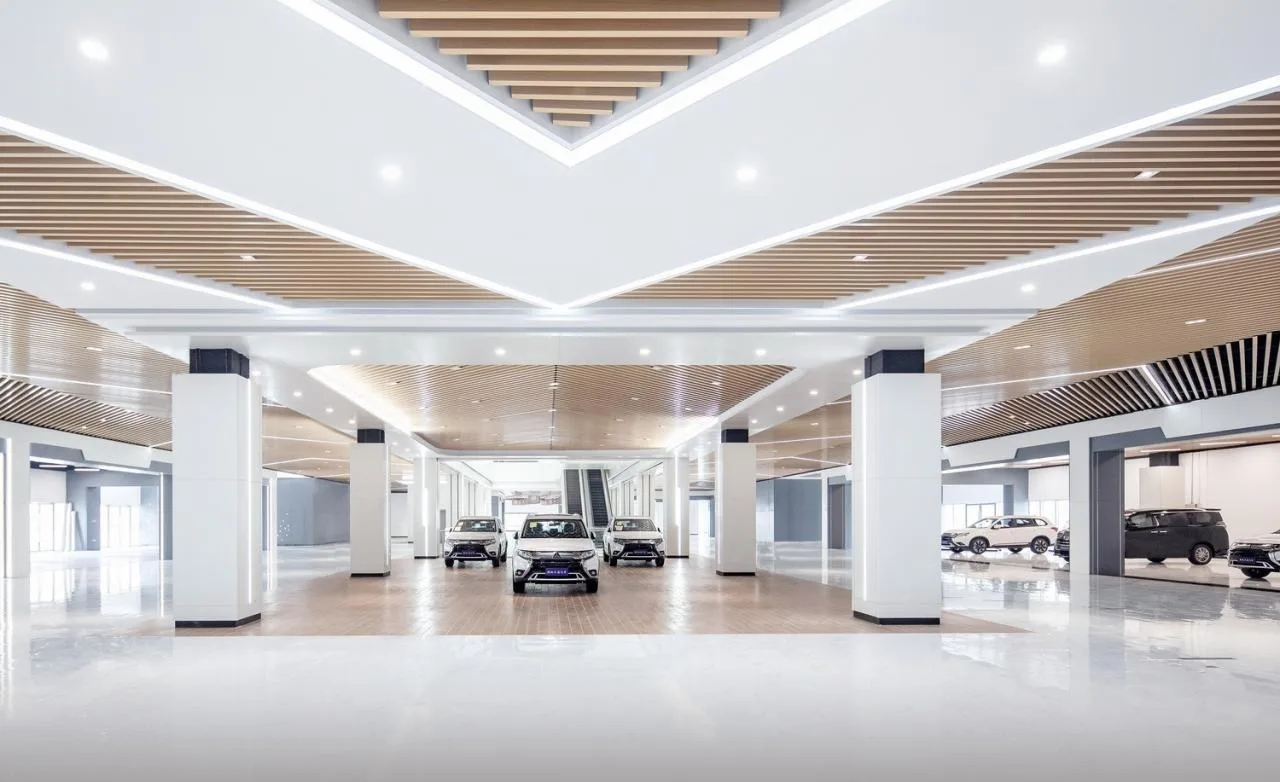
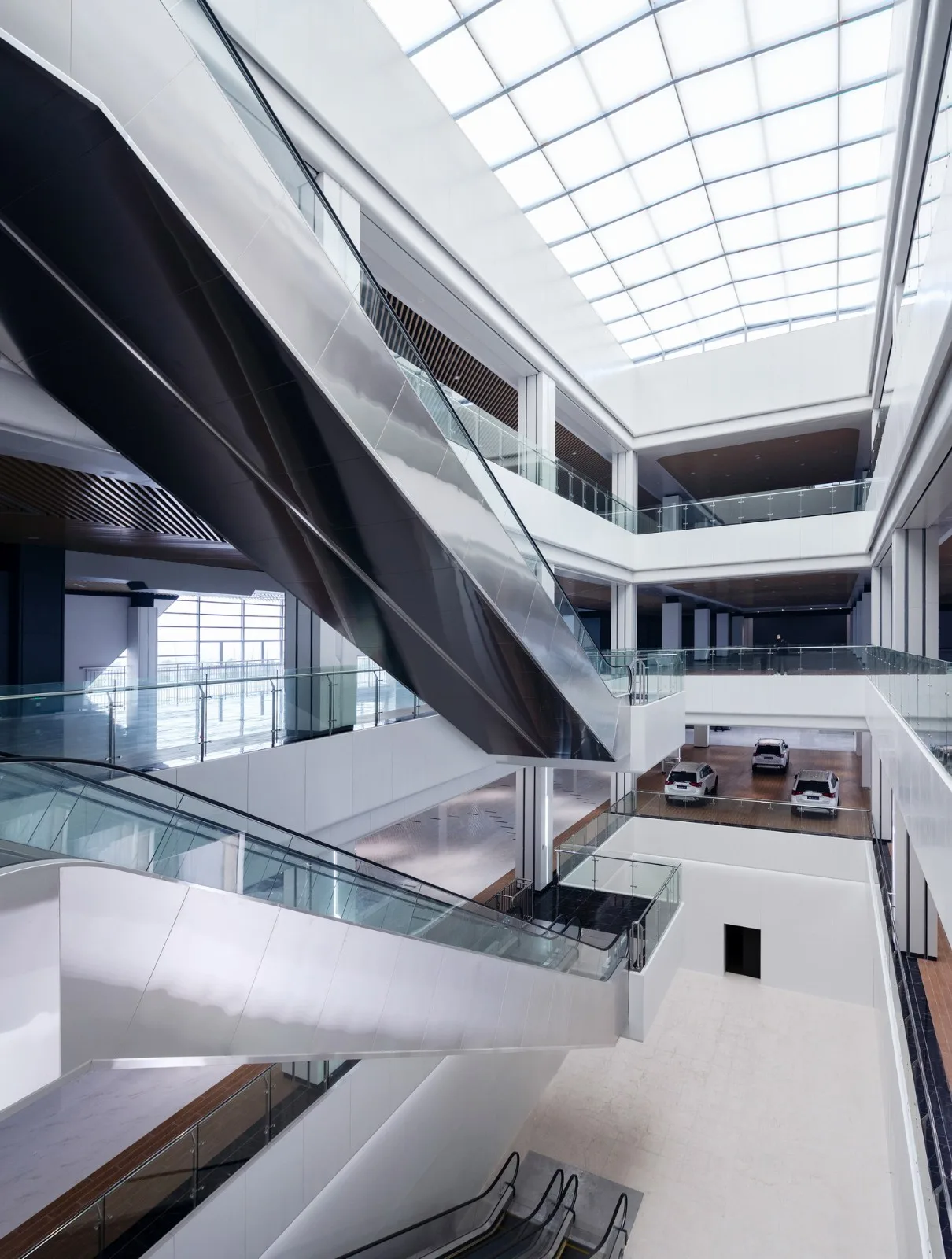
Nanjing Tianyi International Automobile City is the first large-scale automotive-themed industrial park in Nanjing’s Lishui area. The design team focused on creating a one-stop closed-loop service station, carefully arranging functional areas and integrating automobile culture into the architecture and details.
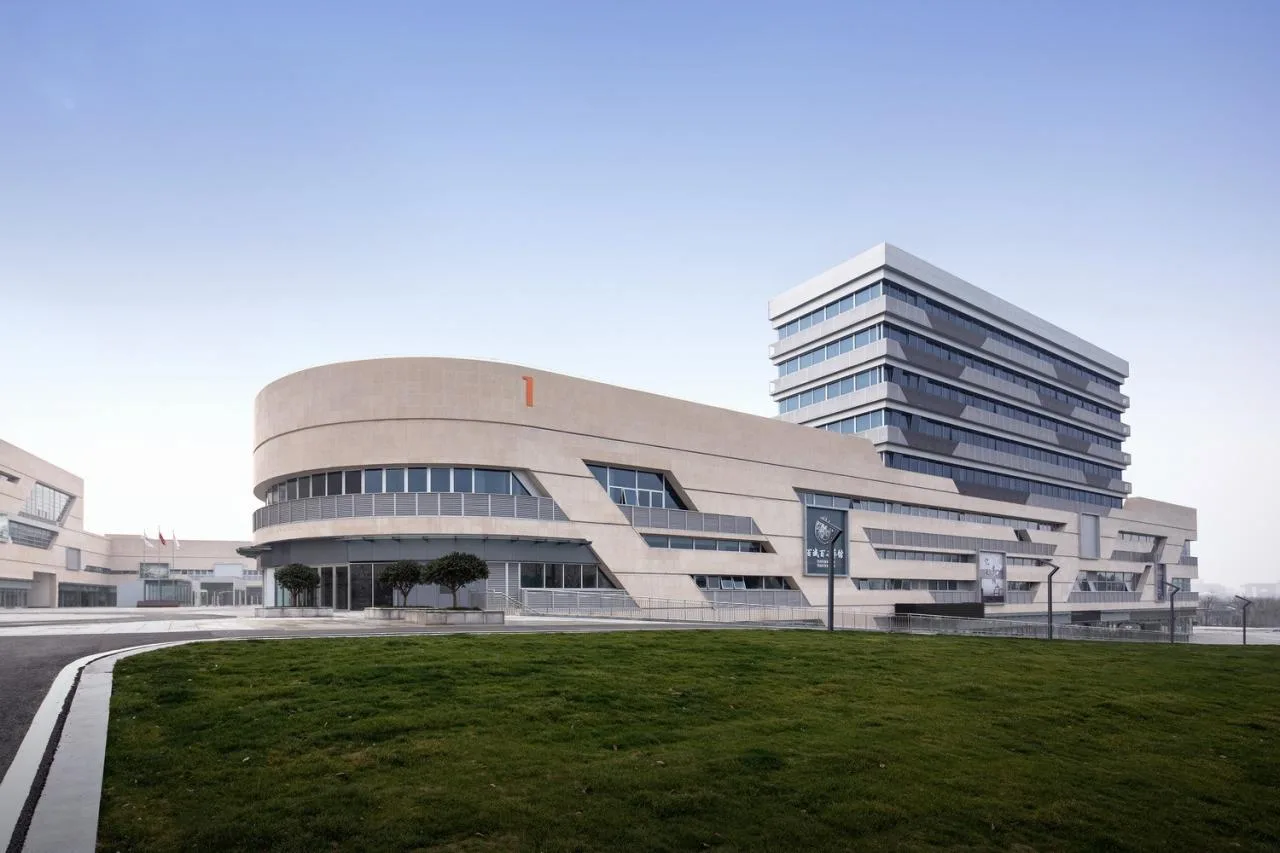
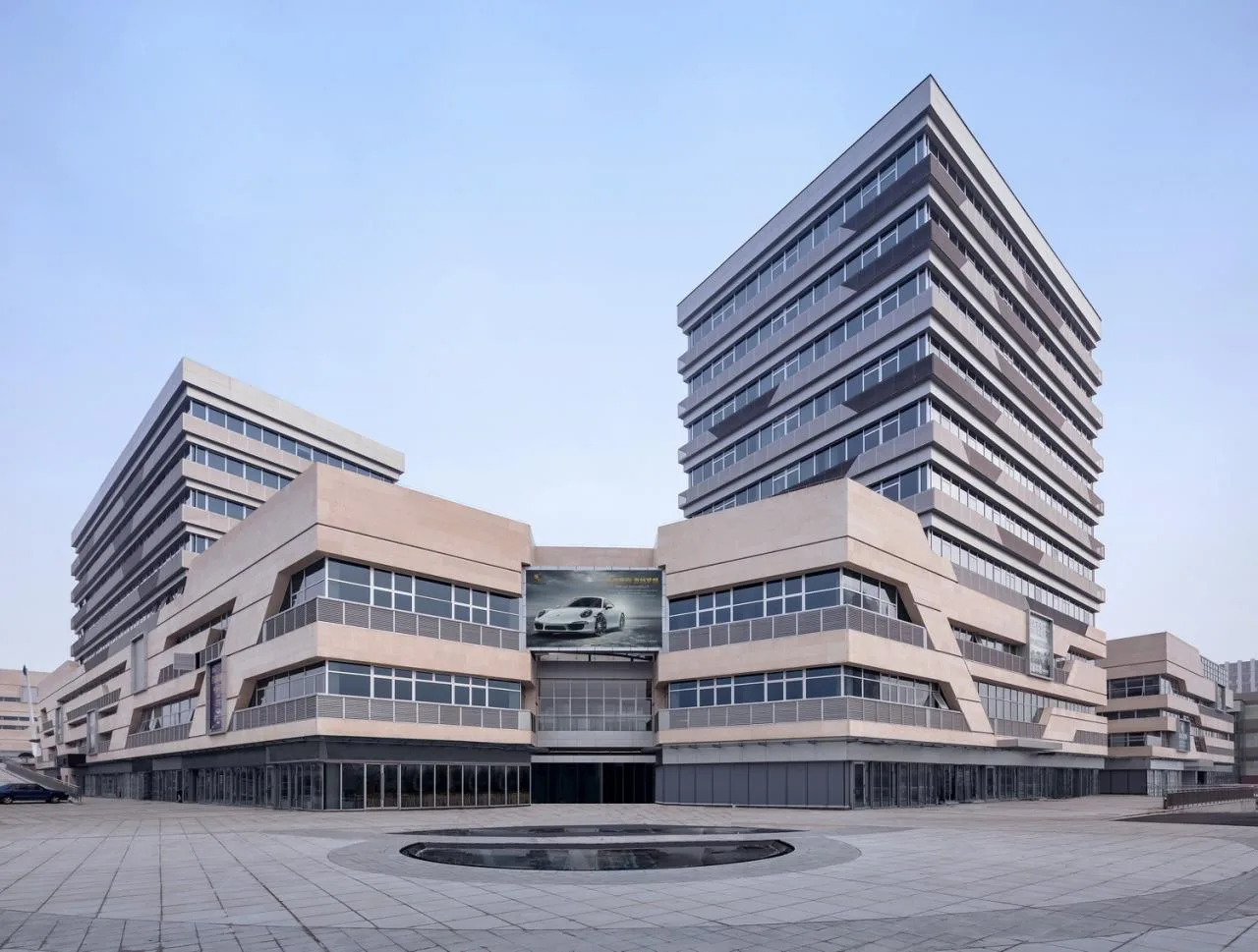
The relocation of the Lishui Vehicle Management Office has consolidated new car exhibitions, used car sales, decoration, beauty, inspection, and registration into a single location, creating a seamless automotive service hub.
Just as corridors and stairs serve people, the park provides car-friendly roadways connecting functional buildings, creating a continuous spatial interface and smooth traffic flow.
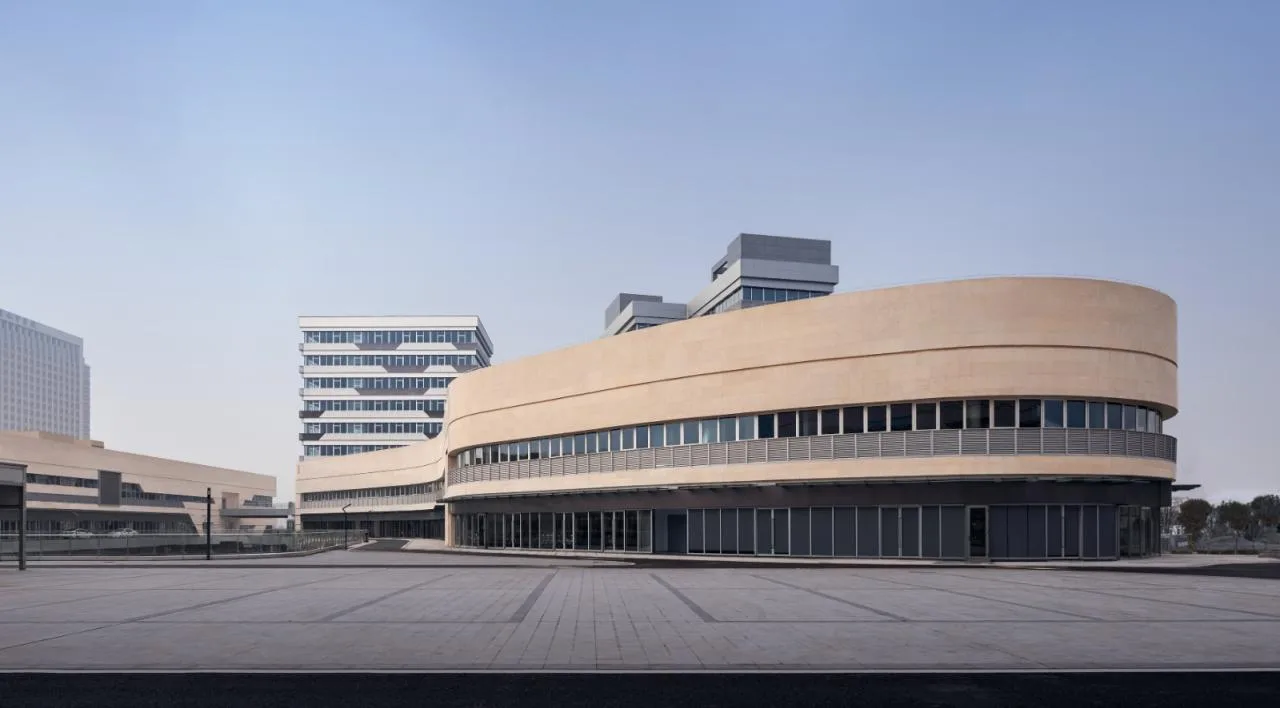
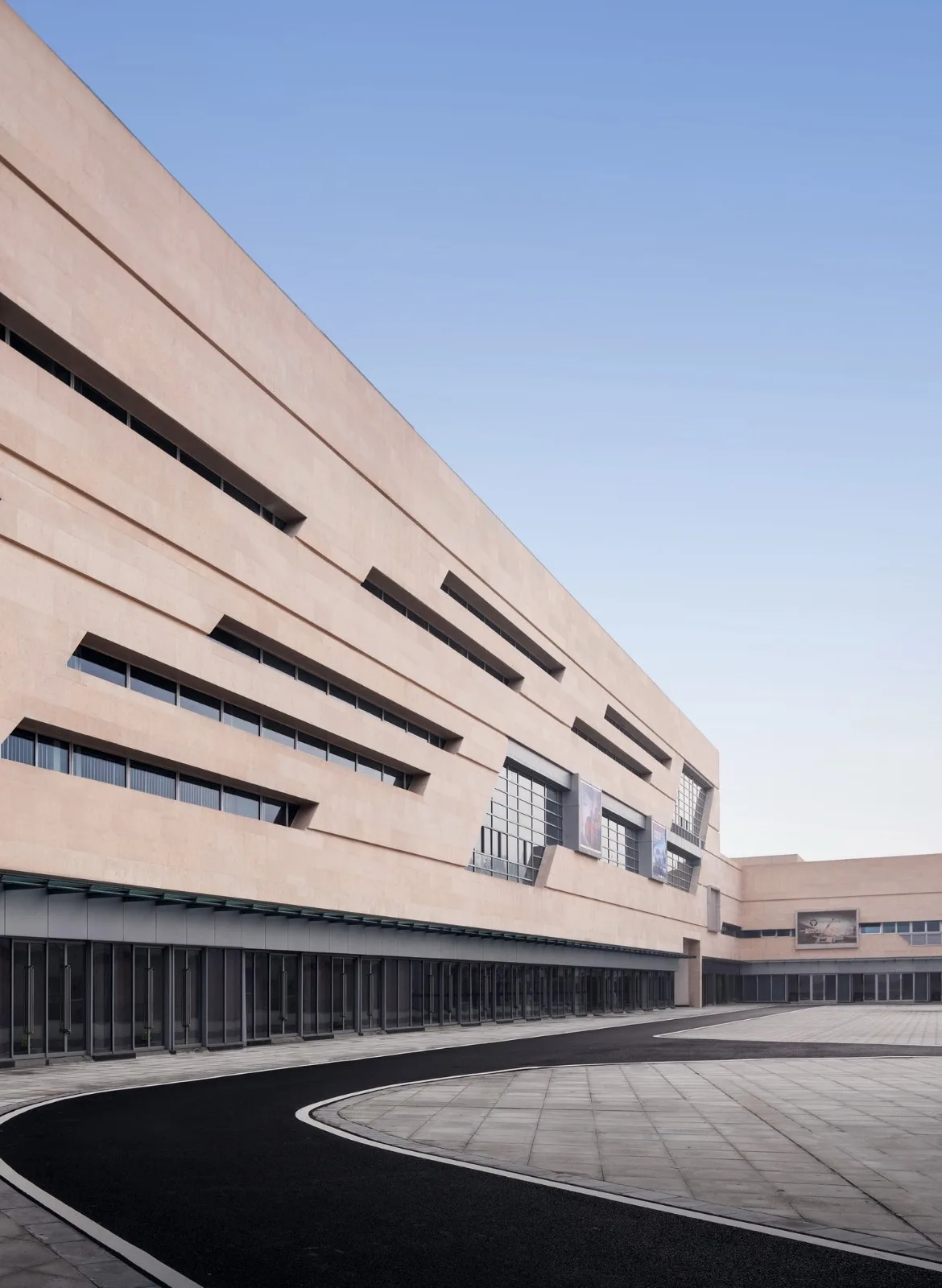
Visitors experience the park like a themed amusement park, fully engaging without leaving their cars. Tailored route guides direct customers through the entire service journey. The barrier-free, car-centric design delivers a unique “car tour experience center” feel, setting Tianyi Automobile City apart from traditional industrial parks.
06. The “Ecological Path”
Designing New Low-Carbon and Green Landscapes
Contrary to traditional beliefs that urban economic development compromises ecology, industrial communities can be both efficient production bases and green ecological gardens. Ecological protection and industrial growth support each other, attracting talent and businesses by fostering environmentally friendly, green technology-driven cities.
Slow Parks as the “Second Ground” of Industrial Areas
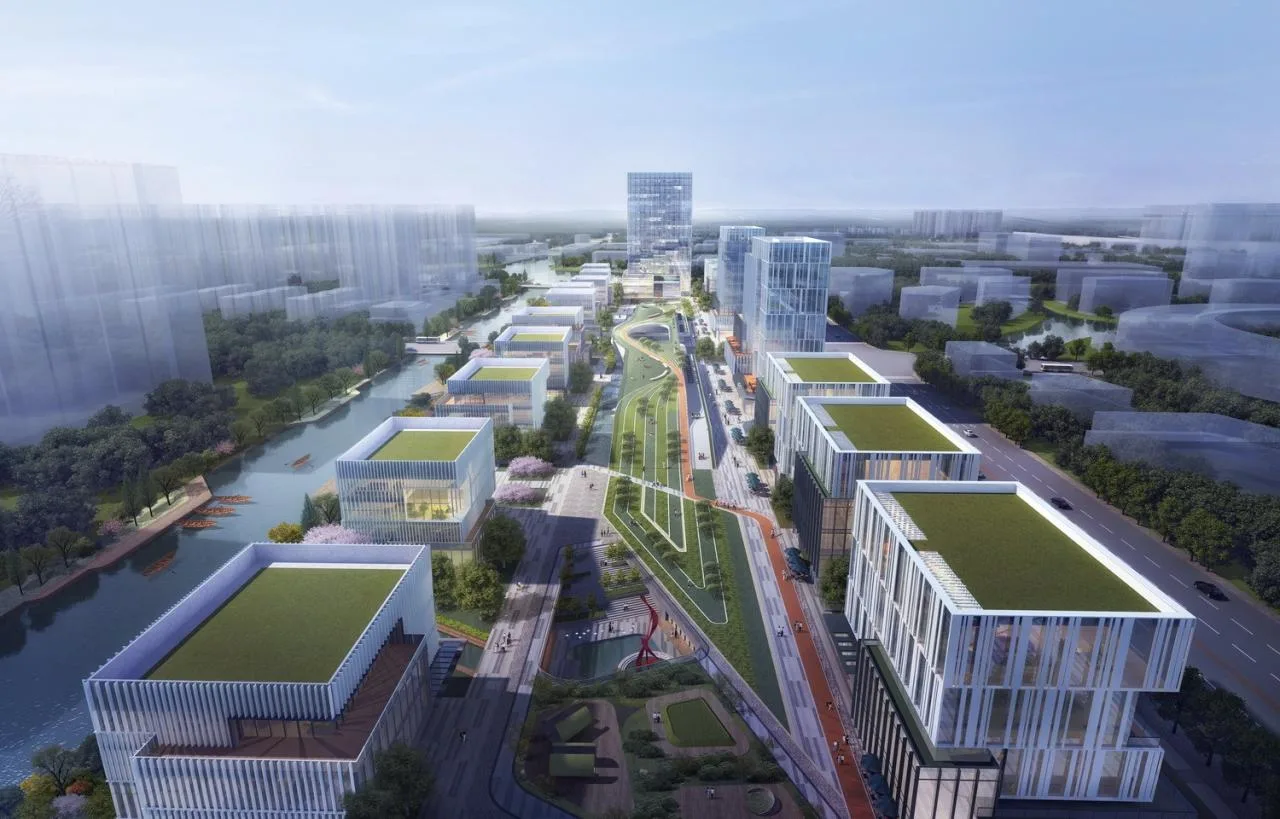
△ Shanghai Intelligent Medical Innovation Demonstration Base (conceptual plan)
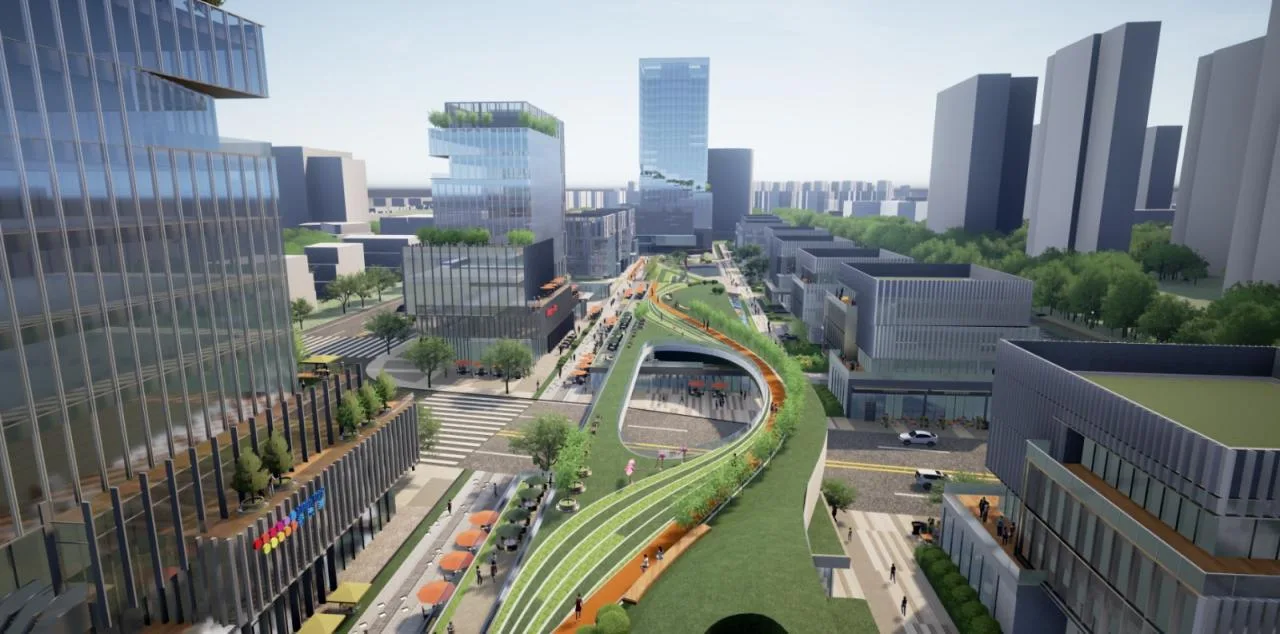
“Slow walking” encourages lingering, which fosters interaction. In industrial communities, slow traffic promotes face-to-face communication, easing life and work stress. Creating pleasant environments with human-scale design enhances emotional connections, safety, and community cohesion.
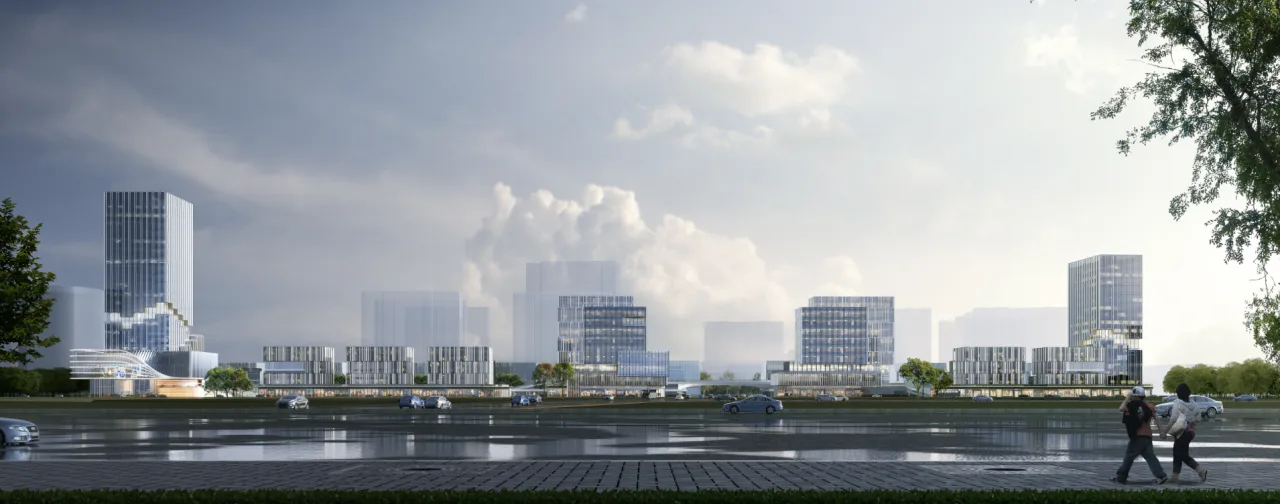
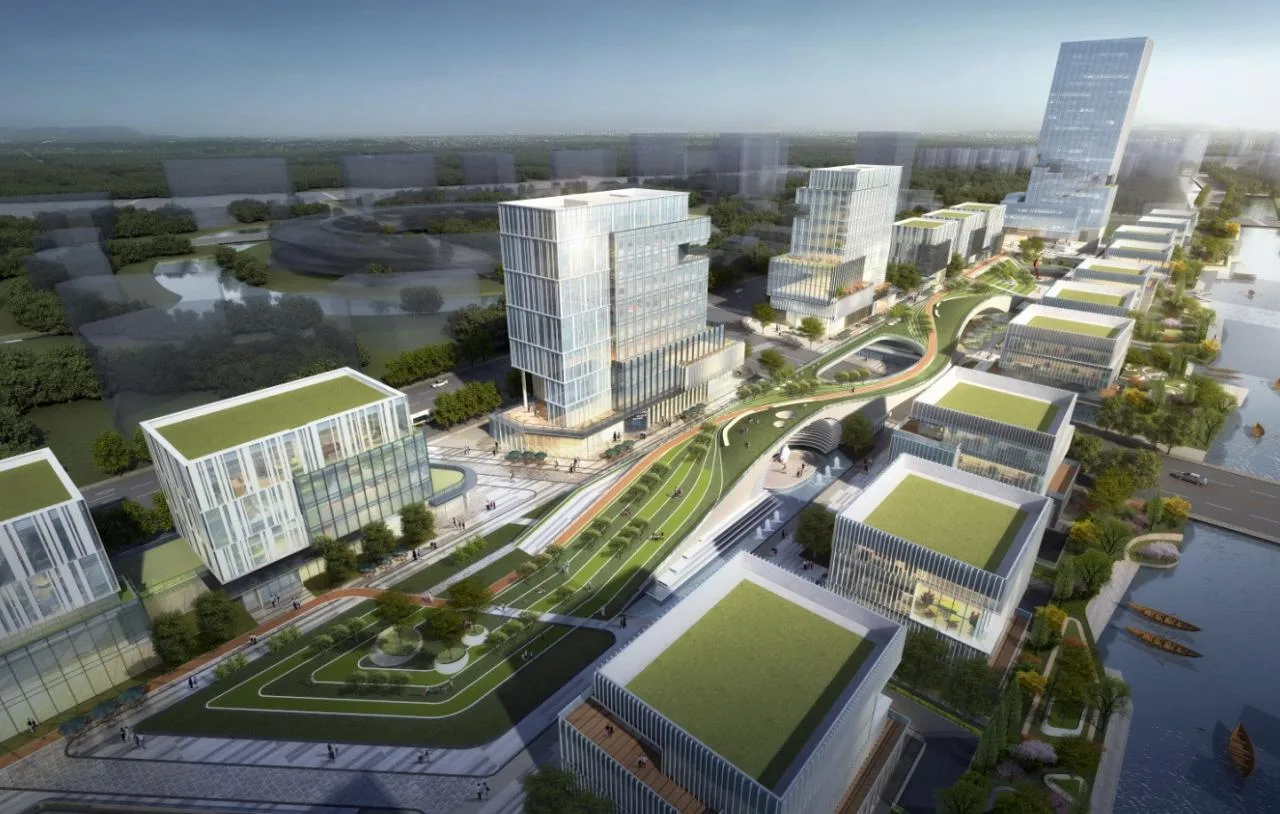
The project focuses on “connection” and “integration,” using three-dimensional design to create an ecological slow-traffic central park that links east and west plots, serving as the park’s “second ground.”
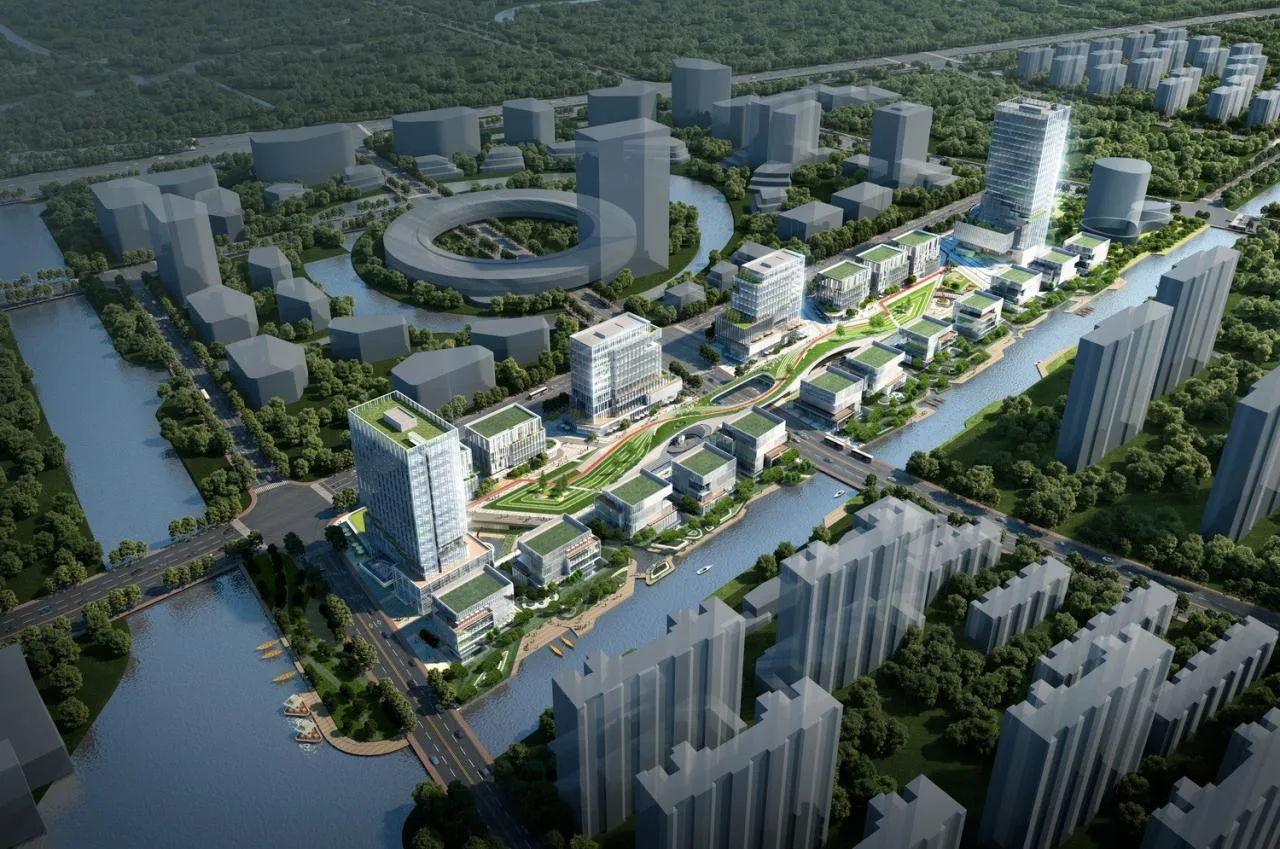
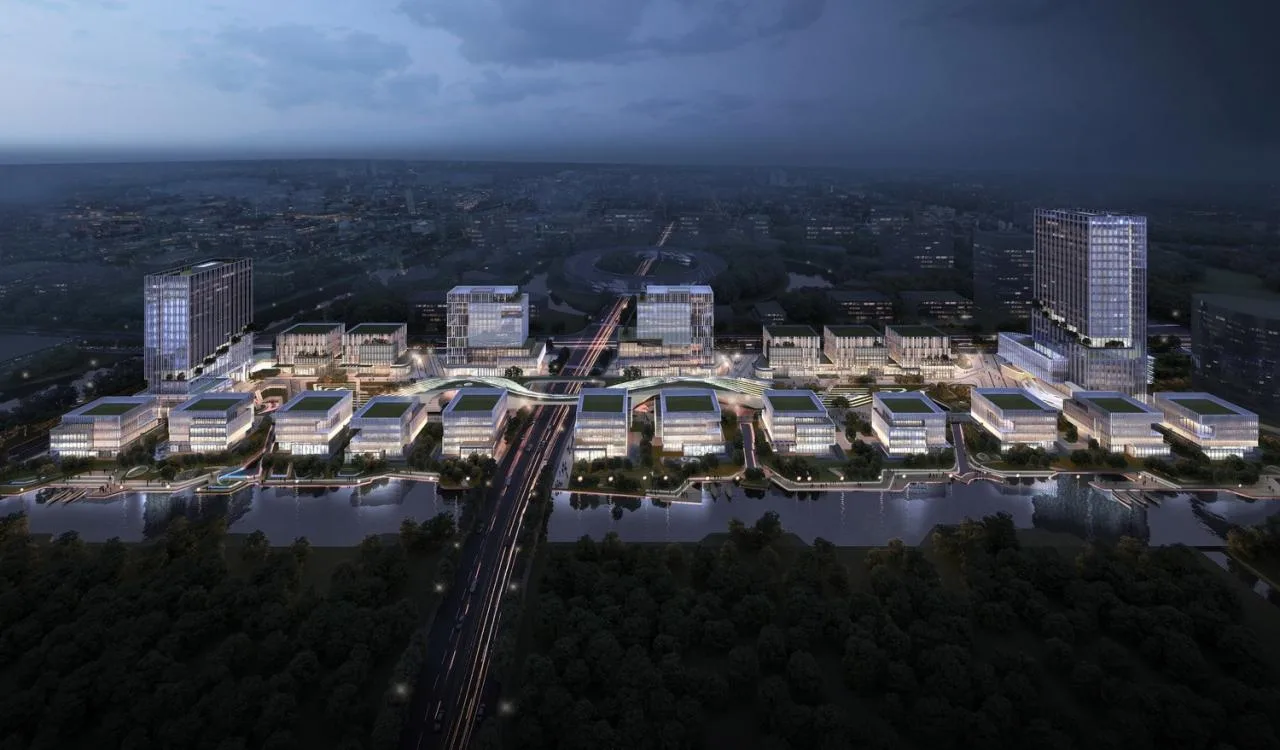
Unlike traditional flat landscaping, this design extends landscape architecture vertically to building roofs, forming a corridor bridge connecting plots. The bridge blends into the central landscape, creating a multi-level leisure and communication space with integrated commercial and recreational facilities.
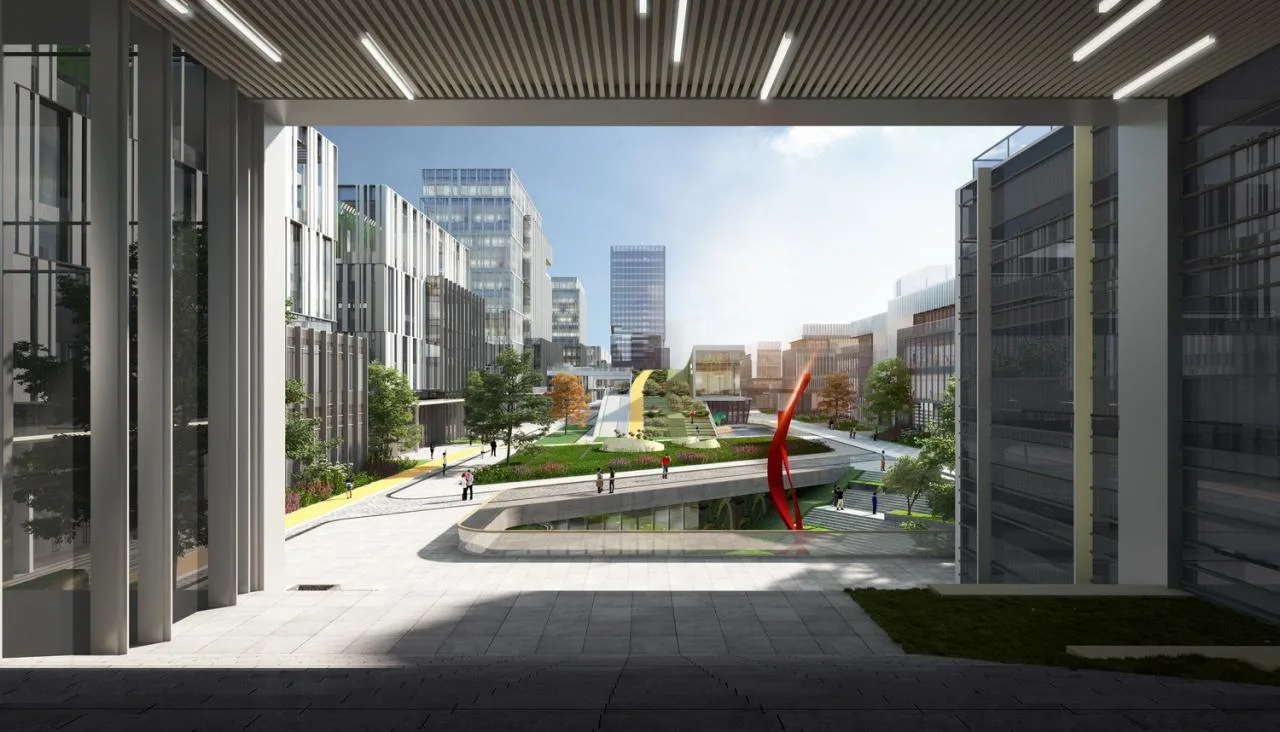
Adapting to Local Conditions with Water Town Style Industrial Parks
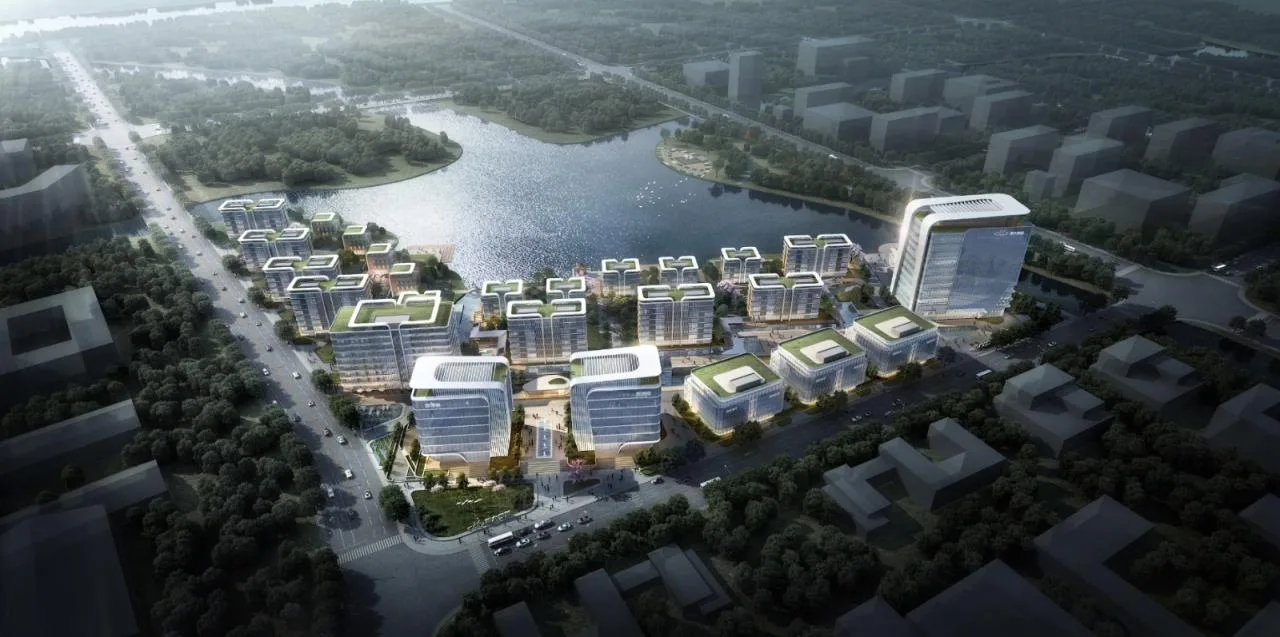
The unique culture, history, and traditions of a city form its intangible brand heritage, guiding urban development. Extracting and interpreting these features allows people to connect with the culture, fostering identity and distinctiveness.
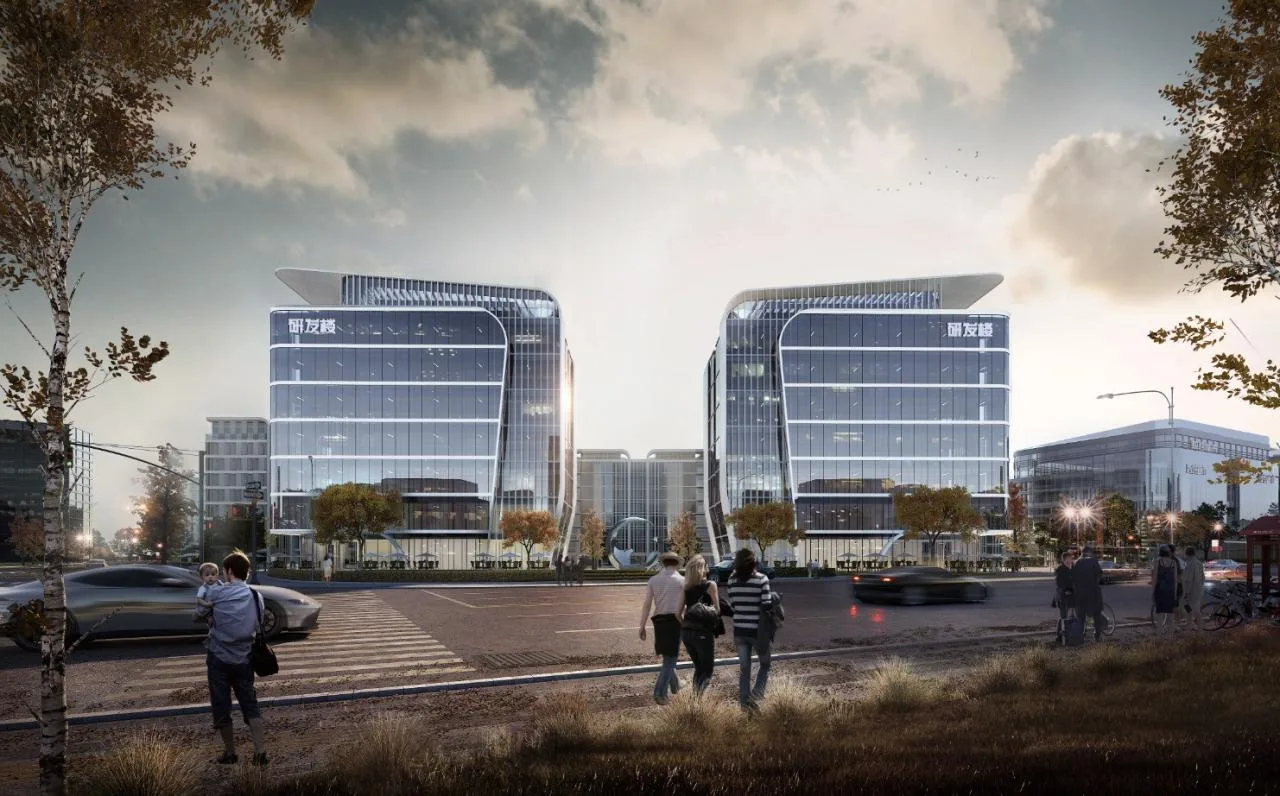
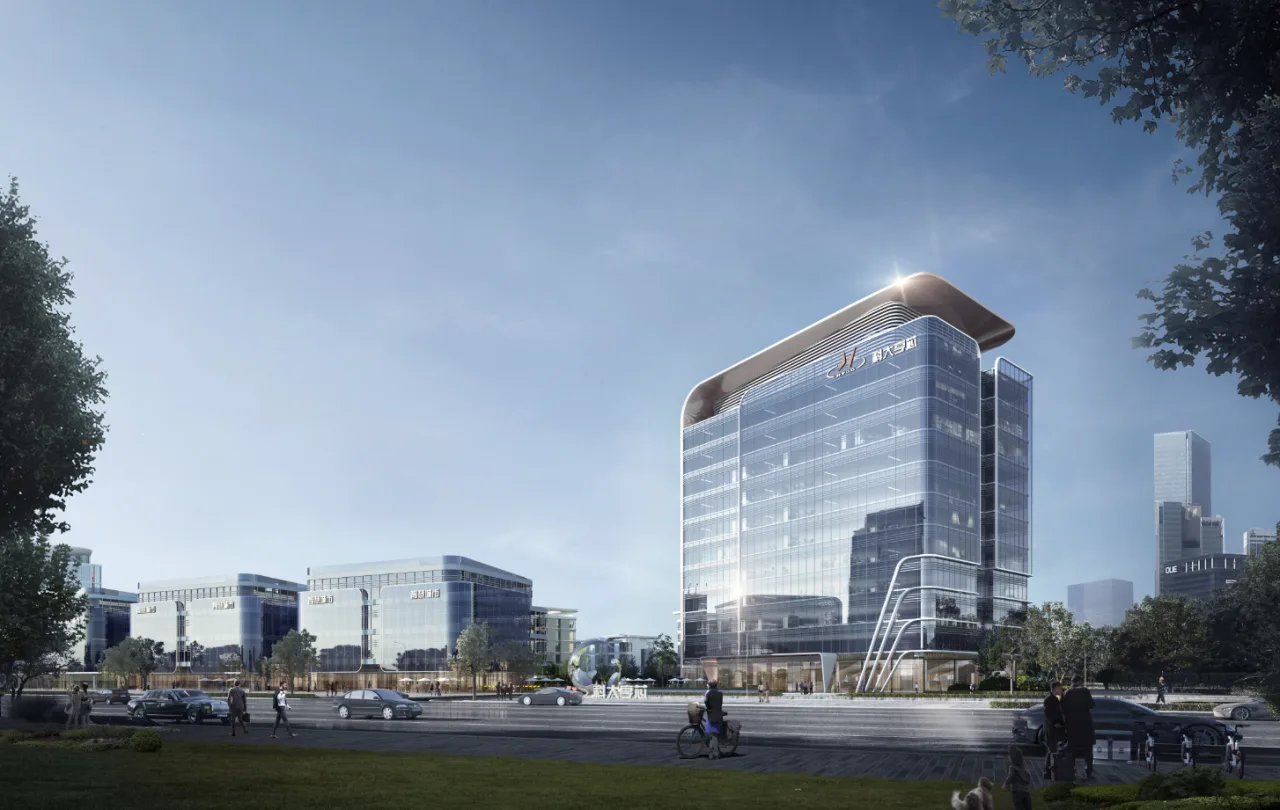
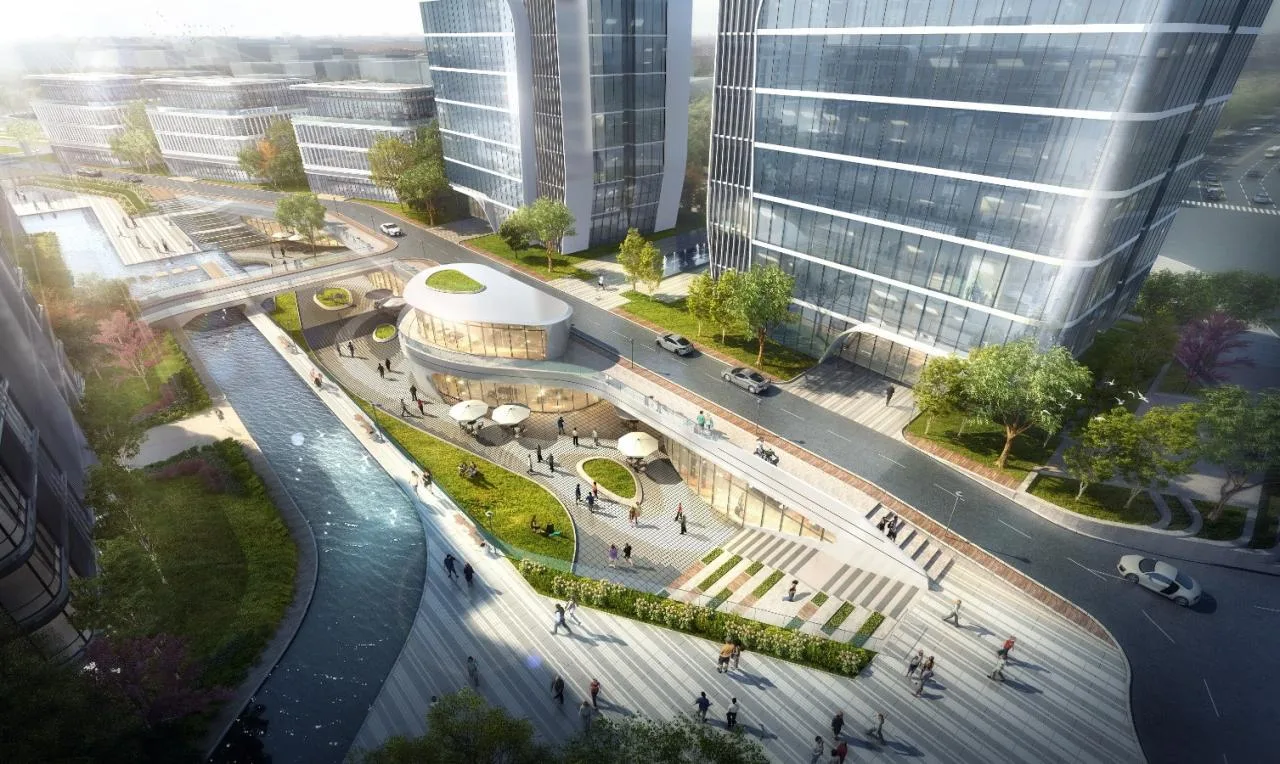
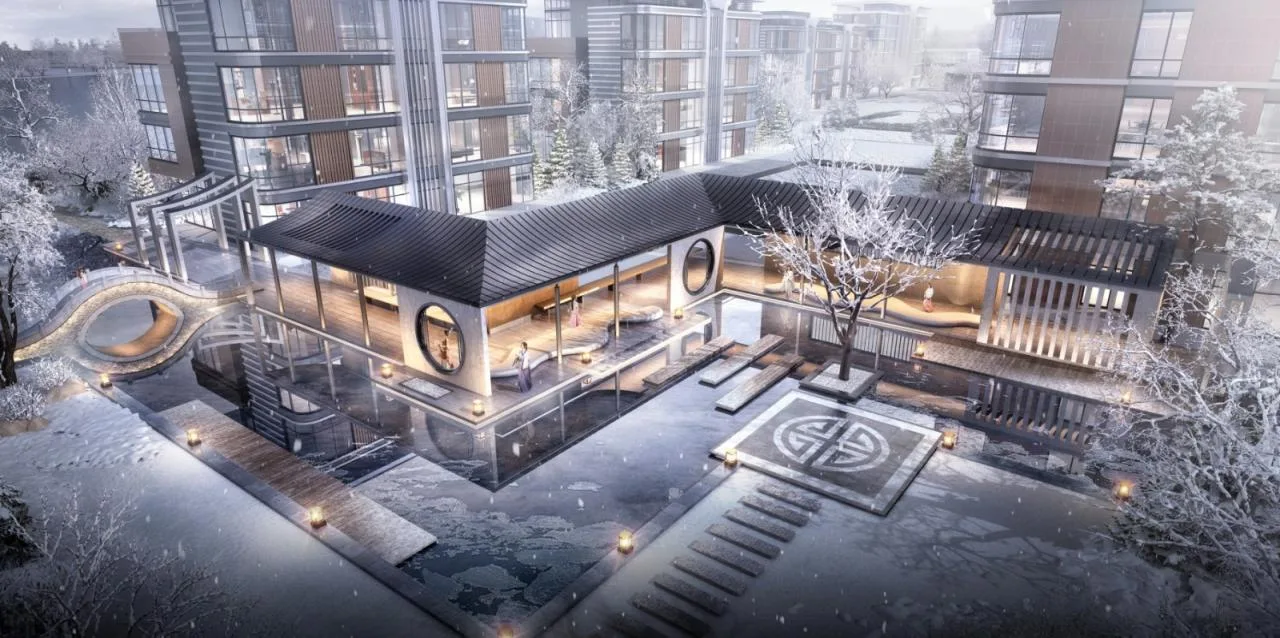
Located at the intersection of Wujiang, Jiashan, and Qingpu within Suzhou’s Fenhu Economic Development Zone, this pilot project integrates ecological and green development strategies. It creates an innovative water town-style industrial park with the vision of a “new Jiangnan living room.”
The design introduces lotus water systems into calm pools, maintaining smooth water flow and replicating Jiangnan water town charm. A cultural corridor encircles the water feature, while a green innovation corridor supports industrial collaboration.
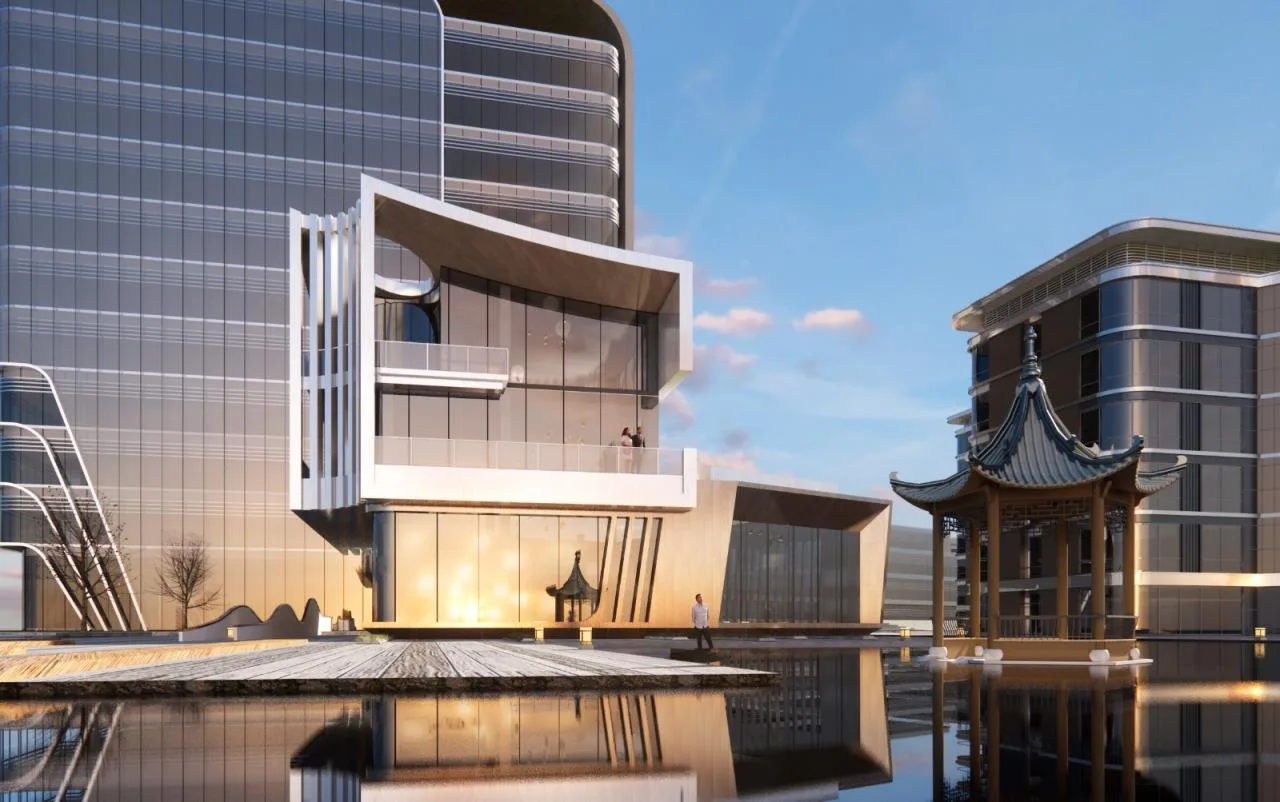
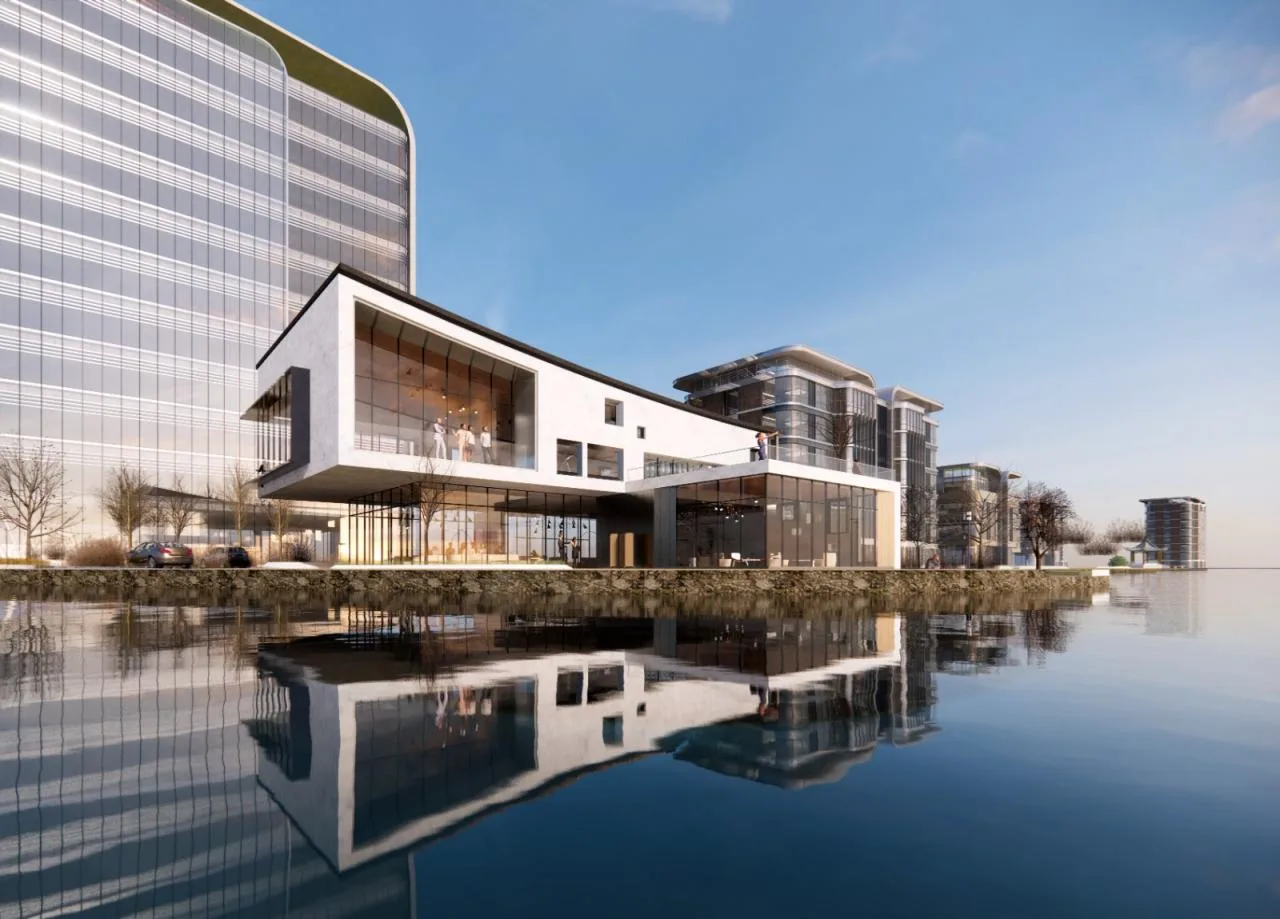
Through water diversion, corridor construction, and courtyard building, the design forms a “garden within a garden,” creating waterfront courtyard spaces. The layout harmonizes lakes, marshes, riverside living, and ecology, forming a unique settlement structure.
Constructing Ecological Industrial Parks Using the EDO Model
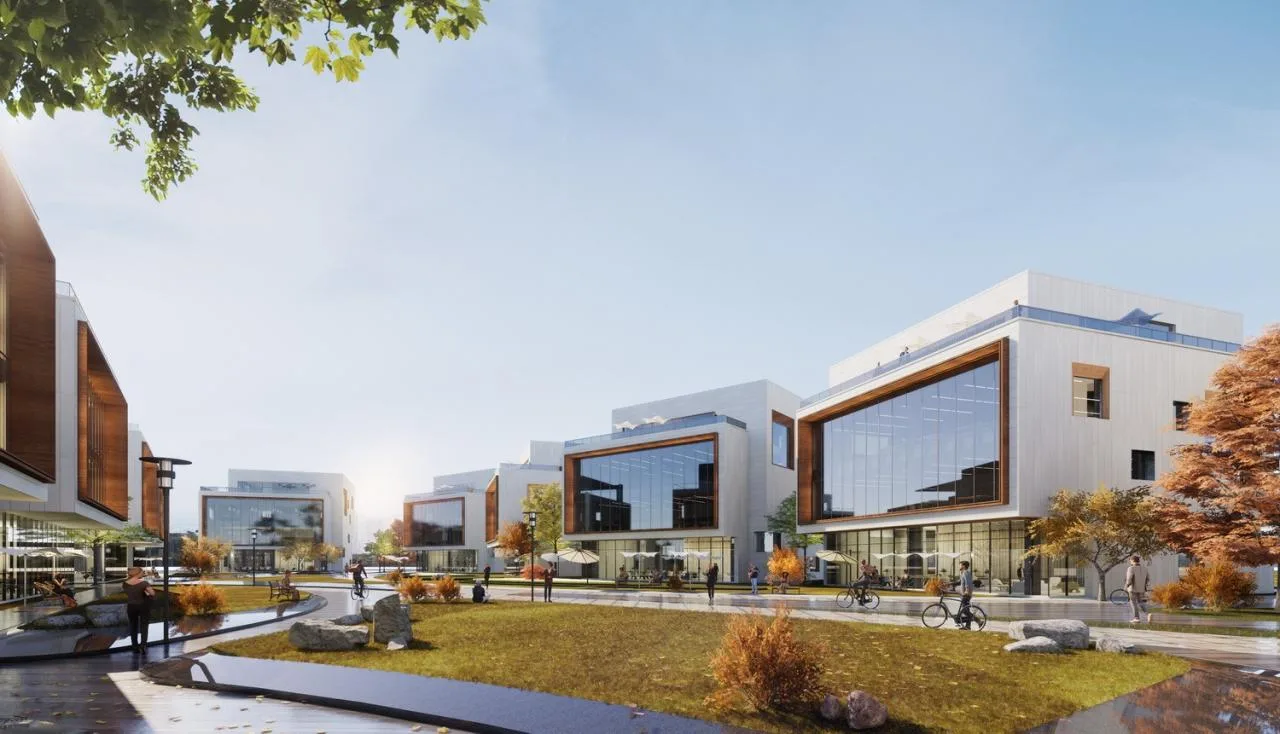
△ Changshu Bosideng Industrial Park
EDO is a development philosophy embracing the concept that “green mountains and clear waters are as valuable as mountains of gold and silver.” It seeks balanced ecological governance alongside industrial operation.
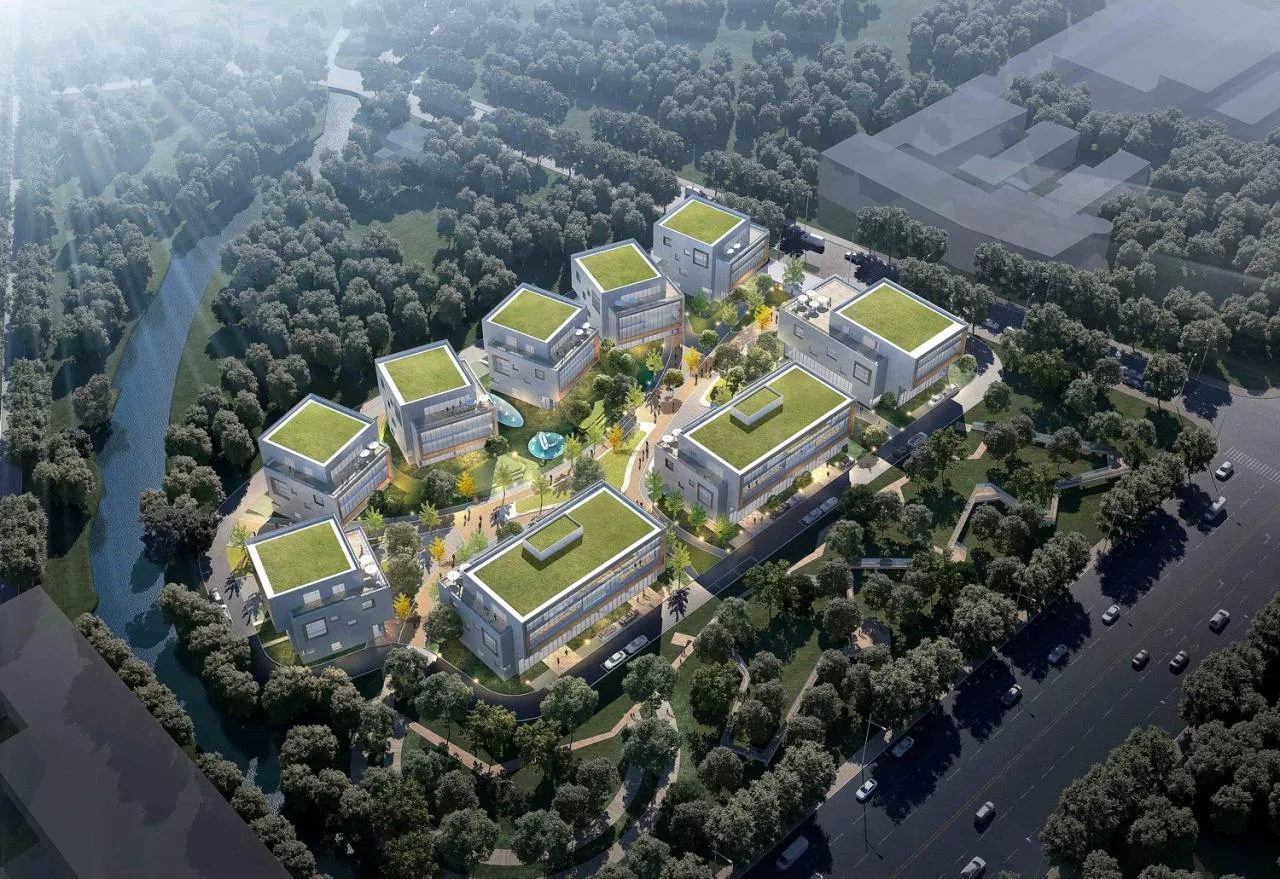
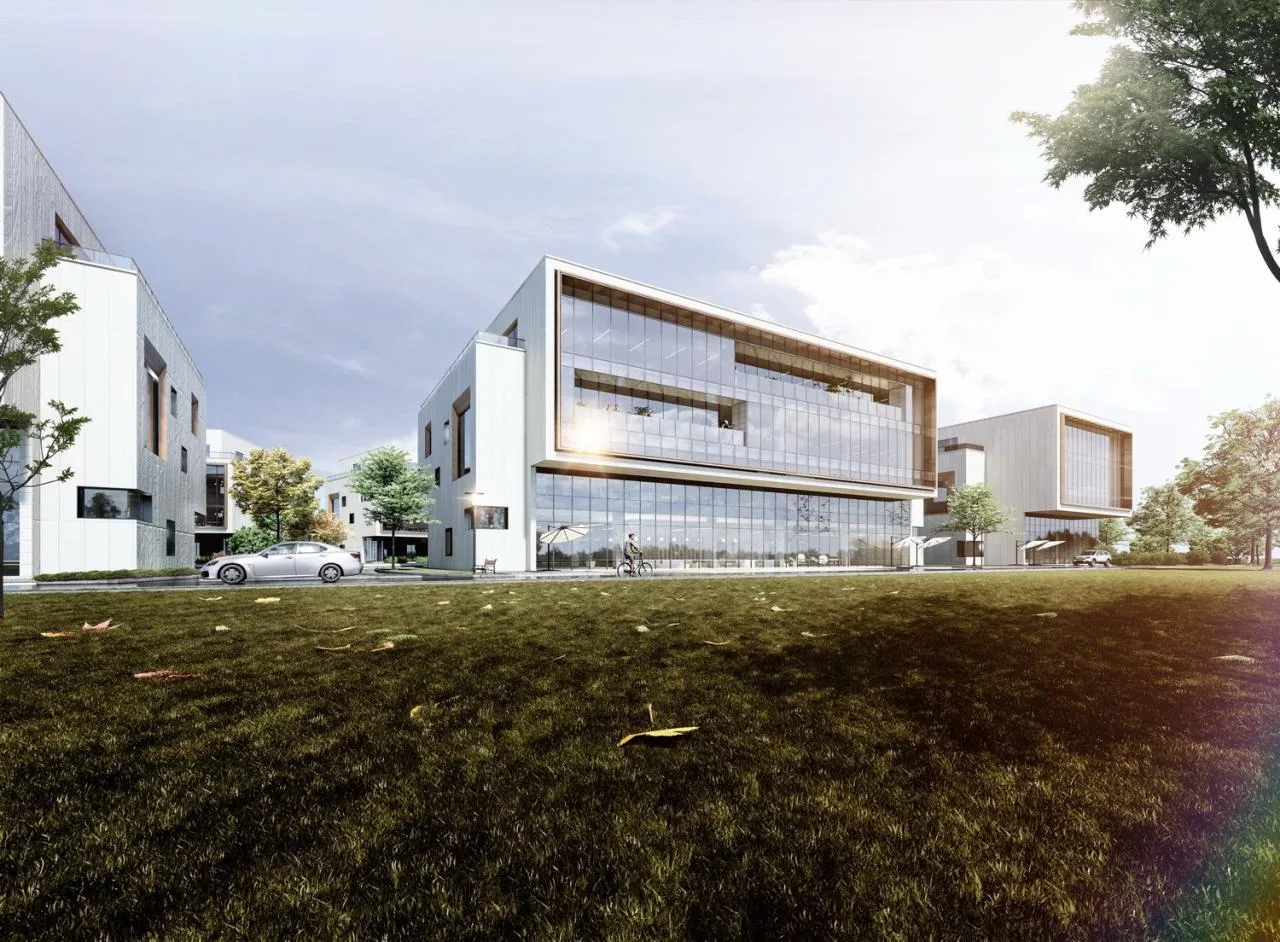
Located north of National Highway 204 in Qindong Village, Guli Town, Changshu City, this park integrates ecological governance with industrial development. Facing limited external resources, it focuses on internal breakthroughs to create its own ecological space.
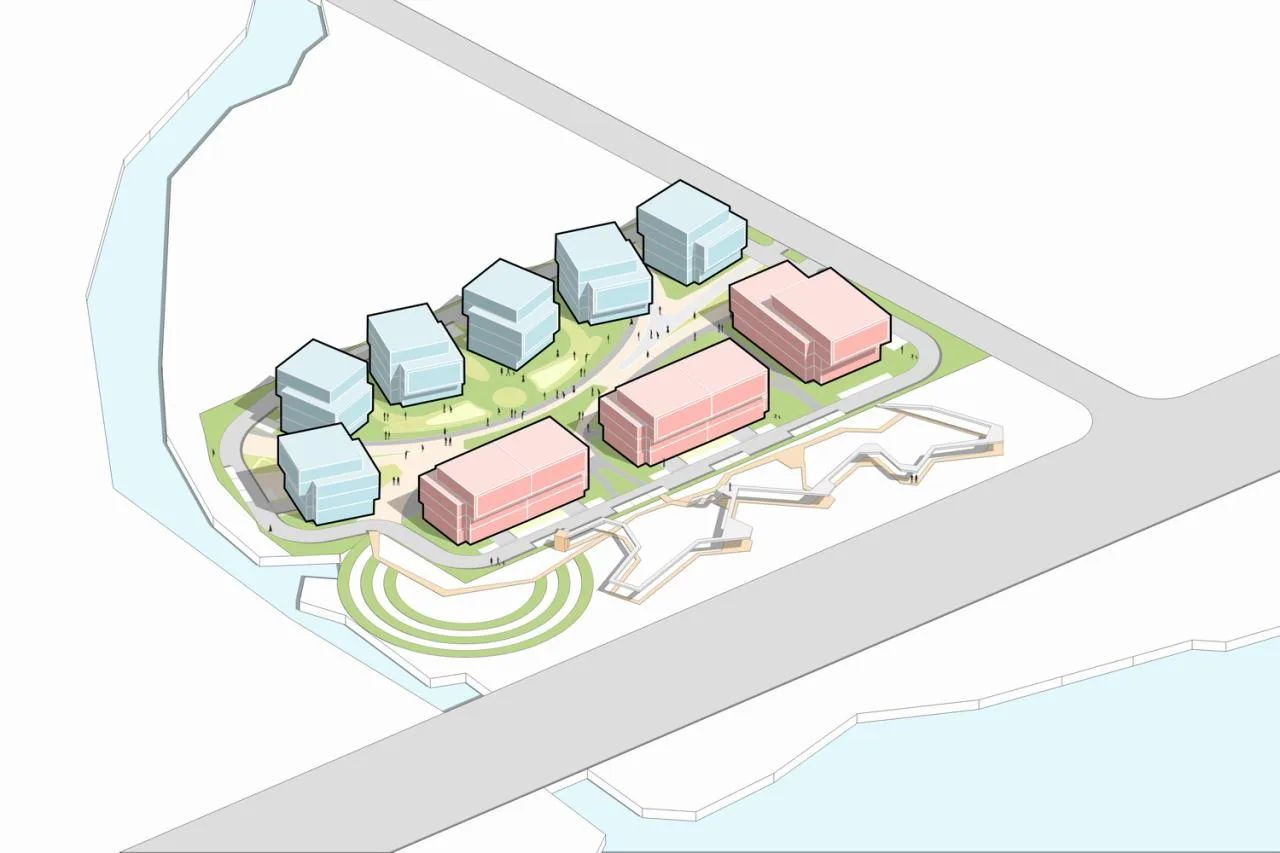
The layout features nine four-story individual buildings arranged around a central landscaped garden exclusive to the park. Buildings are positioned to maximize internal landscaping and create flexible, comfortable spacing for office users to enjoy private green space.















Must log in before commenting!
Sign Up