
1. Preface
Building Information Modeling (BIM) involves creating a digital representation of a building using comprehensive data from a construction project. This digital model simulates the real-world attributes of the building. This project highlights five key features of BIM technology: visualization, coordination, simulation, optimization, and documentation, applied across various building components and systems.
2. Case Overview
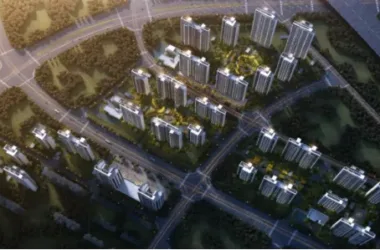
The first phase of the Taihe Lingxiu City project is situated south of Modern Road and west of Hujia Mountain Road in Zoucheng City, Shandong Province. The construction scope includes:
- Residential buildings #1, #2, and #3, and an underground garage (#4), totaling 55,616.78 square meters;
- Building #1 covers 21,383.97 square meters, with 25 floors above ground and 2 basement levels, standing 74.1 meters tall;
- Building #2 spans 10,781.72 square meters, has 18 floors above ground, 3 basement levels, and a height of 54 meters;
- Building #3 also covers 10,781.72 square meters, with 18 floors above ground, 3 basement levels, and a height of 53.8 meters;
- The underground garage (#4) covers 12,669.37 square meters with 2 basement levels.
By optimizing the construction sequence, this project maximizes the use of time and space through parallel workflows and three-dimensional overlapping operations. BIM technology serves as the single source of engineering data, addressing consistency and enabling global sharing across distributed and heterogeneous datasets. It supports dynamic creation, management, and sharing of engineering information throughout the construction lifecycle. The integration with on-site scaffolding technology digitizes both physical and functional aspects of the project, linking data, processes, and resources across different construction stages. This approach fully demonstrates BIM’s practical advantages in real-world site conditions. The goal is to continuously address technical challenges encountered in high-rise scaffolding construction through quality control activities.
3. Introduction to BIM Applications
3.1 BIM Modeling and Information Sharing
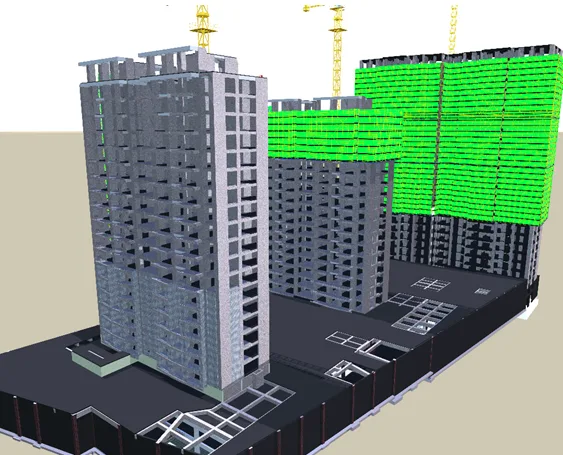
During the bidding phase, 2D drawings from the client and designers were used to develop a detailed 3D BIM model of the building, structural elements, construction equipment, and temporary site facilities using Autodesk Revit 2015. The model integrated architecture, structure, interior decoration, and construction planning, offering a comprehensive visual representation. Early access to the project details improves bidding accuracy and control.
3.2 BIM Application and Management
(1) Integrated BIM was used to quickly identify and resolve approximately 20 design conflicts and discrepancies during the design and implementation phases. These issues were promptly corrected and validated with the design team.
(2) The 3D BIM model serves as a collaborative platform, facilitating communication among all project stakeholders through frequent 3D coordination meetings. This enhances decision-making and allows all parties to easily navigate the model using various software tools, improving their understanding of design outcomes and construction quality.
(3) Using the virtual construction environment created by BIM, personnel and logistics for subcontractors are coordinated prior to each task, ensuring smooth project execution.
3.3 Benefits of BIM Technology
Based on on-site experiences and research, the following advantages of BIM are recognized:
- Enables seamless information exchange and sharing among project participants, overcoming issues related to paper-based communication, system incompatibility, and isolated data silos.
- Promotes modern technology adoption by supporting diverse digital design approaches and leveraging automated design tools for integrated, networked, and intelligent workflows.
- Allows virtual construction simulation to predict potential problems with functionality and buildability before actual work begins. This includes construction method trials, process simulations, and optimization of construction plans, offering effective predictive and control capabilities.
- Supports lifecycle management by integrating performance, quality, safety, scheduling, and cost control across all building phases. It enables analysis and prediction of total cost, energy consumption, and environmental impact throughout the project’s lifespan.
4. Project BIM Implementation Steps
1. Software Selection
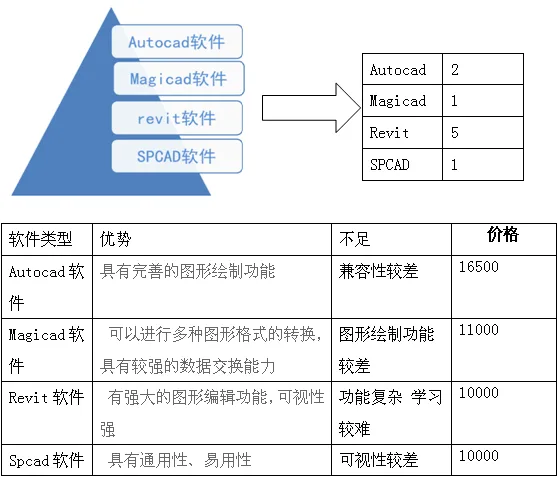
After team discussions, Autodesk Revit was chosen for BIM modeling and management due to its international recognition and comprehensive graphic capabilities.
2. Hardware Selection
The BIM hardware environment includes client PCs, servers, networks, and storage devices. Initial investment in hardware and networks significantly impacts later BIM application effectiveness. Given rapid IT advancements and shorter hardware lifecycles, it is essential to balance investment—avoiding excessive spending or underinvestment. To reduce costs and enhance performance, a self-organizing workstation approach was adopted.
3. BIM Data Creation During Bidding
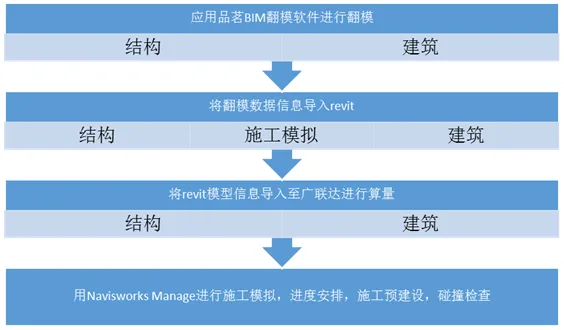
Currently, Guanglian Da software is widely used for budgeting due to its convenient modeling and collaboration capabilities with cost departments. Although Guanglian Da has its own BIM software, its functionality and rendering fall short compared to Revit. Additionally, Guanglian Da is relatively closed and incompatible with Revit. Therefore, we combine domestic BIM software with Revit for modeling.
4. BIM Application During Construction
During construction, the BIM model developed during bidding was used to optimize site layout, refine scheduling, cost, and safety plans, and conduct targeted pre-construction demonstrations for technical and safety briefings. This minimizes errors by workers.
(1) On-site layout adjustments, including yard and processing area locations, are made dynamically based on progress and real conditions. Revit models visualize these changes to minimize yard relocations.
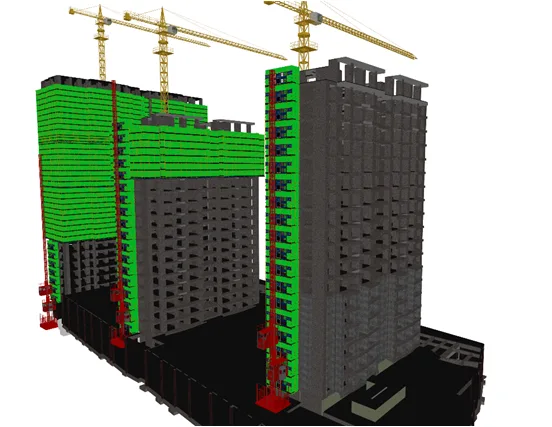
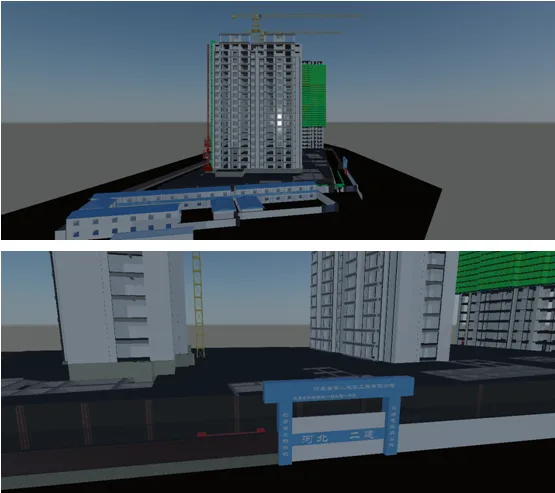
(2) Technical disclosures are visualized by establishing a standardized family library for construction quality, enabling clear and effective communication.
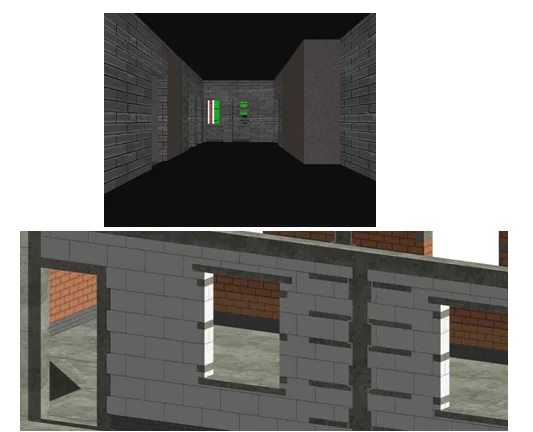
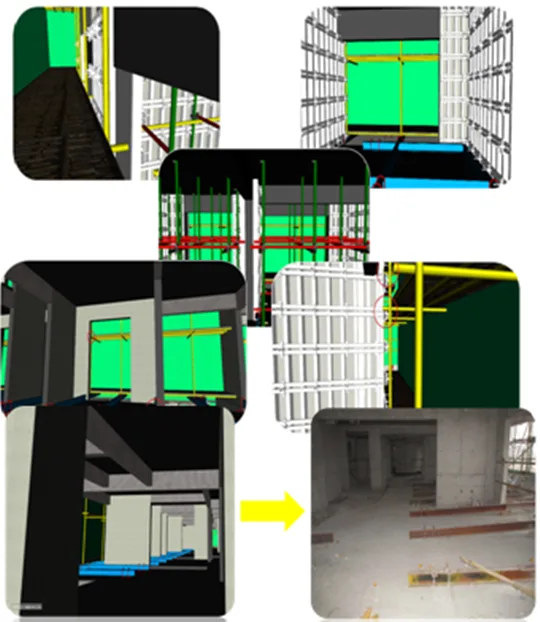
(3) Collision detection is performed on scaffolding, support systems, and structural components, allowing detailed refinement of cantilevered scaffolding assemblies.













Must log in before commenting!
Sign Up