
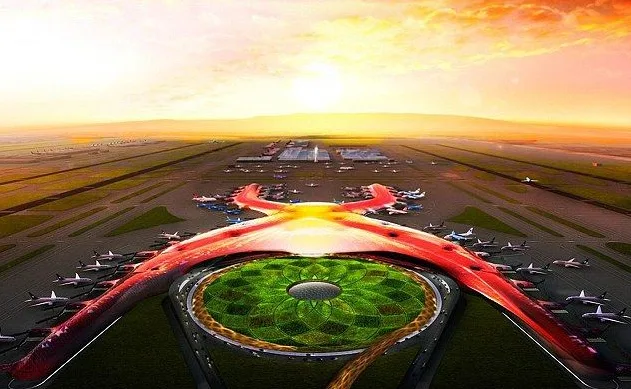
The construction of Qingdao New Airport is set to begin soon. According to the Leading the Way in the Forefront Action Plan Deployment, fully implementing the Qingdao Municipal Party Committee and Government’s “Five First-Class” requirements, Qingdao Airport aims to excel through innovation and breakthroughs. The goal is to establish the new airport as an industry model in five key areas: comprehensive transportation, smart airport, cultural airport, green airport, and distinctive commerce. The project strives to achieve Qingdao’s unique standards and speed in approval, planning, construction, and handover processes.
Planning and Positioning: A Centennial Airport
First, the project will deliver first-class conceptual solutions. Early on, the conceptual planning and terminal design for Qingdao New Airport were selected through international bidding, involving top-tier partners to ensure world-class design standards. The terminal will feature the shortest walking distances and the highest number of close-in aircraft stands (75) compared to similar airports in China, achieving advanced international operational efficiency in the airside area.
Second, the planning emphasizes stability and applicability. Aligned with the national Belt and Road Initiative, the design integrates plans for establishing Qingdao as a major transportation hub for Japan and South Korea, and a key node in Northeast Asia. Coordination with local governments ensures seamless integration between the airport economic zone and the airport core area. The comprehensive transportation plan aims to maximize land use efficiency on the landside while maintaining airside operational effectiveness, minimizing the impact of railway and transit lines on land utilization. Internally, the layout follows principles of intensive land use, with a “southern customers, northern goods” arrangement. The design strengthens connections between airside and landside operations, accommodates tenant needs, and capitalizes on the airport’s prime location. The flight area design involves simulation and capacity evaluation to optimize the layout for efficient airside operations.
Third, the project applies rigorous design management standards. Drawing on experiences from airports like Shanghai and Chongqing, a block-responsibility and overall leadership model is implemented. This approach sets clear tasks, assigns responsibilities, and defines completion timelines to promote design progress and ensure coordination among all parties. Long lifecycle facilities such as terminals receive increased investment to guarantee quality, while high-impact systems like air conditioning, electromechanical setups, and information systems are prioritized to control operating costs. The project adopts a “limit design” principle, establishing total investment caps before design begins based on functional goals. Incentive management mechanisms assess and reward the design team based on cost, schedule, quality, and service performance.
Distinctive Features in Construction and Implementation
First, the smart airport concept is central. Information systems will be deployed across six key areas: the terminal, flight area, work area, ground transportation center, logistics park, and airport economic zone. Utilizing seven advanced IT technologies—including electronics, digitization, networking, integration, virtualization, IoT, and intelligence—these systems support five core business functions: production assurance, security, customer service, commercial operations, and administrative management. A three-tier operational management system comprising global command, regional management, and professional support will underpin Jiaodong International Airport’s role as a regional hub and gateway to Japan and South Korea, as well as a Bohai Bay air cargo center. The airport will embody five functional features—comprehensive transportation, smart operations, green initiatives, distinctive commercial and cultural elements—and deliver nine intelligent capabilities, creating the best experience for airlines, passengers, shippers, the public, management, and onsite units.
Second, Qingdao New Airport will be a green airport meeting Green Samsung standards. A triple power supply system will enhance primary energy use efficiency above 90% through cascading energy utilization. Energy storage air conditioning technology will optimize operation based on peak and off-peak electricity prices, significantly reducing cooling costs. Solar energy will be harnessed via distributed photovoltaic installations on airport rooftops, supported by national policies. Rainwater recycling systems, including storage tanks and pipelines, will promote water reuse. Natural lighting and ventilation will be maximized, balancing skylight areas in the check-in hall to reduce overall energy consumption.
Third, the airport will emphasize humanistic design. It will reflect Qingdao’s regional culture and heritage through artistic expression, interior concepts, art installations, signage, and advertising spaces, conveying a strong sense of place and identity.
Fourth, the commercial area will be distinctive and experiential. Featuring a large, comprehensive retail zone, it will introduce Japanese and Korean specialty products, offering a complete range of these goods at competitive prices. The design will highlight Qingdao’s local characteristics, brand charm, and unique maritime culture.
Fifth, comprehensive transportation will be achieved through a balanced multimodal system. Rail transit will serve as the backbone, supplemented by bus services, establishing a multi-tiered regional transit network. An independent airport rapid distribution road system will be created, forming an integrated transportation center designed to enable travel times of two hours across the peninsula, 1.5 hours within the city, and one hour within the central urban area.
Quality Management Meeting First-Class Standards
First, the project aims for high-quality engineering, targeting the Luban Award. International expertise will be incorporated to establish a robust quality management system. Experienced and qualified supervision, construction units, and project leaders will be selected. Quality control will be strictly enforced over equipment and materials, including rigorous inspection standards for procurement and entry.
Second, safety engineering is paramount. The project will implement full accountability for all employees and dual responsibilities per role. Safety education will be reinforced, with a lifelong responsibility system for safety and quality. Clear divisions by blocks and functions, with defined interfaces and responsibilities, will support a sound institutional and accountability framework. Daily inspections, weekly scheduling, and monthly risk analysis reports will monitor progress. A construction safety management system, site management protocols, and a safety incentive mechanism will be established.
Strong Commitment to Clean Governance
First, personal discipline is emphasized. Staff will study anti-corruption laws and regulations regularly. Ongoing education, weekly case studies, and daily reporting on anti-corruption status will maintain vigilance.
Second, organizational control measures include establishing a dedicated disciplinary committee, signing clean governance commitments and contracts with construction units, and enhancing responsibility systems for anti-corruption. An information supervision platform will oversee key processes such as bidding, procurement, and funding, ensuring accountability throughout.
Third, external supervision involves municipal inspection and supervision departments managing the entire process, with the airport group’s audit department embedding controls to ensure process integrity.
Implementation Efficiency Demonstrates Qingdao’s Speed
First, multiple work streams advance simultaneously under pressure. Site selection and preliminary studies—including pre-feasibility research, terminal design, airport planning, and comprehensive transportation—have progressed swiftly. Following project proposal approval, feasibility study approval and preparatory work for infrastructure have proceeded simultaneously, deepening planning and design efforts while enhancing both speed and quality.
Second, planning and management objectives are clearly guided. With the goal of starting construction in 2015 and completing the project by mid-2019, detailed first- and second-level plans have been developed. Dynamic management ensures adaptability to external changes while maintaining discipline.
Third, the organizational structure supports efficient progress. Five engineering construction sections operate under overall scheduling by the Chief Engineer’s Office. Each section advances concurrently within its scope, enabling coordinated yet flexible development.
Fourth, bidding and contracts are planned proactively. Annual, quarterly, and monthly bidding work plans have been formulated. Market research informs team selection, qualification criteria, and performance standards. Streamlined workflows and improved collaboration enhance bidding efficiency.
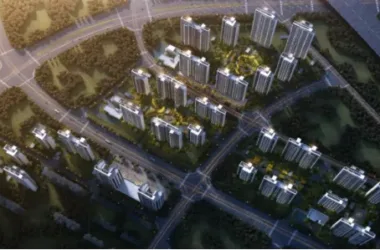
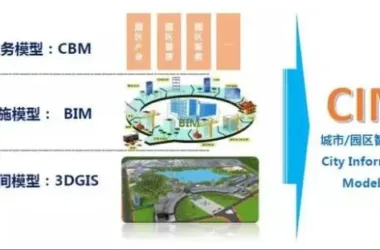
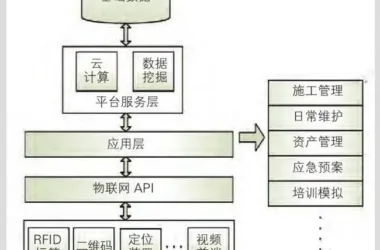
Fifth, technological support is integral to the construction process. Design and construction teams receive strong tech assistance to tackle challenges and drive innovation. The proactive application of advanced international BIM technology plays a crucial role in effectively controlling project progress, quality, and costs throughout the airport construction.












Must log in before commenting!
Sign Up