
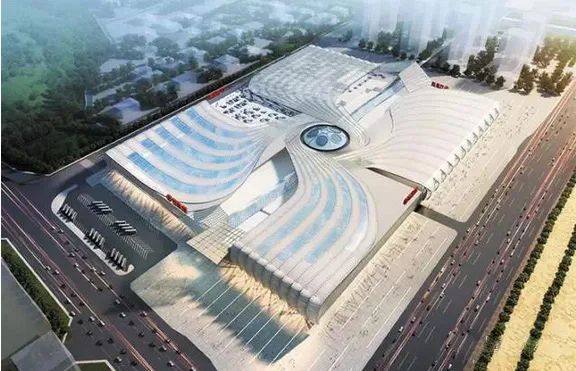
Project Overview:
Our company’s project, Qingdao Oriental Film Capital Wanda Mall, covers a construction area of approximately 360,000 square meters. This complex integrates indoor theme parks, water parks, movie-themed parks, international cinemas, skating rinks, and vibrant commercial zones. It is set to become the largest Wanda cultural tourism commercial complex in China, encompassing film and television technology, entertainment, high-end leisure, and premium brand shopping, delivering innovative, diverse, and top-tier film and television tourism experiences.
As a key functional area extending and expanding the film and television industry chain, Wanda Plaza features unprecedented design, creativity, planning, scale, equipment, and facilities. It has applied for design patents and enjoys protection under national intellectual property laws. Highlights include the world’s only customized indoor roller coaster, the first indoor water roller coaster globally, and Asia’s largest international cinema, accommodating over 5,000 people.
The commercial area spans roughly 150,000 square meters along the main axis of Wanda Plaza, hosting nearly 300 brand merchants across shopping, entertainment, and dining sectors.
As Wanda Group’s inaugural project, facing challenges such as a complex exterior, strict cost control, tight schedules, heavy workloads, numerous mechanical and electrical systems, high indoor spatial demands, complex special equipment, and multiple stakeholders, BIM technology was employed throughout the design process. This approach enhanced coordination among all parties and proactively addressed design challenges, ensuring the smooth progress of the project.
Concept Phase
To tackle the complex facade and control excessive spending, the Tengyuan BIM team developed multiple solution models aligned with the owner’s requirements. They provided optimization suggestions and detailed material lists for each option. Ultimately, they assisted the owner in selecting the optimal solution within budget. Through BIM intervention, the solution cycle was significantly shortened, offering the owner more alternatives and saving an estimated cost exceeding 20 million yuan.
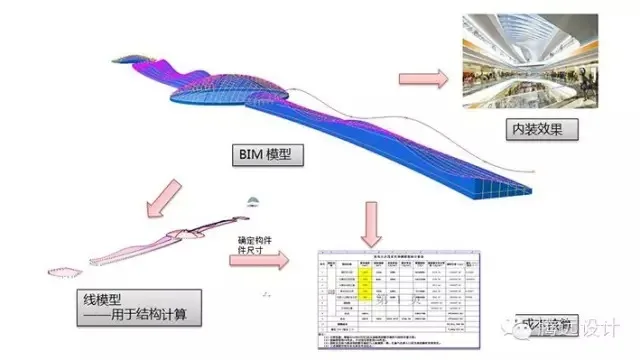
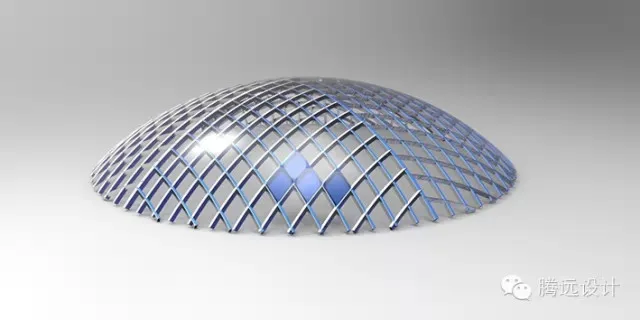
Grid and optimize the skylight glass based on cost and aesthetic factors
Design Phase
Several key challenges emerged during the design phase:
1. Commercial Sector Requirements: Indoor decoration demanded high clearances and complex piping, making it difficult to meet design standards. Traditional cross-sectional views based on points and surfaces no longer sufficed.
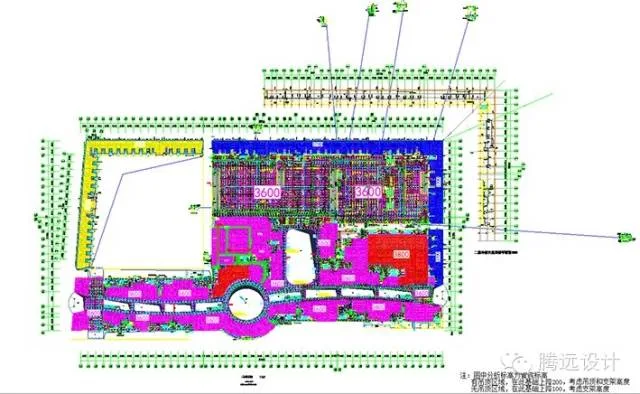
BIM Clearance Analysis Drawing
The BIM team collaborated closely with the design group and the owner to optimize pipeline routing and spatial layout repeatedly. Coordination with the engineering department and general contractor produced the final integrated pipeline plan. This ensured the owner’s clearance height requirements were met while guaranteeing smooth installation by the construction team.
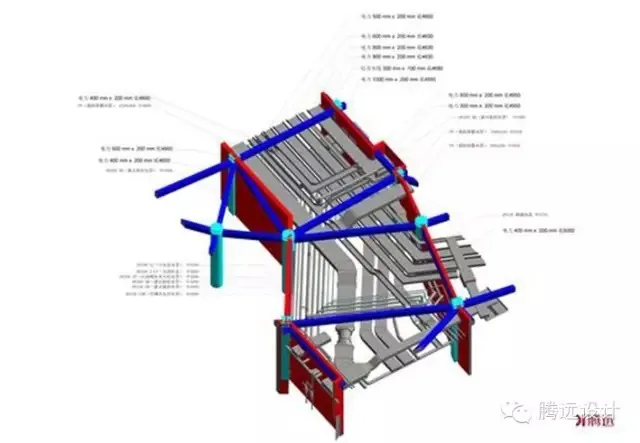
BIM 3D Construction Drawing
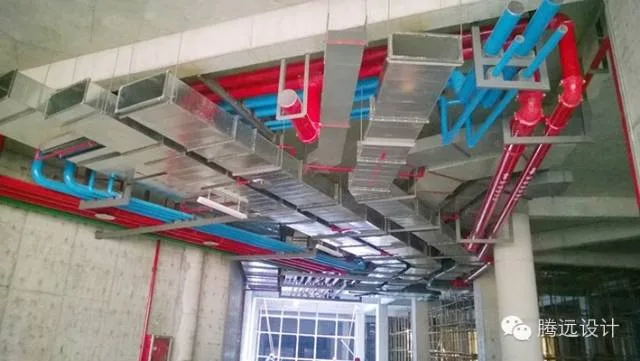
Real scene after on-site installation
2. Indoor Theme Parks: The project includes three major indoor theme parks, presenting significant architectural and MEP design challenges due to the complexity of special equipment components and frequent elevation changes. Traditional 2D methods could not accurately detect collisions or visualize final effects.
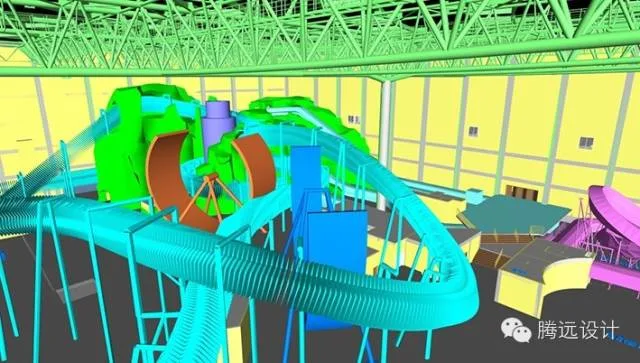
The Tengyuan BIM team integrated various professional 3D models to quickly identify design issues, generate problem reports with corresponding solutions, and submit them to the owner and all stakeholders, ensuring smooth project execution.
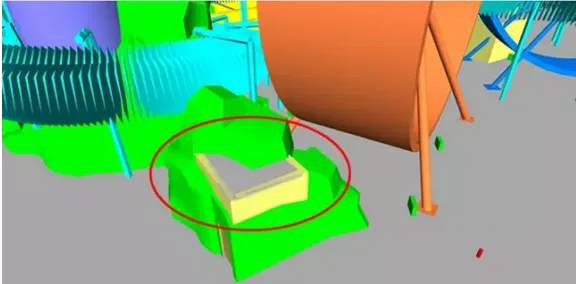
Collision between mountain and staircase
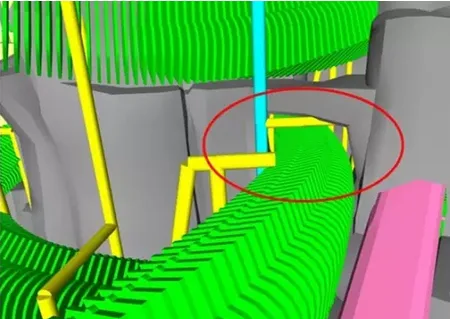
Collision between mountain and amusement equipment
3. Rooftop Equipment: Numerous rooftop installations were visible from the indoor pedestrian street, creating potential issues that traditional methods could not accurately detect.
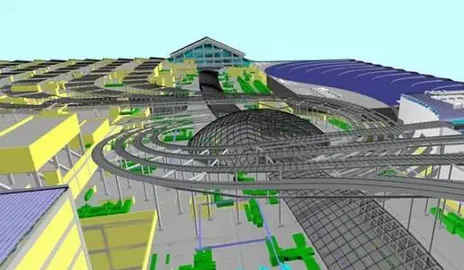
Numerous rooftop equipment
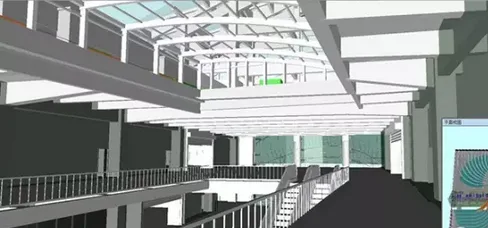
Indoor pedestrian street view of air conditioning equipment
Following BIM optimization, the design team revised rooftop layouts to resolve these issues.
4. Roof Shape and Indoor Visibility: The complex roof shape significantly impacted indoor sightlines. Using the BIM platform, these issues were promptly identified, leading to modifications in the original design.
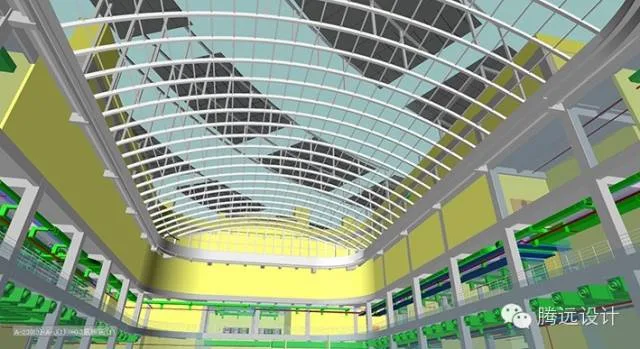
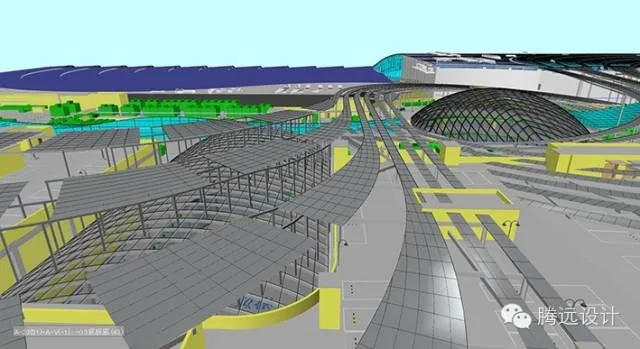
Scene above the ice rink before modification
Throughout the project, the Tengyuan BIM team collaborated closely with all stakeholders, delivering results in sync with the design process. The design approach balanced the differing needs of design and construction, ensuring flawless project execution.
This project earned the Tengyuan BIM team recognition as an outstanding supplier for the Wanda Cultural and Tourism Planning Institute system in 2014 and won first prize in the 2014 Building Information Modeling (BIM) Design Competition.












Must log in before commenting!
Sign Up