
Project Award
Winner of the 16th Shenzhen Excellent Engineering Survey and Design Award for Building Information Modeling — First Prize in BIM Design
Project Overview
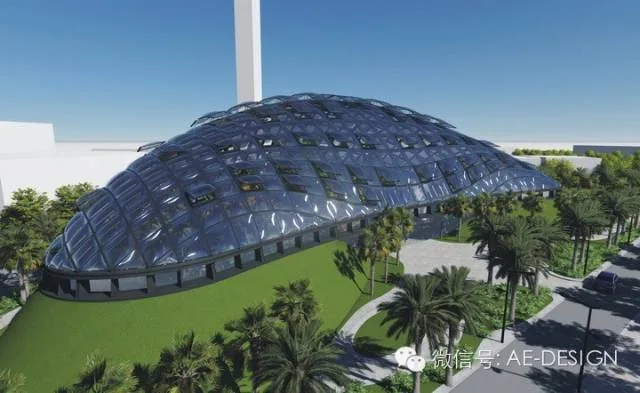
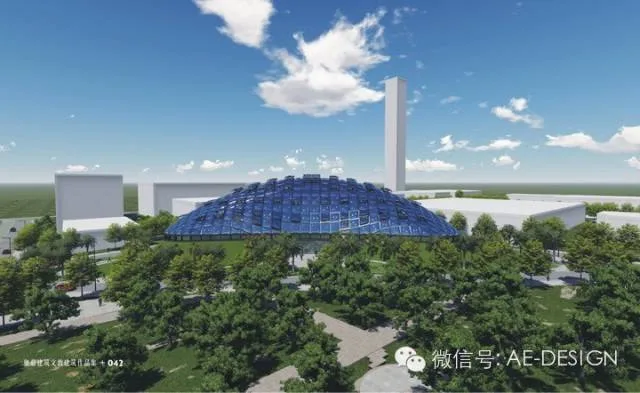
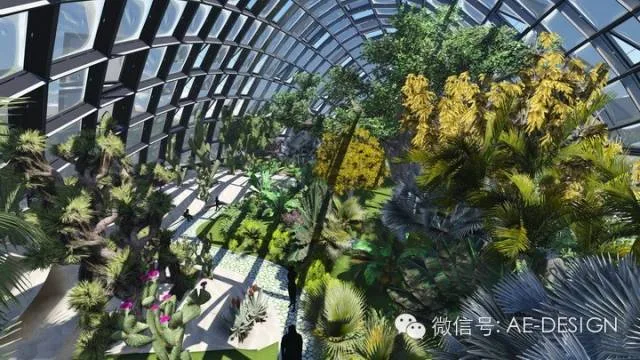
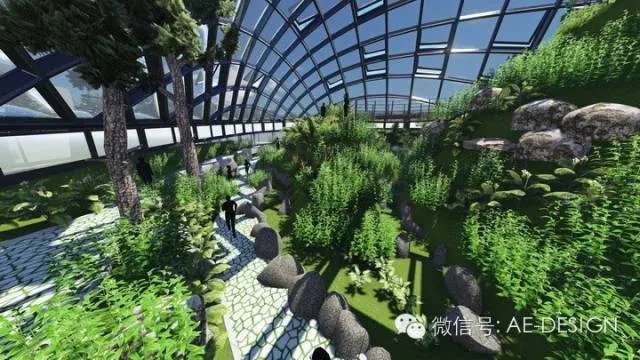
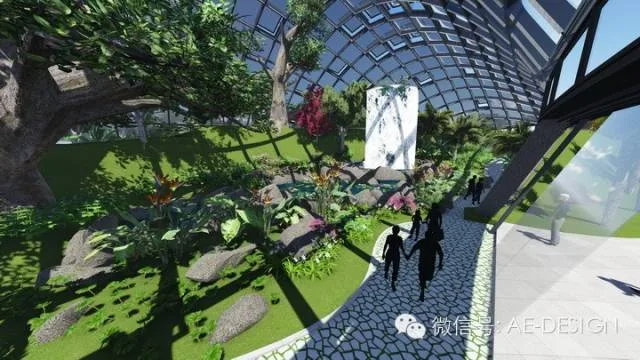
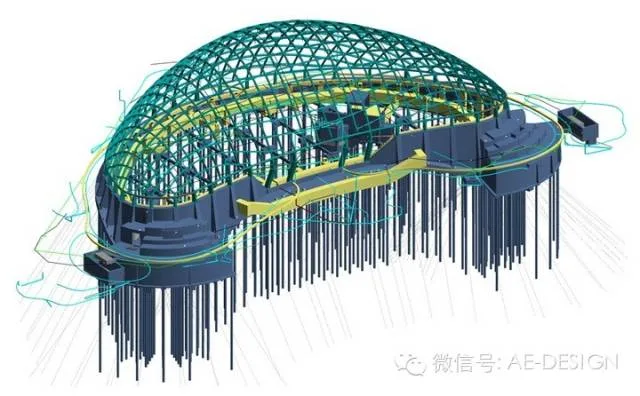
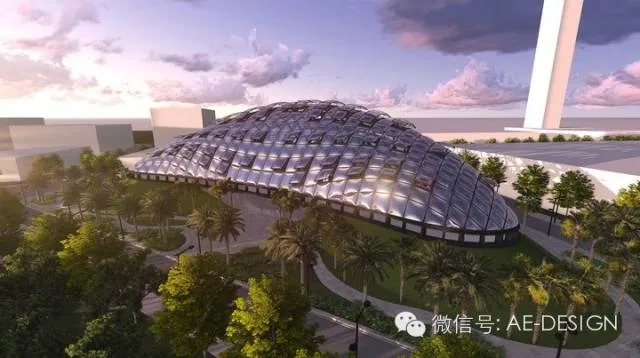
The Vanke Dongguan Tropical Rainforest Pavilion is situated within the Vanke Residential Industrialization Base at Songshan Lake Industrial Park in Dongguan. It serves primarily for the planting and cultivation of tropical plants. Although the building is modest in size, its innovative and irregular shape, along with diverse irregular components, make it a unique architectural landmark.
This project is an experimental initiative by Vanke, intended to become the Vanke Tropical Plant Research Center upon completion. It requires a seamless integration of design, construction, and operation, utilizing BIM technology throughout the building’s entire lifecycle. We employed BIM for full professional design during the construction drawing phase, meeting high standards and stringent requirements to complete the BIM design successfully.
Challenges in BIM Implementation
1) Construction of Irregular Structures
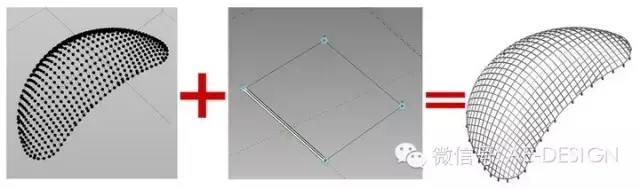
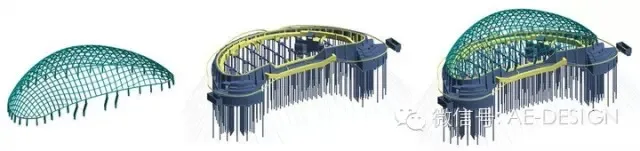
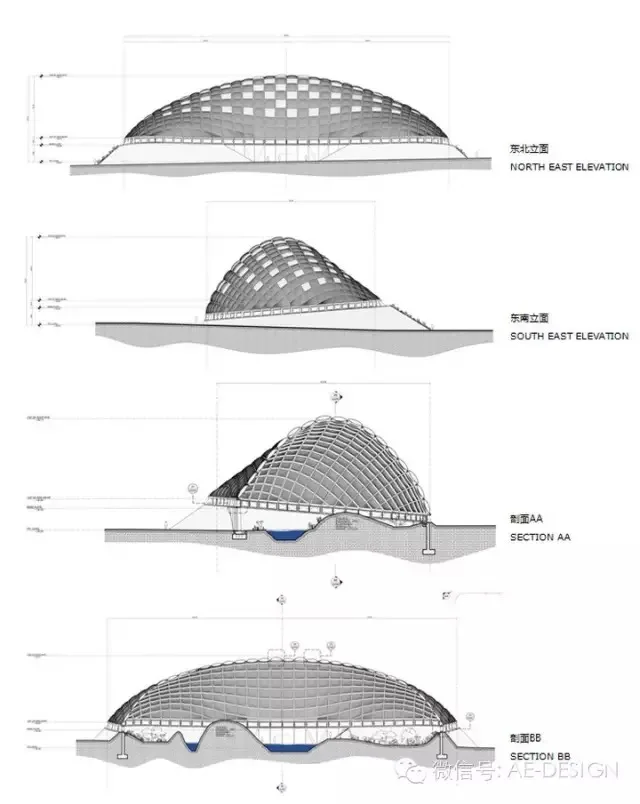
The pavilion features a single-layer mesh shell structure, incorporating a large-span, three-dimensional hyperbolic steel mesh shell in the upper half. The overall dimensions are approximately 80 meters long, 40 meters wide, and 20 meters high, with a highly complex form. The lower part consists of a circular reinforced concrete structure. The building’s internal functional requirements are exceptionally demanding. Multiple disciplines such as water, heating, electricity, and landscaping require special considerations, and the structural team must coordinate carefully to meet these diverse needs.
2) Challenging Terrain Affecting MEP Coordination
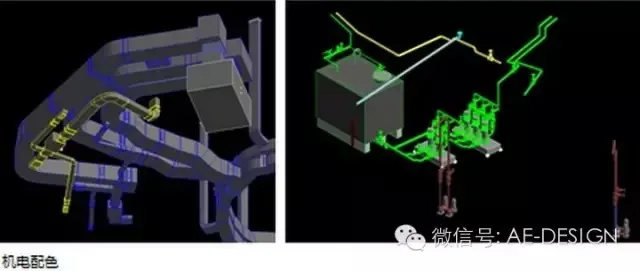
The site is surrounded by mountains and bodies of water, with significant terrain fluctuations both inside and outside the park. Most mechanical and electrical pipelines are buried underground and follow the uneven terrain. Considering the poor soil quality, limited bearing capacity of underground structures, and soil settlement issues, available underground space is limited, making coordination among various MEP disciplines especially difficult.
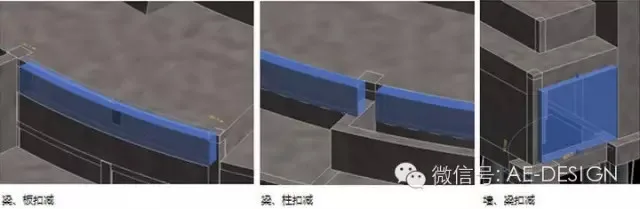
Although the pavilion is small, its irregular shape adds complexity that traditional design methods struggle to clearly express. This also complicates design accuracy and engineering quantity calculations. Using the BIM platform, we precisely located and coordinated the connection between the mesh grid structure and the reinforced concrete base. We integrated the designs from various disciplines into a final, accurate model, which enabled precise calculations and reliable quantity statistics.
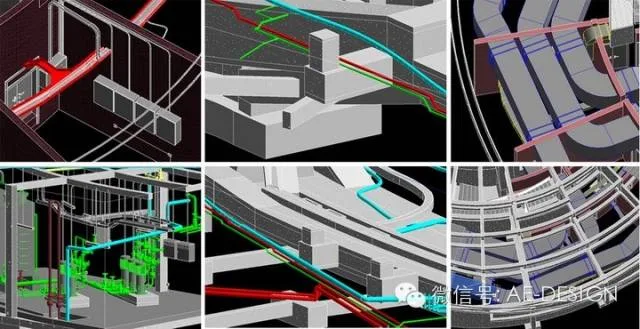
Key Points of BIM Design
During the construction drawing phase, BIM technology was used for comprehensive professional design. Our company, Aoyi, took the lead in the design process, collaborating closely with the general contractor to deepen the design. We reviewed and coordinated the general contractor’s model, consolidating it into the final BIM design model.
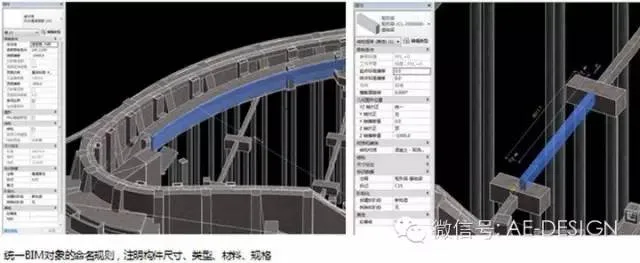
Once approved by all three parties—the owner, the general contractor, and Aoyi—the model was handed over to the owner and general contractor. To ensure smooth BIM model handover, Aoyi worked with the owner and general contractor to establish unified technical standards and modeling accuracy requirements covering all participants. This standardization effectively regulated the model’s level of detail, modeling methods, and drawing content, clarified project technical requirements and quality standards, and supported effective control of the BIM design process.












Must log in before commenting!
Sign Up