
Contributed by: Shanghai Vanke, Nanjing Zhenghua
Vanke Qibao International is situated in the heart of Minhang’s Qibao area, directly above the Zhongchun Road Station on Line 9. This project represents the culmination of Vanke’s 20 years of dedicated development in Qibao. It features high-end LOFT units with 4.5-meter ceilings, ranging from 40 to 50 square meters. The limited space and complex pipeline arrangements have driven the extensive use of BIM technology in the LOFT decoration process, significantly expanding both the scope and depth of BIM application.
1. Overview of BIM Applications
Scope: Building 9 at Vanke Qibao International, incorporating full professional BIM modeling for LOFT units.
Lead Partner: Nanjing Zhenghua, a third-party BIM design consulting firm, responsible for client communication and coordination.
Collaboration Process:
1. Design Phase (Early Interaction) – After the BIM consultant completes the architectural, structural, and MEP models, these are shared with the project management team, design departments, the design institute, and mechanical and electrical consultants. All stakeholders provide feedback via email, which the BIM consultant consolidates for revisions and optimization. All communications are documented for traceability.
2. Construction Phase (Post Interaction) – BIM models are shared with subcontractors including general contractors for civil works, MEP, curtain walls, and decoration. These subcontractors can modify, deepen, and adjust models according to real-world conditions, then report back to the BIM consultant. Records are maintained throughout, resulting in a comprehensive and accurate building information model.
Viewing Platform: The BIM consultant developed a cloud-based platform accessible to all stakeholders via individual accounts. This enables broad access to model data and supports collaborative use of the BIM model across all parties.
Model Accuracy: Models were developed to Level of Development 4 (LOD4), following the American Institute of Architects’ standard “AIA Document E202-2008.”
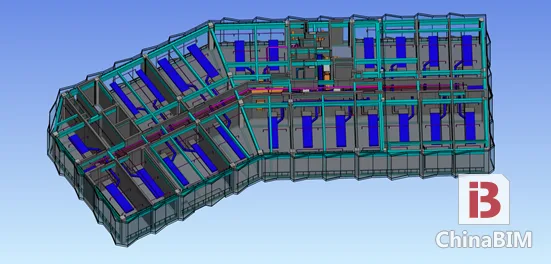
2. Building Full Professional BIM Models Using Autodesk Revit
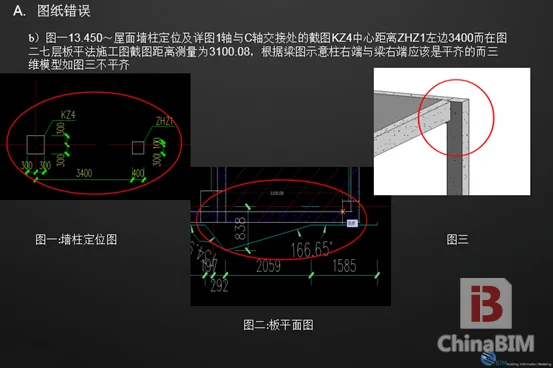
3. Verifying Construction Drawings to Ensure Accuracy
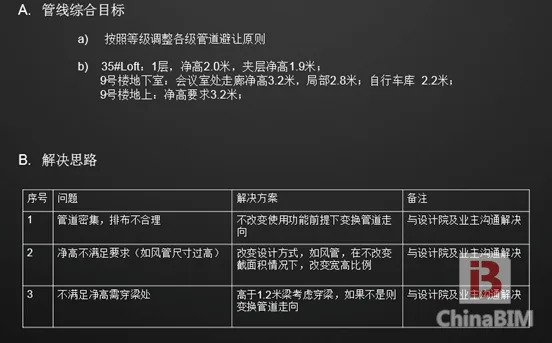
4. Pipeline Integration to Meet Project Requirements on Height and Space
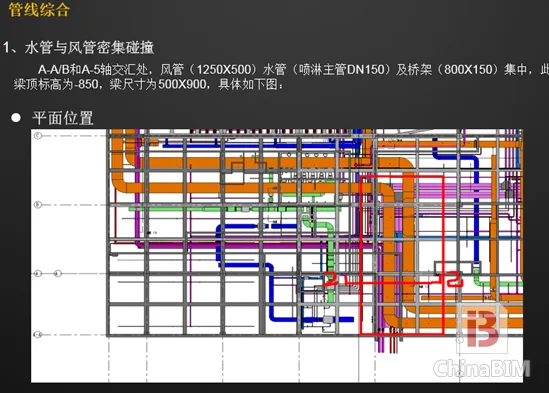
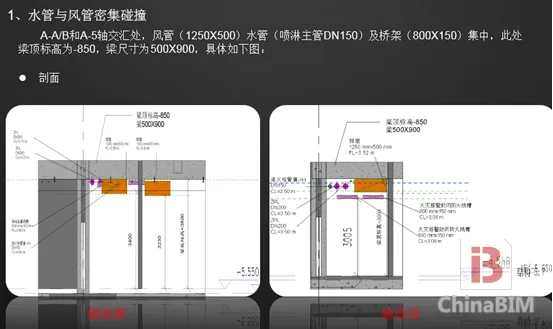
5. BIM Technology Enables Project Refinement
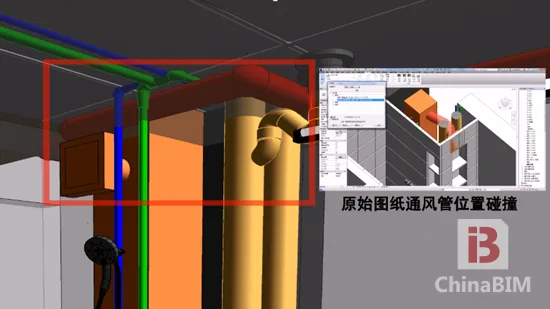
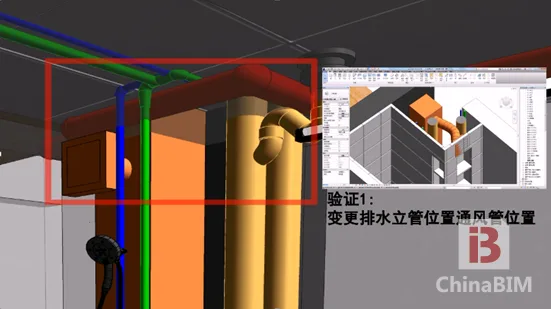
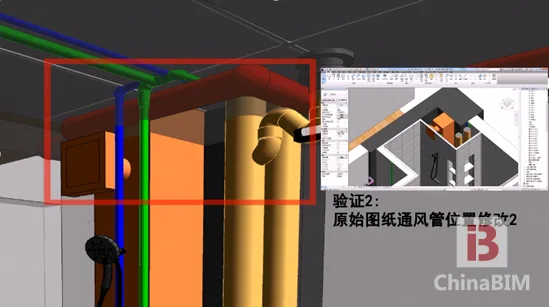
The main challenge addressed by BIM in this project was the complex pipeline layout within narrow spaces. BIM technology effectively resolved these spatial constraints.
6. Display of Fine Decoration Effects Using BIM
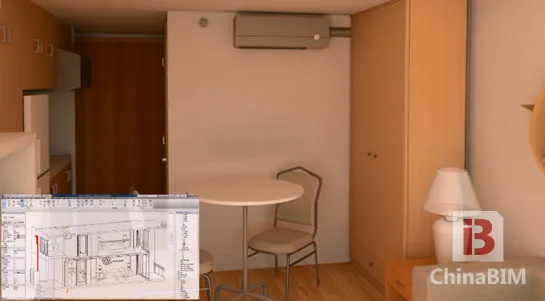
Utilizing BIM360 technology, models are uploaded to Autodesk’s cloud rendering service. This approach enables fine decoration projects to achieve high-quality visualizations without relying on external rendering companies. Cloud rendering frees local machines from heavy processing, making the workflow more convenient and efficient. Tasks that typically take a full day to render can be completed within an hour using cloud technology.
Conclusion:
Since 2012, the Nanjing Zhenghua BIM consulting team has been applying BIM technology in Vanke’s commercial projects. BIM has proven to deliver significant advantages not only in commercial developments but also offers strong technological benefits for residential buildings. In this project, BIM technology swiftly and effectively addressed the challenge of pipeline layout within limited space, while also enhancing the presentation of fine decoration designs beyond expectations.














Must log in before commenting!
Sign Up