
Schedule control plays a crucial role during the project construction process, especially due to financial planning and sales requirements. Today, Manager Jun will share insights on a construction method designed to shorten the construction period. This method is scientifically known as interlaced construction.
Content source: Green City Management Group, 2015 Excellent Project Third Prize, “Research on the Application of Interwoven Construction in Building Construction”
Project leader: Fang Xuhui, Chief Engineer of Greentown Management Group
Question 1: What is interlaced construction?
Interlaced construction is an efficient construction organization method. It involves integrating various engineering disciplines—such as civil engineering, water and electricity, and equipment installation—across indoor and outdoor spaces, ground floors and upper levels. This method creates a tightly connected workflow across multiple processes, coordinated vertically and horizontally, allowing simultaneous construction operations.
This approach maximizes the use of both space and time, minimizing or even eliminating downtime during construction. As a result, it accelerates project progress and reduces costs. Interlaced construction is especially essential for large-scale projects with complex structures, numerous processes, specialized tasks, and tight schedules.
Developed countries like Japan have extensive experience applying interlaced construction. For example, the renowned Maeda Construction company demonstrates this method as illustrated below:
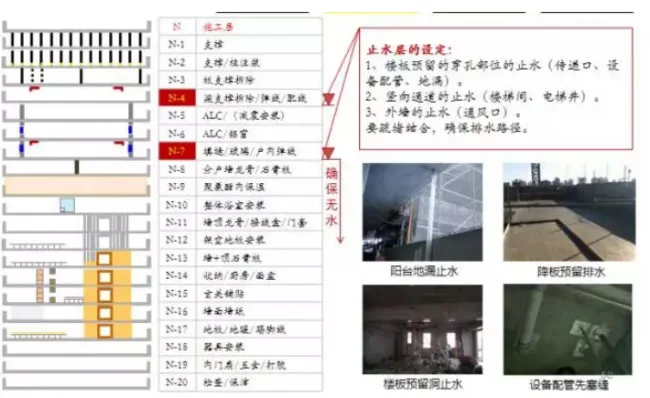
While the main structure on the Nth floor is being constructed, the N-6th floor is installing aluminum windows, the N-10th floor is completing bathroom installations, the N-16th floor is applying wallpaper, and the N-20th floor is undergoing cleaning.
Each construction phase overlaps and intertwines, maximizing use of construction time and achieving optimal economic benefits.
Question 2: What are the benefits of interlaced construction?
1. Shorten the construction period to ensure timely delivery
The primary advantage of interlaced construction is reducing the overall project duration. Depending on the project type, this method can cut construction time significantly. For some high-rise decoration projects, it can save more than six months.
2. Avoid extra expenses
Many projects face costly rush fees, compromises, and government inspection expenses due to unreasonable timelines, despite meeting delivery deadlines. By shortening the construction period, these additional costs can be avoided.
3. Effectively reduce engineering costs
Interlaced construction reduces the service life required for machinery like tower cranes and elevators, saves labor frequency, and lowers management costs. These savings ultimately reduce the developer’s project costs.
4. Promote sales
Early delivery is a key selling point for homebuyers. Interlaced construction speeds up the timeline, enabling earlier handover and thus boosting sales.
Question 3: What is the scope of application for interlaced construction?
Interlaced construction integrates multiple engineering tasks—indoor and outdoor civil works, water and electricity systems, and equipment installation—during the construction phase. It promotes close coordination across various directions and levels, enabling simultaneous operations.
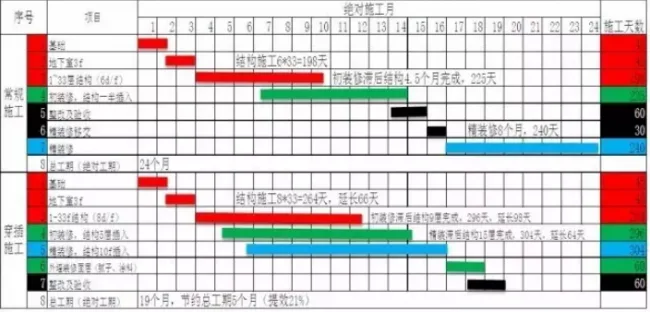
Examples include:
- Simultaneous construction of outdoor pipelines, roads, landscaping, and individual buildings.
- In high-rise decoration projects, unified coordination by the general contractor allows installation, door and window works, exterior wall decoration, interior finishing, and municipal landscaping to proceed concurrently and efficiently.
- Basement construction synchronized with upper structure installations.
- Outdoor engineering combined with permanent roadworks to prioritize municipal infrastructure.
Question 4: What are the key challenges and solutions in interlaced construction?
1. Establish an organizational management system
Challenge: Managing multiple participating units leads to significant coordination demands.
Solution: Develop a robust organizational and management system to systematically control quality, safety, progress, and costs. Define implementation processes, responsibilities, and accountability clearly, assigning tasks to individuals.
2. Arrange reasonable processes
Challenge: Coordinating multiple general contractors and subcontractors to develop practical construction schedules is complex.
Solution: Clarify the relationships between disciplines and construction tasks—whether they run in parallel or sequentially, across time or space. Define preceding and succeeding steps to enable optimal small-scale construction and provide smooth handover conditions.
3. Clear division and handover of work areas
Challenge: Ambiguous work surface divisions cause disputes and delays.
Solution: Before each unit begins work, define work areas clearly, specify construction content, establish feasible handover procedures, and clarify responsibilities and obligations.
4. Advance review of construction drawings
Challenge: Incomplete design drawings cause process mismatches and rework, delaying schedules.
Solution: Conduct joint reviews of architectural, civil, electrical, and decoration drawings before design completion. This integration supports interlaced construction.
5. Finished product protection
Challenge: Multiple construction units working closely can cause damage or contamination of finished products.
Solution: Develop effective protection measures before construction. Clearly assign responsibilities for finished product protection in contracts to avoid process disruptions.
6. Main acceptance procedures
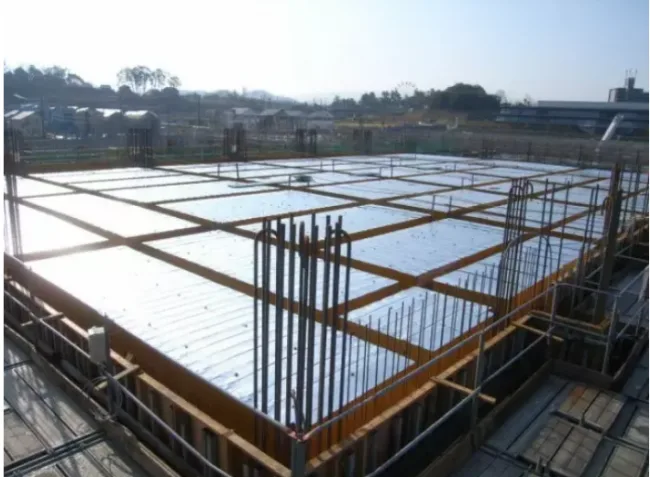
Challenge: Interior decoration can only begin after quality supervision completes the main structure acceptance, which affects interlaced construction.
Solution: Maintain ongoing communication with quality supervision authorities to allow segmented inspections and early concealed decoration approvals. Ensure all acceptance documents and photographic records are complete for future reference.
Question 5: What are the specific requirements for interlaced construction?
1. Interlaced construction planning
During bidding, clarify construction interface divisions among main and subcontractors, including coordination points like floor water and electricity connections. Adopt new technologies and processes for steel reinforcement, formwork, concrete, vertical transport, and scaffolding based on project characteristics. Set fixed or relative start times, agree on handover and acceptance protocols, finished product protection, and floor closure management. List corresponding costs separately in bidding quotations.
2. Organizational and technical measures
Organizational: Establish a construction management team responsible for managing construction interfaces, schedules, costs, and resolving issues. Implement weekly meetings.
Technical: Integrate prefabricated structural design with architectural and specialty designs to save labor and time. Use advanced construction techniques and materials to optimize processes, such as interlaced climbing frames, exterior wall masonry, aluminum formwork systems, and plastering-free methods.
3. Sample first
Focus on process templates during management. The construction management team should participate throughout, documenting issues, improving practices, and optimizing processes to develop a comprehensive work instruction guide for large-scale interlaced construction. Process templates are divided based on sub-project timelines and specialties.
4. Interlaced construction progress management
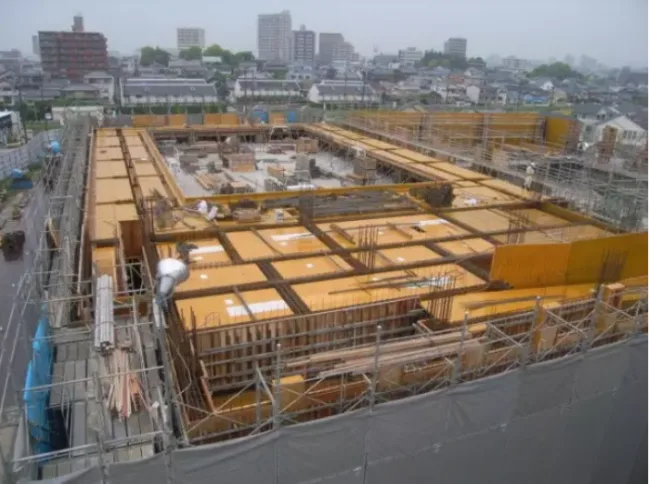
1) Develop an overall project schedule, breaking it down into monthly, yearly, and weekly plans.
2) Estimate manpower and material needs based on weekly plans, monitoring daily progress.
3) Create specialized plans, such as procurement, material and equipment delivery, and sales plans.
4) Hold daily morning meetings to review progress goals and adjust as needed.
5) If significant deviations from the plan occur, conduct special progress meetings to analyze issues and implement corrective actions.
6) Establish a reward and punishment system with defined milestones.
5. Interlaced construction quality management
Ensuring on-site construction quality meets delivery standards is fundamental. Emphasize process management using tools like quality traceability tables to track and control quality.
6. Interlaced construction safety management
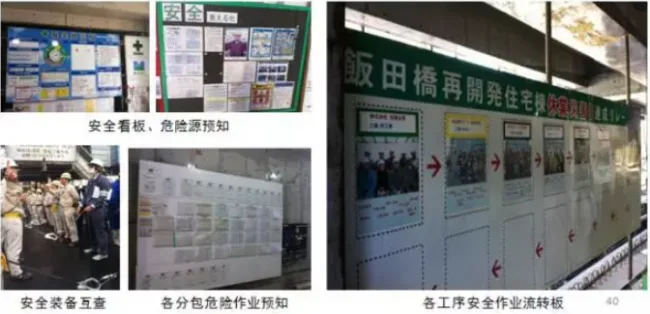
Safety relies on standardized tools and protocols. Pay particular attention to electrical safety, high-altitude operations, and the use of machinery and equipment on site.
7. Interlaced construction product protection management
Include finished product protection requirements in bidding documents, clearly defining responsibilities and penalties for damage or loss of finished and semi-finished products, water and electrical equipment, facilities, and finished decoration products throughout all construction stages.
Article source: Greentown Management












Must log in before commenting!
Sign Up