
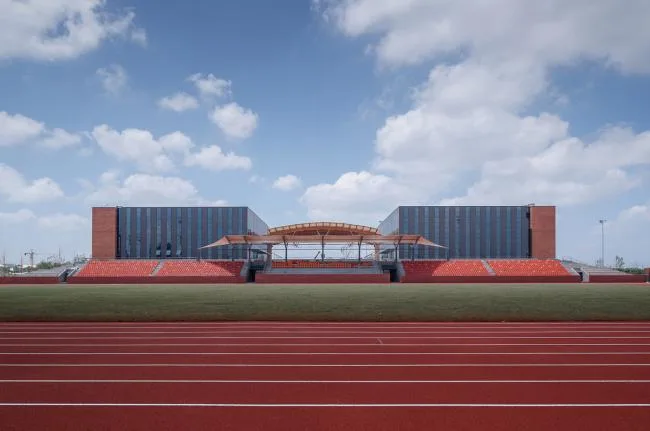
The BIM Learning Gymnasium is situated in the heart of the sports zone on the northern side of Zhejiang University’s Haining International Campus. It occupies an area of 9,211.98 m², with a total built-up area of 14,785.07 m². The facility includes an indoor standard swimming pool, a regulation basketball court, and a multipurpose training hall that supports activities such as badminton, squash, table tennis, and various training sessions.
The architectural layout features two main halls, located to the north and south respectively. Between them are two semi-outdoor tennis courts, sheltered by steel-wood membrane structures, accompanied by an outdoor spectator stand facing the 400-meter track and field area to the east. These three components are unified into a compact sports complex through a series of large steps and platforms.
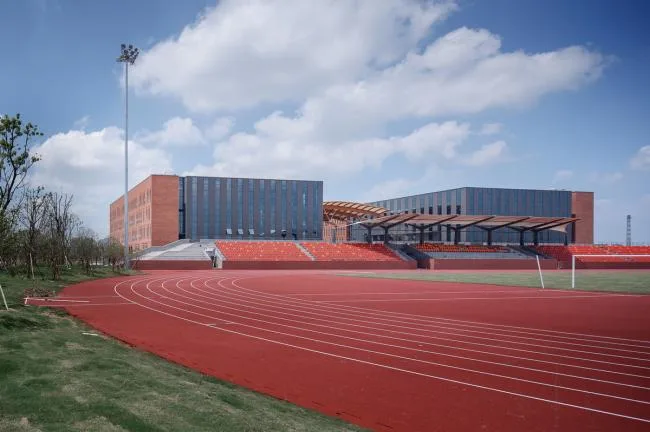
The design embraces the straightforward principle of “form follows function,” fully embodying the original concept of a “sports warehouse.” It carefully considers the surrounding planning context, accommodating the main pedestrian flow from the south and the diverse activities of student clubs and sports programs. The design also harmonizes the relationship between the spectator stands and the adjacent standard sports fields and basketball courts. The goal was to create efficient indoor spaces, engaging and inclusive outdoor venues, and a logical, convenient pedestrian circulation system.
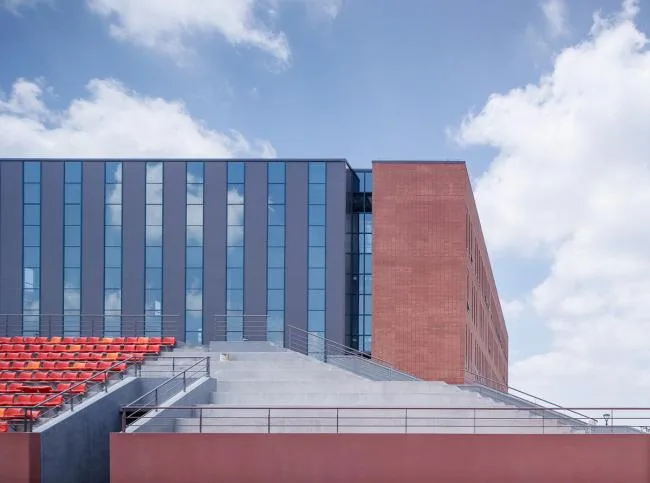
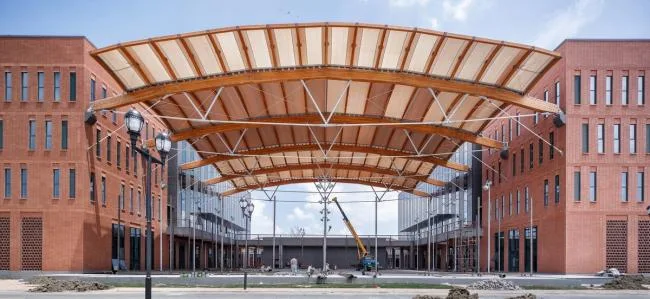
The semi-outdoor tennis courts address the limitation of outdoor courts being unusable during rainy weather. Their roofs are covered with steel-wood membrane structures spanning 45.6 meters, featuring a multi-truss two-way arch design. This structural form is both lightweight and innovative, resulting in an architectural expression that is both novel and aesthetically pleasing.
The large-span steel-wood structure achieves a harmonious balance of strength and beauty, while the drainage solutions and edge closure details of the membrane and arch components demonstrate close collaboration between architects, structural engineers, membrane manufacturers, and construction teams. This seamless integration resolves design challenges invisibly, showcasing the pursuit of architectural elegance through structural innovation.
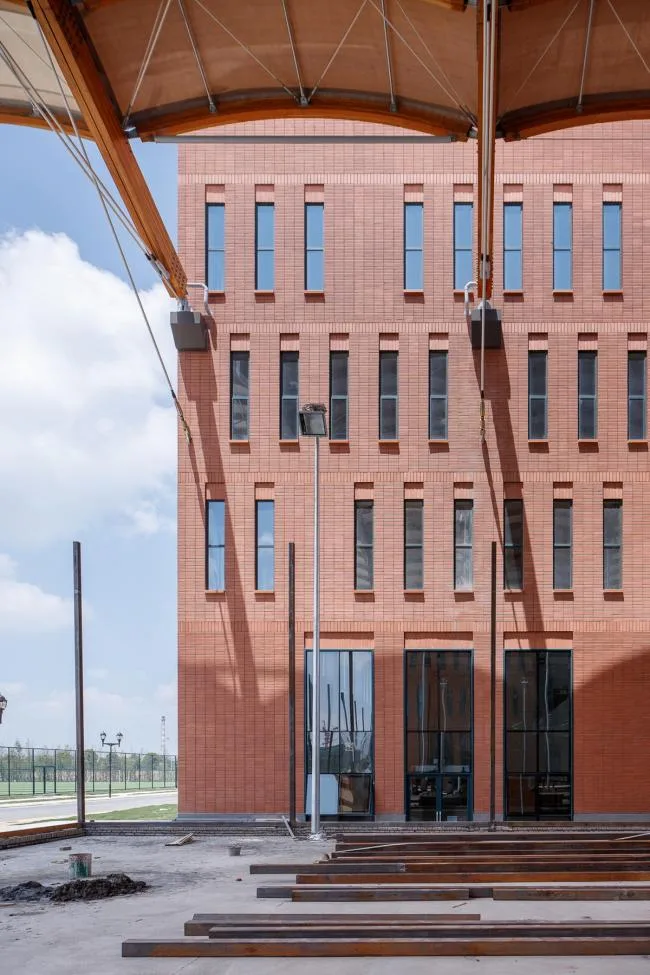
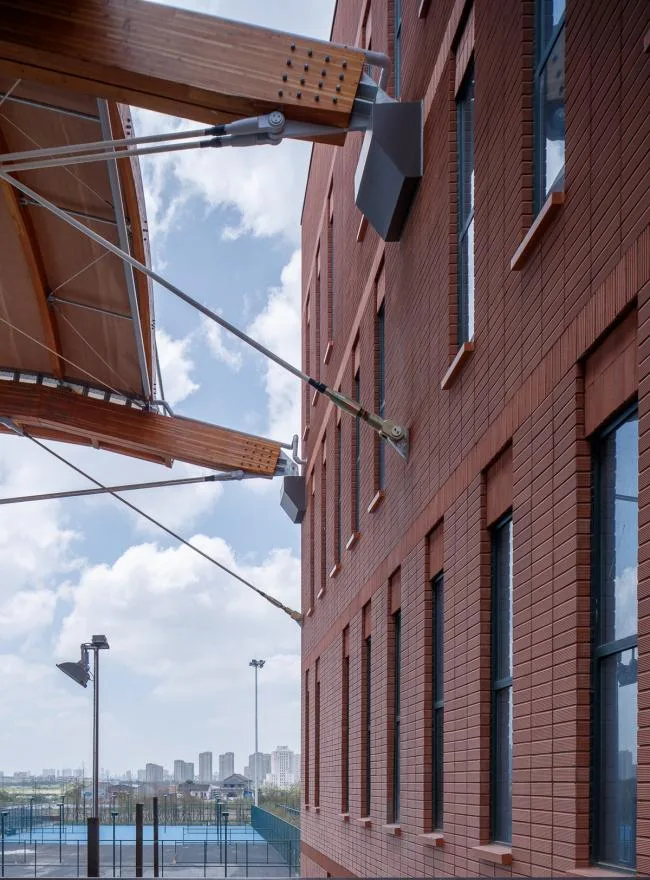
The connecting platform on the west side of the track and field area, along with the simple steel membrane canopy covering the stands, has become a popular spot for students to gather or relax after classes. These spaces are well appreciated by both staff and students alike.
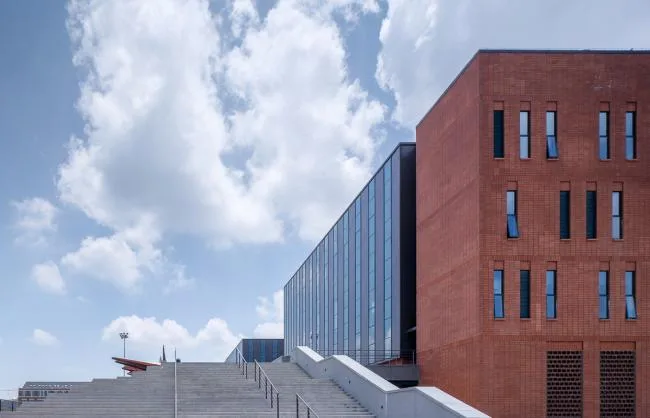
The internal courtyard, enclosed by the sports arena, tennis courts, and track-and-field stands, forms a lively and diverse “sports inner street” and courtyard. This space offers abundant opportunities for students’ extracurricular activities.
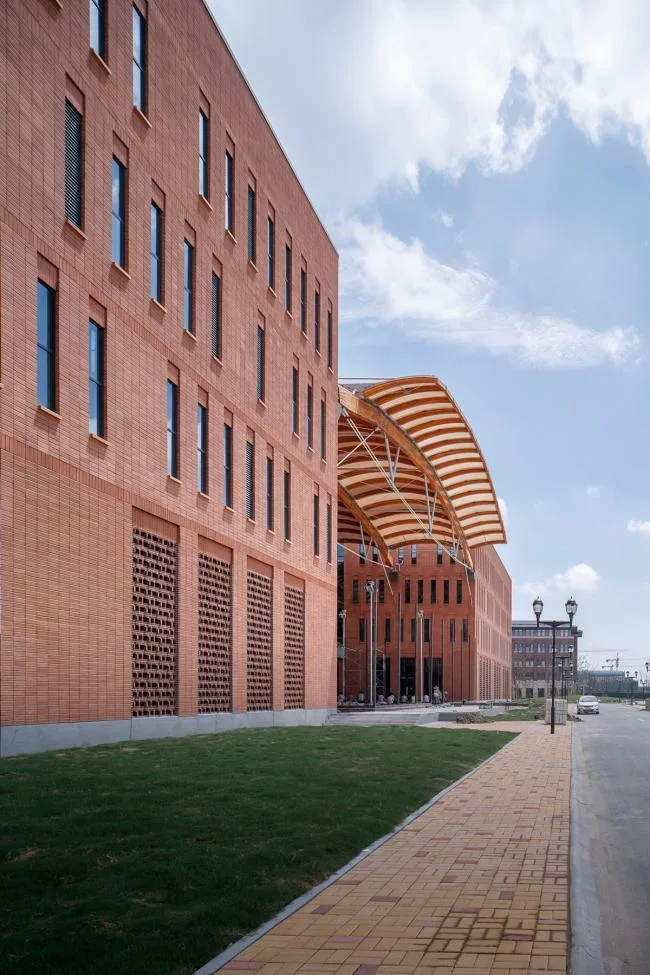
Since opening in 2017, the comprehensive sports hall has received positive feedback for its functionality. Its dynamic spaces and stepped platforms accommodate a wide range of indoor and outdoor activities for students. The flexible layout of the training rooms greatly facilitates diverse teaching methods and program arrangements, setting a benchmark for the richness and internationalization of university physical education.
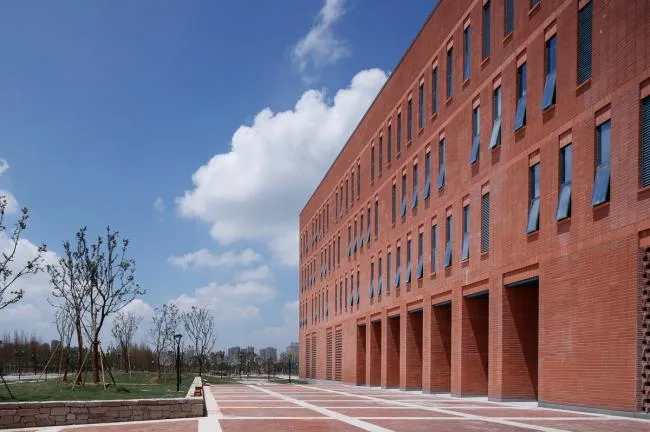
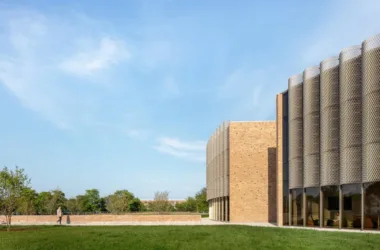
At the outset of the design process, the concept of a universal “sports warehouse” was combined with expressive structural elements characteristic of sports architecture. The two main volumes, located north and south, adhere to a simple and efficient spatial composition. They employ the red exposed brick tone consistent with the entire campus, interpreted here as solid, durable ceramic bricks of the same color. The windows are designed to be clean and modern, deliberately avoiding any ornate decoration. This gradual shift towards a modern style is evident along the campus’s inner ring, embodying the overall design philosophy of “harmony in diversity.”
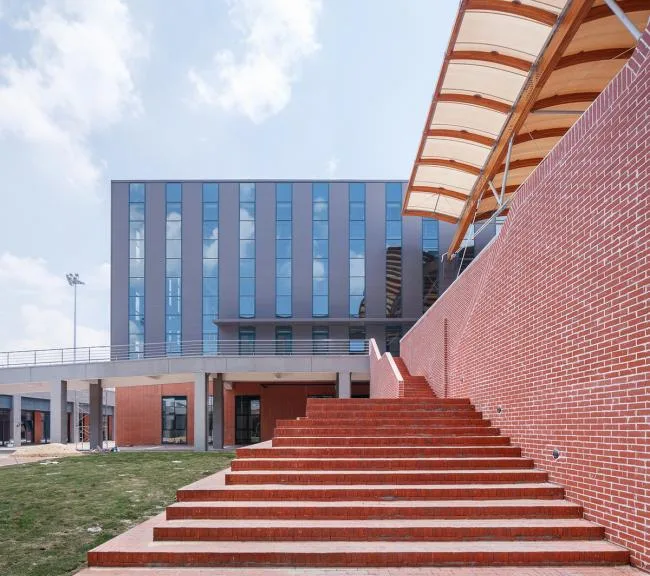
The design aims to foster cultural and visual connections across the distinct planning zones within the campus, each with its own functional identity. The comprehensive sports arena is seamlessly integrated into this context while maintaining a strong and distinctive presence.
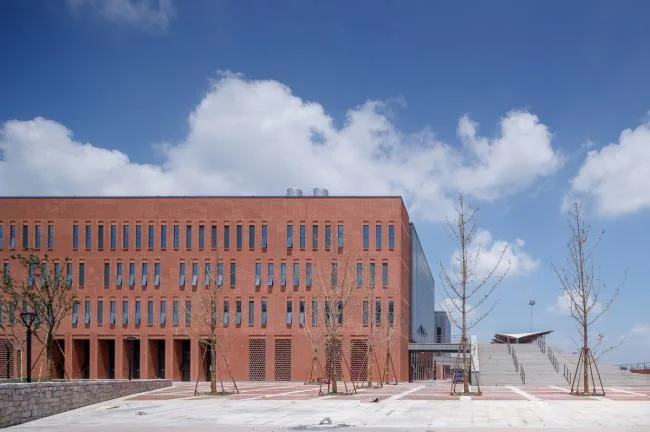
Design Drawings:
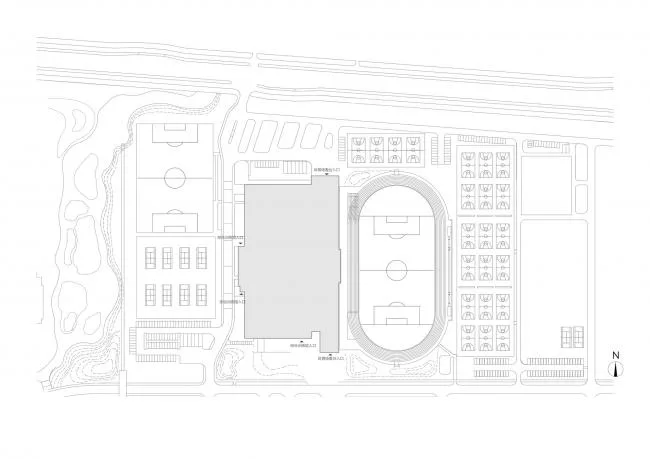
▲ General layout plan
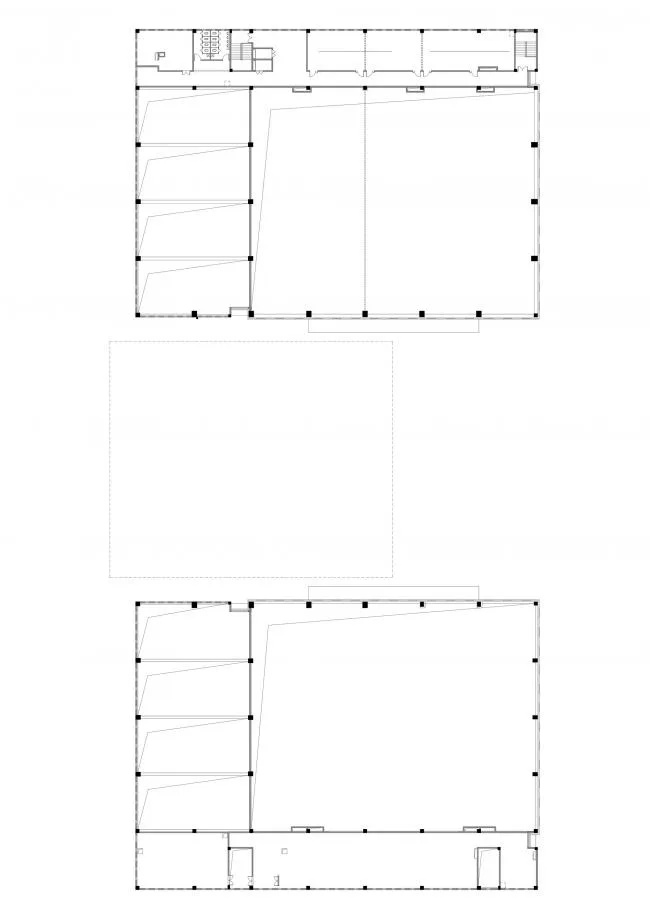
▲ Underground third floor plan
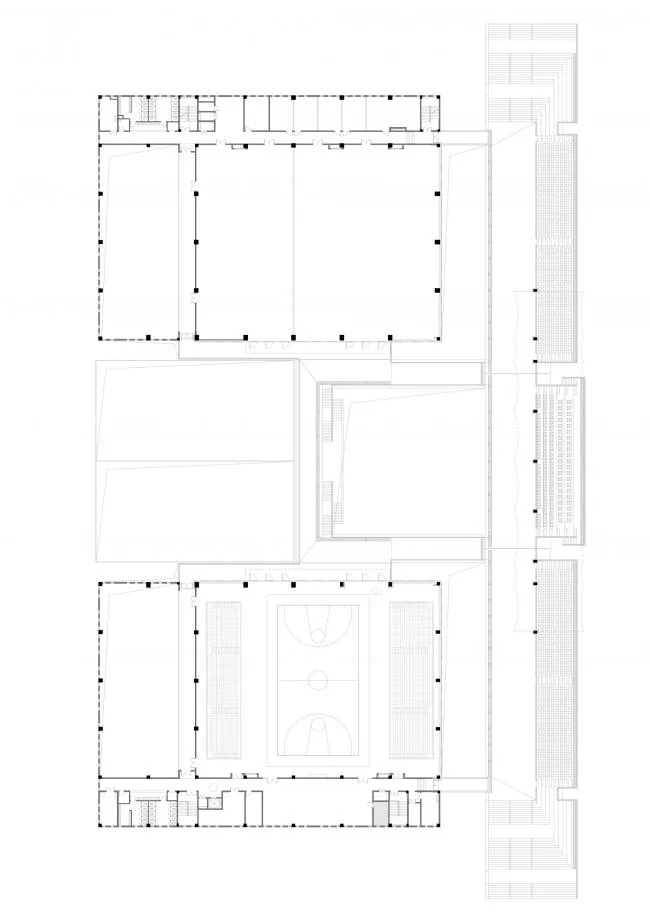
▲ Underground second floor plan
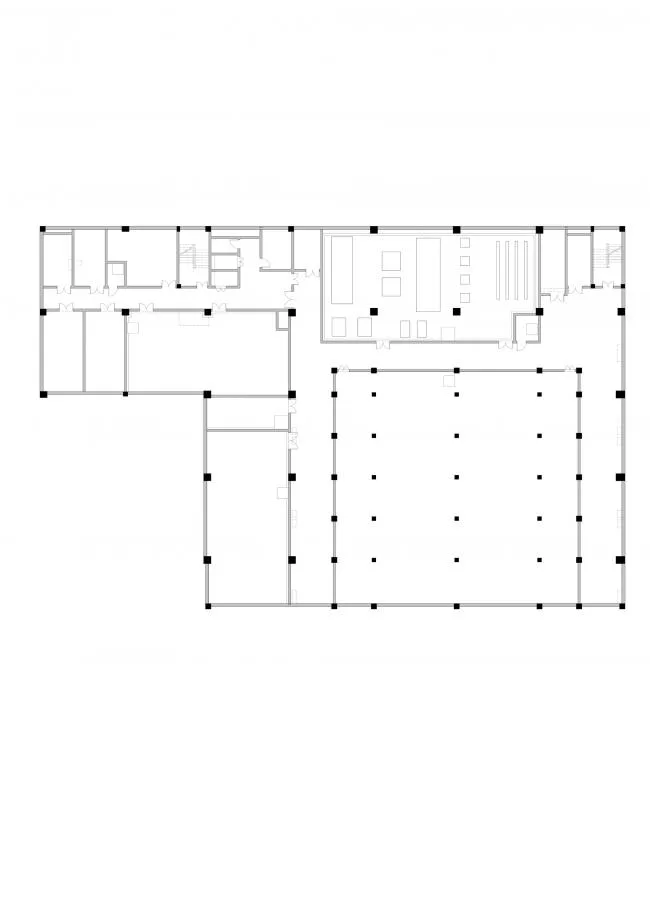
▲ Underground floor plan
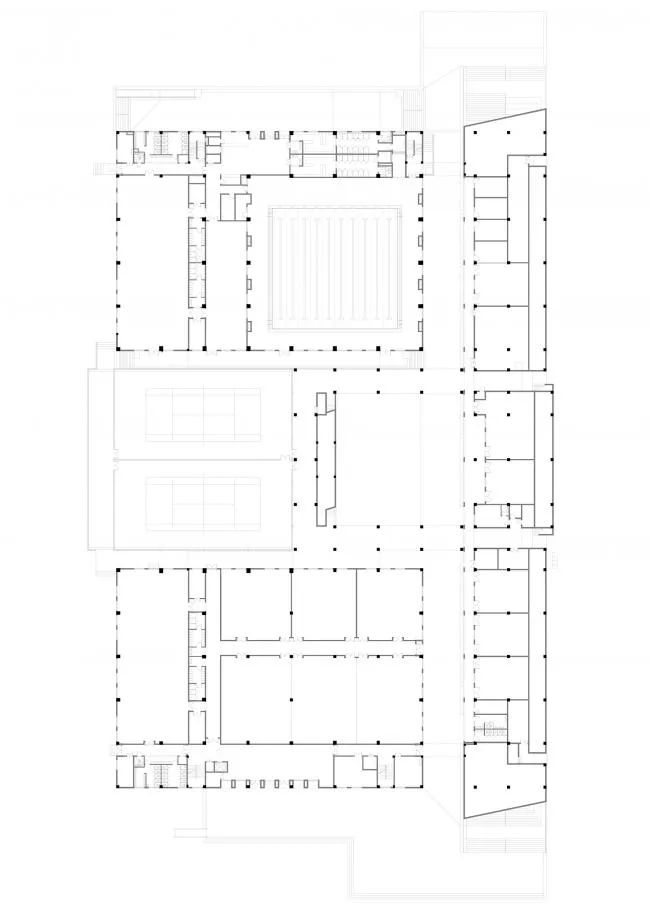
▲ First floor plan
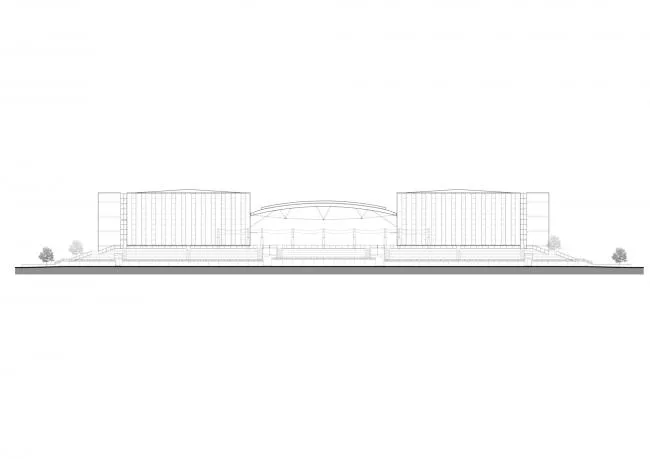
▲ East elevation view
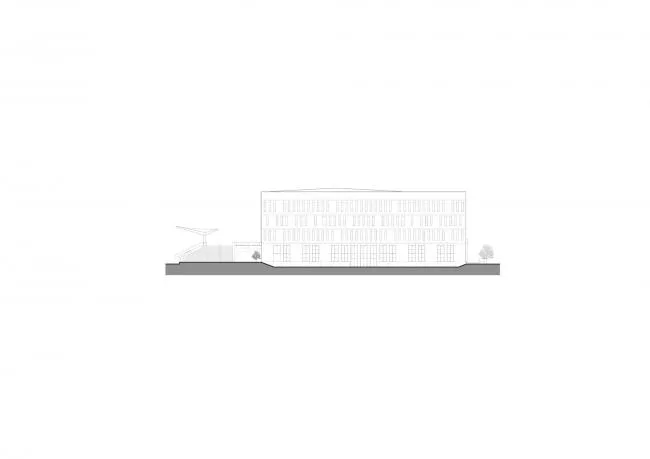
▲ South elevation view
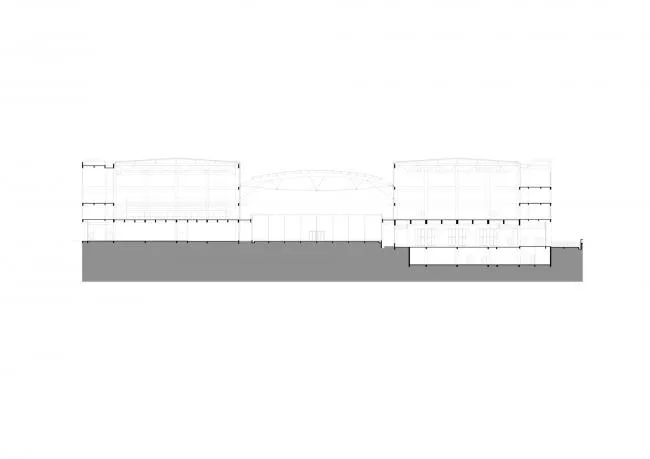
▲ Section 1
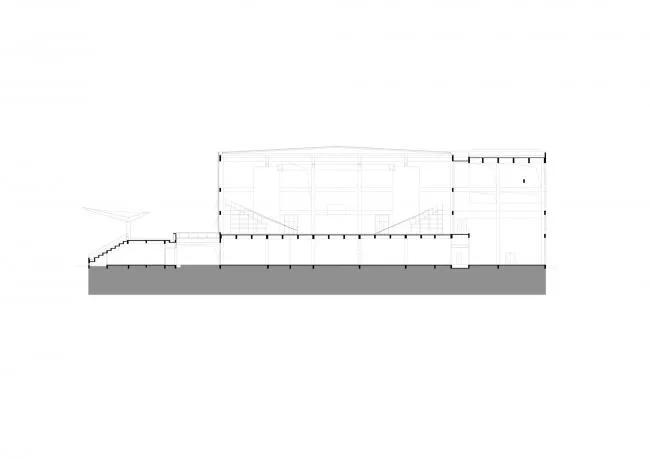
▲ Section 2
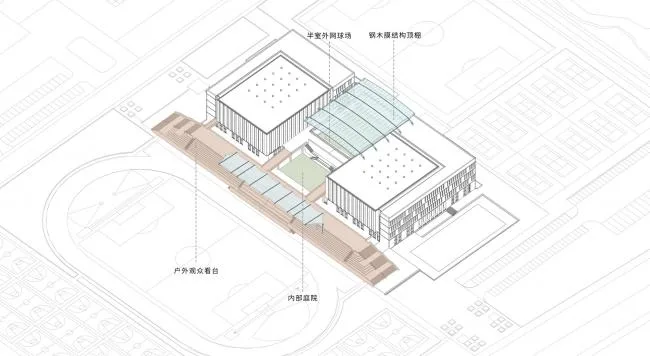
▲ Functional analysis of the comprehensive sports center
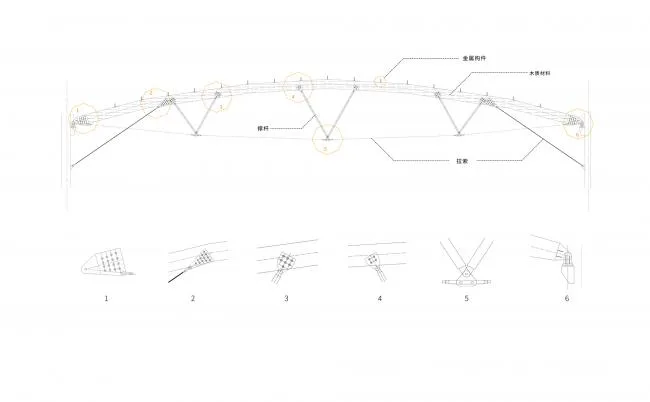
▲ Detailed drawing of steel-wood membrane structure
Project Information:
Architect: Zhejiang University Architectural Design and Research Institute
Address: 718 Haizhou East Road, Haining, Zhejiang, China
Category: Educational Architecture
Principal Architects: Dong Danshen, Hu Huifeng
Design Team: Chen Xian, Xiao Zhibin, Weng Yun, Wang Jinghua, Zhou Xin, Li Ping, Yang Wenzheng, Yang Yi, Diao Yuefeng, Yang Guozhong, Lin Hua, Bai Qi’an, Zhu Juanjuan, Zhang Yi, Chu Ran
Building Area: 14,785.07 m²
Project Year: 2017
Photographer: Zhao Qiang
Construction Unit: Zhejiang University Architectural Design and Research Institute
Client: Haining Social Construction Development Investment Group Co., Ltd.













Must log in before commenting!
Sign Up