
Prefabricated construction represents a systematic and integrated approach that combines design, production, construction, decoration, and management. It goes beyond simply attaching “prefabricated” methods to traditional production techniques. Using conventional design, construction, and management practices for prefabricated projects does not qualify as true building industrialization.
This approach leverages BIM (Building Information Modeling) technology to cover the entire building lifecycle—from design and production to construction, decoration, and management. The ultimate goal is to integrate the entire construction industry chain and achieve full information integration throughout every stage of the building process.
The essence of prefabricated buildings lies in integration, with BIM serving as the backbone of this integration. BIM connects all phases including design, production, construction, decoration, and management, supporting the building’s entire lifecycle: design, construction, operation, and demolition. It digitizes and virtualizes various system elements, representing them through information technology and enabling applications such as collaborative design, visual assembly, engineering quantity interaction, node connection simulation, and inspection. This holistic integration ensures comprehensive, end-to-end information flow across the construction industry.
BIM and Standardized Design
Establishment of a Standardized BIM Component Library
A key characteristic of prefabricated buildings is the use of standardized prefabricated components or parts. To align with this, prefabricated building design must establish a BIM component library tailored to these standardized parts. This library should continuously expand in terms of quantity, types, and specifications of virtual BIM components, gradually creating a comprehensive standardized component resource.
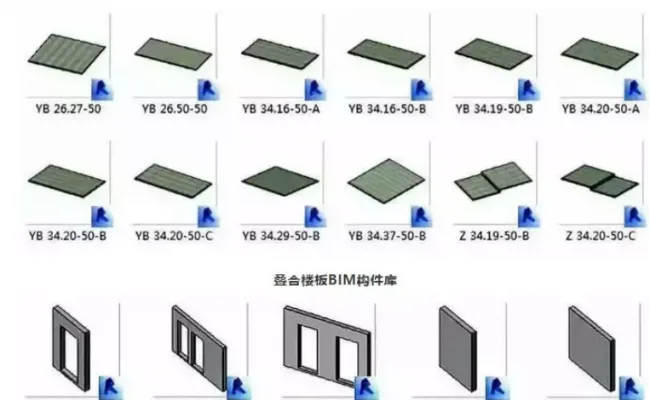
BIM component library for interior wall panels
Visual Design
BIM applications facilitate human-machine collaboration and enable more refined and intuitive design through visual modeling.
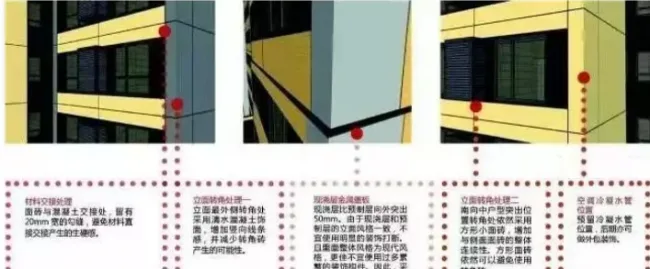
Visual design of exterior wall panels
BIM Component Disassembly and Optimization Design
In prefabricated buildings, careful “disassembly design” of components is crucial. This prevents unreasonable technical or economic solutions during later stages. BIM’s informatization supports these efforts by visualizing and analyzing the geometric properties of each exterior wall component. This process optimizes the types and quantities of prefabricated wall panels, effectively reducing unnecessary component variations.
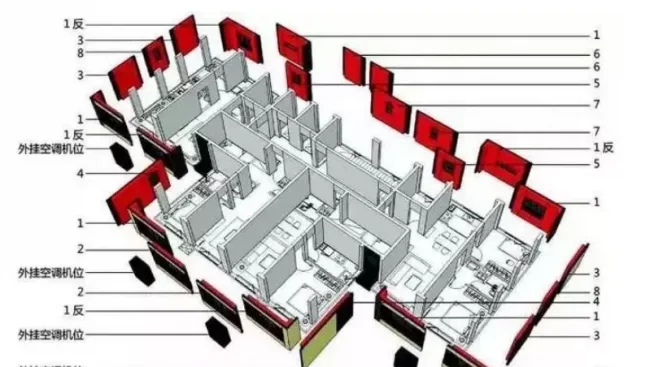
Optimization of exterior wall panel quantities
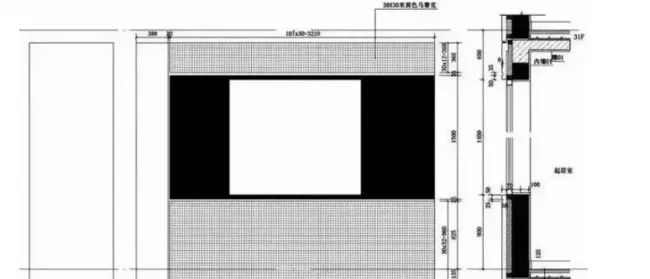
Component processing diagram
BIM Collaborative Design
The BIM model functions as a 3D information platform, enabling seamless collaboration across all disciplines. Each discipline can work on the same model, enhancing coordination and efficiency.
Moreover, the BIM model includes detailed material, process, equipment, and cost information, which supports advanced data analysis and fosters higher levels of interdisciplinary collaboration.
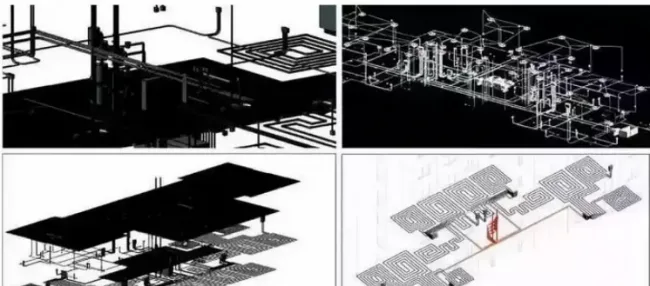
Collaborative design with collision detection
BIM Performance Analysis
By simulating sunlight exposure and shadow casting, designers can adjust their strategies to meet sustainability goals and enhance building performance.
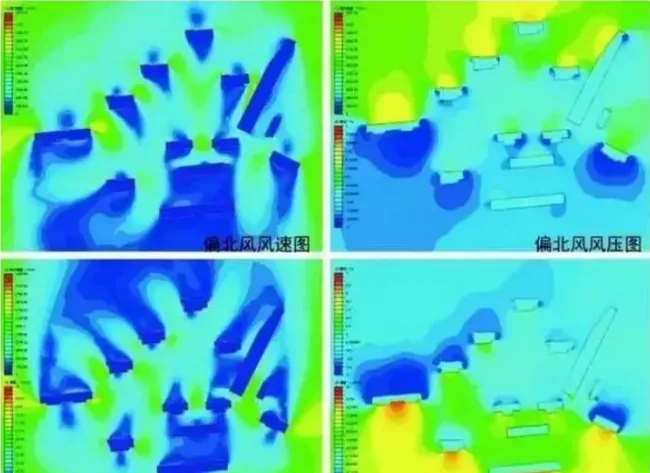
CFD flow field simulation
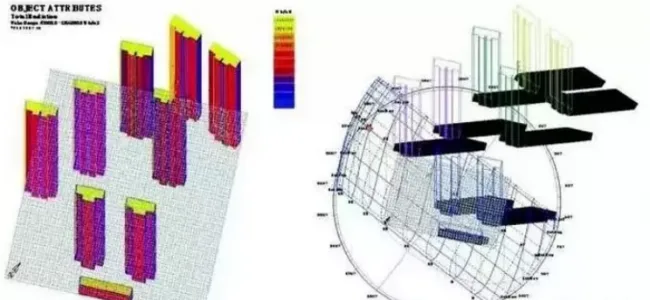
Ecotect sunshine simulation
BIM and Factory Production
Component Processing Drawing Design
Using BIM models to represent building component information allows for the direct generation of processing drawings. This approach not only clearly communicates traditional two-dimensional relationships but also effectively expresses complex spatial cross-sections. Centralizing discrete 2D drawing information within a BIM model facilitates closer collaboration and coordination with prefabrication factories.
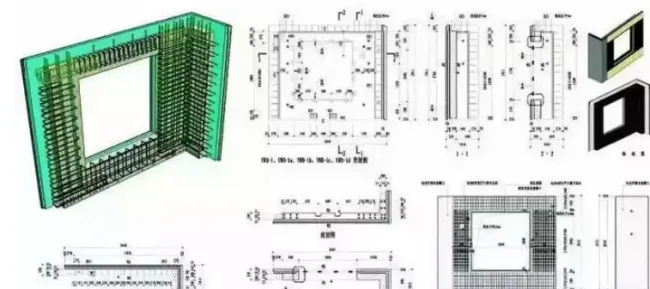
Component processing diagram
Component Production Guidance
BIM models accurately reflect architectural designs. During production and processing, BIM can automatically generate production documents such as cutting orders, dispatch instructions, and mold specifications. These visual and intuitive tools help workers better understand design intents. Additionally, BIM supports the creation of production simulation animations, flowcharts, and explanatory diagrams as training aids, improving the accuracy and efficiency of manufacturing processes.
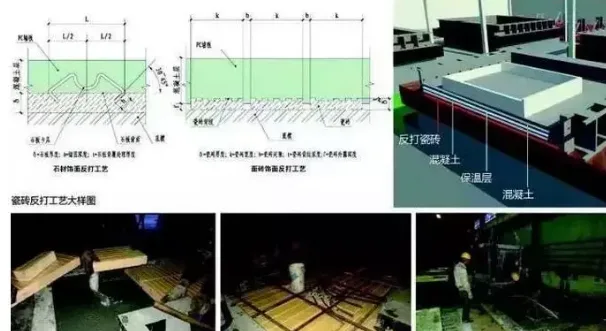
Component production simulation
Digital Manufacturing of Prefabricated Components through CAM
By integrating BIM data directly with factory mechanized production equipment, automated manufacturing becomes possible. This digital process significantly improves work efficiency and product quality.
For example, steel mesh production can be fully automated: steel bars meeting design specifications are cut, shaped, and welded in the factory to create standardized mesh. Overcoming the coordination challenges between BIM design models and factory automation is key to realizing CAM (Computer-Aided Manufacturing) implementation.
BIM and Prefabricated Construction
Construction Site Organization and Process Simulation
Incorporating construction schedules into BIM models and integrating spatial data with timeline information creates a visual 4D model. This model provides an intuitive and accurate overview of the entire construction process, enabling early detection of imbalances in construction control, site layout, process sequences, and optimization opportunities.
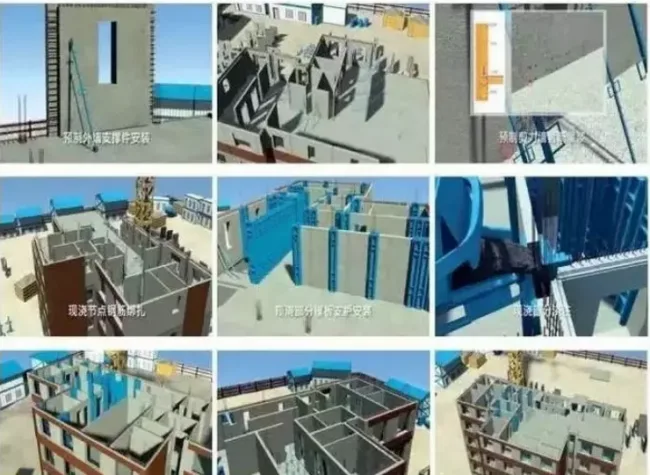
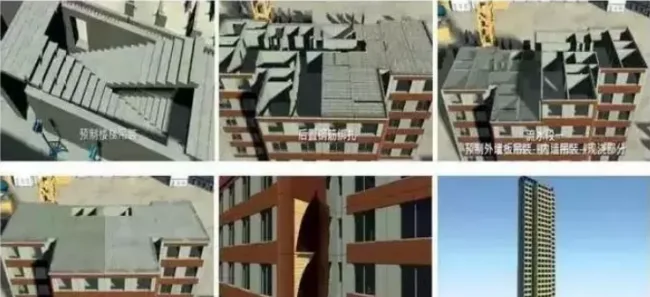
Construction process simulation
Construction and Installation Training
Virtual construction environments allow installation and management teams to clearly understand the assembly structure of prefabricated buildings. This reduces misunderstandings common with 2D drawings and helps keep projects on schedule.
Construction Simulation Collision Detection
Collision detection analysis identifies and corrects errors, omissions, conflicts, and defects that are difficult to spot in traditional 2D drawings. This includes detecting clashes within prefabricated components and between systems such as underfloor heating pipes and electrical conduits.
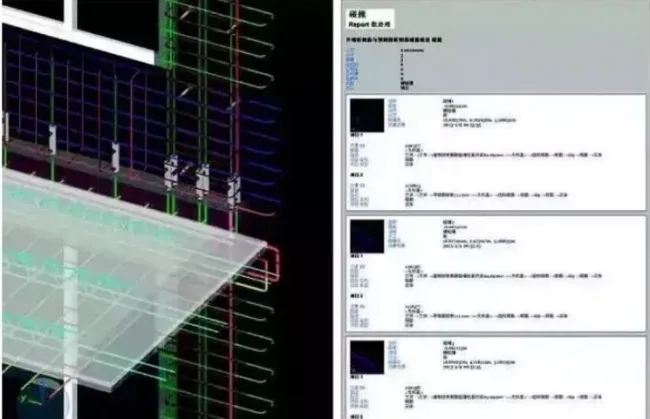
Collision detection
Simulation of Key Construction Nodes
By simulating complex construction sequences and critical nodes in advance, workers become more familiar with the environment and procedures, enhancing efficiency and reducing errors.
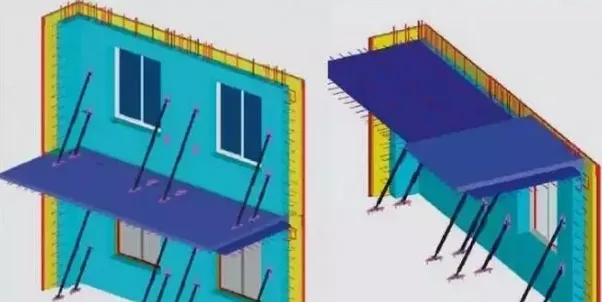
Key node construction simulation
BIM and Integrated Decoration
Building a Decoration Parts Product Library
Integrating civil engineering with decoration as an industrialized production method enhances efficiency across the entire process. Incorporating standardized design from the decoration phase into early scheme design enables rational allocation of production resources.
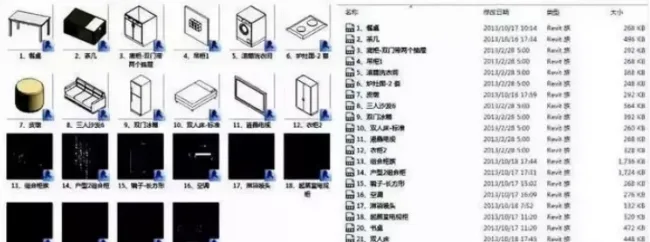
Construction of fine decoration product library
Visual Design
Visualization tools for interior rendering ensure high-quality indoor environments and assist designers in refining their plans. BIM supports design and simulated installation of standardized components, such as modular bathrooms, enabling design optimization, cost analysis, and installation guidance.
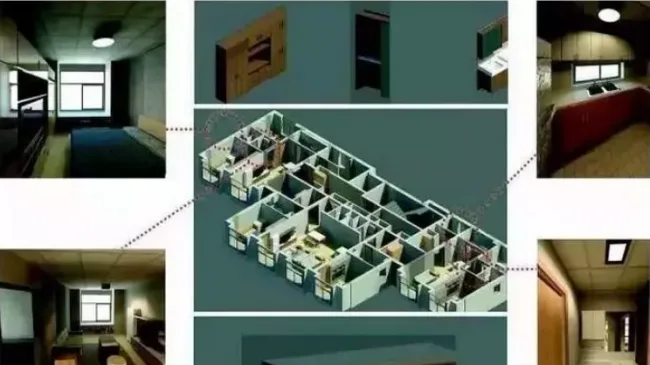
Home library
Information Integration
Product information from various furniture manufacturers is integrated into the BIM model, supporting data calculations and statistics for interior components. Customized parts and furniture can be coordinated with manufacturers during planning to enable factory mass production. Civil engineering interfaces are reserved to ensure smooth coordination of modules, mechanical and electrical systems, and overall integration following BIM modular principles.
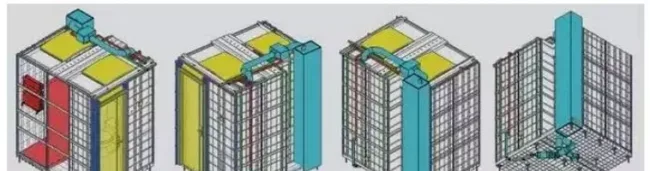
Refined integrated bathroom
Prefabricated Decoration
Decoration design should proceed concurrently with architectural design, dividing living spaces into functional modules such as kitchen and bathroom units. Modular design carefully considers component dimensions and uses standardized modules to facilitate factory production.

Integrated decoration process
BIM and Information Management
Economic Quantity Analysis
The core principle of economic calculation is achieving accurate measurement and estimation. Industrialized buildings are divided into prefabricated and cast-in-place components for pricing and composition. Classification and statistics allow rapid analysis of design quantities, enabling scheme comparisons and detailed project quantity calculations based on regional quotas. This facilitates early-stage cost control during planning.
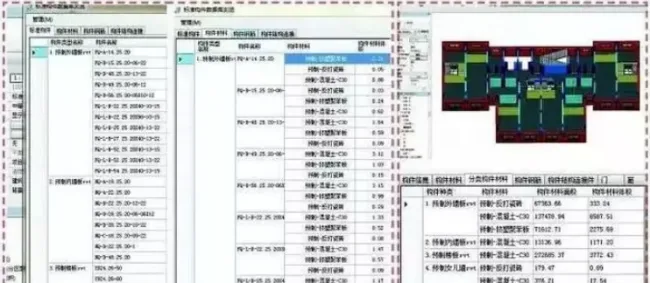
Bill of quantities calculation detail table
RFID and Quality Traceability Technologies
Embedding digital tags such as RFID chips in prefabricated components allows for seamless integration of building information within a single BIM model. BIM services extend throughout the entire project lifecycle, supporting residential industry informatization. By integrating production, construction, and operation needs into the design phase and simulating reality in a virtual environment, BIM maximizes information integration benefits.
Digital tags record quality management data during production, transportation, construction, and management stages, enabling precise quality responsibility attribution and improving overall building quality.
Article source: Prefabricated technology













Must log in before commenting!
Sign Up