
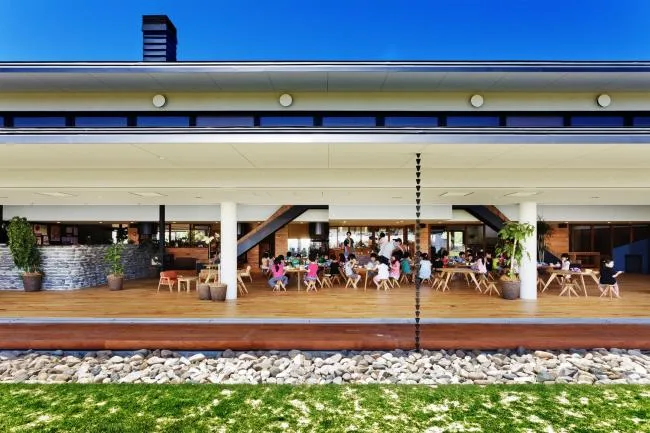
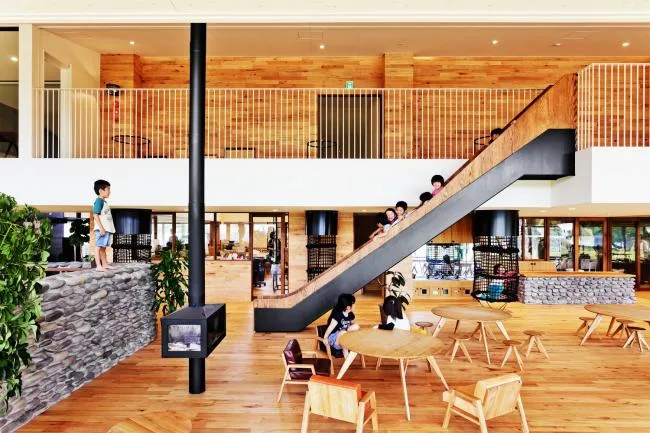
Immerse in nature and nurture a keen awareness of the environment.
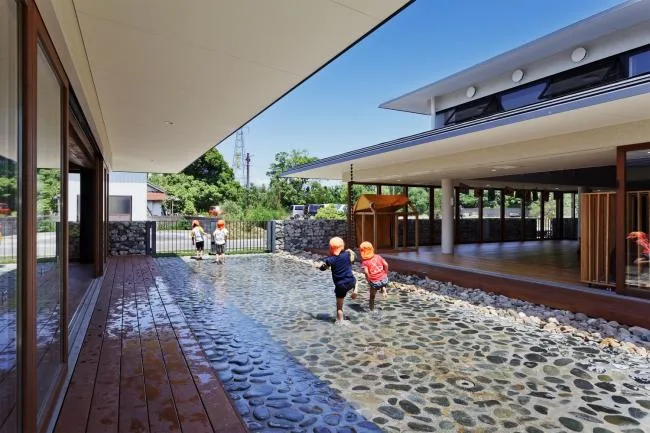
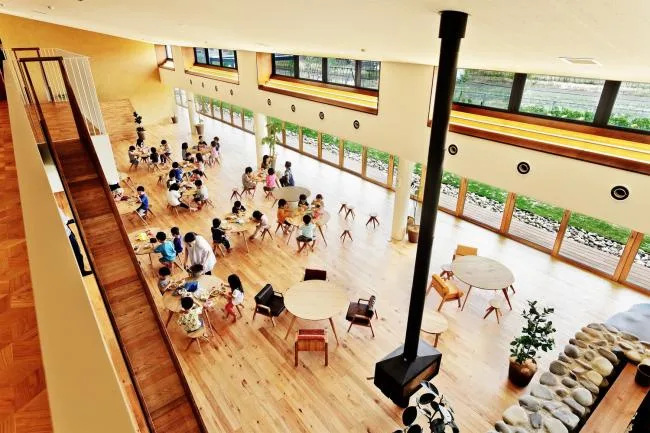
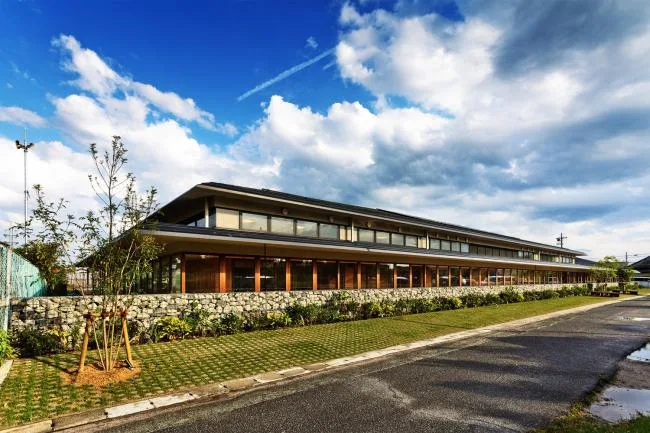
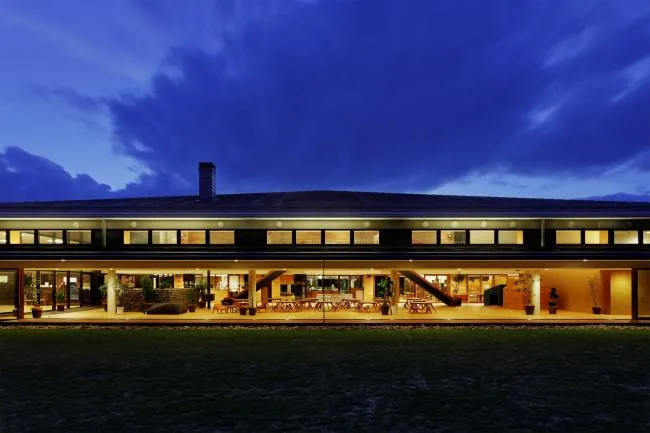
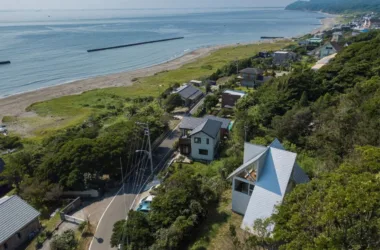
This childcare project is located in Mizo City, Tottori Prefecture, Japan, surrounded by natural marine and mountainous landscapes. Previous kindergartens in the area did not take full advantage of this rich natural environment; they were ordinary facilities lacking sensitivity and failed to foster a connection with nature.
Despite living amidst such natural beauty, children previously had little opportunity to truly experience it. Therefore, the new kindergarten was designed around the concept of “feeling nature and cultivating a refined environmental awareness.”
To enable children to engage with nature daily, the architects carefully selected materials and explored their potential. Every material was chosen with intention and meaning, specifically tailored to benefit children.
The key considerations behind these choices are outlined in the following three points.
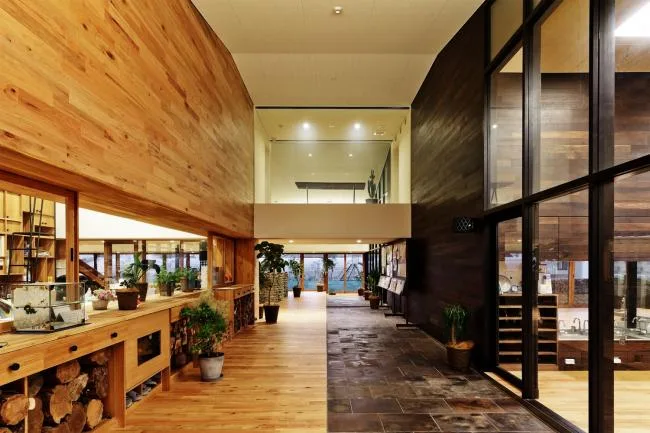
1. Sensory Materials to Support Healthy Growth and Development
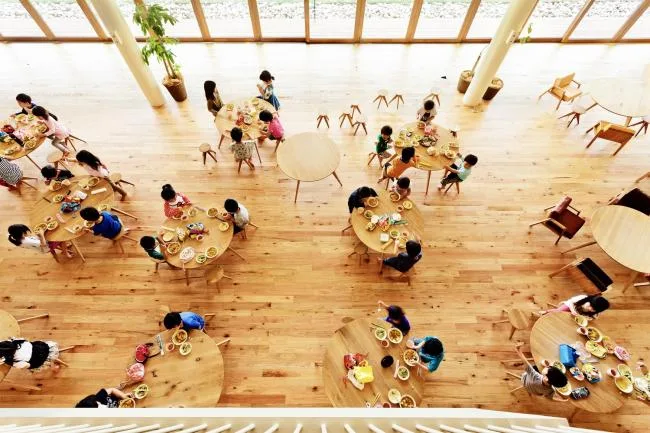
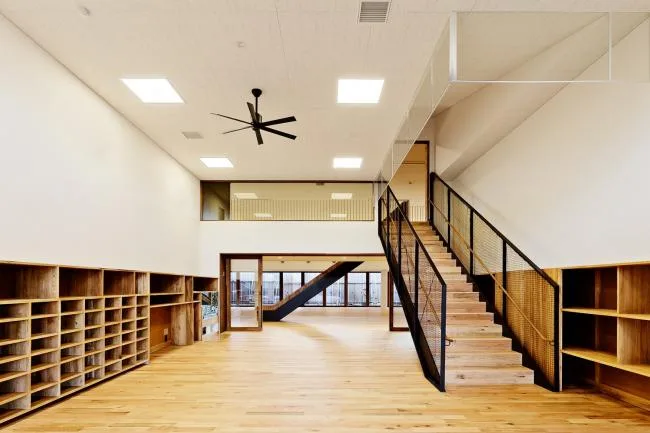
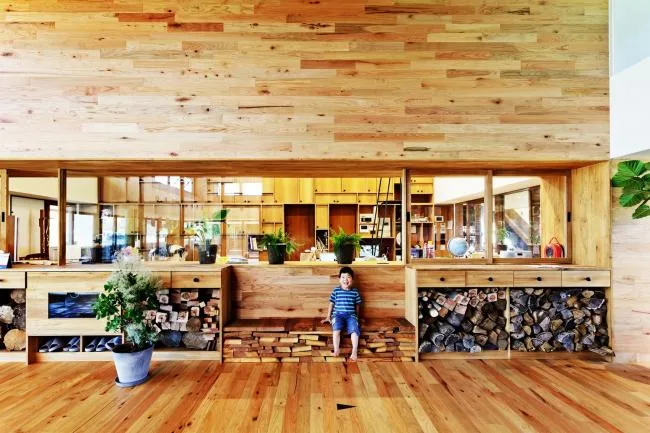
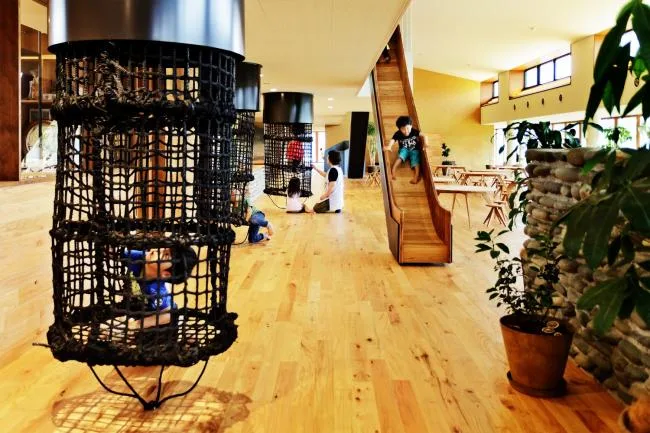
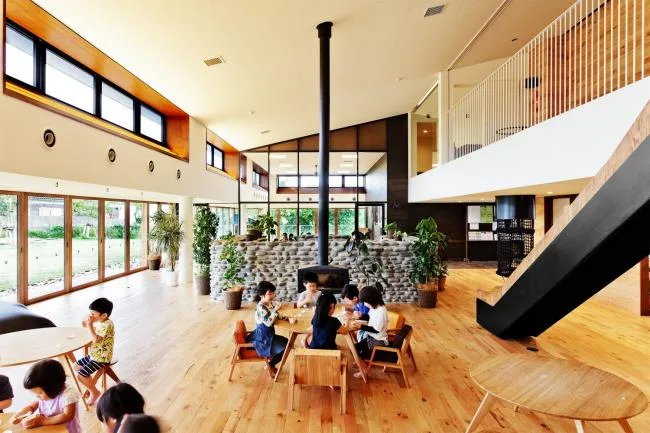
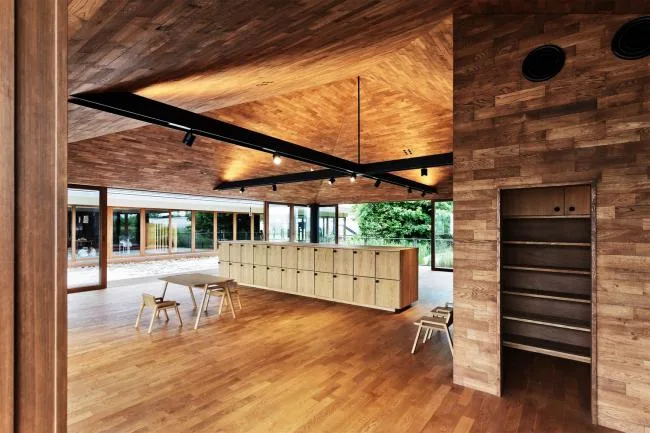
To foster a stronger connection with nature, the architect incorporated a wide range of natural materials. These materials provide sensory stimulation through touch, which is crucial for brain development and positively impacts children’s growth.
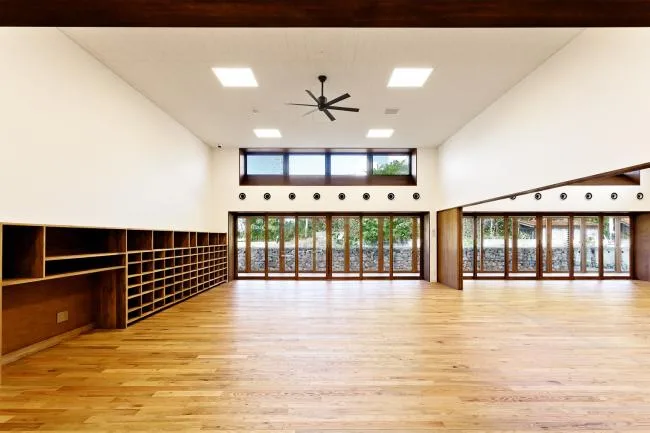
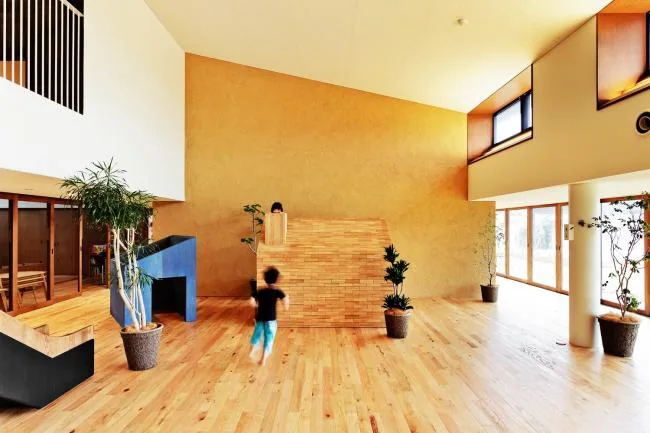
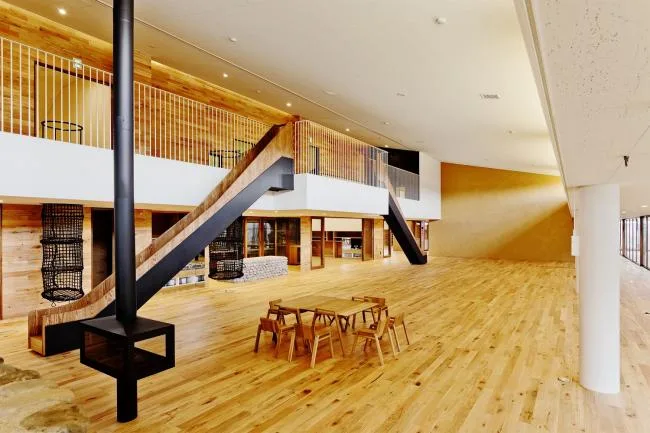
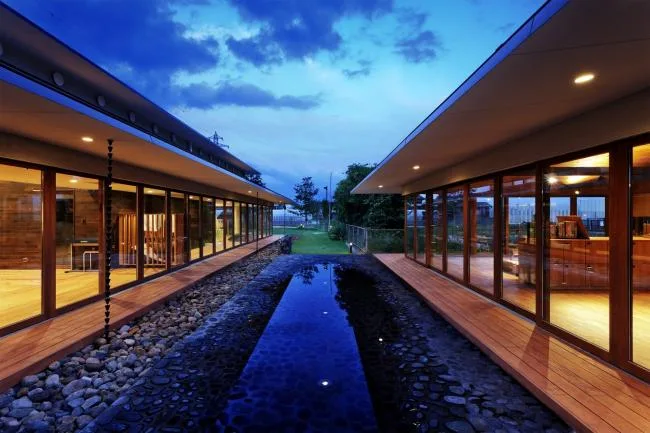
The wooden flooring is crafted from different tree species, each varying in shape, layout, and texture, allowing children to explore these differences through their feet. Additionally, the floor guides use four types of metal, each offering a unique tactile experience.
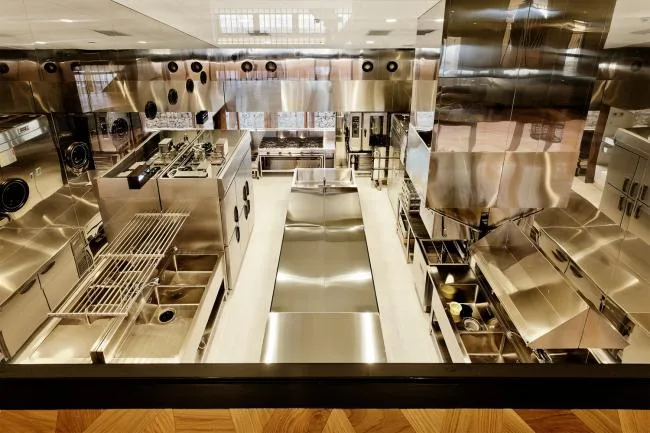
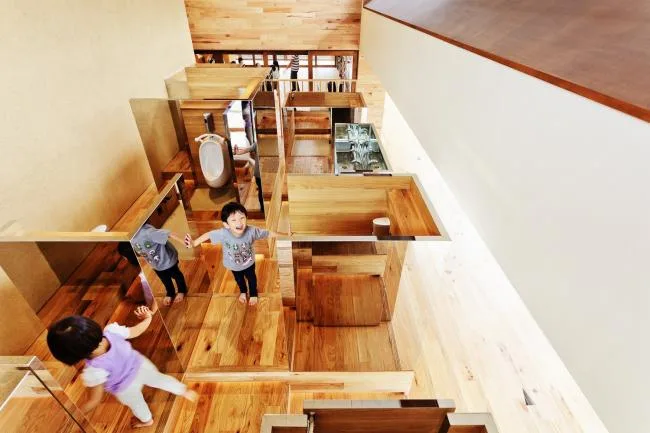
This tactile diversity helps increase children’s environmental sensitivity, imagination, and cognitive development. Even the toilet areas were thoughtfully designed: stainless steel partitions between toilet seats resemble mirrors, inspired by the local traditional pottery kiln Kugogama.
2. Using Local Materials to Connect with the Environment
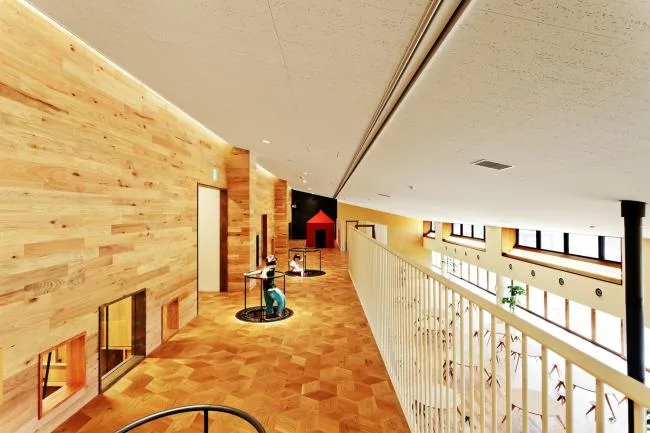
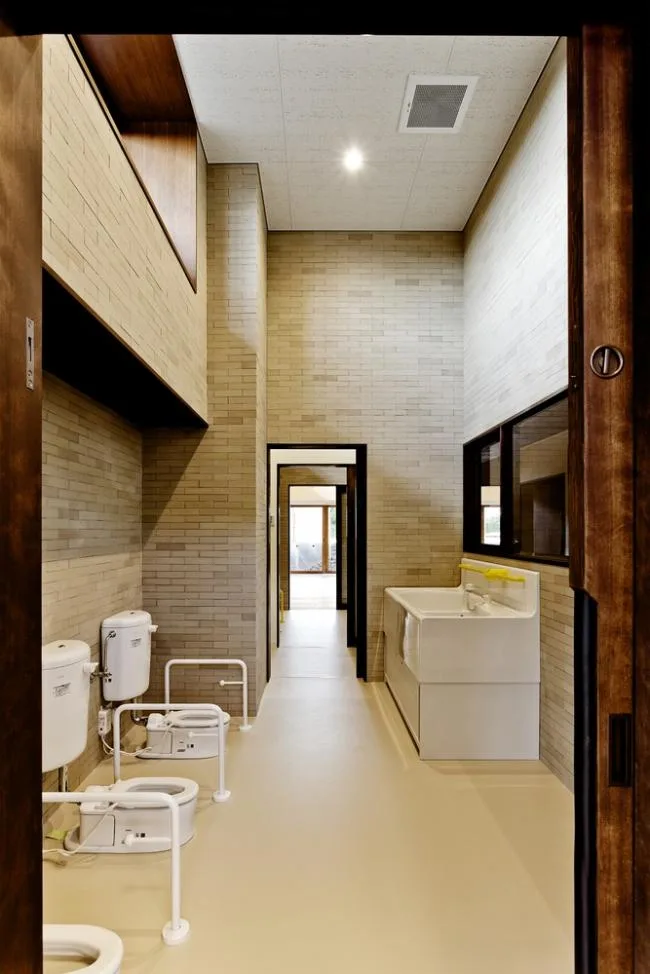
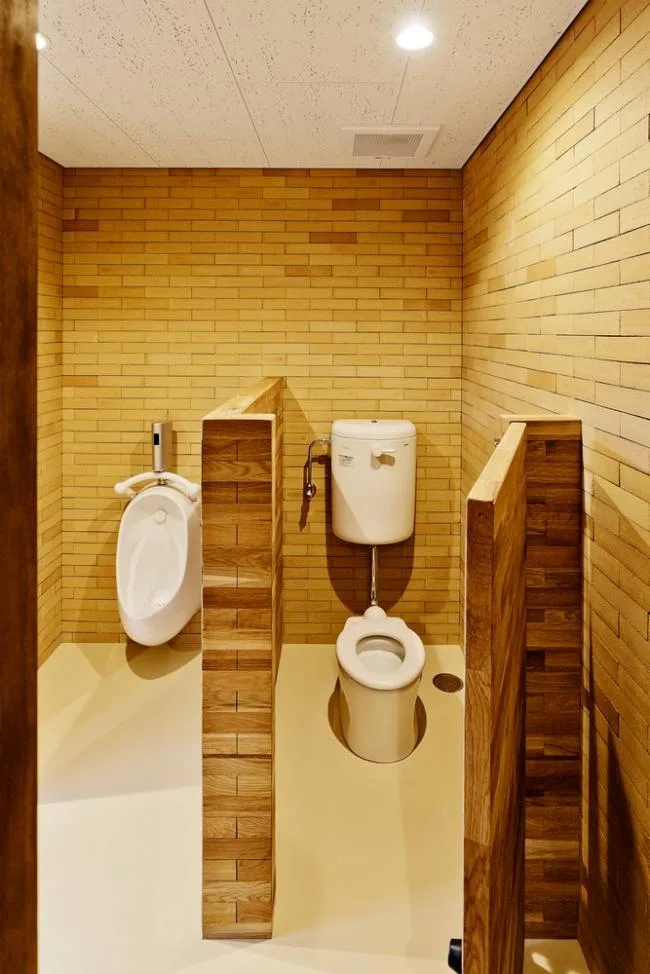
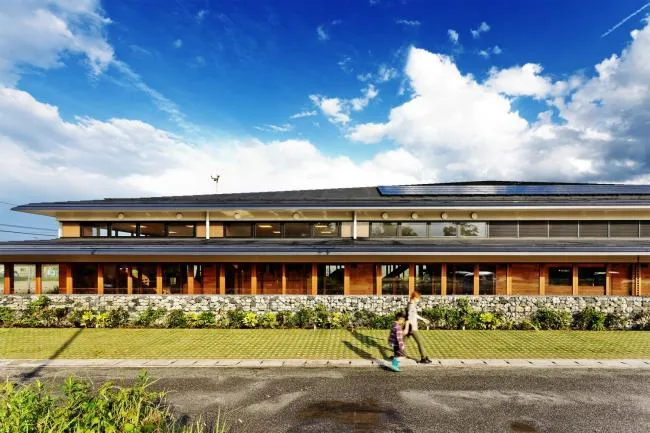
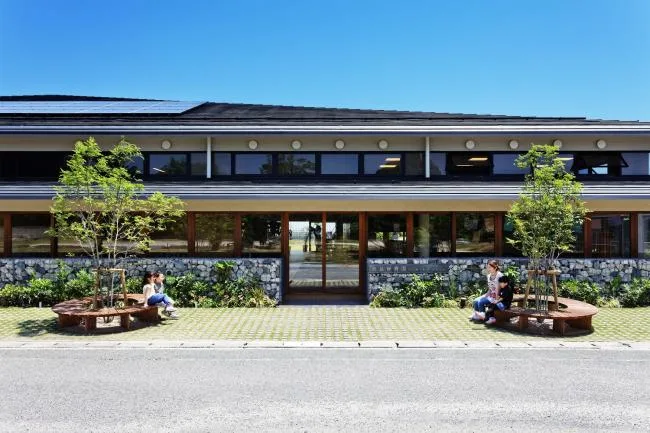
The use of local materials helps children deepen their understanding of their surroundings. The entrance walls are finished with locally sourced mortar, and the building is surrounded by gabion walls filled with local rocks.
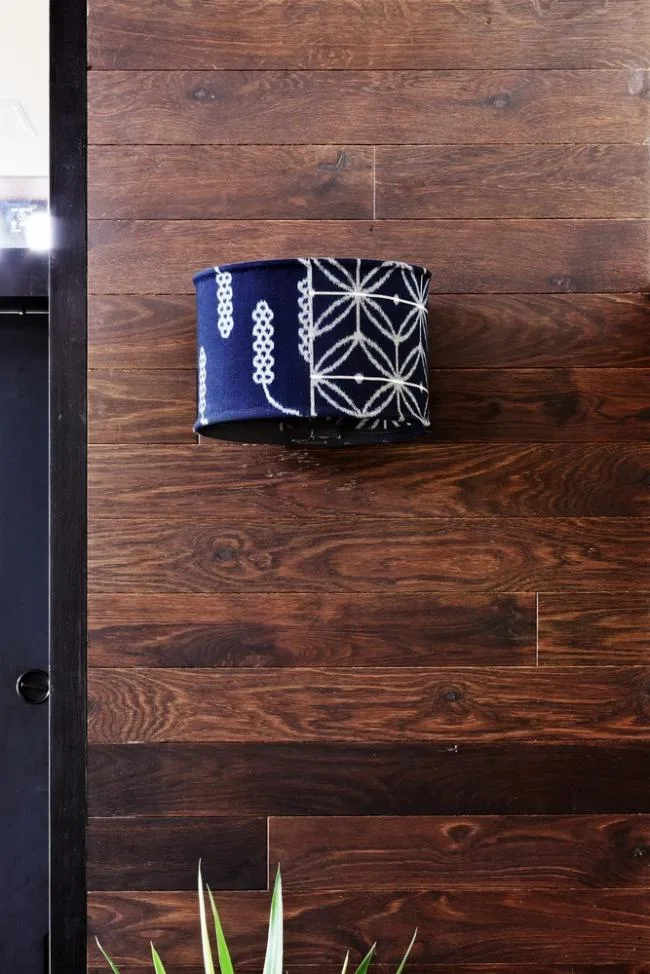
The wooden armrests are crafted from Chizu Cedar, native to Zhitou-cho, Tottori Prefecture. Each classroom is identified by a patch of Yumihama Gasuri, a traditional handmade textile with a long history in Tottori.
Situated near Daisen, a volcanic mountain famed for its diverse flora, the classrooms are named after different flowers that bloom at increasing altitudes, mirroring the children’s grade levels. The architect designed each classroom’s logo based on these flowers, allowing children to learn about their local environment and culture through daily interaction with natural materials.
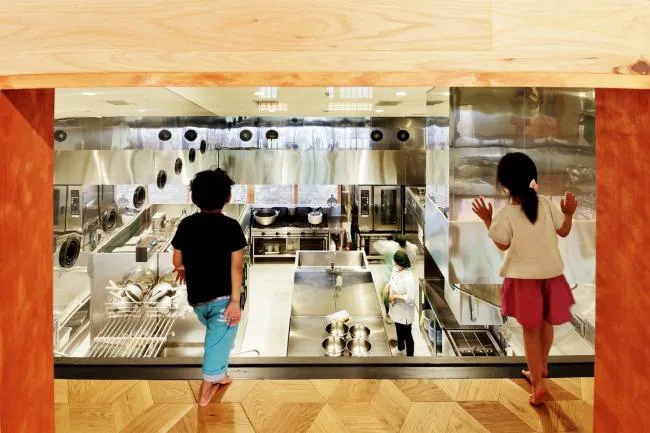
3. Recycling Materials from the Original Building
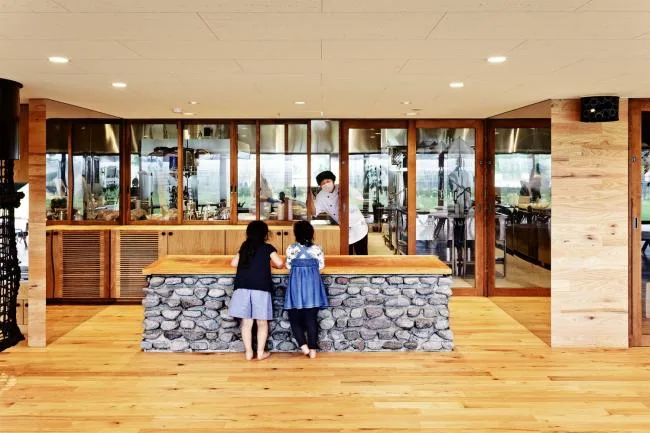
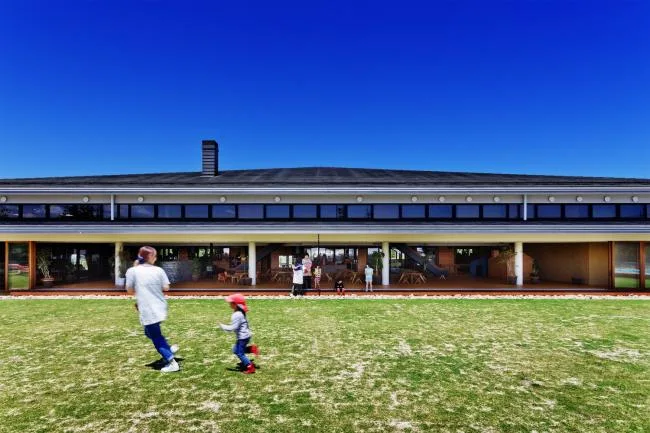
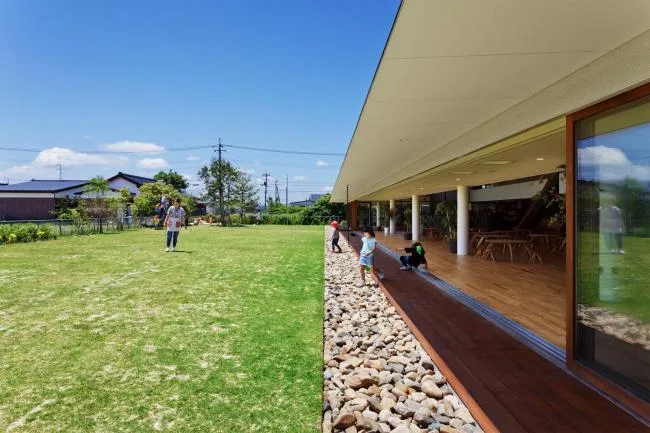
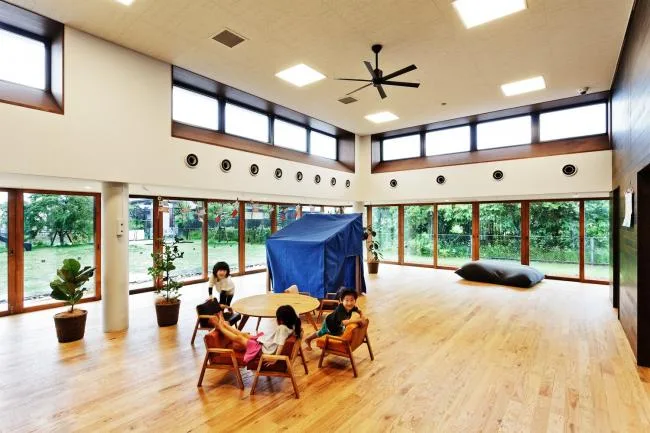
To reflect the kindergarten’s history, materials from the original building were reused. The rocks in the gabion walls include locally sourced stones and concrete waste from the demolition of the former kindergarten.
The adjacent after-school daycare center features floors, walls, and ceilings made from flooring salvaged from the original building, creating a warm atmosphere that subtly recalls the past.
More importantly, this reuse teaches children the value of care and sustainability.
Drawings
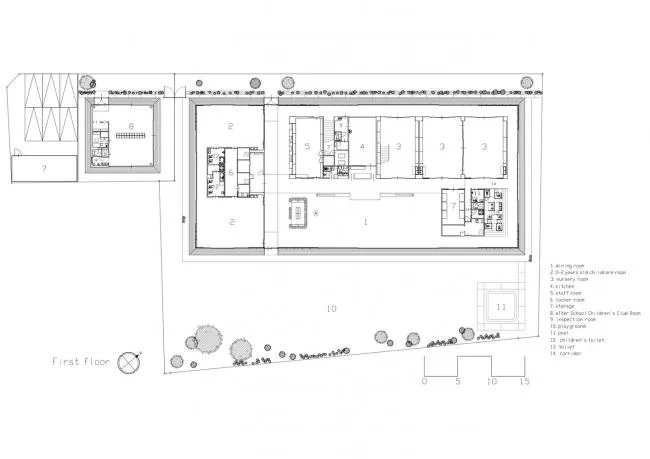
First Floor Plan
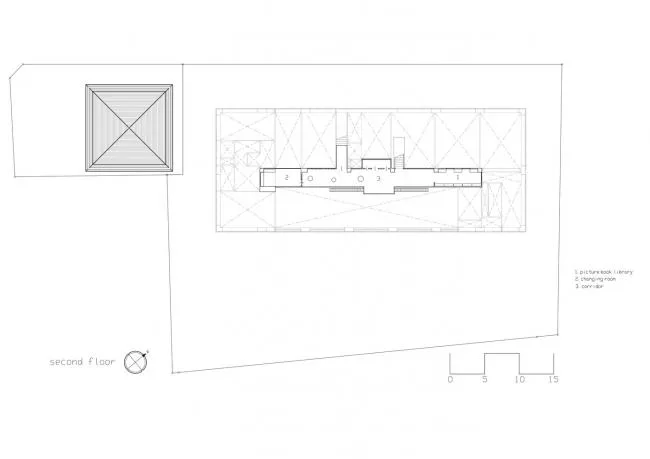
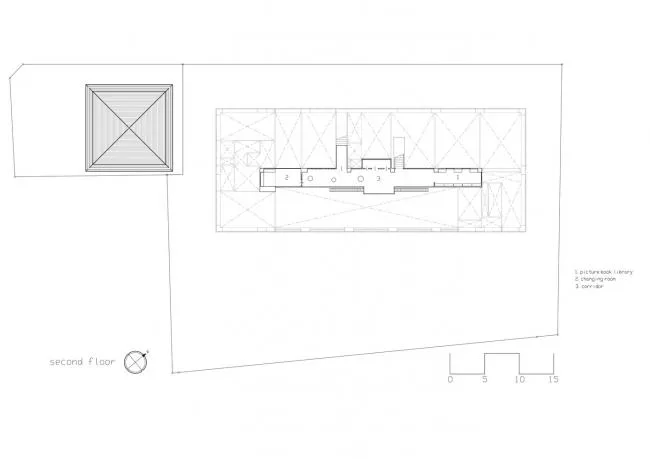
Second Floor Plan
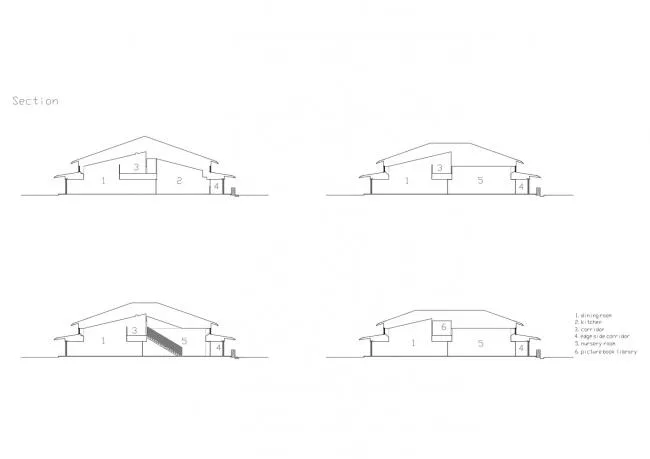
Sectional View
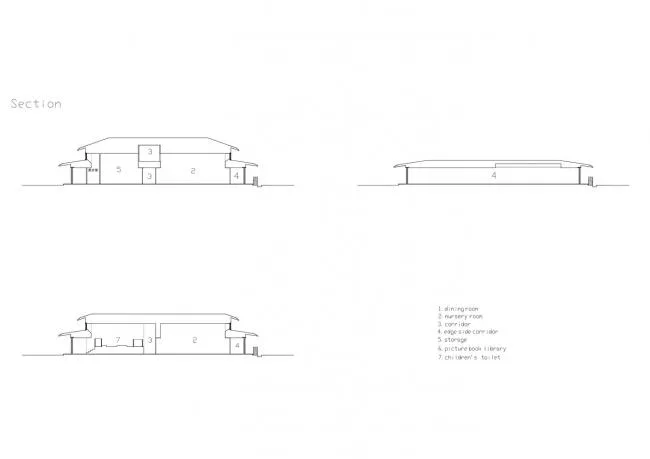
Sectional View
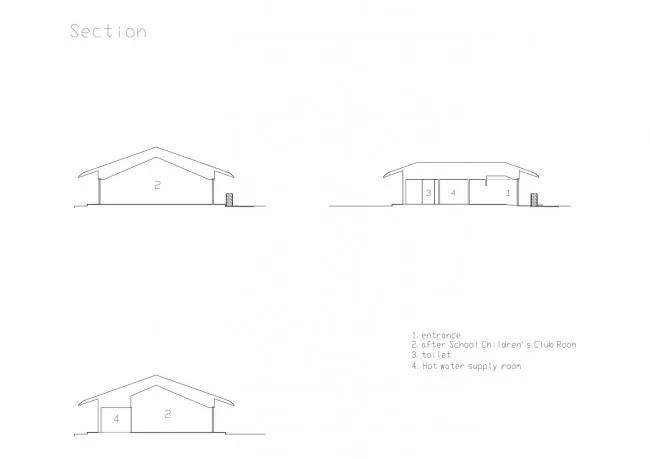
Sectional View
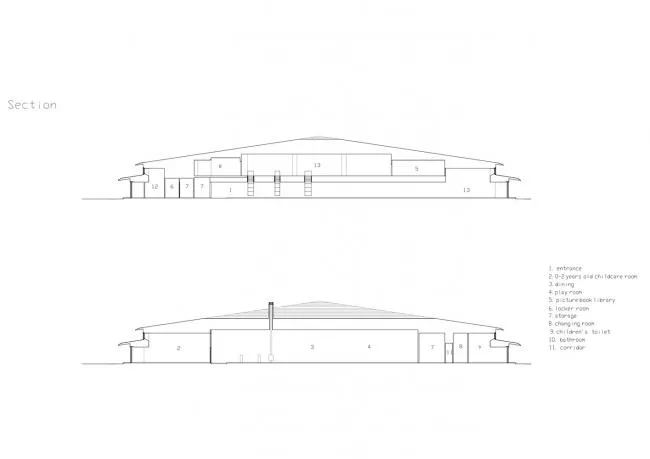
Sectional View
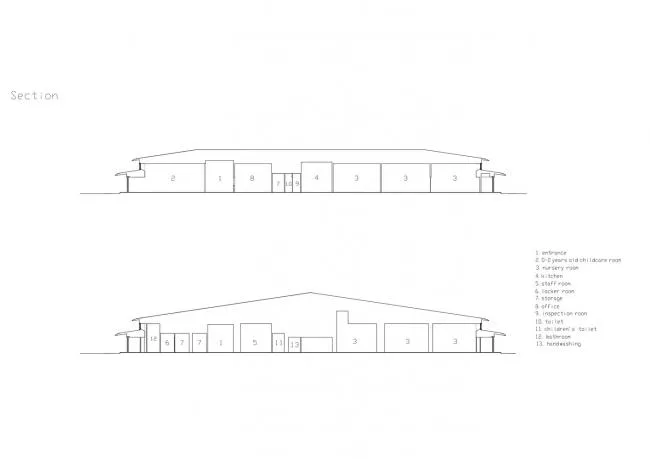
Sectional View
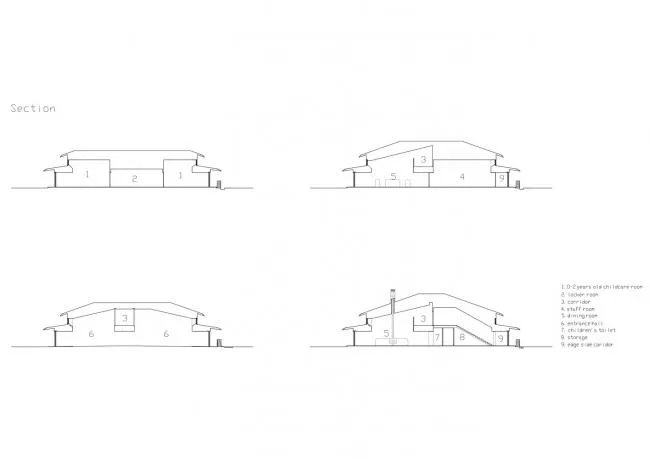
Sectional View
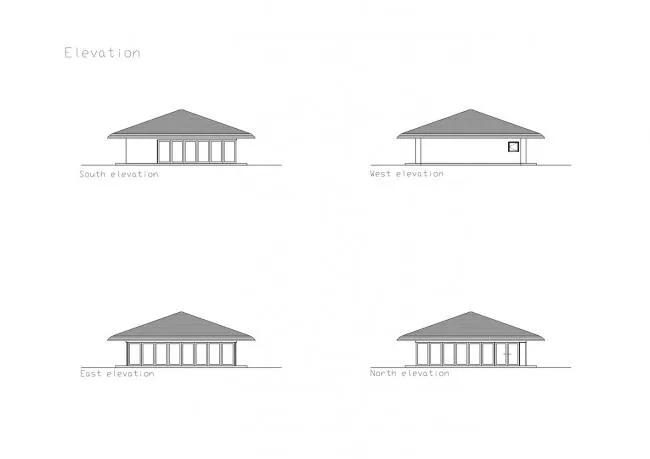
Elevation Drawing
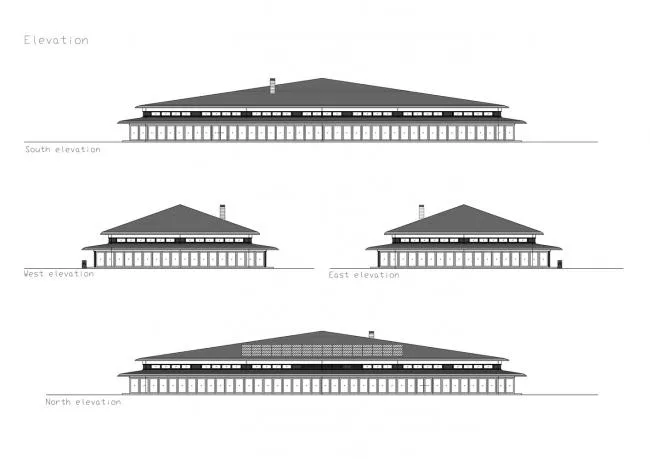
Elevation Drawing
Project Information
Architect: Hibino Design
Location: Tottori, Tottori Prefecture, Japan
Category: Daycare Center
Lead Architect: HIBINOSEKEI + Youji no Shiro
Building Area: 1,145.63 m²
Year Completed: 2018
Photographer: Ryuji Inoue












Must log in before commenting!
Sign Up