
Currently, the development of prefabricated buildings in China remains in its early stages, with the overall quality of prefabricated construction varying significantly across regions. The typical scenarios encountered include the following:
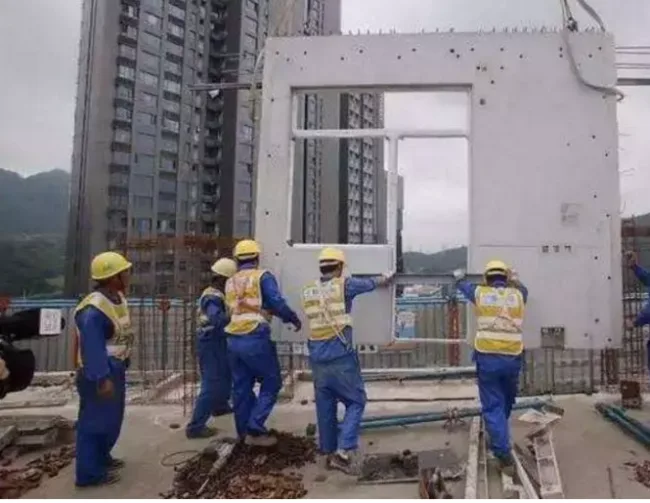
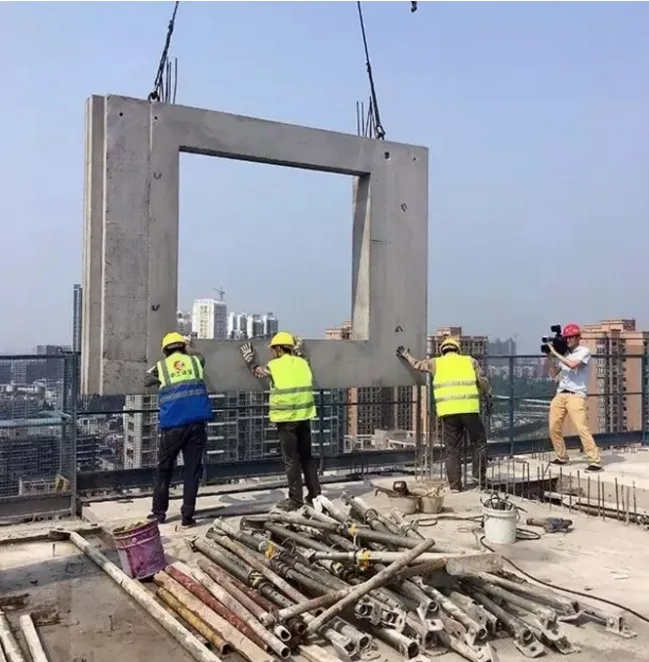
The quality of structural design varies widely, as each design institute relies heavily on its own traditional experience with cast-in-place construction. These somewhat outdated designs are often carried forward into the detailed design phase. While detailed design can correct some of the errors from cast-in-place design, the extent of correction depends on the level of communication and collaboration with the design institute, as well as how deeply involved they are in the preliminary design. Subsequently, these flawed designs are handed over to production managers. Production errors are inevitable due to heavy workloads and the challenges of maintaining a consistent BIM design rhythm during manufacturing, occasionally leading to friction between the production and design departments.
Once production is completed and components are delivered to warehouse logistics, transport drivers handle the prefabricated parts with extreme care, as any damage could cause significant delays. They drive cautiously, avoiding speed to prevent cracking or collisions. Many components arrive at the construction site with inherent structural weaknesses or defects that worsen over time due to handling and labor. After overcoming numerous challenges during transport, these components frequently face further issues on-site. This reflects the reality of prefabricated construction in much of China today.
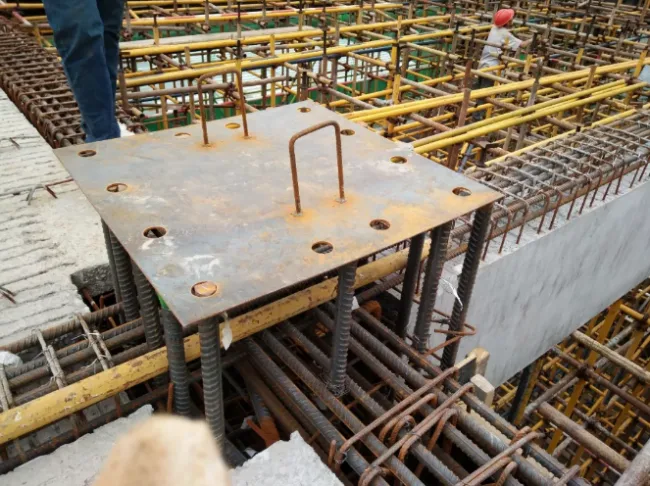
From this overview, one key issue becomes clear: regardless of how advanced or innovative the initial design and production stages are, prefabricated buildings must pass the ultimate test during construction. Construction acts as a “measuring stick,” objectively reflecting the quality of design and manufacturing. It also serves as a “magic mirror” that instantly reveals whether the project is a success or a failure. While many articles on prefabricated buildings focus on the sequential process from design to production to construction, this article takes a reverse approach. It begins by examining construction and installation challenges to uncover underlying problems.
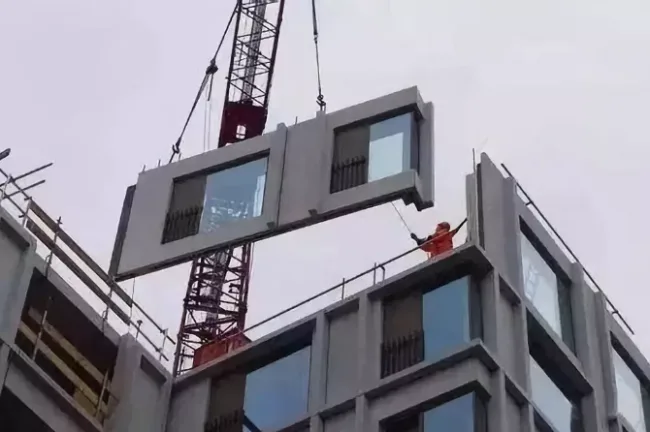
1. Main Problems in Construction and Installation
Issues during construction and installation are numerous and varied. As the saying goes, “where the forest is dense, many birds reside.”
Let’s introduce Xiao Wang, a construction and installation engineer working in the project department of a prefabricated component company. This company is an integrated enterprise, handling detailed design, production, logistics, transportation, and construction services. Xiao Wang’s responsibilities include organizing the component supply list per client (Party A) requirements, coordinating with various departments to arrange shipments, promptly reporting on-site issues to technical and marketing departments for problem resolution, and liaising with general contractors on matters such as tower cranes, underground works, and structural coordination. He also works with supervisors to ensure construction quality, communicates with urban management about environmental concerns, and coordinates equipment leasing requirements for construction and installation. Let’s explore some typical situations Xiao Wang encounters during construction and installation.
Scenario A: Organizational and Management Issues
Xiao Wang: “Warehouse and logistics, please ensure shipment follows the supply list tomorrow at 9 AM, and load components in the specified sequence.”
Warehouse Logistics: “Understood.”
The next day, Xiao Wang: “Why hasn’t the shipment arrived by 2 PM? The tower crane was scheduled to lift steel bars and formwork in Zone B this afternoon, so there was no time to lift prefabricated components. Additionally, the delivered batch was incorrect — the needed components didn’t arrive, while unnecessary ones arrived first. Worse, the required components were at the bottom of the pile. How could warehousing and logistics mishandle this?”
Analysis: Most component transportation relies on third-party carriers charged by distance and constrained by tight schedules. A one-day delay increases costs significantly. Unloading prefabricated components is labor-intensive, frustrating general contractors, transporters, and Xiao Wang alike. The company suffers financial losses, and project progress is delayed.
Scenario B: Size and Specification Issues
Xiao Wang: “Leader, this batch of prefabricated composite panels has variable gaps from the columns — some up to 200mm, making installation impossible. The general contractor refuses to use local formwork and cast-in-place methods to fix this due to cost. They urge us to install the panels quickly so the construction team can proceed with steel binding and concrete pouring. The schedule is tight, and a day’s delay in labor, equipment rental, and component processing costs are significant.”
Leader: “Find solutions: supplement where necessary, cut where possible, resolve on-site issues, and return unsolvable problems to the factory.”
Xiao Wang: “Leader, these prefabricated exterior wall steel bars can’t be inserted!”
Leader: “Find a way, cut if needed, knock if necessary.”
Xiao Wang: “Leader, some prefabricated columns are improperly installed!”
Leader: “Find a solution, burn or smash if required.”
Xiao Wang: “Leader, composite beams with reinforcement, precast columns, cast-in-place beams, and precast beams are causing conflicts!”
Leader: “Find a solution! Bend what must be bent! Move what can be moved!”
Xiao Wang: “Leader, the transition layer of these prefabricated stairs is too long, and the stairs themselves are too wide to fit. I had to break surrounding beams to get them installed.”
Leader: “…”
Analysis: One of the most frequent issues on-site is components that cannot be installed or have installation difficulties. Problems with composite panels are relatively straightforward, while issues with other prefabricated components often require more complex solutions.
Scenario C: Design Changes
Xiao Wang: “Leader, we proposed to the design institute reducing the length of the waist reinforcement in the prefabricated composite beam from 350mm to 275mm. However, the design institute rejected this, stating that without reduction, the beam cannot be installed.”
Leader: “Request the design institute to inspect the project site.”
Xiao Wang: “Leader, the design institute has changed the drawings again. The original cast-in-place frame beam width was reduced by 50mm, preventing installation of our composite panels.”
Leader: “Contact the technical department to understand the reasons.”
Xiao Wang: “Leader, the technical department issued a new change notice stating the protective layer thickness of the prefabricated composite panels has changed. This batch is no longer usable and must be remanufactured before installation.”
Leader: “…”
Analysis: Besides installation challenges, design changes are among the biggest headaches during construction. These can range from minor adjustments in steel bar lengths to significant local structural modifications, impacting component installation. Such changes often increase construction costs and require design institute approval and signatures to validate cost adjustments. Frequently, design institutes approve changes, but Party A refuses to cover additional costs, leading to a vicious cycle where prefabricated component factories incur significant losses. This explains why general contracting is indispensable despite its limitations.
Scenario D: Other Factors
Xiao Wang: “Leader, due to a lack of backfill soil and Party A’s requirement to lift composite panels prematurely, supports were missing, causing severe deformation of most lifted panels.”
Leader: “Communicate with Party A immediately.”
Xiao Wang: “Leader, the general contractor is demanding an additional 10% management fee on the project contract.”
Leader: “Coordinate with the Market and Commerce Department at once.”
Xiao Wang: “Leader, the construction team has stopped work, complaining our components are difficult to install and demanding extra payment.”
Leader: “Arrange for a new construction team.”
Xiao Wang: “Leader, the construction team cut off the power supply.”
Leader: “Contact the power supply bureau immediately.”
Analysis: Construction encounters many unpredictable issues, including natural disasters and man-made problems, often arising unexpectedly and complicating progress.
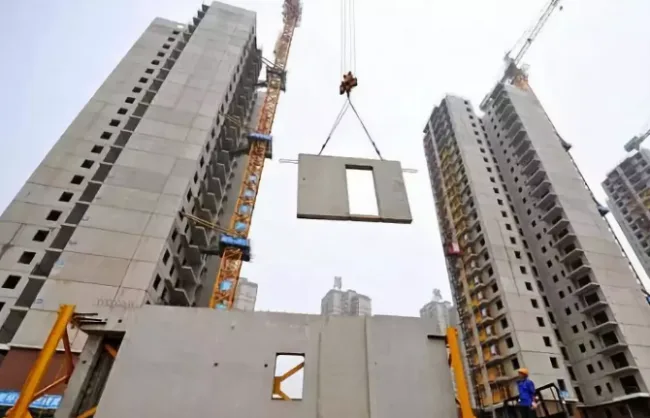
2. Summary
Xiao Wang’s daily activities in the construction and installation department reveal that their work is heavily influenced by multiple upstream and downstream factors. Internally, the key lies in their ability to adapt to changes and resolve on-site problems efficiently. External factors affecting prefabricated construction will be explored in future articles.
From the perspective of building internal capacity, a strong construction and installation team must include personnel who fully understand the drawings—ideally from the engineering department. Without this expertise, construction and installation become extremely difficult. Understanding the drawings enables accurate interpretation of designs, effective organization and guidance on-site, timely problem detection, and precise communication of technical issues to the technical department, speeding up decision-making and improving problem-solving efficiency. This capability addresses many issues highlighted in scenarios B and C.
For challenges like those in scenarios A and D, the construction and installation department needs to establish robust problem-solving protocols, accumulate coordination experience among technical teams, Party A, equipment providers, and construction crews, and standardize external communication processes. Clear responsibilities must be defined to reduce management costs and enhance resistance to unreasonable external demands, especially given the current lack of comprehensive laws and regulations governing prefabricated construction.













Must log in before commenting!
Sign Up