
In 1100 AD, during the third year of the Yuanfu period of the Northern Song Dynasty, Li Jie compiled the architectural treatise “Construction Method.” Inspired by the “Wooden Classic” written by the Zhejiang craftsman Yu Hao, this was the first comprehensive and standardized book in Chinese history dedicated to architectural design and construction. Its publication marked a significant milestone in the development of Chinese architecture.
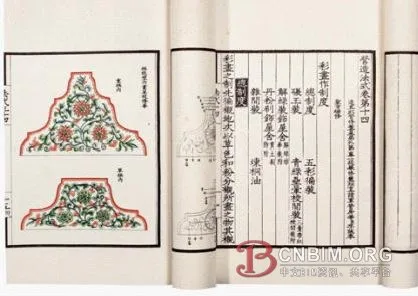
Figure 1
“Construction Method” captured the architectural knowledge and experience of its time, leaving a profound influence on future generations. The treatise emphasized practical experience and intuitive descriptions, which facilitated the creation of iconic structures such as the Kaifeng Iron Tower from the Northern Song Dynasty.
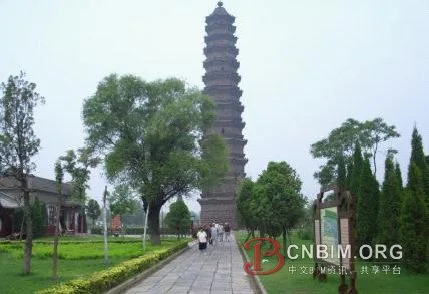
Figure 2
As time progressed, particularly after the Opium War, Western architectural techniques and styles were introduced to China. Along with powerful ships and cannons, these influences significantly shaped modern Chinese architecture. The earlier, straightforward architectural descriptions were gradually replaced by more precise manual drawings imported from the West. Building materials evolved from soil, wood, brick, and stone to three main structural systems: mixed brick-wood, brick-stone reinforced concrete, and steel-reinforced concrete frames.
During this period, modern buildings that combined Western and Chinese elements began to appear. Examples include the Shanghai Municipal Government Building, Nanjing Ministry of Foreign Affairs Building, Ministry of Transport Building, Nanjing National Assembly Hall, and Guangzhou Zhongshan Memorial Hall. Many of these structures are recognized as architectural masterpieces.
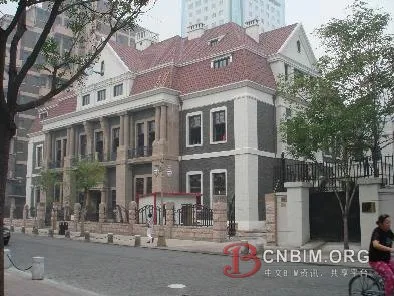
Figure 3
The widespread adoption of computers later brought unprecedented opportunities to architectural technology. CAD software quickly became the preferred tool for architects. Compared to traditional manual drafting, CAD-assisted design offers faster drafting speed, greater precision, easier modifications, and enhanced communication.
Liu Qiang, R&D Director at Haochen CAD, notes that CAD capabilities have advanced dramatically in recent years. Features such as 3D functionality and intelligent design are now standard. For instance, Haochen CAD supports irregular building forms, provides parameterized interfaces for building components, and allows designers to modify elements in both plan and 3D views. The software can generate construction drawings and building information models for calculation and analysis.
With the support of CAD software, many modern buildings have been efficiently designed and constructed, resulting in notable landmarks such as the Bird’s Nest, the National Theater, and the Oriental Pearl TV Tower. This era has introduced innovative architectural forms and compositions, including glass curtain walls, serrated walls, translucent halls, revolving restaurants, and landscape elevators. By exploring spatial composition, sequential organization, group layouts, interior decoration, and garden design, architects have created environments with distinctive ethnic and regional characteristics. These well-designed and structurally stable buildings have significantly contributed to the history of Chinese architecture.

Figure 4
The Oriental Pearl TV Tower serves as a prime example. The building features three massive columns, each 9 meters in diameter, a space capsule, upper and lower spheres, five smaller spheres, a tower base, and a square. Its double-decker elevator, which can carry 50 people, and a high-speed elevator reaching 7 meters per second are unique in China. The world’s first fully transparent 360-degree sightseeing elevator, suspended between the columns, allows visitors to fully experience views enabled by modern technology.
As architectural design technology evolved, especially with the adoption of CAD software, design shifted from a specialized skill to a widely accessible technical tool. High-quality CAD software now enables many people to quickly and independently complete building designs. The following image shows a design drawing of the Oriental Pearl TV Tower created with Haochen CAD:
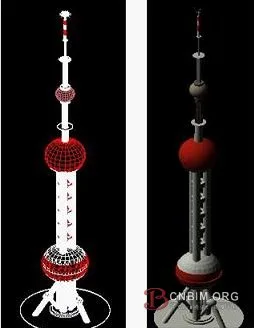
Figure 5
From “Construction Method” to CAD, the evolution of Chinese architectural design technology is clear. As architectural technologies continue to advance, it is expected that China will create even more outstanding buildings in the future.
Source: it168.com












Must log in before commenting!
Sign Up