
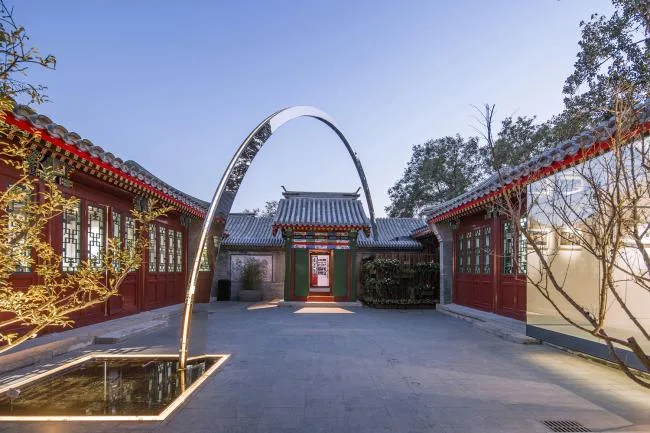
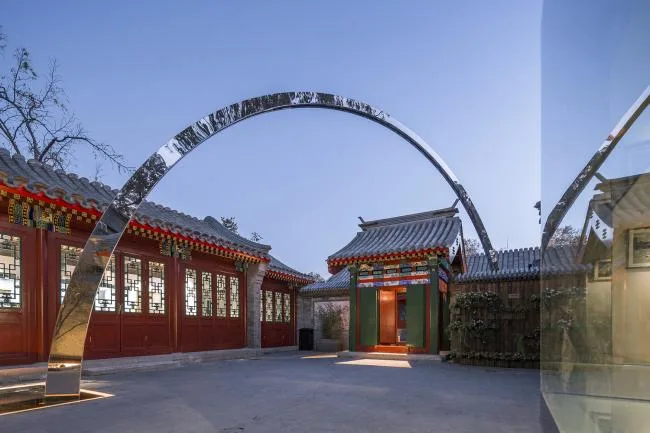
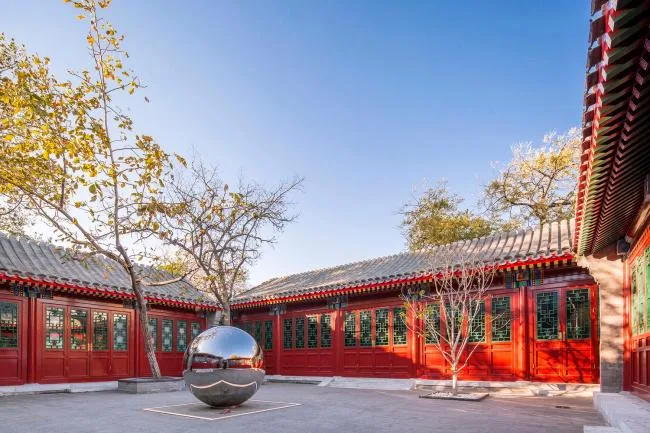
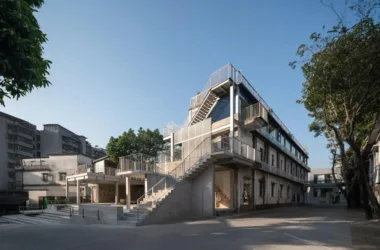
The Dongsi Museum, formerly known as the Dongsi No. 77 Courtyard, is situated between Dongsi San Tiao and Ba Tiao. It lies within one of Beijing’s 25 historic and cultural preservation zones—recognized as one of China’s first “historical and cultural blocks.”
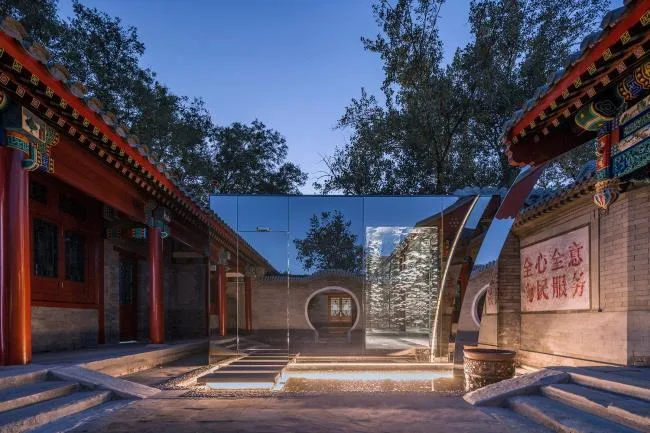
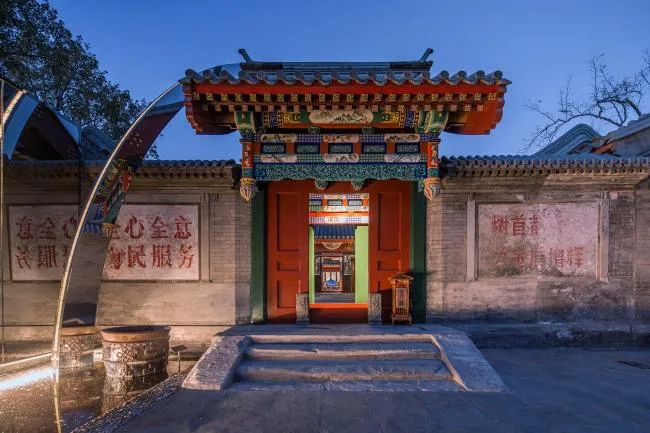
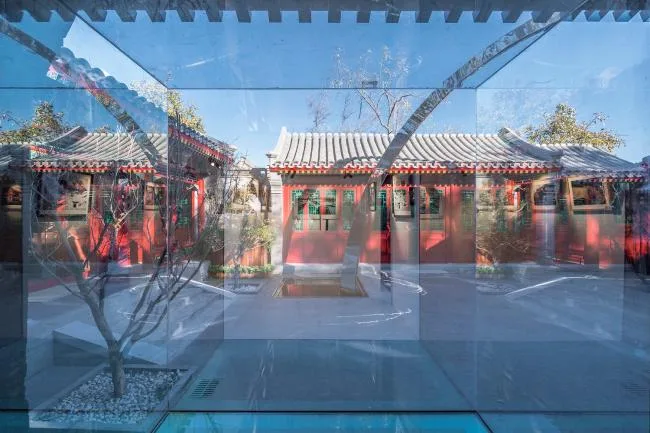
This project aims to alleviate non-core capital functions while preserving the historical context and protecting the traditional character of the ancient capital. By safeguarding the original style, the plan integrates environmental management, community governance, courtyard renovations, and comprehensive parking solutions to update the region’s business model. The goal is to establish a model zone for comprehensive environmental management within the Dongsi San Tiao to Ba Tiao historic and cultural protection area.
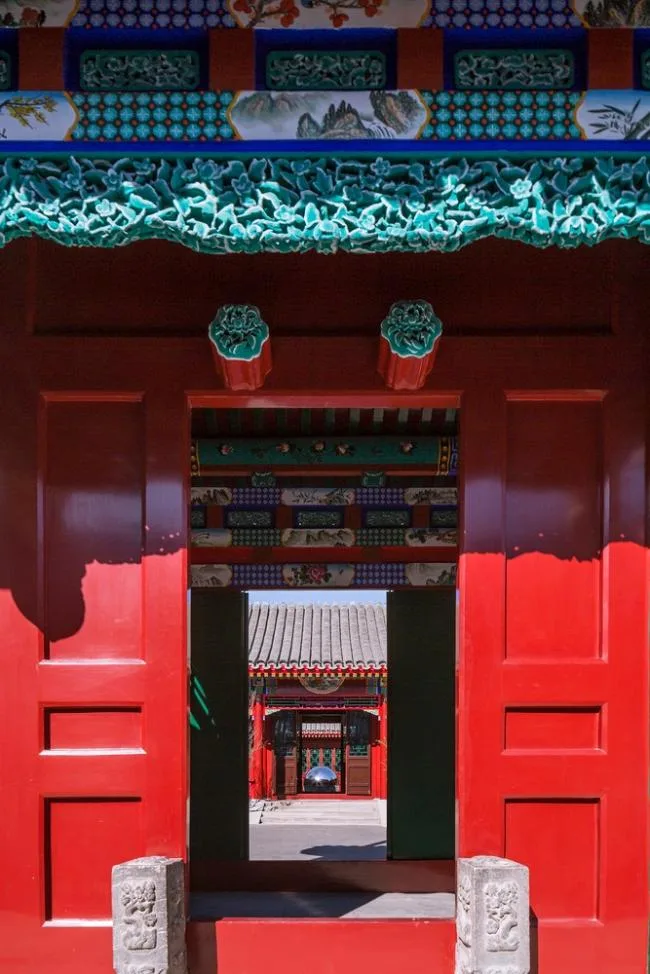
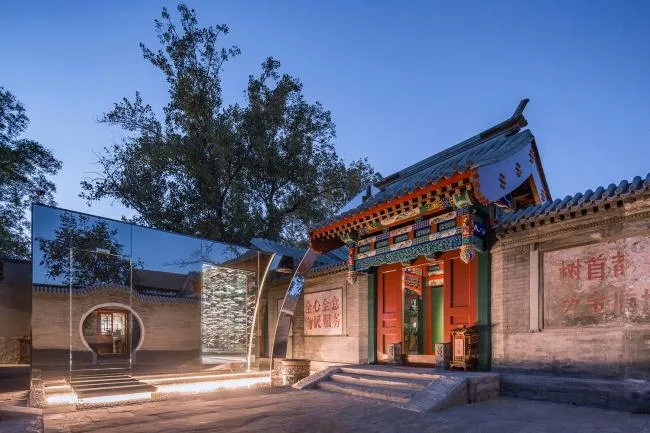
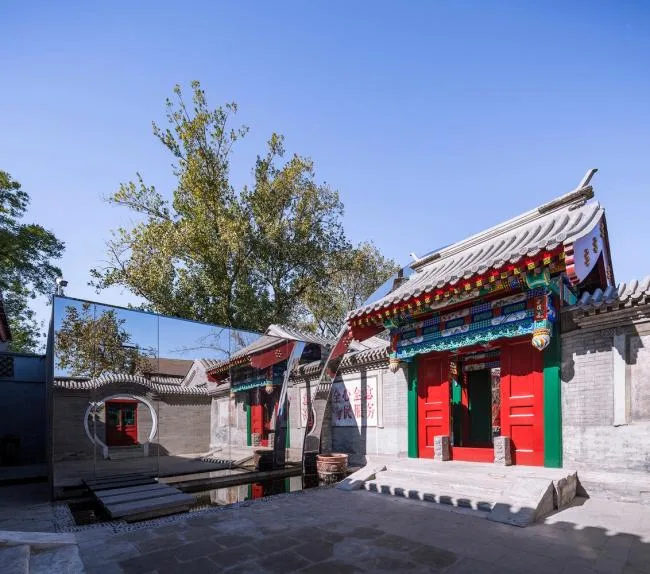
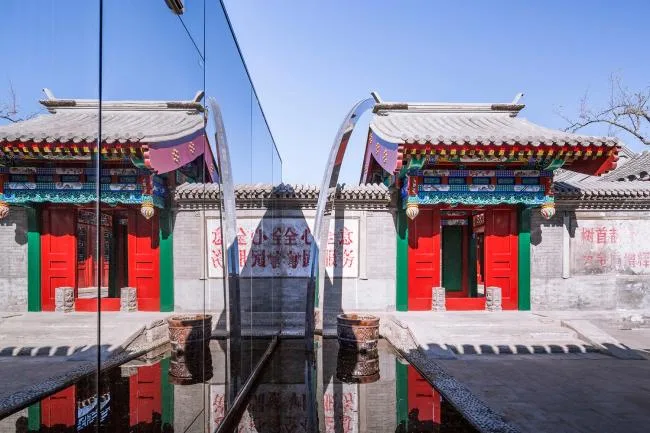
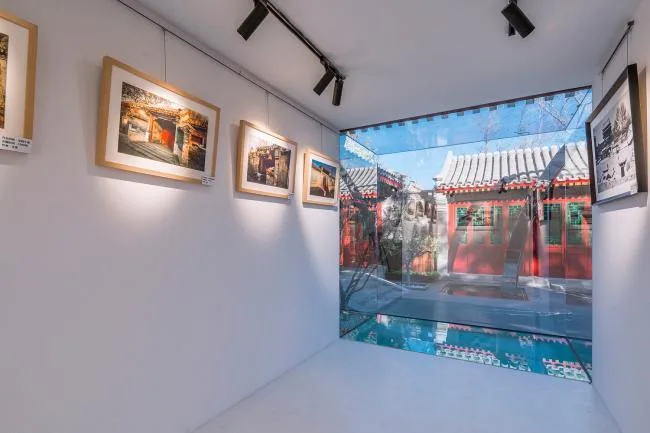
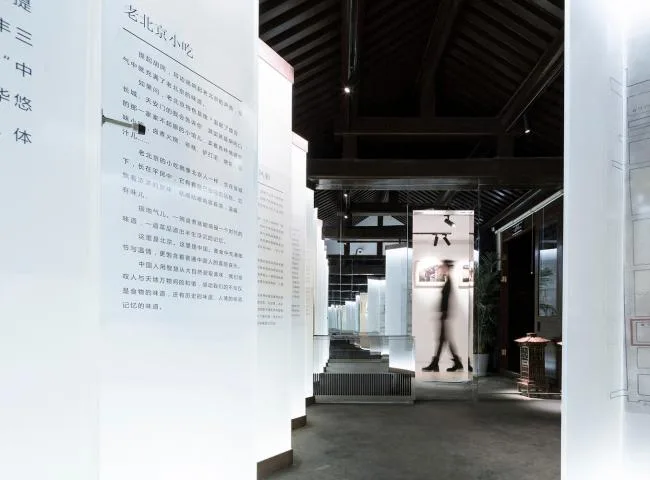
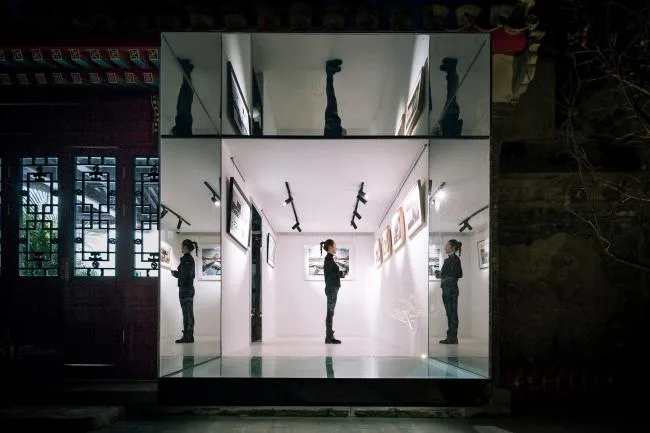
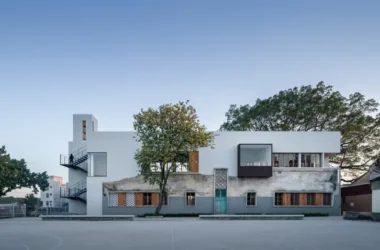
The design team is dedicated to transforming the original Dongsi No. 77 Courtyard into a vibrant showcase of the cultural and spiritual essence of the Dongsi community. They have reimagined the courtyard’s functions and layout, converting the space into the Dongsi Museum. This renovated museum will serve as a cultural hub where visitors can regularly view exhibitions and participate in various cultural activities related to the displays.
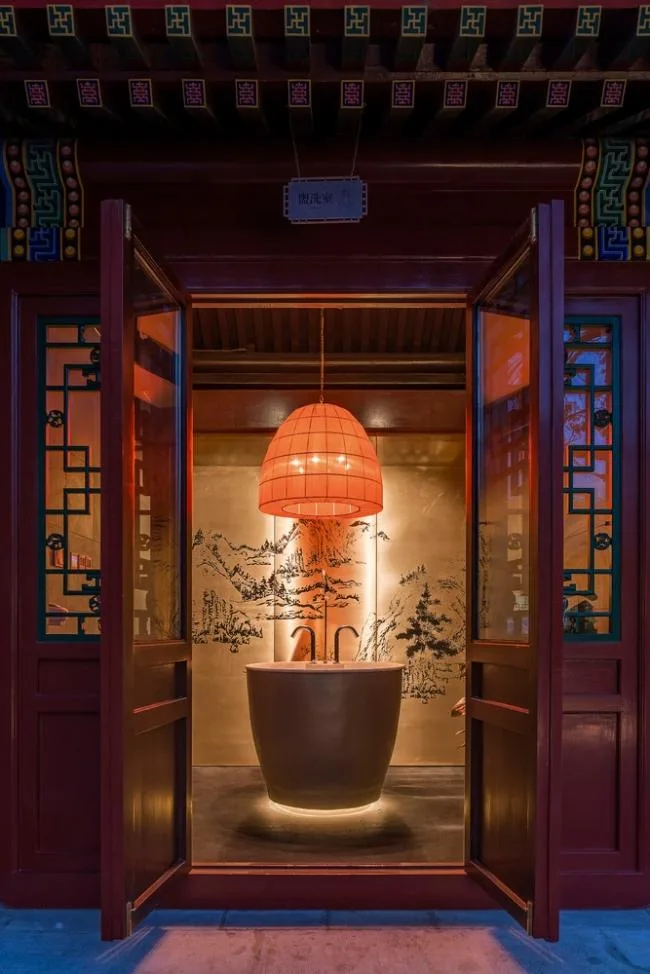
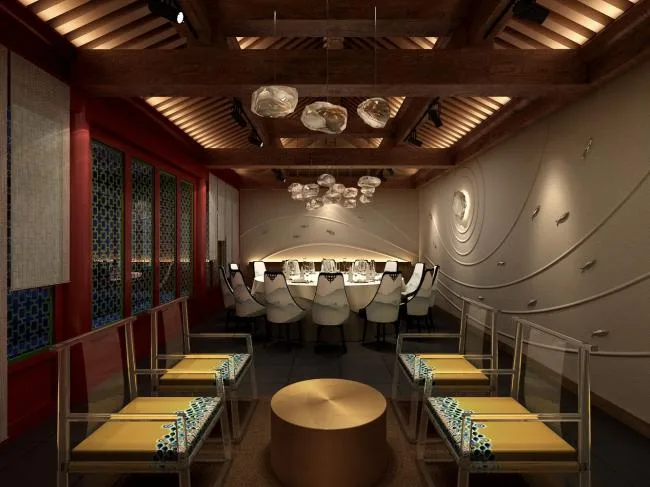
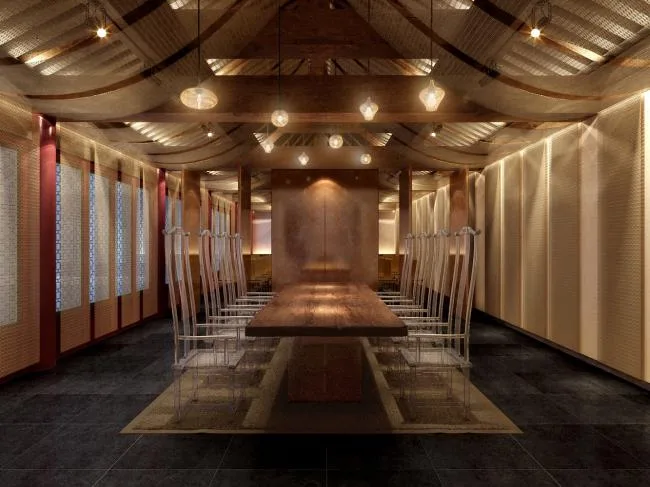
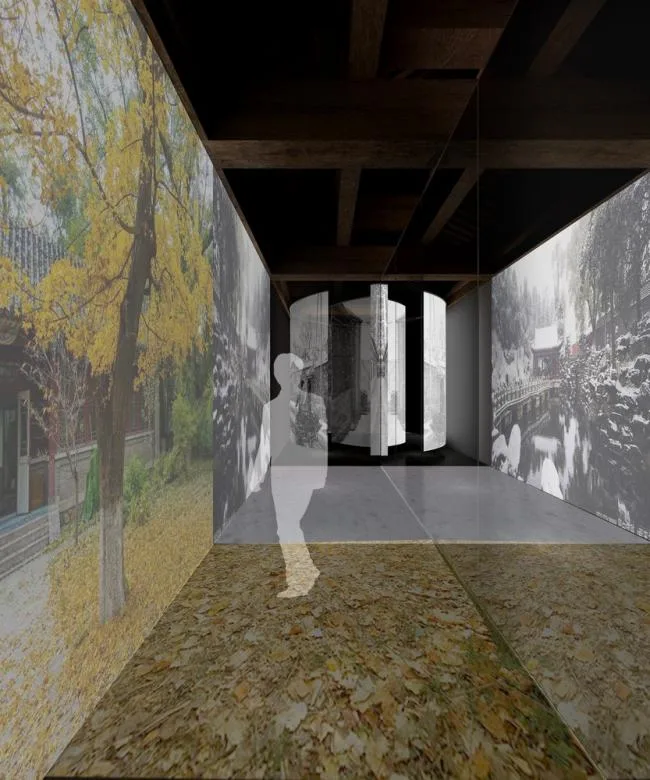
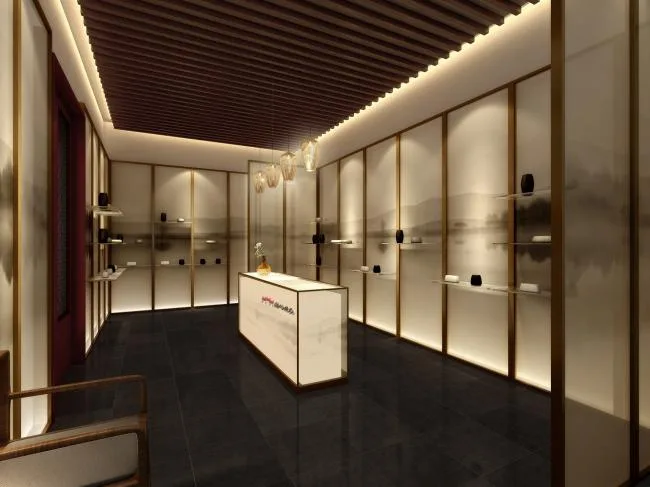
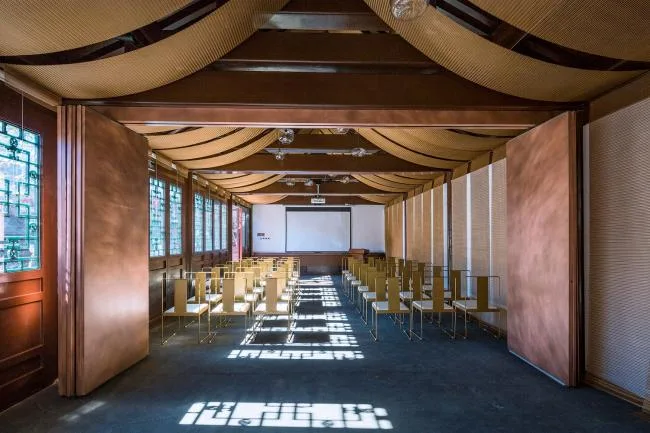
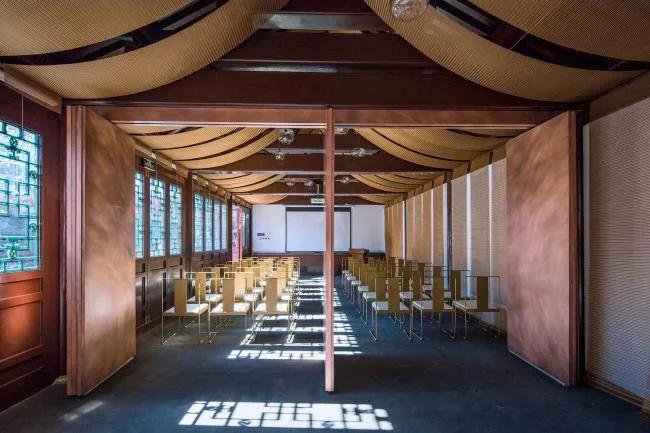
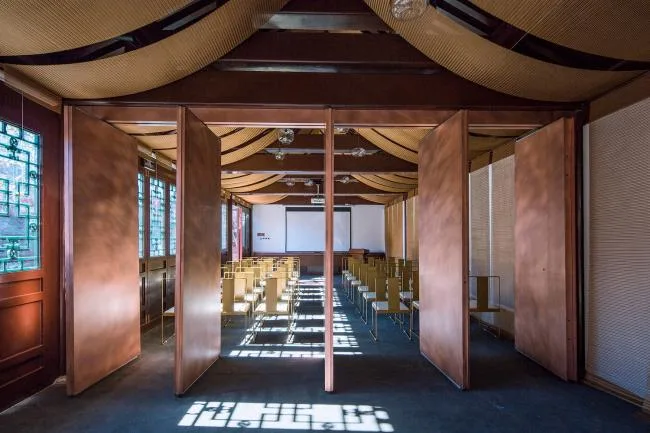
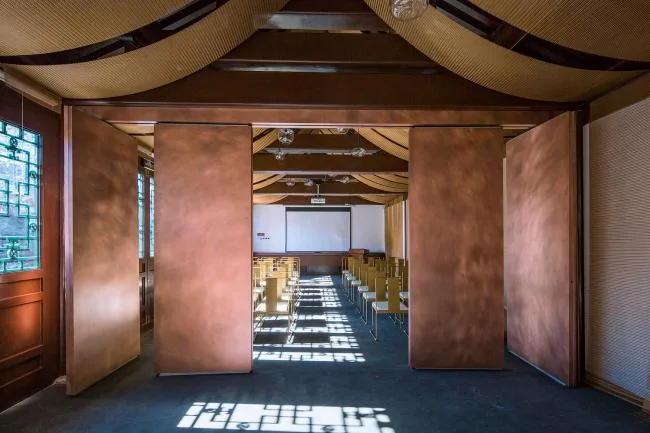
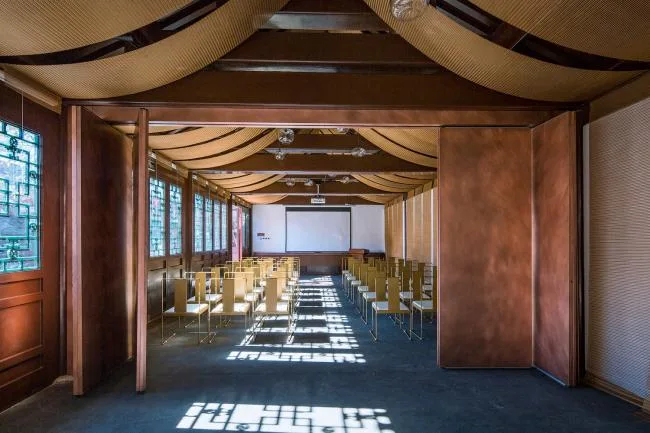
The museum, supported by BIM engineers, employs architecture, spatial design, public art, and multimedia exhibits to portray Dongsi’s environmental governance history—highlighting the changes before and after the renovation. The multimedia section is a centerpiece, presenting over 700 years of Dongsi’s history, distilling its cultural essence, and envisioning the area’s future development.
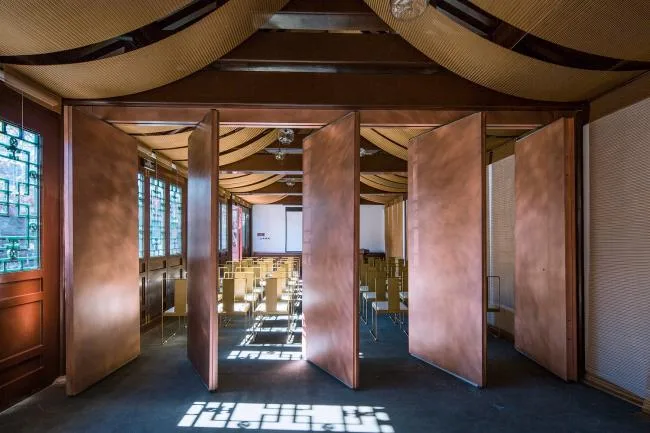
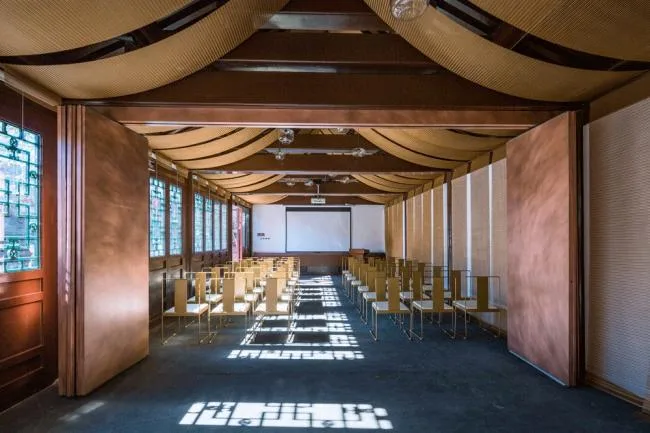
Additionally, the space functions as a center for cultural education, reflecting Shouchuang Group’s commitment to social responsibility by fostering a positive cultural environment for future generations. The museum is planned to open its doors to schools across Beijing, evolving into a cultural and educational hub centered on Dongsi’s urban development.
Space Installation
Title: Impression of Vasher
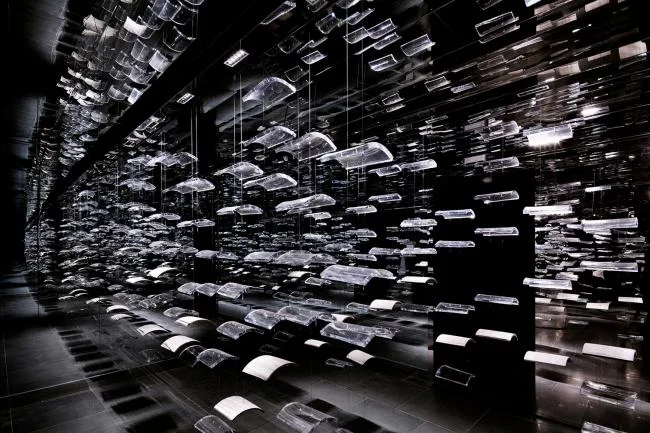
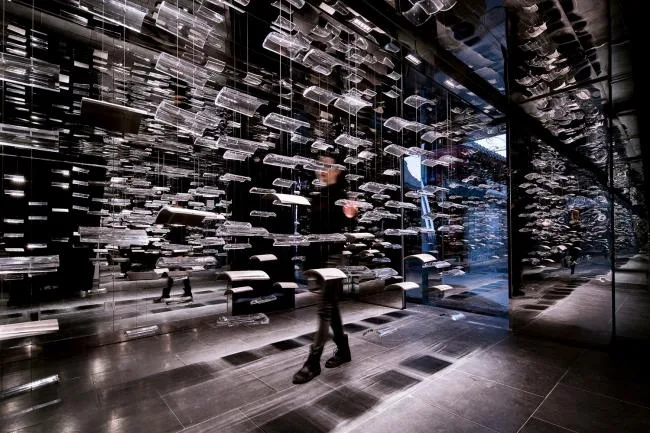
As urban development progresses, many traditional courtyard buildings are disappearing. The core element of Beijing’s courtyard architecture—the “tiles”—has become a symbol of historical architecture. Inspired by the call to protect traditional culture and combined with contemporary art, the “Impression House” art space was created. Through artistic installations, it encourages people to remember history, honor culture, and inherit the spirit and faith of the past.
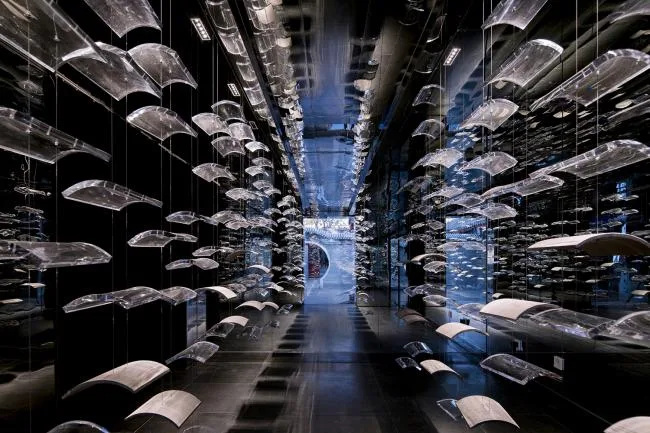
Visitors enter the tile house along a trail; transparent tiles float rhythmically to traditional music. This blend of historic tiles with modern materials symbolizes the seamless fusion of past and future, history and modernity. The space merges virtual and real design elements to visually narrate the evolution of culture over time and space.
Public Art
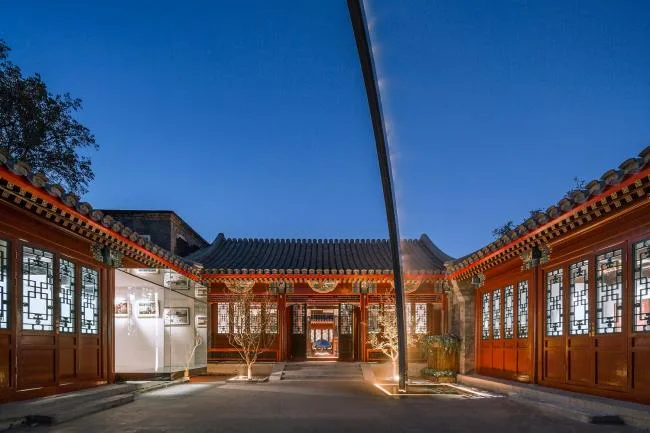
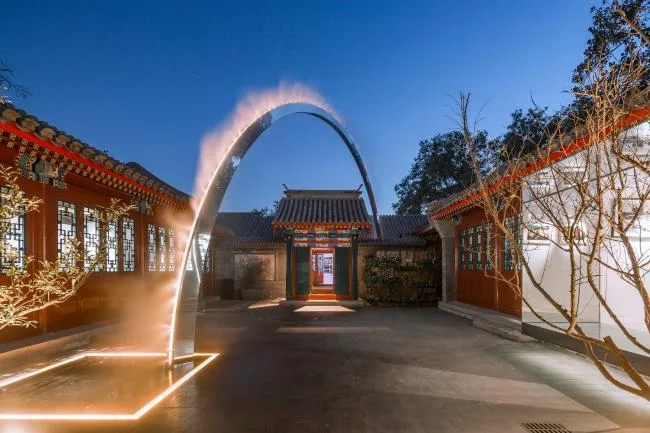
Title: Huntian
Material: Stainless Steel
Size: 12.7 meters long
The shape of the Hun Tian sculpture is a modern abstract interpretation of an ancient Chinese astronomical observation instrument called Hun Tian. The “Hun Tian theory” is a significant cosmological concept in ancient China, which likens the universe to a chicken’s egg: celestial bodies are round like egg yolks, and the earth is yellow and positioned at the center. The sky is filled with water, supported by air, with the earth floating on the water’s surface. The Hun instrument and Hun Xiang embody this cosmological theory through their material form.
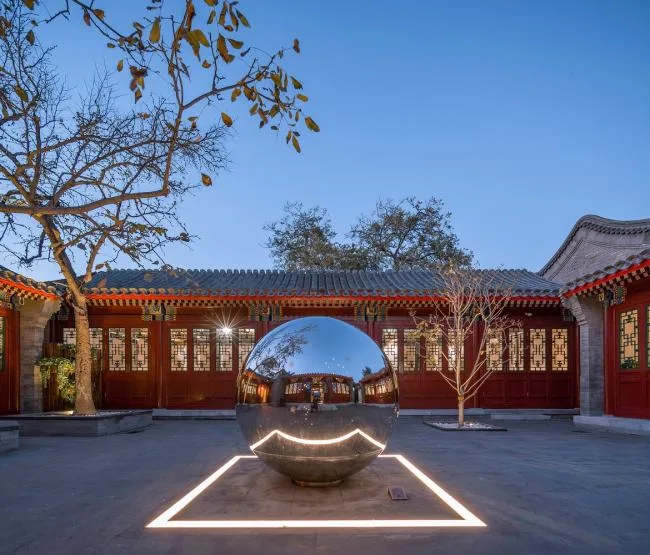
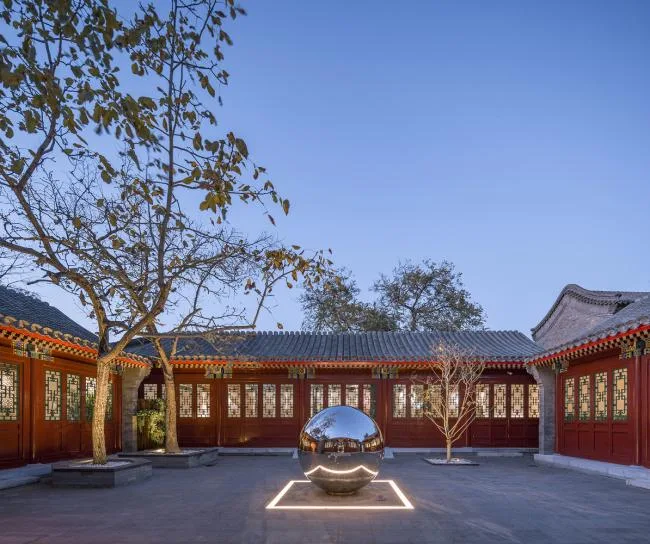
Title: Starry Sky
Material: Stainless Steel
Size: 0.8m radius
The spherical sculpture, engraved with images of the twenty-eight constellations, reflects the ancient Chinese cosmological view of a “round sky and square earth.” These twenty-eight constellations are central to traditional Chinese astrology and are sometimes complemented by the four symbols (four celestial beasts) and three walls. The constellations along the ecliptic are grouped into four celestial regions, each represented by a symbolic animal and consisting of seven constellations:
Eastern Azure Dragon: Jiao, Kang, Di, Fang, Xin, Wei, Ji (Seven Mansions)
Northern Black Tortoise: Dou, Niu, Nü, Xu, Wei, Shi, Bi Qi Su
Western White Tiger: Kui, Lou, Wei, Subaru, Bi, Zu, Ginseng (Seven Mansions)
Southern Vermilion Bird: Jing, Gui, Liu, Xing, Zhang, Yi, Zhen (Seven Mansions)
Drawings
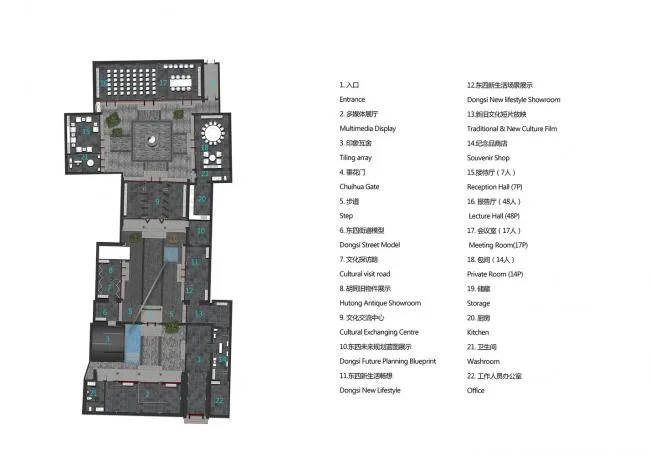
Floor Plan
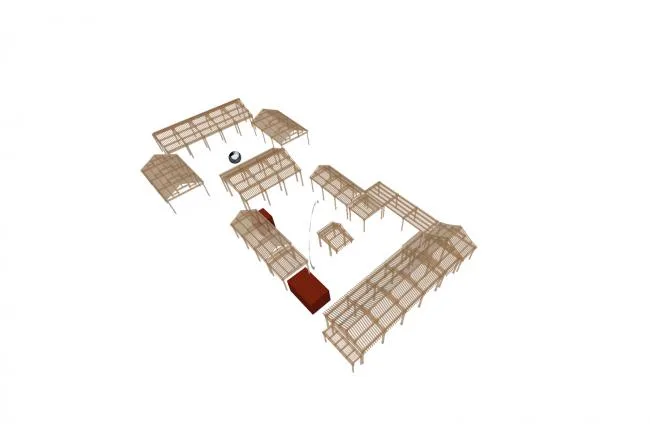
Bird’s-Eye View
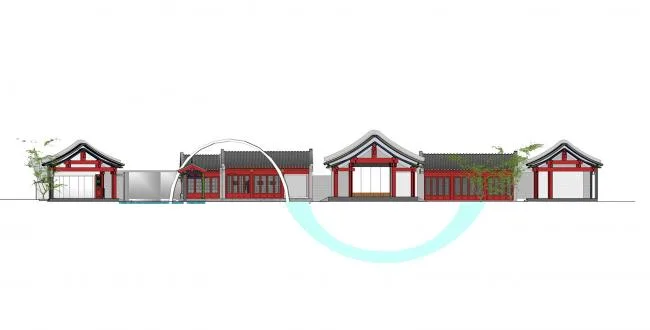
Sectional View
Project Information
Architect: Beijing Chitu Public Art Center
Address: No. 77 Courtyard, Dongsi Shitiao, Beijing, China
Project Type: Urban Renewal / Upgrade Project
Lead Designers (BIM Architecture): Zou Zhonghe, Liu Jing
Design Team: He Xingang, Zhao Changxin, Fu Qiang, Qiu Liying
Building Area: 1,023.0 square meters
Project Year: 2018
Photographer: Jin Weiqi
Producer: Zhang Jianhua
Project Planning & Public Art: Dr. Tian Huafeng
Client: Shouchuang Dongheng Investment Co., Ltd.












Must log in before commenting!
Sign Up