
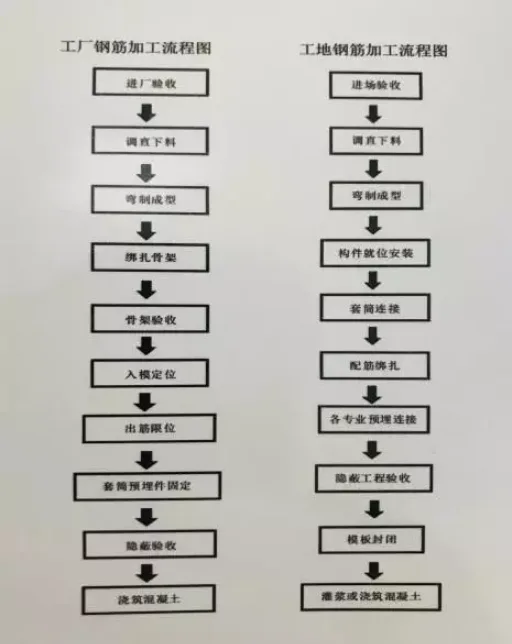
1. Some people believe that the content and methods of steel reinforcement operations are the same for prefabricated concrete buildings and traditional cast-in-place concrete buildings. They often overlook the unique procedures and technical training required for steel reinforcement in prefabricated concrete buildings. However, there are significant differences between the two.
For instance, in prefabricated concrete buildings, steel reinforcement processing typically involves first binding or welding individual steel bars into a reinforcement skeleton, which is then hoisted into the mold. During this process, it is crucial to ensure the reinforcement skeleton does not deform. Deformation can lead to uneven concrete cover thickness, causing cracks in the prefabricated components.
Moreover, the connection methods for steel bars in prefabricated concrete buildings differ greatly from traditional cast-in-place methods. While traditional buildings mainly use welding, overlapping, and binding, prefabricated buildings employ grouting sleeve connections, mortar anchor overlapping, and mechanical connections. Ensuring the quality of these steel bar connections is the top priority in prefabricated concrete construction.
Practitioners in prefabricated concrete construction must thoroughly understand the characteristics and critical aspects of steel reinforcement operations to produce qualified, high-quality steel reinforcement products and prefabricated components, thereby ensuring the overall quality of the construction project.
2
From the perspective of production and installation of prefabricated components, steel reinforcement operations in prefabricated concrete buildings differ considerably from traditional cast-in-place buildings. The key differences can be summarized in the following 11 aspects:
(1) The focus of steel reinforcement work has shifted from on-site construction to factory production. Prefabricated concrete buildings break down the structure into components that are mostly fabricated in the factory and then transported to the site for assembly and connection. As a result, most steel reinforcement work now occurs in the factory.
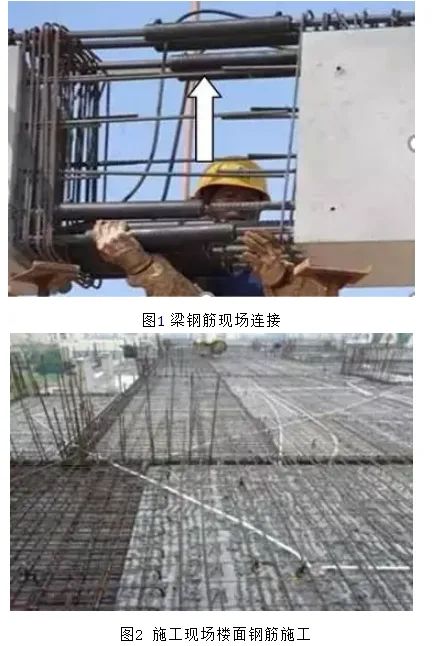
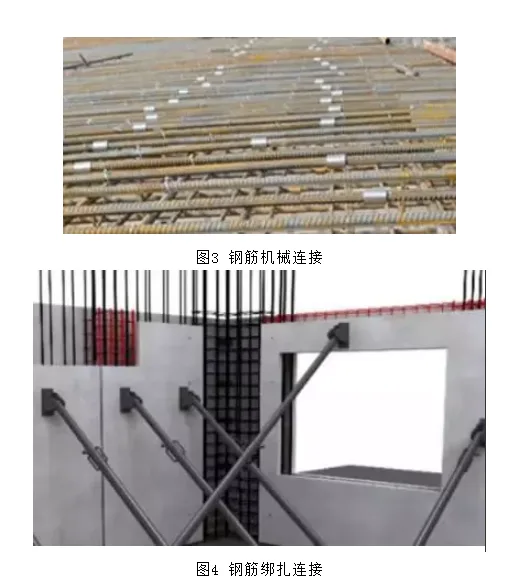
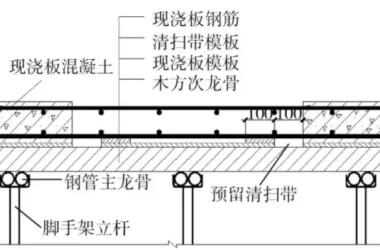
(2) On-site steel reinforcement operations have changed from production to connection. Since construction is now mainly installation, on-site steel reinforcement primarily involves connecting steel bars between components (Figure 1), node connections, and limited floor reinforcement (Figure 2).
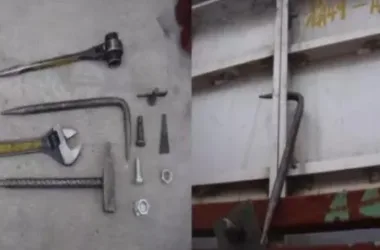
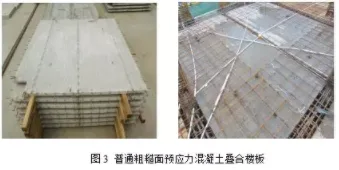
(3) The quality of steel bar connections has become a critical focus of quality control. Since components are factory-produced with guaranteed quality, on-site installation quality is decisive. The connection quality of steel bars during installation is the most important aspect of quality control (Figure 3 and Figure 4).
(4) Steel bar processing is highly automated. Factory processing of steel bars uses automated equipment to achieve batch processing, significantly improving efficiency compared to on-site processing (Figure 5).
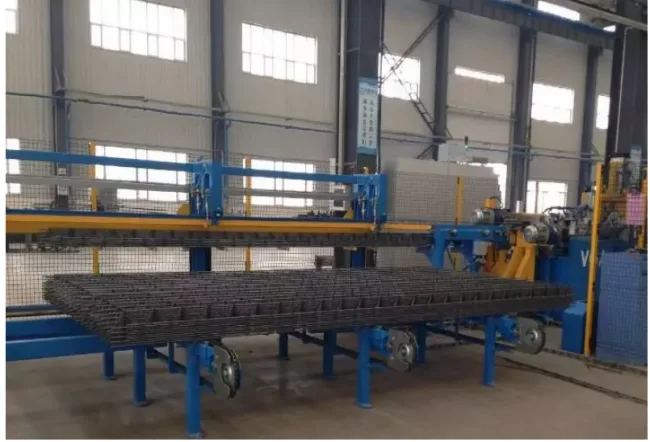
Figure 5: Automatic processing equipment for truss reinforcement
(5) The precision of steel bar processing has greatly improved. Most prefabricated steel bars are processed in factories using automated or semi-automated equipment, achieving millimeter-level accuracy (Figure 6), a significant improvement over on-site processing.
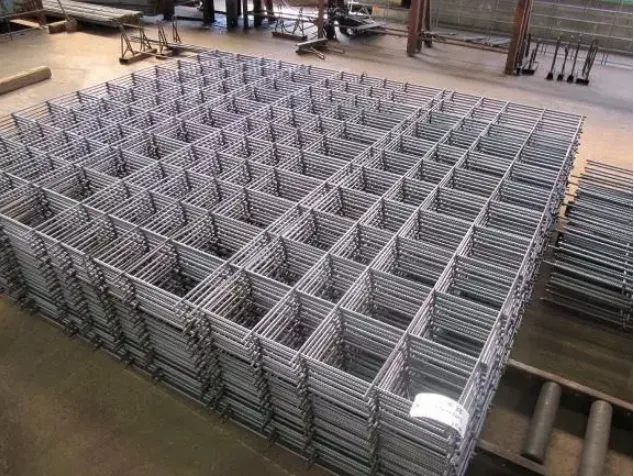
Figure 6: Steel mesh processed by factory automation
(6) There is a strong correlation between steel reinforcement work and formwork. To ensure the building’s overall integrity, prefabricated components often have steel bars protruding from their sides. This requires corresponding holes or grooves to be made in the formwork (Figure 7), which is not typical in cast-in-place construction.
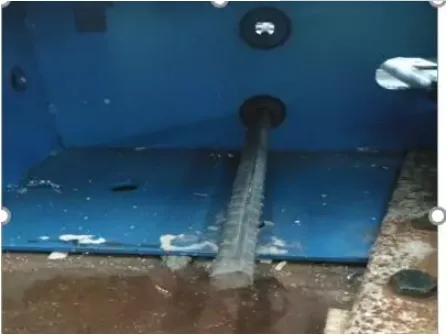
Figure 7: Holes for protruding steel bars on the formwork
(7) High precision requirements. The allowable errors in steel bar extension length and position are very small. Because prefabricated components are installed on-site, protruding steel bars from lower components must fit precisely into sleeves or reserved blind holes in upper components (Figure 8) to ensure reliable connections.
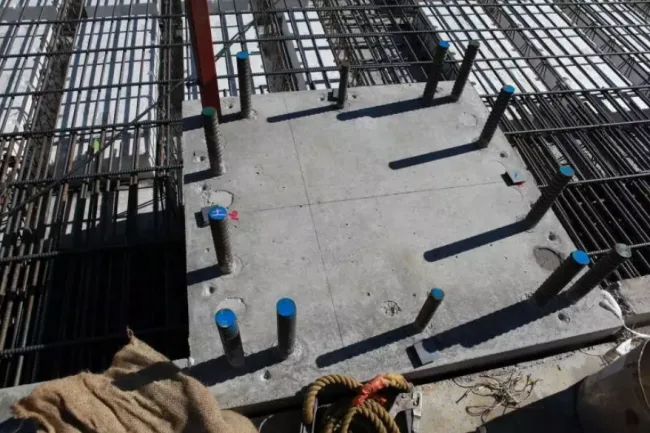
Figure 8: Accurate length and position of steel bars extending from lower components
(8) Reduced tolerance for omissions and errors. Embedded objects or protruding steel bars in prefabricated components serve specific functions. Missing or misplaced elements can hinder installation, affect component connections, or even cause the component to be scrapped.
(9) Measures to avoid interference from embedded parts. Embedded parts and objects may interfere with steel bar installation, so steel bars must be arranged to avoid conflicts according to design and specification requirements.
(10) Stricter concrete cover requirements. To ensure the durability of prefabricated components, factories enforce very strict standards for the steel reinforcement protective layer during production (Figure 9).
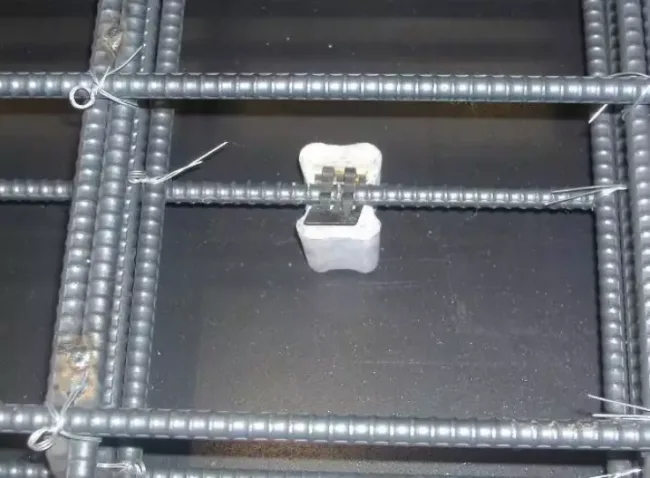
Figure 9: Reinforcement protection layer spacer
(11) Attention to collisions and interferences during installation. On-site installation of prefabricated components can face issues due to deviations in protruding steel bar positions or conflicts with reserved steel bar locations, potentially affecting construction.
3
The characteristics of steel reinforcement operations in prefabricated concrete buildings dictate key points for steel reinforcement processing. The following critical points must be firmly managed during processing.
Key points of steel bar processing operations
1. Extending steel bars requires holes or slots in the formwork. The position and length of extended bars must be precise. Adding positioning devices can ensure consistent assembly positioning and length (Figure 10).
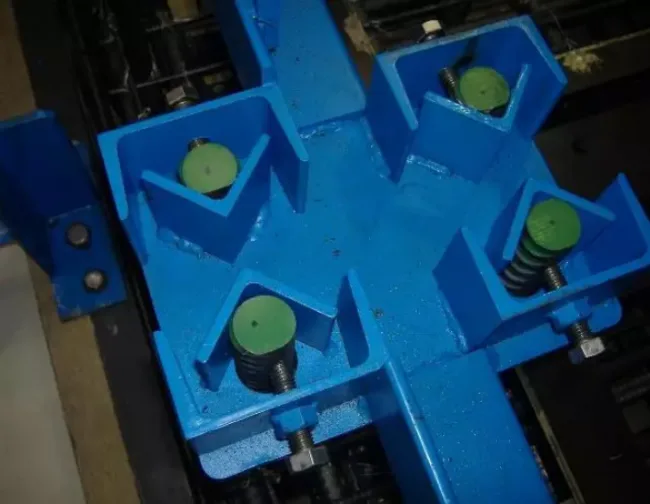
Figure 10: Positioning of extended reinforcement
2. The grouting sleeve is a key structural connection element, typically large in diameter and volume with a smooth finish. Reinforcement should be added around its periphery, and the concrete cover thickness must meet requirements.
3. To ensure the durability and reliability of embedded parts’ connections, reinforcing bars or other connectors are often used to link embedded parts with steel bars. This distributes forces and prevents pull-out under stress. Because embedding may cause steel bars to shift, bend, or cut, it is crucial to analyze reinforcement and component diagrams beforehand, adjust reinforcement at conflict points, and ensure processing accuracy.
Key points of steel reinforcement skeleton processing and molding operations
1. When transporting and lifting steel mesh and skeletons into molds, use multiple lifting points to prevent deformation such as twisting, bending, or tilting (Figure 11).
Figure 11: Four-point suspension of column reinforcement skeleton (with auxiliary bottom formwork)
2. During molding, steel reinforcement should be straight, undamaged, and free of oil stains. Handle gently to avoid deformation.
3. After placing steel bars in the mold, protect the main and structural steel bars at overlapping parts to prevent contamination during concrete pouring, which can affect bond strength (Figures 12 and 13).
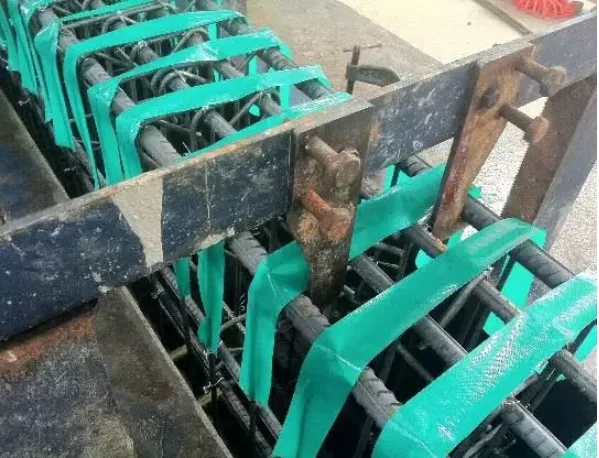
Figure 12: Reinforcement protection of composite beam
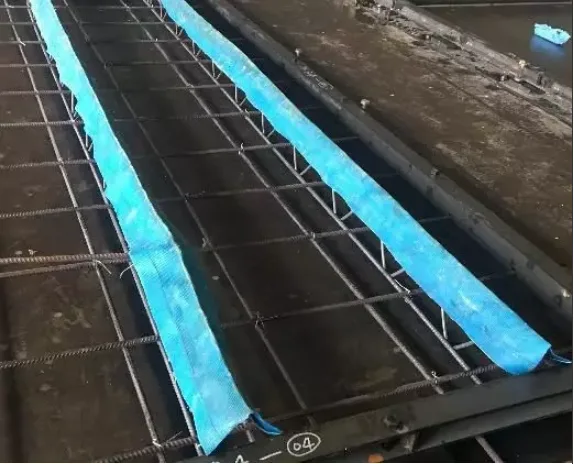
Figure 13: Protection of composite floor truss reinforcement
4. The installation positions of sleeves and embedded parts connected to steel bars must be precise and comply with directional, sealing, and firmness requirements (Figures 14 and 15).
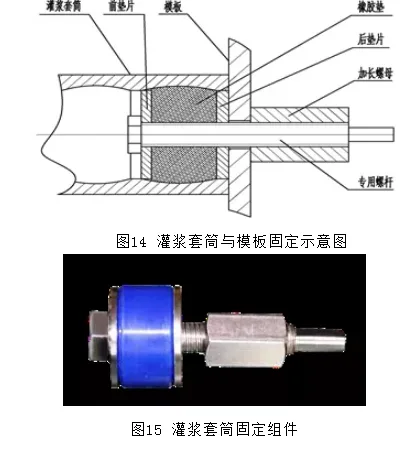
Key points for installing grouting sleeve components
Grouting sleeve connections are the most common method for connecting steel bars in prefabricated concrete buildings. To ensure high-quality connections, installation must strictly follow procedures with special attention to:
1. Before installing sleeves, verify brand, type, and model. Sleeve specifications should match those of the steel bars, and sleeves must be free of visible defects.
2. The steel bar length extending into the sleeve must meet design requirements. The connection should be straight, firm, and sealed properly to prevent grout leakage.
3. Sleeves should be installed perpendicular to the formwork, ensuring tight, firm connections without grout leakage (Figure 16).
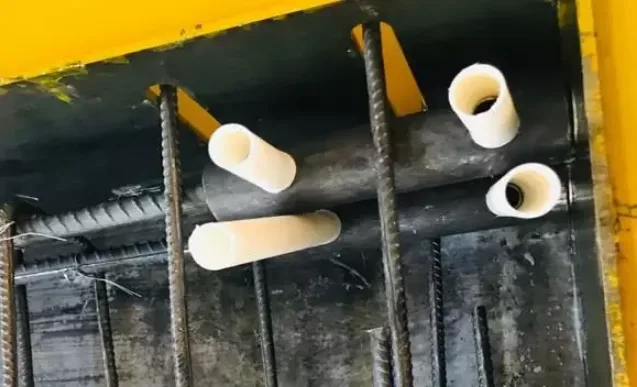
Figure 16: Tight and firm connection between sleeve and formwork
4. Grouting and grout outlet pipes should be firmly attached to the sleeve’s grouting and outlet holes. Adhesive may be applied at openings if necessary.
5. Personnel responsible for threading steel bars connecting semi-grouted sleeves must be certified and qualified. The connection between steel bars and sleeve threads must comply with specifications.
Besides these key points, it is essential to prepare technically before steel bar processing, select suitable processing equipment, perform concealed engineering inspections, protect exposed steel bars during component storage, and ensure the quality of steel bar connections throughout prefabricated concrete construction.
Article source: Architecture Branch of Machinery Industry Press












Must log in before commenting!
Sign Up