BIM World
A Professional BIM Learning Platform


BIM Architecture: Layered Interwoven Finger Slopes Exploring Rhythmic Variations by Alvaro Siza Architects

BIM Architecture | Layered Interwoven Finger Slopes, Pursuing Variations in a Regular Order/Alvaro Siza Architects

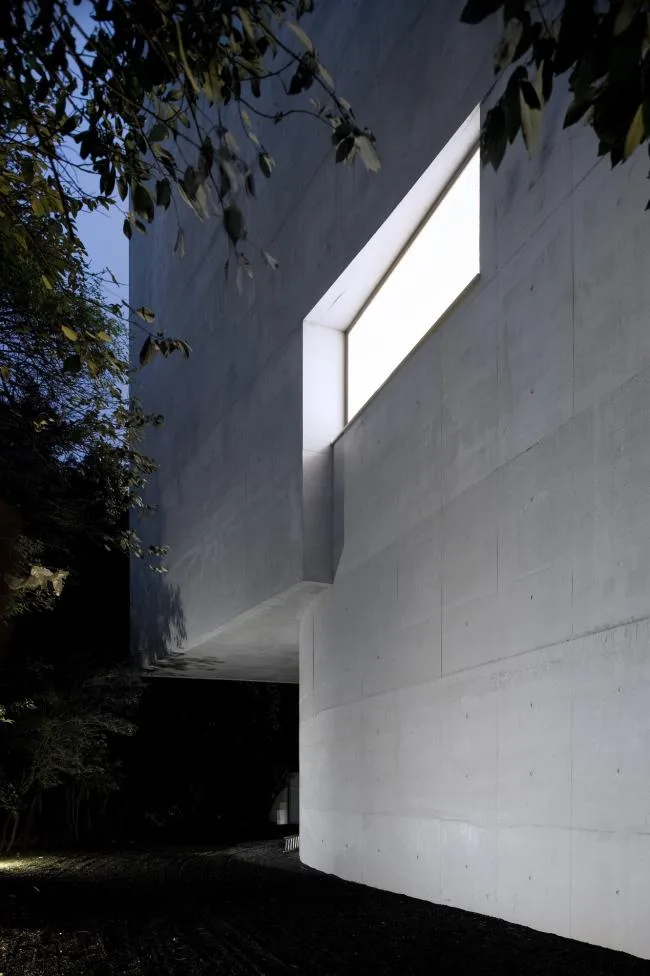
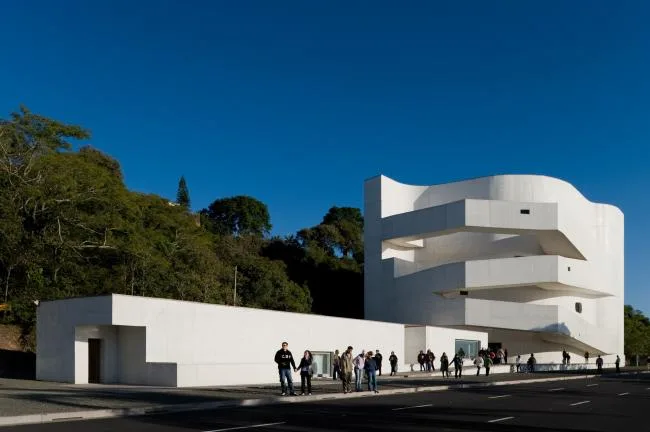
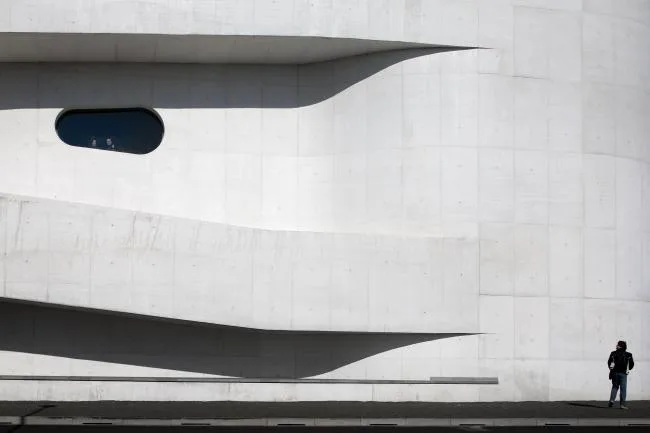
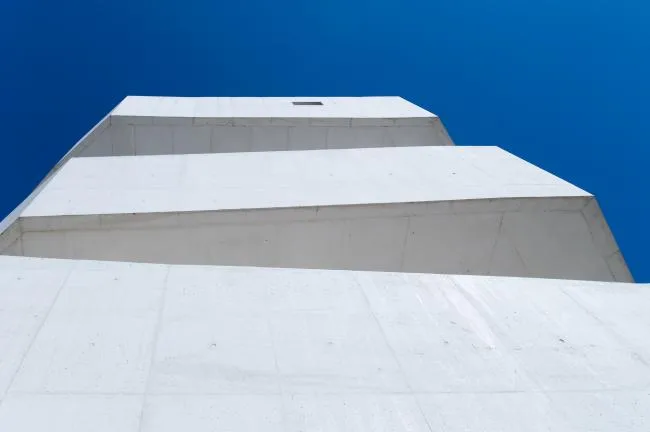
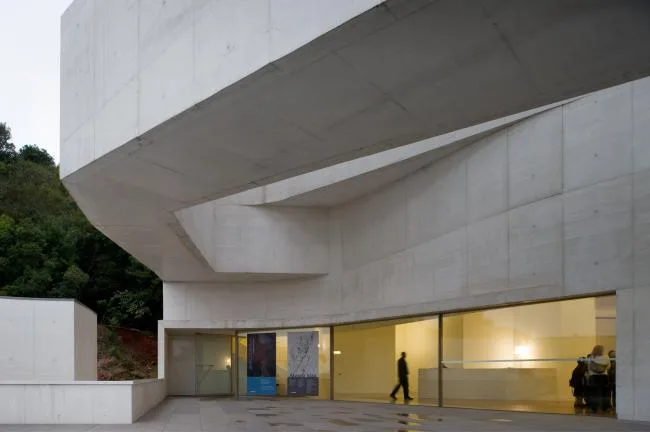
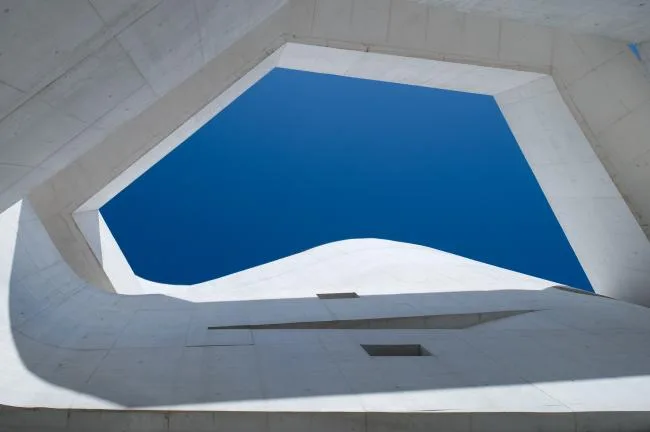
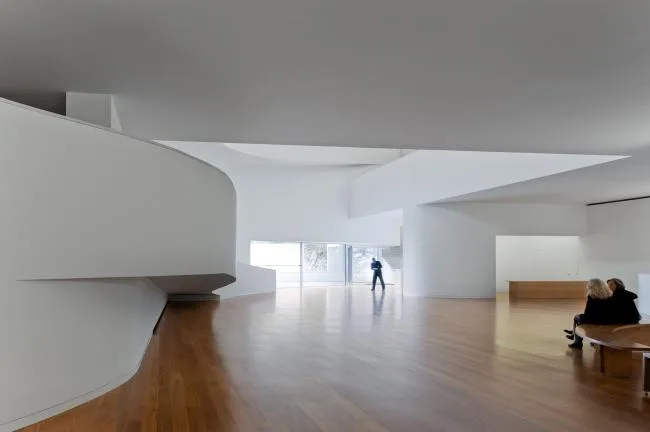
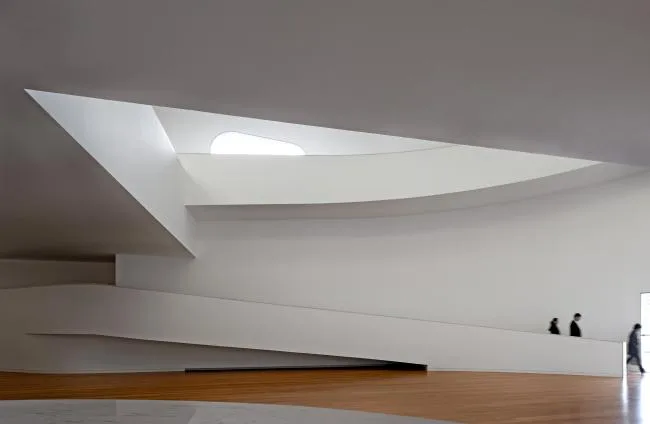
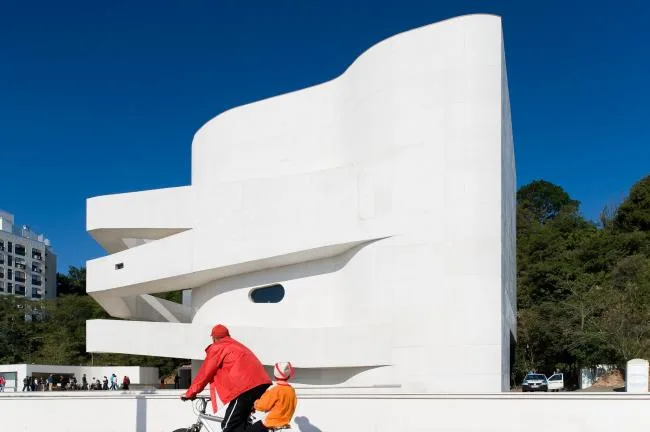
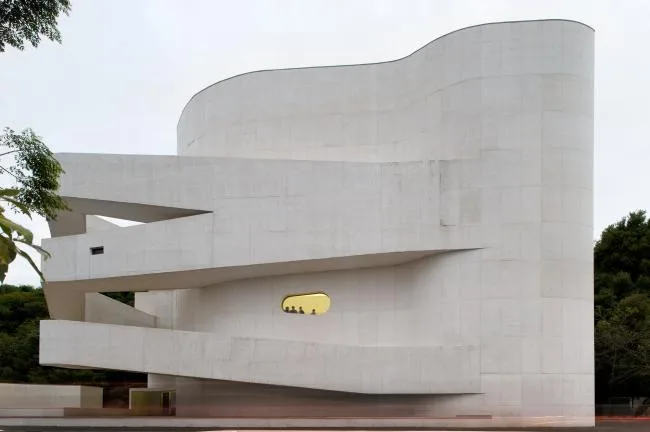
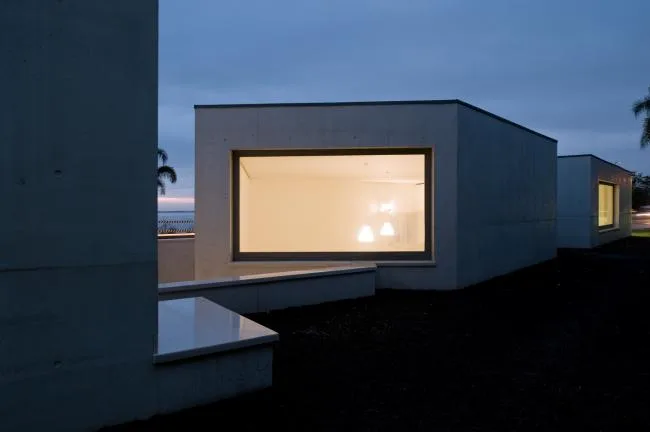
The building’s original form was a rectangular prism measuring 41.5 meters in length, 33 meters in width, and 25 meters in height. Following the general design plan, it consists of three elevated levels, each with three rectangular exhibition rooms. These rooms are arranged on two adjacent facades and connected by sloping ramps along the side facades. This configuration naturally forms a four-story atrium between the ramps and rooms, creating an elegant diagonal symmetry within the interior space.
BIM Architecture | Layered Interwoven Finger Slopes, Pursuing Variations in a Regular Order/Alvaro Siza Architects

BIM Architecture | Layered Interwoven Finger Slopes, Pursuing Variations in a Regular Order/Alvaro Siza Architects

BIM Architecture | Layered Interwoven Finger Slopes, Pursuing Variations in a Regular Order/Alvaro Siza Architects

BIM Architecture | Layered Interwoven Finger Slopes, Pursuing Variations in a Regular Order/Alvaro Siza Architects

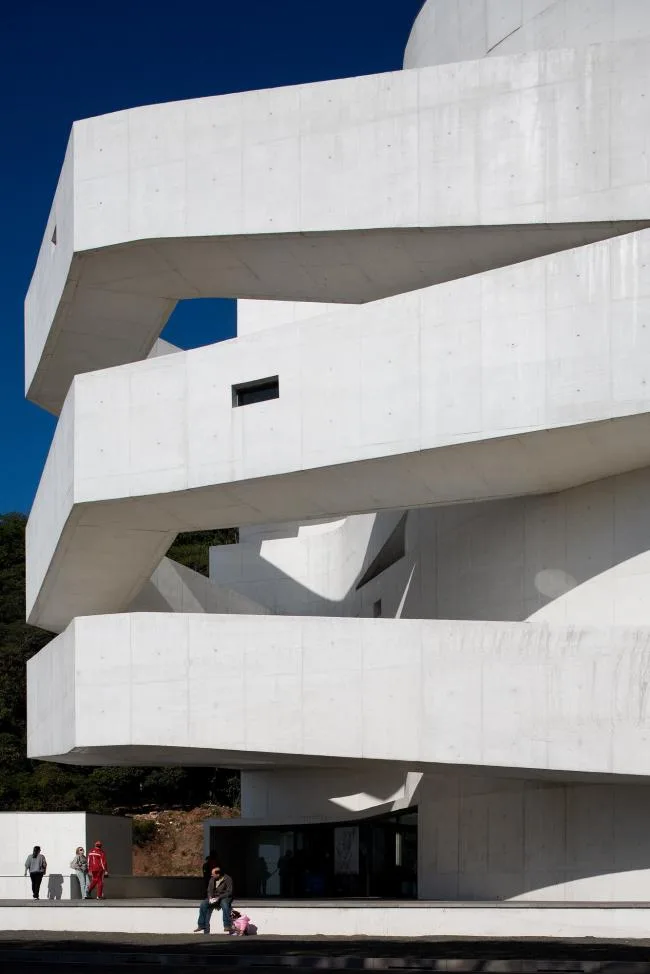
However, this building does not strictly adhere to the initial design rules. Its defining feature is the realization of a series of variations. The regulatory slope is divided vertically into two sections at each level, extending up to 49.58 centimeters. Achieving a height difference of 5.5 meters requires either a slope of 11.1%, increasing the ramp length, or an 8.73% slope extending the ramp by 13.39 meters.

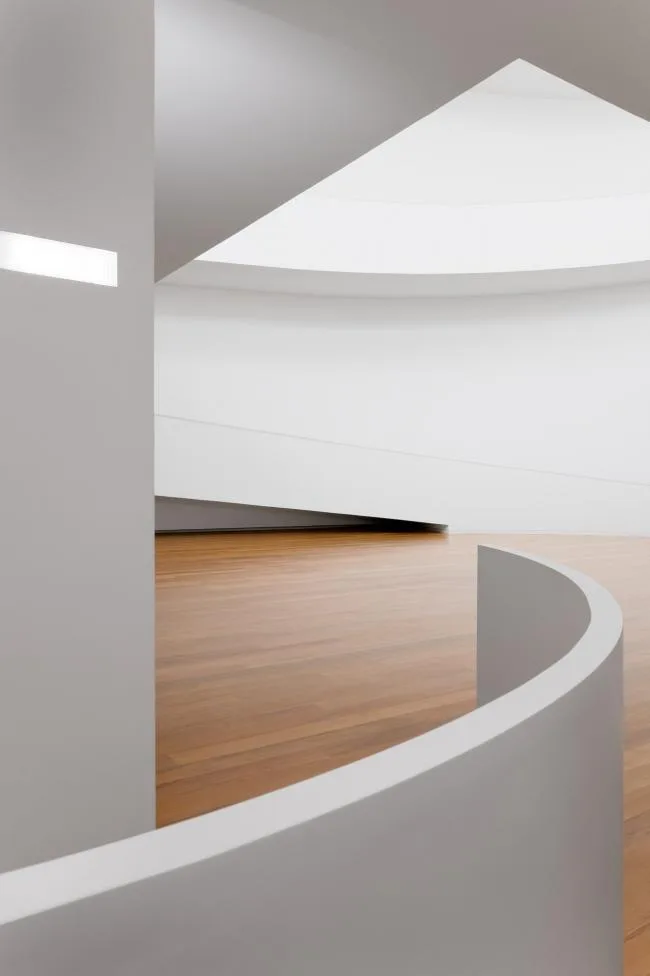
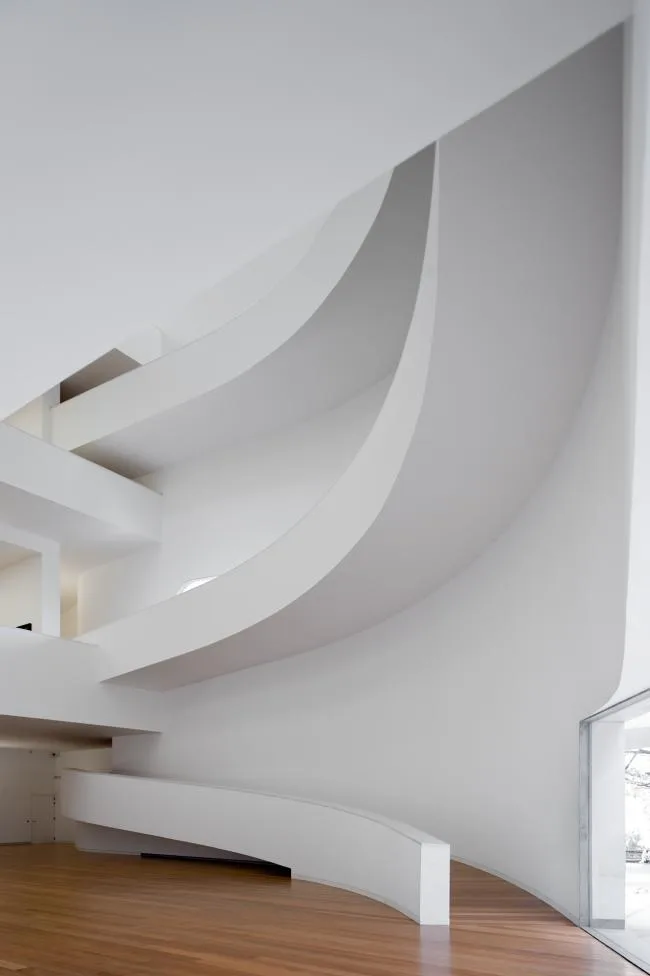
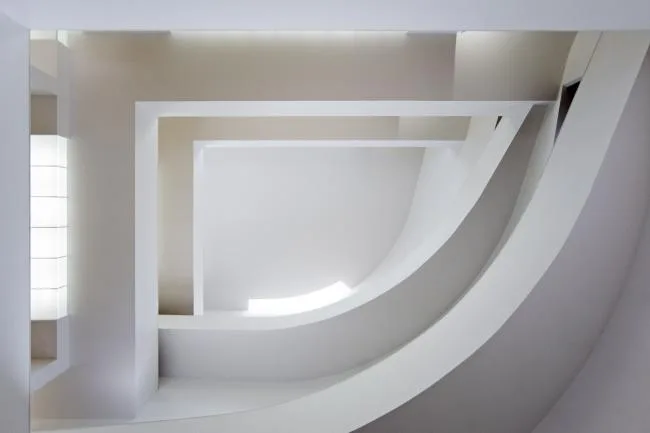
The architect’s deliberate design strategy introduces the first spatial variation by extending the ramp lengths. This initial change defines the building’s visual identity, while the sequence of corner exhibition spaces remains unchanged. The order of the sloping corners becomes distorted, preserving the original edge and two additional corners. Inside, the staircase becomes a visual focal point, creating a dynamic diagonal tension.
BIM Architecture | Layered Interwoven Finger Slopes, Pursuing Variations in a Regular Order/Alvaro Siza Architects

BIM Architecture | Layered Interwoven Finger Slopes, Pursuing Variations in a Regular Order/Alvaro Siza Architects

BIM Architecture | Layered Interwoven Finger Slopes, Pursuing Variations in a Regular Order/Alvaro Siza Architects

BIM Architecture | Layered Interwoven Finger Slopes, Pursuing Variations in a Regular Order/Alvaro Siza Architects

BIM Architecture | Layered Interwoven Finger Slopes, Pursuing Variations in a Regular Order/Alvaro Siza Architects

BIM Architecture | Layered Interwoven Finger Slopes, Pursuing Variations in a Regular Order/Alvaro Siza Architects

BIM Architecture | Layered Interwoven Finger Slopes, Pursuing Variations in a Regular Order/Alvaro Siza Architects

BIM Architecture | Layered Interwoven Finger Slopes, Pursuing Variations in a Regular Order/Alvaro Siza Architects

BIM Architecture | Layered Interwoven Finger Slopes, Pursuing Variations in a Regular Order/Alvaro Siza Architects

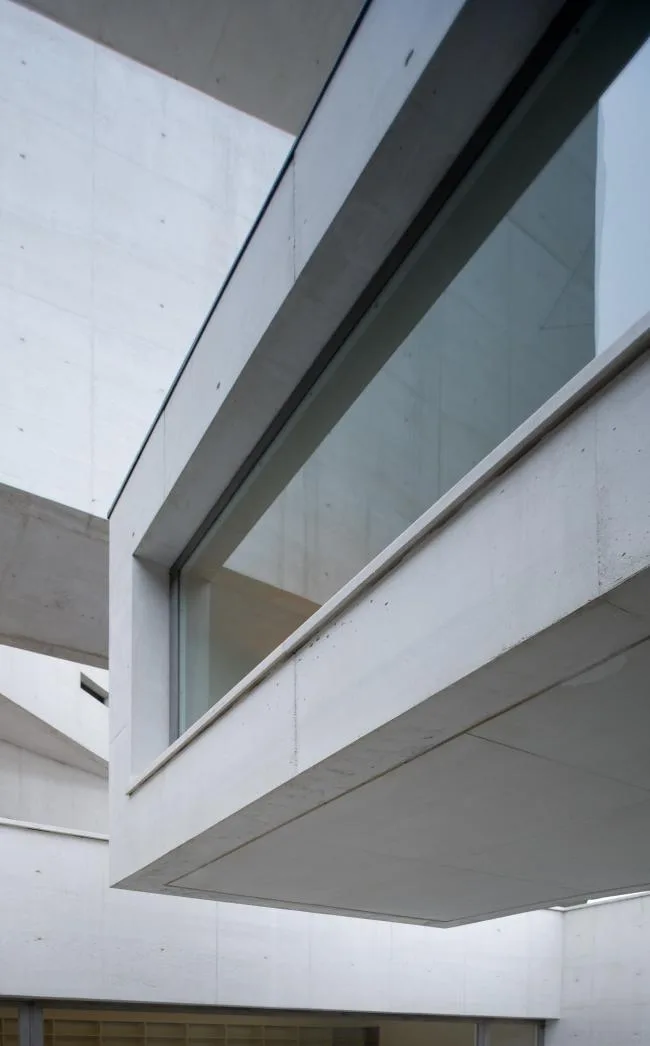
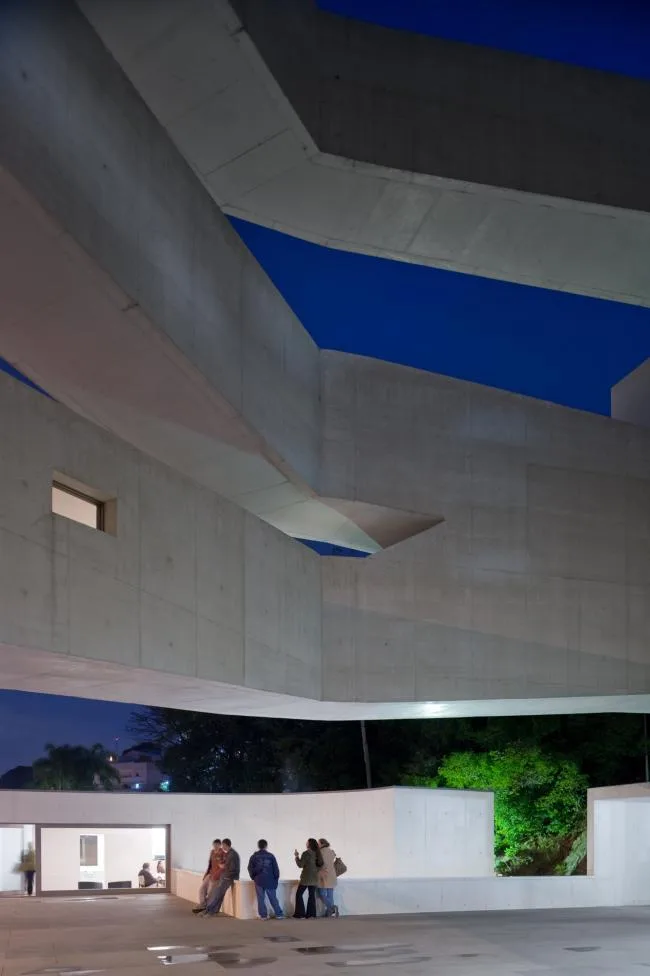
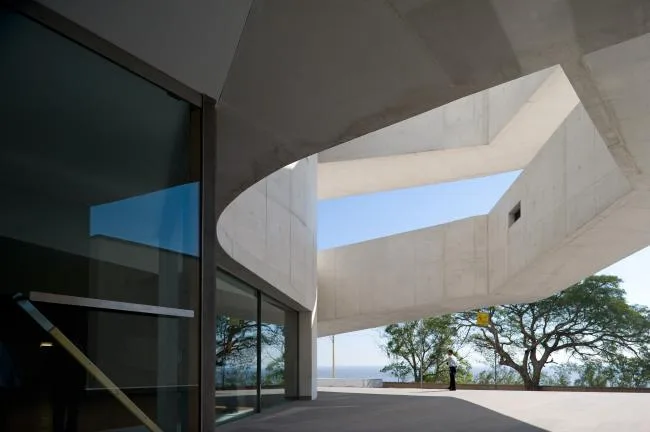
For the slope to reach its intended height while preserving the building’s original perimeter, slope location, and start and end points, some wall frames—indoors or outdoors—must be altered. This design explores two possibilities: the original slope is duplicated into two branches—an outer straight ramp and an inner curved ramp. Each ramp consists of three segments: linear for the outer ramp, and curved for the inner one.

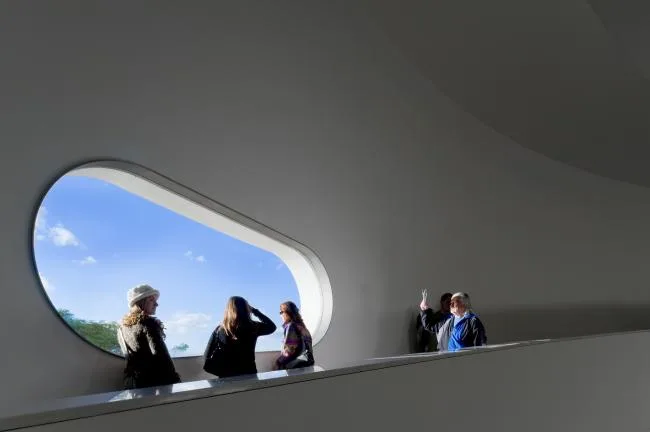
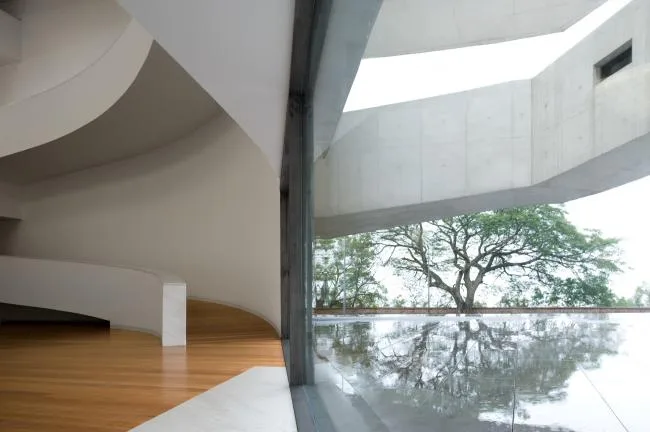
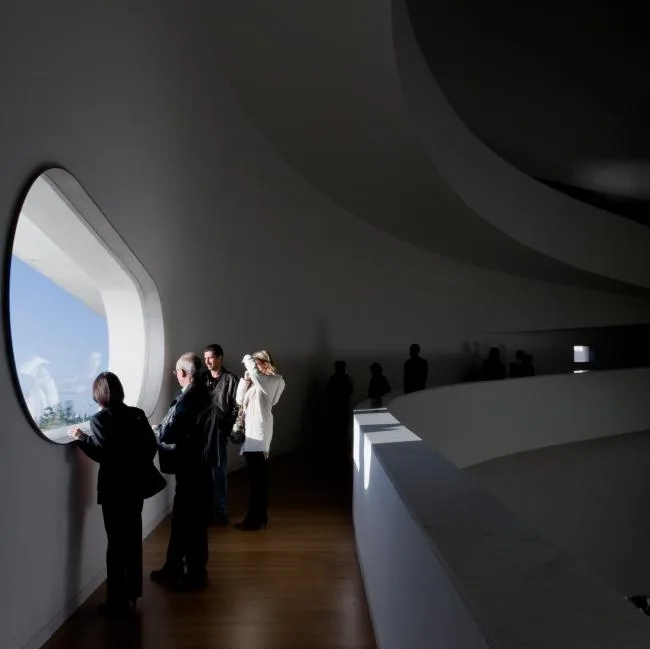
Each segment rises half the height difference between floors (2.75 meters), with the total ramp length matching the sum of their horizontal components. The curved ramp creates a new atrium space alongside three curved outdoor ramps. This enclosed sky acts as a natural ceiling for these expansive outdoor areas.
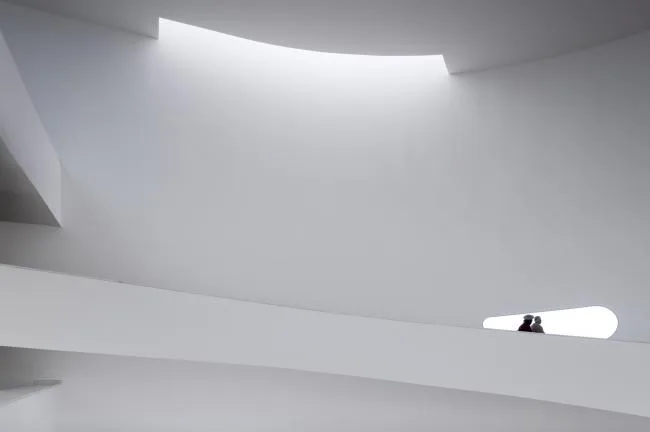
BIM Architecture | Layered Interwoven Finger Slopes, Pursuing Variations in a Regular Order/Alvaro Siza Architects

BIM Architecture | Layered Interwoven Finger Slopes, Pursuing Variations in a Regular Order/Alvaro Siza Architects

BIM Architecture | Layered Interwoven Finger Slopes, Pursuing Variations in a Regular Order/Alvaro Siza Architects

BIM Architecture | Layered Interwoven Finger Slopes, Pursuing Variations in a Regular Order/Alvaro Siza Architects

BIM Architecture | Layered Interwoven Finger Slopes, Pursuing Variations in a Regular Order/Alvaro Siza Architects

BIM Architecture | Layered Interwoven Finger Slopes, Pursuing Variations in a Regular Order/Alvaro Siza Architects

BIM Architecture | Layered Interwoven Finger Slopes, Pursuing Variations in a Regular Order/Alvaro Siza Architects

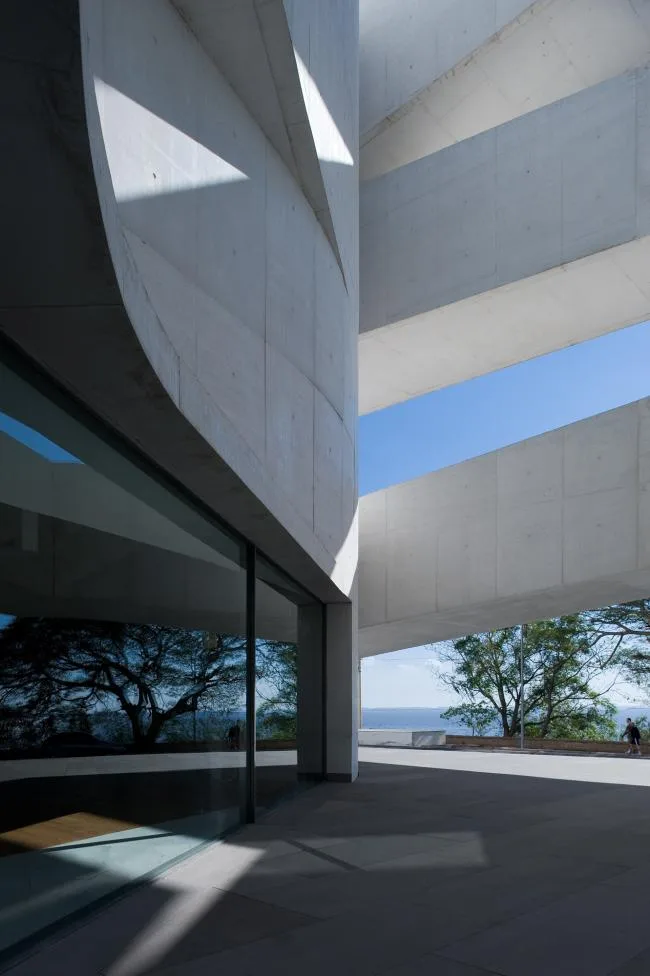
The vertical connections between floor levels are always composed of curved ramps, while the exterior ramps are straight. Movement between levels weaves together these two ramp types. Visually, each ramp type forms a continuous, elongated pathway: inside, only three curved elevation ramps are visible; outside, three main sections of straight ramps dominate.

This seamless integration of architectural form and physical reality reflects how the building’s design embodies and isolates the essence of BIM methodology.
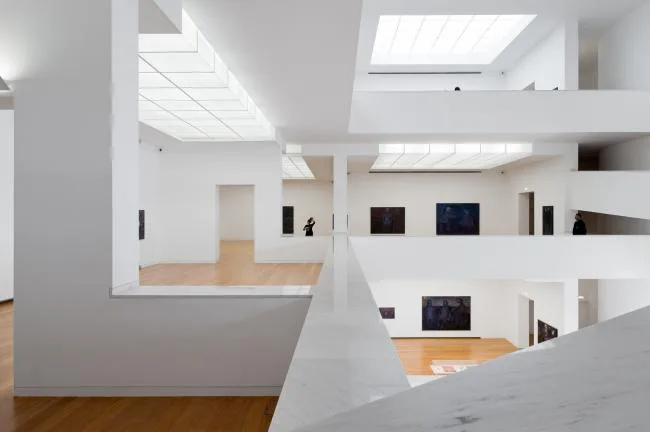
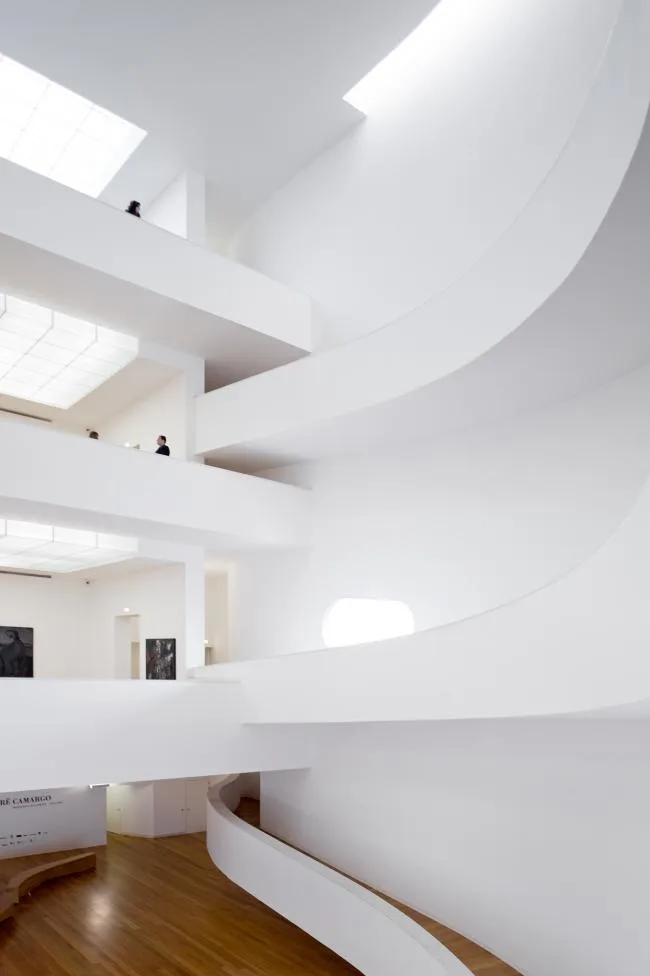
BIM Architecture | Layered Interwoven Finger Slopes, Pursuing Variations in a Regular Order/Alvaro Siza Architects

BIM Architecture | Layered Interwoven Finger Slopes, Pursuing Variations in a Regular Order/Alvaro Siza Architects

BIM Architecture | Layered Interwoven Finger Slopes, Pursuing Variations in a Regular Order/Alvaro Siza Architects

BIM Architecture | Layered Interwoven Finger Slopes, Pursuing Variations in a Regular Order/Alvaro Siza Architects

BIM Architecture | Layered Interwoven Finger Slopes, Pursuing Variations in a Regular Order/Alvaro Siza Architects

BIM Architecture | Layered Interwoven Finger Slopes, Pursuing Variations in a Regular Order/Alvaro Siza Architects

BIM Architecture | Layered Interwoven Finger Slopes, Pursuing Variations in a Regular Order/Alvaro Siza Architects

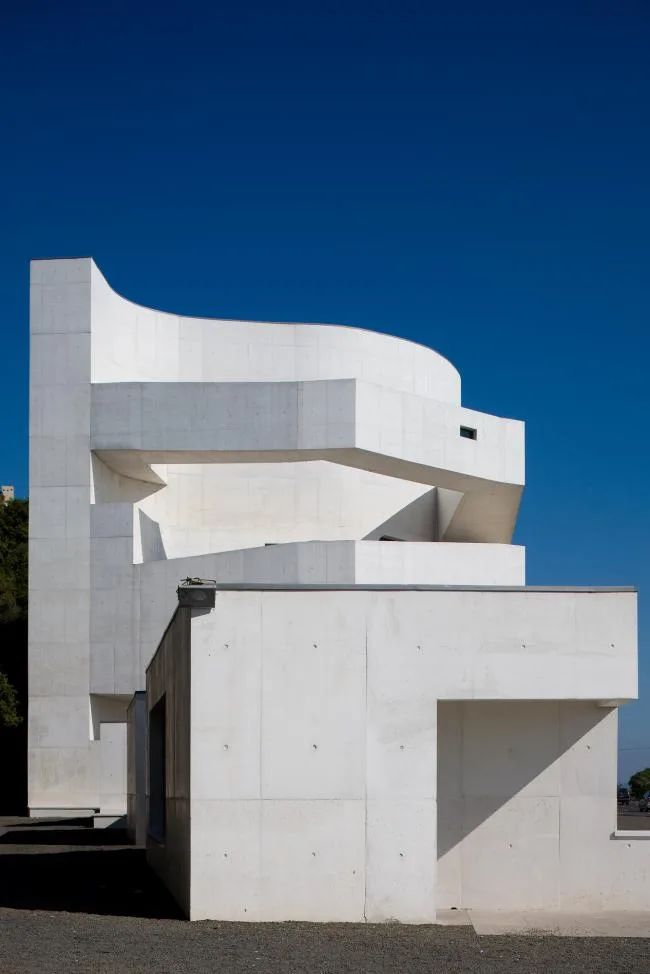
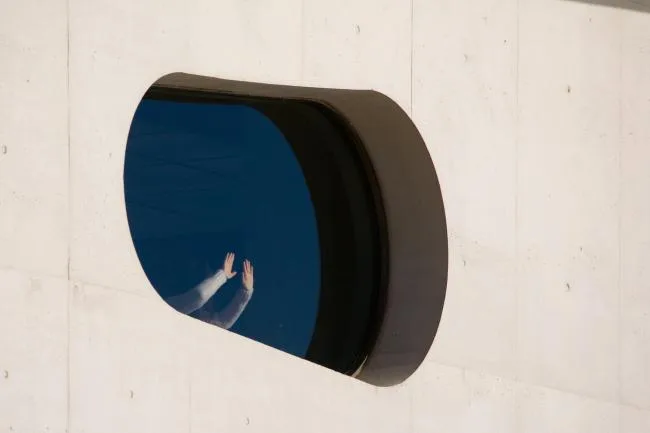
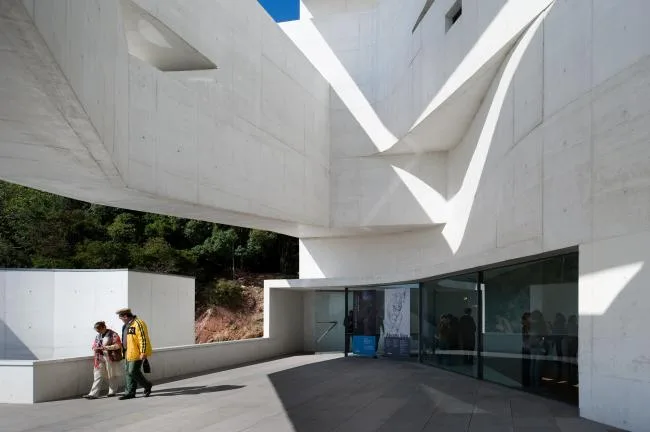
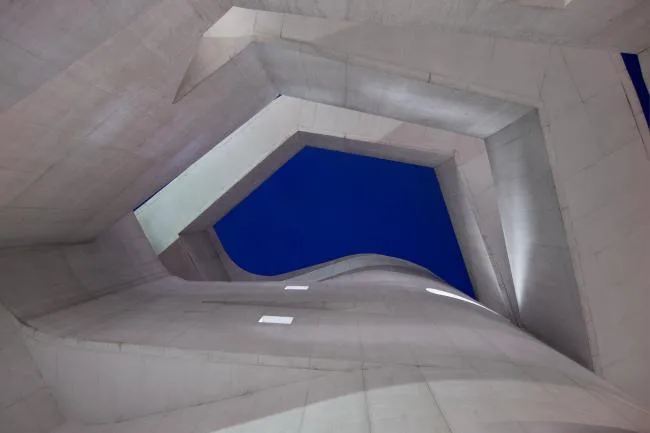
The building’s new perimeter is now defined by a curve composed of a central convex arc flanked by two concave arcs, connected smoothly by tangent lines. This design highlights the ramp curves, subtly adapting them to form a distinctive facade.

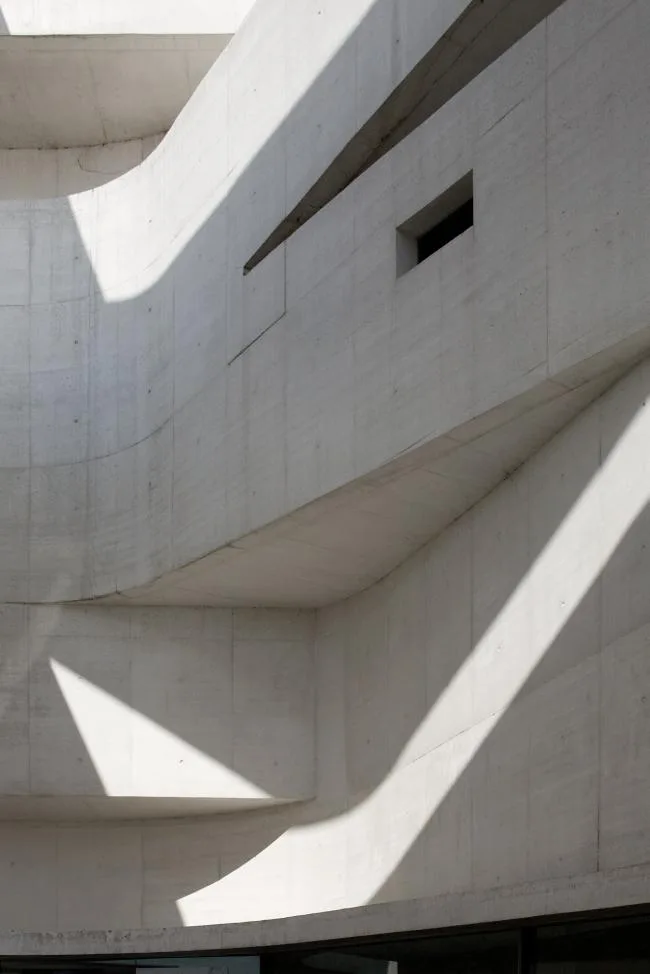
Below this curved exterior skin, three visually continuous straight inclined planes wrap around the open atrium. These extended, curved ramps act as a transition between interior and exterior spaces, breaking the building’s original orthogonal geometry and creating a unique architectural statement.
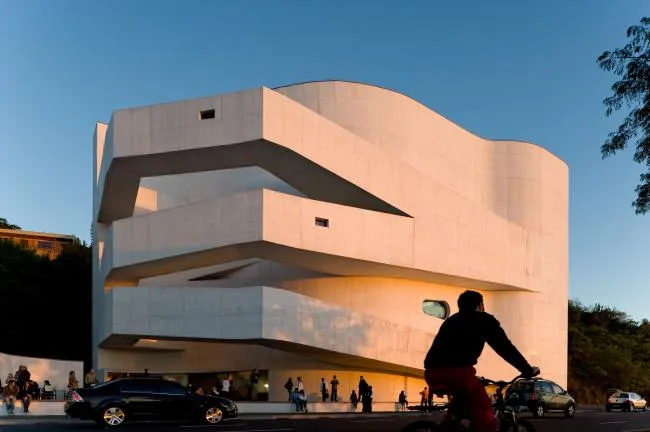
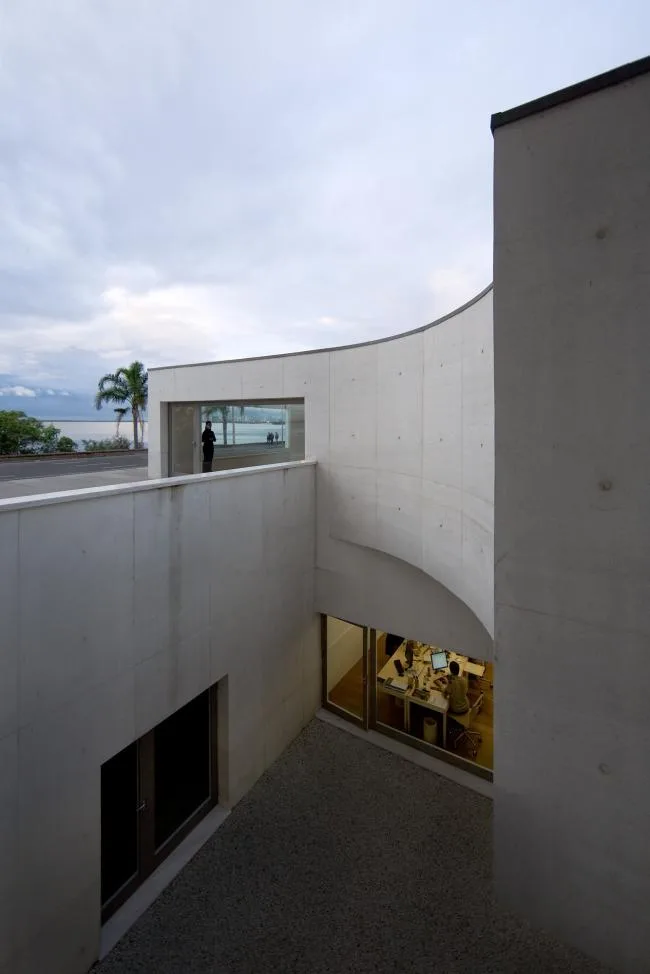
BIM Architecture | Layered Interwoven Finger Slopes, Pursuing Variations in a Regular Order/Alvaro Siza Architects

BIM Architecture | Layered Interwoven Finger Slopes, Pursuing Variations in a Regular Order/Alvaro Siza Architects

BIM Architecture | Layered Interwoven Finger Slopes, Pursuing Variations in a Regular Order/Alvaro Siza Architects

BIM Architecture | Layered Interwoven Finger Slopes, Pursuing Variations in a Regular Order/Alvaro Siza Architects

A ramp divided into two sections encloses a central courtyard. Meanwhile, two additional ramps, each with three segments, enclose two more courtyards—one enclosed and one open—creating a compelling spatial contrast. This transformation from a simple prism into a rock-like form embodies the materiality and conceptual essence of the building’s design.
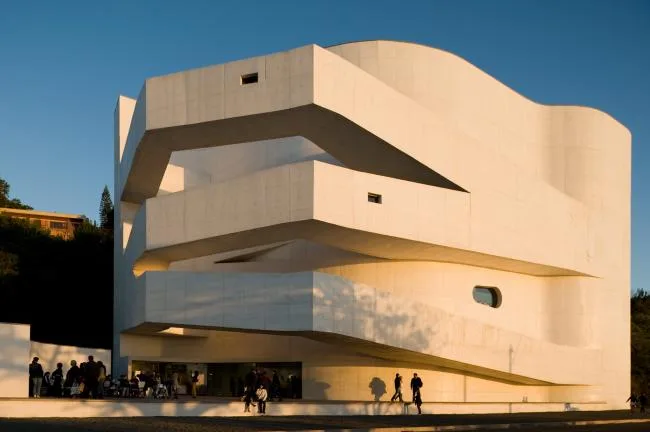

BIM Architecture | Layered Interwoven Finger Slopes, Pursuing Variations in a Regular Order/Alvaro Siza Architects

BIM Architecture | Layered Interwoven Finger Slopes, Pursuing Variations in a Regular Order/Alvaro Siza Architects

BIM Architecture | Layered Interwoven Finger Slopes, Pursuing Variations in a Regular Order/Alvaro Siza Architects

BIM Architecture | Layered Interwoven Finger Slopes, Pursuing Variations in a Regular Order/Alvaro Siza Architects

BIM Tutorial Paper

BIM Architecture | Layered Interwoven Finger Slopes, Pursuing Variations in a Regular Order/Alvaro Siza Architects

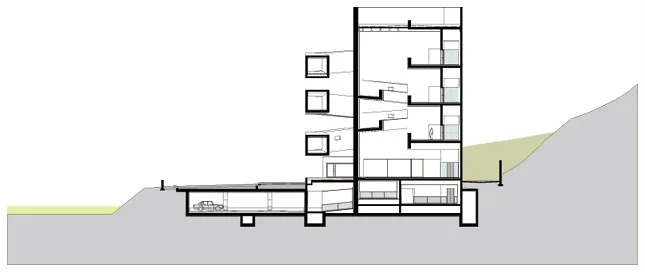
Sectional View

BIM Architecture | Layered Interwoven Finger Slopes, Pursuing Variations in a Regular Order/Alvaro Siza Architects

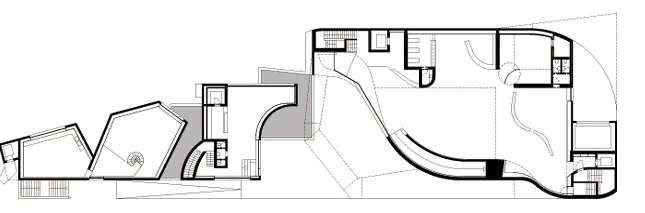
Ground Floor Plan

Project Information

Architect: Alvaro Siza Architects

Location: Avenida Padre Cacique

Lead Architect: Álvaro Siza

Design Team: Bárbara Rangel and Pedro Polónia

Collaborative Architects: Michele Gigante, Francesca Montalto, Atsushi Ueno

Total Construction Area: 1,350 square meters

Project Year: 2003

Architectural Photographer: Fernando Guerra | FG+SG

xuebim
Follow the latest BIM developments in the architecture industry, explore innovative building technologies, and discover cutting-edge industry insights.
← Scan with WeChat
Like(0) 打赏
BIM WORLD » BIM Architecture: Layered Interwoven Finger Slopes Exploring Rhythmic Variations by Alvaro Siza Architects

Comment Get first!

Must log in before commenting!


BIM World, A Professional BIM Learning Platform

Stay updated on the latest architecture trends and share new building technologies.

Contact UsAbout Us

觉得文章有用就打赏一下小编吧

非常感谢你的打赏,我们将继续提供更多优质内容,让我们一起创建更加美好的网络世界!

支付宝扫一扫

微信扫一扫

Account Login

By signing in, you agree toUser Agreement

Sign Up