
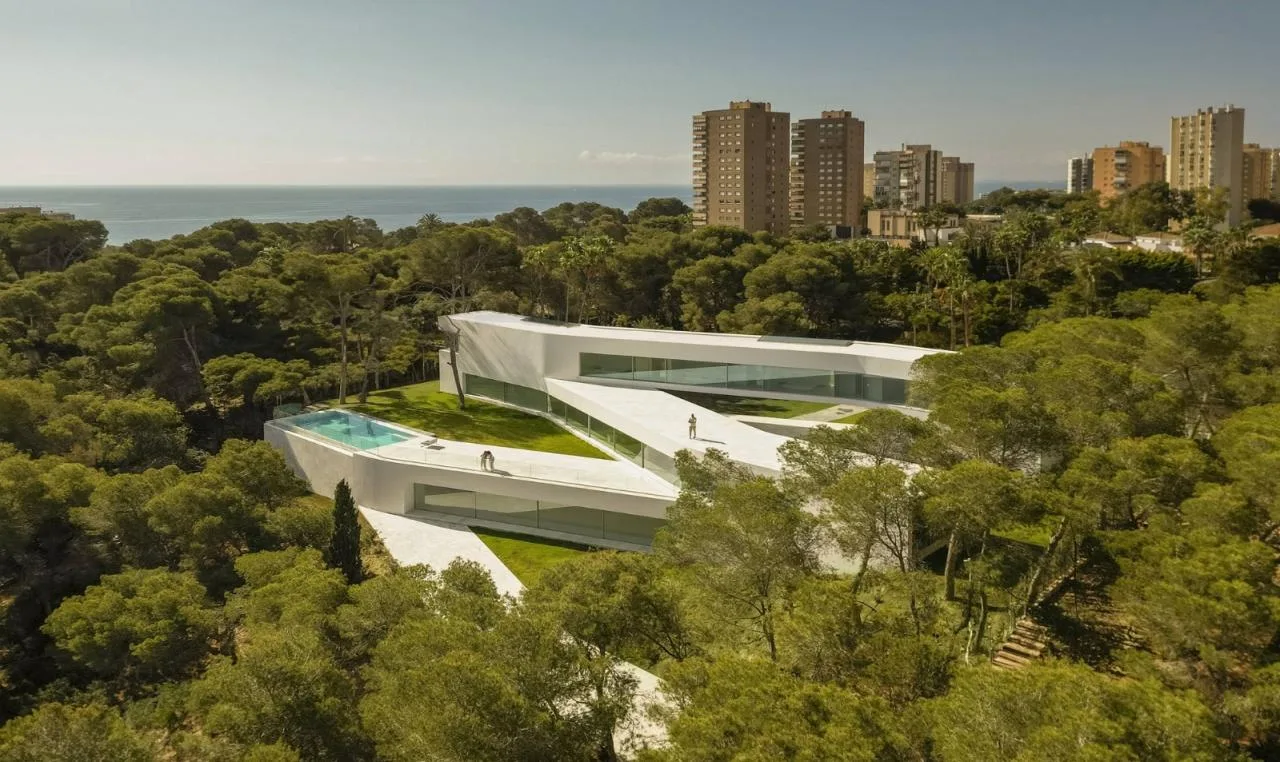
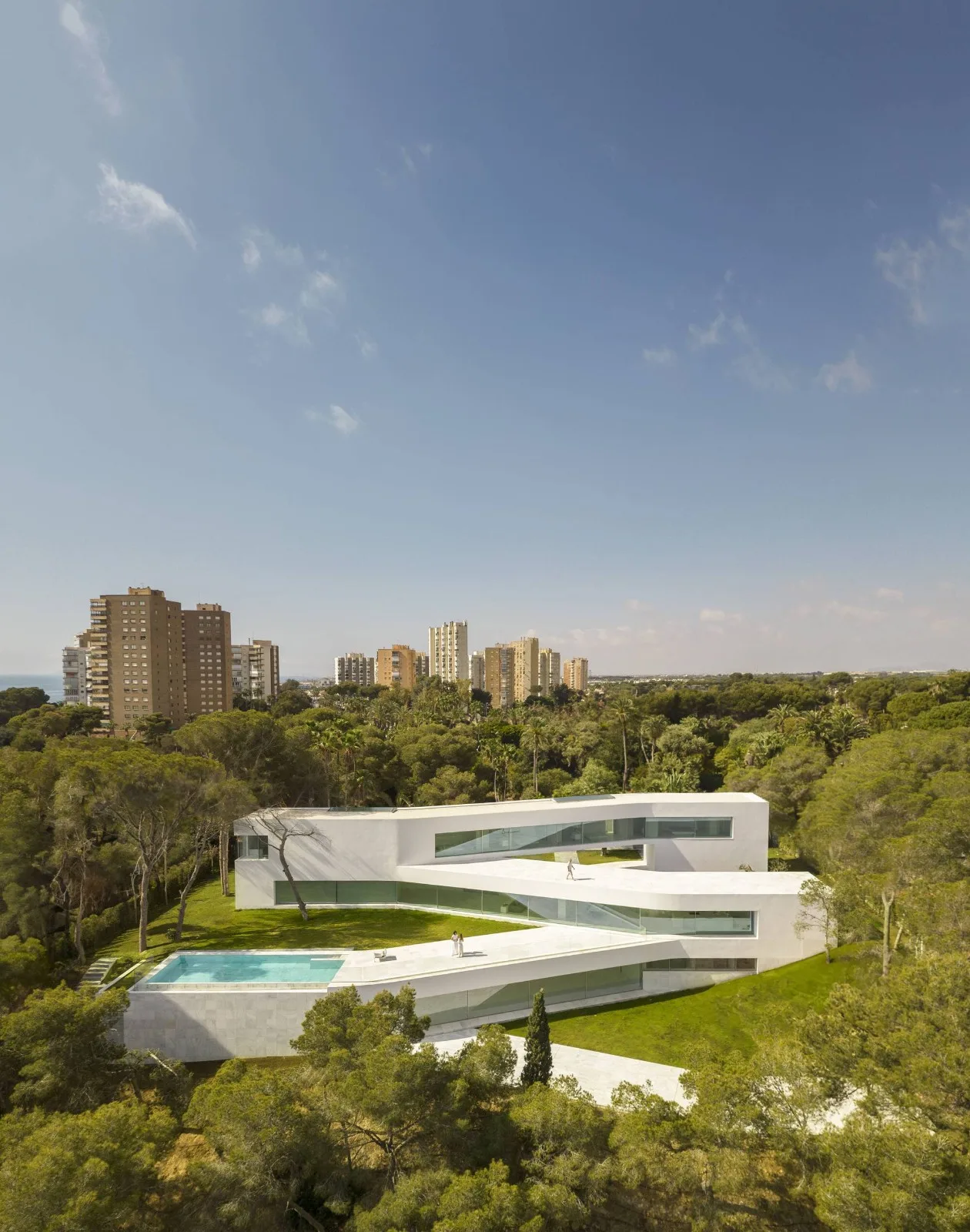
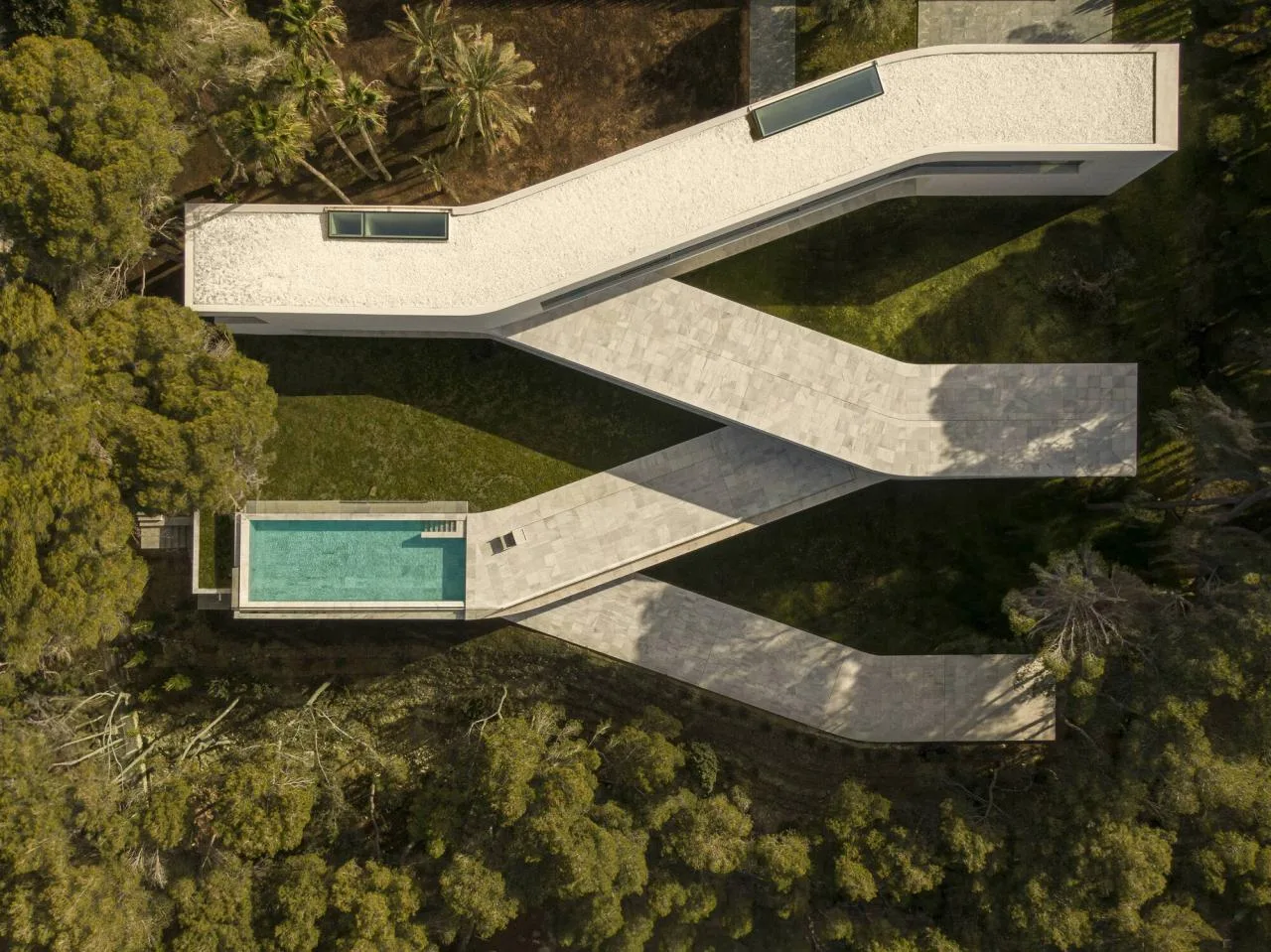
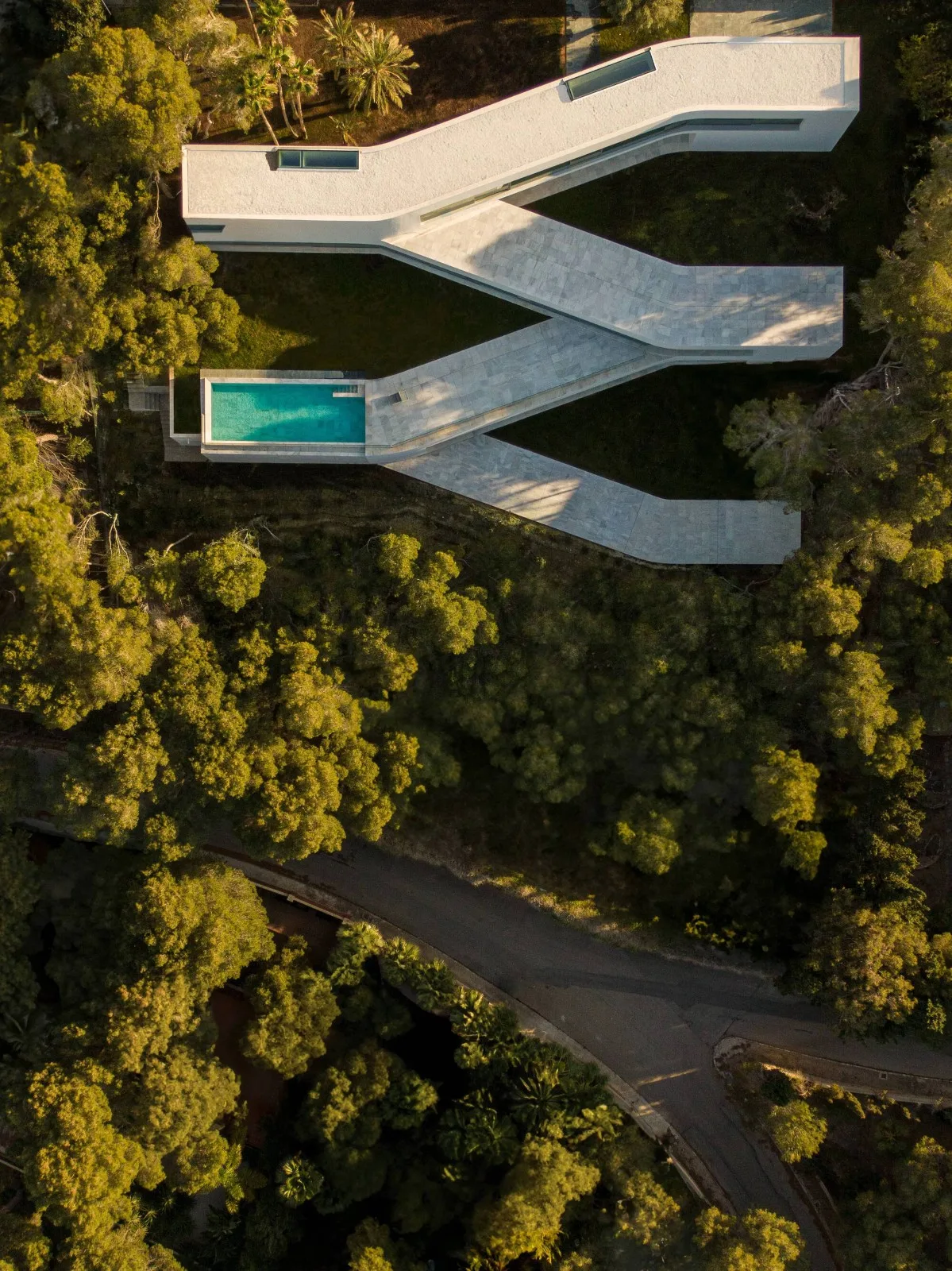
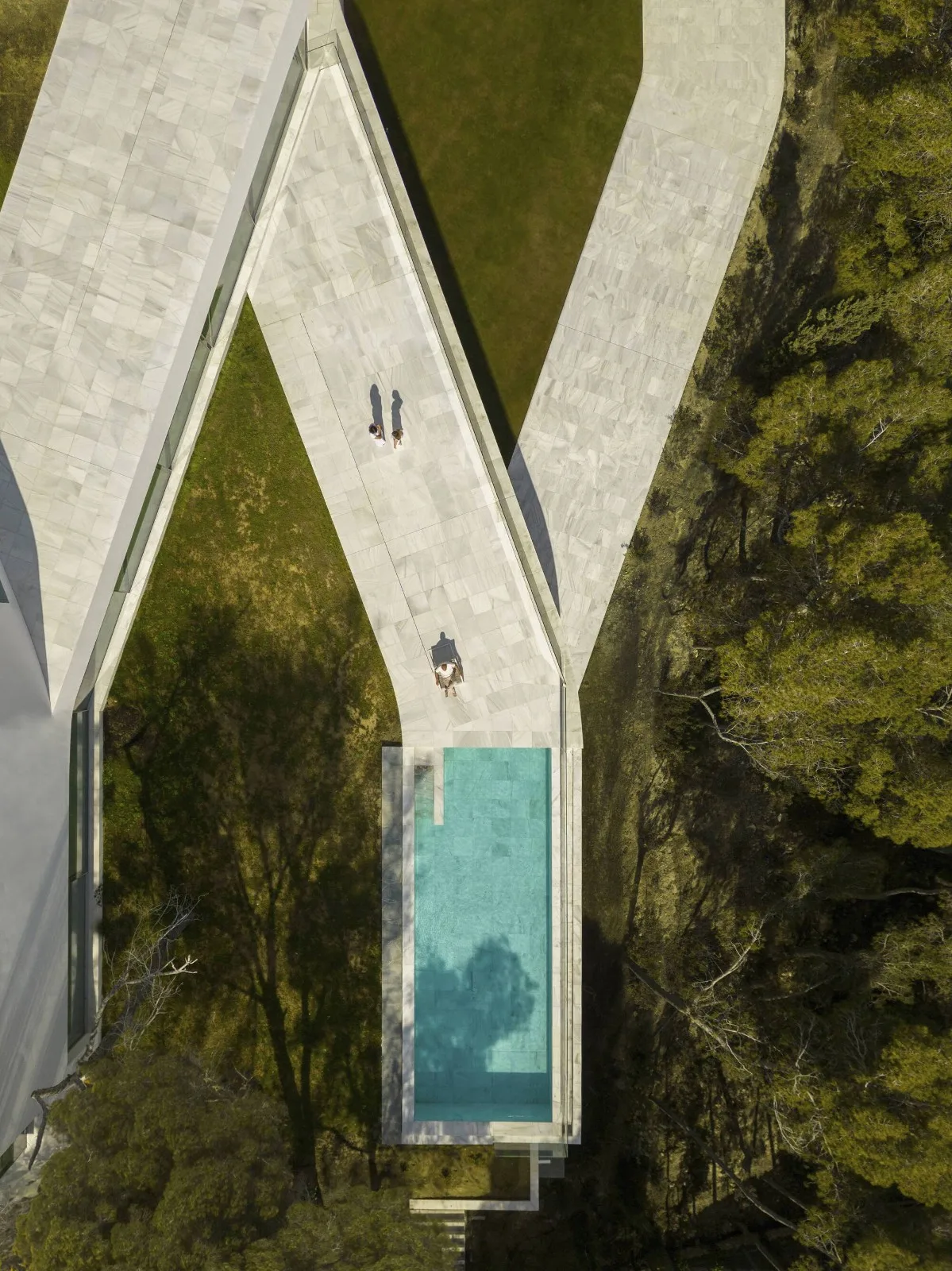
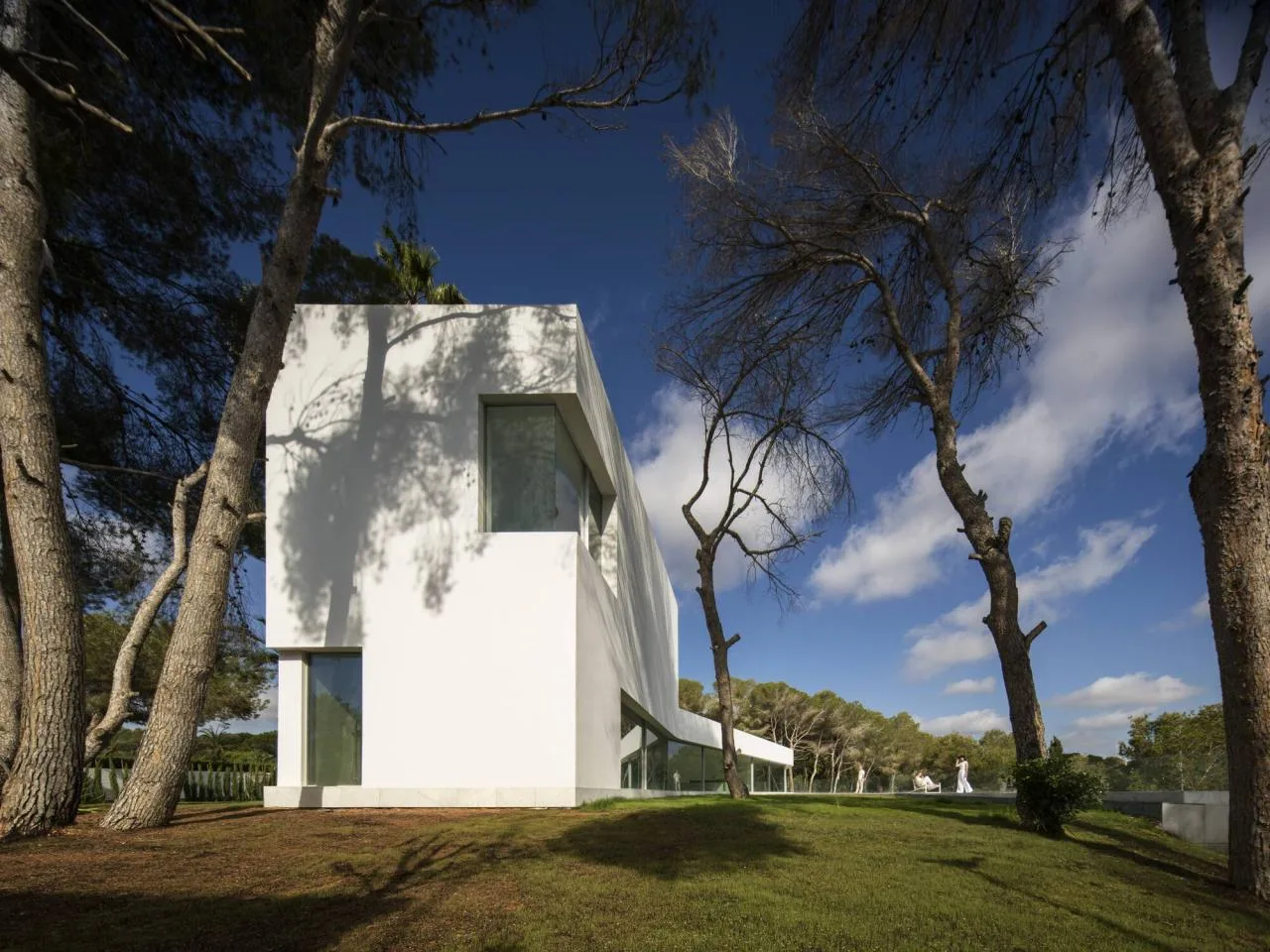
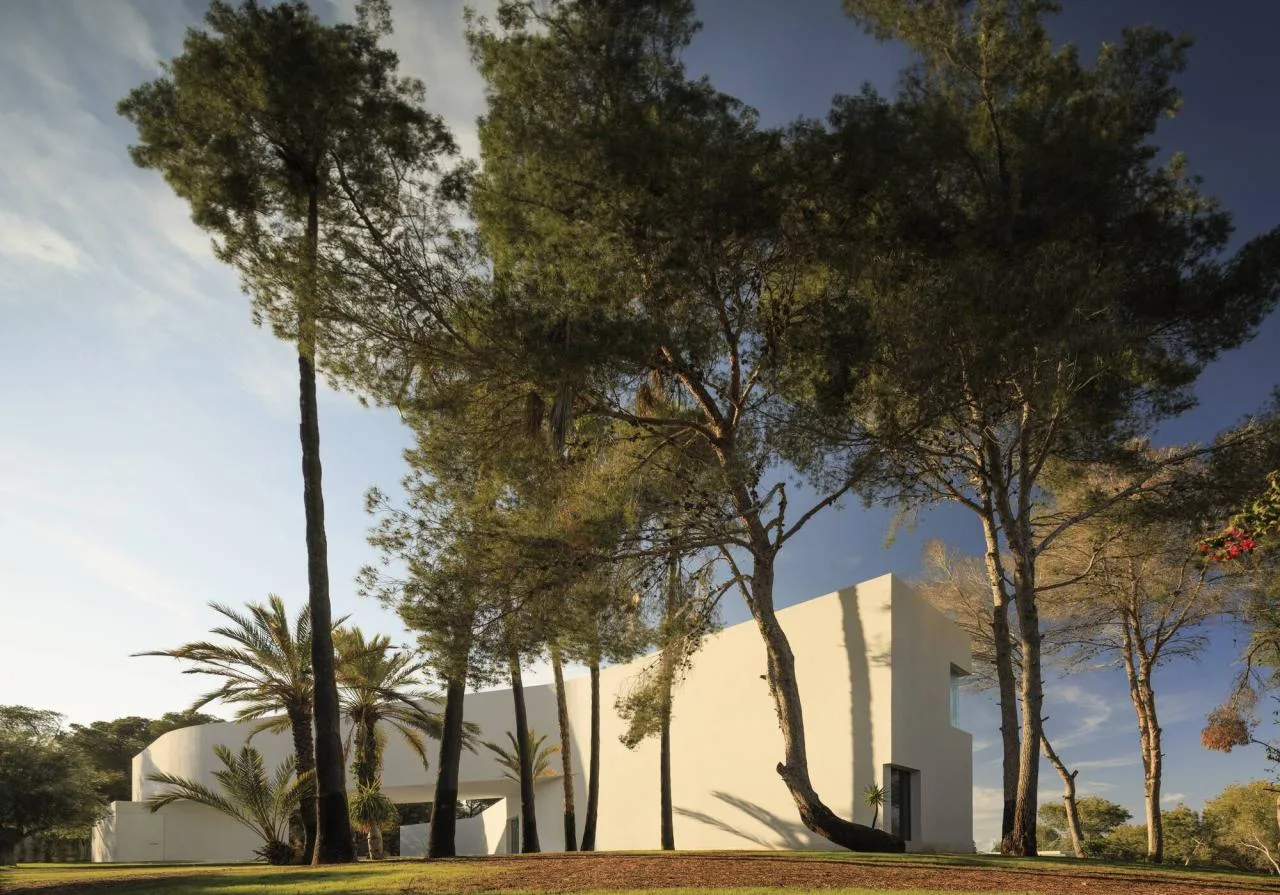
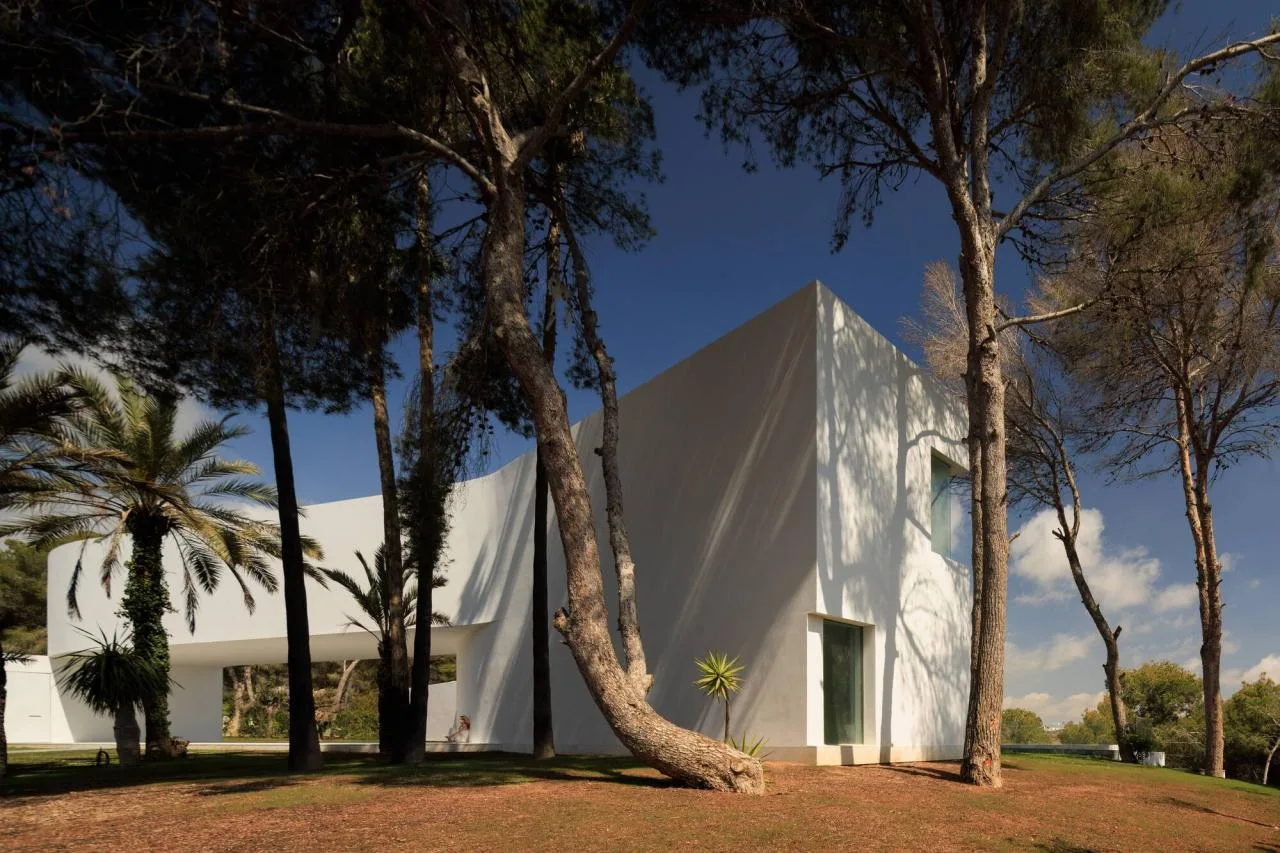
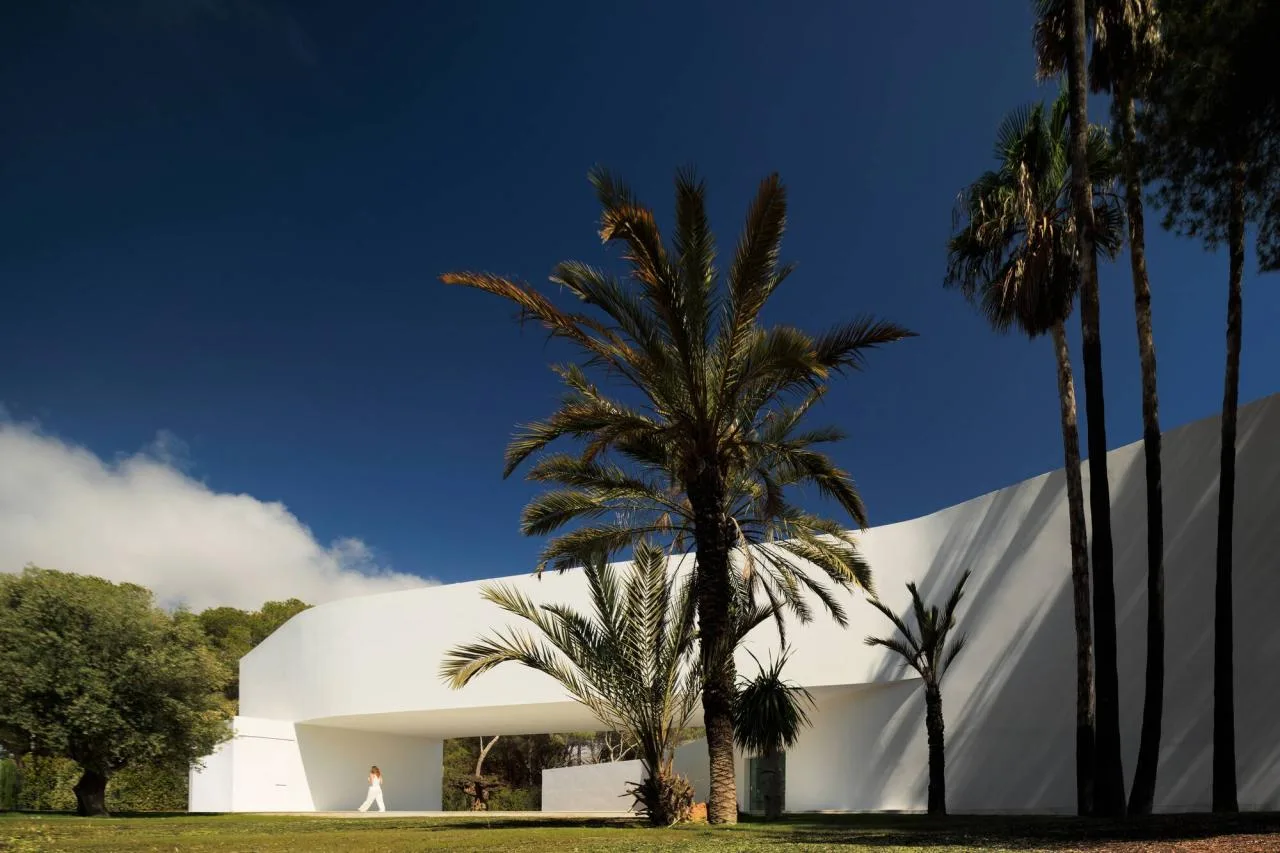
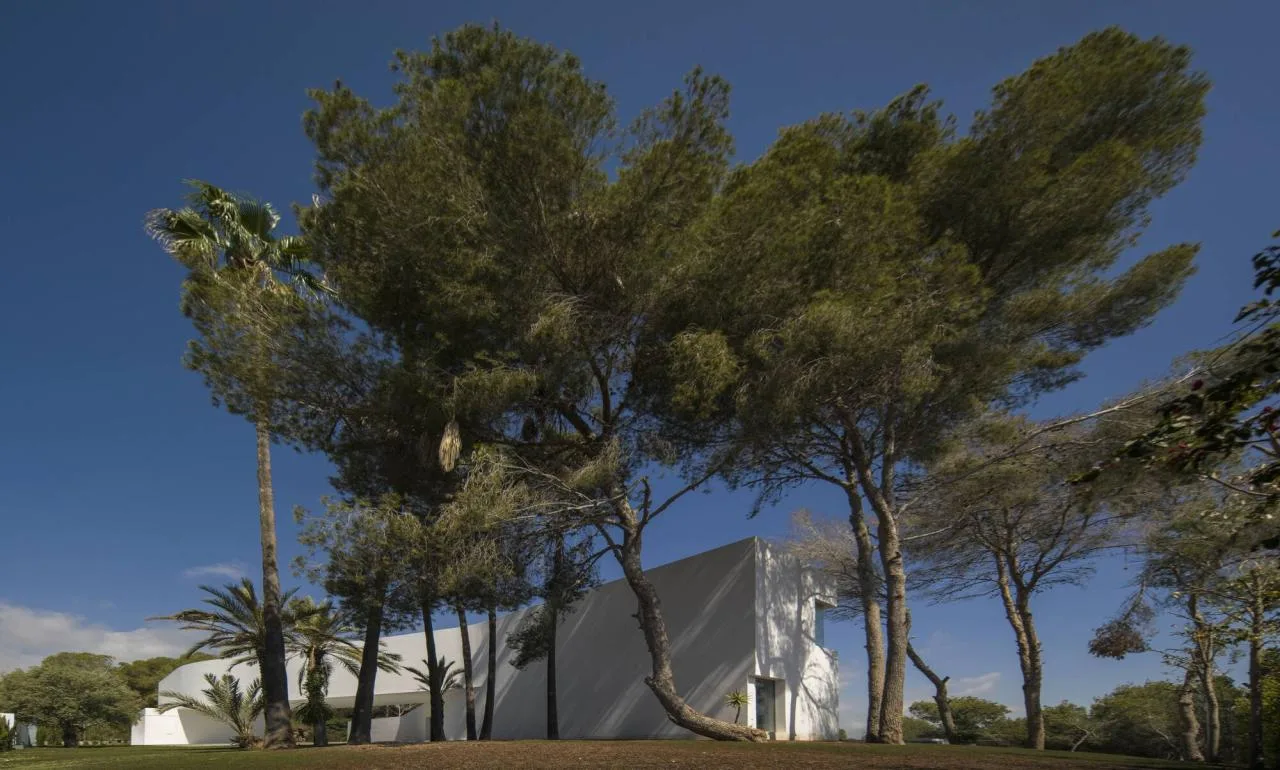
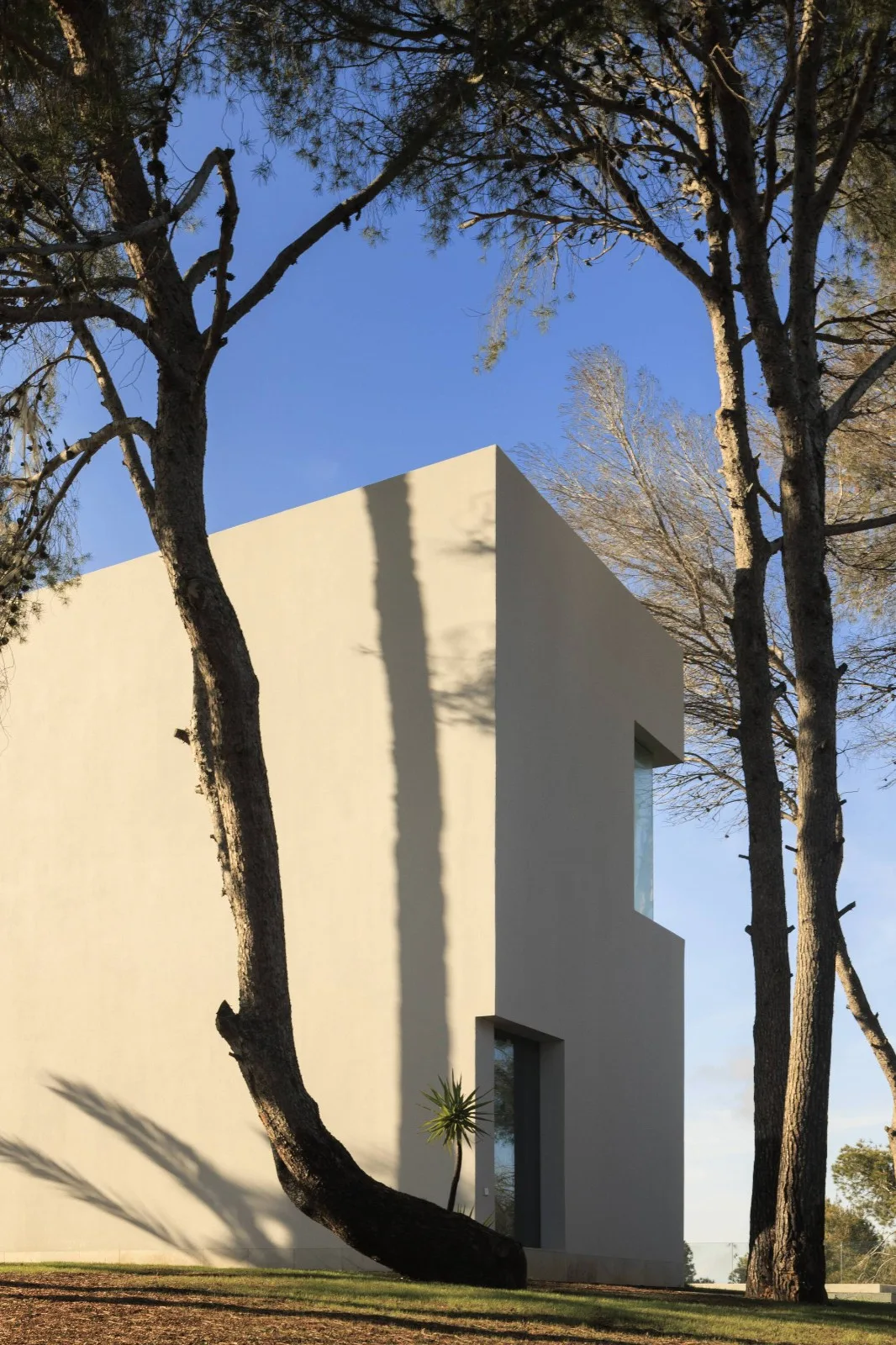
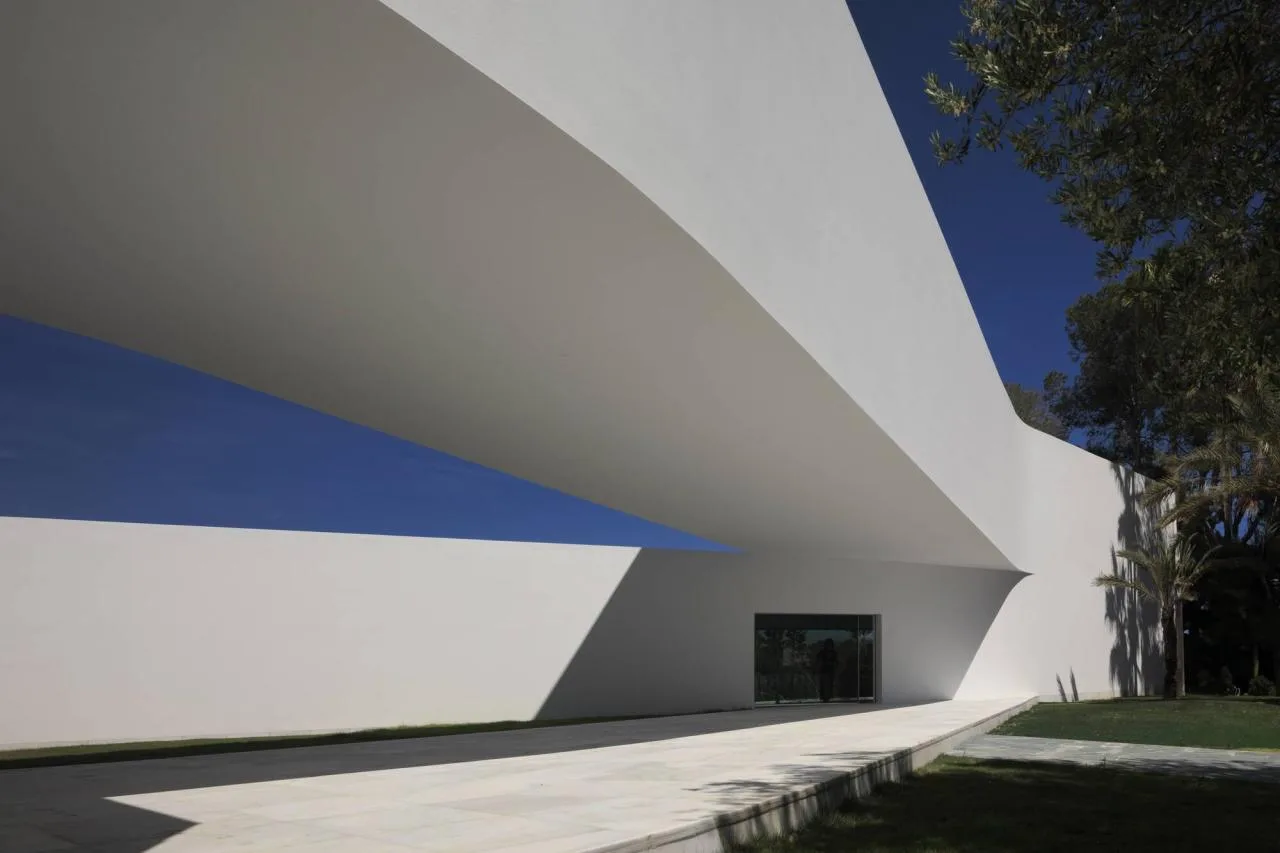
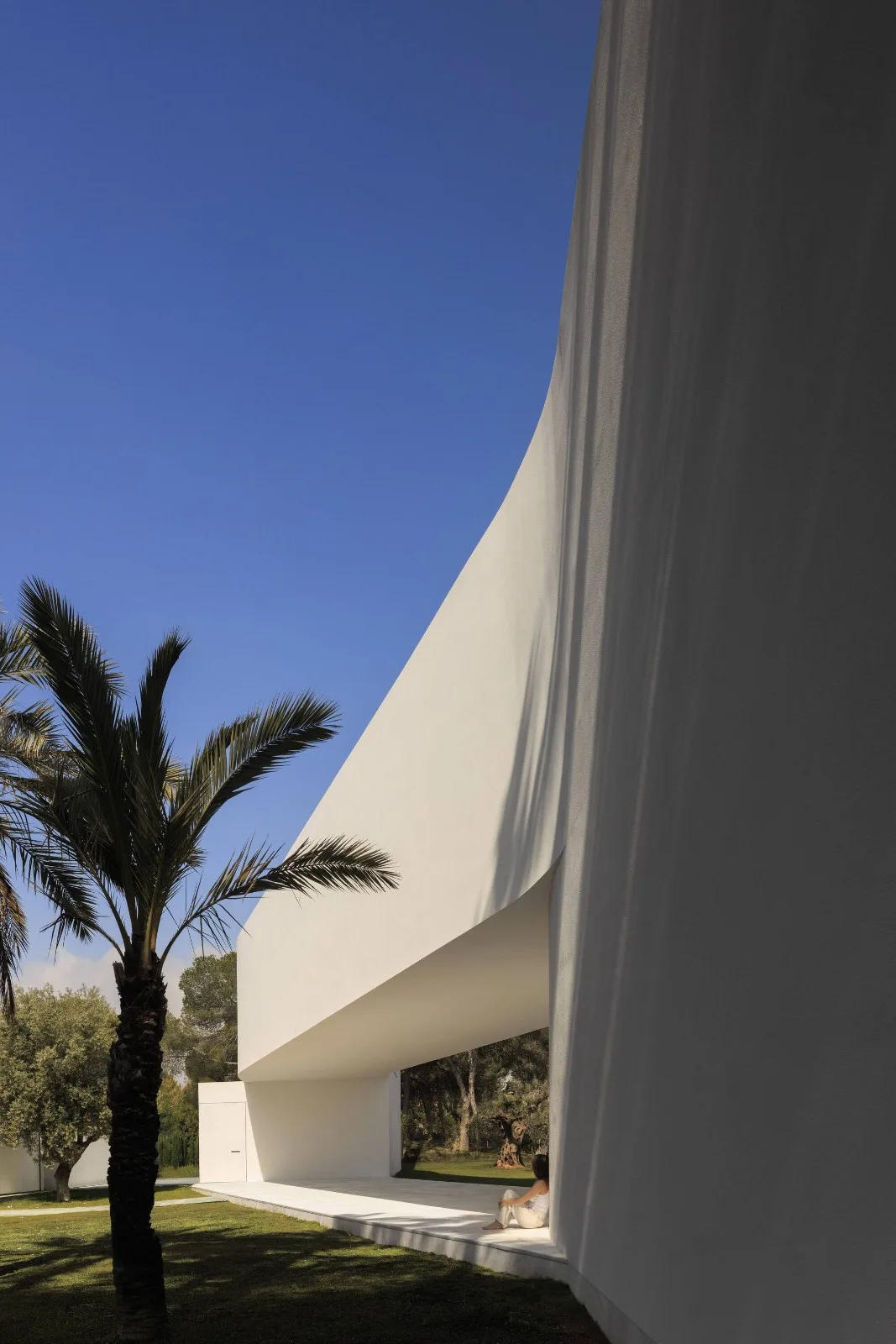
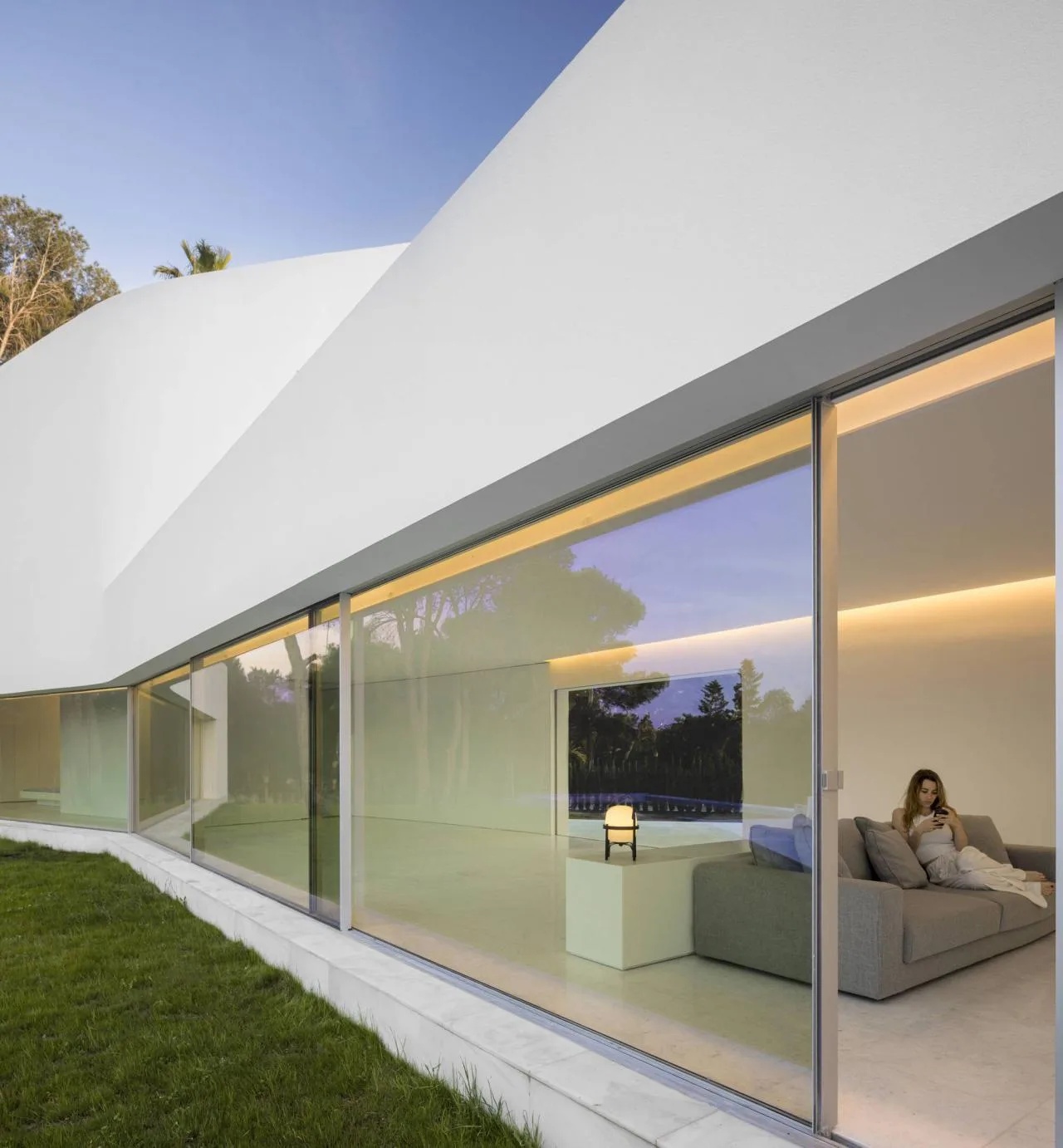
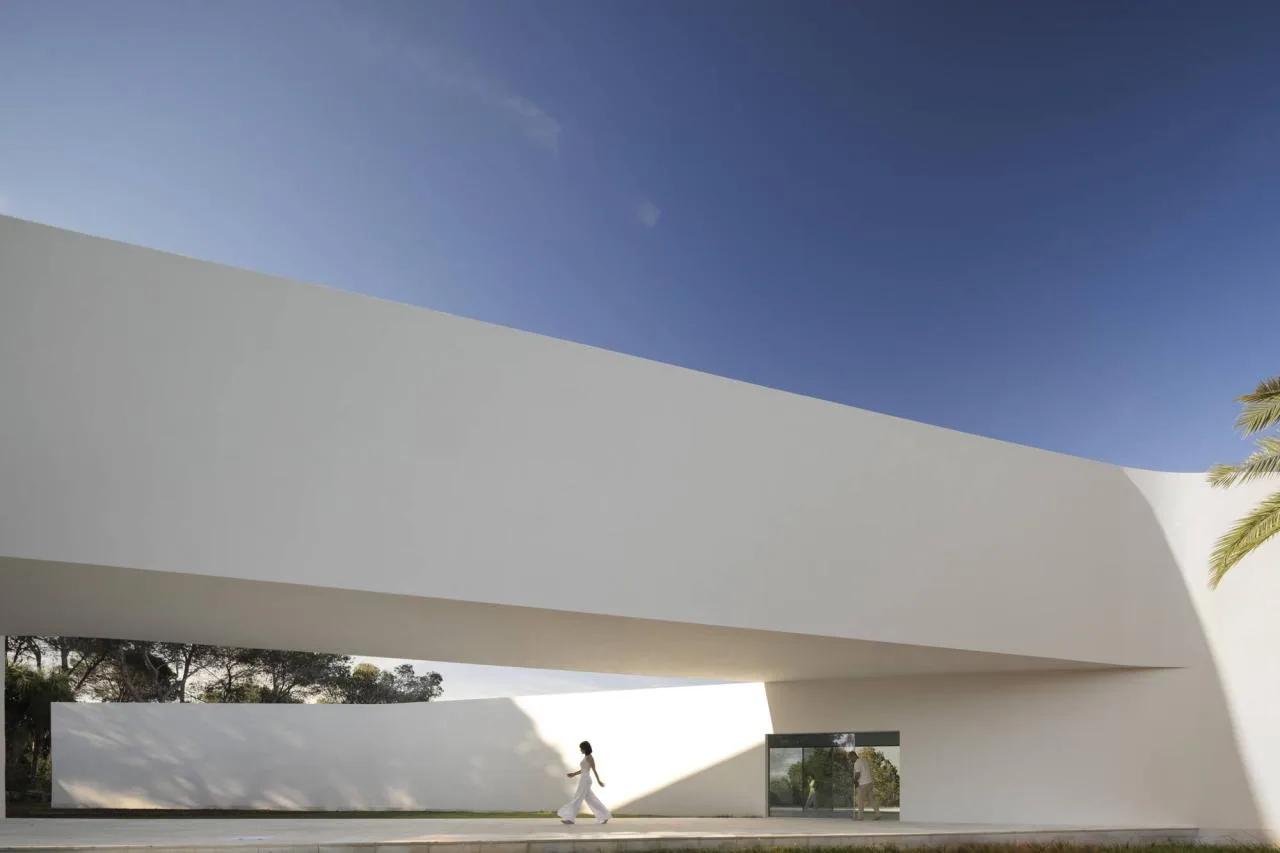
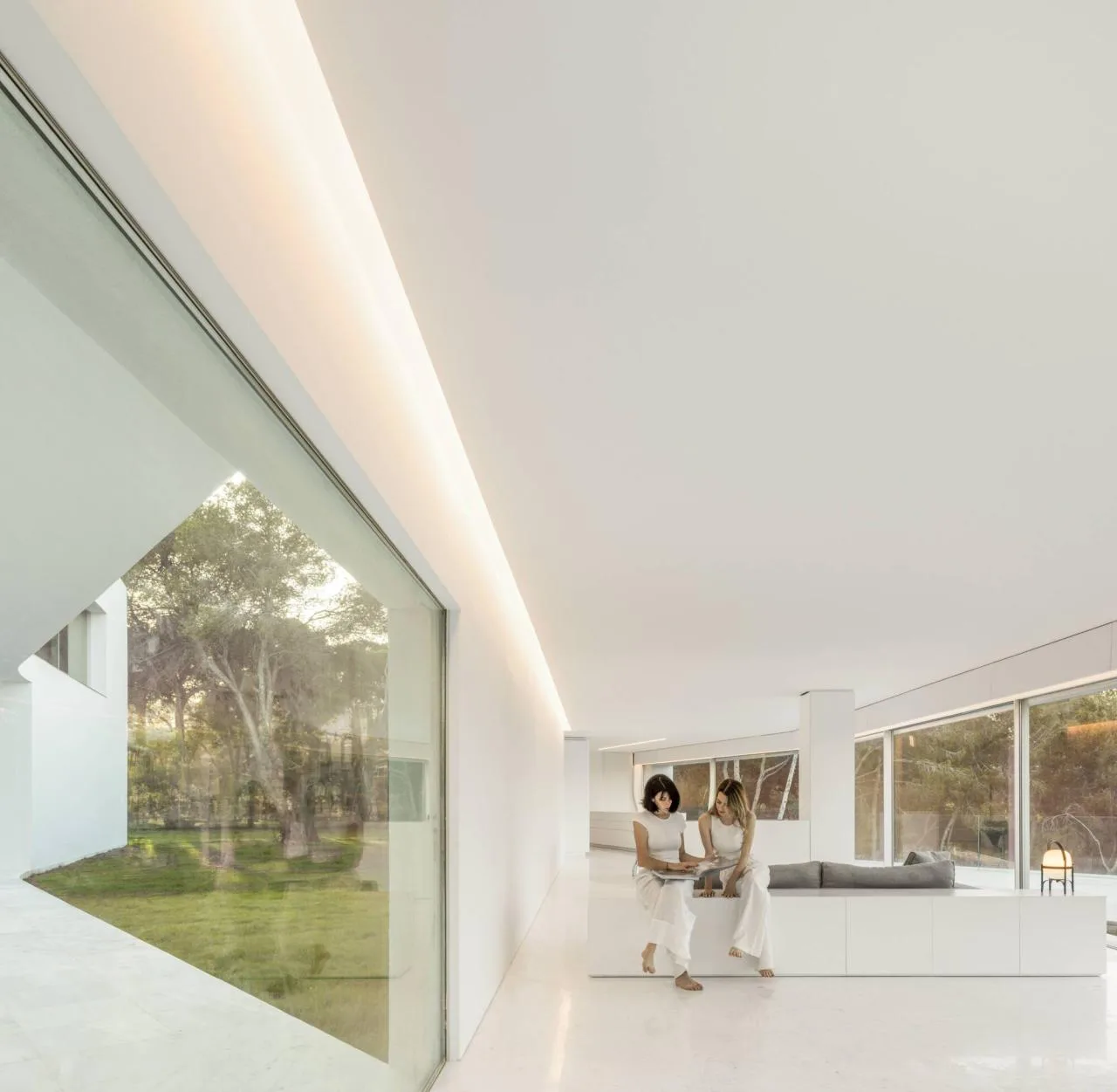
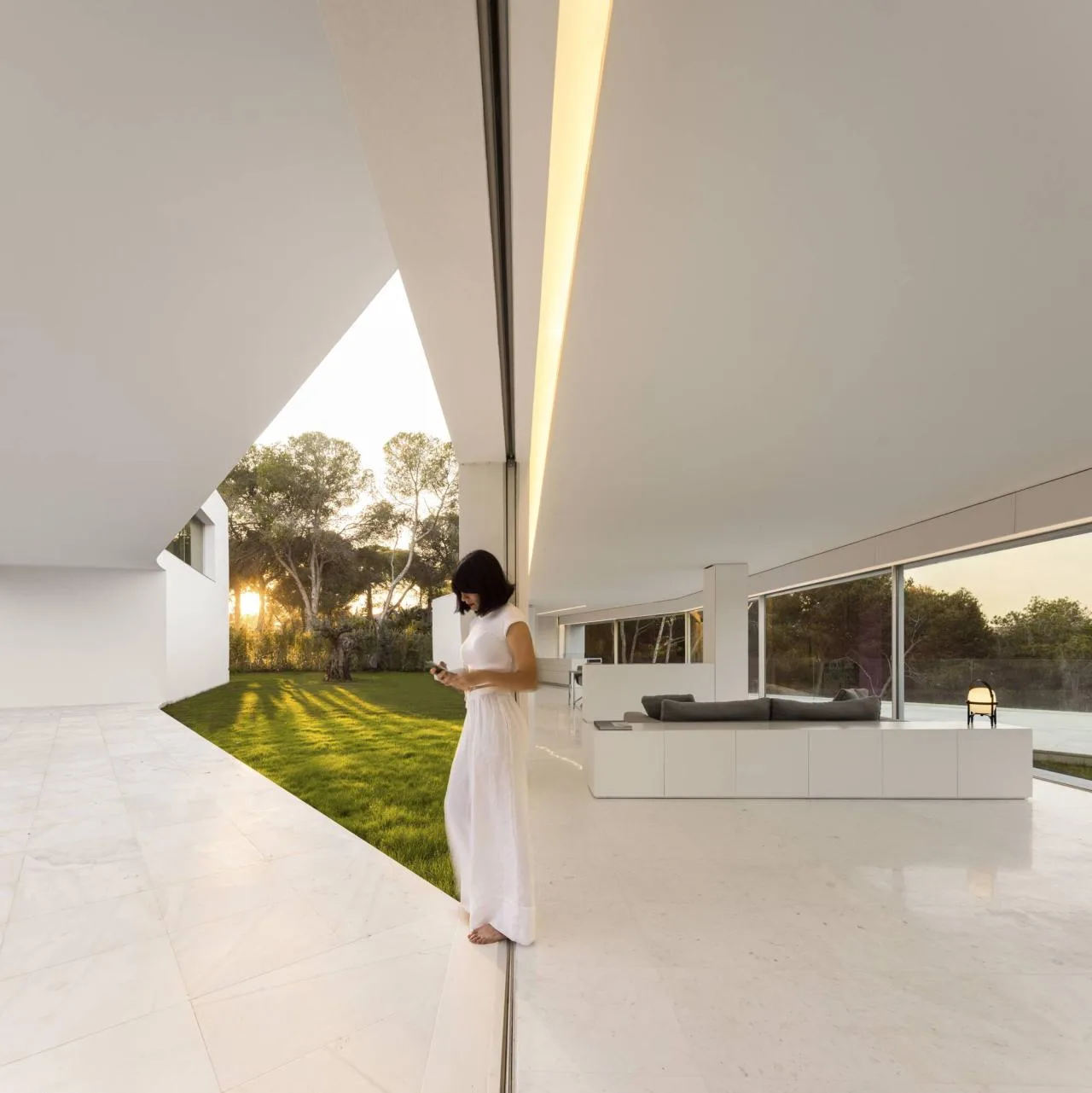
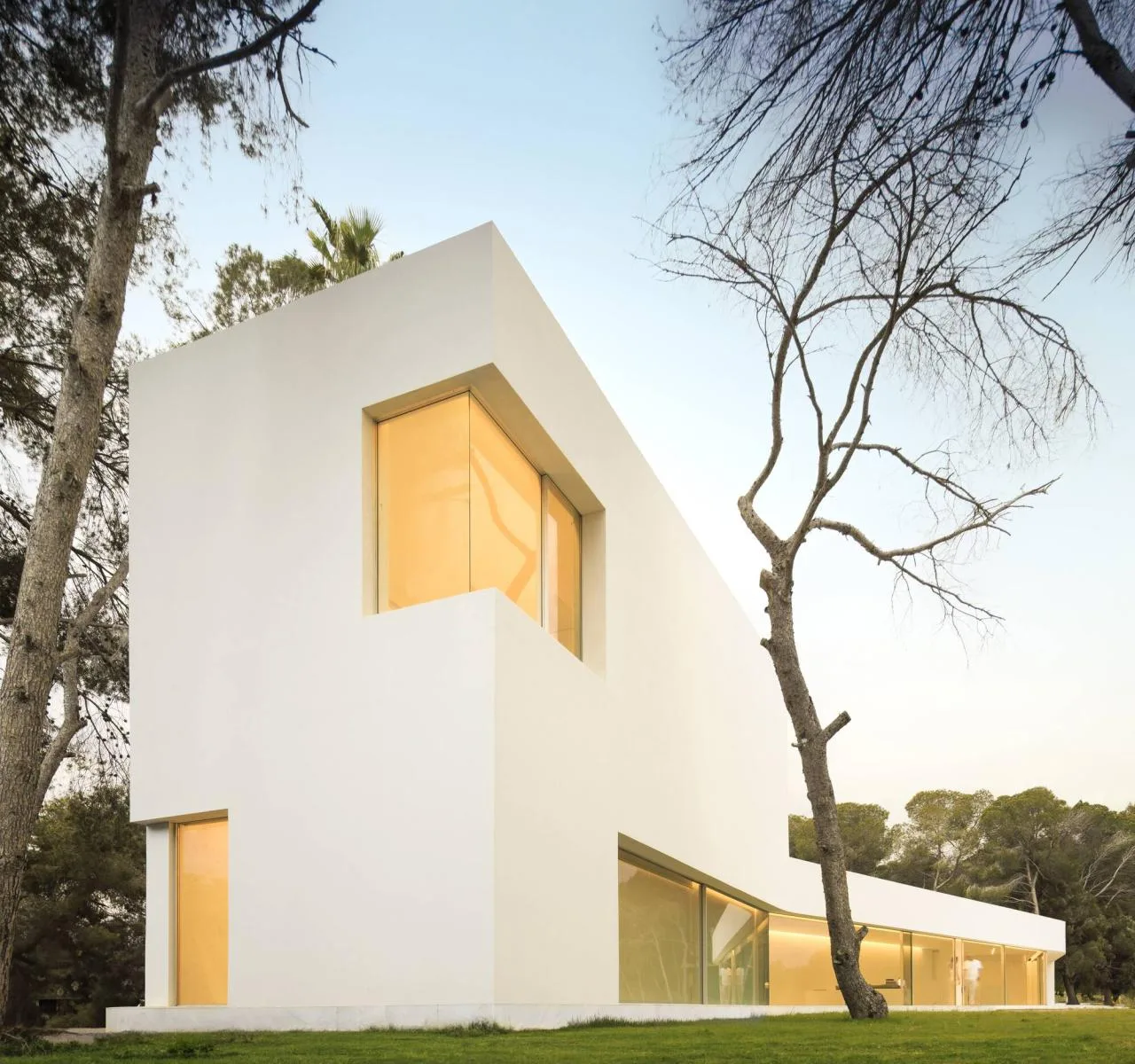
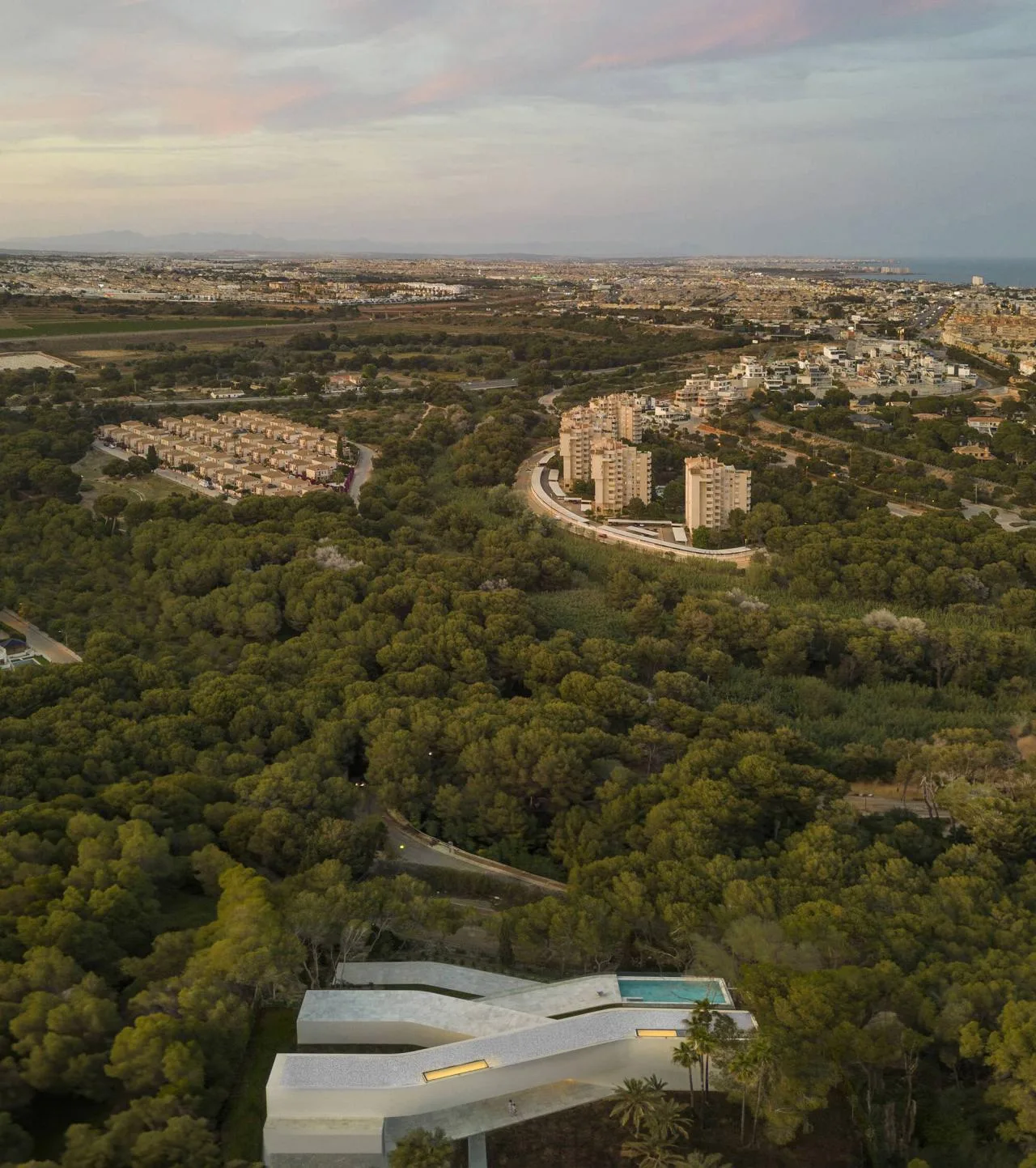
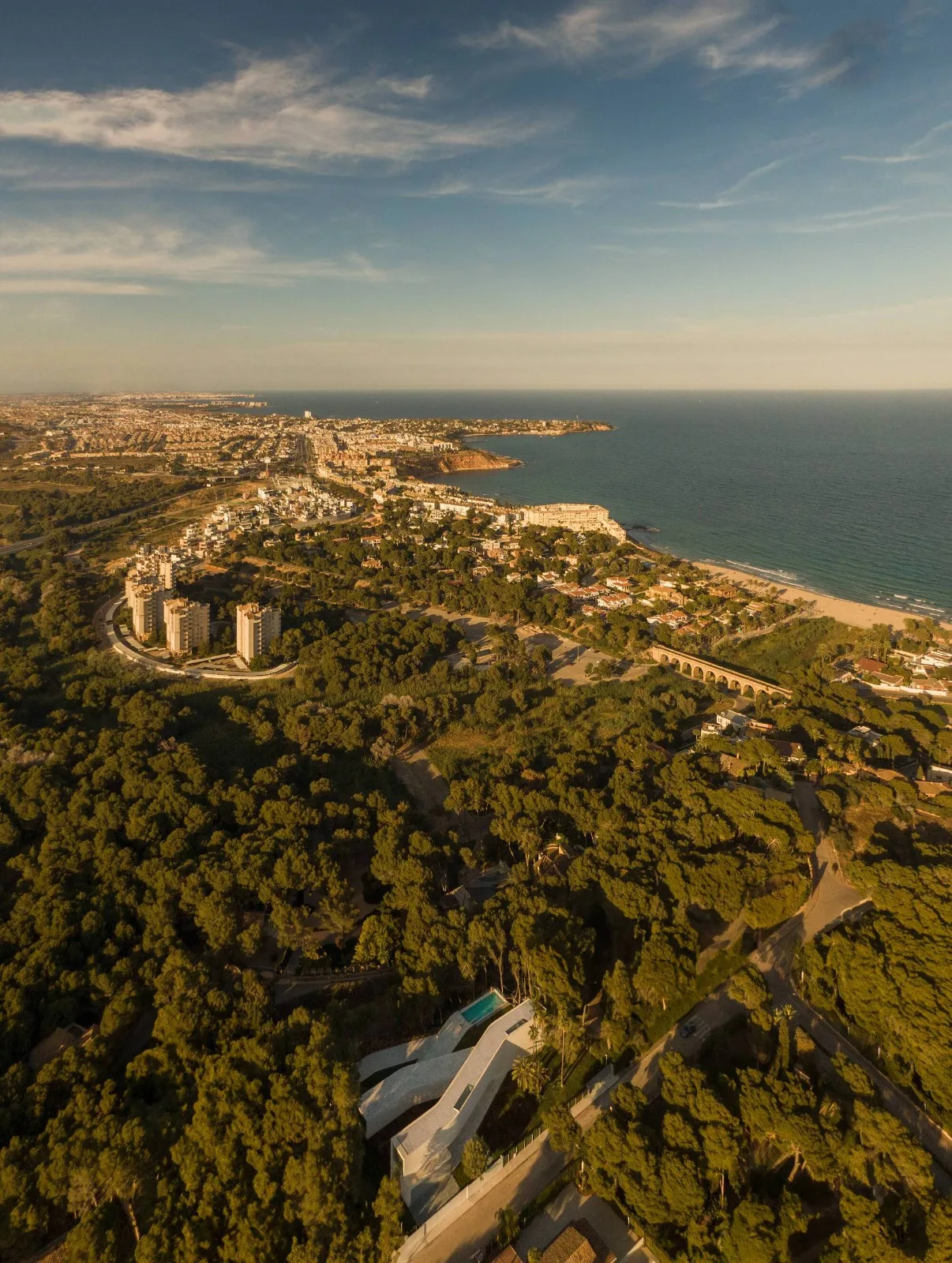
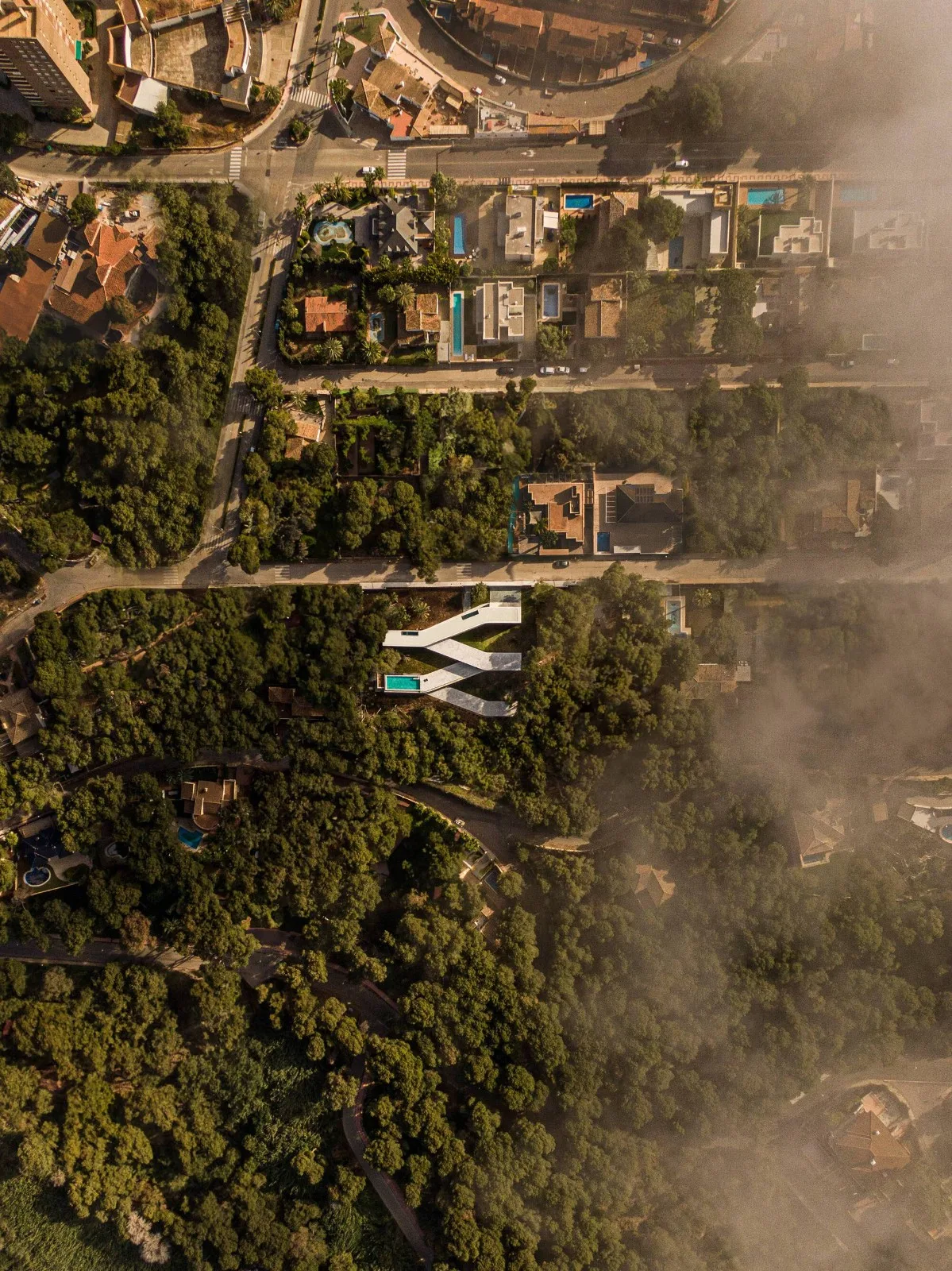
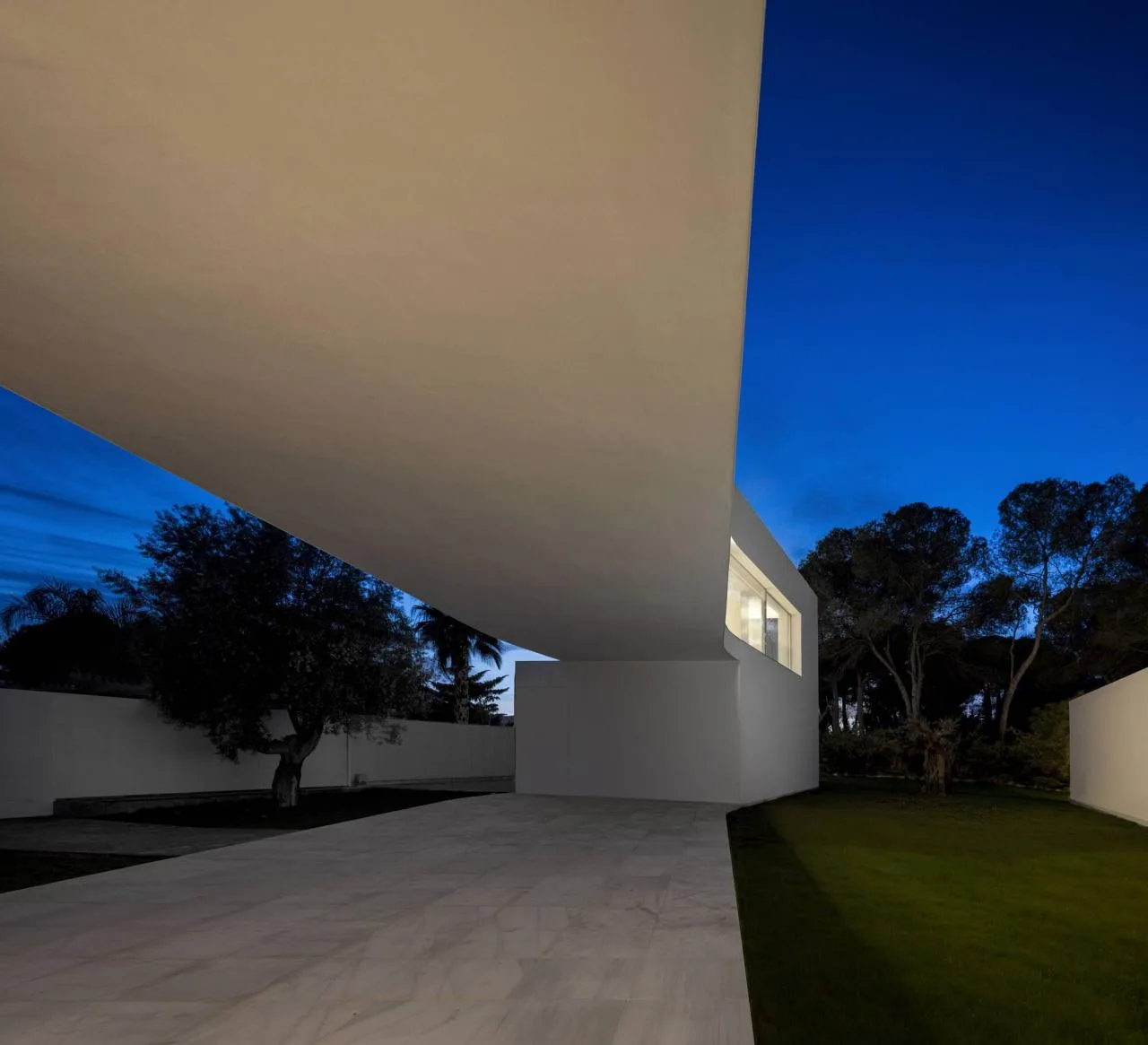
This project’s design is deeply inspired by its natural surroundings. The architecture unfolds through distinct geometric shapes, deliberately moving away from the idea of compact structures. This approach, combined with the building’s slender proportions, maximizes the interface between the home and the outdoors, creating what appears to be an endless courtyard system.
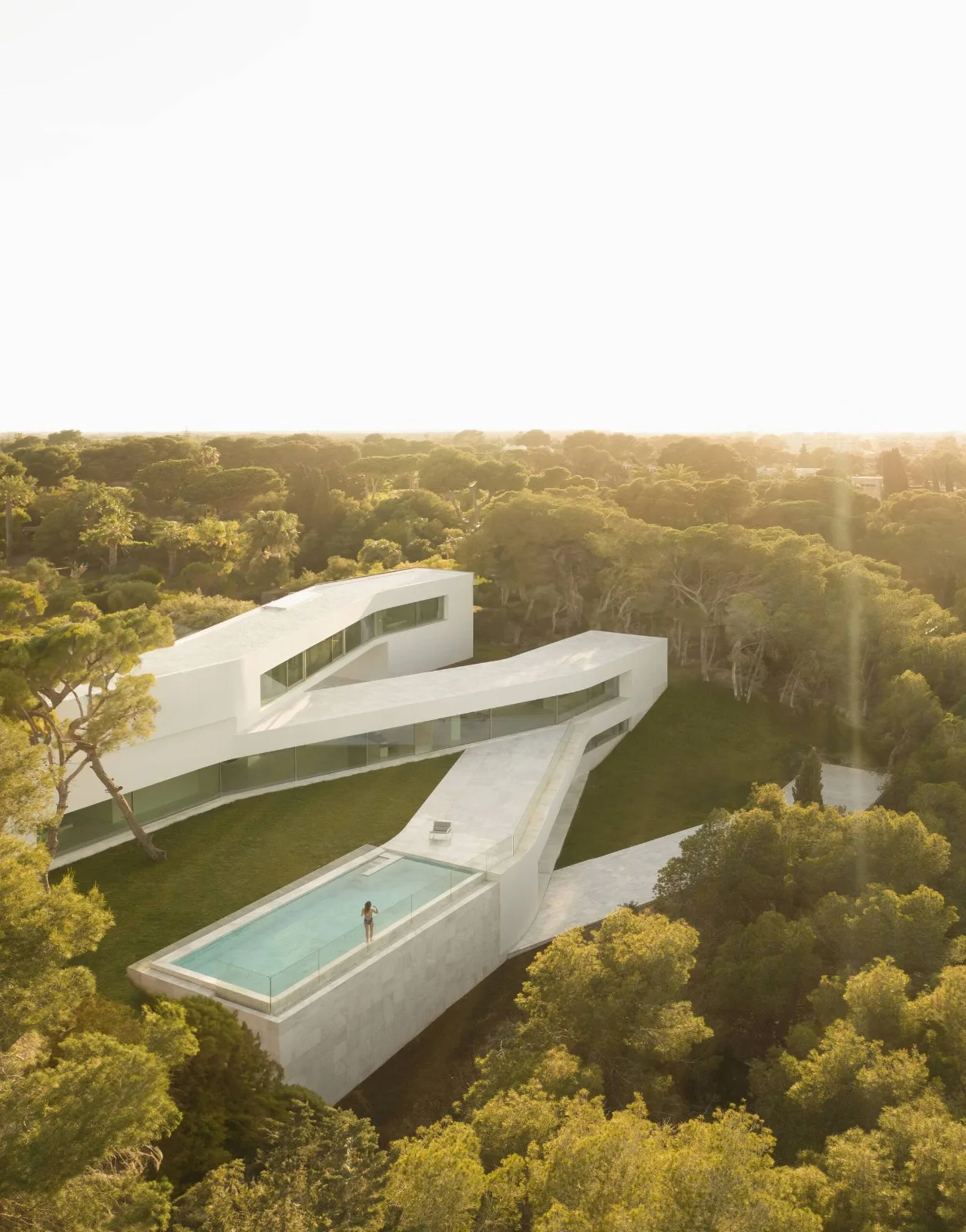
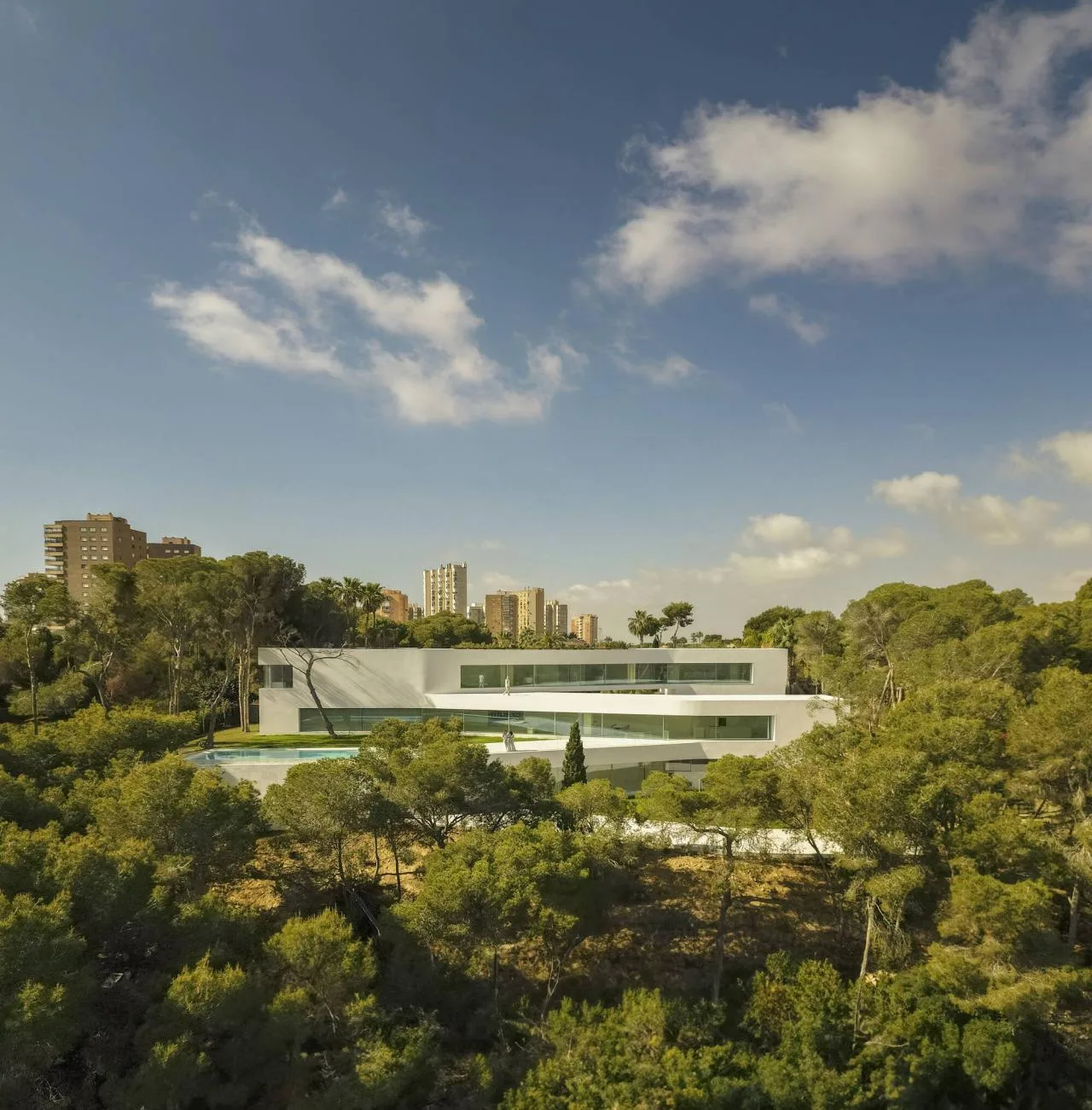
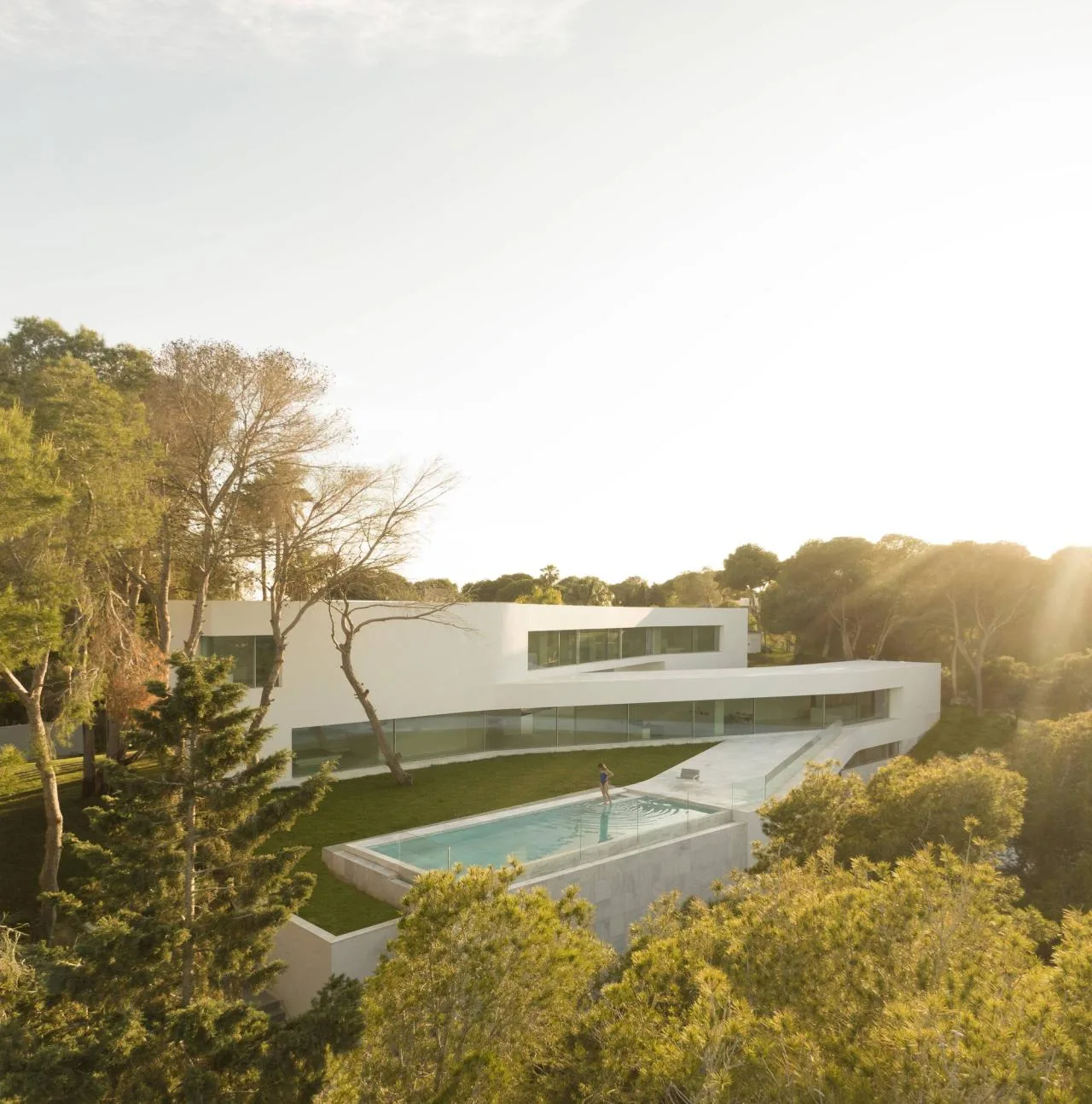
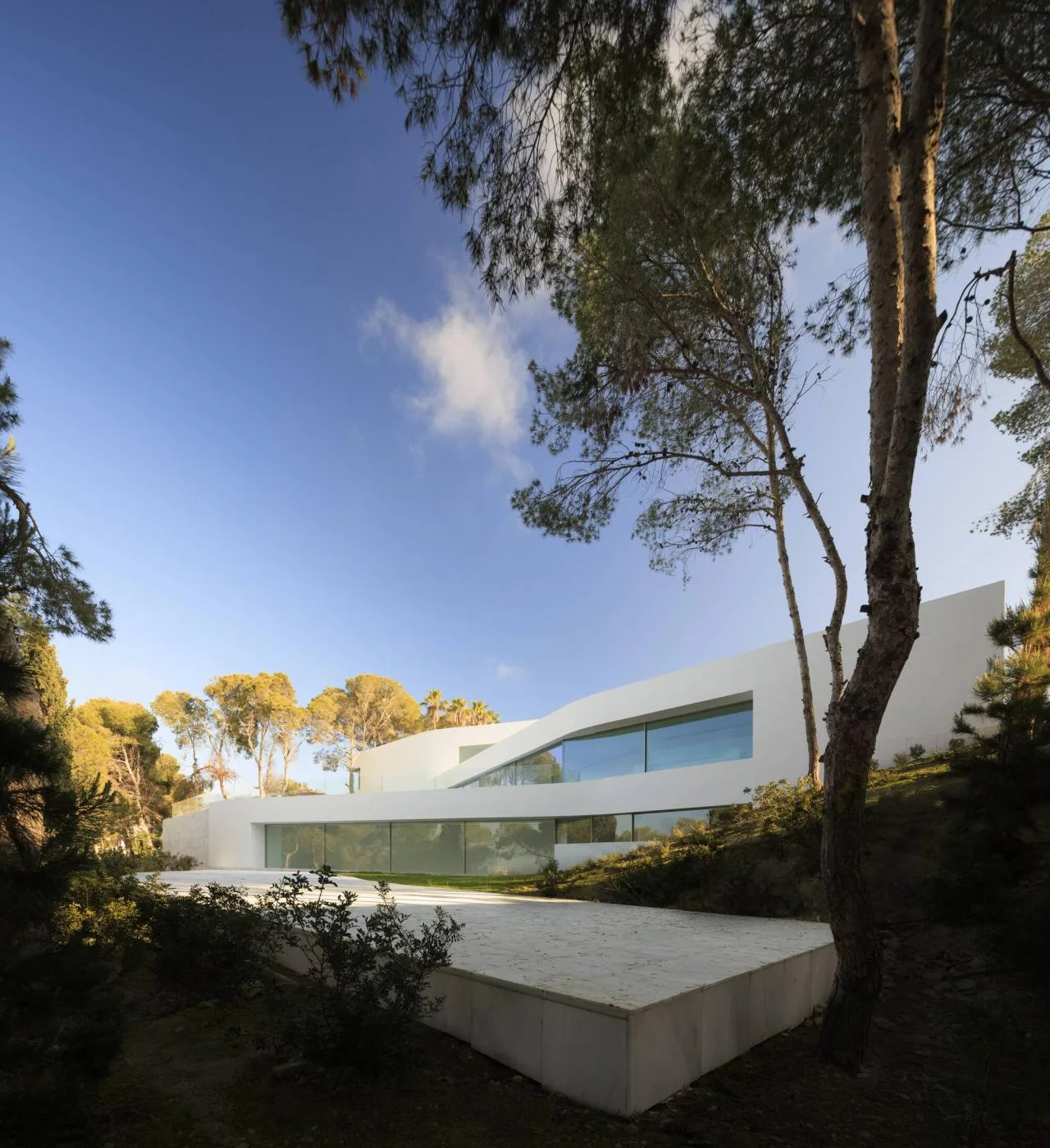
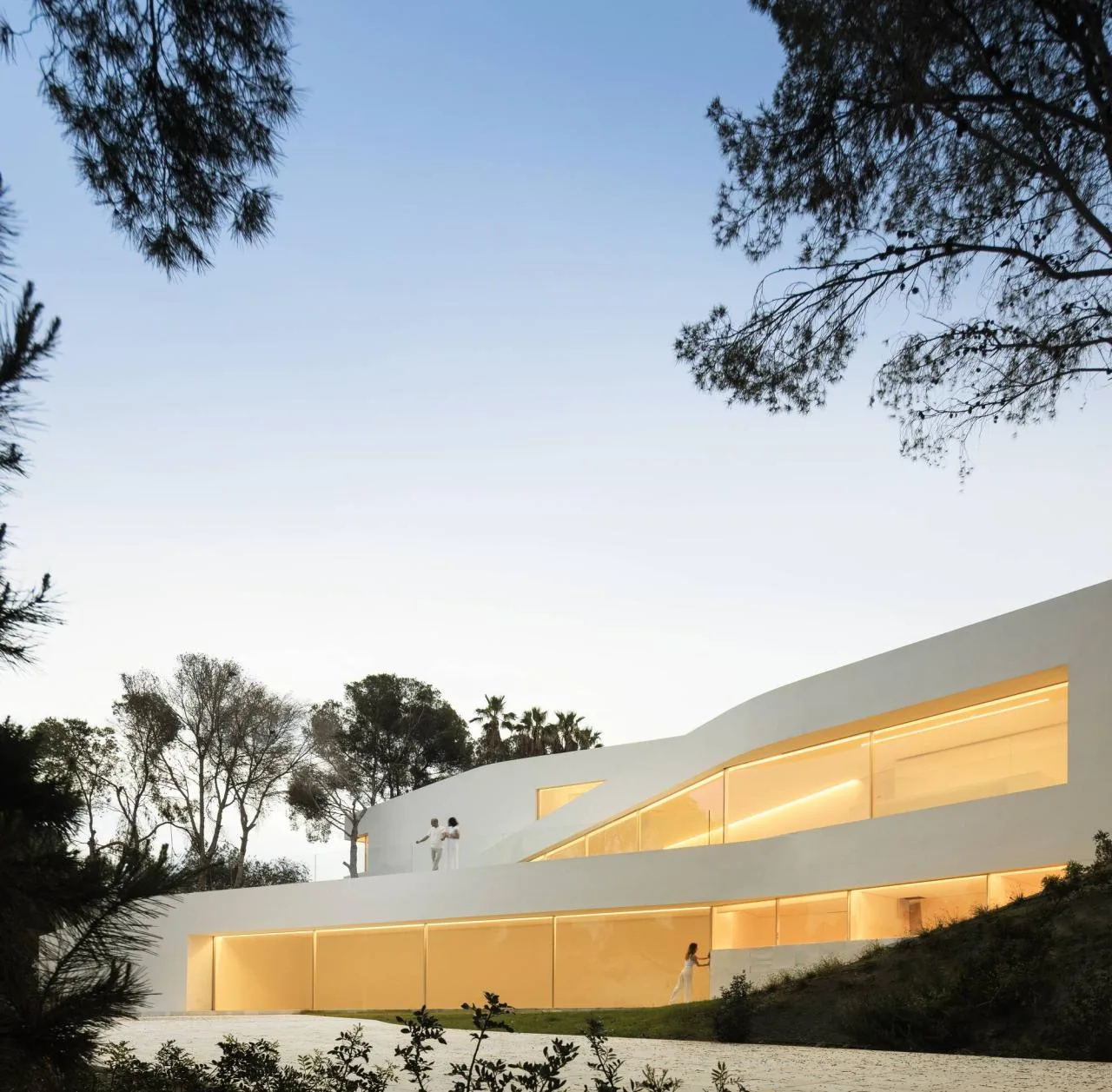
The geometric configuration allows the building to gracefully avoid existing mature trees while accommodating newly planted greenery. It stretches between garden spaces, designed to be perceived as a unified whole. The project adapts to the terrain in terraces, reminiscent of hillside monasteries. This modular system can expand according to the homeowner’s needs, fully supporting the building’s intended functions.
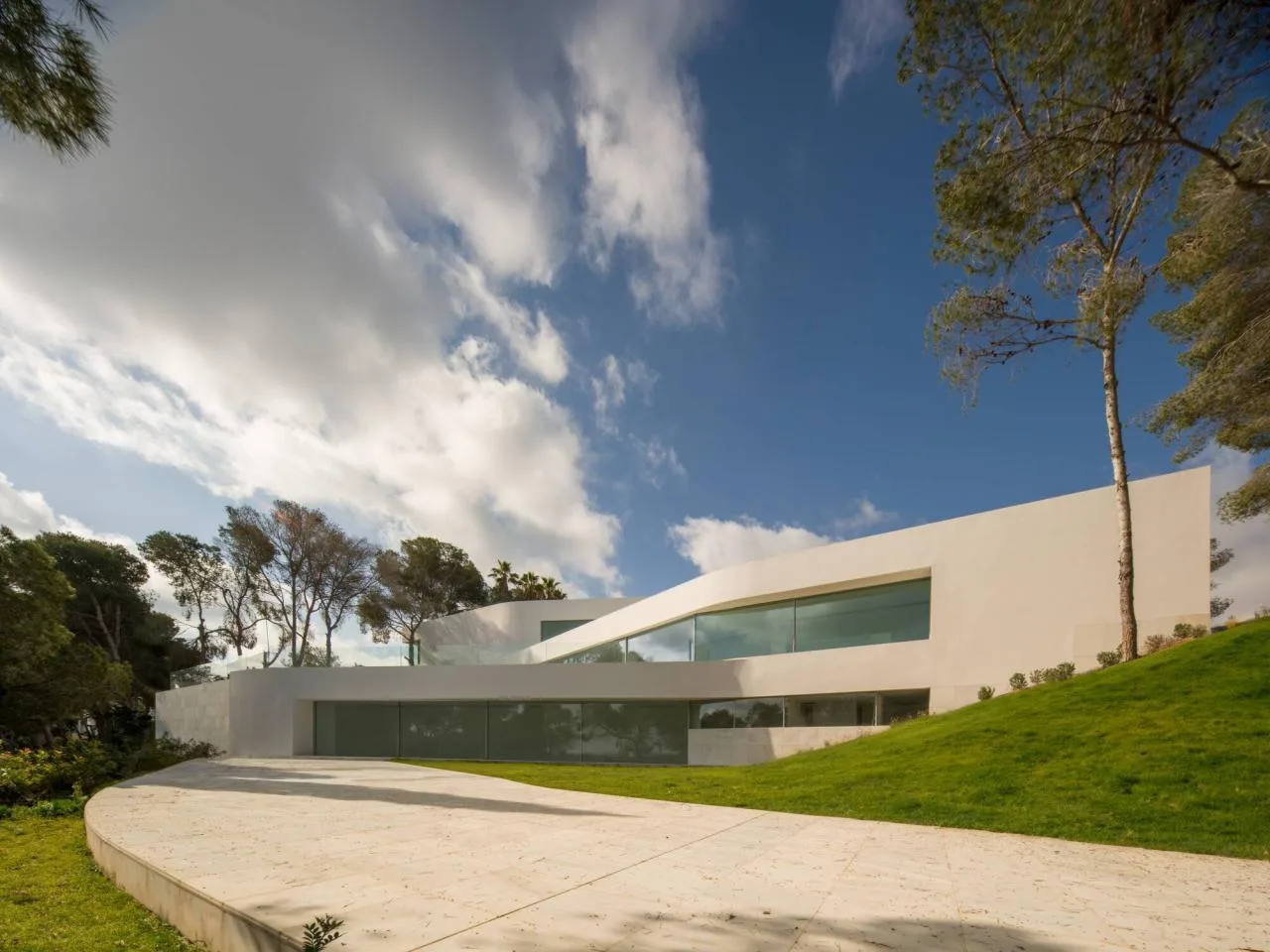
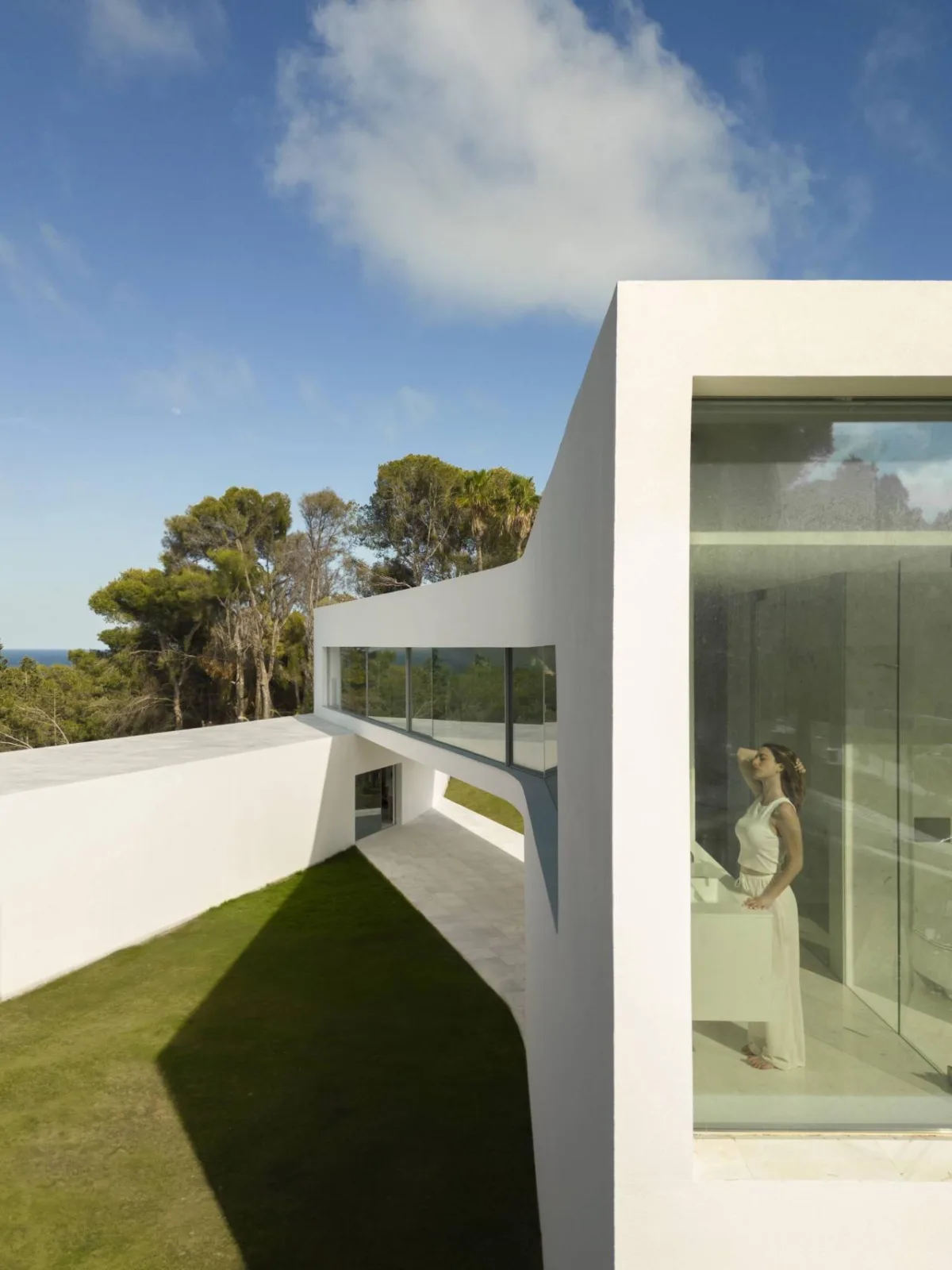
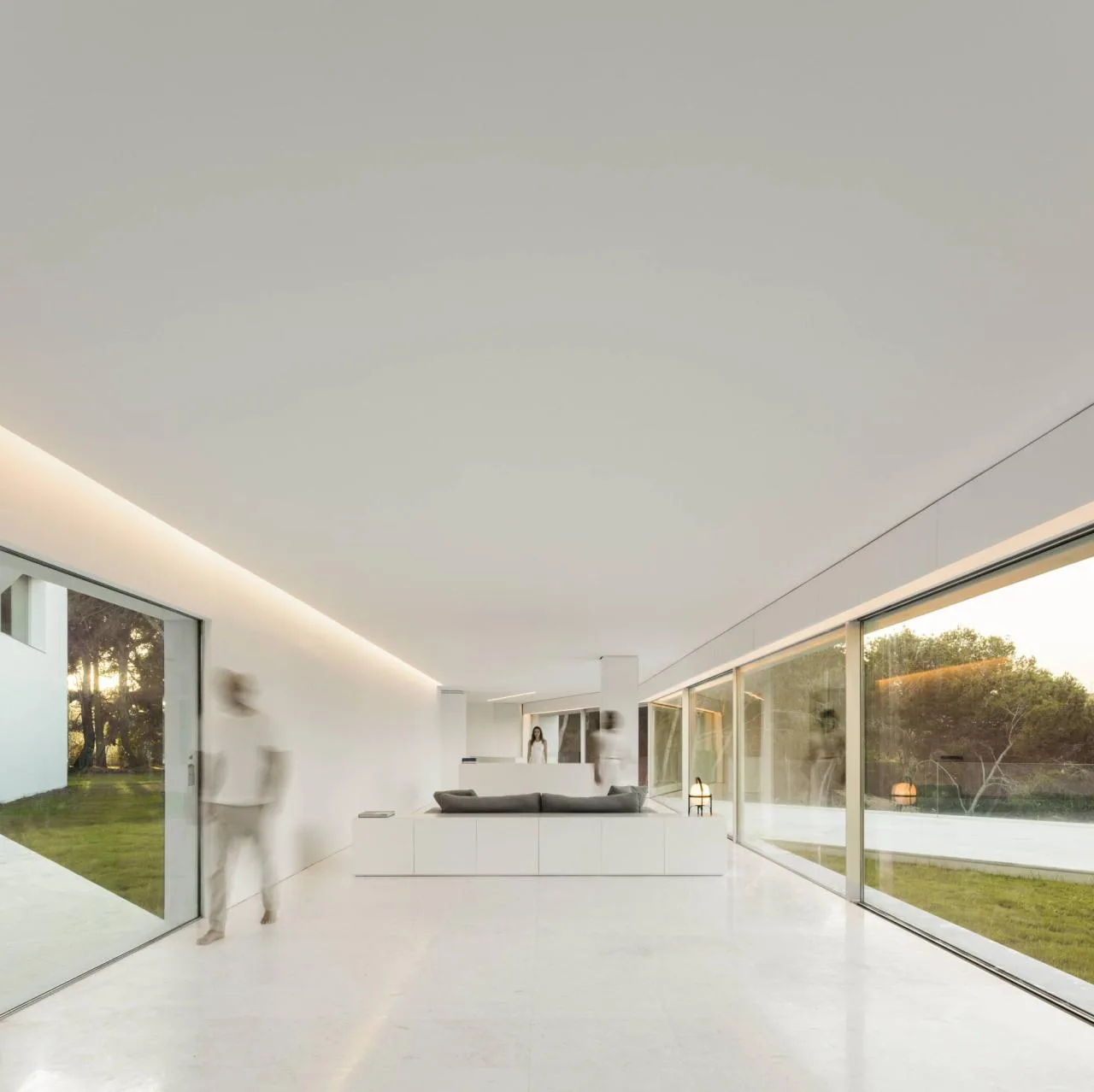
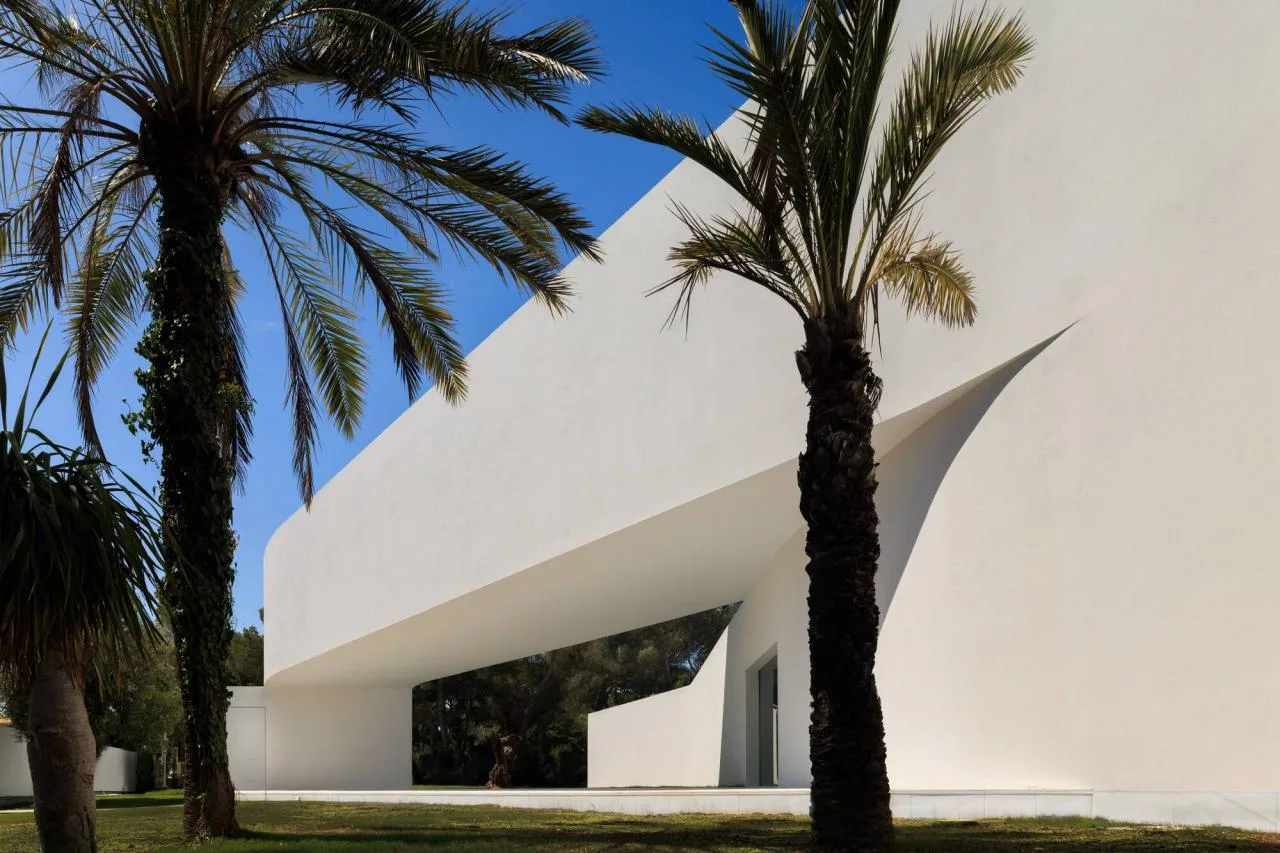
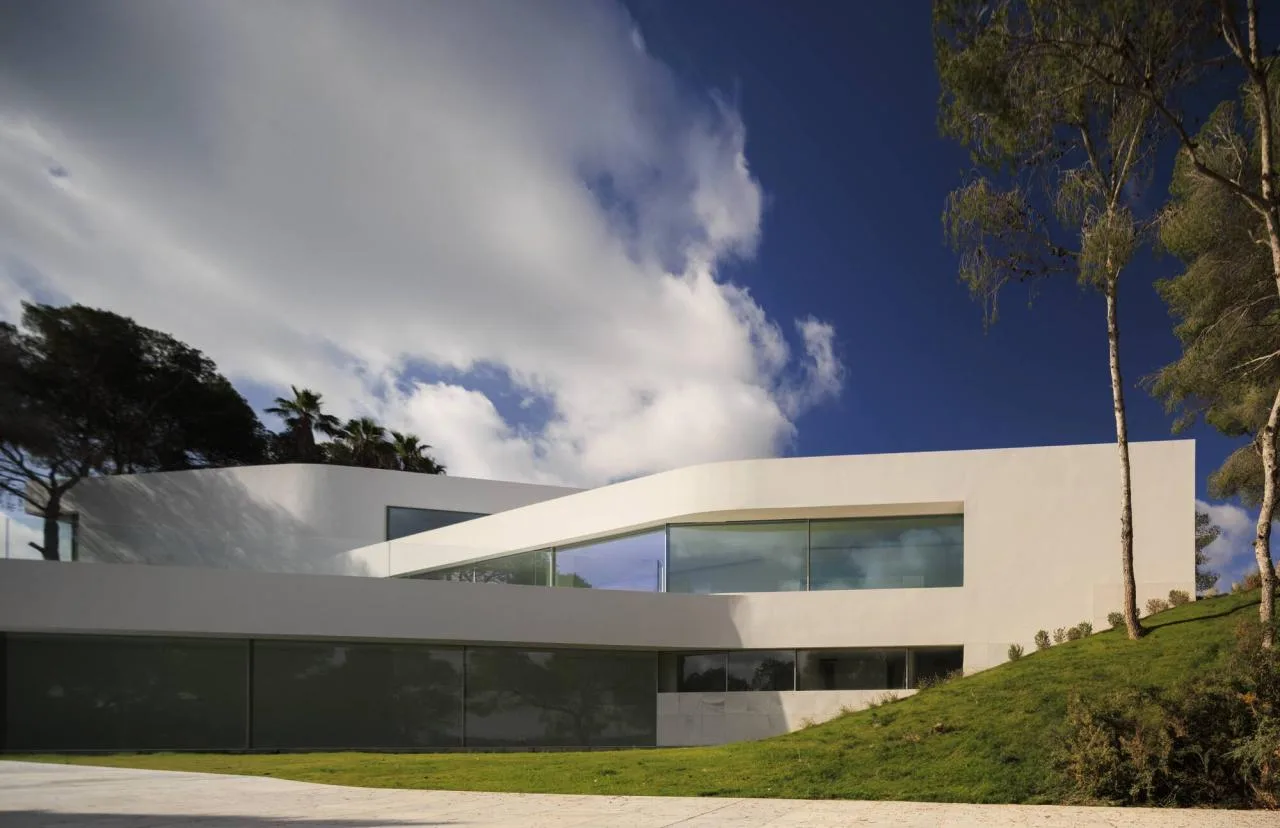
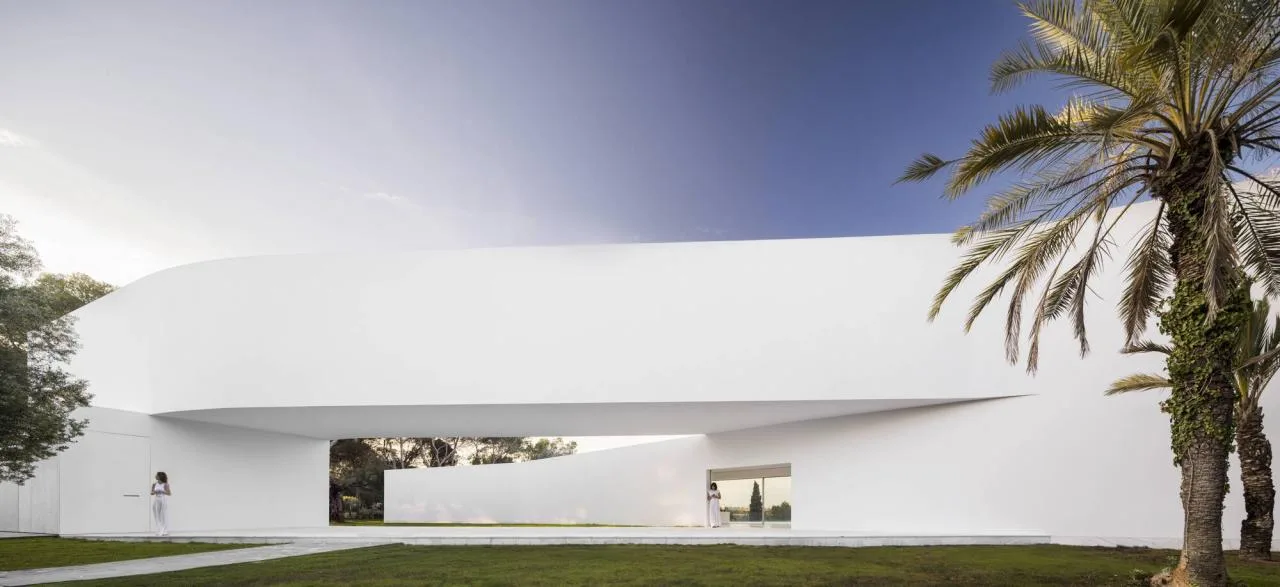
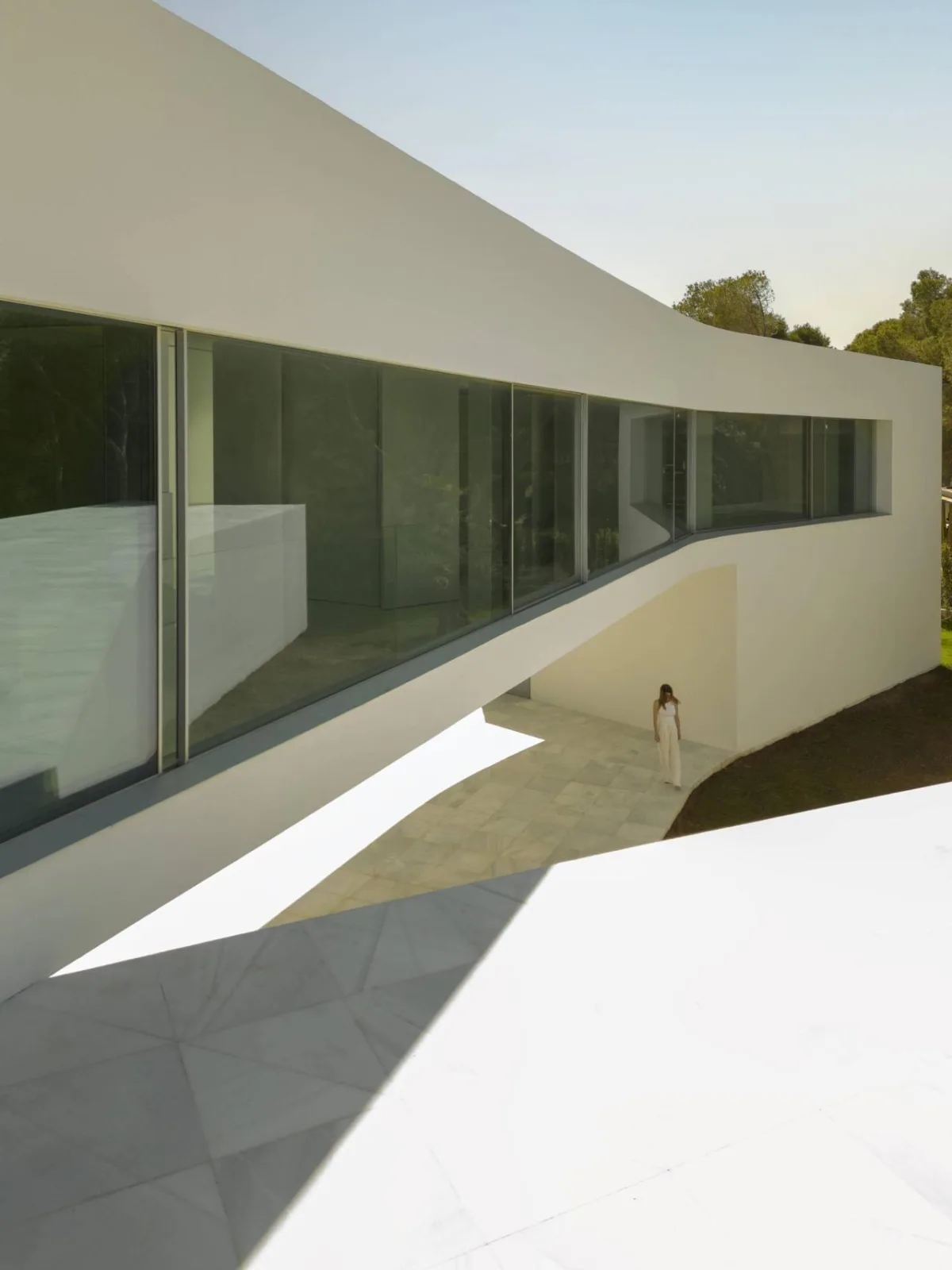
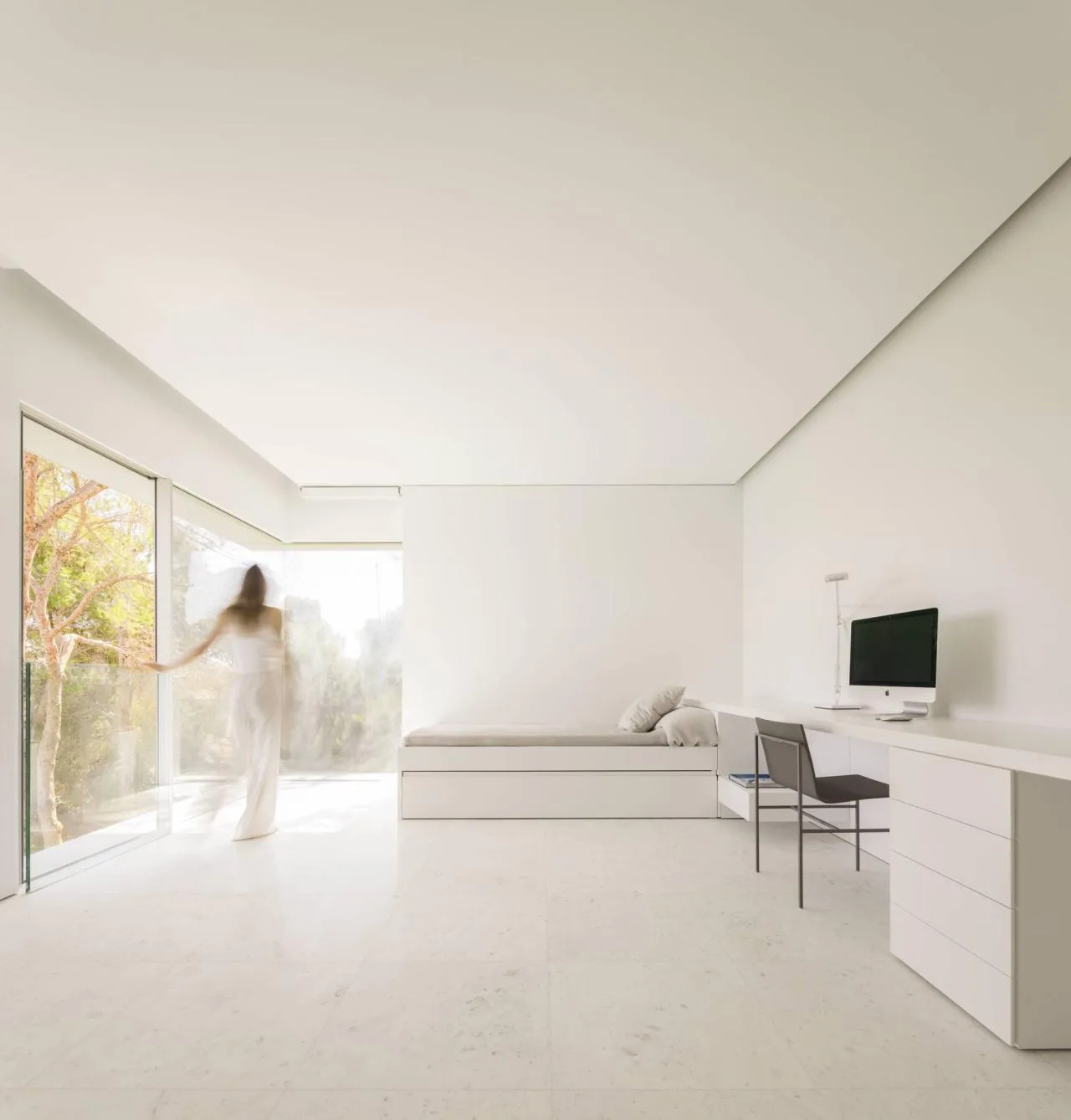
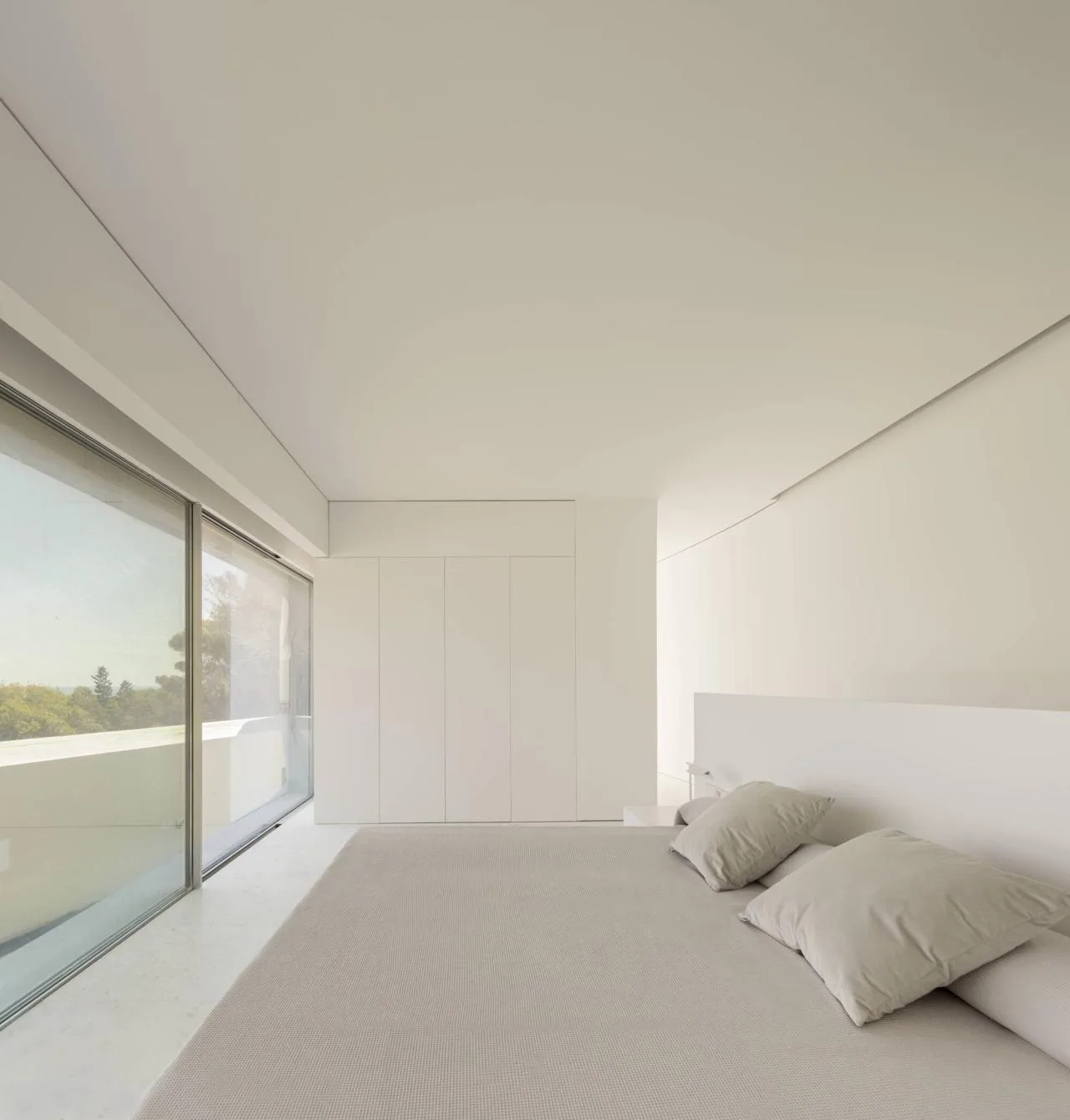
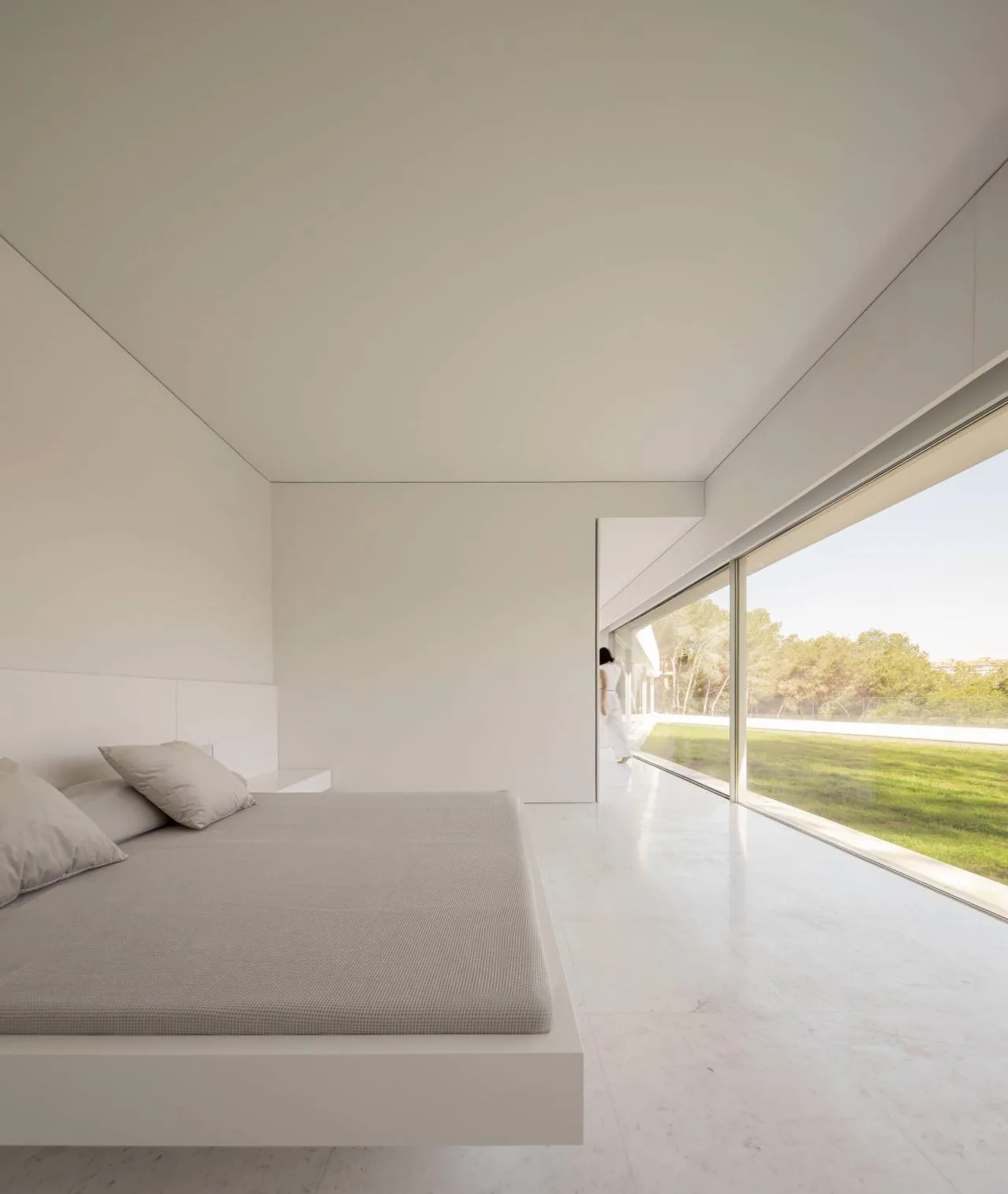
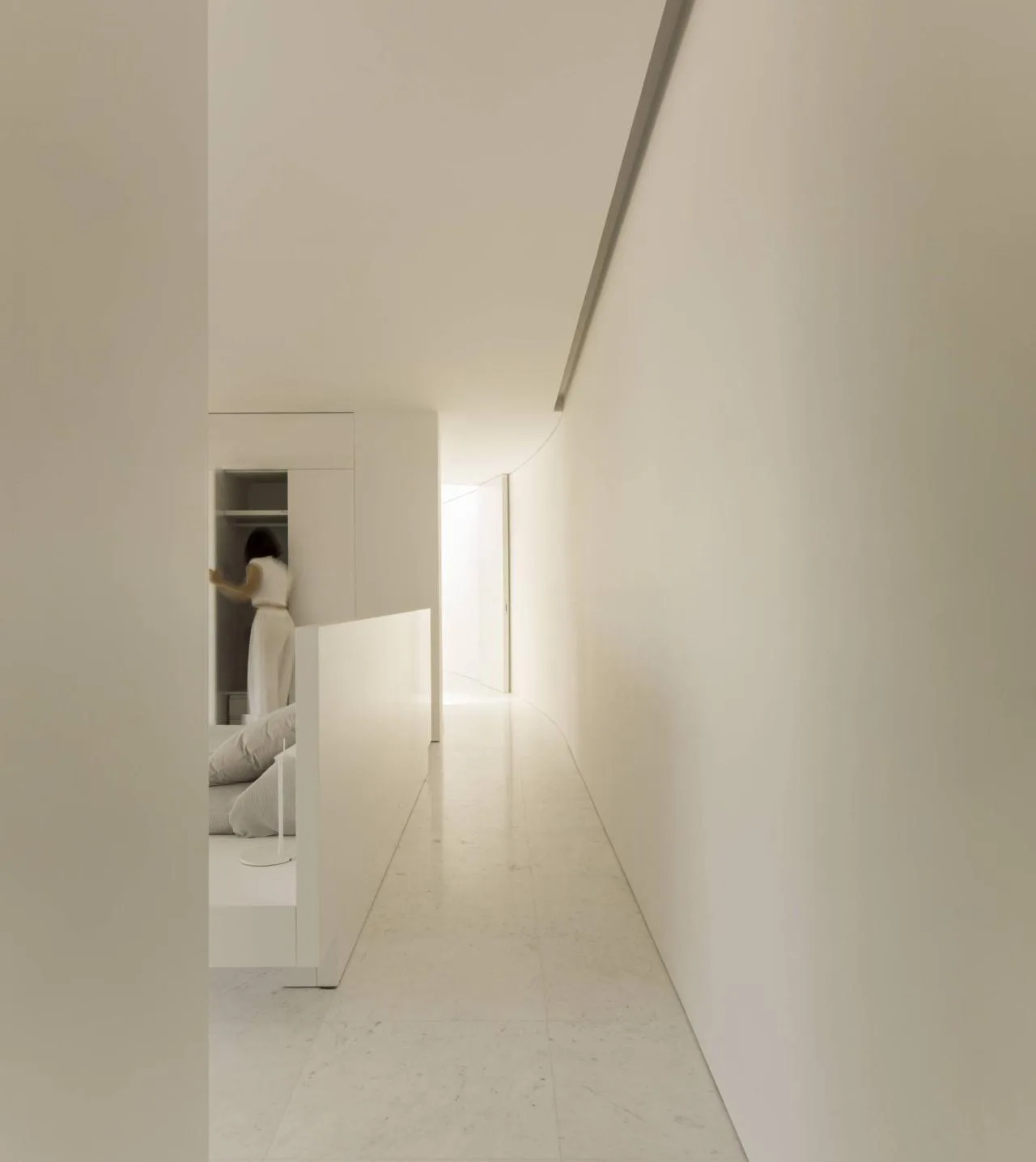
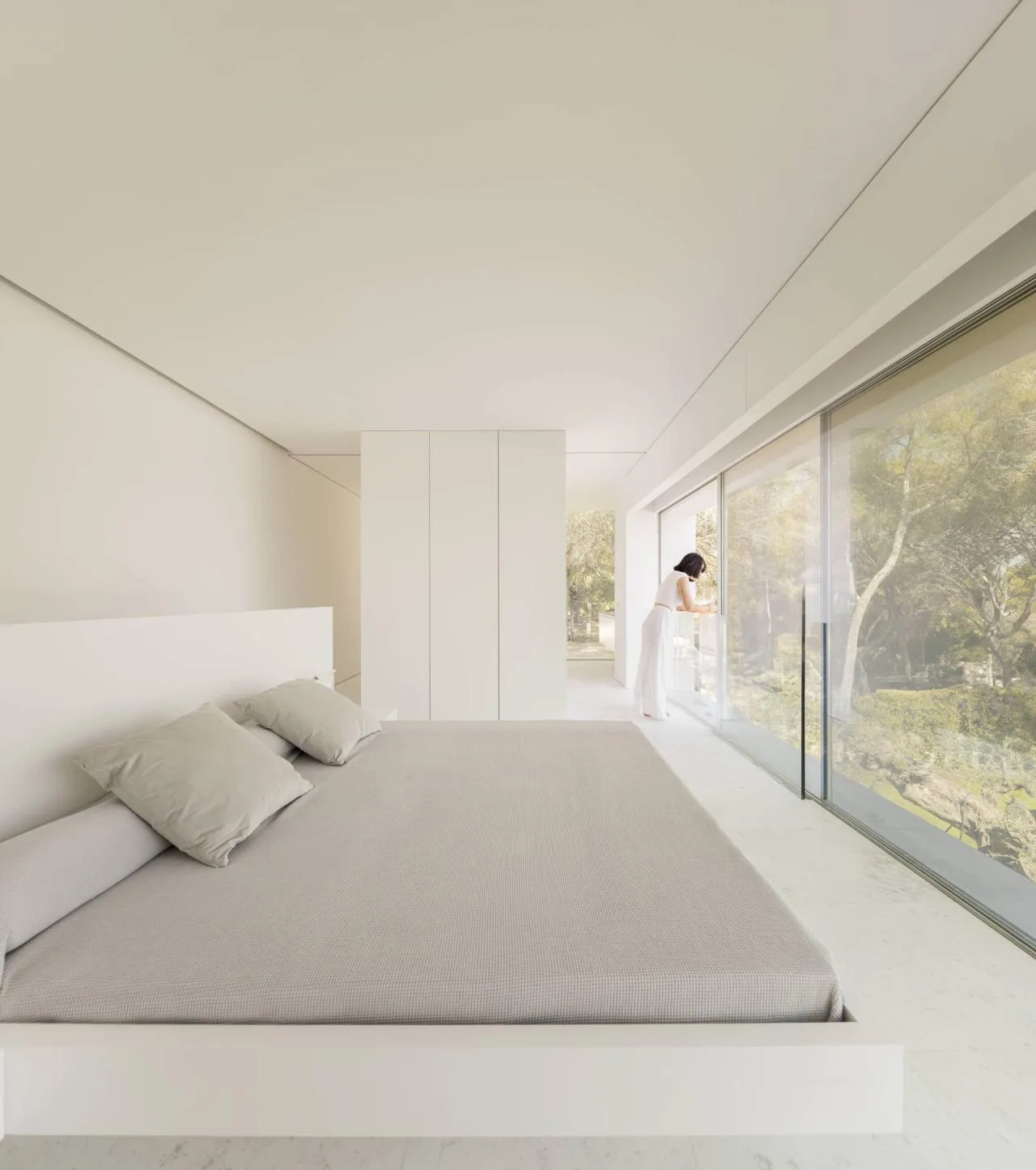
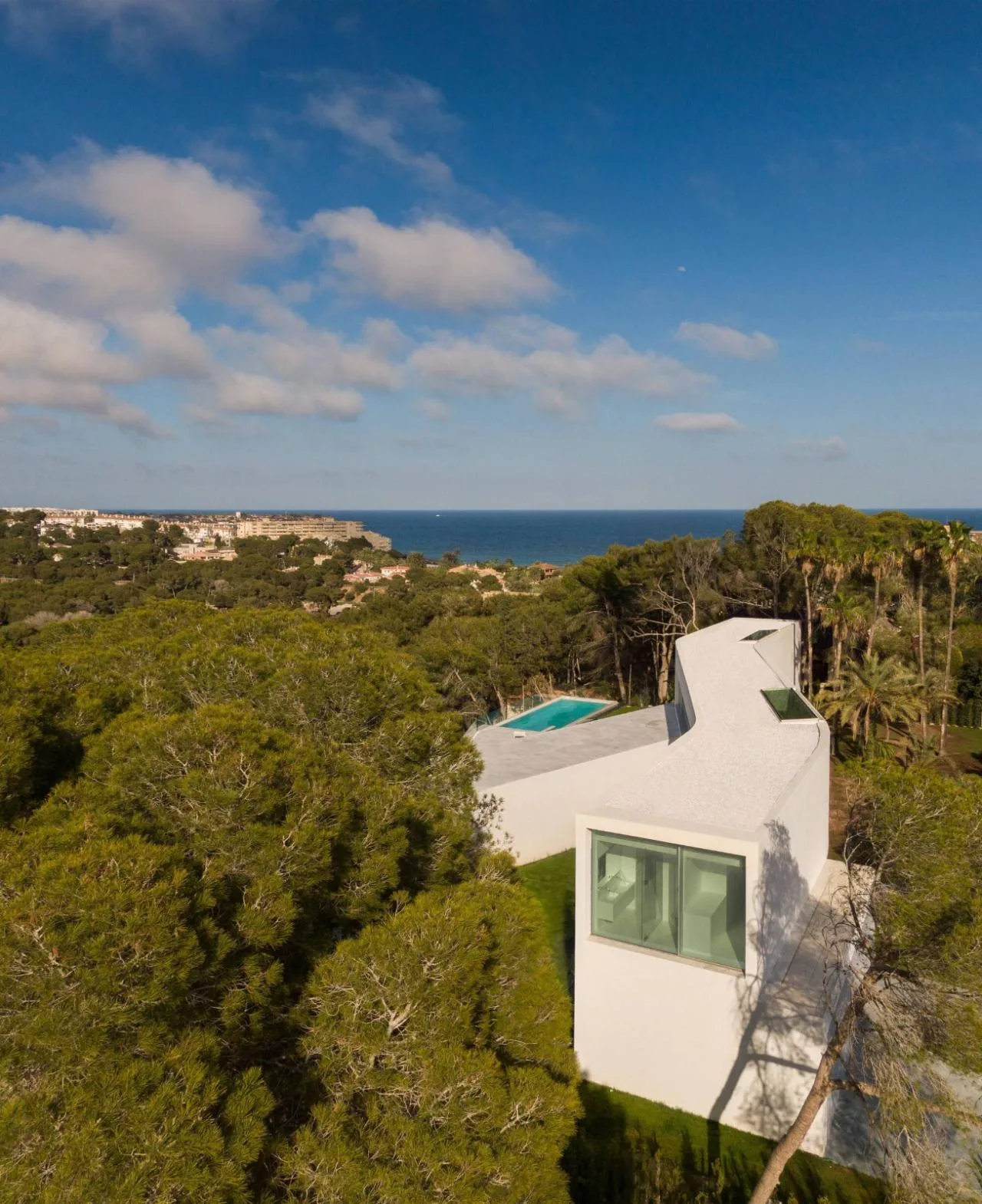
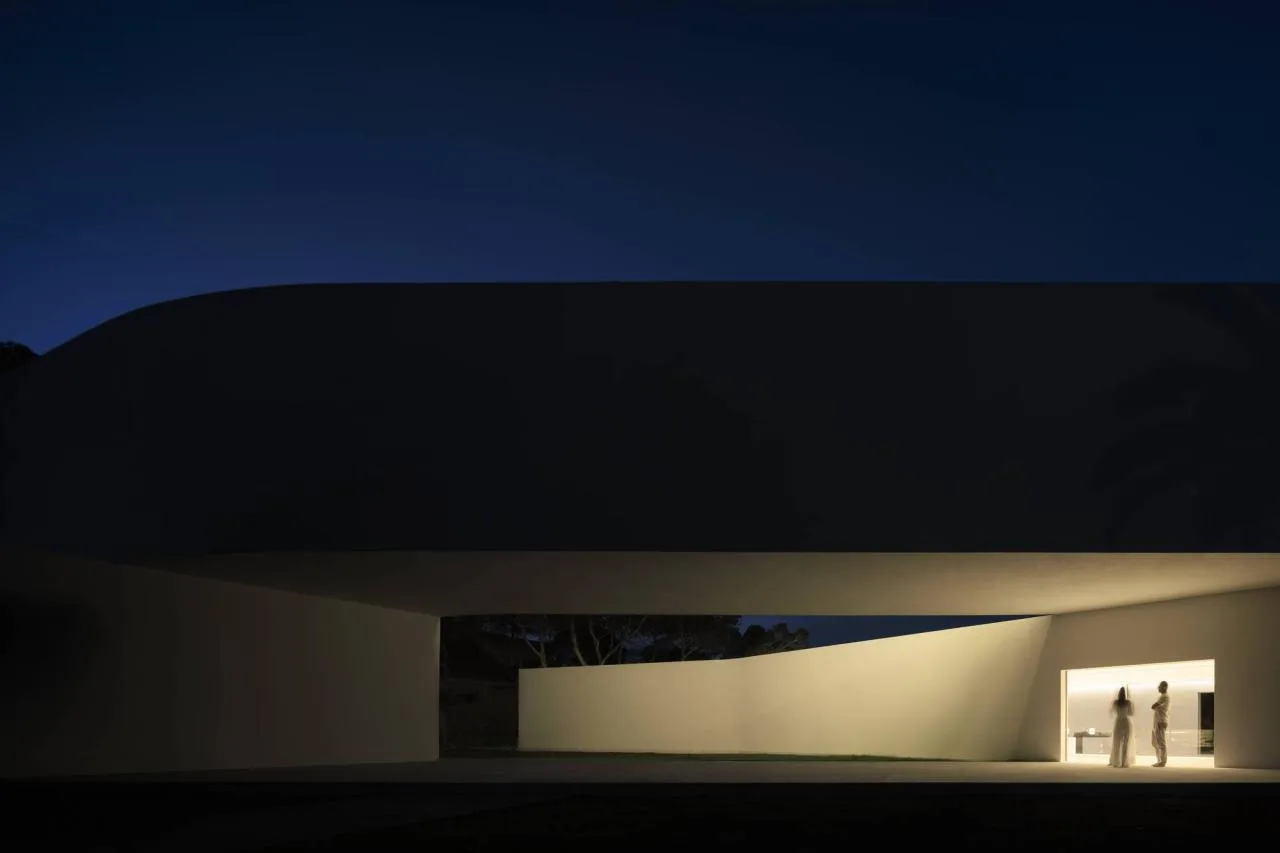
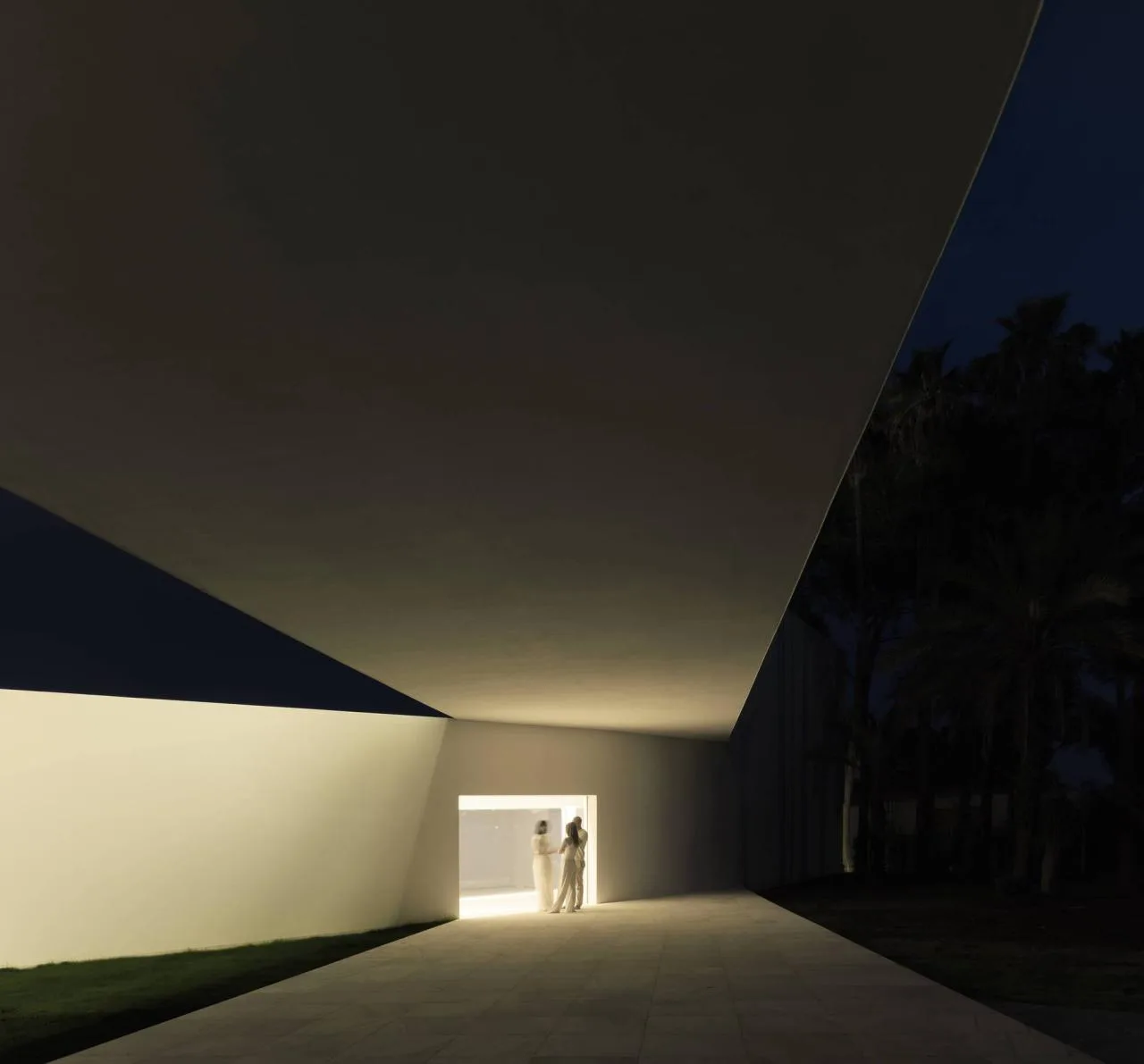
The building’s main functions are organized across three levels. The top floor serves as the nighttime area, offering sea views above the treetops. From here, you can access the rooftop platform on the ground floor, which functions as an observation deck to enjoy the stunning landscape. Structurally, this level acts as a bridge connecting the garage to the core space near the property boundary. It also creates a shaded colonnade, inviting visitors inside while maintaining privacy by facing away from the street.
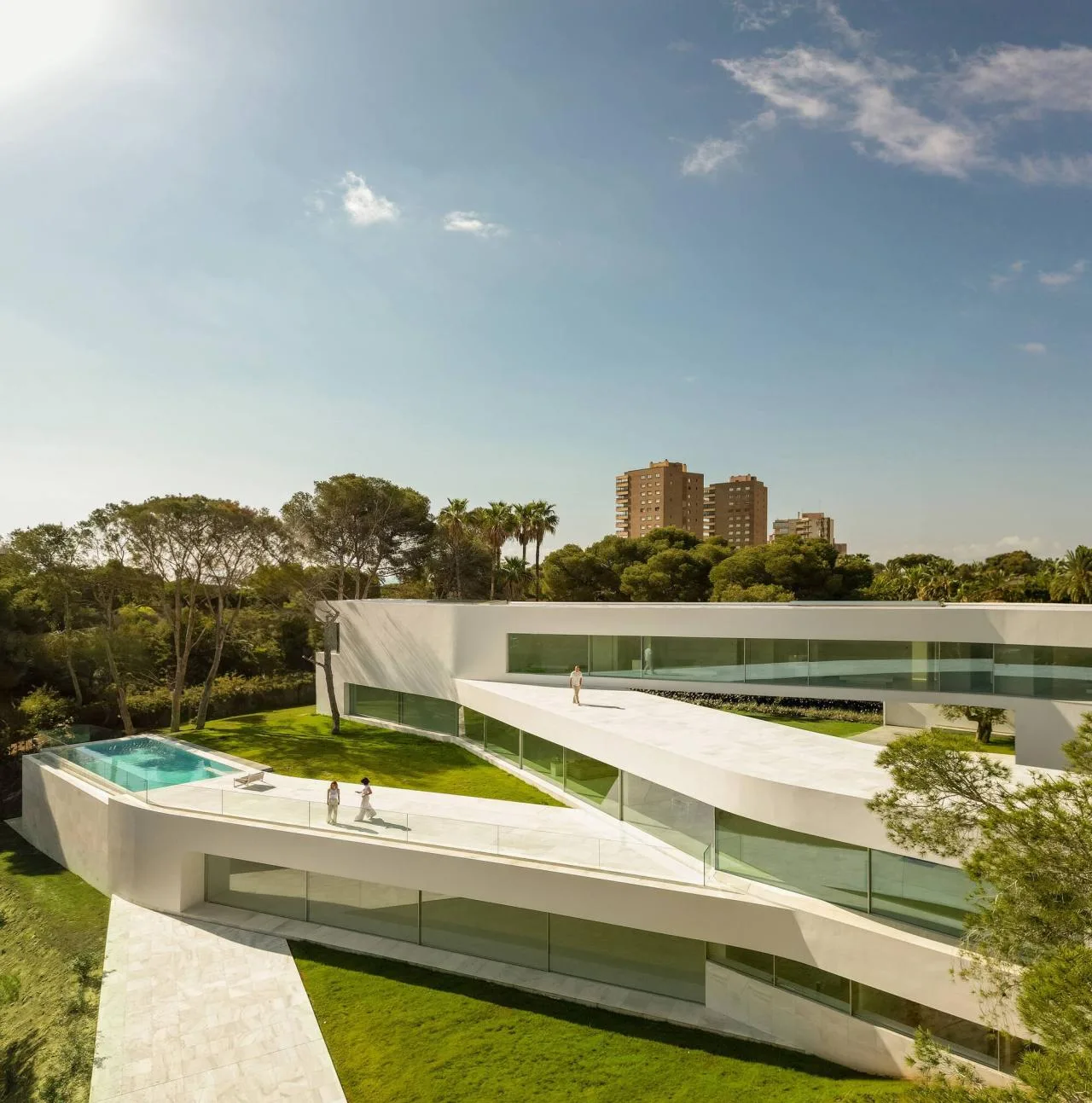
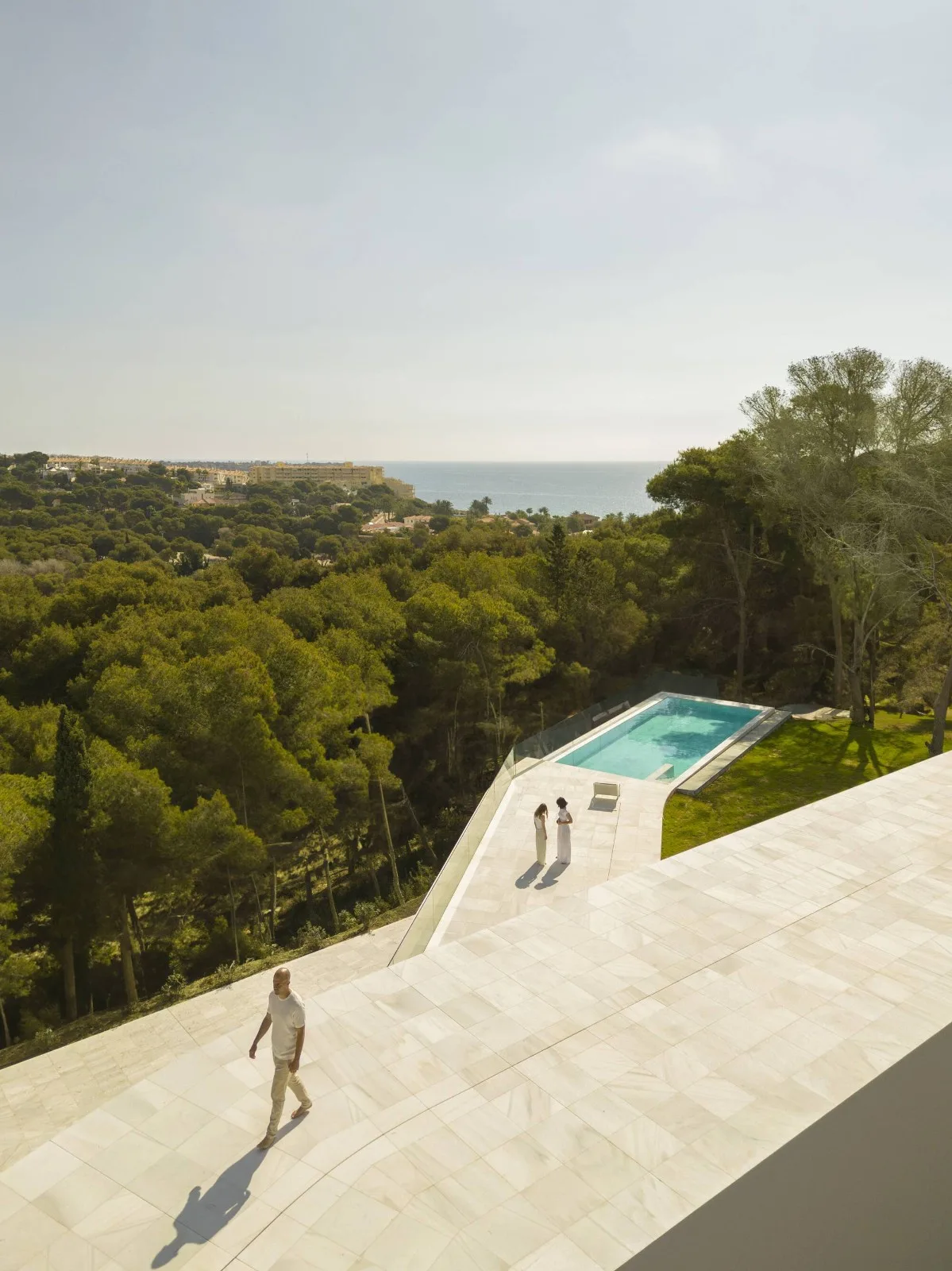
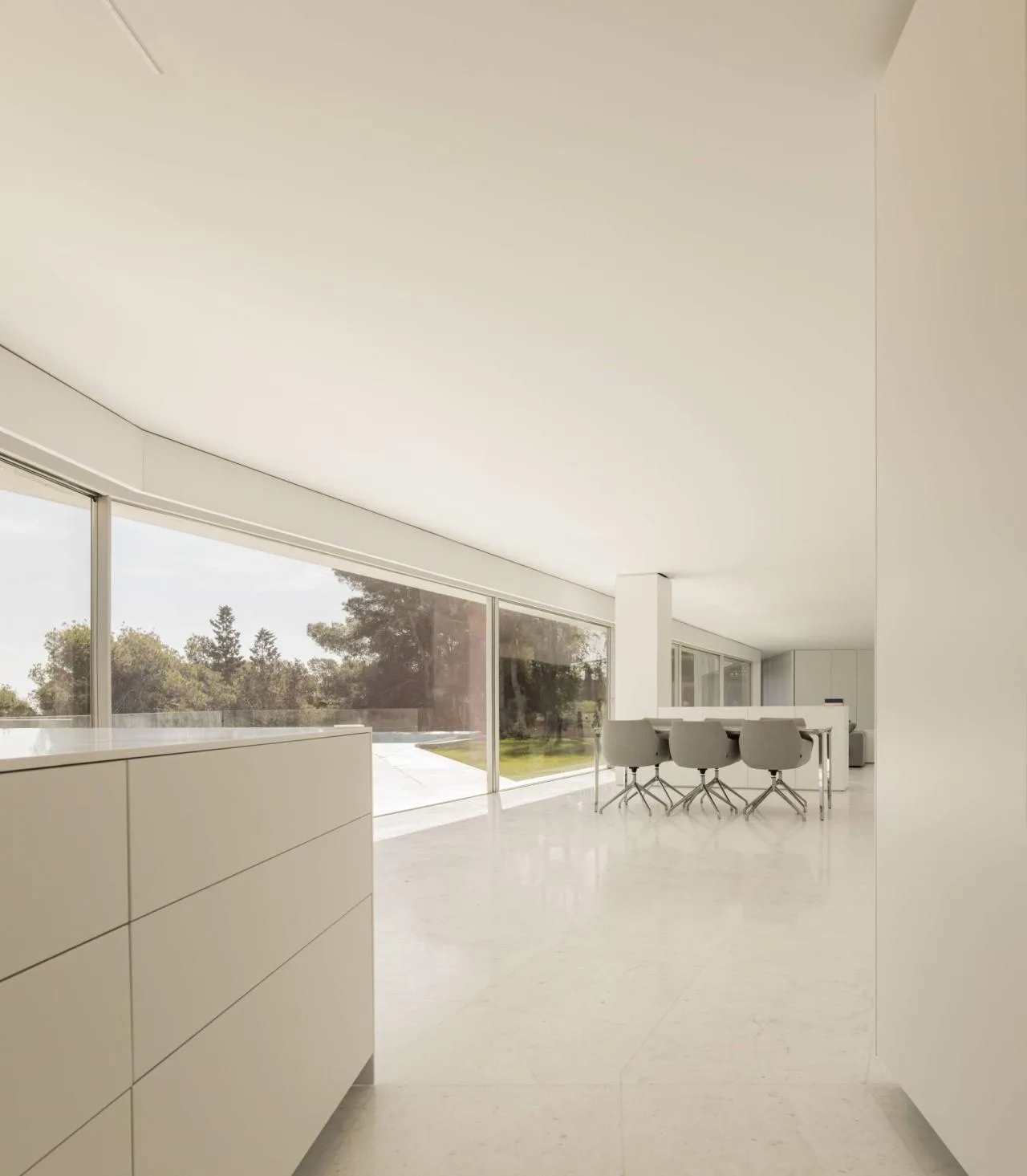
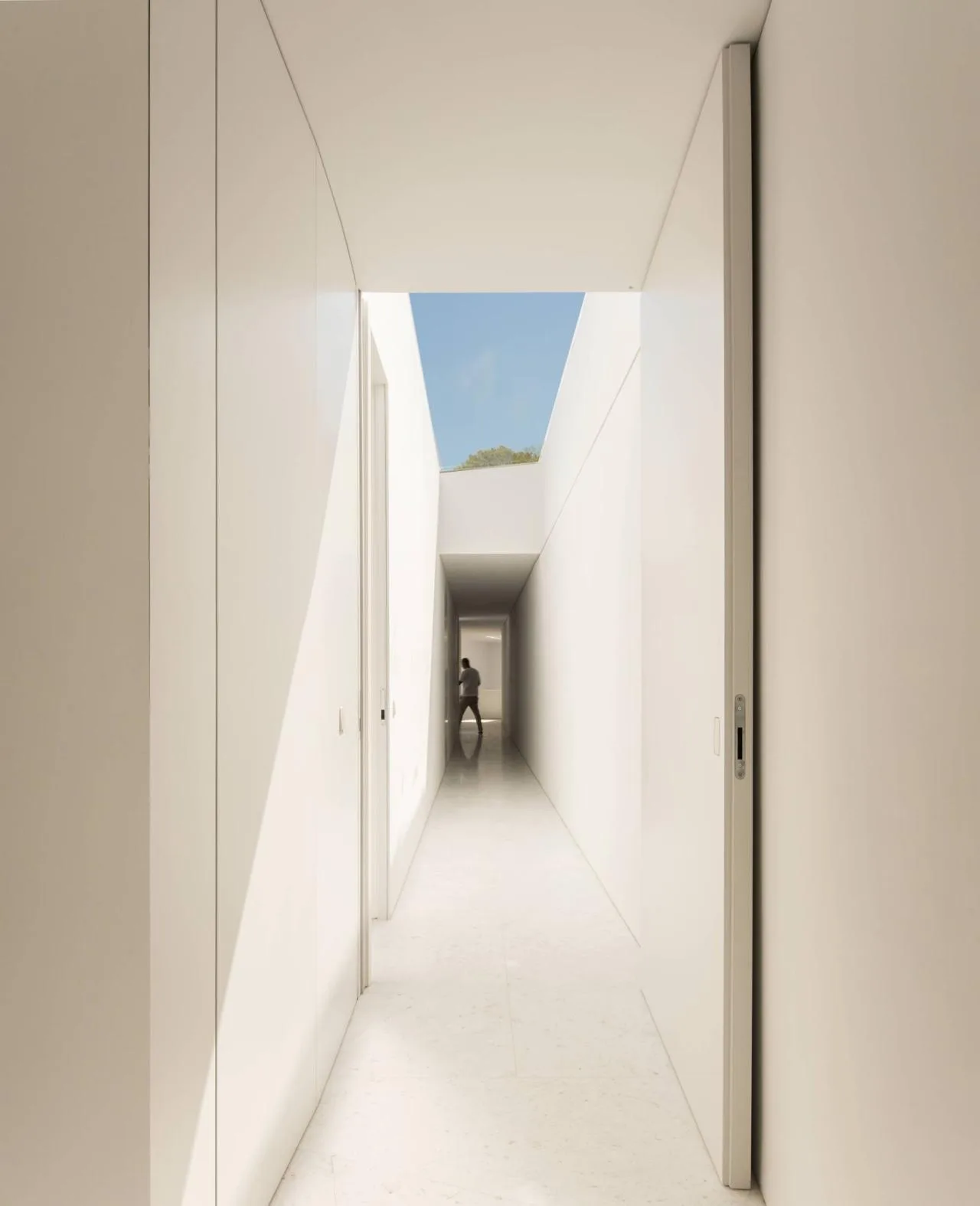
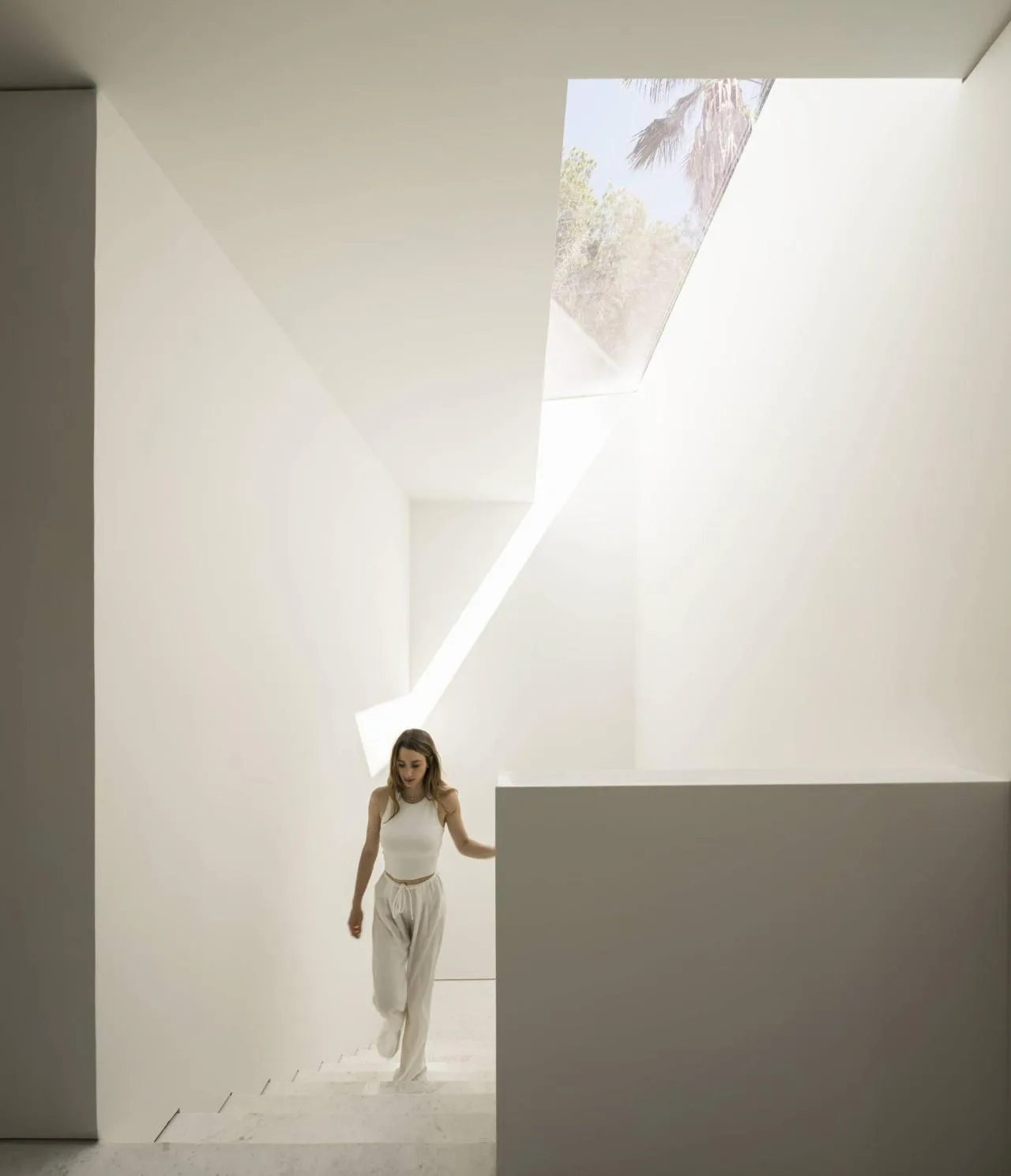
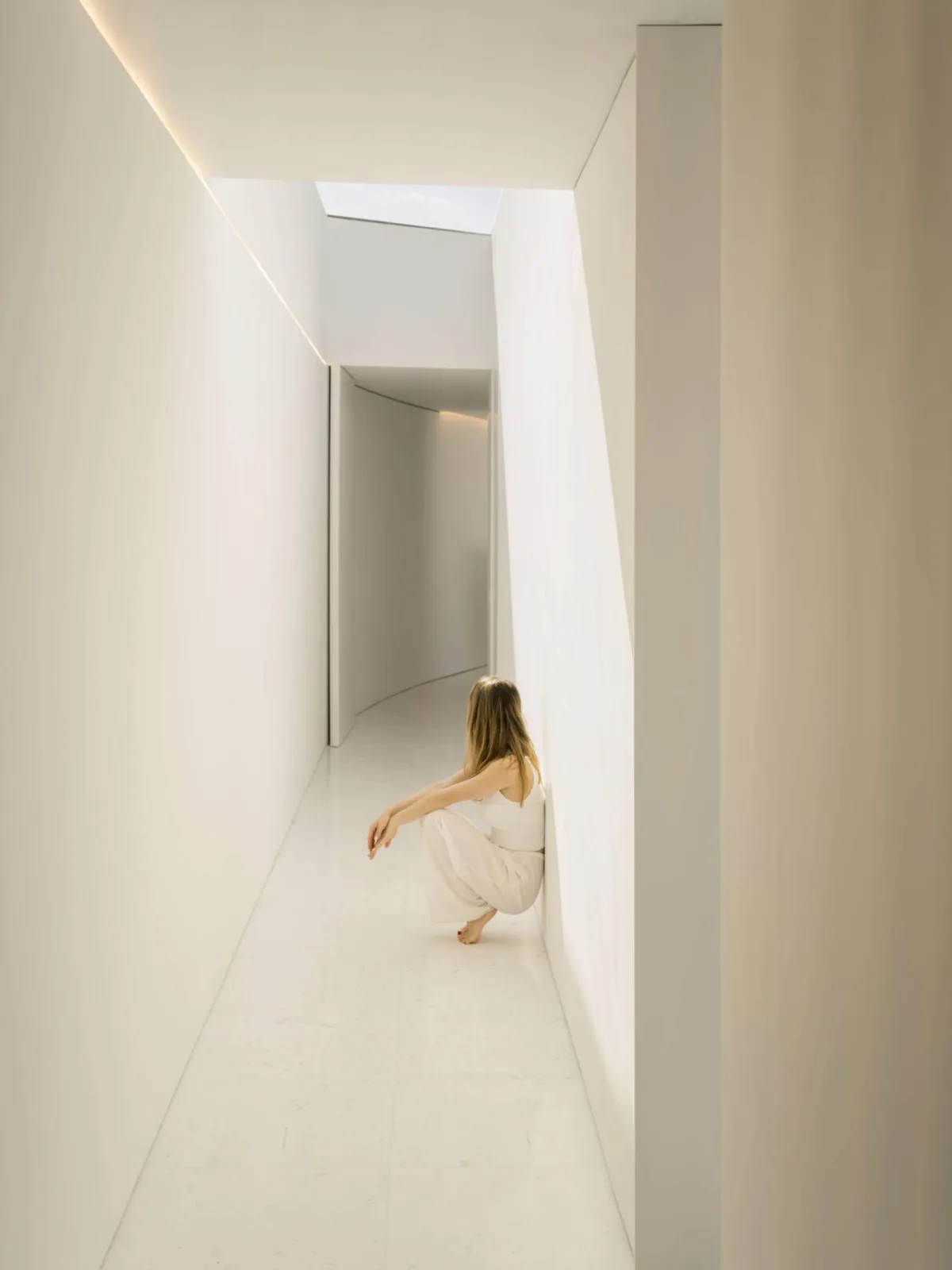
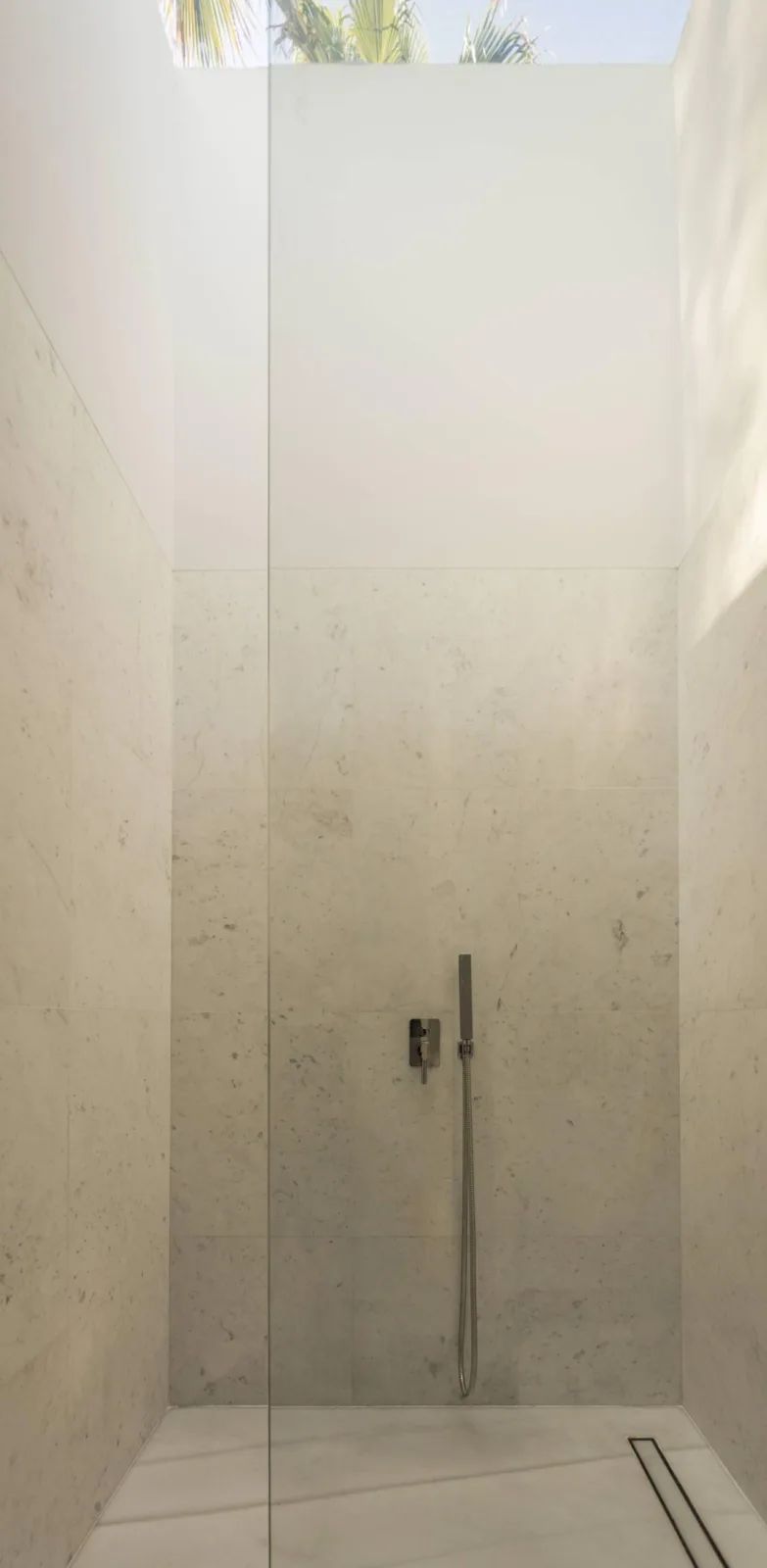
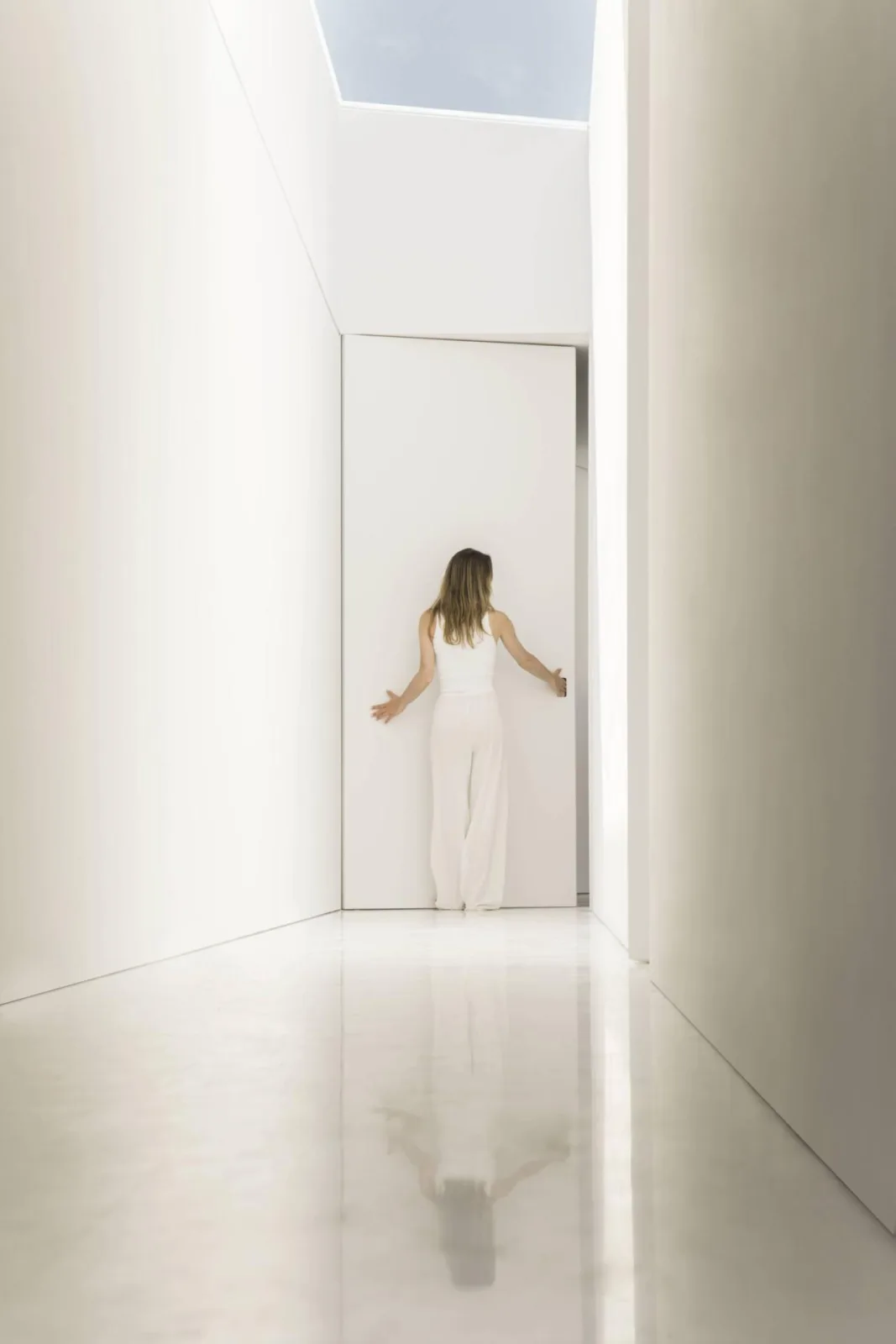
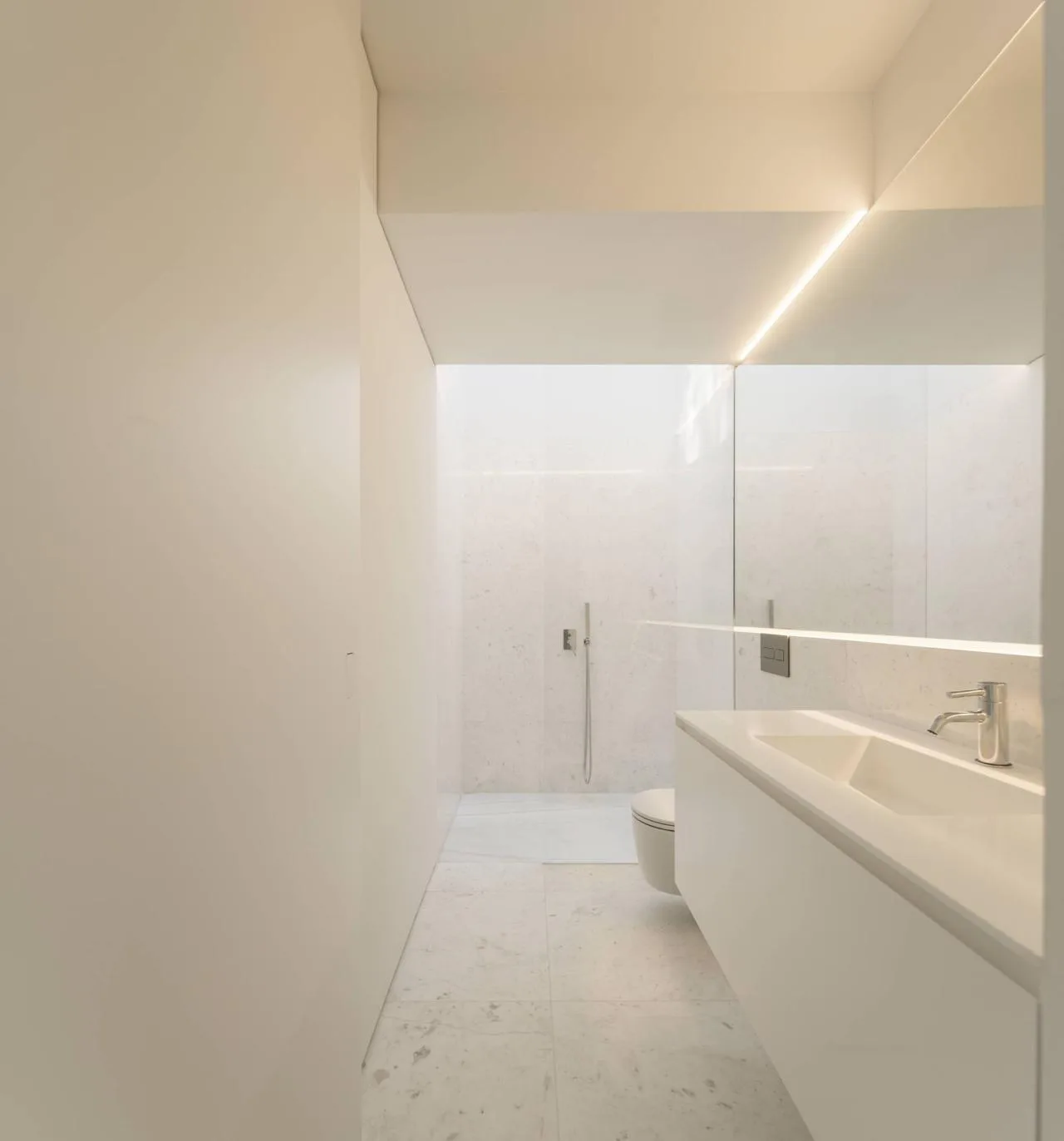
On this floor, the service areas are illuminated by skylights, lending a unique character to the central spaces and corridors. The ground level is closed off on the southwest side but opens toward the sea, accommodating full residential functions and allowing for independent operation. The lower level houses auxiliary spaces, swimming pools, various facilities, and multipurpose rooms.
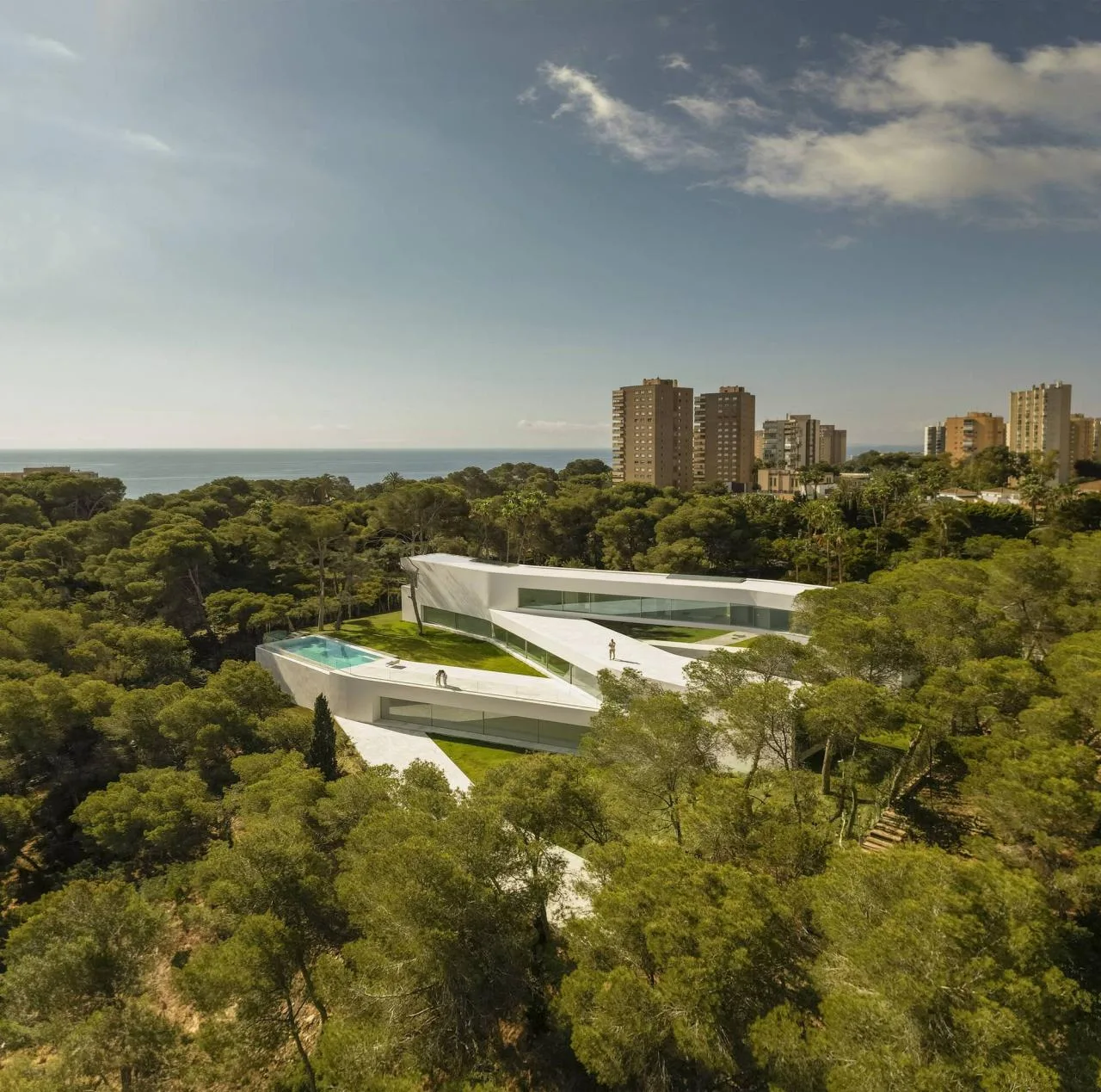
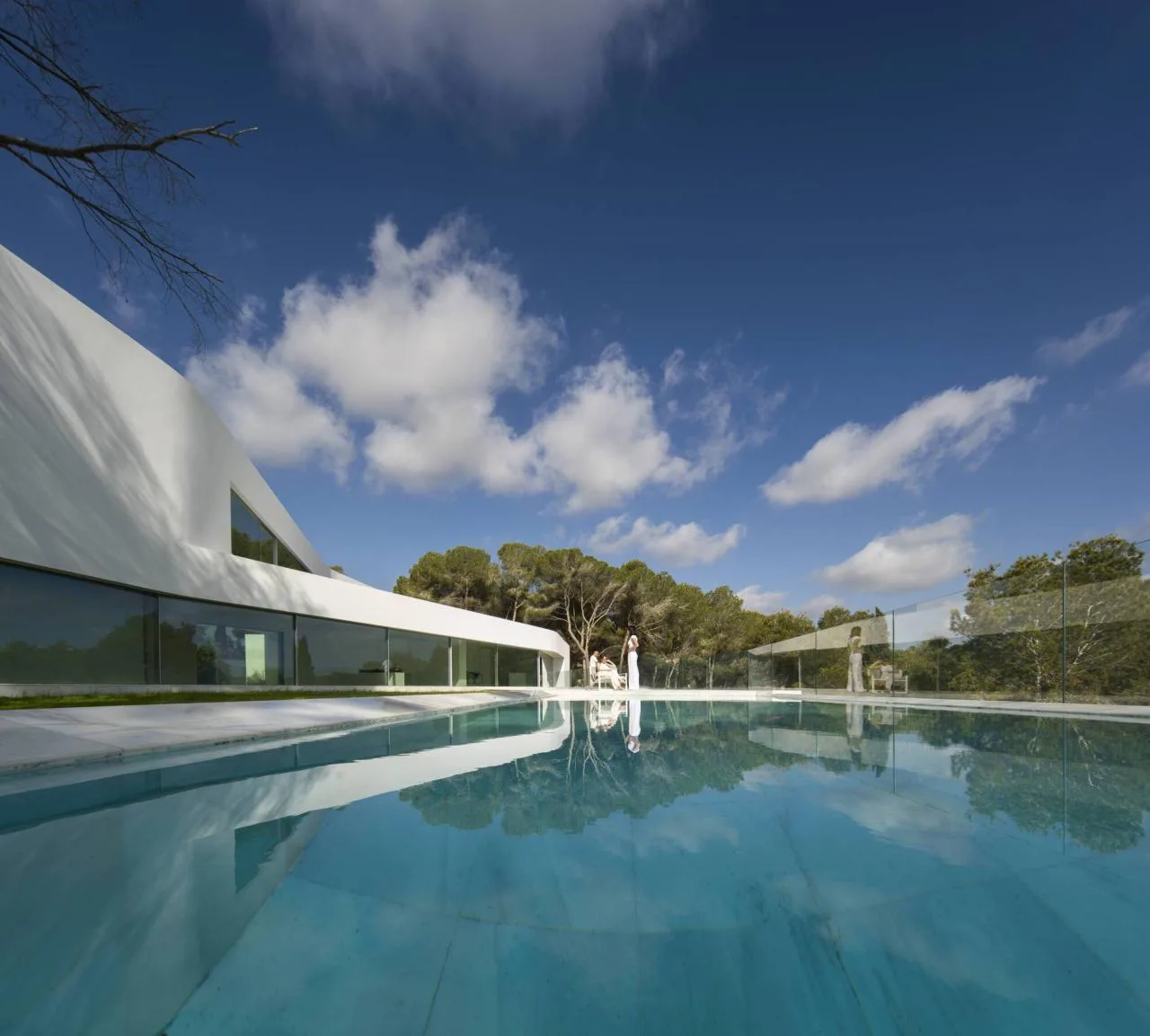
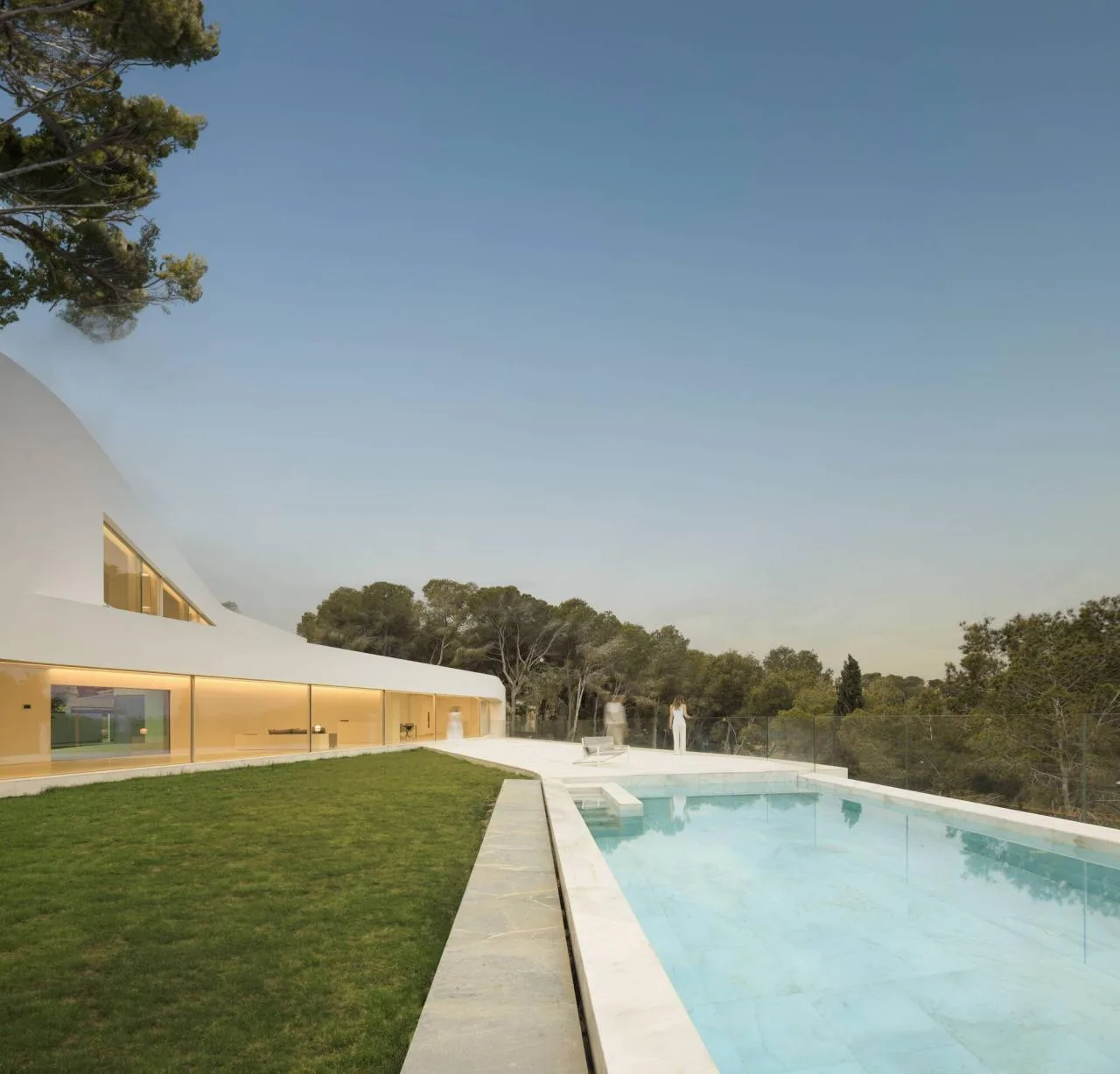
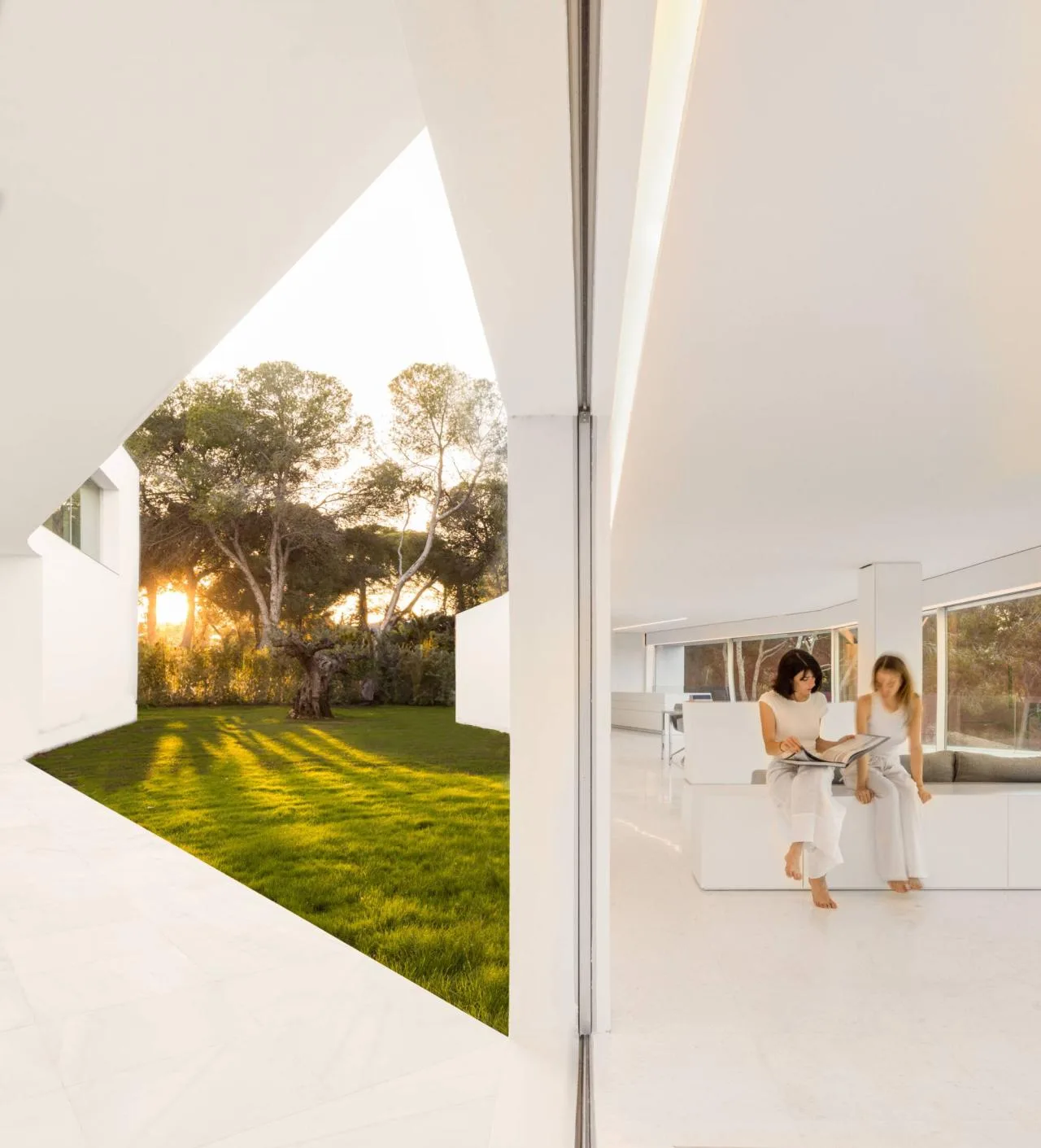
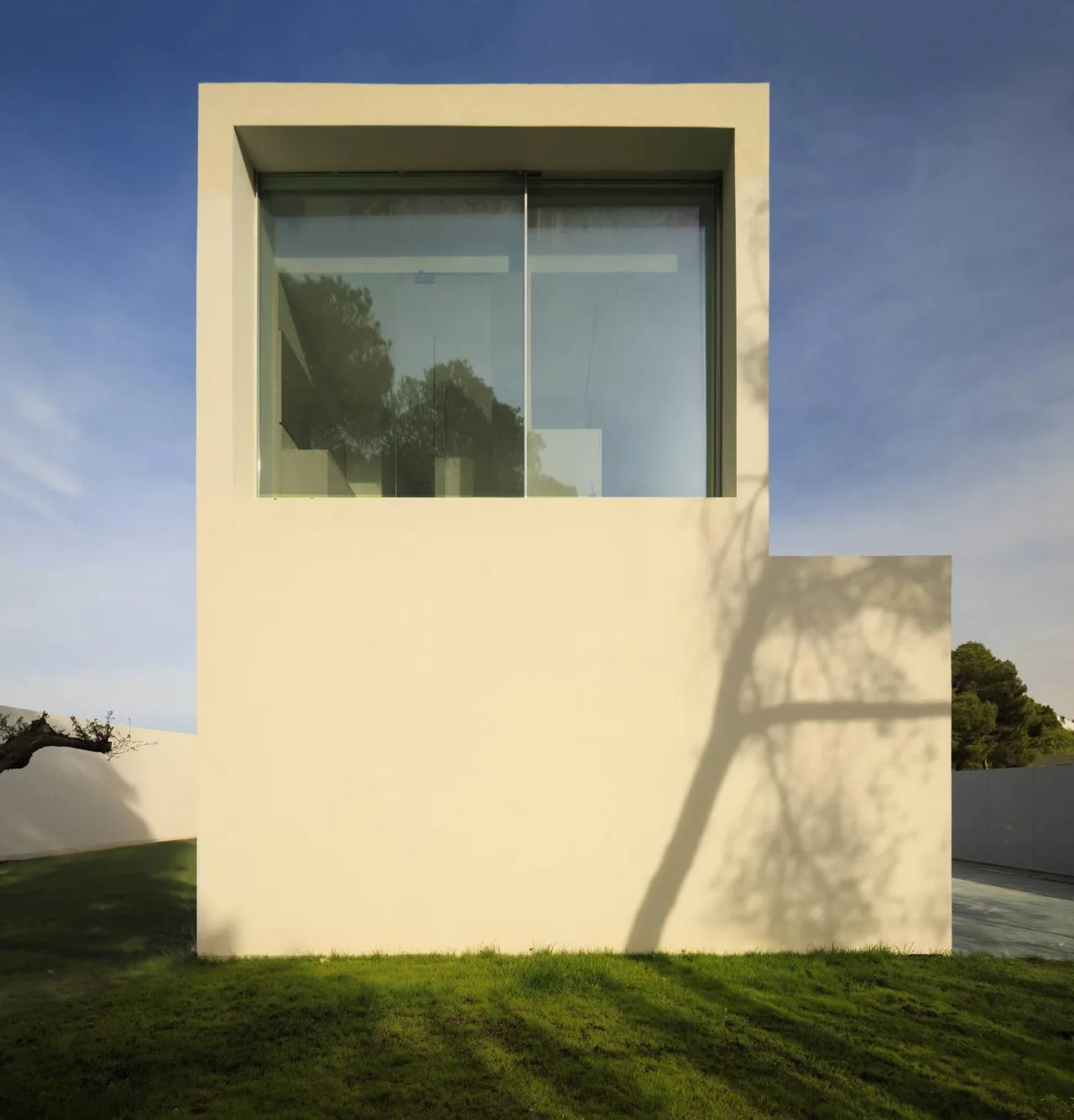
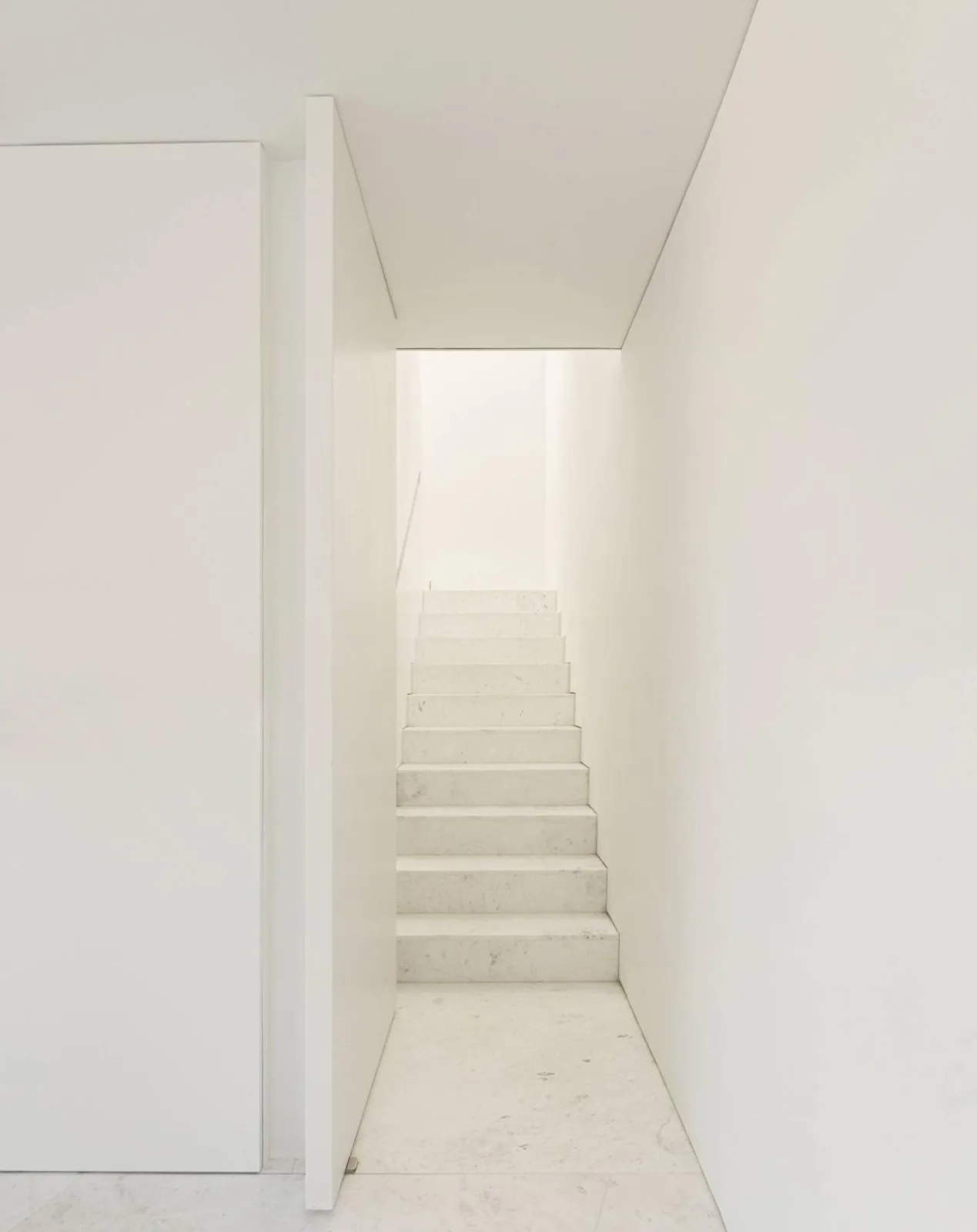
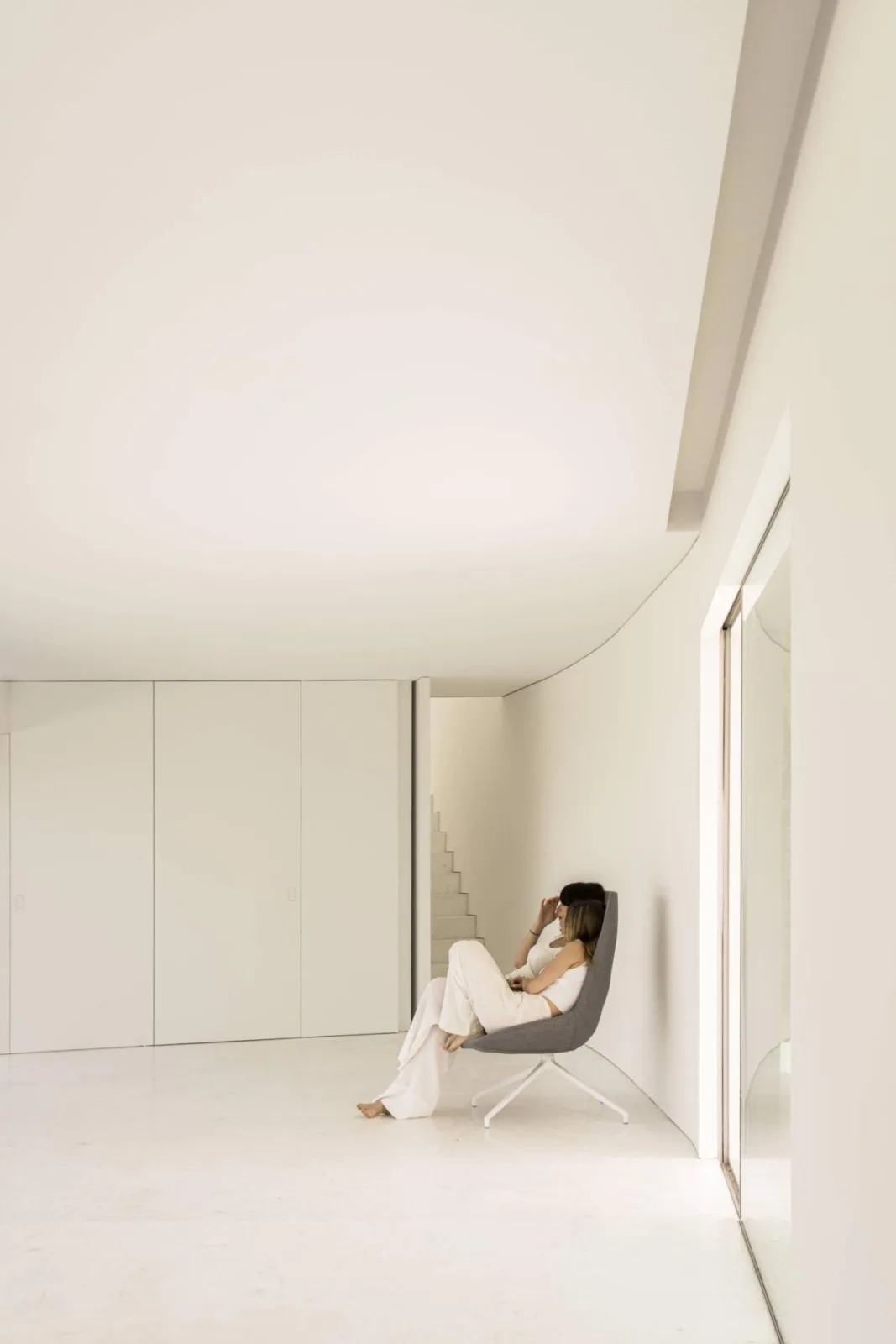
The design employs clear geometric lines connected by gentle curves, creating a harmonious balance of form and function. As architect Philipp Jodidio describes, “Sabater Villa reveals a captivating duality: a minimalist white residence that blends more naturally with its environment than one might expect. The fusion of Álvaro Siza’s modernism and Andreu Alfaro’s sculptural influence helps the villa achieve a delicate equilibrium between geometry and organic form.”
Project drawings
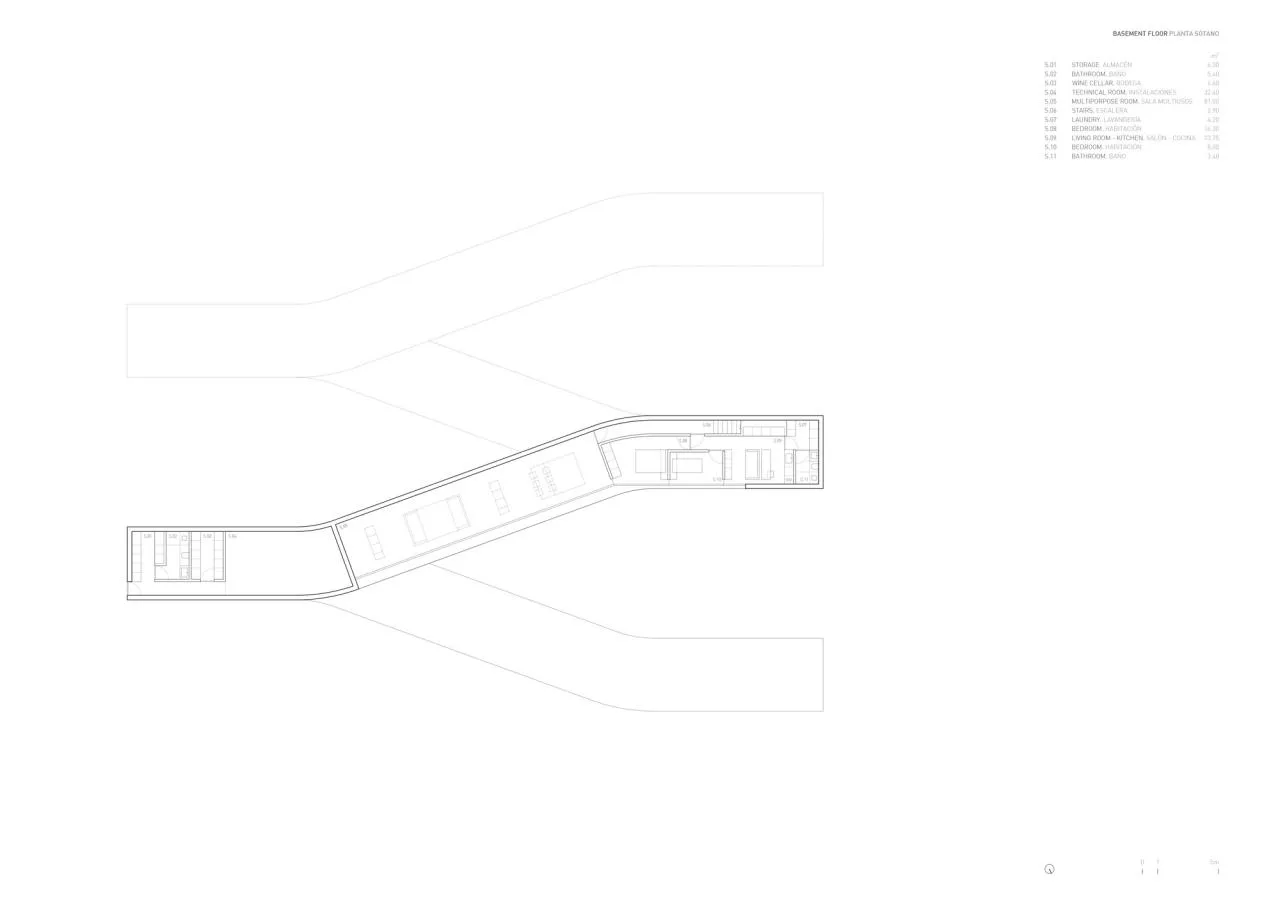
△ Underground Floor Plan
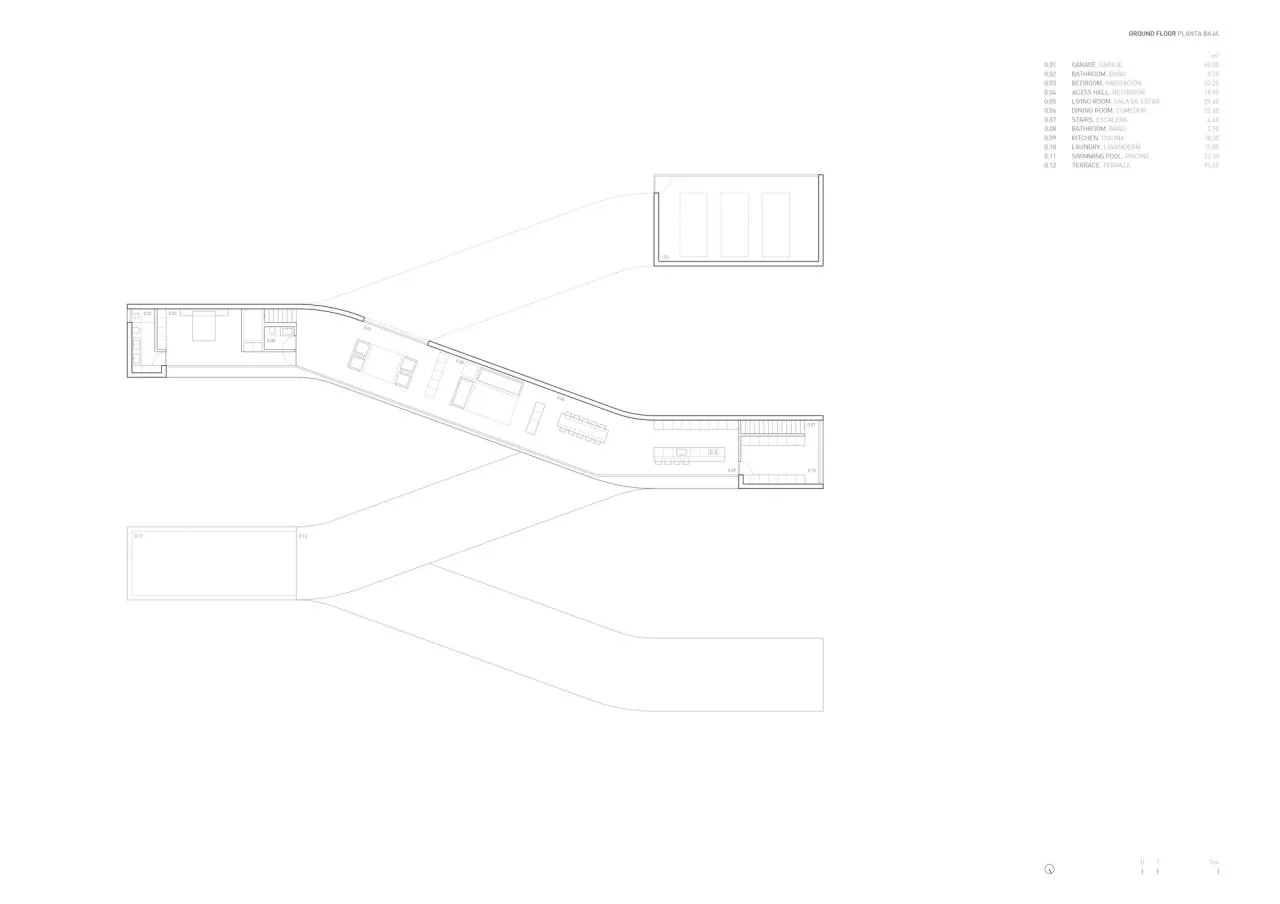
△ First Floor Plan
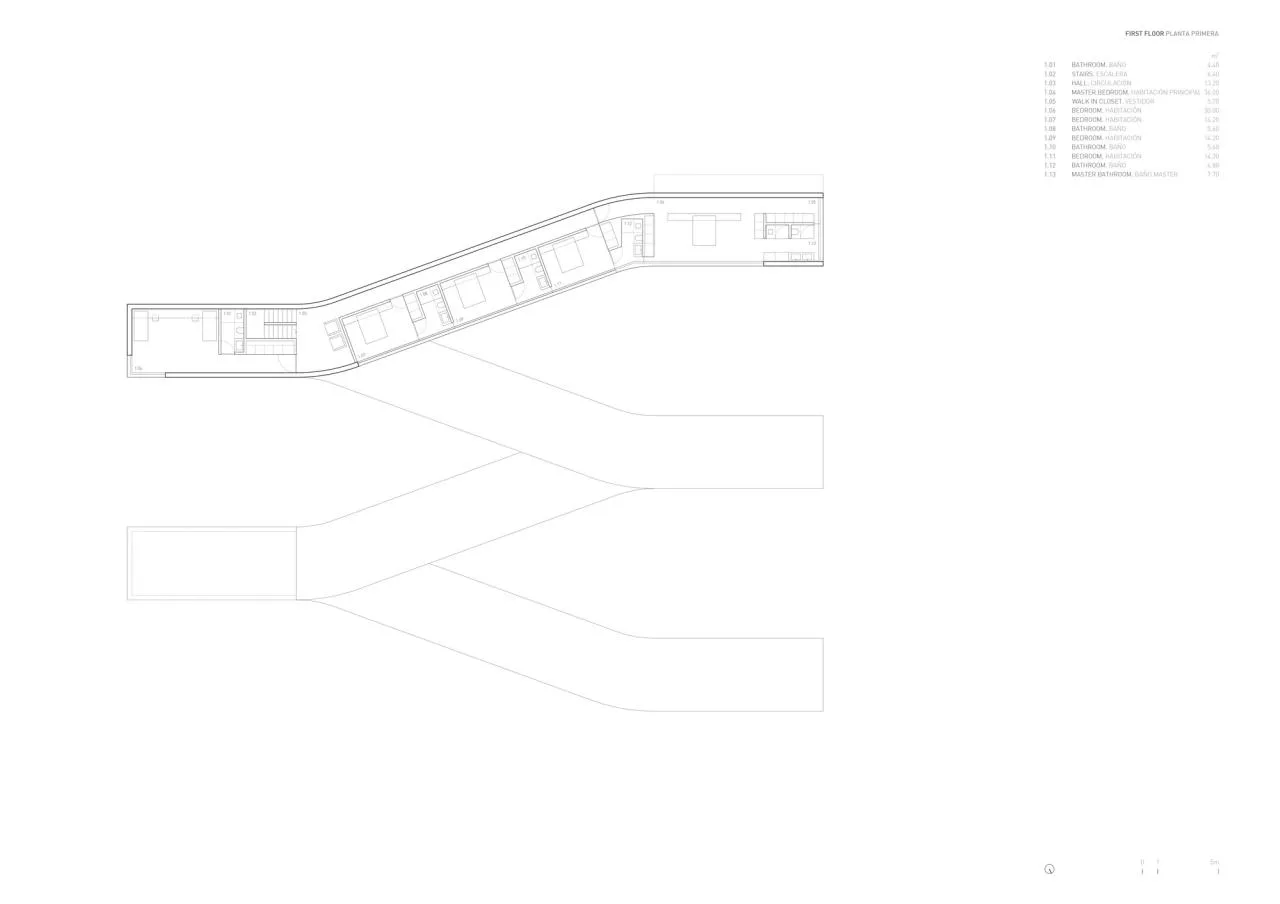
△ Second Floor Plan
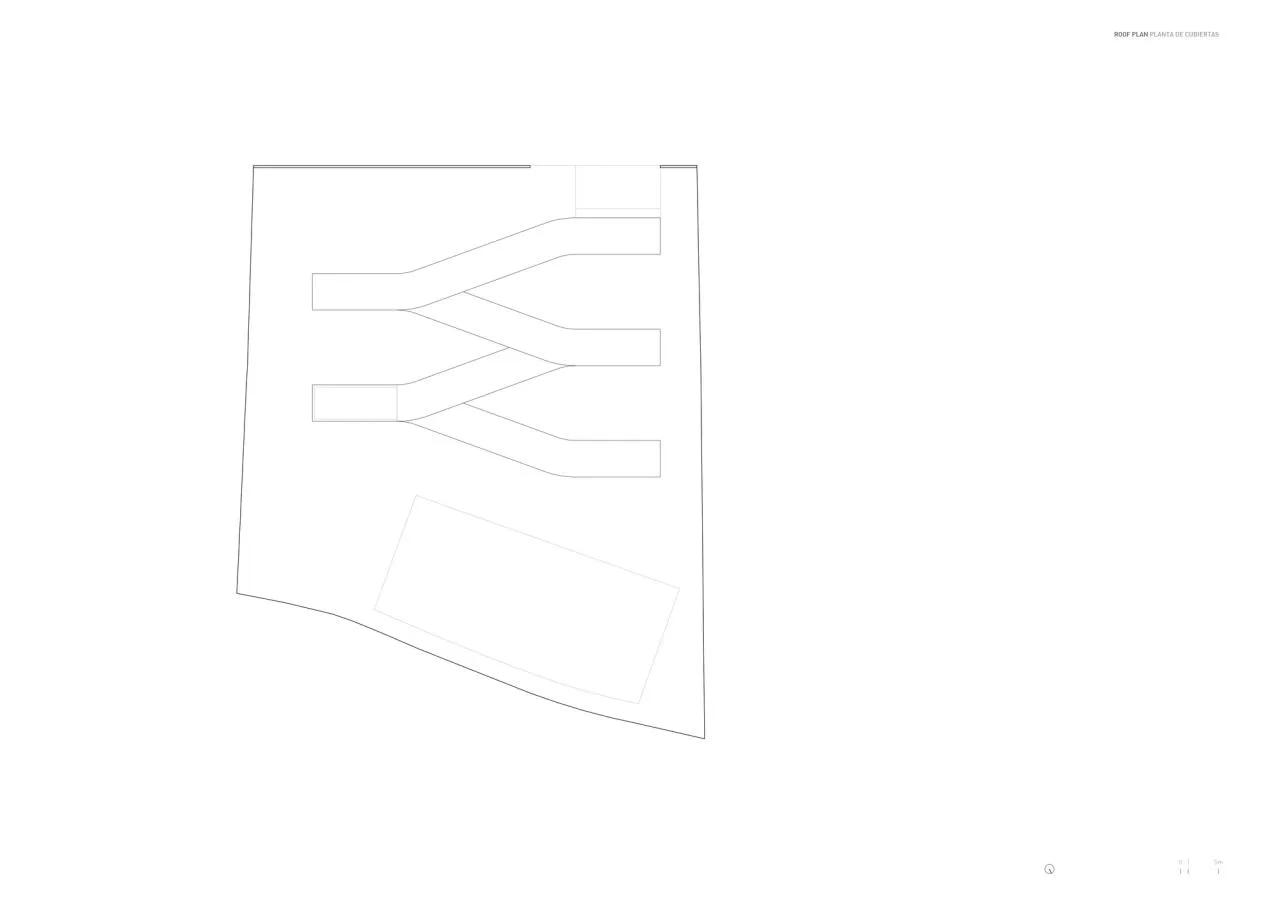
△ Roof Plan
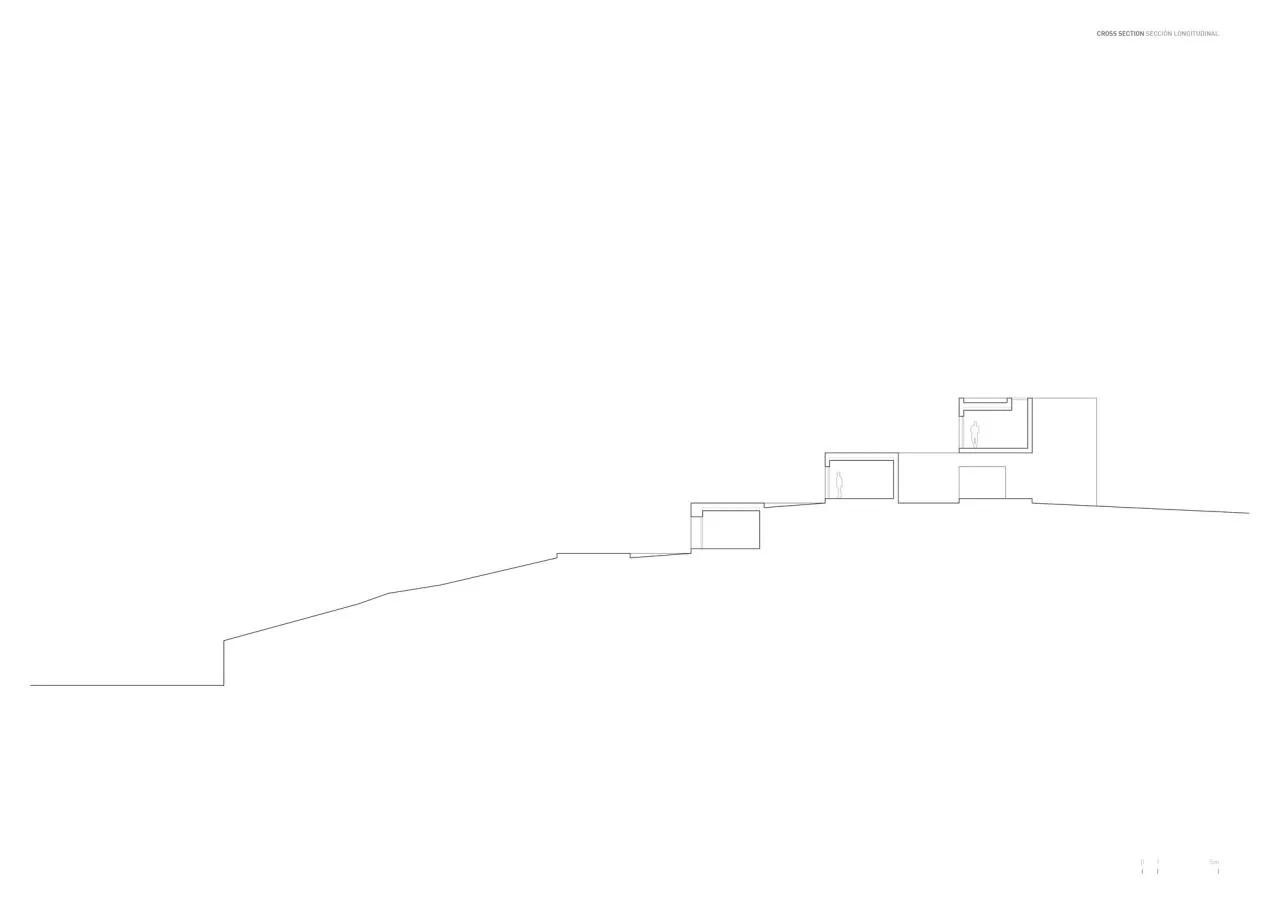
△ Section Diagram
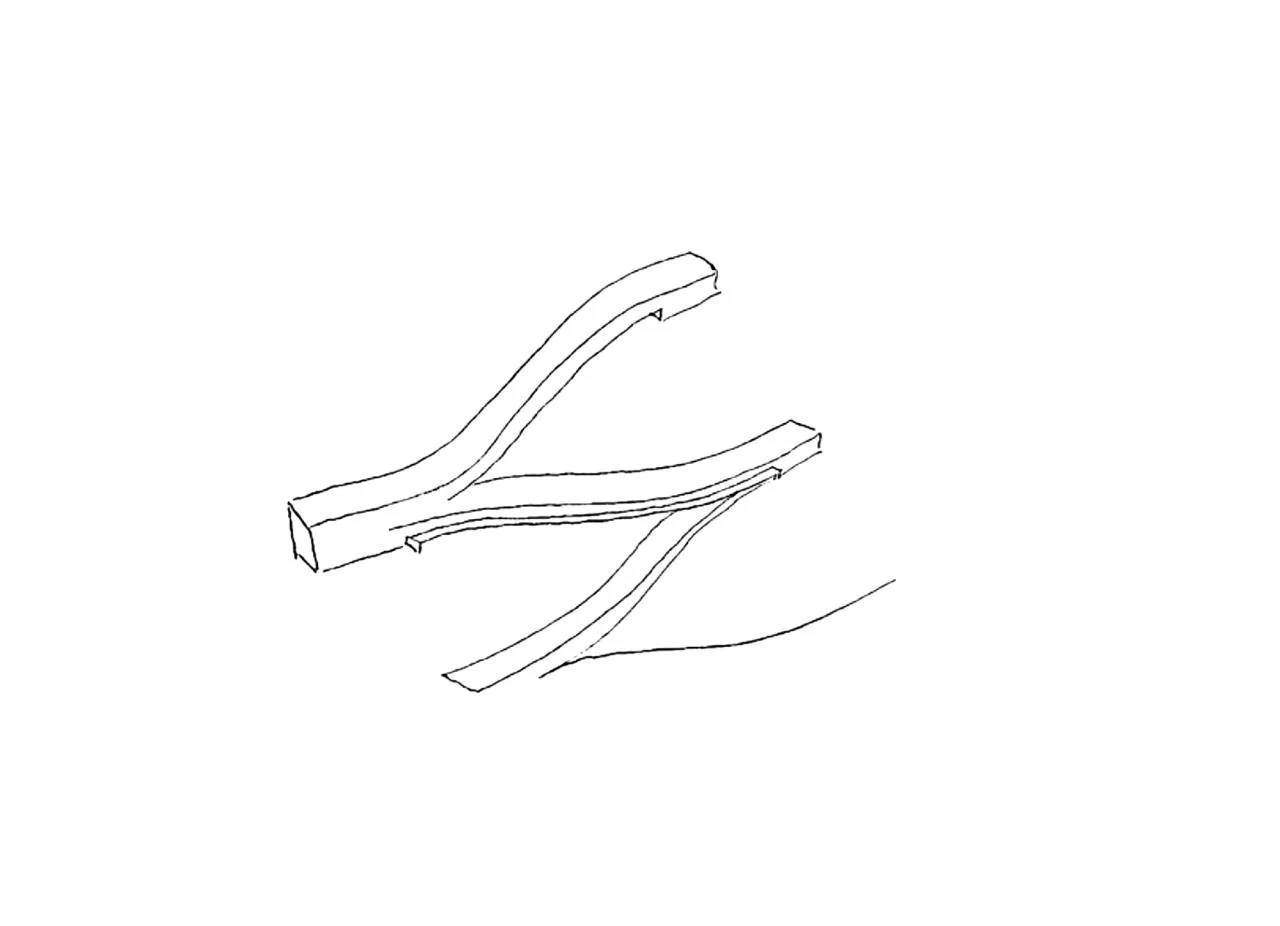
△ Hand-drawn Sketch
Project Information
Architect: Fran Silvestre Arquitectos
Area: 780 square meters
Photographer: Fernando Guerra
Lead Architects: Fran Silvestre, Estefanía Soriano
Technical Architect: Vicente Ramos
Collaborators: María Masià, Pablo Camarasa, Ricardo Candela, Sevak Asatrián, Carlos Lucas, José María Ibañez, Andrea Baldo, Paloma Feng, Paco Chinesta, Javi Herrero, Gino Brollo, Angelo Brollo, Anna Alfanjarín, Laura Bueno, Toni Cremades, David Cirocchi, Gabriela Schinzel, Nuria Doménech, Andrea Raga, Olga Martín, Víctor González, Pepe Llop, Alberto Bianchi, Lucía Domingo, Alejandro Pascual, Pablo Simò, Juana Hecker, Ana de Pablo, Sara Atienza, Valeria Fernandini, Sandra Mazcuñán, Kateryna Spuziak
Interior Designer: Alfaro Hofmann
Structural Engineer: Estructuras Singulares
Construction: Construcciones Sola
Financial Advisor: Valeria Fernandini
Administrative Management: Sandra Mazcuñán
Marketing: Kateryna Spuziak
Graphic Design: Julián Garcia
Air Conditioning System: Daikin
Mechanical Consultant: Mecanismos Jung serie ZERO
Location: Alicante, Spain














Must log in before commenting!
Sign Up