
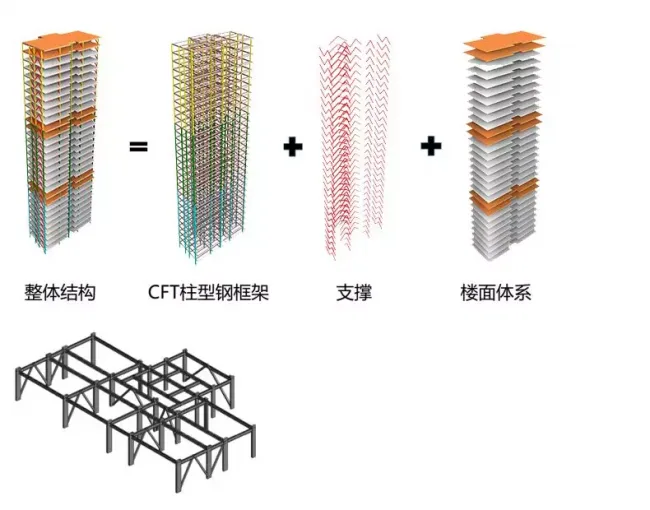
Assembly of the Structural System
The structural system is composed of steel-reinforced concrete columns, steel frames, and steel supports, featuring the following advantages:
- Large indoor spaces allow for more flexible building layouts.
- The structural components occupy less space, increasing space utilization by 3–5%.
Prefabricated Housing
- Steel components are produced and manufactured in factories, then assembled on-site, ensuring higher construction quality.
- Prefabrication rates for individual buildings can exceed 60%.
High Seismic Strengthening of Structures
Steel structures are lightweight, high-strength, and exhibit excellent seismic performance. This structural system can flexibly incorporate seismic isolation technologies, making it suitable for regions prone to strong earthquakes of magnitude 8 or higher.
The seismic resilience of the system ensures the safety of occupants and property, reducing damage losses by over 50%.
Refinement of Connection Nodes
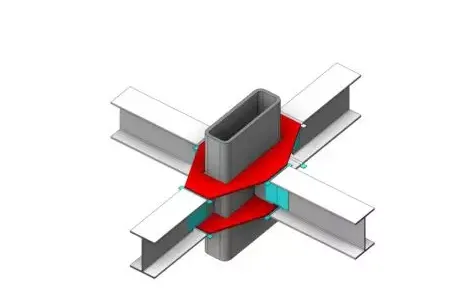
The column cross-section width is limited to 200mm, and beam flange widths are maintained within 200mm. This design fundamentally eliminates the issue of exposed beams and columns common in conventional buildings.
An innovative outer ring plate connection node design removes the need for transverse partitions inside columns, facilitating concrete pouring and preserving column integrity.
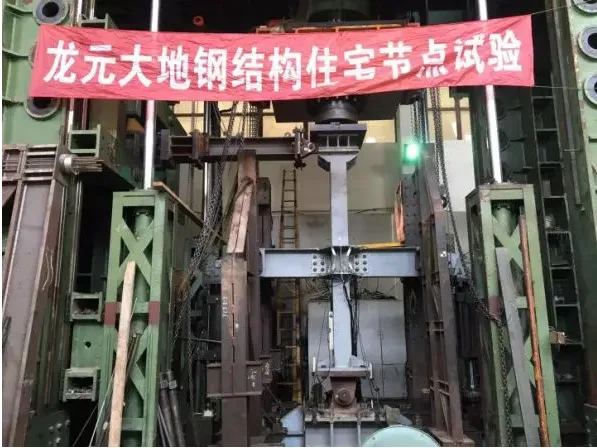
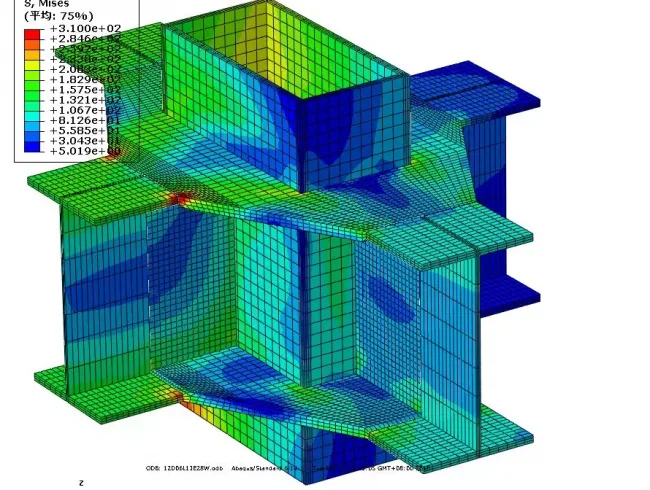
Finite element analysis and experimental testing confirm that these nodes remain elastic under strong earthquakes, satisfying the performance requirement of “strong nodes, weak components.”
Enclosure System
- The steel structure residential system is optimized to meet insulation, thermal resistance, and airtightness requirements.
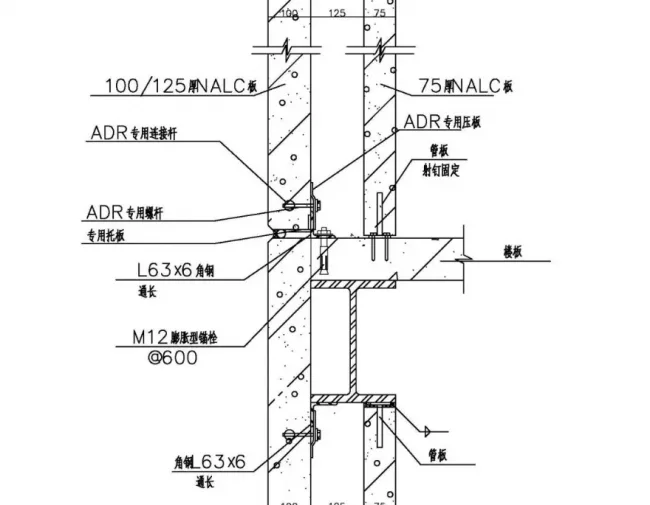
- The exterior wall system uses autoclaved aerated concrete (ALC) composite walls, which consist of ALC exterior panels, an air gap (which can be filled with insulation), and ALC interior panels.
- The outer wall connects to the main structure via an ADR swing method, allowing flexible connections that accommodate structural deformation.
- Compared to single ALC panels, this system offers superior thermal insulation, suitable for areas with higher insulation demands.
Window-Wall Connection Nodes
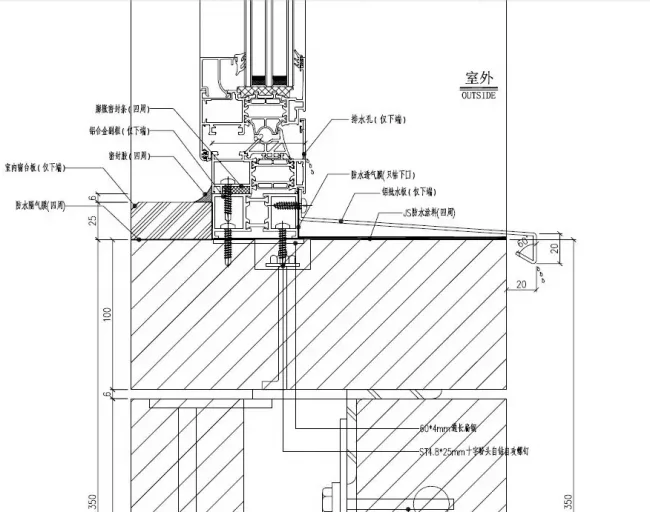
- Designed with reference to passive door and window principles.
- Optimized node design and construction techniques address common quality issues such as air and water tightness.
- Durable sealing materials combined with structural design ensure continuous airtightness and watertightness.
- The overall window heat transfer coefficient (K-value) is less than 2.0 W/(m2·K).
Balcony Node
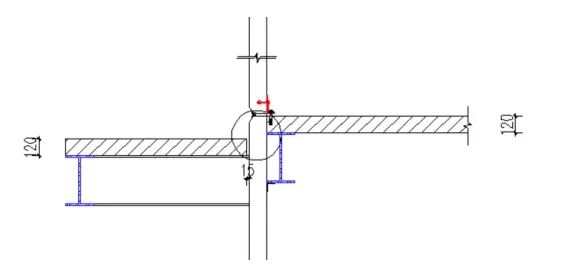
The balcony panel is structurally separated from the main structure through a joint treatment, effectively blocking thermal bridges and maintaining the continuity of the external insulation system.
Prefabricated Interior Finishing
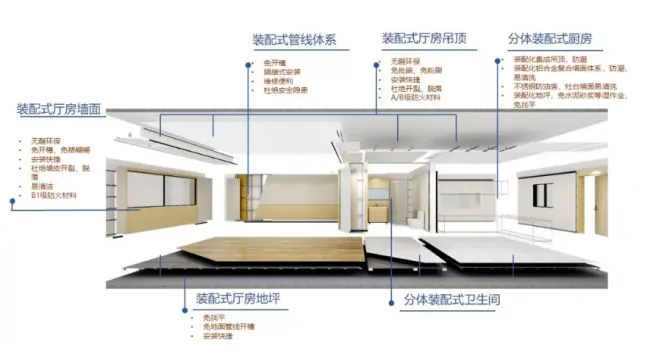
Utilizing modular components and design, industrial production, and LEGO-style assembly, a fully dry, efficient, and sustainable interior finishing process is achieved.
This industrialized decoration system supports “fully dry construction, separation of structure and interior systems, and health and environmental protection.”
- Mechanical and electrical pipelines are separated from the structural cavity by using the gap between decorative surfaces and the structure.
- All finishing materials are environmentally friendly, high-performance, and recyclable, combined with dry construction methods to enhance indoor living quality.
Variable Space
The flexible layout advantages of steel structures are applied to meet the housing needs of different residents over time.
- Spaces can be easily adapted to accommodate families focused on preschool needs, social activities, or leisure lifestyles.
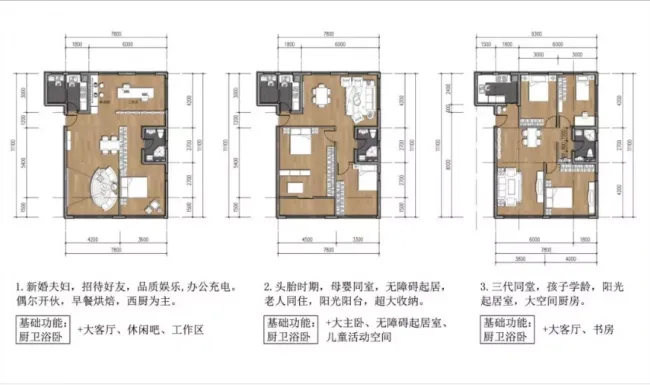
After exploring the technical highlights and node processing methods of the S-SYSTEM, it is clear that the S-SYSTEM is an integrated product. What are the benefits of such integration?
Integrated collaborative design significantly enhances the overall quality and performance of buildings, simplifying maintenance and upgrades. S-SYSTEM integrates the main structural system, peripheral protective structure, electromechanical system, and interior system into a cohesive building product. This integration avoids isolation between systems, greatly improving overall building quality and performance, while also facilitating future maintenance and updates.
S-SYSTEM offers comprehensive building solutions, providing one-stop services from planning and design to manufacturing and installation, delivering fully furnished residences. Tailored customization is available based on regional needs and customer preferences, through a combination of standard configurations and optional designs.
Article Source: Construction Technology













Must log in before commenting!
Sign Up