







The following is the Chinese translation of the courseware, please refer to it:
Peter Sailer: Hello everyone!
We are honored to represent GIZ at this exchange conference.
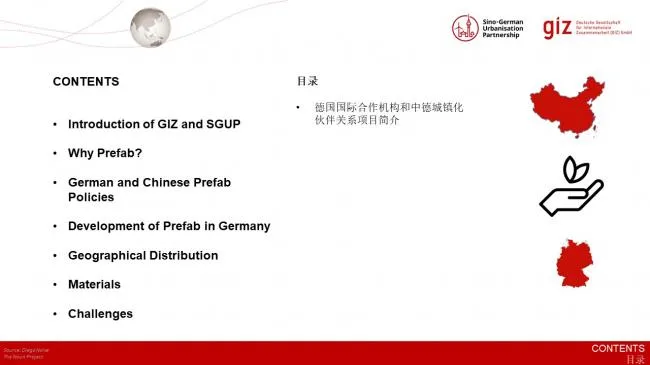
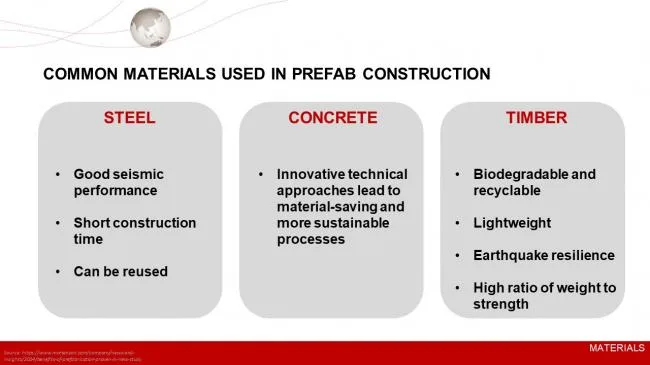
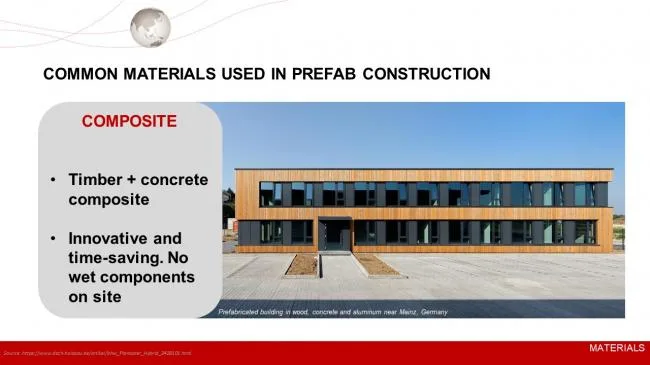
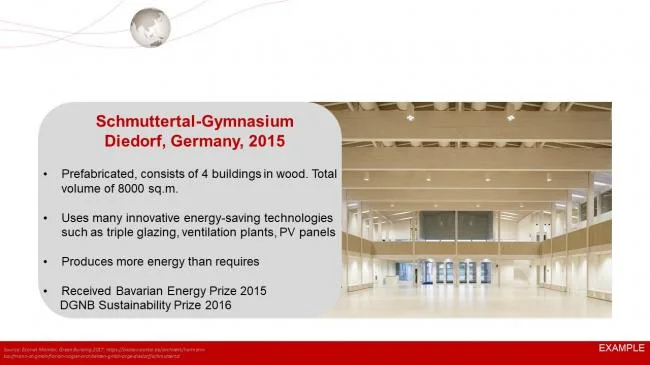
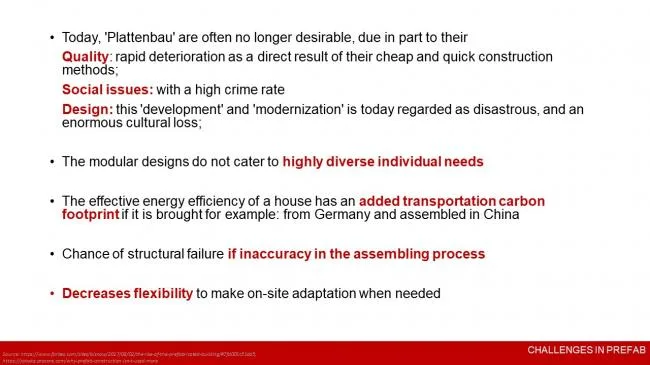
Today, we will cover several key points: an introduction to our organization, the German International Cooperation Agency (GIZ); an overview of the Sino-German urbanization partnership project; the reasons behind the development of prefabricated buildings; relevant policies in both China and Germany; the distribution of prefabricated buildings in Germany; building materials; and the challenges faced by the industry.
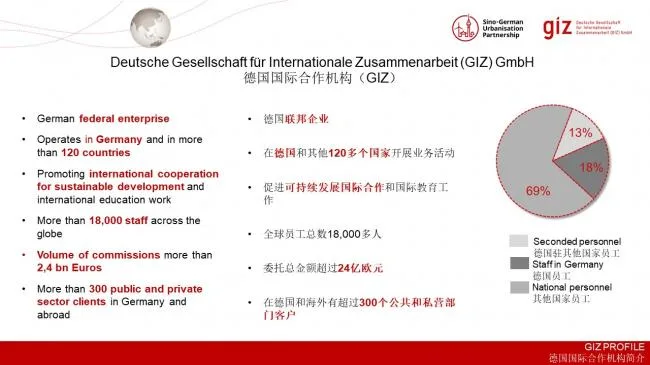
GIZ is a German federal enterprise operating both domestically and in over 20 countries, specializing in prefabricated buildings and committed to sustainable development and international education.
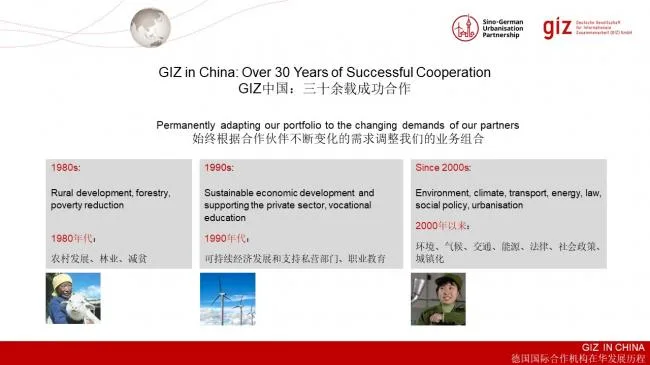
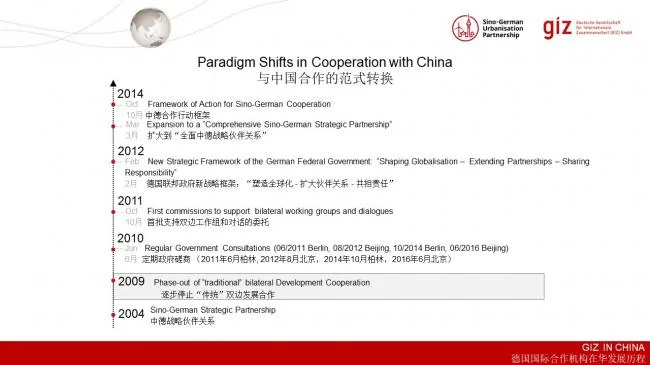
For over 30 years, GIZ has successfully facilitated cooperation between China and Germany, consistently adapting its portfolio to meet the evolving needs of its partners. Our current focus areas include environment, climate, transportation, energy, law, and urbanization.
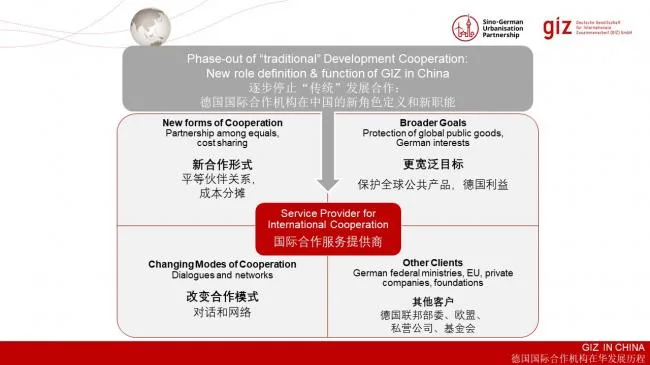
Regarding cooperation, the traditional development model has plateaued, with China and Germany now acting as equal partners. Consequently, GIZ has embraced new roles in China, serving as an international cooperation service provider.
The image here illustrates the evolution of German international cooperation agencies in China, highlighting the transformation of cooperation models.
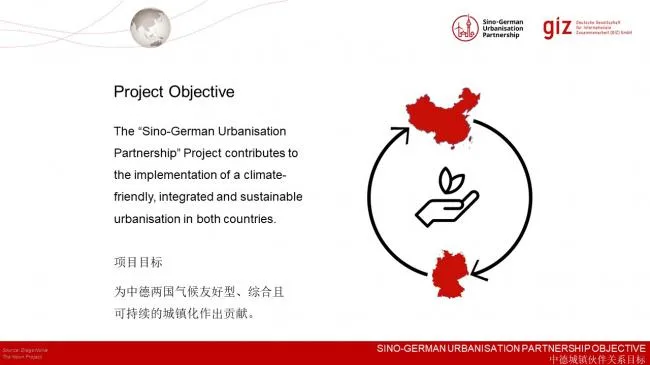
As a joint initiative between GIZ and China, the Sino-German Urbanization Cooperation project aims to promote climate-friendly, comprehensive, and sustainable urbanization in both countries. Prefabricated buildings are a key focus area within this collaboration.
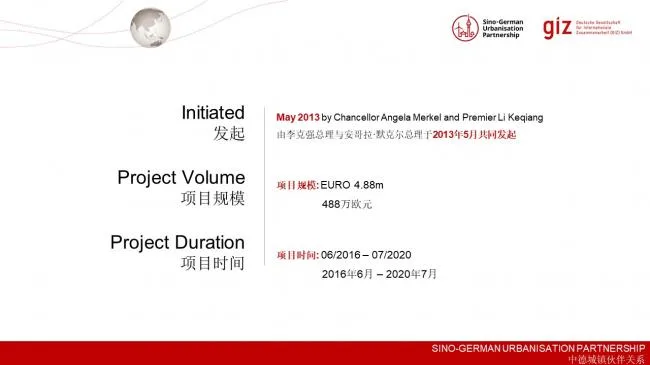
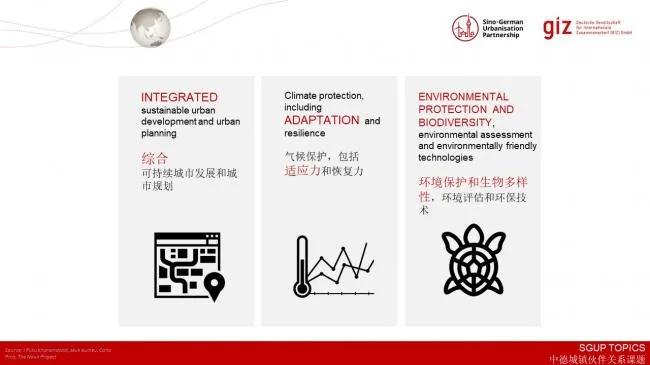
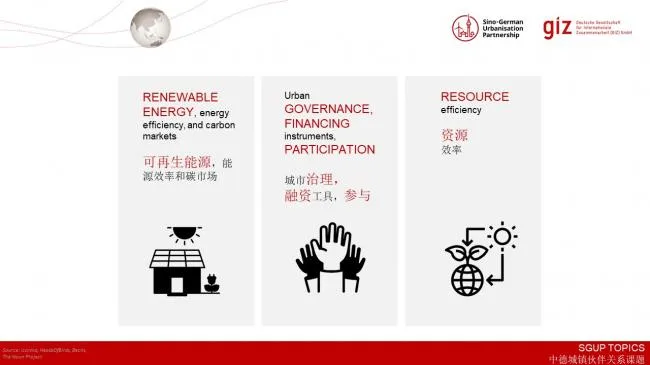
This project was jointly launched by Premier Li Keqiang and Chancellor Merkel, with a budget of 4.88 million euros dedicated to prefabricated assembly construction. It is commissioned by the German Federal Ministry for Environment, Nature Conservation, Building Safety, and the Chinese Ministry of Housing and Urban-Rural Development. Sustainability, urban development, urban planning, climate protection, and environmental preservation remain central to our efforts. We also emphasize renewable energy, urban governance, and energy projects.
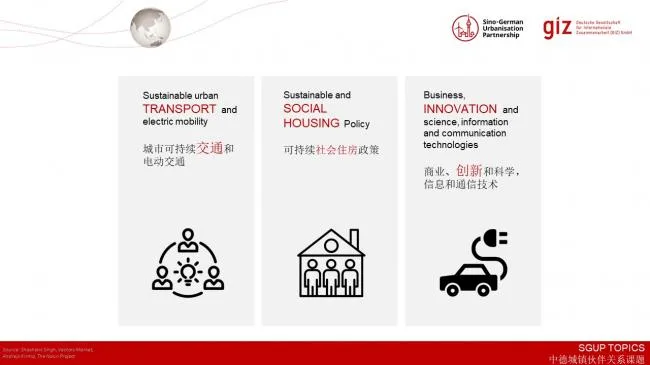
Urban sustainable transportation, including electric transit, alongside sustainable social housing policies, are critical themes. We believe innovation in business, science, and information and communication technology will drive solutions in these areas.
Next, let’s explore why developing prefabricated buildings is necessary and its significance in Germany.
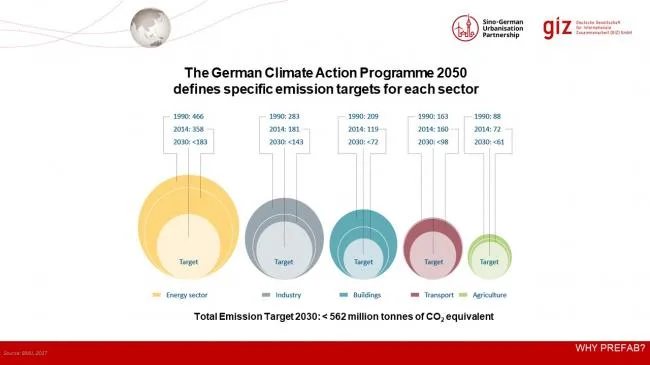
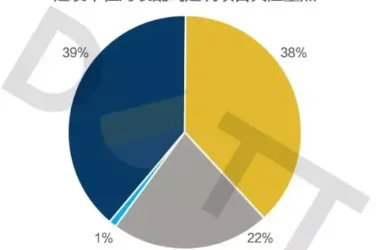
The chart presented displays the “German Climate Action Plan 2050,” which sets emission reduction targets across sectors such as energy, industry, construction, transportation, and agriculture. The construction sector ranks third in terms of potential emission reductions, indicating that prefabricated buildings can significantly contribute to lowering emissions in this field.
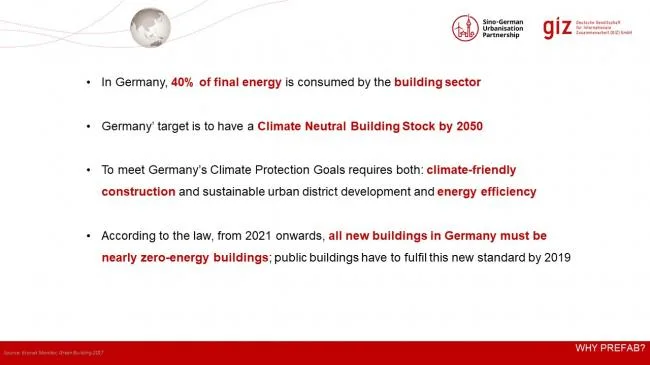
Buildings account for 40% of Germany’s final energy consumption. The “Germany 2050 Goal” aims for climate neutrality of existing buildings. To meet these climate protection goals, the German construction industry prioritizes climate-friendly buildings, sustainable urban development, and energy efficiency. German law mandates that all new buildings must achieve near-zero energy emissions from 2021, with public buildings adhering to stricter standards since 2019.
Now, a brief overview of Sino-German policies on prefabricated buildings.
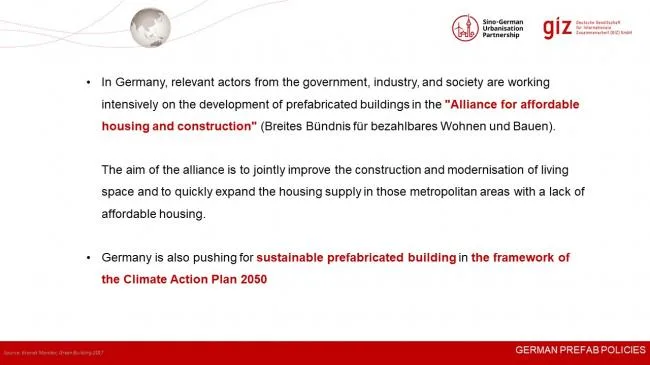
Major German cities face challenges related to housing demand. The German government, industry, and society have launched the “Affordable Housing and Construction Alliance” to address these issues. The alliance focuses on improving construction and modernization of residential spaces to rapidly increase housing supply in cities lacking affordable options.
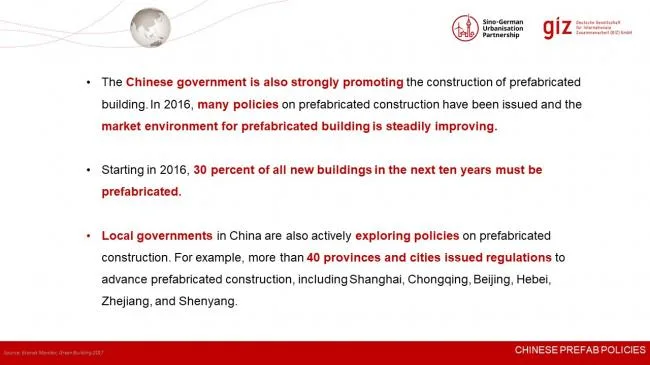
The Sino-German urbanization partnership also highlights China’s policies promoting prefabricated buildings. Germany currently renovates prefabricated buildings at a 0.8% rate, aiming for 2%. Learning from China’s experience, where numerous prefabricated building policies have been issued since 2016, the market environment has steadily improved. Starting in 2016, 30% of new constructions over the next decade are required to be prefabricated. Over 40 provinces and cities, including Shanghai, Chongqing, Beijing, Hebei, Zhejiang, and Shenyang, have introduced supportive regulations.
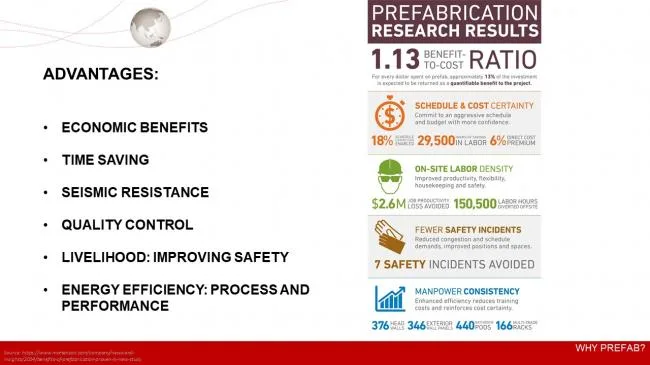
Prefabricated buildings offer several advantages: economic benefits, shorter construction times, effective quality control, improved safety, and low energy consumption with high performance throughout the construction process. Currently, German research is focusing on using wood as a material for prefabricated construction.
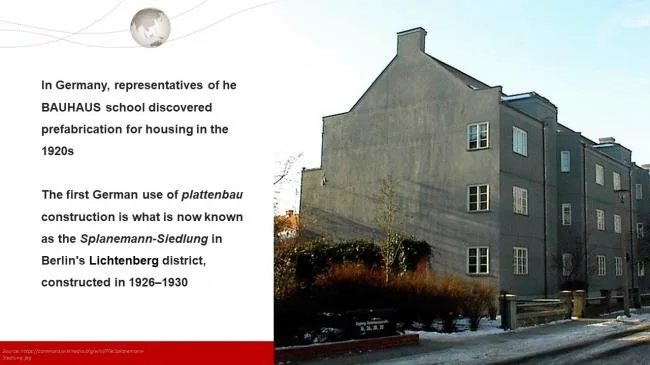
The Bauhaus school pioneered prefabricated houses in Germany during the 1920s. Berlin was one of the first cities to use large panel fittings, with construction spanning from 1926 to 1930.
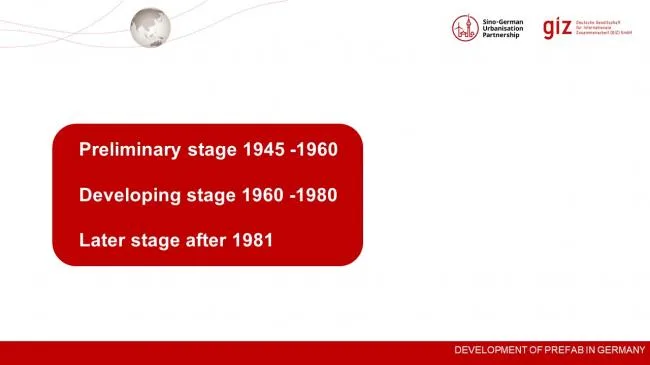
The development of prefabricated buildings in Germany can be divided into three main phases:
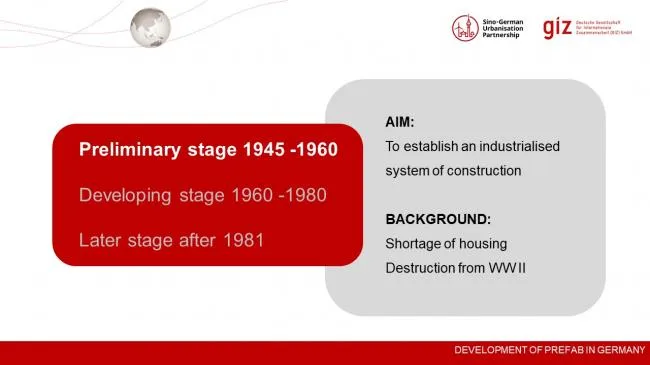
From 1945 to 1960, the initial stage focused on establishing an industrialized construction system. Post-war destruction, urbanization, and homelessness created a severe housing shortage, which accelerated the development of prefabricated buildings.
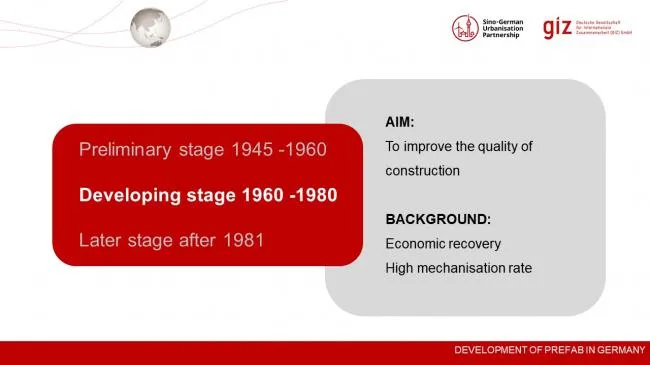
Between 1960 and 1980, the development stage concentrated on improving product and building quality along with cost-effectiveness. As the economy recovered, mechanization of construction components advanced. Prefabricated buildings were widely used for primary and secondary schools, as well as university buildings.
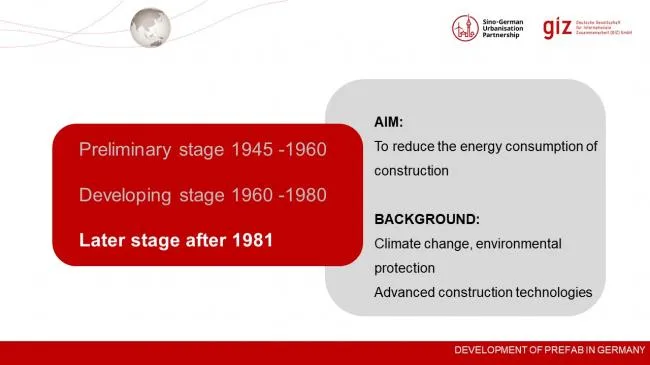
From 1981 onward, the mature stage emphasized reducing residential material consumption and environmental impact, promoting resource-recycling housing. Environmental protection concerns led the German construction industry toward green development. With technological maturity, prefabricated buildings increasingly meet low-energy building standards.
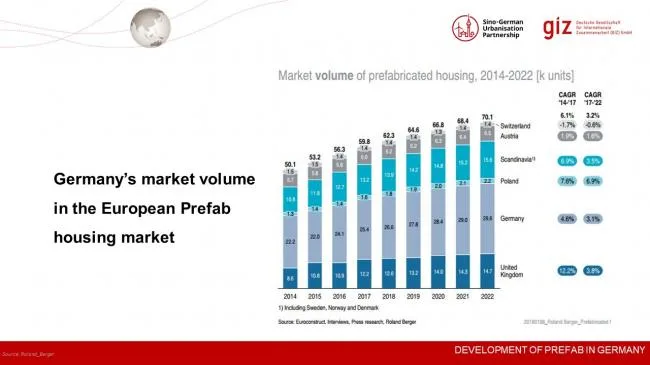
The chart shows Germany’s expanding market share in the European prefabricated building sector. The diversity in prefabricated building styles across regions stems from three key factors: varying structural sizes, architectural culture, and regional differences. We believe advanced technology will help narrow these regional disparities.
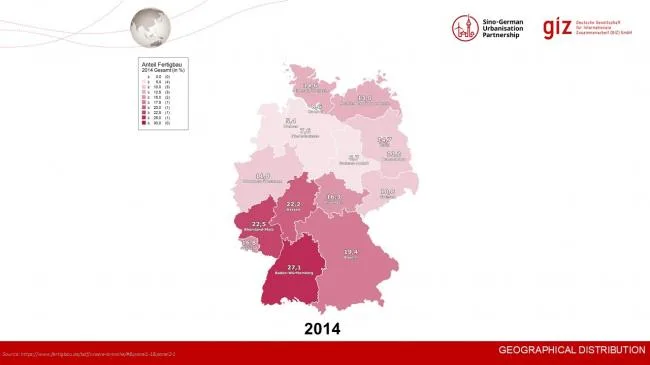
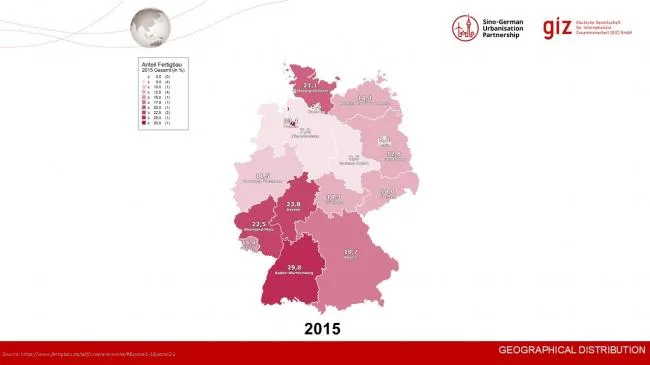
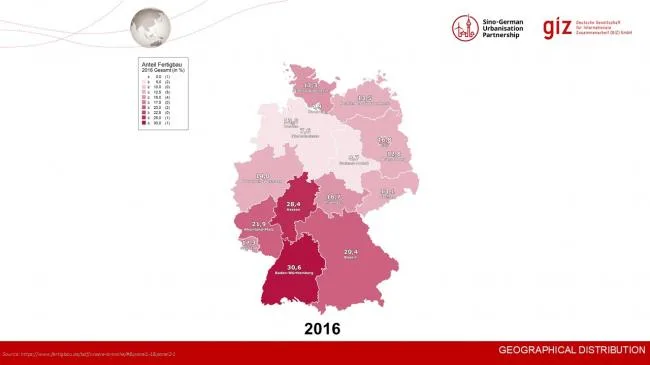
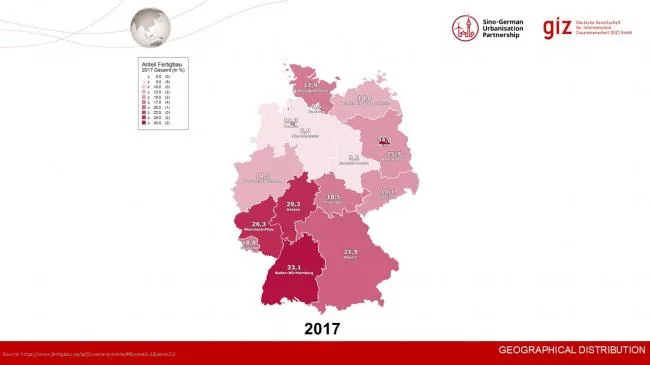
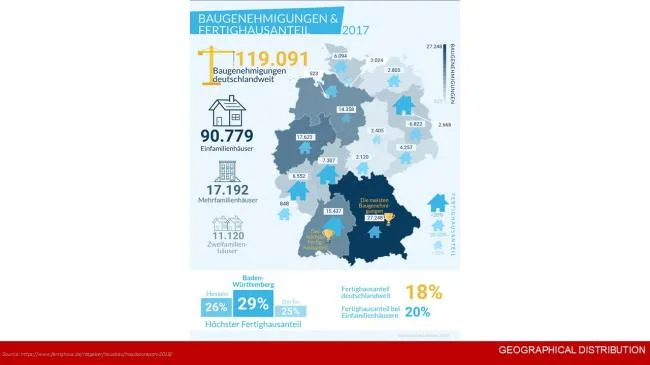
Finally, a brief overview of the geographic distribution of prefabricated buildings in Germany, influenced by economic development levels, social acceptance, and other factors.














Must log in before commenting!
Sign Up